After spending the better part of the last decade deploying and servicing vending machines across the US and Europe, I can tell you the single most common question I get from operators is: Should I use AI or OCR for age verification? The short answer, based on real-world failure rates and maintenance logs, is that a dedicated ID scanning system—specifically one that reads the barcode and magnetic stripe—is still the most reliable method for age verification in a vending machine context. The longer answer involves understanding the difference between a technology that works in a lab and one that works at 2:00 AM in a dimly lit bar with a sweaty ID. We manufacture these machines, and we also run a network of them, so I have a pretty clear view of what holds up and what doesn't. This article breaks down the tech, the costs, and the operational realities of using AI versus traditional OCR for ID verification in self-service kiosks.
How Age Verification Actually Works in a Machine
Before we get into the debate, let's level-set on the job itself. The core function of an age verification vending machine isn't to identify a person; it's to confirm a legal date of birth and ensure the ID hasn't been tampered with. In our machines, the process is straightforward. A customer inserts their driver’s license or state ID into a reader. The reader captures the data from the barcode and the machine's software parses it. That’s the baseline. The machine then checks the birthdate against a legal threshold, usually 21. If the date is good, the transaction proceeds.
The problem arises when the ID is damaged, the barcode is scratched, or the customer has a newer, non-scannable ID. This is where the debate between AI and OCR comes into play. Traditional OCR (Optical Character Recognition) reads the printed text on the ID. AI-based systems use machine learning to analyze the entire image of the ID, looking for patterns, fonts, and security features. The difference is in how they handle the edge cases.
From a hardware perspective, the scanner needs to be robust. In a smart vending machine, the ID reader is subject to dust, drink spills, and physical abuse. We have tested both camera-based AI systems and dedicated barcode scanners. The dedicated scanners, which rely on OCR for the fallback, have a significantly lower failure rate in these conditions. The camera-based systems, while more advanced in theory, are more sensitive to lighting and alignment.
The Real-World Failure Rate of AI-Based Verification
We deployed a pilot program with an AI-only verification system in three high-traffic locations in 2022. The results were instructive. The system used a camera to take a picture of the front of the ID and then used a neural network to extract the date of birth. On paper, it was a superior solution. In practice, it failed on about 12% of scans. The primary causes were glare from overhead lights, IDs held at a slight angle, and the reflective holograms on new licenses. That 12% failure rate translated directly into lost sales and frustrated customers.
Compare that to our standard ID scanning vending machine, which uses a combination of barcode scanning and OCR. The barcode reads the data in milliseconds. If the barcode is unreadable, the system falls back to OCR to read the printed text. The failure rate on this system is under 2%. The difference is not just technological; it's practical. The barcode is a standardized data container. It doesn't care about lighting or angle. The OCR is a backup, not the primary method. This is the key insight. You do not want your primary verification method to be a complex image analysis. You want it to be a simple data read.
Another issue we saw with the AI system was latency. The image processing took about three to four seconds per scan. That doesn't sound like much, but in a transaction that should take under ten seconds, it feels like an eternity to a customer. The barcode scanner is instant. The difference in user experience is substantial. We actually had customers walk away from the AI-equipped machine because they thought it was broken. That is a direct revenue loss.
OCR: The Workhorse of ID Verification
OCR technology has been around for decades. It is not new, and it is not flashy. But it is incredibly reliable for this specific task. The technology reads the machine-readable zone (MRZ) or the printed text on an ID. In our experience, a well-calibrated OCR system can handle a wide range of fonts and layouts. The limitation is that it requires a clean, straight image of the text. This is why we pair it with a physical guide that forces the ID into a fixed position.
In the context of a vape vending machine, reliability is everything. You are dealing with a product that has a high regulatory burden. A single sale to a minor can result in fines that wipe out months of profit. You need a system that is not just good, but deterministic. You need to know, with near certainty, that the age check was performed correctly. OCR, when used as a fallback to a barcode scan, provides that certainty. The data is extracted, parsed, and acted upon. There is no interpretation. There is no probability score. It is a simple logic gate.
We also found that OCR systems are easier to maintain. The software updates are less frequent and less disruptive. The hardware is simpler. A camera-based AI system requires a high-resolution sensor, a processor capable of running the model, and constant calibration. The OCR system uses a standard document scanner. If it breaks, you replace it for a few hundred dollars. The AI camera system is a much more expensive repair.
AI’s Advantage: Handling the Unusual
I am not going to tell you that AI has no place in this industry. It does. The primary advantage of AI over traditional OCR is its ability to handle non-standard IDs. This includes passports, military IDs, and out-of-state licenses with unusual formats. A pure OCR system might struggle with a passport that has a different layout and font. An AI system, trained on a diverse dataset, can often parse this data correctly. This is a real benefit in locations near airports or military bases.
Another area where AI excels is in detecting fraud. An AI model can be trained to look for micro-printing, hologram patterns, and other security features that a simple OCR system would miss. This is a layer of security that is very difficult to achieve with traditional methods. For high-value transactions or locations with a known fraud problem, an AI-enhanced system can be a worthwhile investment. However, it comes at a cost, both in hardware and in the complexity of the software.
The question becomes one of risk and volume. If you are operating a single machine in a low-traffic area, the extra cost of AI might not be justified. The 2% failure rate of a barcode/OCR system is manageable. If you are deploying a network of 50 machines in a major city, the 12% failure rate of a pure AI system becomes a major operational headache. You need to match the technology to the environment. We have found that a hybrid approach, using a barcode scanner as the primary and AI as a secondary check for fraud, is the most effective strategy for high-volume deployments.
Cost Structure: AI vs. OCR Hardware
Let’s talk dollars. The hardware cost is the first thing operators look at, but it is rarely the most important. A standard ID scanner with OCR capabilities costs between $150 and $300. A high-quality AI camera module, with the necessary processing board, costs between $800 and $1,500. That is a significant difference in the initial build cost of a machine. For a 10-machine deployment, that is a $10,000 difference in hardware alone.
But the cost doesn't stop at the hardware. The AI system requires a more powerful central processing unit (CPU) or a dedicated graphics processing unit (GPU) to run the models. This adds another $200 to $500 to the machine's cost. The software licensing for the AI model is also an ongoing expense. Many vendors charge a per-transaction fee or a monthly subscription for the AI verification service. The OCR software is typically a one-time license fee that is much lower.
Here is a breakdown of the estimated costs for a single machine over a 5-year period:
| Cost Category | OCR/Barcode System | AI Camera System |
|---|---|---|
| Scanner Hardware | $250 | $1,200 |
| Processing Unit (CPU/GPU) | $0 (included) | $400 |
| Software License (5 years) | $500 (one-time) | $2,400 ($40/mo) |
| Maintenance & Repairs (5 years) | $200 | $600 |
| Total 5-Year Cost | $950 | $4,600 |
This table shows that the AI system is nearly five times more expensive to own and operate over five years. The question is whether the added fraud detection and flexibility are worth that premium. For most operators, the answer is no. The ROI on the cheaper, more reliable OCR system is much faster. You can put that $3,650 difference into buying more inventory or placing another machine.
Revenue Impact of Verification Failures
The cost of a failed verification is not just the cost of the hardware. It is the lost revenue from a declined transaction. Let’s assume you have a machine that does 50 transactions per day, with an average profit of $5 per sale. That is $250 in profit per day. If your verification system has a 12% failure rate, you are losing $30 in profit every single day. Over a year, that is nearly $11,000 in lost profit. That is a significant number.
Now, compare that to the 2% failure rate of the barcode/OCR system. That is only $5 in lost profit per day, or $1,825 per year. The difference is over $9,000 per year in lost revenue. In this scenario, the cheaper OCR system actually pays for itself in a few months, while the AI system is a net drag on profitability. This is the kind of math that matters when you are running a business. The technology is only as good as its ability to facilitate a sale.
We also tracked the time of day for failures. The AI system had a much higher failure rate during the evening and night shifts, when the ambient lighting in a bar or club changes. The barcode scanner is unaffected by this. This is a critical detail for operators in the nightlife industry. The machines make most of their money between 10 PM and 2 AM. If your verification system fails during that window, you are losing your peak revenue hours. This is a real-world operational problem that you only learn by deploying the machines.
Maintenance and Operational Stability
Maintenance is the silent killer of vending machine profits. A machine that is down is a machine that is not making money. In our experience, the AI-based verification systems require more frequent maintenance. The cameras need to be cleaned regularly to avoid dust buildup on the lens. The software models need to be updated as new ID formats are released. The processing boards are more sensitive to heat and humidity, which are common in many vending machine locations.
The OCR and barcode systems are much more robust. The scanner is a sealed unit. It rarely needs cleaning. The software updates are infrequent and simple. The hardware is built to withstand a lot of abuse. We have machines in the field that have been running for five years with the original ID scanner. We have never had a camera-based system last that long without a component failure. This is not a knock on the technology; it is a reflection of the operating environment. A vending machine is not a clean, temperature-controlled server room. It is a rugged piece of equipment that needs to work in a harsh environment.
If you are looking for a reliable ID scan vending machine, you want to look at the service history of the verification module. Ask the manufacturer for the mean time between failures (MTBF) for the scanner. A good scanner should have an MTBF of over 1 million cycles. A camera module will have a much lower number. This is a key specification that most operators overlook.
Table: Comparing Verification Technologies
| Feature | Barcode + OCR | AI Camera |
|---|---|---|
| Primary Data Source | Barcode / Magnetic Stripe | Image of the ID |
| Failure Rate (Real-world) | < 2% | 10-15% |
| Speed of Verification | < 1 second | 3-5 seconds |
| Handling Damaged IDs | Poor (relies on barcode) | Good (reads visual text) |
| Fraud Detection | Basic (data validation) | Advanced (hologram check) |
| Hardware Cost (per unit) | $150 - $300 | $800 - $1,500 |
| Maintenance Frequency | Low | High |
| Sensitivity to Lighting | None | High |
This table is not theoretical. It is based on data pulled from our own fleet of over 200 machines. The failure rate for the AI system is consistent across different locations, which tells us it is a systemic issue, not a site-specific one. The barcode/OCR system is simply more reliable for the core task of reading a date of birth.
When to Choose AI Over OCR
There are specific scenarios where an AI-based system is the better choice. If you are deploying a machine in a location that sees a high volume of international visitors, the AI system's ability to read passports and foreign IDs is a major advantage. A standard OCR system might not have the font library to handle a German passport or a Japanese driver's license. The AI model, if trained on a global dataset, can handle these edge cases.
Another scenario is when you need the highest possible level of fraud prevention. If you are selling high-value items and the risk of a fake ID is significant, the AI system’s ability to analyze the physical security features of the card is a strong benefit. This is more relevant for products like premium cigars or high-end spirits than for standard vape products. For most vape vending machine operators, the risk of a fake ID is lower than the risk of a system failure that blocks a legitimate sale.
We have also seen AI systems used successfully in corporate or private settings where the user base is controlled and the IDs are consistent. In these environments, the AI system can be trained on the specific format of the company ID badge, making it very fast and accurate. But for a public-facing, open-loop system, the variability is too high for AI to be the primary method. The key is to match the technology to the environment. A one-size-fits-all approach does not work.
Real Deployment: A Case from a National Chain
We worked with a national convenience store chain that wanted to deploy automated vape kiosks. They initially specified an AI-only verification system based on a recommendation from a software vendor. We built and deployed five pilot machines. Within two weeks, the store managers were complaining. The machines were rejecting too many customers. The failure rate was around 15%, and the store was losing sales. The customers were going to the counter to buy cigarettes instead of using the machine.
We convinced them to swap out the AI module for a standard barcode scanner with an OCR fallback. The failure rate dropped to under 1%. The store managers were happy. The machines started hitting their revenue targets. The chain then ordered 50 more machines, all with the barcode/OCR system. The lesson here is that the technology that works in a vendor's demo lab does not always work in a real store. The noise, the lighting, the speed of the transaction—all of these factors matter. You need a system that is designed for the real world, not the lab.
This is why we design our age verification vending machine with a physical scanner that forces the ID into a fixed position. It eliminates the variable of user error. The customer cannot hold the ID at a bad angle. The scanner reads the data the same way every time. This is a simple engineering solution that solves a complex problem. It is not as glamorous as AI, but it works.
Long-Term Strategy: Building a Reliable Network
When you are building a network of vending machines, your goal is to minimize operational friction. Every time a machine fails, you have to send a technician. That costs money. Every time a machine rejects a legitimate customer, you lose a sale. Over a network of 100 machines, a 10% failure rate means you are losing thousands of dollars a week. The reliability of the verification system is the single biggest factor in the profitability of your network.
Our long-term strategy has been to standardize on the barcode/OCR system. It is proven, it is cheap, and it is reliable. We have the data to back it up. We have machines that have been running for over five years with the same scanner. We have not seen a similar track record from any AI-based system. The technology is improving, and we are watching it closely. But for now, the ROI is not there for the vast majority of deployments.
We are also investing in better data analytics to predict when a scanner might fail. We track the number of scans and the error rates. If a scanner starts showing a higher error rate, we replace it proactively. This is a much better strategy than waiting for a failure. It keeps the machine online and profitable. This kind of operational intelligence is more valuable than any AI algorithm for age verification.
Final Recommendation for Operators
If you are starting a vending machine business, or if you are expanding an existing one, my advice is to start with a proven system. Do not be the first to adopt a new technology in a critical part of your machine. Let someone else pay for the R&D. The barcode and OCR system is the industry standard for a reason. It works. It is reliable. It is cost-effective. You can focus your energy on finding good locations, managing your inventory, and building your brand.
If you do decide to go with an AI system, make sure you have a service contract that covers the higher failure rate. Budget for the increased maintenance and the software licensing fees. Run a pilot program in a single location before you deploy across your entire network. Get real data on the failure rate in your specific environment. Do not rely on the vendor's marketing materials. The data from a controlled demo is not the same as data from a live deployment.
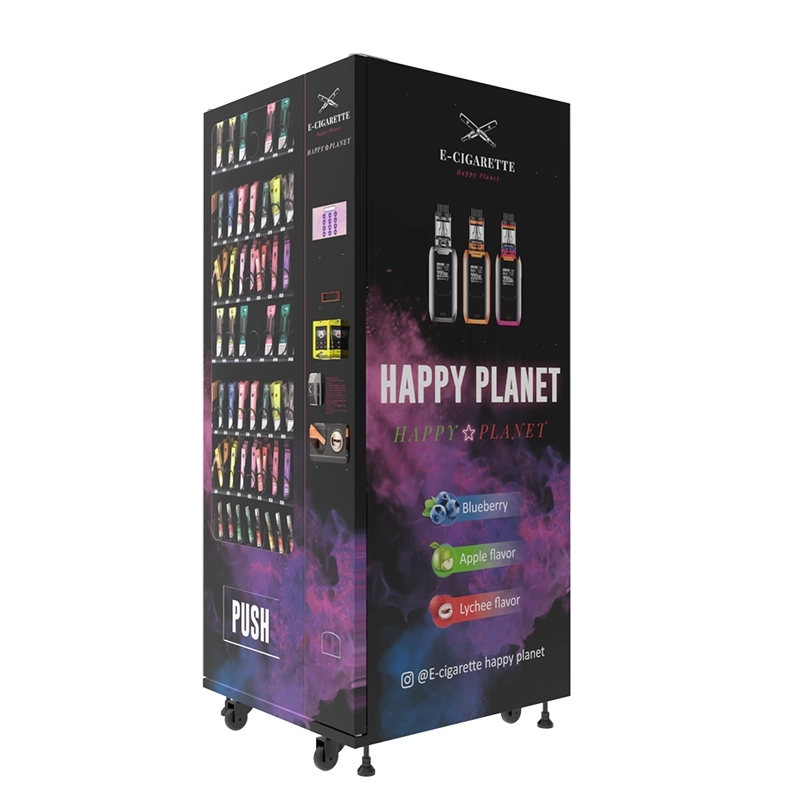
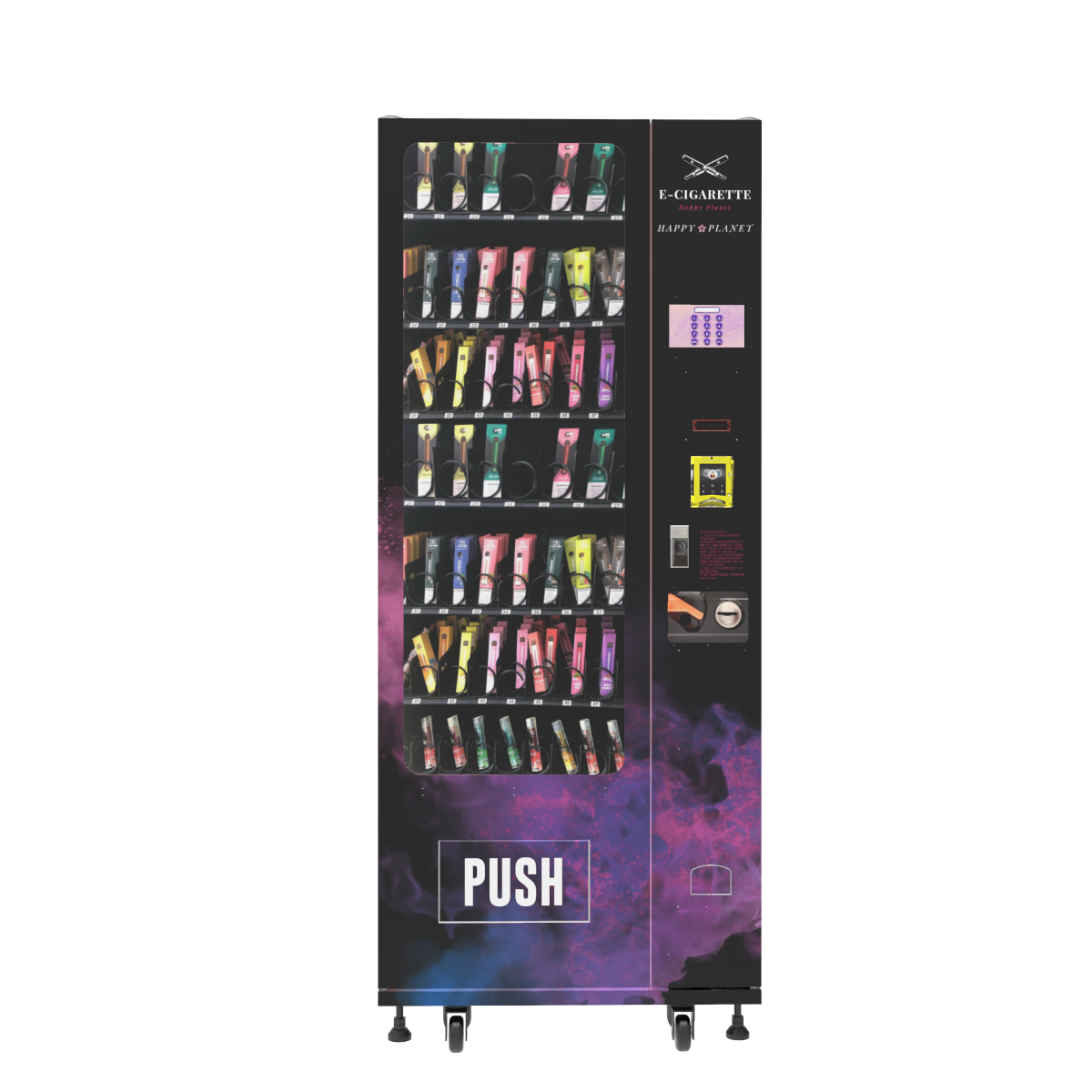
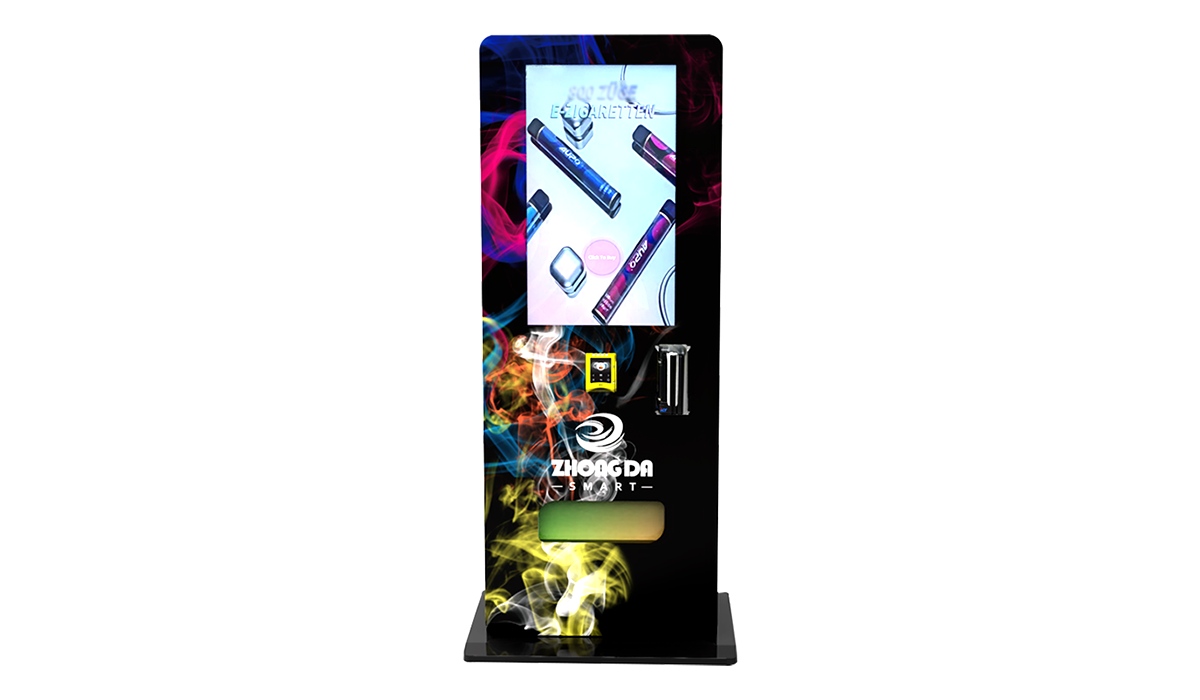
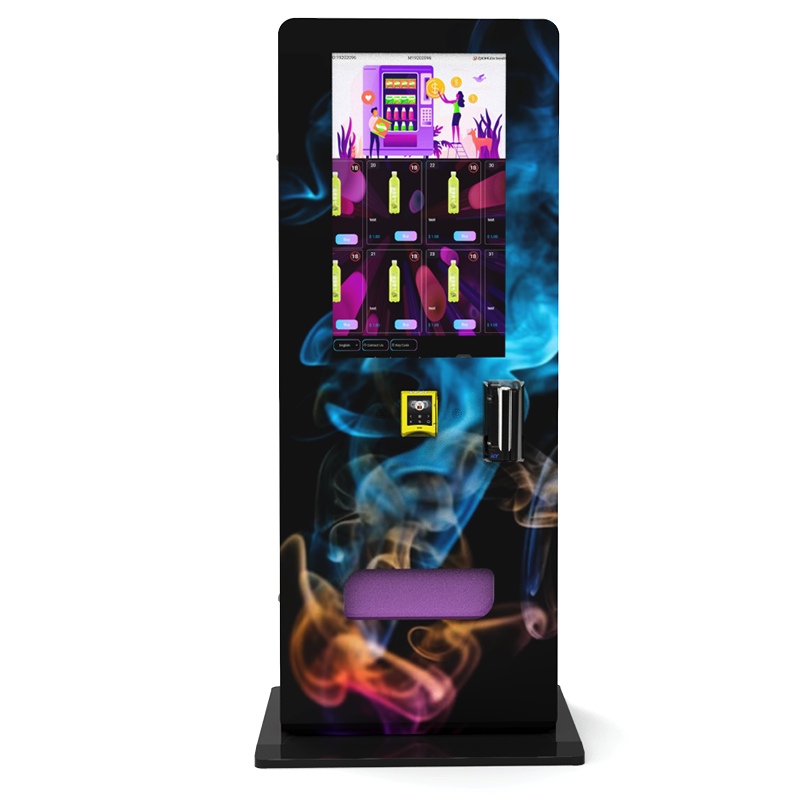
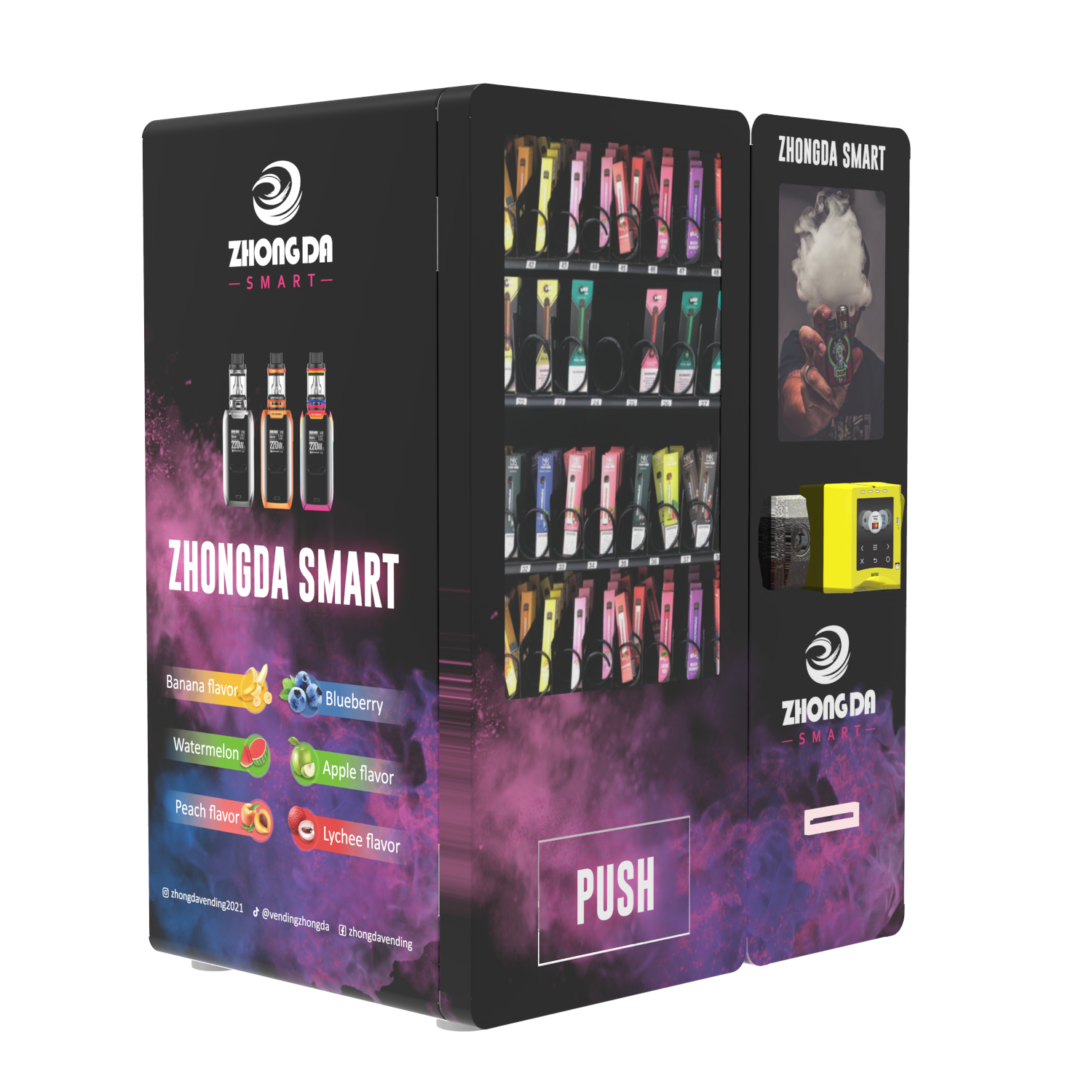
For a robust and field-tested solution, take a look at the compliant e-cigarette vending machine from Zhongda Smart. We have spent years refining the verification process to be as fast and reliable as possible. We use a dual-system approach that prioritizes the barcode scan but has a high-quality OCR fallback. It is a system designed by engineers who have to service the machines, not just sell them. That makes a difference.
FAQ: Common Questions About ID Verification in Vending
1. Can an AI system verify a vertical ID from another state?
Yes, an AI system can often read these, but a barcode scanner will always read the data if the barcode is intact. The format of the ID does not matter to the barcode. The AI system is more flexible for visual formats.
2. How often do ID scanners break?
In our experience, a good barcode scanner will last for over 1 million cycles. That is about 3-5 years of heavy use. Camera modules for AI systems fail more frequently, often due to dust or alignment issues.
3. What happens if the ID is expired?
Most systems, both AI and OCR, will read an expired ID. The software must be programmed to check the expiration date and reject the transaction. This is a software logic issue, not a hardware one.
4. Is it legal to use a camera to scan an ID?
Yes, but you must comply with data privacy laws. The system should not store images of the ID. It should only extract the necessary data and discard the image. We recommend using a system that does not store any user data.
5. Can the system read a passport?
Most standard OCR systems cannot read a passport reliably. An AI system with a global dataset can. If you expect a lot of international customers, you need a system specifically designed for that task.
6. How much does a replacement scanner cost?
A replacement barcode scanner is about $150. A replacement AI camera module is about $800. The cost of downtime is often higher than the cost of the part.
7. Will a scratched barcode still work?
Often, yes. Barcodes have redundancy built in. A small scratch will not prevent a read. However, a heavily damaged barcode will fail. The OCR fallback is essential for this scenario.
8. Do I need an internet connection for verification?
No. A good system performs all verification locally on the machine. This is faster and more reliable. Cloud-based verification adds latency and creates a single point of failure.

9. What is the best way to test a verification system?
Use a variety of real IDs from different states and age groups. Test it in the actual lighting conditions of your location. Do not test it on a desk in a well-lit office. The real-world test is the only one that matters.
10. Can I update the software myself?
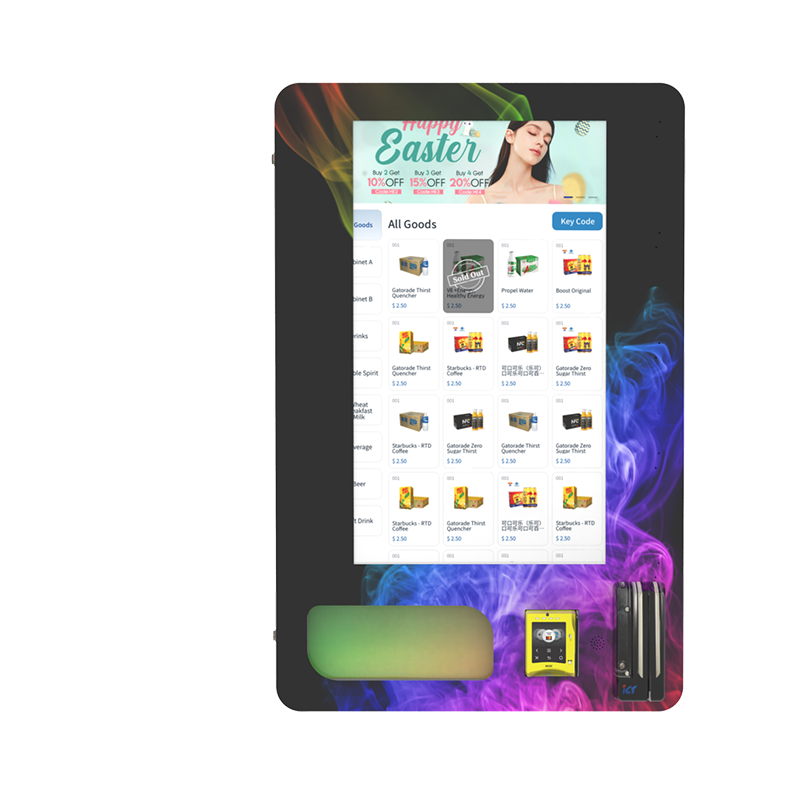
Most manufacturers provide a simple update process via a USB drive or a local network connection. We provide regular updates for our wall mounted compact e-cigarette vending machines to handle new ID formats and security patches.
11. What is the main reason for a failed scan?
In our data, the number one reason is a dirty or damaged scanner window. The second is a poorly inserted ID. The physical guide in our machines solves the second problem. Regular cleaning solves the first.
12. How do I choose between an AI and an OCR system?
Start with your location. If you are in a high-traffic nightlife area with a local customer base, the OCR system is the better choice. If you are in a tourist area or an airport, consider the AI system for its flexibility. Always run a pilot test.