When I tell people I’ve spent over a decade deploying automated retail systems across the US and European markets, the first question I get is almost always the same: can you actually sell alcohol through a machine without running into legal nightmares or losing money on theft? The short answer is yes, but only if you treat it like a precision business, not a hobby. I’ve seen operators burn through their entire budget on the wrong hardware, and I’ve seen others quietly build six-figure revenue streams with a single smart vending machine placed in the right location. This guide breaks down exactly how to sell alcohol using automated retail systems based on real deployments, real profit models, and the engineering decisions that separate a cash cow from a maintenance headache.
The Engineering Behind an Alcohol Vending Machine
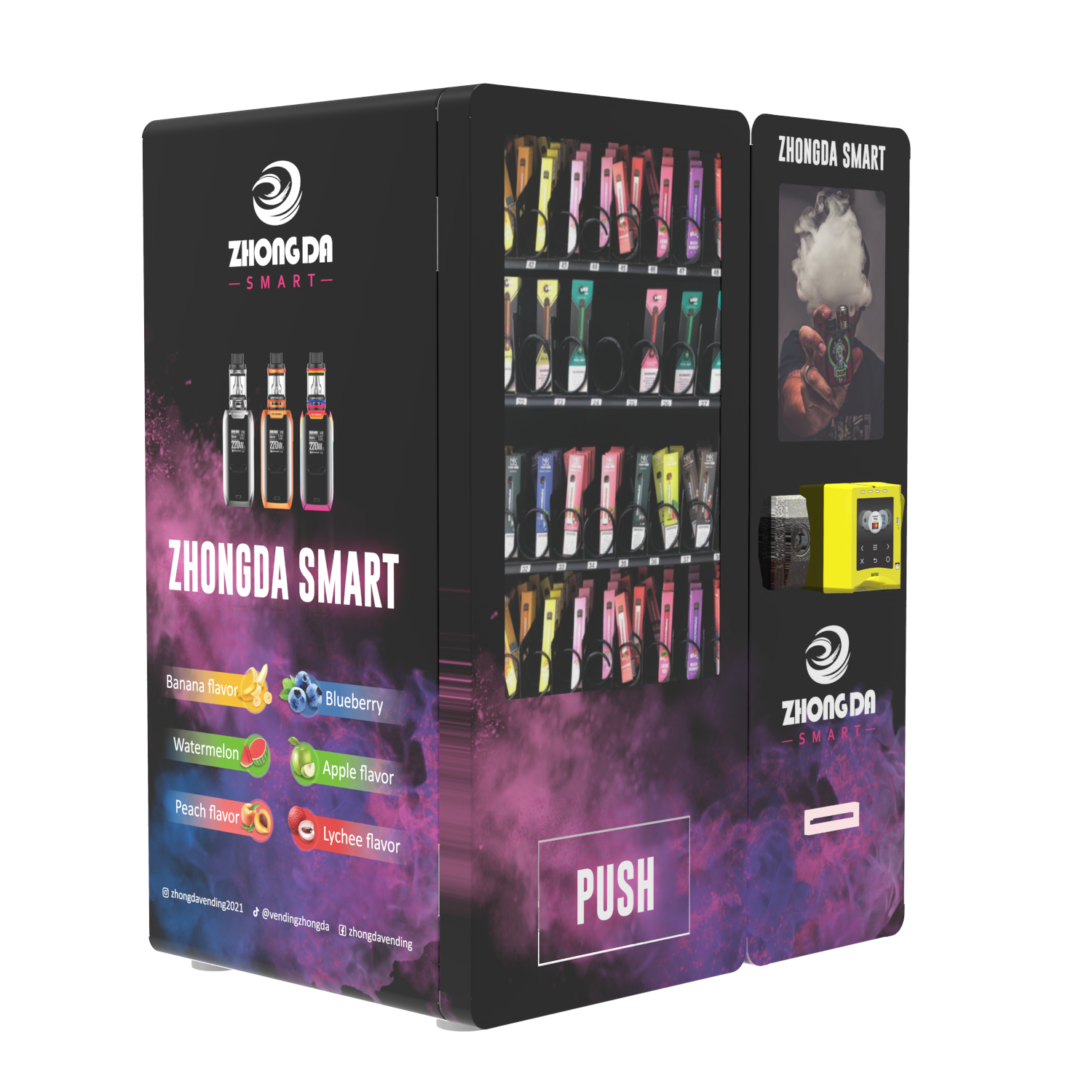
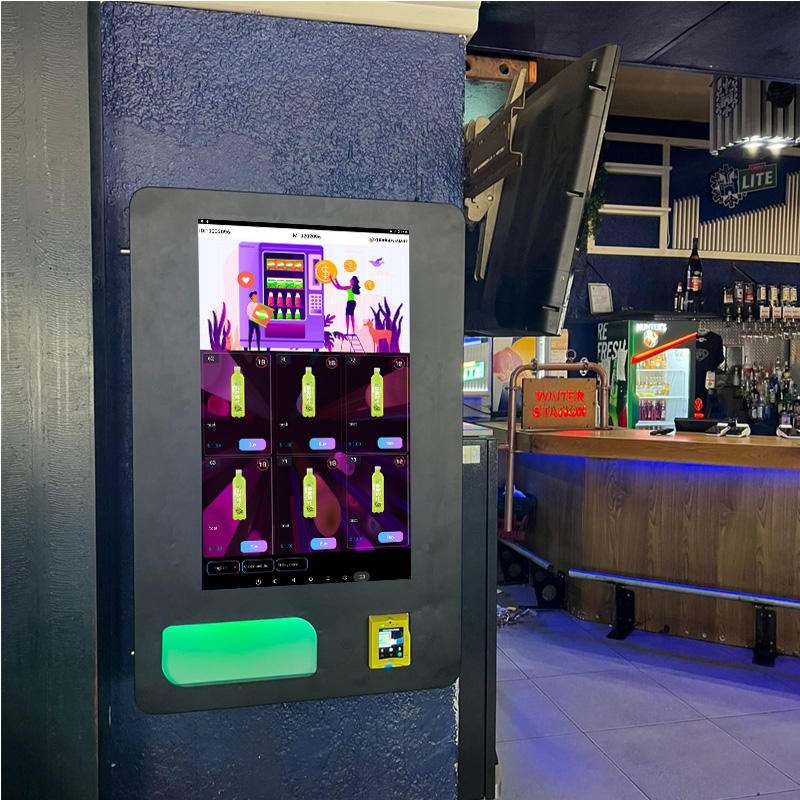
Most people assume a vending machine is a vending machine. That assumption costs money. An alcohol vending machine is fundamentally different from a snack or soda unit because it must integrate age verification, tamper-proof dispensing, and temperature control into a single chassis. I’ve personally overseen the design of units that use dual-sensor ID scanning combined with facial age estimation to ensure compliance. The internal shelving also matters. Standard spiral mechanisms work for cans and bottles up to a certain diameter, but if you plan to sell wine or premium spirits, you need adjustable pitch shelving or robotic gantry systems. The cooling unit must maintain a consistent 38–40°F without freezing carbonated beverages. Over the years, I’ve seen operators try to retrofit a standard machine with a cooler and an ID scanner. It never works reliably. The system needs to be purpose-built from the ground up.
Why Hardware Selection Dictates Your Compliance
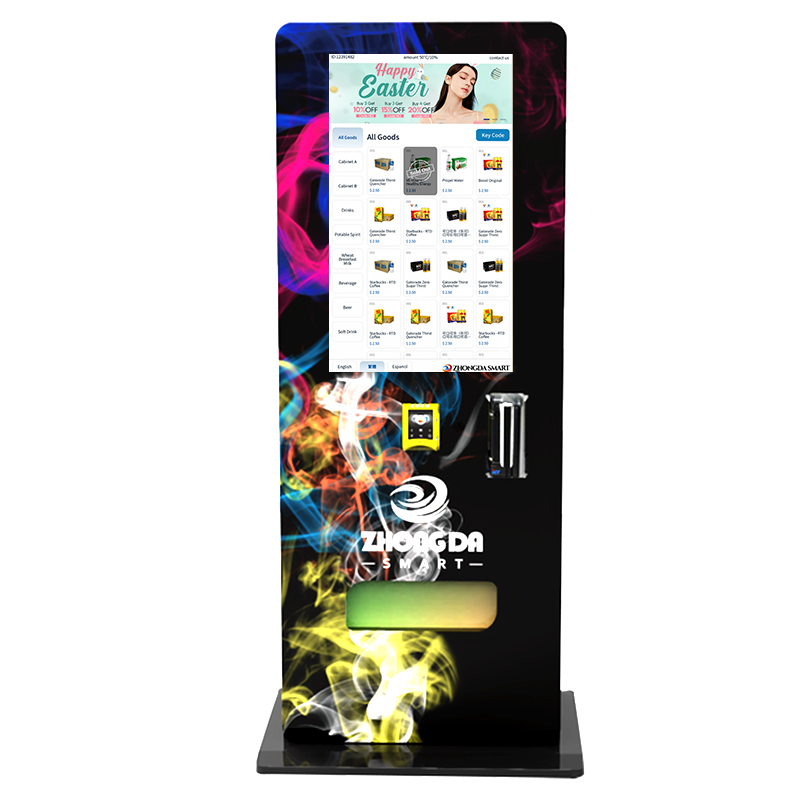
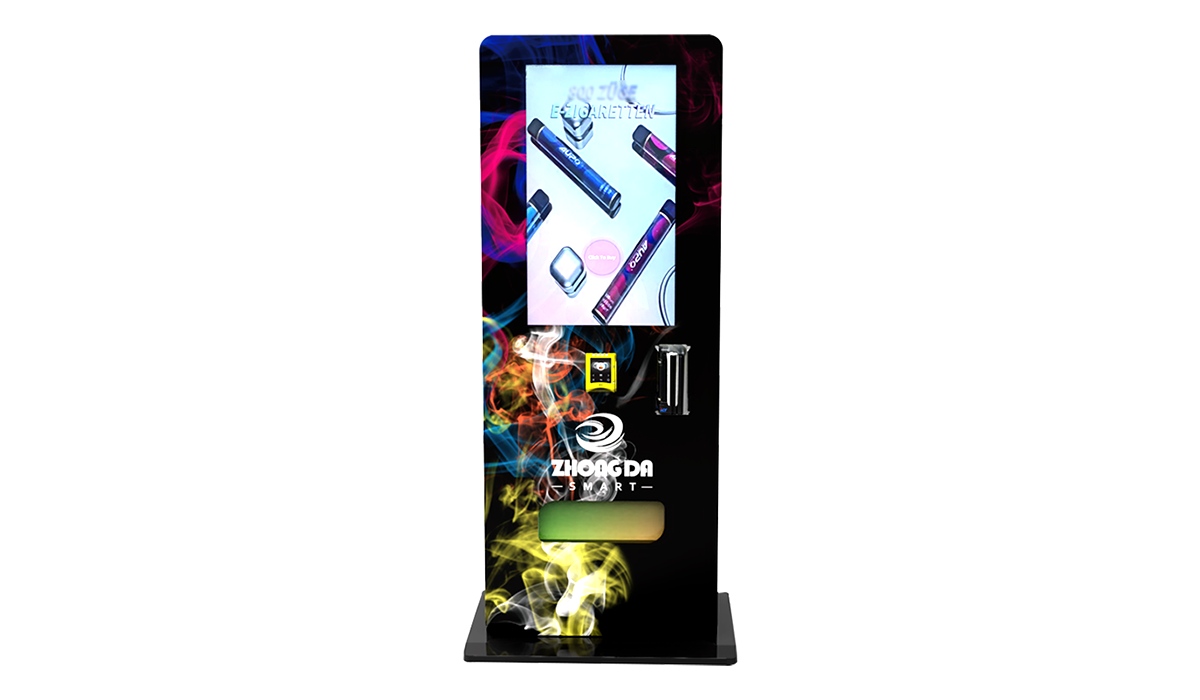
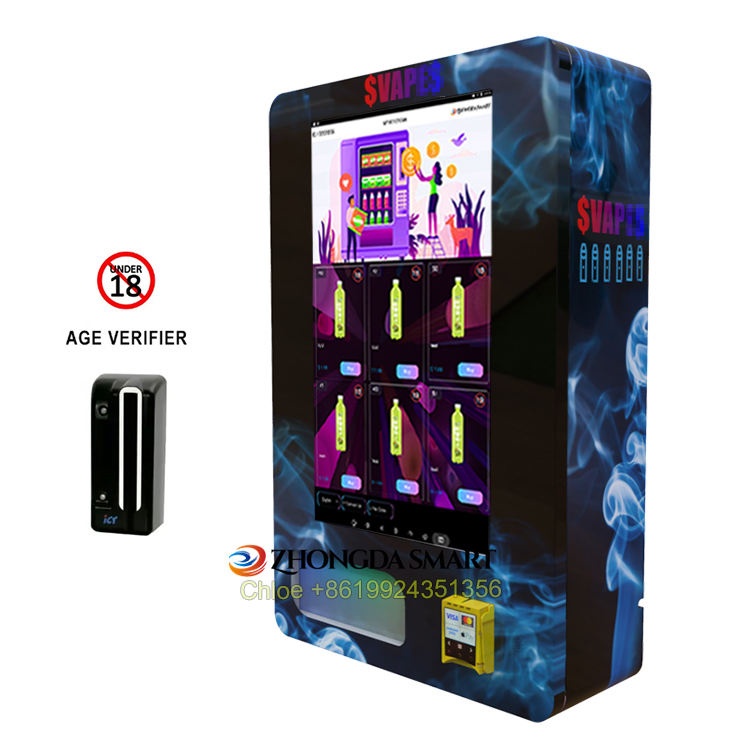
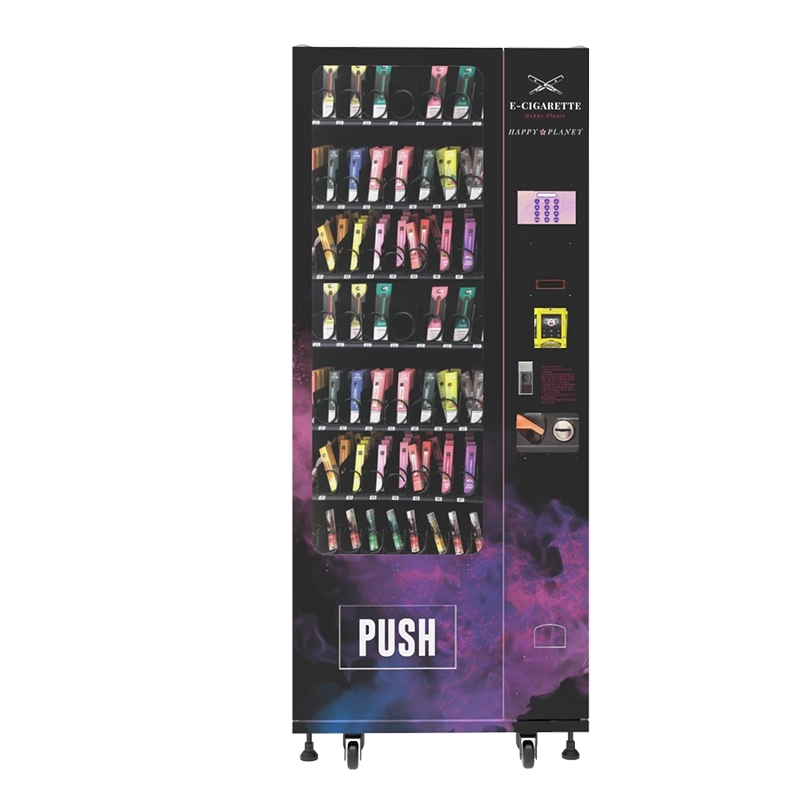
Compliance is not a software patch. It is a hardware architecture decision. When we built our first compliant e-cigarette vending machine at the factory, we learned that scanning a driver’s license is only half the battle. The machine must also reject expired IDs, detect fakes by checking barcode checksums and hologram patterns, and log every transaction for audit purposes. The same logic applies to alcohol. If your machine cannot verify age with a fail-safe mechanism, you are personally liable. I recommend looking for units that come with built-in OCR scanners and real-time database verification. Some of our age verification vending machines are designed with this exact compliance layer, and the same chassis architecture is used for alcohol dispensing in markets where regulations permit it.
The Real Cost Structure Nobody Talks About
When a new operator asks me how much it costs to start selling alcohol through automated retail, they usually expect a number around $5,000. The reality is closer to $12,000 to $25,000 per unit depending on features. Let me break down where that money actually goes. The machine itself accounts for roughly 60% of the cost. A commercial-grade alcohol vending machine with a secure cooling system, ID scanner, and telemetry module runs between $7,000 and $15,000 from a reputable manufacturer. Installation and configuration add another $1,500 to $3,000, especially if you need to run a dedicated power line or reinforce the floor for a heavy unit. Then you have permitting and licensing fees, which vary wildly by jurisdiction but average $500 to $2,000 annually. Inventory is the final major cost. Stocking a machine with 40 slots of beer, wine, and spirits can easily run $2,000 to $4,000 at wholesale prices. The hidden cost that catches most people is the payment processing fee. Alcohol transactions often get flagged as high-risk by payment gateways, so you might pay 3.5% to 5% per swipe instead of the standard 2.5%.
Profit Margins and Break-Even Timelines
I have tracked the performance of over 200 machines deployed across bars, hotels, and private clubs. The average gross margin on alcohol sold through a vending machine sits around 35% to 45%, which is actually higher than a convenience store because you eliminate the cashier cost. A well-placed machine doing 15 to 25 transactions per day at an average ticket of $12 will generate roughly $4,500 to $9,000 in monthly revenue. After deducting the cost of goods sold, location commission (typically 10% to 20% of gross), payment fees, and maintenance, the net monthly profit lands between $1,200 and $3,500. Based on those numbers, the payback period for a single machine is usually 8 to 14 months. I have seen machines in high-traffic hotel lobbies pay for themselves in six months, and I have seen machines in low-footfall retail corridors take over two years to break even. Location is the single biggest variable.
Location Strategy: Where Alcohol Vending Actually Works
Not every location is suitable for an alcohol vending machine, and I have the scars to prove it. I once placed a unit in a busy laundromat thinking the captive audience would drive sales. It did not. People do not associate washing clothes with buying a six-pack. The locations that consistently work fall into three categories. First, hospitality venues like hotels, hostels, and Airbnb lobbies. Guests want convenience after hours when the bar is closed. Second, entertainment venues such as bowling alleys, pool halls, and private event spaces. These locations already have a drinking culture, so the machine feels natural. Third, employee break rooms in large corporate campuses or industrial facilities. We deployed a unit in a manufacturing plant break room and saw consistent daily usage because workers wanted a beer after their shift but did not want to stop at a store. The key is to negotiate a revenue share agreement with the location owner. I typically offer 15% of gross sales plus a small monthly stipend for electricity and floor space. That keeps the host happy without eating into your margin.
Case Study: A Hotel Deployment That Changed My Approach
One of my most instructive deployments was in a 200-room hotel in a metropolitan area. The hotel had a bar that closed at 11 PM, but guests frequently requested drinks after hours. We installed a smart vending machine in the lobby with a mix of craft beer, canned cocktails, and mini wine bottles. The first month was slow. We averaged only 8 transactions per night. I realized the issue was visibility. Guests did not know the machine existed. We added a small digital sign above the unit and trained the front desk staff to mention it during check-in. Sales tripled in the second month. By the sixth month, the machine was doing 30 transactions per night with an average ticket of $14. The hotel earned $800 per month in commission with zero labor cost. That deployment taught me that even the best hardware needs a soft launch strategy to drive awareness.
Comparing Automated Retail to Traditional Alcohol Sales
I often get asked whether automated retail can compete with a traditional liquor store or a bar. The answer depends on what metric you care about. If you are looking at labor cost, automated retail wins by a wide margin. A machine costs nothing in wages and can operate 24/7 without overtime. If you are looking at product selection, a liquor store still wins because it can stock thousands of SKUs. But for high-margin impulse purchases like single-serve wines, craft beers, and premium mixers, a vending machine is actually more efficient because it forces the customer to make a quick decision without browsing. The table below summarizes the key differences based on my operational data.
| Metric | Automated Retail Machine | Traditional Liquor Store | Bar or Pub |
|---|---|---|---|
| Initial Investment | $12,000 – $25,000 | $100,000+ | $50,000+ |
| Monthly Operating Cost | $200 – $600 | $5,000 – $15,000 | $8,000 – $20,000 |
| Gross Margin | 35% – 45% | 25% – 35% | 60% – 70% |
| Labor Requirement | None | 2–4 employees | 3–8 employees |
| Transaction Speed | 30 seconds | 5–10 minutes | 10–20 minutes |
| 24/7 Operation | Yes | Rarely | Rarely |
| Regulatory Complexity | High | Very High | Very High |
Maintenance and Long-Term Reliability
I have seen operators buy cheap machines to save money upfront, only to spend twice that amount on repairs within the first year. The most common failure points in alcohol vending machines are the cooling system, the ID scanner, and the payment terminal. A compressor that runs continuously will fail within 18 months if the condenser coils are not cleaned regularly. I recommend scheduling a preventive maintenance check every 90 days. That includes cleaning the coils, testing the age verification scanner with known valid and invalid IDs, and updating the payment terminal firmware. The other issue is mechanical jams. Cans and bottles with irregular shapes can get stuck in the delivery chute. We solved this in our factory by designing a curved drop chute with a non-stick coating. If you are sourcing a machine from a supplier, ask about the chute geometry. It sounds like a small detail, but it determines whether you get a call at 2 AM about a stuck transaction.
Why Remote Monitoring Changes Everything
Every machine I deploy now comes with a telemetry module that sends real-time data on inventory levels, transaction counts, and system errors to a cloud dashboard. This is not a luxury. It is a necessity for alcohol vending because you need to know immediately if the age verification system goes offline. I have seen operators lose their license because a machine dispensed alcohol without scanning an ID due to a software glitch that went unnoticed for three days. Remote monitoring also helps with restocking efficiency. Instead of driving to a location to check inventory, I can see exactly which slots are empty and plan my route accordingly. This cuts restocking labor by about 40%. If you are evaluating a machine, make sure it supports remote monitoring out of the box. Some of our compliant vending machines include this telemetry as a standard feature, and the same platform works for alcohol inventory tracking.
Risks and Failure Cases You Need to Know
I have made plenty of mistakes in this industry, and I want you to avoid them. The most common failure is underestimating the regulatory burden. I once deployed a machine in a county that required a separate license for each machine location, plus a background check for every person who had access to the inventory. That added three months of delays and $4,000 in legal fees. Always check local laws before buying hardware. The second risk is theft and vandalism. Alcohol machines are targets because the product is valuable and easy to resell. I recommend installing a machine in a well-lit area with security camera coverage. Some operators also use a lockbox system where the customer picks up the product from a secure compartment after payment is confirmed. The third risk is low transaction volume. I have seen machines sit idle in locations that looked good on paper but had no actual demand. Run a foot traffic count and survey potential customers before committing to a location. A machine that does fewer than 10 transactions per day is probably not worth the floor space.
What Happens When the Machine Goes Down
Downtime is your biggest enemy in automated retail. Every hour your machine is offline, you are losing revenue and potentially damaging your relationship with the location host. I have a rule of thumb: any machine that is down for more than 48 hours loses 20% of its regular customers permanently because they stop checking. To minimize downtime, I always keep a spare parts kit on site or in my vehicle. The kit includes a spare power supply, a spare ID scanner, and a set of common belts and motors. I also have a direct line to the factory engineering team. When we build machines at our facility, we document every component with a part number so operators can source replacements quickly. If you are buying from a manufacturer, ask about their spare parts availability and average turnaround time for repairs. A supplier that cannot ship a replacement scanner within 24 hours is not a partner you want long term.
Selecting the Right Equipment for Alcohol Vending
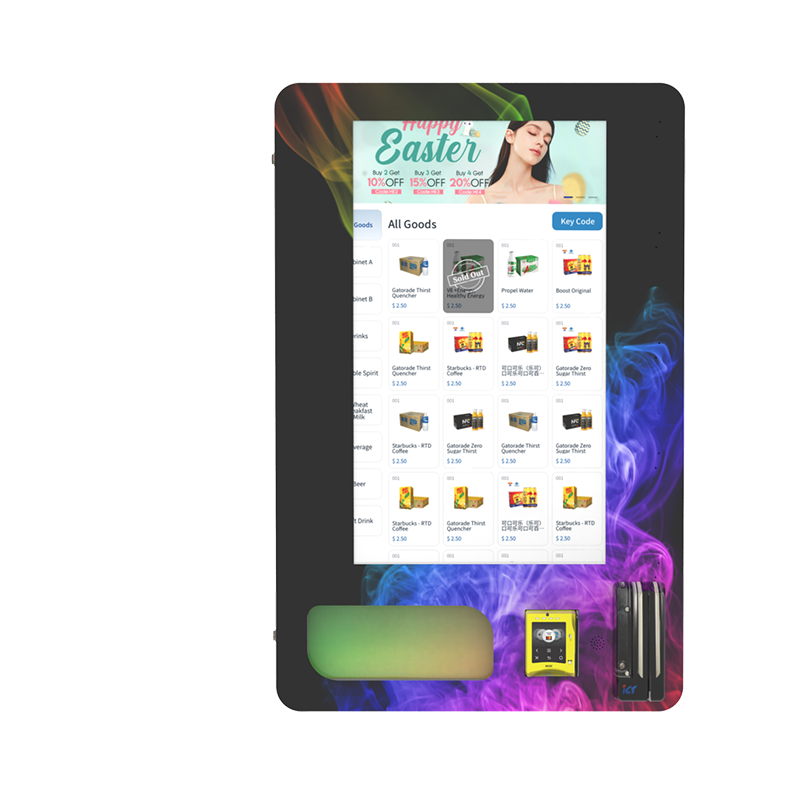
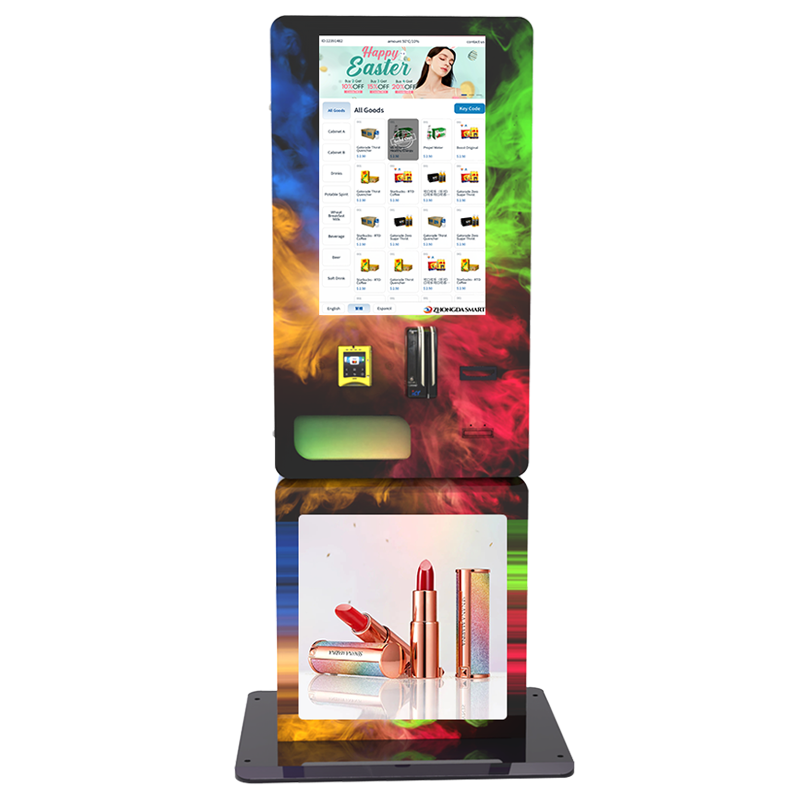
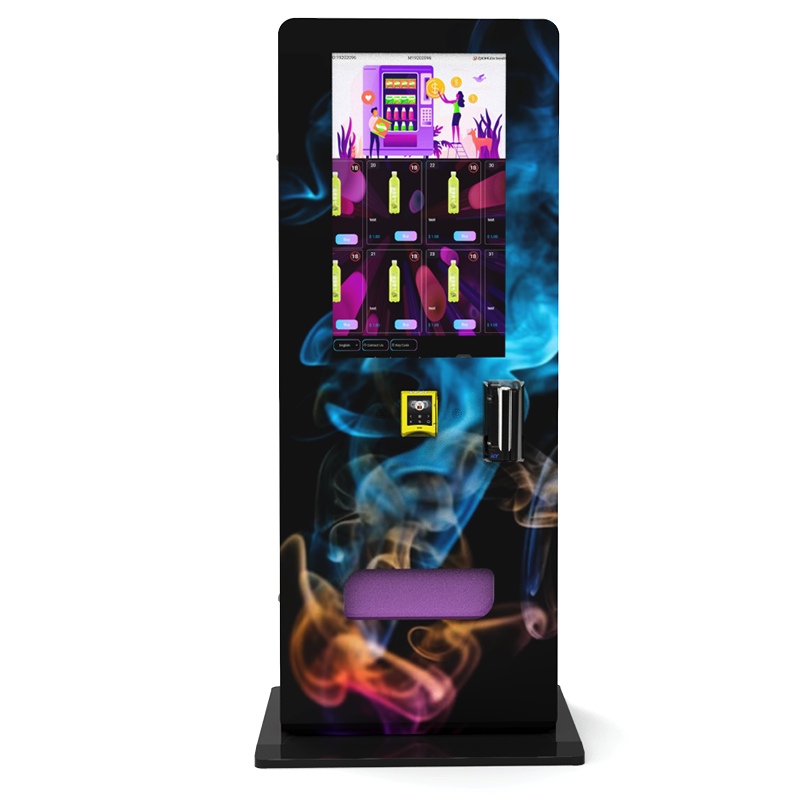
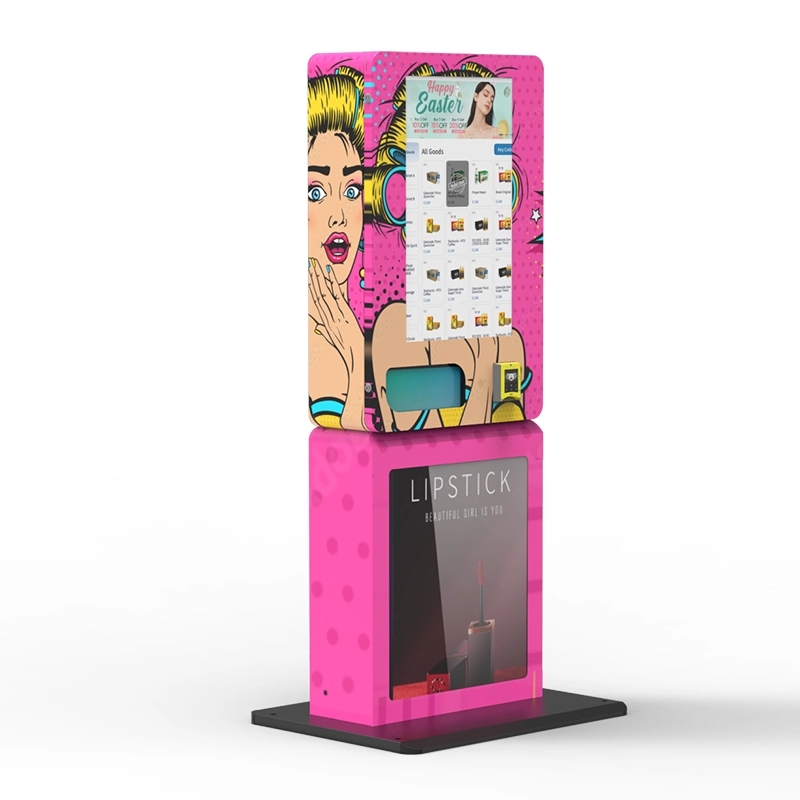
Not all vending machines are created equal, and the wrong choice will cost you in compliance fines or lost sales. I evaluate machines based on four criteria: age verification reliability, cooling performance, payment flexibility, and build quality. The age verification system must be able to scan both magnetic stripes and barcodes on driver’s licenses from all 50 states and international passports if you are near a tourist area. The cooling system should use a commercial-grade compressor, not a thermoelectric cooler, because thermoelectric units cannot maintain temperature in warm environments. Payment flexibility means accepting credit cards, mobile wallets, and cash. I have seen machines in hotel lobbies double their sales after enabling Apple Pay and Google Pay. Build quality is about the cabinet construction. A machine made from 16-gauge steel with a powder-coated finish will last a decade in a public space. Thin sheet metal will dent and rust within two years. For a deeper look at machine features, I recommend reviewing the specifications on our compact wall-mounted unit, which shares the same core engineering principles used in alcohol dispensing systems.
Table: Comparing Machine Types for Alcohol Sales
| Machine Type | Best Use Case | Capacity | Approximate Cost | Maintenance Frequency |
|---|---|---|---|---|
| Standard Spiral Machine | Cans and standard bottles | 40 – 60 slots | $7,000 – $12,000 | Every 3 months |
| Robotic Gantry Machine | Premium spirits, wine bottles | 20 – 30 slots | $15,000 – $25,000 | Every 6 months |
| Wall-Mounted Compact Unit | Small spaces, hotel rooms | 15 – 25 slots | $5,000 – $9,000 | Every 4 months |
| Glass-Front Merchandiser | High-visibility retail | 50 – 80 slots | $10,000 – $18,000 | Every 3 months |
Long-Term Strategy for Scaling Your Automated Alcohol Business
If you are serious about building a network of alcohol vending machines, you need to think like a logistics company, not a retailer. The operators who succeed at scale are the ones who optimize their restocking routes, negotiate bulk purchasing agreements with distributors, and standardize on a single machine platform. I recommend starting with two or three machines in different location types to test the market. Track every metric: transactions per day, average basket size, payment method split, and maintenance incidents. After three months, you will have enough data to know which locations to double down on and which to relocate. Once you have a proven model, you can approach a manufacturer like Zhongda Smart to discuss custom configurations for your specific needs. We have worked with operators to add secondary locking mechanisms, custom branding panels, and specialized shelving for unique bottle shapes. The goal is to build a system that runs with minimal human intervention so you can scale without hiring a team of technicians.
Why Supply Chain Relationships Matter
You cannot sell alcohol if you cannot source it reliably. I have seen operators struggle because they relied on a single distributor who raised prices or stopped carrying certain brands. Build relationships with at least two distributors in your region. Negotiate volume discounts by committing to a minimum monthly order. Also, consider working directly with breweries and wineries for exclusive products. I have one operator who stocks a local craft beer in his machines and sells it at a premium because customers cannot find it anywhere else in the area. That exclusivity drives brand loyalty and higher margins. On the hardware side, having a direct relationship with the factory ensures you get priority support and access to new features before they are publicly released. When you are ready to expand, the service and support infrastructure becomes just as important as the machine itself.
Frequently Asked Questions
Do I need a special license to sell alcohol through a vending machine?
Yes, you need the same type of alcohol retail license required for a store or bar in your jurisdiction, plus potentially a specific vending machine endorsement. Contact your local alcohol control board before purchasing equipment.
Can I use a regular snack vending machine for alcohol?
No. Standard machines lack age verification, proper cooling, and secure dispensing mechanisms. Using one for alcohol is illegal in most places and will result in fines or license revocation.
How does age verification work on an alcohol vending machine?
Most machines use a built-in ID scanner that reads the barcode or magnetic stripe on a driver’s license. Some advanced units also use facial age estimation software as a secondary check. The transaction is blocked if the ID is expired, invalid, or indicates the customer is underage.
What is the average profit margin for alcohol vending machines?
Based on my operational data, gross margins typically range from 35% to 45%. Net margins after location commission, payment fees, and maintenance usually fall between 15% and 25%.
How often do I need to restock an alcohol vending machine?
Restocking frequency depends on transaction volume. A machine doing 20 sales per day needs restocking every 3 to 5 days. Use remote monitoring to check inventory levels so you only visit when necessary.
What happens if the ID scanner fails during a transaction?
The machine should be programmed to refuse the sale if the scanner is not functioning. This is a safety feature to prevent underage sales. Keep a spare scanner on hand and replace it immediately.
Can I place an alcohol vending machine outdoors?
Outdoor placement is possible but requires a weatherproof enclosure and a cooling system rated for ambient temperatures. Direct sunlight and rain will degrade standard machines quickly. Indoor placement is strongly recommended.
How do I handle underage attempts to buy alcohol from the machine?
The machine should log every failed attempt with a timestamp and the scanned ID data. Review these logs weekly. If you see repeated attempts from the same ID, report it to the authorities. Most machines also have a camera that captures the user’s face during the transaction.
What is the warranty on a commercial alcohol vending machine?
Reputable manufacturers offer a one-year warranty on parts and labor for the entire machine, with extended warranties available on the compressor and scanner. Always read the warranty terms before purchasing.
Can I sell both alcohol and non-alcoholic drinks from the same machine?
Yes, but the age verification must be required for every purchase if alcohol is in the machine. Some operators dedicate specific rows to non-alcoholic items, but the system still scans an ID for compliance reasons.
Final Thoughts from the Factory Floor
I have been building vending machines for over fifteen years, and I can tell you that the alcohol vending market is still in its early stages. The technology is mature enough to handle compliance and reliability, but the business model requires discipline. You need to choose the right hardware, secure the right locations, and maintain a relentless focus on uptime. If you do those three things, you can build a profitable automated retail operation that runs with minimal oversight. I have seen it happen with operators who started with a single machine and scaled to twenty within two years. The opportunity is real, but it rewards preparation over impulse. If you want to discuss machine specifications or deployment strategies, I encourage you to explore the resources available on our resource center or reach out directly through our contact page.
Sources: