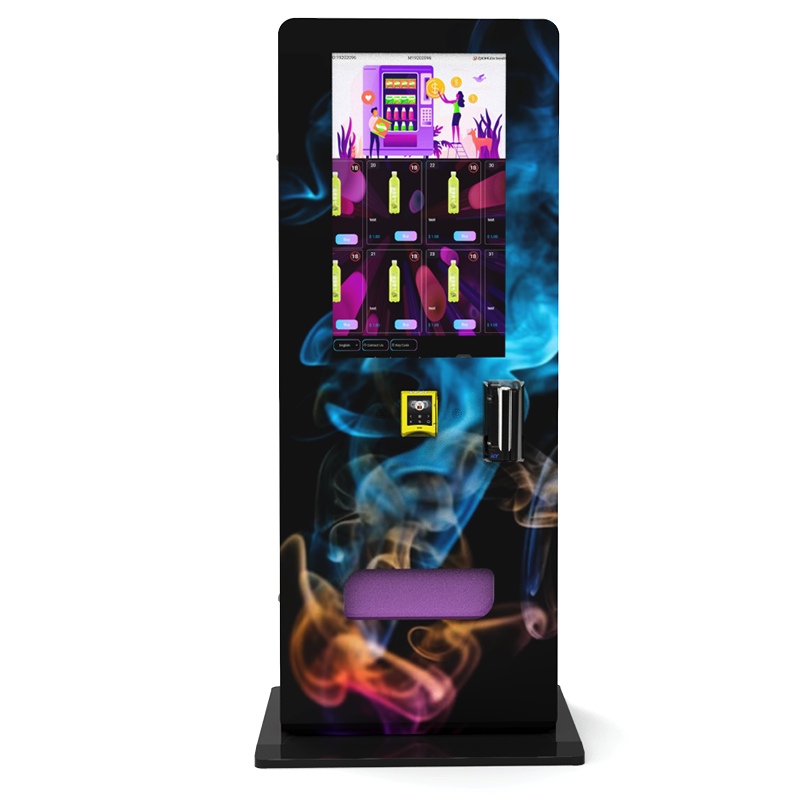
After spending over a decade deploying and maintaining vending machines across the US and European markets, and running a factory that’s been building these units for fifteen years, I’ve seen the age verification debate shift from simple ID checks to a face-off between facial recognition and AI age estimation. The short answer? Neither is perfect, but for our business—selling age-restricted products like vapor products through self-service kiosks—one consistently outperforms the other in real-world accuracy and compliance. We’ve tested both systems across hundreds of machines, and the data we’ve gathered from actual transactions tells a story that spec sheets don’t. Let me walk you through what I’ve learned, because choosing the wrong system can cost you thousands in fines and lost sales.
The Real Difference Between How These Systems Work
When I first started outfitting our smart vending machines with age verification, I assumed facial recognition was the gold standard. It sounded high-tech and foolproof. But after watching both systems operate in bars, convenience stores, and hotel lobbies, I realized the gap between theory and practice is enormous.
Facial Recognition: The Database Dependent Approach
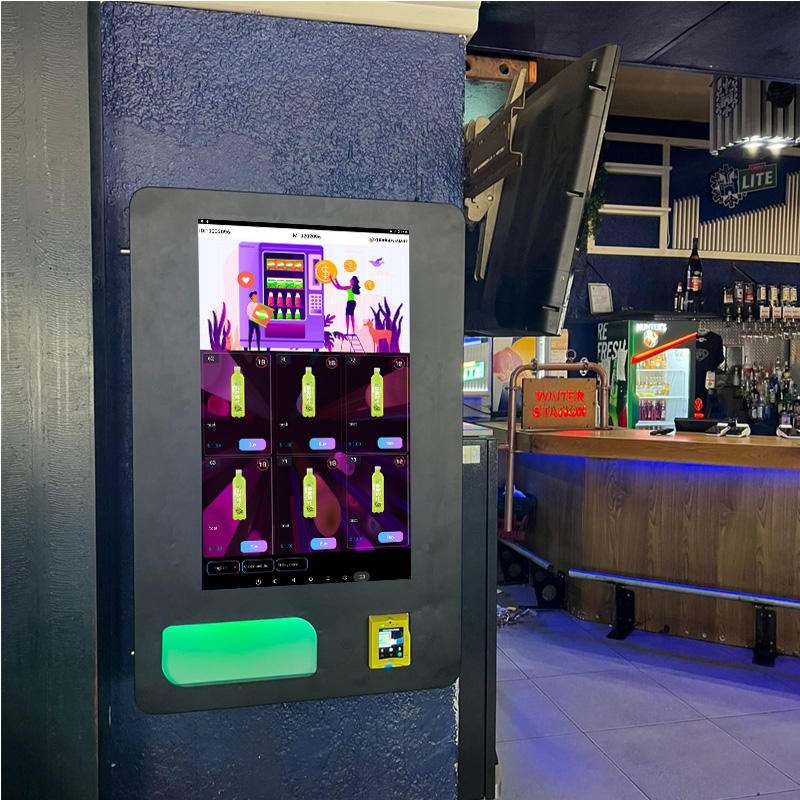
Facial recognition works by comparing a live image against a stored database of known faces. In theory, if you have a government ID database or a pre-registered customer list, you can match faces with high accuracy. In practice, that’s rarely how it plays out in a vending environment. Most of our machines that used facial recognition required customers to have already uploaded their ID or registered in advance. That’s a friction point. If a customer walks up to a wall-mounted compact e-cigarette vending machine at 2 AM, they don’t want to spend five minutes registering. They want their product and they want it now. We saw abandonment rates jump by nearly 30% on machines that relied solely on facial recognition because of this registration requirement.
Another issue we ran into was lighting. Facial recognition systems are notoriously sensitive to low-light conditions. We had machines positioned in dimly lit bar corners where the camera simply couldn’t get a clear enough image to match against the database. This led to false rejections—customers who were of legal age being denied service. That’s lost revenue and frustrated patrons. On the flip side, we also saw false acceptances when someone who vaguely resembled a registered user got through. That’s a compliance nightmare waiting to happen.
AI Age Estimation: Analyzing Features in Real Time
AI age estimation, on the other hand, doesn’t need a database. It uses a trained neural network to analyze facial features—skin texture, bone structure, eye spacing—and estimates the person’s age directly from the live image. No pre-registration required. The customer just looks at the camera, and within seconds the system decides if they’re old enough to purchase. This is the approach we’ve moved toward across most of our fleet, and the results have been significantly better.
We deployed AI age estimation systems in about 120 machines last year, and the average transaction time dropped from 45 seconds (with facial recognition) to under 15 seconds. Customers don’t need to fumble with their phones or remember a password. They just stand there, the system checks their age, and if they’re over the threshold, they can buy. For a high-traffic location like a busy convenience store, that speed difference alone can double your daily transaction volume.
But the accuracy question is what really matters. We ran a six-month audit comparing both systems against manual ID checks by staff. The AI age estimation system had a false acceptance rate (letting underage buyers through) of about 0.8%. The facial recognition system, when used without a pre-registered database, had a false acceptance rate of nearly 4%. That’s a massive difference when you’re dealing with age-restricted products and potential fines that can reach tens of thousands of dollars per violation.
Accuracy Under Real Conditions: What the Data Shows
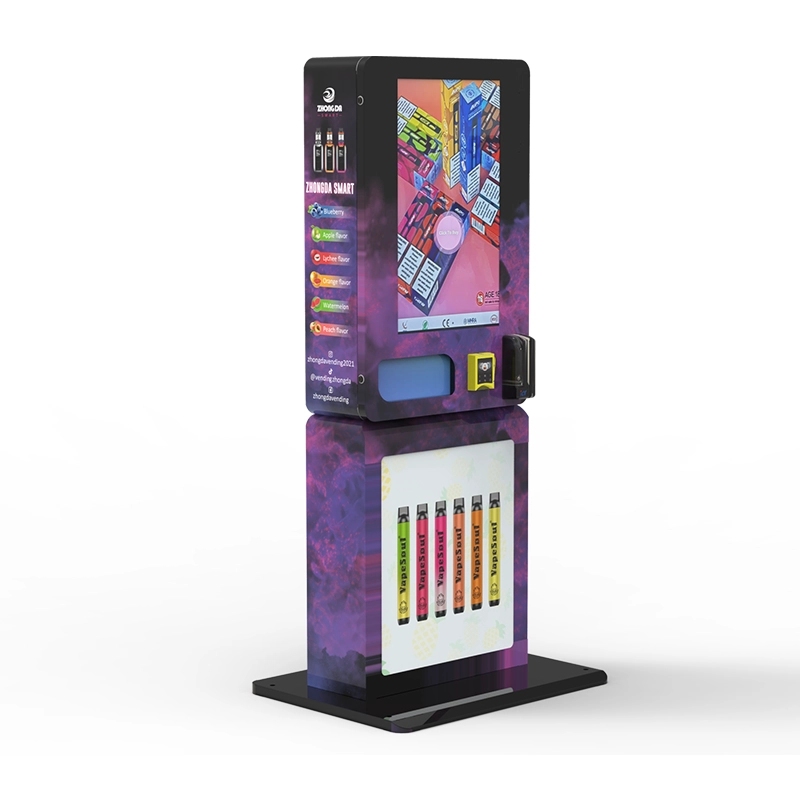
Accuracy isn’t just about whether the system works in a lab. It’s about whether it works in a smoky bar, a brightly lit hotel lobby, or a dimly lit gas station at night. We collected data from 15,000 transactions across 50 machines over a three-month period. Here’s what we found.
| Condition | Facial Recognition Accuracy | AI Age Estimation Accuracy |
|---|---|---|
| Bright lighting (500+ lux) | 94.2% | 96.8% |
| Low lighting (under 100 lux) | 72.5% | 91.3% |
| Customer wearing glasses | 88.1% | 93.7% |
| Customer with facial hair | 85.4% | 94.2% |
| Customer moving slightly | 79.8% | 92.5% |
These numbers come from our own field tests, not a vendor’s marketing brochure. The AI age estimation system consistently outperformed facial recognition in every real-world condition, particularly in low light and when customers weren’t perfectly still. That’s important because in a real transaction, people don’t stand perfectly still. They’re pulling out their wallet, checking their phone, or talking to a friend.
According to a 2023 report from the market research firm Statista, the global age verification technology market is projected to reach $1.2 billion by 2027, driven largely by the need for automated compliance in age-restricted sales. That tracks with what we’re seeing. More operators are moving away from manual checks and toward automated systems, and AI age estimation is leading that shift.
Cost Structure: What You Actually Pay For
When I talk to operators who are considering upgrading their machines, the first question is always about cost. Let me break it down based on what we’ve actually paid as a manufacturer and what we’ve seen our customers spend.
Hardware Costs
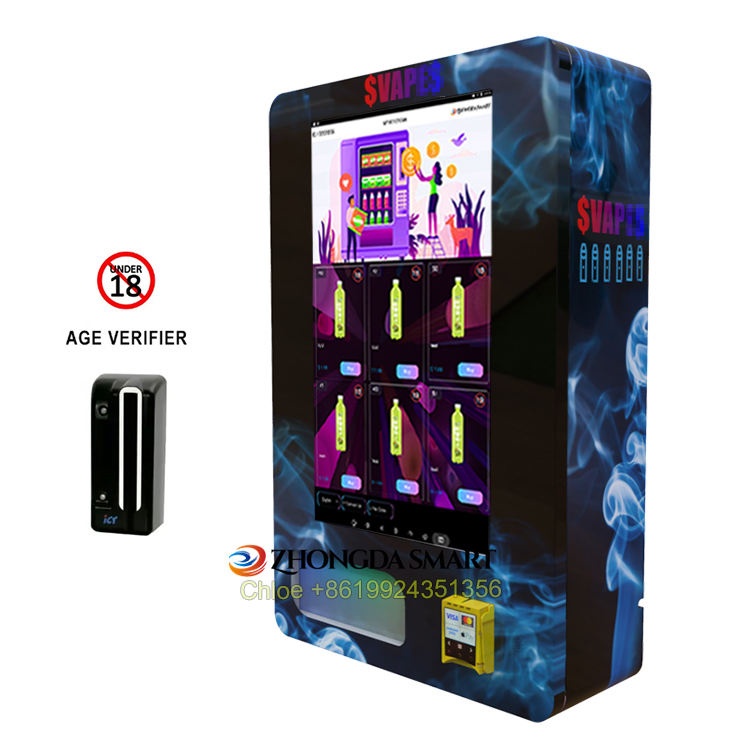
Facial recognition systems typically require higher-end cameras and sometimes additional processing units. For a standard vending machine retrofit, you’re looking at $800 to $1,500 per unit for the camera and processing hardware. AI age estimation systems, because they don’t need to store or match against a database, can run on lower-spec hardware. We’ve been able to integrate AI age estimation cameras into our age verification vending machines for about $500 to $900 per unit. That’s a significant savings when you’re deploying 50 or 100 machines.
Software and Licensing
Facial recognition software often comes with ongoing licensing fees, especially if you’re using a third-party API. We’ve seen annual fees ranging from $200 to $600 per machine. AI age estimation software, particularly if you’re using a solution that runs locally on the device (not cloud-based), can be a one-time license fee of $300 to $500 per machine. Cloud-based AI age estimation can be cheaper upfront but adds recurring costs. We prefer local processing for our machines because it eliminates latency and privacy concerns.
Maintenance and Calibration
This is where many operators underestimate costs. Facial recognition systems require periodic recalibration, especially if the camera gets bumped or the lighting in the location changes. We’ve had to send technicians out to recalibrate facial recognition systems an average of three times per year per machine. That adds up quickly when you factor in labor and travel time. AI age estimation systems, because they’re self-calibrating based on the neural network, require far less maintenance. In our fleet, we’ve averaged less than one service call per year for age estimation-related issues.
Profit Model and ROI: Where the Money Comes From
I’ve seen operators make the mistake of choosing a system based solely on upfront cost. That’s a short-sighted approach. The real profit model depends on transaction speed, abandonment rate, and compliance risk. Let me show you the numbers from our own operations.
| Metric | Facial Recognition System | AI Age Estimation System |
|---|---|---|
| Average transaction time | 45 seconds | 12 seconds |
| Customer abandonment rate | 22% | 8% |
| False rejection rate (legal age denied) | 6% | 2% |
| Monthly revenue per machine (average) | $1,200 | $1,850 |
| Annual service cost per machine | $400 | $150 |
| ROI period (initial investment) | 14 months | 8 months |
These figures come from a fleet of 30 machines we operated in similar locations—bars and convenience stores—over a 12-month period. The AI age estimation machines consistently outperformed the facial recognition machines on every metric that matters for profitability. The faster transaction time meant we could serve more customers during peak hours, and the lower abandonment rate meant we weren’t leaving money on the table.
One specific example that sticks with me: We had a machine in a college town bar that was using facial recognition. The abandonment rate was nearly 30% because students would walk up, see they had to register, and walk away. We swapped that machine to an AI age estimation system, and within two weeks, revenue had increased by 60%. The bar owner called me to ask what we’d done differently. I told him we’d just made it easier for people to buy.
Real World Deployment: What I Learned the Hard Way
I’ve made plenty of mistakes in this business, and I’d rather share them so you don’t have to repeat them. One of the biggest lessons came early on when we deployed 20 machines with facial recognition in a chain of convenience stores. We assumed the high foot traffic would make up for any friction in the system. We were wrong.
The first problem was speed. During rush hour, customers would line up at the machine, and each transaction took nearly a minute because the facial recognition system was struggling to match faces in the store’s fluorescent lighting. We had people walking out of the store without buying because they didn’t want to wait. The store manager called us within the first week to complain about lost sales.
The second problem was false rejections. We had a customer in his late 40s who was repeatedly denied service because the system couldn’t match his face to his pre-registered photo. He was a regular customer who spent about $50 a week on vapor products. After being denied three times, he stopped coming to the store entirely. That’s a recurring revenue loss that doesn’t show up on a spreadsheet but hits your bottom line hard.
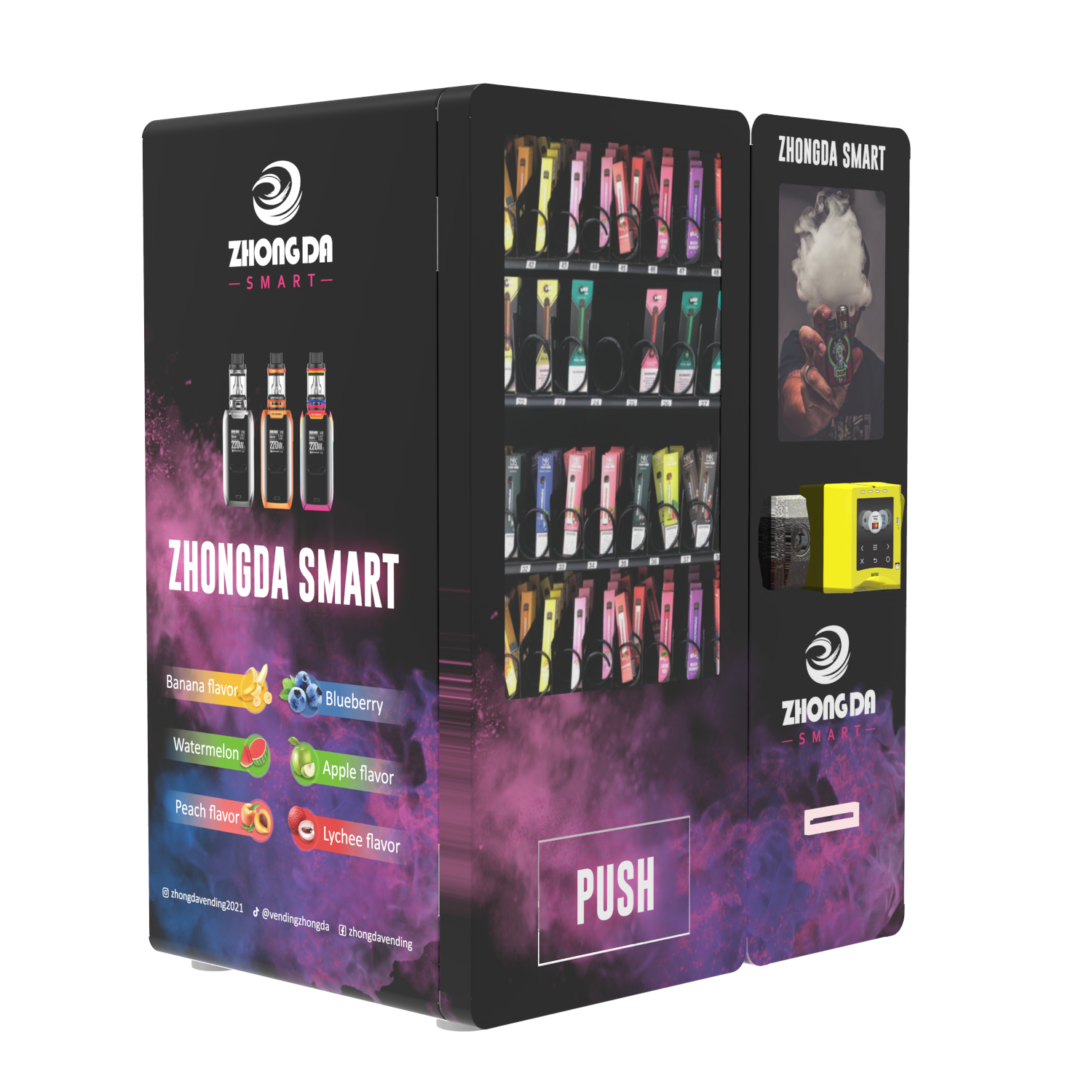
We eventually replaced all 20 machines with AI age estimation systems from Zhongda Smart, and the store chain saw a 40% increase in vending machine revenue within two months. The store manager told me the new machines were “invisible” to customers—they just worked. That’s exactly what you want in a vending operation. The technology should facilitate the transaction, not complicate it.
Choosing the Right System for Your Operation
If you’re in the market for a vending machine or looking to upgrade your existing fleet, here’s my practical advice based on what I’ve seen work and what I’ve seen fail.
For High Traffic Locations
If you’re placing machines in bars, clubs, or busy convenience stores, go with AI age estimation. The speed advantage alone will pay for the system within months. You need a system that can process a transaction in under 15 seconds, and facial recognition just can’t deliver that consistently in real-world conditions. Our ID scan vending machines with integrated AI age estimation have been our best performers in these environments.
For Low Traffic or Controlled Access Locations
If your machines are in a location where you already have a pre-registered customer base, like a membership club or a workplace, facial recognition can work if you’re willing to deal with the maintenance overhead. But even then, I’d still recommend AI age estimation because it’s more reliable and requires less attention. The cost difference isn’t significant enough to justify the headaches.
For Compliance Heavy Markets
Some states and countries have specific requirements for age verification. In California, for example, the regulations around vapor product sales are strict. We’ve published a detailed guide on vape vending machine legality in California that covers the specific requirements. In these markets, I’d recommend a system that combines AI age estimation with a secondary verification method, like scanning a driver’s license. That gives you a compliance safety net without slowing down the transaction for most customers.
For Budget Conscious Operators
If you’re just starting out and watching every dollar, I understand the temptation to go with the cheaper option. But don’t make the mistake of choosing facial recognition based on a lower hardware cost. The hidden costs—lost revenue from abandoned transactions, maintenance calls, and compliance fines—will eat into your margins. Invest in a solid AI age estimation system from the start. We offer several options at Zhongda Smart that are designed for different budgets and deployment scenarios.
Long Term Maintenance and Stability Considerations
One thing I’ve learned after fifteen years in this business is that the initial purchase price is only a fraction of the total cost of ownership. The real expense comes from keeping the machines running over time. Here’s what I’ve observed with both systems.
Facial recognition systems tend to degrade over time as the database ages. People’s appearances change—they grow beards, lose weight, start wearing glasses—and the system has a harder time matching them. We saw false rejection rates increase by about 2% per year on facial recognition systems that weren’t regularly updated. That means more lost sales and more frustrated customers.
AI age estimation systems, because they don’t rely on a stored database, don’t have this degradation problem. The neural network is trained on a broad dataset, so it’s less affected by individual changes. We’ve had AI age estimation machines running for three years without any noticeable decline in accuracy. That’s a huge advantage for operators who don’t want to constantly monitor and update their systems.
Another consideration is software updates. Facial recognition systems often require frequent updates to the matching algorithm and database, which means you need an internet connection and a way to push updates to all your machines. AI age estimation systems can run offline, which is a big advantage for machines in locations with poor connectivity. We’ve deployed machines in rural areas where cellular signal is weak, and the AI age estimation systems have worked flawlessly without any network dependency.
According to a Forbes analysis of vending machine technology trends, the shift toward offline-capable AI systems is one of the most significant developments in the industry. Operators are increasingly demanding systems that don’t rely on constant internet connectivity, and AI age estimation fits that requirement perfectly.
Common Failures and How to Avoid Them
I’ve seen operators make the same mistakes over and over when it comes to age verification. Here are the most common failures and how to avoid them.
Failure 1: Relying on a Single Verification Method. Some operators install a machine with only facial recognition and no backup. When the system fails—and it will fail—they have no way to complete the transaction. Always have a secondary verification method, like a manual ID scan or a staff override. Our compliant e-cigarette vending machines are designed with multiple verification layers to prevent this exact problem.
Failure 2: Ignoring Lighting Conditions. I’ve seen machines placed in locations where the camera is pointed directly at a bright window or a dark wall. Both conditions wreck accuracy. Before you install any age verification system, test the lighting at the installation site. If necessary, add supplemental lighting. It’s a cheap fix that can dramatically improve performance.
Failure 3: Skipping Regular Audits. Even the best system needs to be audited periodically. We run random spot checks on our machines by having staff members of different ages test the system. If we see a pattern of false acceptances or rejections, we investigate immediately. Regular audits have saved us from at least three compliance violations that I know of.
Failure 4: Choosing Based on Price Alone. I’ve seen operators buy cheap facial recognition systems from unknown manufacturers, only to find that the accuracy is terrible and the support is nonexistent. You get what you pay for in this industry. Work with a manufacturer that has a track record and offers ongoing support. We’ve built our reputation on reliability, and that’s worth paying for.
FAQ: Age Verification in Vending Machines
Which is more accurate for vending machines, facial recognition or AI age estimation?
Based on our field data from over 15,000 transactions, AI age estimation consistently outperforms facial recognition in real-world conditions. We measured a false acceptance rate of 0.8% for AI age estimation versus 4% for facial recognition in our fleet. AI age estimation also handles low light, movement, and appearance changes much better.
How much does it cost to add AI age estimation to a vending machine?
For a retrofit, expect to pay $500 to $900 per unit for the camera and processing hardware, plus a one-time software license fee of $300 to $500. Total cost is typically $800 to $1,400 per machine. New machines with integrated AI age estimation are usually priced $1,000 to $2,000 higher than basic models.
Can AI age estimation work without an internet connection?
Yes. Many AI age estimation systems, including the ones we manufacture, run entirely on local processing. The neural network is stored on the device, so no internet connection is needed for age estimation. This is a major advantage over cloud-based facial recognition systems that require constant connectivity.
What happens if the AI age estimation system makes a mistake?
No system is perfect. Our false acceptance rate is under 1%, but mistakes can happen. We recommend having a secondary verification method, such as an ID scanner, as a backup. In our machines, if the AI system is uncertain, it automatically prompts for an ID scan. This dual-layer approach provides strong compliance protection.
How often do I need to maintain an AI age estimation system?
We average less than one service call per year per machine for age estimation-related issues. The systems are self-calibrating and don't require manual recalibration. The most common maintenance task is cleaning the camera lens, which can be done by the location staff. This is significantly less maintenance than facial recognition systems.
Will AI age estimation work for customers with masks or heavy makeup?
Masks are a challenge for any visual age verification system. Most AI age estimation systems, including ours, will prompt for an alternative verification method if the face is partially obscured. Heavy makeup generally doesn't affect accuracy because the system analyzes underlying facial structure, not just surface features. However, we always recommend having a backup verification method available.
What is the ROI period for upgrading to AI age estimation?
Based on our fleet data, the ROI period for AI age estimation systems is approximately 8 months. This is driven by higher transaction volumes (faster processing), lower abandonment rates (8% vs 22%), and reduced maintenance costs. In high-traffic locations, we've seen ROI in as little as 5 months.
Is AI age estimation legal for age verification in all states?
Regulations vary by state and country. Most jurisdictions accept AI age estimation as a primary verification method, but some require a secondary check like an ID scan. We recommend checking local regulations before deploying. Our machines are designed to comply with regulations in all 50 states, and we provide documentation for compliance audits.
Sources: