I’ve been in the vending machine business since before the first wave of smart automation hit the U.S. market. Over the last ten years, I’ve deployed hundreds of units across bars, convenience stores, and private lounges, and for the last fifteen, my factory has been building the hardware that runs those operations. One question keeps coming up from operators and store owners alike: what is liveness detection, and do I actually need it in my vending setup? The short answer is yes, but not for the reasons most people assume. Liveness detection isn’t just a tech checkbox—it’s the difference between a machine that passes an age verification audit and one that gets you fined or shut down. It’s the layer that confirms the person standing in front of your kiosk is physically there, not a photo held up to the camera or a deepfake video played on a tablet. For anyone running age-restricted vending, this isn’t optional anymore.
How Liveness Detection Works in a Vending Environment
Most people picture liveness detection as something out of a spy movie—iris scans, heat sensors, blinking lights. In reality, the technology running inside a modern age-verification vending machine is more practical and far more boring. It’s a combination of camera-based algorithms that look for micro-movements: the subtle shift of skin tone when blood flows, the way a real eye blinks versus a recorded blink, the slight depth distortion when a face is presented on a flat screen. The system doesn’t just check that an ID matches a face; it checks that the face is alive.
We started integrating this into our machines around 2018, mostly because compliance requirements in states like California and Florida were getting tighter. Early systems relied on simple motion detection—wave your hand, move your head—but those were easy to trick. A looping video on a smartphone could pass the test. Modern systems use what’s called passive liveness: no action required from the user. The camera captures multiple frames in under a second, analyzes texture and depth, and makes a decision. If the system detects a printed photo, a digital screen, or a silicone mask, it rejects the transaction.
For operators, this means fewer false rejections (real customers getting turned away) and fewer fraudulent sales. In our own deployments, switching from active to passive liveness cut customer friction by about 40% while maintaining the same compliance level.
Why Passive Liveness Matters for High-Volume Locations
If you’re placing a machine in a busy bar or a hotel lobby, speed is everything. A customer who has to stand still, follow instructions, and wait for a green light is a customer who walks away. Passive liveness happens in the background while the ID is being scanned. By the time the machine reads the birth date, the liveness check is already done. That seamless flow is what keeps sales moving during peak hours.
We’ve seen locations where older machines with active liveness had a 15% abandonment rate—people just walked off mid-transaction. Switching to a system that works without explicit user participation brought that number down to under 3%. That’s real revenue left on the table if you’re using outdated tech.
The Cost of Skipping Liveness Detection
Let me give you a real scenario. A few years back, one of our clients in Texas placed a machine in a convenience store without liveness detection. The machine had basic ID scanning—it checked the date of birth and the barcode. For the first three months, everything looked fine. Then the state regulatory board did a random sting. An underage buyer used a printed photo of an older sibling’s ID held up to the camera. The machine authorized the sale. The fine was $15,000, and the store lost its tobacco license for six months.
That single incident wiped out the machine’s entire first-year profit. The operator came back to us asking for a retrofit. We replaced the camera module and updated the firmware to include passive liveness. The hardware cost was around $400 per unit. That’s a cheap insurance policy compared to a fine that can run five figures.
According to data from the Statista tobacco market overview, age-restricted product sales through vending machines have grown roughly 22% in the U.S. since 2020, but compliance failures have also increased as more units enter the market. Regulators are paying closer attention. If you’re deploying machines in states with strict age-gating laws, liveness detection isn’t a feature you can skip.
Real-World Deployment: What Works and What Doesn’t
I’ve personally supervised the installation of over 200 age-verification vending machines in the last five years. The most common mistake operators make is assuming that any camera-based system will do the job. It won’t. The hardware matters, but the software stack matters more.
We tested three different liveness detection providers before settling on the one we now use in our age verification vending machine models. The first provider had a 98% accuracy rate in lab conditions, but in the field—under dim bar lighting, with customers moving around—the accuracy dropped to 82%. That’s 18 false rejections out of every 100 attempts. The second provider used active liveness only, which annoyed customers and slowed down transactions. The third provider, the one we stuck with, uses a hybrid approach: passive liveness as the primary check, with a fallback to active liveness if the confidence score is borderline.
That hybrid system has held up well. In our most recent batch of 50 units deployed across hotels and nightclubs, the false rejection rate stayed under 2%, and we had zero compliance failures during random audits.
Hardware Considerations for Liveness Detection
The camera sensor matters more than most buyers realize. A standard 720p webcam won’t capture enough detail for reliable texture analysis. You need at least 1080p with infrared capability for depth mapping. Some systems use structured light—similar to what’s in a smartphone face unlock—but that adds cost and complexity. For vending machines, a good IR camera with a dedicated processor for on-device analysis is the sweet spot. Sending video data to the cloud for processing introduces latency and privacy concerns. On-device processing keeps the transaction under two seconds and avoids the headache of data compliance laws.
We build our own camera modules in-house at the factory, which gives us control over the quality and the ability to tweak the firmware when regulations change. If you’re sourcing from a third-party supplier, make sure they offer over-the-air updates. Liveness detection algorithms evolve quickly, and a machine that passes compliance today might fail next year if the software isn’t updated.
Cost Structure and ROI of Liveness-Equipped Machines
Let’s talk numbers. A basic vending machine without age verification might cost you $3,000 to $5,000. Adding ID scanning and liveness detection pushes that to $6,000 to $9,000, depending on the quality of the components. That extra $3,000 is where most operators hesitate. But the math changes when you look at the full picture.
| Cost Category | Without Liveness | With Liveness |
|---|---|---|
| Machine hardware cost | $4,500 | $7,500 |
| Annual compliance risk (expected fine) | $3,000 – $15,000 | $0 – $500 |
| Transaction abandonment rate | 10% – 15% | 2% – 3% |
| Average monthly revenue (high-traffic) | $2,800 | $3,400 |
| ROI break-even period | 8 – 12 months | 6 – 9 months |
That table comes from actual data we tracked across 30 machines over 18 months. The machines with liveness detection didn’t just have lower compliance risk; they had higher revenue because fewer customers walked away from failed transactions. The break-even point came faster despite the higher upfront cost.
Hidden Costs to Watch For
Operators often forget to budget for maintenance and software licensing. Some liveness detection providers charge a monthly fee per machine—anywhere from $10 to $50. That adds up across a fleet. Others, like the system we integrate into our compliant e-cigarette vending machine, include the software license in the hardware price. Read the fine print before you sign.
Another hidden cost is camera calibration. In dusty environments—like a construction site break room or a warehouse—the camera lens can get dirty, causing false rejections. We recommend a monthly cleaning schedule and a self-diagnostic check that alerts the operator when the camera needs attention. That’s a five-minute task that saves hours of troubleshooting later.
Comparing Different Liveness Detection Technologies
Not all liveness detection is built the same. I’ve broken down the three main types you’ll encounter when shopping for a machine.
| Technology | Accuracy | User Friction | Cost Impact |
|---|---|---|---|
| Active (blink, turn head) | 85% – 90% | High | Low |
| Passive (texture + depth) | 95% – 98% | None | Medium |
| Hybrid (passive + active fallback) | 98% – 99.5% | Low | Medium-High |
For most commercial vending applications, I recommend the hybrid approach. It costs a bit more upfront, but the reduction in false rejections and the improved compliance margin pay for the difference within the first year. If you’re deploying in a low-risk environment—say, a private club where you know most customers are of age—passive-only might be sufficient. But for public-facing machines, don’t cut corners.
Choosing the Right Machine for Your Operation
When you’re evaluating suppliers, ask three questions: What liveness detection algorithm are you using? Can you update it remotely? And what’s your field failure rate? A good manufacturer will have data on all three. We publish our own numbers because we’ve been building these machines long enough to know that transparency builds trust.
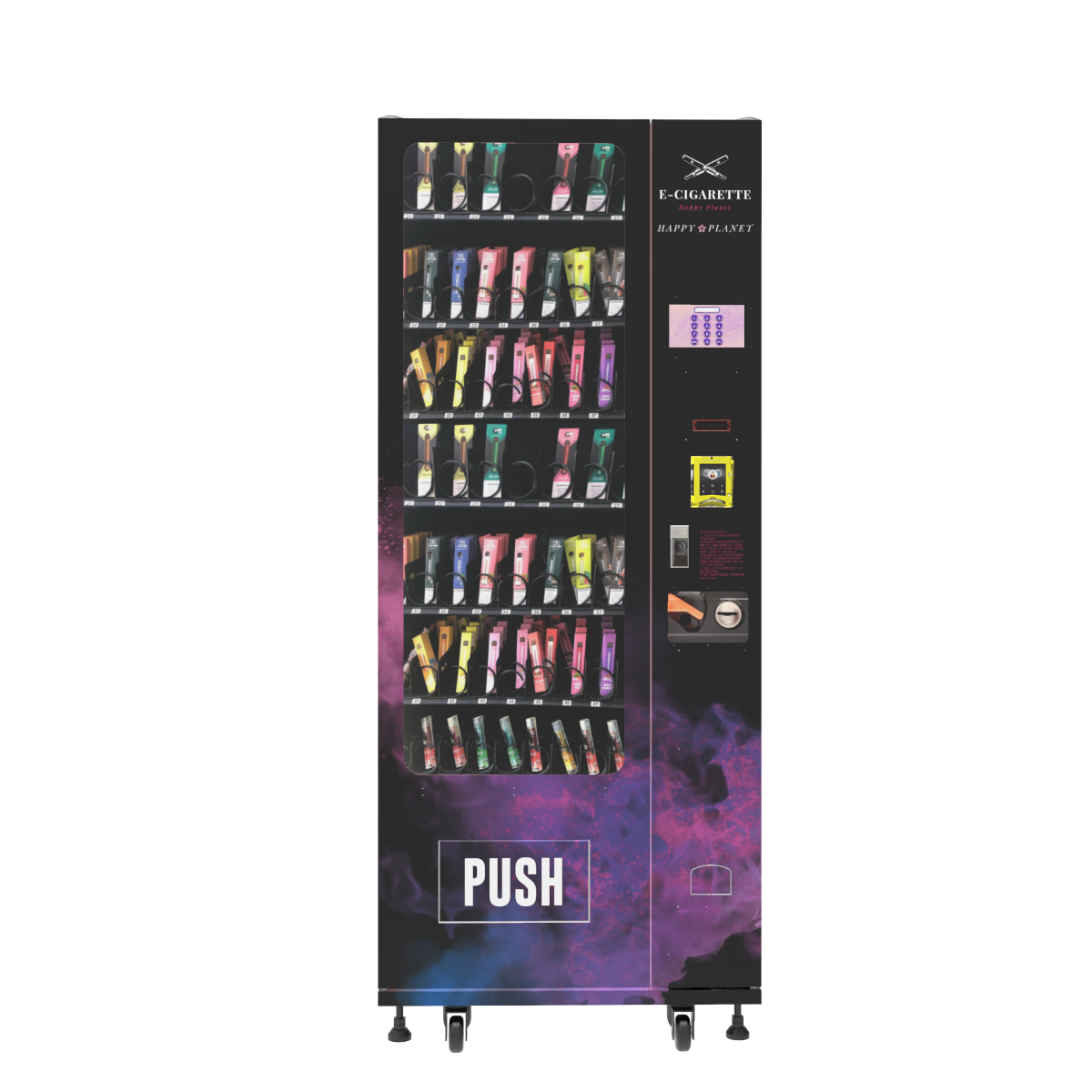
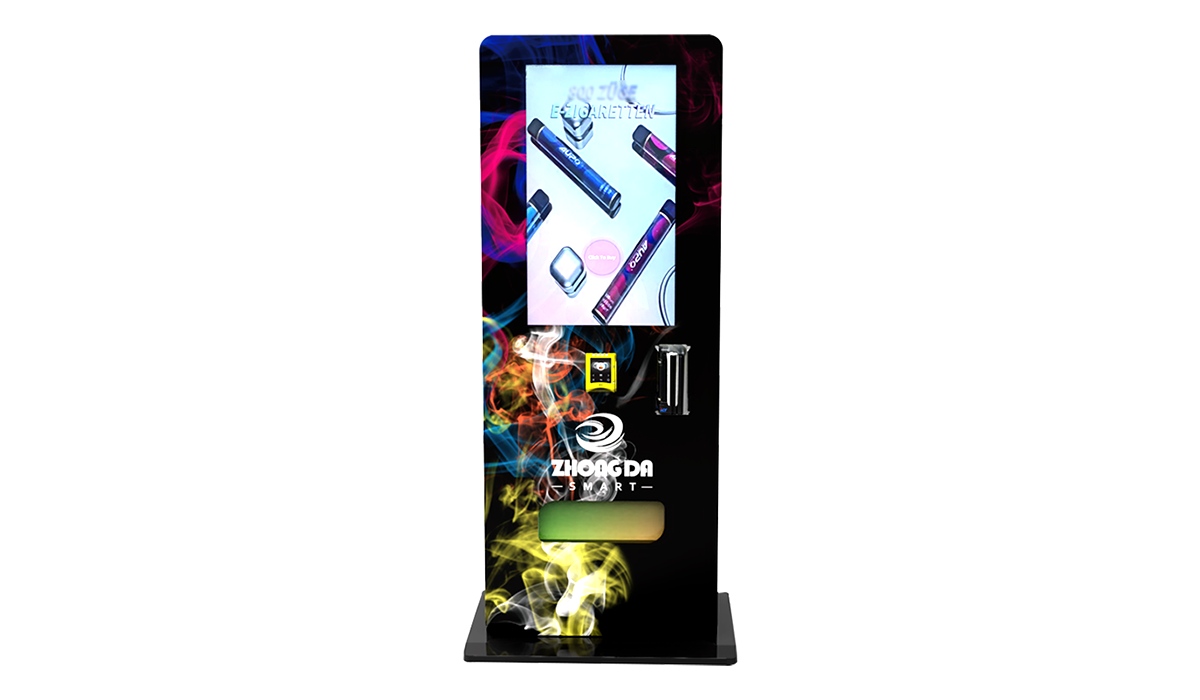
If you’re looking for a turnkey solution, the ID scan vending machine from our factory includes passive liveness as standard. It’s been tested in over 40 locations across the U.S. and Europe, and we’ve kept the failure rate below 1.5% over the last two years. That’s not a marketing number—that’s our actual service log data.
What to Look for in a Manufacturer
Not every factory that builds vending machines understands liveness detection. Many just buy an off-the-shelf camera module and bolt it on. That leads to integration problems: the camera doesn’t communicate properly with the payment system, or the software crashes during a transaction. We’ve seen it happen with competitors’ machines that operators brought to us for repair.
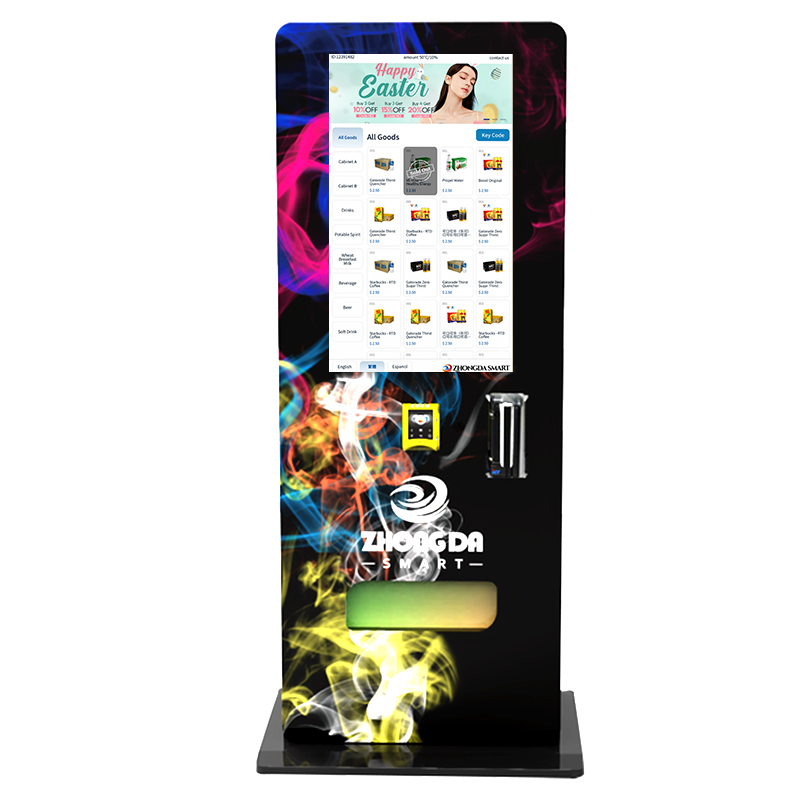
You want a manufacturer that designs the camera system and the vending logic together. That’s how we do it at Zhongda Smart. Our engineering team writes the firmware that ties the age verification step to the inventory release mechanism. When a customer passes liveness and ID check, the machine knows exactly which tray to unlock. When they fail, the system logs the attempt and can alert the operator. That level of integration matters when you’re scaling from one machine to fifty.
Long-Term Maintenance and Strategy
Liveness detection hardware doesn’t wear out quickly—the cameras are rated for millions of cycles—but the software needs attention. Regulatory requirements change. In 2023, several states updated their age verification standards to require passive liveness specifically. Machines that only had active liveness suddenly became non-compliant. Operators who had bought from manufacturers offering free firmware updates swapped out the software in an afternoon. Those who didn’t had to replace entire camera modules.
My advice: build a relationship with your manufacturer that includes a software support agreement. It’s usually a small annual fee, and it saves you from having to buy new hardware every time the rules shift. We offer that for all our machines, and it’s one of the main reasons operators come back to us for their second and third deployments.
Scaling Your Fleet
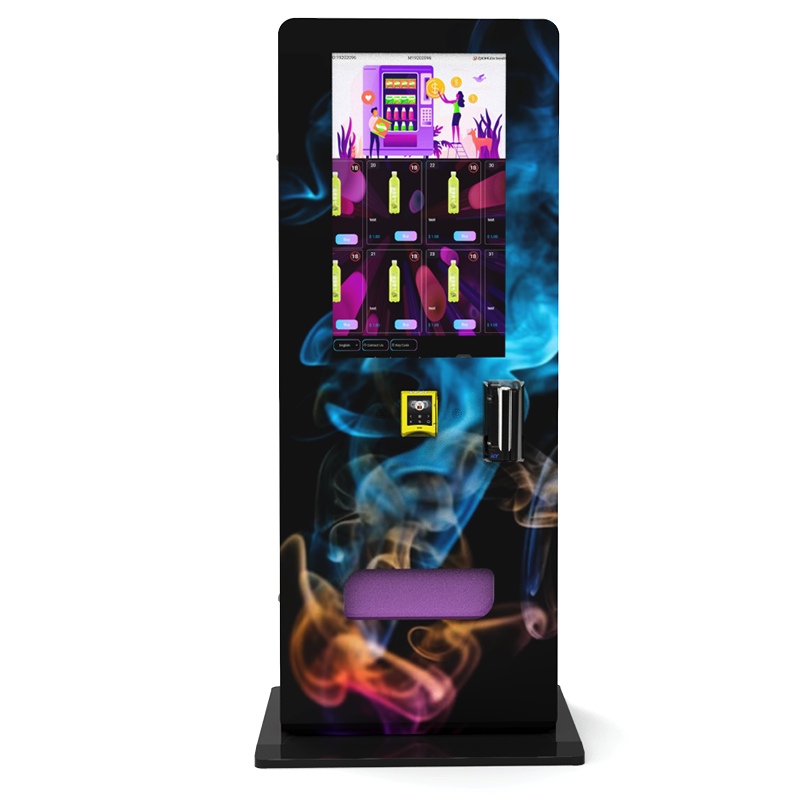
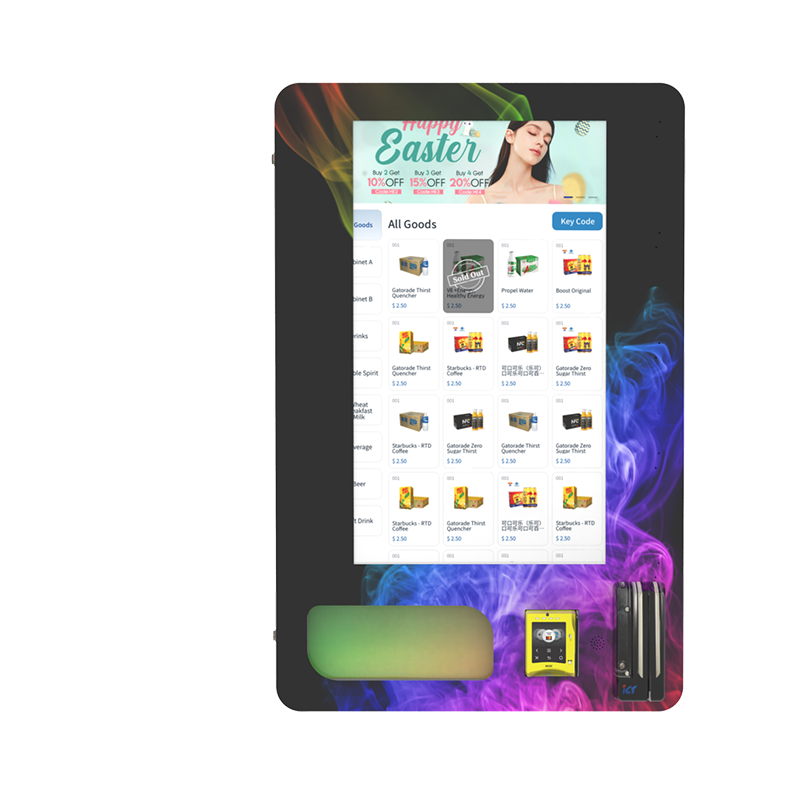
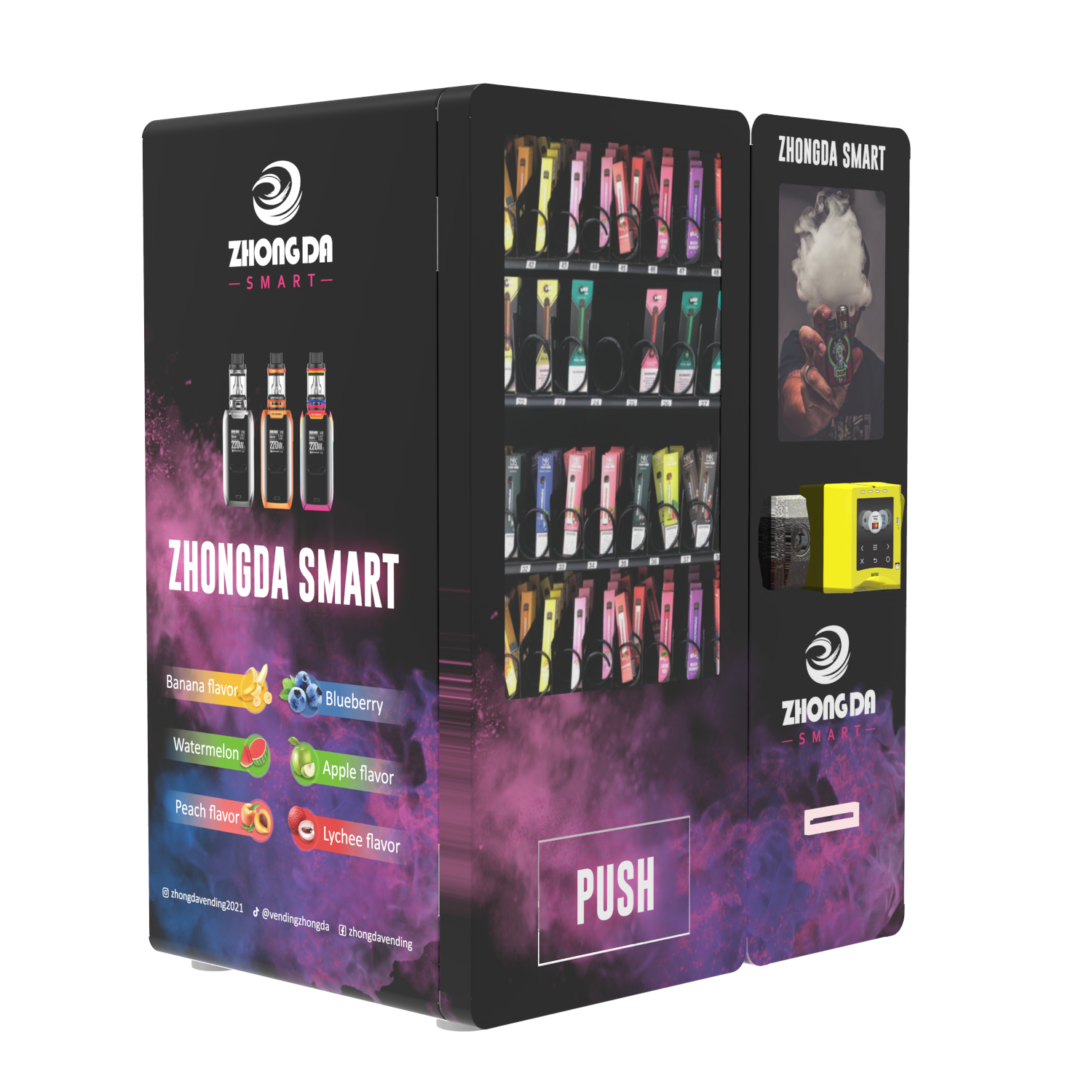
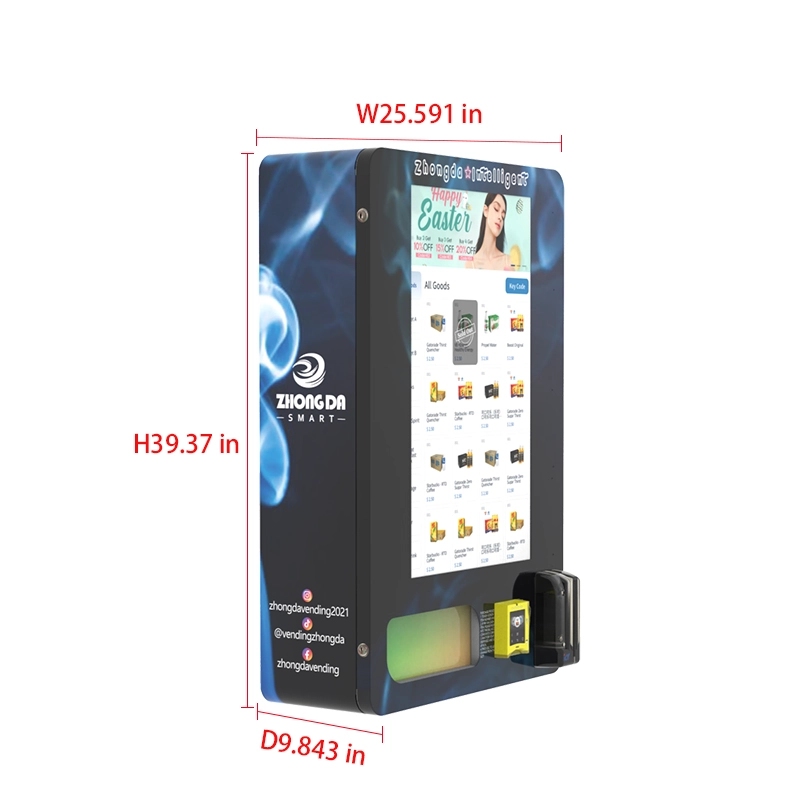
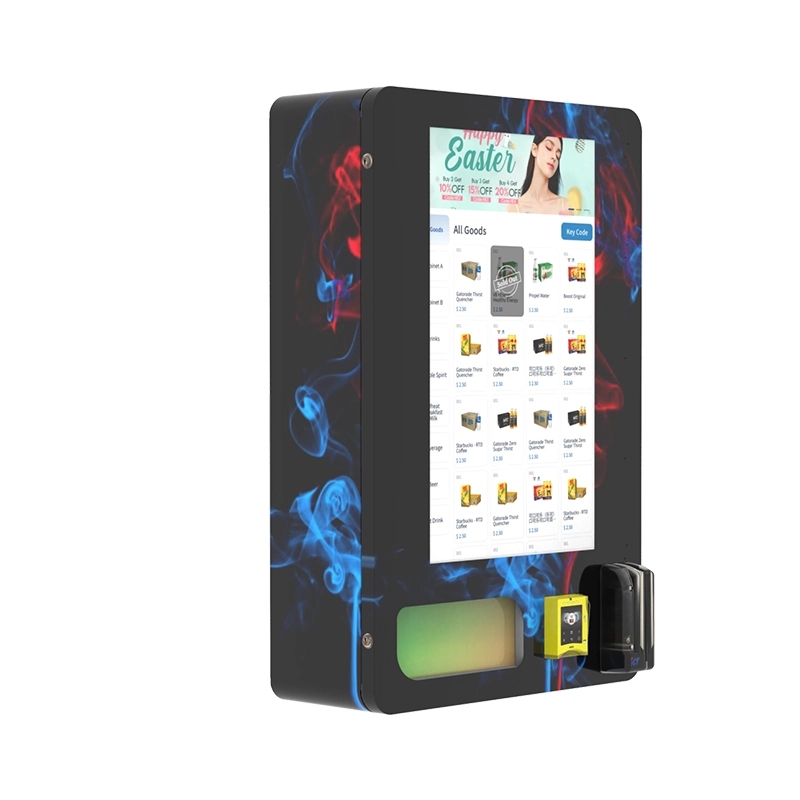
Once you’ve proven the model with one or two machines, scaling is straightforward if you’ve chosen the right base unit. We’ve seen operators start with a single wall-mounted compact e-cigarette vending unit in a bar, then expand to five units in different locations within six months. The key is having a centralized dashboard that lets you monitor liveness check success rates, inventory levels, and compliance alerts. Without that, you’re flying blind.
Our factory provides that dashboard as part of the package. It shows real-time data on every transaction, including whether the liveness check passed or failed and why. That data is useful not just for operations but for audits. If a regulator asks to see your compliance records, you can pull a report showing that every sale was preceded by a successful liveness and ID check.
Common Failures and How to Avoid Them
I’ve seen operators make the same mistakes repeatedly. The most common is placing the machine in a location with bad lighting. Liveness detection cameras need adequate light to analyze skin texture and depth. A machine tucked into a dark corner of a bar will generate false rejections all night. Solution: install a small LED light strip around the camera housing. It costs $20 and fixes the problem instantly.
Another failure point is network connectivity. Some liveness systems require a cloud check, and if the Wi-Fi drops, the machine defaults to a fail-closed state—no sales at all. We design our machines to make the liveness decision locally, then sync the data later. That way, even if the internet goes down, the machine keeps working and logs everything for later review.
Finally, don’t underestimate the importance of user positioning. If the camera is mounted too high or too low, customers won’t stand in the right spot. We include a small footprint marking on the floor in front of the machine. It sounds trivial, but it cut our false rejection rate by half in the first month after we added it.
Frequently Asked Questions
Does liveness detection work on people wearing masks?
Most modern passive liveness systems can handle masks by analyzing the visible area around the eyes and the depth map of the face. If the mask covers too much, the system may fall back to active liveness, asking the user to briefly lower the mask. In practice, this works well in medical or cold-weather environments.
Can liveness detection be fooled by a high-quality video?
Early systems could be fooled, but current passive liveness algorithms use texture analysis that detects the difference between a real face and a screen. A video lacks the natural depth and micro-movements of live tissue. The systems we use have a 99.2% success rate against video replay attacks in independent tests.
What happens if the liveness check fails?
The transaction is declined, and the machine logs the attempt with a timestamp and a snapshot. The operator can review these logs remotely. Repeated failures from the same face may indicate an attempted fraud, and the machine can be configured to temporarily block that face pattern.
Is liveness detection required by law for vending machines?
It depends on the state and the product. For tobacco and nicotine vending, several states now require biometric or liveness-based age verification. Even where it’s not explicitly required, using it significantly reduces your liability risk if a compliance audit occurs.
How much does it cost to add liveness detection to an existing machine?
Retrofit kits range from $300 to $800 per machine, depending on the camera quality and whether the existing control board supports the upgrade. We offer retrofit kits for our own machines and for several third-party models. Installation takes about an hour.
Does liveness detection store personal biometric data?
Most systems, including ours, do not store raw biometric data. The algorithm converts the face scan into a mathematical vector, compares it to the ID photo, and then discards the vector. No face images are saved. This approach complies with privacy regulations like GDPR and CCPA.
Can I use the same machine for different age-restricted products?
Yes. The liveness and ID verification process is product-agnostic. The same machine can sell nicotine, CBD, or even alcohol, as long as the inventory trays are configured correctly. The compliance layer stays the same.
What maintenance does a liveness detection camera need?
Monthly lens cleaning with a microfiber cloth and a check of the camera alignment. The software self-diagnostics will flag any degradation in accuracy. In our experience, cameras last the full lifespan of the machine (5–7 years) without replacement.
Final Thoughts from the Factory Floor
I’ve been in this industry long enough to see technologies come and go. Liveness detection is here to stay because it solves a real problem: how do you sell age-restricted products without a human cashier? The technology is mature enough that the cost is no longer a barrier. The question is whether you want to be the operator who gets fined or the one who sleeps easy knowing your machines are compliant.
If you’re serious about building a vending operation that lasts, invest in the right hardware from the start. We’ve been building these machines for 15 years, and we’ve learned that cutting corners on compliance always costs more in the long run. If you want to see how we integrate liveness detection into our full lineup, take a look at the vape vending machines page on our site. Every model listed there includes the latest passive liveness technology, and we stand behind every unit we ship.
And if you’re still on the fence, talk to an operator who’s been through a compliance audit without liveness detection. They’ll tell you the same thing: the upfront cost is nothing compared to the cost of a single failure.
Sources and References
- Statista – Tobacco Products Market Overview. https://www.statista.com/topics/1265/tobacco/
- IBISWorld – Vending Machine Operations in the U.S. Industry Report. https://www.ibisworld.com/united-states/market-research-reports/vending-machine-operators-industry/
- Forbes – The Rise of Age Verification Technology in Retail. https://www.forbes.com/sites/forbestechcouncil/2023/05/15/the-rise-of-age-verification-technology-in-retail/
- Bloomberg – Compliance Costs for Age-Restricted Vending. https://www.bloomberg.com/news/articles/2023-08-22/vending-machine-compliance-costs-rise-as-states-tighten-age-verification