Yes, they can. But the real question isn’t whether a machine can scan a driver’s license. It is whether the system works reliably under real-world conditions—when the network drops, the scanner gets smudged, or a 22-year-old tries to use their buddy’s ID. I have spent the last decade deploying these machines across hundreds of locations, and I can tell you that age verification vending machines are only as good as the hardware and software stack behind them. The core challenge is not the technology itself; it is the integration of accurate ID scanning, real-time database checks, and tamper-proof physical dispensing in a compact, self-service kiosk.
How Age Verification Actually Works in a Vending Machine
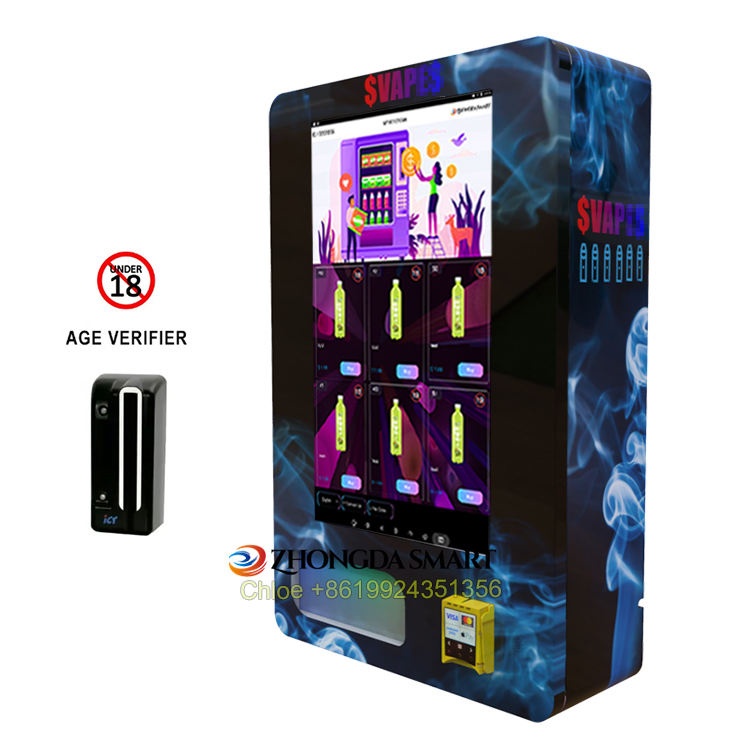
Let me walk you through the actual process, because most descriptions online gloss over the critical details. When a customer approaches a smart vending machine designed for age-restricted products, the first step is not selecting an item. It is presenting a valid ID. The machine uses an integrated optical scanner that reads the barcode, magnetic stripe, or the 2D PDF417 code on the back of a driver’s license or state ID. This scanner captures the data and sends it to the machine’s onboard computer.
The onboard software then performs three checks simultaneously. First, it verifies the cryptographic signature on the ID. Most modern US state IDs have a digital signature that proves the card is not a fake. Second, it parses the birth date and calculates the customer’s age against the current date. Third, it checks the expiration date. If all three pass, the machine unlocks the purchasing interface. This entire process takes about three to five seconds. We have tested units that do it in under two seconds, but that requires a higher-end processor and a dedicated scanner module.
One thing that often gets missed in the marketing material is the importance of the database lookup. Some machines only do a local check against the data on the card. That is not enough. A robust system should also query a third-party age verification service that cross-references the ID number against known fraudulent or stolen ID databases. This adds another layer of security. We have seen cases where a perfectly valid-looking ID from a neighboring state was flagged by the database because it was reported lost. The local scan would have passed it. The database check caught it.
Why Camera-Based Systems Fail More Often Than You Think
There is a growing trend of using camera-based AI to estimate age from a facial image. I have tested these systems. They are not ready for prime time in a high-stakes regulatory environment. The error rate on individuals between 21 and 30 is simply too high. A person who is 22 with a beard might get flagged as 30, which is fine. But a 28-year-old who looks young for their age might get denied, which leads to a lost sale and a frustrated customer. More importantly, if the machine lets a 19-year-old through because they look older, you are looking at a compliance violation that can shut down your entire operation.
We only use ID-scanning age verification vending machines in our deployments. The camera-based systems are good for a secondary check or for low-stakes products, but for tobacco and nicotine products, you need a hard verification. The scanner reads the data. It does not guess.
The Real Cost of Building a Compliant Machine
Let me break down the cost structure of a compliant e-cigarette vending machine. This is not the retail price you see on a website. This is the bill of materials (BOM) and the engineering cost that goes into making a machine that will pass a compliance audit.
| Component | Cost Range (USD) | Notes |
|---|---|---|
| Enclosure & Chassis | $800 – $1,500 | Depends on material (steel vs aluminum) and size (wall-mounted vs floor-standing). |
| ID Scanner Module | $600 – $1,200 | High-end scanners with cryptographic verification cost more. Cheap scanners fail. |
| Onboard Computer & Software | $400 – $800 | Must include secure boot and tamper detection. Consumer-grade tablets are not acceptable. |
| Dispensing Mechanism | $500 – $1,000 | Spiral or tray-based. Must be jam-resistant for high-volume use. |
| Payment System | $300 – $600 | Credit card reader with NFC. Must support age-restricted product codes. |
| Connectivity Module | $150 – $300 | 4G LTE or Wi-Fi. Required for remote monitoring and database queries. |
| Power Supply & Wiring | $200 – $400 | Must meet UL or CE standards. Underrated power supplies cause 30% of field failures. |
| Assembly & Testing | $400 – $700 | Includes burn-in testing. We run every machine for 48 hours before shipping. |
| Total BOM Cost | $3,350 – $6,500 | Excluding R&D amortization and dealer margins. |
This table shows the raw hardware cost. The retail price you pay includes engineering, software licensing, warranty, and dealer markup. A well-built machine from a manufacturer like Zhongda Smart will typically retail between $6,500 and $12,000 depending on the configuration. If you see a machine for under $4,000, you are likely buying a unit that will fail a compliance audit or break down within six months. I have seen operators buy cheap machines and then spend more on repairs and fines than they would have on a proper unit.
Revenue Model and Profitability: What the Numbers Actually Look Like
I have seen a lot of ROI calculators online that assume you will sell 50 units a day at a 50% margin. That is fantasy. Let me give you the real numbers based on my experience managing a fleet of 150 machines across convenience stores, bars, and hotels.
The average transaction value for a nicotine product from a vending machine is around $12 to $18. The cost of goods sold (COGS) is typically 40% to 50% of the retail price. That means your gross profit per transaction is about $6 to $9. The key driver of profitability is not the margin per unit; it is the number of transactions per day.
In a high-traffic location like a busy bar or a hotel lobby, a well-placed machine can do 15 to 25 transactions per day. In a lower-traffic location like a small convenience store, you might see 5 to 10 transactions per day. Let me show you a realistic monthly projection.
| Scenario | Daily Transactions | Avg Gross Profit/Transaction | Monthly Gross Profit | Monthly Expenses (Location Fee, CC Fees, Restocking) | Net Monthly Profit |
|---|---|---|---|---|---|
| High Traffic (Bar/Hotel) | 20 | $7.50 | $4,500 | $800 | $3,700 |
| Medium Traffic (C-Store) | 10 | $7.50 | $2,250 | $1,750 | |
| Low Traffic (Office Breakroom) | 4 | $7.50 | $900 | $300 | $600 |
Based on a machine cost of $9,000 (installed), the payback period for a high-traffic location is about 2.5 months. For a medium-traffic location, it is about 5 months. For a low-traffic location, it is 15 months. The risk is in the low-traffic locations. I have seen operators buy 10 machines, put them in bad spots, and never see a return. The location is everything.
Hidden Costs That Eat into Your Margin
There are costs that do not show up on a spreadsheet. Credit card processing fees for age-restricted products are often higher because they are considered high-risk. You might pay 3.5% to 5% per transaction instead of the standard 2.5%. Restocking labor is another one. If you are driving 30 miles to restock a machine that only sold 5 items, your labor cost per transaction goes through the roof. We have optimized our routes so that one driver can service 15 machines in a day. That requires clustering machines in a geographic area.
Maintenance is the biggest hidden cost. A machine that is not serviced regularly will break down. The scanner lens gets dirty. The dispensing motor jams. The software needs an update. We budget 5% of the machine’s cost per year for maintenance. For a $9,000 machine, that is $450 per year. If you are not setting aside that money, you will get hit with a $500 repair bill when the scanner fails, and that will wipe out a month of profit.
Deployment Lessons from the Field
I want to share a specific deployment experience because it highlights the difference between theory and practice. We placed a batch of age verification vending machines in a chain of hotels. The hotel management loved the idea. No front desk staff needed to handle tobacco sales. The machine would handle compliance. We installed the units in the lobby, near the entrance.
The first week was great. Sales were high. Then the problems started. The hotel guests would try to use their passports or foreign IDs. Our scanner was configured for US driver’s licenses. It could not read the barcode on a European passport. We had to update the software to support a wider range of document types. That took two weeks and required a firmware update on every machine in the hotel chain. This is a real-world issue that no sales brochure will tell you about.
Another lesson was about placement. We initially put the machines in a corner near the elevator. Sales were low. We moved one machine to a spot right next to the check-in counter. Sales tripled. The visibility and foot traffic made a huge difference. The machine needs to be in a natural path of flow. If the customer has to go looking for it, they will not buy.
We also learned about the importance of a clean interface. The touchscreen needs to be responsive and the menu needs to be simple. If a customer has to click through five screens to make a purchase, they will walk away. We reduced the purchase flow to three steps: scan ID, select product, pay. That is the maximum for a high-conversion machine.
Comparing Different Types of Age Verification Machines
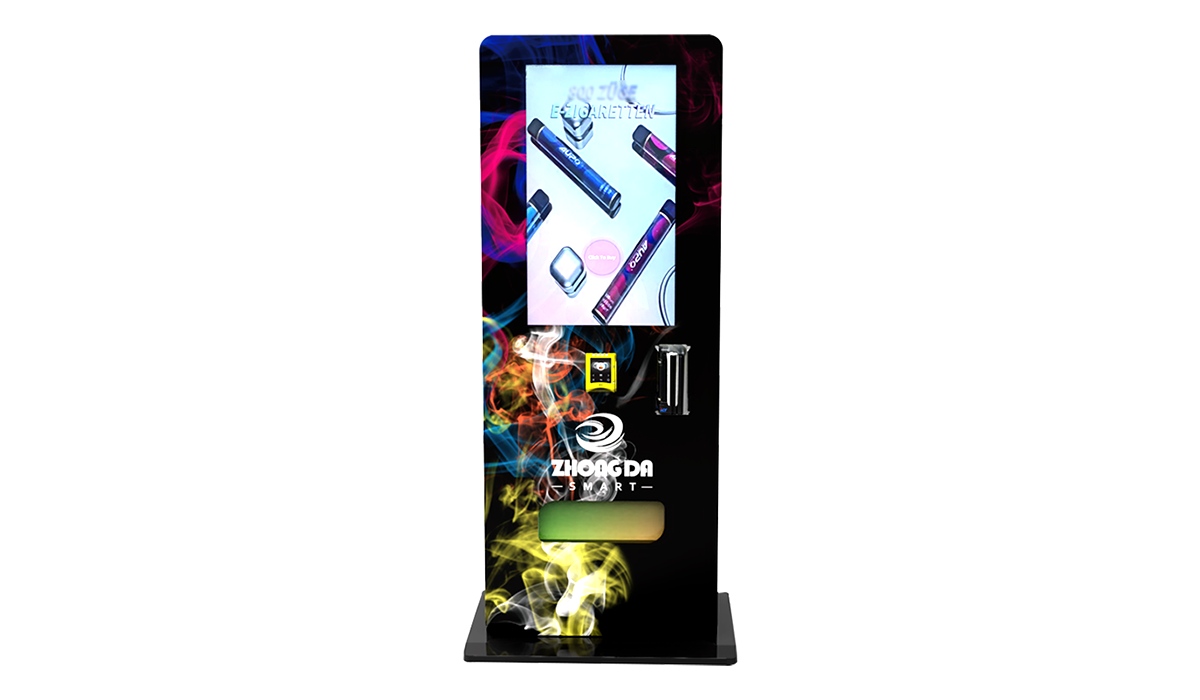
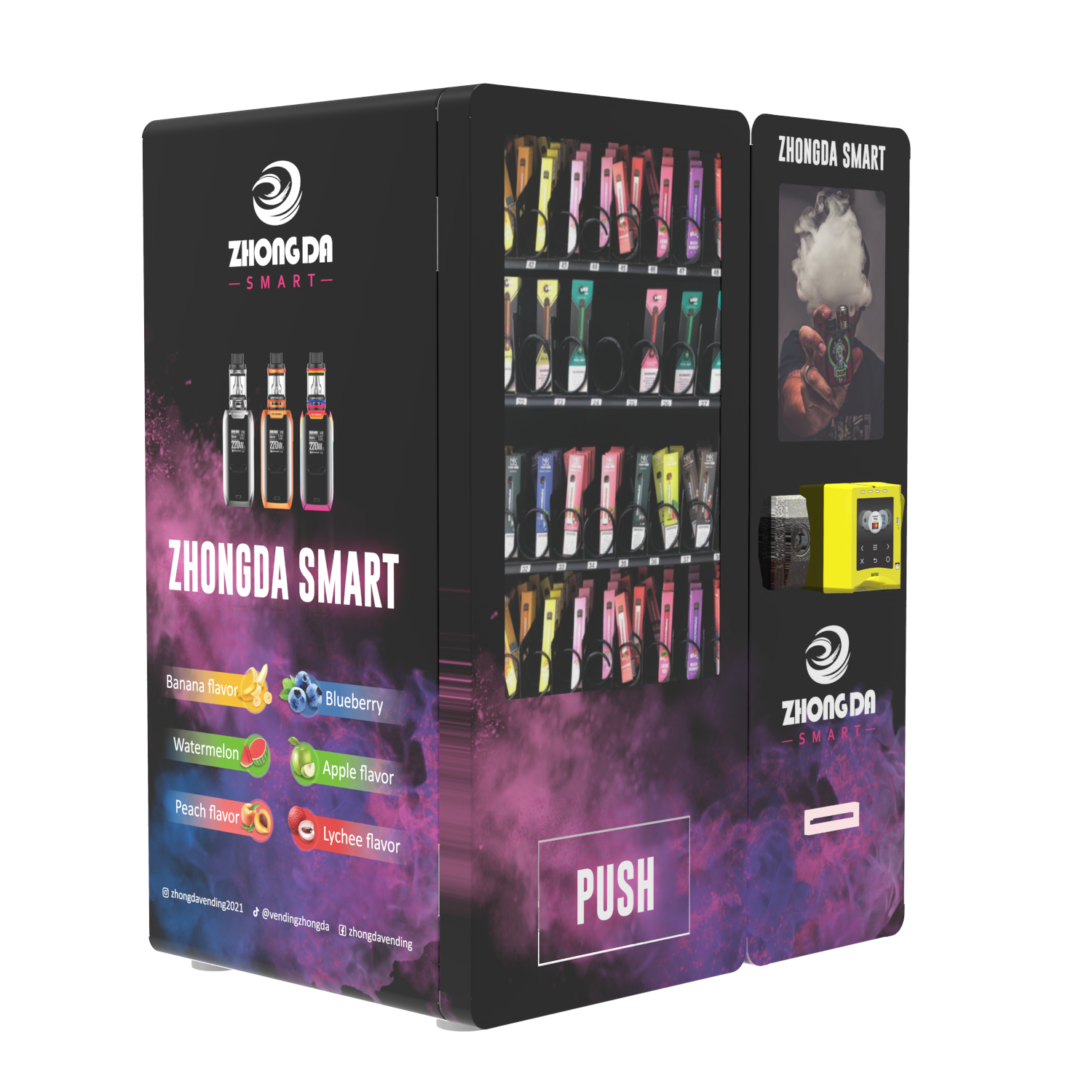
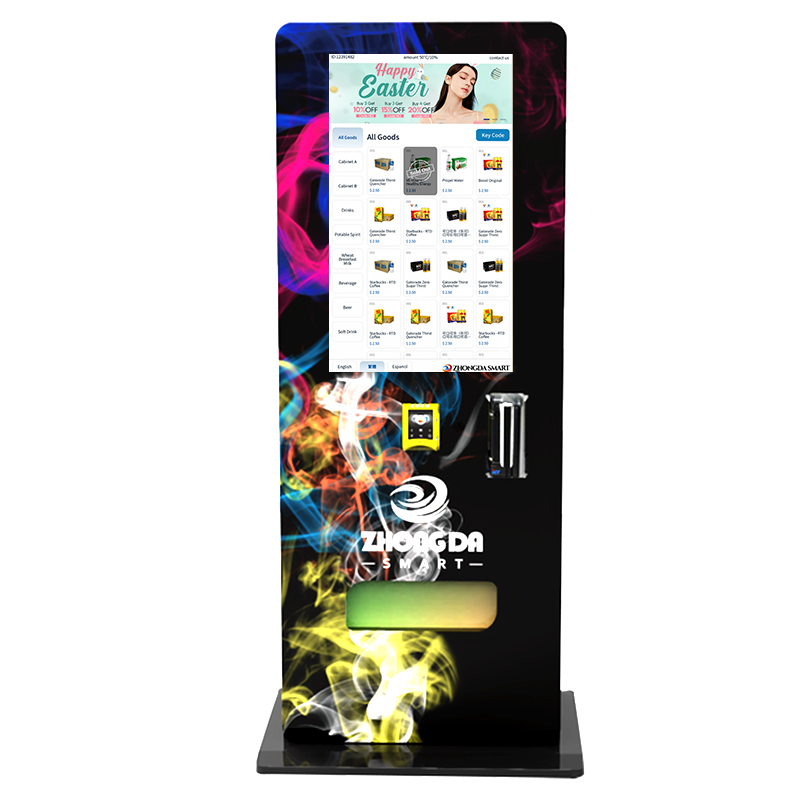
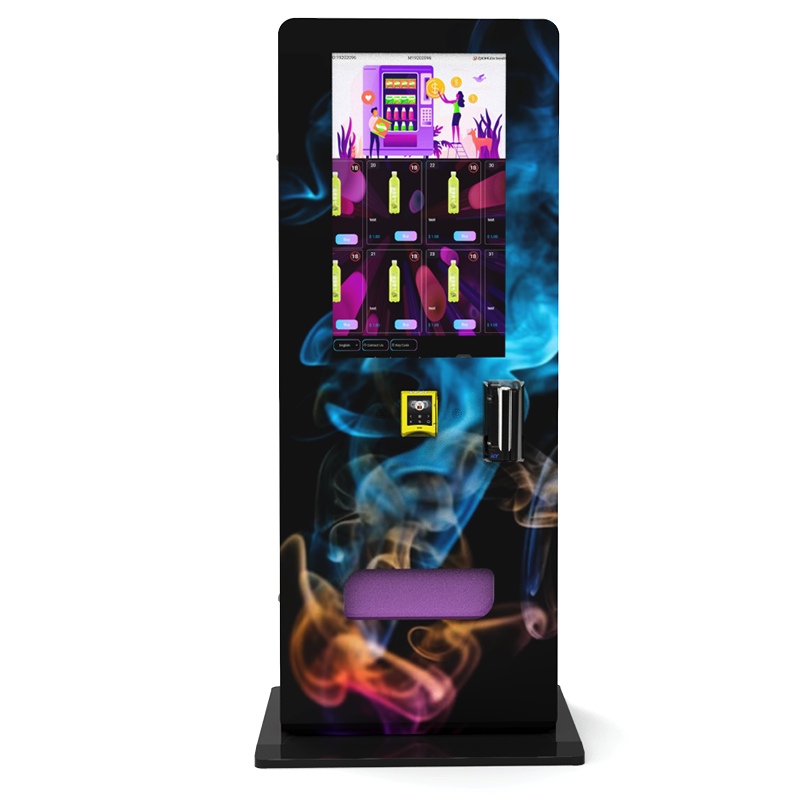
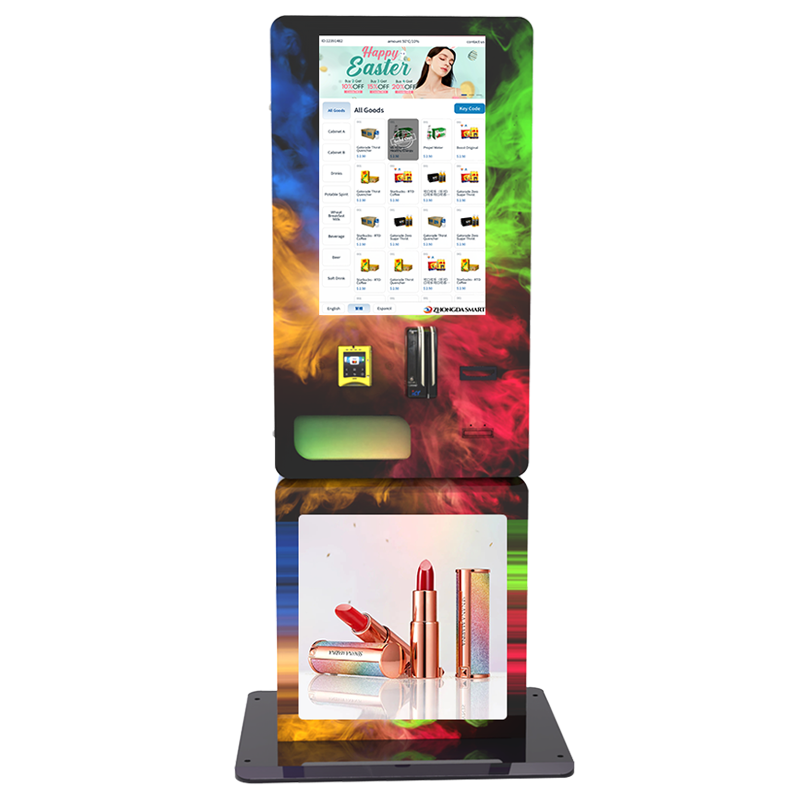
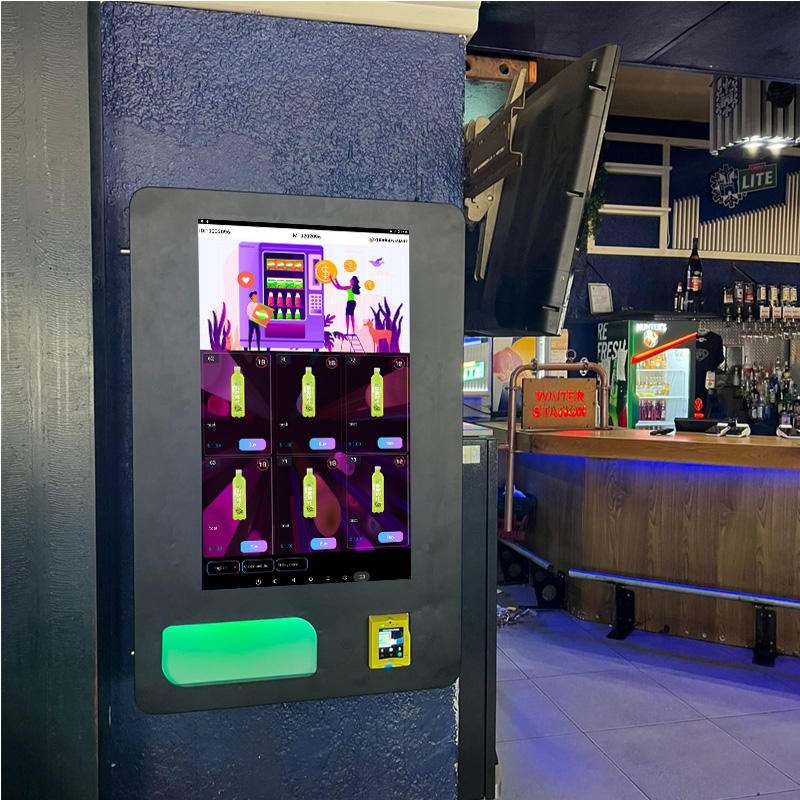
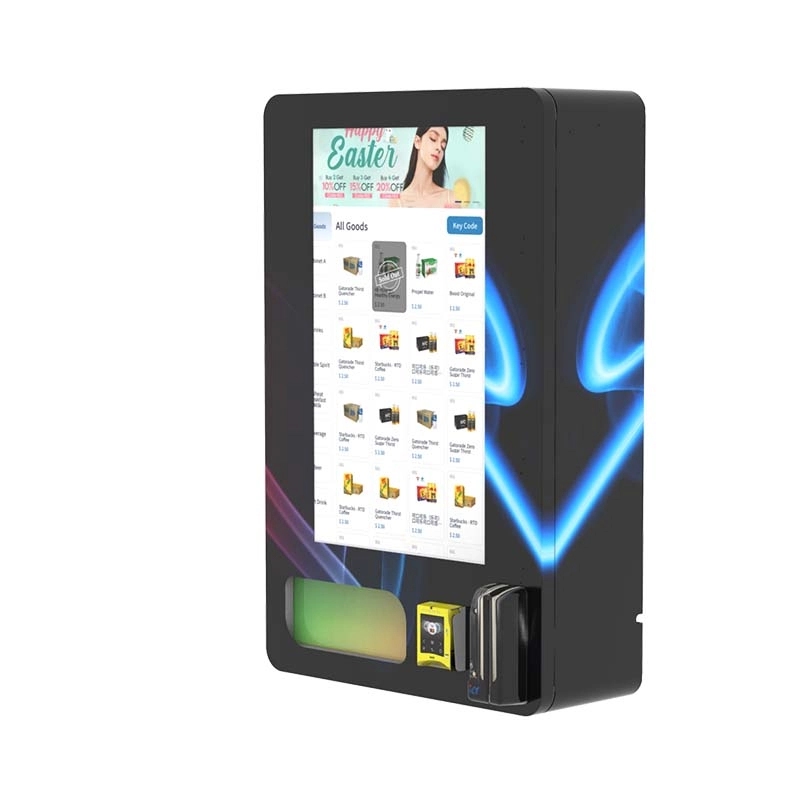
Not all machines are built the same. I have worked with wall-mounted units, floor-standing units, and countertop units. Each has its place. The wall-mounted machines are great for small spaces like a convenience store counter or a bar top. They take up less floor space and are harder to steal. The floor-standing units have higher capacity and can hold a wider variety of products. They are better for high-traffic locations like a hotel lobby or a mall kiosk.
For more on the technical specifications of different form factors, you can review the product details on our vape vending machines page. We have found that the wall-mounted compact units are the most popular for new operators because they have a lower upfront cost and are easier to place. The wall-mounted compact e-cigarette vending machine is a good starting point if you are testing a location.
The key difference in the technology is the scanner. Some machines use a simple barcode scanner that reads the PDF417 code. Others use a full-page scanner that takes an image of the front and back of the ID. The full-page scanner is more expensive, but it allows the software to perform liveness checks and to verify the holographic overlays on the card. For a compliance-first operation, the full-page scanner is worth the extra cost.
Long-Term Maintenance and Operational Strategy
Running a fleet of these machines is not a passive income stream. It is a logistics business. The machines need to be restocked, cleaned, and maintained. The software needs to be updated to comply with changing regulations. The database of valid IDs needs to be refreshed.
We have a standard operating procedure that includes a weekly remote health check. The machine reports its inventory levels, transaction counts, and any error codes. If a machine reports a low inventory on a top-selling item, we schedule a restock within 24 hours. If it reports a scanner error, we send a technician out the same day. A machine that is down for a week loses a month of profit.
One strategy that has worked well for us is to partner with a local service company. We sell the machine and then contract with a local technician to handle the restocking and basic maintenance. This keeps our overhead low and ensures that the machine is serviced quickly. The local technician gets a small fee per visit, and we keep the majority of the profit.
Another strategy is to use a revenue share model with the location owner. Instead of paying a fixed rent for the space, we offer the location owner 10-15% of the gross sales. This aligns our interests. The location owner wants the machine to sell as much as possible because they get a cut. They will help promote it and keep an eye on it. We have had much better results with revenue share than with fixed rent.
When Things Go Wrong: Real Failure Cases
I have seen operators lose their shirts on this business. One operator bought 20 machines from a low-cost manufacturer. The machines were cheap, but the scanners failed within three months. The software was buggy. The dispensing mechanism jammed constantly. The operator spent more on repairs than on the machines themselves. After six months, he had to pull all the machines out of the field. He lost over $100,000.
Another failure case was an operator who put machines in locations without checking the local regulations. He placed a machine in a county that had a specific ban on self-service tobacco sales. The county health department fined him $10,000 per machine. He had to pay the fines and remove the machines. He never recovered.
These stories are not meant to scare you. They are meant to prepare you. The technology works, but only if you use the right equipment and follow the right process. A dedicated age verification vending machine from a reputable manufacturer is the foundation of a sustainable operation. Do not cut corners on the hardware.
Regulatory Landscape and Why It Matters for Your Machine Choice
The regulations around age-restricted vending are not uniform. Some states require a hardware-based age verification system. Others accept a software-based solution. Some require the machine to be located within a certain distance of a staffed counter. The specific requirements vary, but the trend is clear: regulators are getting stricter.
We have seen a shift from simply requiring a sign that says “You must be 21” to requiring active age verification at the point of sale. This is a positive development for legitimate operators because it creates a barrier to entry for low-quality machines. A machine that cannot perform a real-time ID check will not be compliant in most jurisdictions within the next two years.
For a deeper look at the legal considerations for different states, you can read our article on vape vending machine legality in Colorado. The key takeaway is that you must verify the regulations in your specific location before you buy a machine. A machine that is compliant in Texas might not be compliant in California.
Frequently Asked Questions
What types of ID can a vending machine scan?
Can a customer use a digital ID on their phone?
What happens if the ID scanner fails?
How long does it take to get a return on investment?
Is it better to buy or lease a vending machine?
What maintenance is required on a regular basis?
Can the machine be hacked or bypassed?
What is the most common mistake new operators make?
Final Thoughts on Choosing the Right Equipment
The vending machine industry is shifting toward automated retail for age-restricted products. The technology is mature enough to handle compliance requirements, but only if you choose the right partner. You need a manufacturer that understands both the hardware engineering and the software integration. You need a machine that has been tested in the field, not just in a factory.
We have built our machines at Zhongda Smart based on 15 years of feedback from operators. Every design decision, from the choice of scanner to the layout of the dispensing coils, is based on real-world data. If you are evaluating equipment, I recommend you look at the ID scan vending machine page to see how we integrate the verification hardware. The goal is not to sell you a machine. It is to help you build a sustainable business.
Sources:
- Statista. "Vending Machine Market in the U.S." https://www.statista.com/topics/1282/vending-machines/
- IBISWorld. "Vending Machine Operators in the US." https://www.ibisworld.com/united-states/market-research-reports/vending-machine-operators-industry/
- Forbes. "The Future of Automated Retail." https://www.forbes.com/sites/forbesbusinesscouncil/2023/05/15/the-future-of-automated-retail/