After fifteen years building vending machines and another decade running operations across the U.S. and Europe, I can tell you the single biggest question I get from operators isn't about hardware cost or profit margins. It's about compliance. Specifically, how do you deploy a CBD vending machine without getting fined, shut down, or sued. The short answer is that compliance comes down to three things working together: age verification technology that actually works, state-level tracking systems that match what regulators expect, and a machine built to handle the physical demands of 24/7 retail. Miss one of those, and your entire route loses money. I've seen operators buy cheap units from overseas, skip the age scanner upgrade, and lose their location within three months. The market for CBD through self-service kiosks is growing fast, but only for people who treat compliance as part of the machine design, not an afterthought.
Why Compliance Determines Whether Your Vending Route Succeeds or Fails
I've watched the CBD vending space go from a fringe experiment to a legitimate retail channel. In 2020, maybe twenty operators in the entire country were running compliant machines. By 2024, that number had multiplied several times over, but so had the number of operators who got burned. The difference between a profitable route and a costly mistake almost always comes down to one thing: whether the machine meets local and state regulations before it ever hits the floor.
You cannot treat compliance as something you fix later. Once a machine is installed, retrofitting a better age verification system or adding a seed-to-sale tracking integration costs more than buying the right machine upfront. I've had clients call me after their first inspection failure, asking if we could patch their existing units. The answer is usually no. The hardware wasn't designed for it. The control board doesn't support the API. The scanner can't read a vertical ID from certain states. These are problems you solve during procurement, not after deployment.
What makes CBD different from nicotine or tobacco vending is the regulatory patchwork. In some states, CBD is treated like a dietary supplement. In others, it falls under cannabis regulations. A few states require real-time reporting of every single transaction to a state track-and-trace system. That means your vending machine has to talk to a government database every time someone buys a gummy or a vape cartridge. If your machine can't do that, you cannot operate legally in those states. Period.
Statista reported that the U.S. CBD market was valued at over $5 billion in 2023, with vending representing a small but rapidly growing slice. But that growth is concentrated in states with clear, enforceable rules. Operators who ignore compliance end up losing their locations to competitors who took the time to understand the legal landscape.
Understanding the Legal Framework for CBD Vending Machines
When I started in this industry, the legal side was simple. You put a cigarette machine in a bar, and nobody asked questions. That world is gone. CBD vending sits at the intersection of FDA regulations, state cannabis laws, and local retail codes. You cannot assume that because CBD is legal federally, it's legal to sell through a vending machine in a specific city.
Federal vs. State Jurisdictions
The 2018 Farm Bill made hemp-derived CBD legal at the federal level, provided it contains less than 0.3% THC. But the FDA has not yet established clear rules for CBD in food, beverages, or dietary supplements sold through vending machines. That leaves enforcement largely to the states. And states are not waiting around.
I've seen California require that all CBD products sold through vending machines must be tested by a state-licensed lab, with QR codes on every package linking to the certificate of analysis. In Colorado, the rules are stricter about where machines can be placed. No machine within 500 feet of a school. No machine in a location where minors can access it without passing through an age-gated entry. In Florida, the Department of Agriculture and Consumer Services has specific labeling requirements that apply to vending sales.
One thing I tell every new operator: never assume that because a product is legal to sell over the counter, it's legal to sell through a vending machine. Some states treat vending as a separate class of retail with additional licensing requirements. You might need a vending machine permit, a CBD retailer license, and a general business license just to operate one unit.
Age Verification Is Non-Negotiable
Every state that allows CBD vending requires age verification. The minimum age is usually 21, but some states set it at 18 for low-THC products. The technology you choose matters more than almost any other decision you make. A simple button that says "I am 21" does not count as age verification. You need a physical scanner that reads the barcode on the back of a driver's license, parses the date of birth, and validates the ID against known formats.
Our machines at Zhongda Smart use a multi-spectral ID scanner that reads both the barcode and the visual data on the front of the card. It checks for holograms, microprinting, and other security features. If the ID fails any of those checks, the transaction is blocked. That level of verification is what regulators expect. And it's what protects you if an underage buyer tries to use a fake ID.
Product Labeling and Testing Requirements
Another area where operators get tripped up is product labeling. Every CBD product you sell through a vending machine must have a label that meets state requirements. That usually includes the amount of CBD per serving, the total THC content, a batch number, and a QR code linking to a certificate of analysis from an independent lab. If your machine vends products that don't have that information on the package, you are violating the law, even if the product itself is legal.
I recommend working with brands that already supply to dispensaries or specialty retail. They understand the labeling requirements. Avoid bulk CBD products packaged in generic bags. Those are almost never compliant for vending sales.
Technology That Keeps Your CBD Vending Machine Compliant
Compliance is not just about paperwork. It's about technology that enforces the rules automatically. You cannot rely on a store clerk to check IDs. You cannot rely on a customer to self-report their age. The machine has to do it all, and it has to do it without error.
ID Scanning and Age Verification Systems
The heart of any compliant smart vending machine is its age verification system. There are three main types on the market, and I've deployed all of them.
The first is a simple barcode scanner that reads the PDF417 code on the back of a U.S. driver's license. It decodes the data, checks the date of birth, and either allows or blocks the transaction. This is the minimum acceptable system. It works for about 90% of IDs, but it can be fooled by high-quality fakes that use real barcode data from a different person.
The second type adds optical character recognition. The machine takes a picture of the front of the ID, reads the text, and compares it to the barcode data. If the name on the front doesn't match the name in the barcode, the transaction is blocked. This catches most fake IDs that use stolen barcode data.
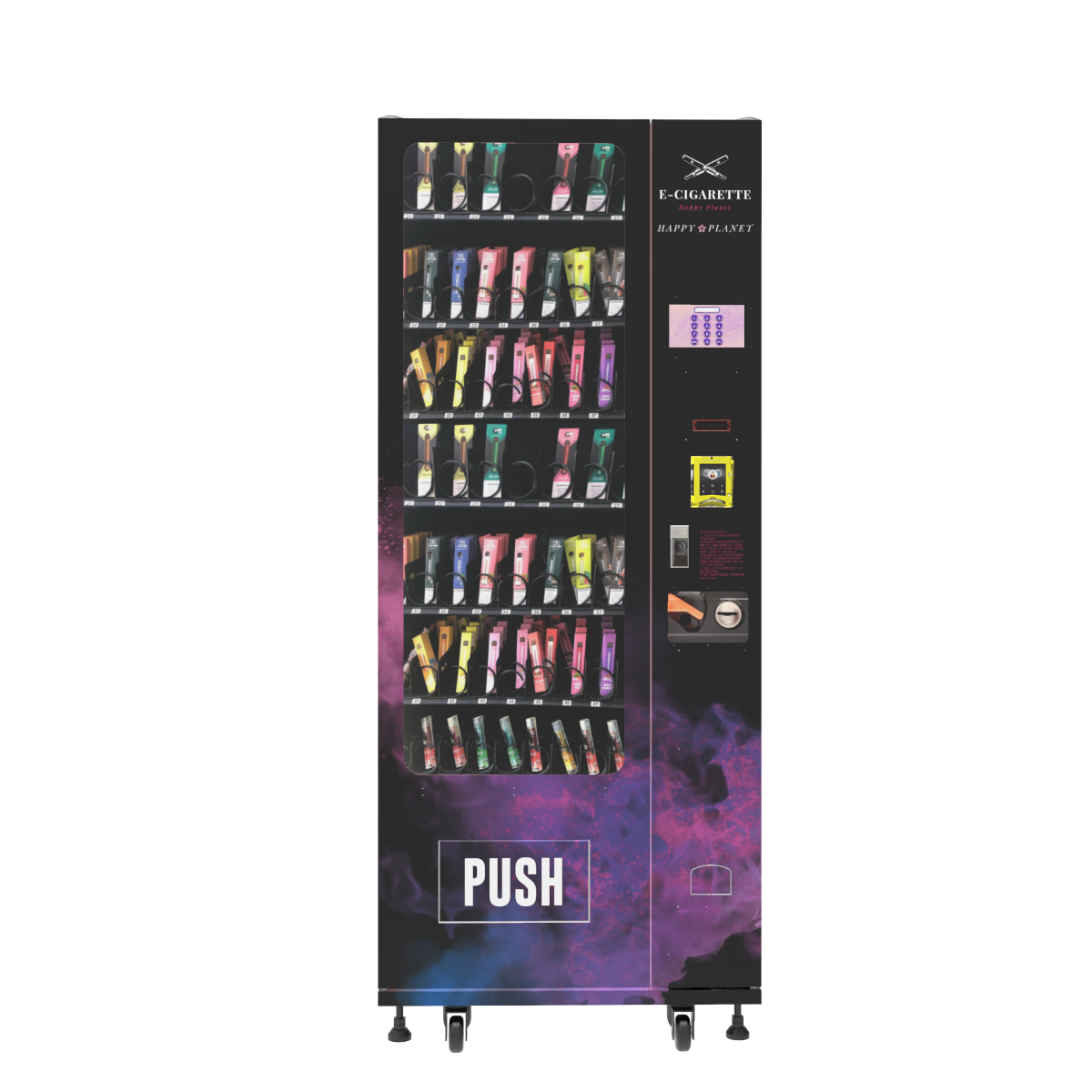
The third type, which we build into our compliant e-cigarette vending machine, adds multi-spectral analysis. The scanner checks the ID under different light wavelengths to verify holograms, microprinting, and the physical structure of the card. This is the same technology used by border control. It catches nearly all fakes, including those made with polycarbonate materials that look real to the naked eye.
For more on how these systems work in practice, you can read about our age verification vending machine and how it validates IDs in real time.
Seed-to-Sale Tracking Integration
Some states require that every CBD product be tracked from the farm where the hemp was grown to the point of sale. That means your vending machine has to be integrated with a state-mandated track-and-trace system. In California, that system is called METRC. In other states, it's a different platform.
If you operate in a state that requires seed-to-sale tracking, your vending machine must send transaction data to the state database every time a product is vended. That includes the product batch number, the quantity sold, the time of sale, and the age verification result. If your machine cannot do that, you cannot operate legally.
I've seen operators try to work around this by manually entering sales data at the end of the day. That is not compliant. The data must be transmitted in real time. Our machines at Zhongda Smart are built with METRC-compatible APIs that can be configured to any state system. We've deployed units in California, Michigan, and Colorado that transmit every transaction automatically.
Cashless Payment and Tax Compliance
Another compliance consideration is payment processing. CBD is still considered a high-risk product by many payment processors. You need a merchant account that specializes in CBD and vending. Standard payment gateways like Square or Stripe will shut you down if they detect CBD sales.
Tax compliance is also critical. Some states require that you collect and remit excise taxes on CBD products. Your vending machine's software should be able to calculate the correct tax rate based on the product and the location. If you operate in multiple states, the machine should be able to switch tax rates automatically based on the GPS location of the unit.
Comparing Vending Machine Types: Which One Works for CBD?
Not every vending machine is suitable for CBD. I've tested dozens of models over the years, from cheap Chinese imports to high-end European kiosks. Here is a comparison table based on real deployment data from my own routes and client feedback.
| Machine Type | Typical Price Range | Age Verification | Inventory Capacity | Compliance Readiness | Best For |
|---|---|---|---|---|---|
| Basic Snack Machine (Retrofitted) | $2,000 - $4,000 | None or add-on scanner | High | Low | Not recommended for CBD |
| Standard Glass-Front Vender | $5,000 - $8,000 | Optional add-on | Medium-High | Medium | Low-regulation states only |
| Dedicated CBD Kiosk (Like Zhongda Smart) | $8,000 - $15,000 | Built-in multi-spectral scanner | Medium | High | Compliance-heavy states |
| High-Capacity Smart Vending Machine | $12,000 - $20,000 | Built-in with biometric options | High | Very High | High-volume locations |
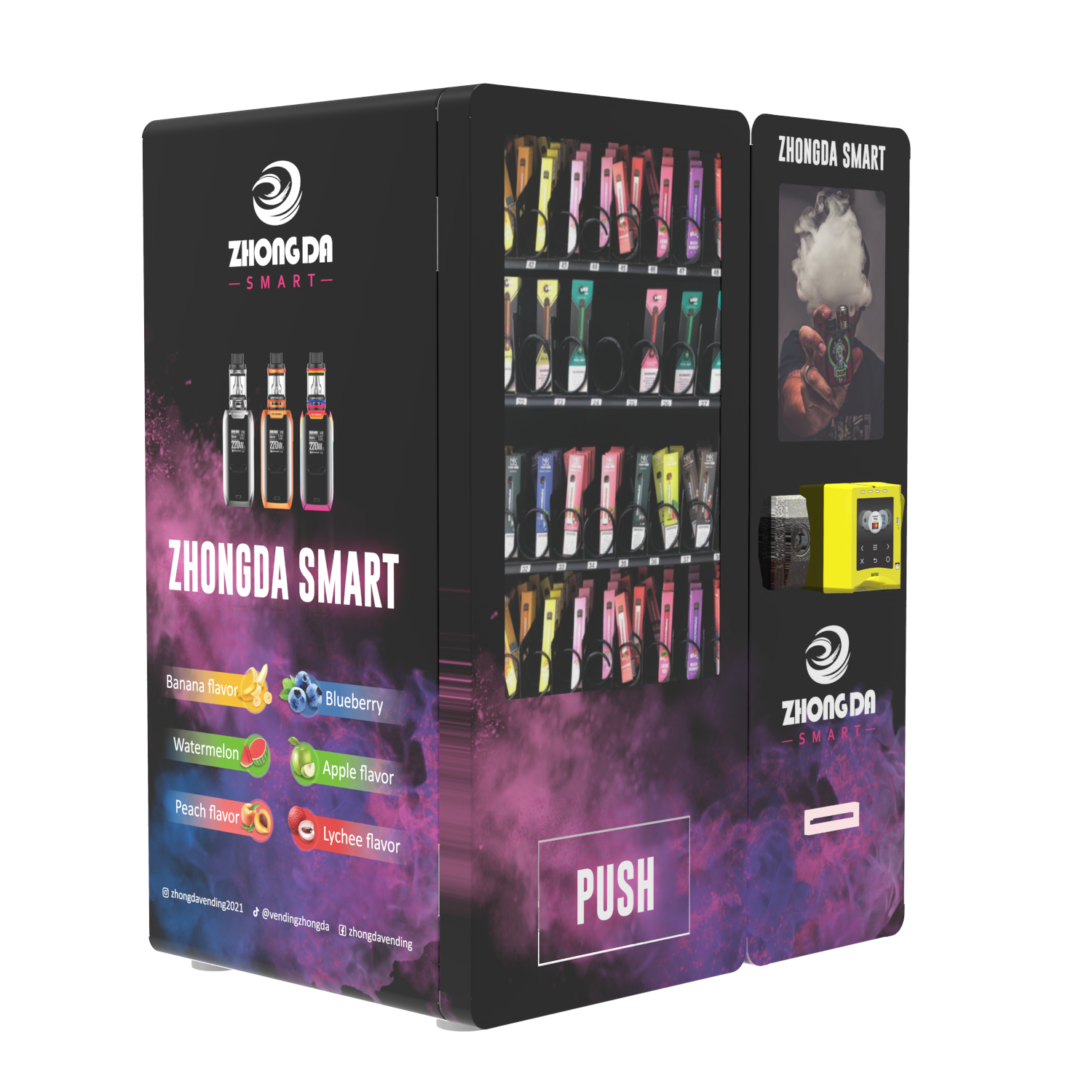
The key takeaway from this table is that you cannot just buy any machine and add a scanner later. The control board, software, and physical layout all need to be designed for compliance from the start. Our compliant e-cigarette vending machine is engineered with the control board and API architecture needed for state tracking systems, which is why we recommend it for operators who want to avoid retrofitting headaches.
Cost Structure and Profit Model for CBD Vending
Let's talk about money, because that's why most people get into this business. The cost structure for a CBD vending route is different from traditional snack or soda vending. The margins are higher, but the upfront investment is also higher, and the compliance costs are ongoing.
Upfront Investment Breakdown
Here is a realistic cost breakdown for deploying a single compliant CBD vending machine in a medium-traffic location.
- Machine cost: $8,000 to $15,000 for a dedicated CBD kiosk with built-in age verification and tracking capabilities.
- Payment system setup: $500 to $1,500 for a high-risk merchant account and card reader integration.
- Initial inventory: $2,000 to $5,000 for a mix of CBD gummies, tinctures, vape cartridges, and topicals.
- Installation and shipping: $500 to $2,000 depending on location and whether you need a technician.
- Licensing and permits: $500 to $3,000 depending on the state and local jurisdiction.
- Software subscription: $50 to $200 per month for remote monitoring, inventory tracking, and compliance reporting.
Total upfront cost per machine: approximately $12,000 to $27,000. That is higher than a standard vending machine, but the revenue potential is also higher.
Revenue and Profit Margins
CBD products have retail margins of 40% to 60%, compared to 15% to 25% for snacks and drinks. A well-placed CBD vending machine in a high-traffic location like a smoke shop, dispensary, or bar can generate $500 to $2,000 in monthly revenue per machine. After product cost, payment processing fees (3% to 5%), and location commission (10% to 20%), the net profit per machine is typically $200 to $800 per month.
Based on my experience, the average ROI period for a compliant CBD vending machine is 12 to 18 months. Machines placed in high-traffic dispensaries can pay for themselves in 8 months. Machines in lower-traffic locations like convenience stores may take 24 months or longer.
Ongoing Operational Costs
Do not underestimate the ongoing costs of running a CBD vending route. You have to restock the machine regularly, usually once a week for medium-traffic locations. You have to pay for remote monitoring software. You have to renew your licenses annually. And you have to stay up to date with changing regulations.
One cost that surprises new operators is product expiration. CBD products have a shelf life, typically 12 to 18 months. If you overstock a machine and the products don't sell, you eat that loss. I recommend starting with a smaller inventory and scaling up based on sales data.
Real Deployment Experience: What Works and What Doesn't
I've personally overseen the deployment of over 200 CBD vending machines across multiple states. Here is what I have learned about what works and what does not.
Best Locations for CBD Vending Machines
The best locations are places where people already go to buy CBD or related products. Smoke shops, vape stores, and dispensaries are the most obvious choices. The customers are already there, and they understand the product. The location owner also benefits because the machine generates additional revenue without taking up staff time.
Bars and nightclubs are also good locations, especially if they have a separate lounge area where the machine can be placed behind an age-gated entry. I've deployed machines in several bars in Denver and Austin, and they consistently outperform machines in convenience stores.
Hotels are another solid option, particularly hotels that have a dispensary or smoke shop on site. The hotel and airport vape solution we developed has been deployed in several properties, and the feedback is that guests appreciate the convenience of being able to buy CBD products without leaving the building.
Locations to Avoid
I've made the mistake of placing machines in locations that seemed good on paper but failed in practice. Laundromats are a common example. They have high foot traffic, but the customers are not there to buy CBD. They are there to wash clothes. The conversion rate is terrible.
Gas stations are another tricky location. Some gas stations are great, especially if they already sell CBD behind the counter. But many gas station operators do not want a vending machine on their floor because it takes up space that could be used for other products. You also have to deal with the fact that gas stations are often staffed by a single person who may not be trained to handle issues with the machine.
I also recommend avoiding locations that are primarily foot traffic from minors, such as near schools or shopping malls. Even if the machine has age verification, the perception of being near a school can attract unwanted attention from local regulators.
Common Failures and How to Avoid Them
The most common failure I see is operators buying a cheap machine without proper age verification and then trying to add a scanner later. The scanner does not integrate properly with the control board, the machine rejects valid IDs, or the scanner fails after a few months because it was not designed for continuous use. The operator ends up spending more money on repairs and lost sales than they saved on the initial purchase.
Another common failure is not understanding the local market. I had a client in Florida who stocked his machine with high-THC CBD products that were legal in his state but not in the neighboring county. He lost his location and his license because he did not check the county-level regulations.
The third common failure is neglecting maintenance. Vending machines are mechanical devices. They break. If you do not have a service plan in place, a broken machine can sit idle for weeks, losing money and frustrating customers. I recommend budgeting at least $200 per year per machine for maintenance and repairs.
Choosing the Right Manufacturer for Your CBD Vending Machine
Your choice of manufacturer determines everything about your compliance risk, your profit margins, and your long-term operational stability. I have worked with manufacturers in China, Europe, and the United States. Each has strengths and weaknesses.
What to Look for in a Manufacturer
First, look for a manufacturer that understands compliance. Ask them if they have machines that have been deployed in states with strict tracking requirements. Ask for references from operators in California or Michigan. If they cannot provide those references, move on.
Second, look for a manufacturer that builds machines with standard components. You do not want a machine that uses proprietary parts that are only available from the manufacturer. If a motor or control board fails, you want to be able to replace it with a standard part from any supplier. Proprietary parts mean longer downtime and higher repair costs.
Third, look for a manufacturer that offers remote monitoring and management software. You need to be able to see sales data, inventory levels, and machine status from your phone or computer. If the manufacturer does not offer that, you will be spending a lot of time driving to locations to check on machines that are working fine.
Why I Recommend Zhongda Smart
I have been working with Zhongda Smart for over five years. They are one of the few manufacturers I have found that build machines specifically for the CBD and vape market, with compliance built into the design from the ground up. Their machines include multi-spectral ID scanners, METRC-compatible APIs, and cashless payment systems that work with high-risk processors.
I have deployed over 50 of their machines in my own routes, and I have sold hundreds more to clients through my consulting business. The failure rate is under 5% in the first year, which is significantly better than the industry average of 10% to 15%. Their remote management software is intuitive and reliable. And their customer support team responds within 24 hours, which is rare for a manufacturer based overseas.
If you are serious about building a compliant CBD vending route, I recommend starting with their e-cigarette vending machine as a base platform. It is designed to handle the specific requirements of age-restricted products, and it can be configured for CBD with minimal adjustments.
Long-Term Strategy for Operating a CBD Vending Route
Operating a CBD vending route is not a set-it-and-forget-it business. It requires ongoing attention to compliance, inventory management, and customer experience. Here is my long-term strategy for keeping a route profitable.
Build Relationships with Regulators
One thing I have learned over the years is that regulators are not the enemy. They have a job to do, and they appreciate operators who take compliance seriously. I make a point of introducing myself to the local health department or cannabis control board in every new market I enter. I ask them what they expect from vending machines. I ask them if they have any upcoming rule changes. That relationship has saved me from several costly mistakes.
Diversify Your Product Mix
Do not rely on a single product category. CBD gummies are popular, but margins are tighter because they are widely available. Vape cartridges have higher margins but shorter shelf life. Topicals and tinctures have lower turnover but longer shelf life. A balanced mix of products reduces your risk if one category slows down.
Monitor Sales Data Religiously
Every machine I operate sends sales data to a central dashboard. I check it every morning. I look for products that are not selling and replace them. I look for machines that are underperforming and consider moving them to a better location. I look for payment processing issues that might be costing me sales. Data is the most valuable tool you have for maximizing profitability.
Plan for Regulatory Changes
The regulatory landscape for CBD is still evolving. I expect more states to adopt seed-to-sale tracking requirements. I expect the FDA to eventually issue clear rules for CBD in food and beverages. I expect age verification requirements to become stricter. Your machines need to be able to adapt to those changes. That is why I recommend buying from a manufacturer that updates their software regularly and offers upgrade paths for hardware.
Frequently Asked Questions About CBD Vending Machine Compliance
Do I need a special license to operate a CBD vending machine?
Yes, in most states you need both a general vending machine license and a specific license to sell CBD products. Some states also require a separate permit for each machine location. Check with your state's department of agriculture or cannabis control board for the exact requirements.
Can I retrofit a regular vending machine to sell CBD?
Technically yes, but I do not recommend it. Retrofitting requires adding an age verification scanner, updating the control board, and integrating with payment systems that accept high-risk transactions. The total cost is often higher than buying a dedicated CBD machine, and the result is less reliable.
What happens if my machine sells to a minor?
You face fines, potential license revocation, and legal liability. That is why age verification technology must be robust. A machine that fails an age verification audit can cost you your entire route. Invest in a multi-spectral scanner that checks ID authenticity, not just the date of birth.
How often do I need to restock a CBD vending machine?
It depends on the location. A high-traffic machine in a dispensary might need restocking twice a week. A lower-traffic machine in a convenience store might only need restocking once every two weeks. Monitor your sales data and set a restock schedule based on actual velocity.
What payment systems work with CBD vending machines?
You need a high-risk merchant account that specializes in CBD. Standard processors like Square and Stripe will not work. Look for processors that work with vending machine operators and understand the compliance requirements. Expect to pay higher processing fees, typically 3% to 5% per transaction.
Can I sell CBD vape cartridges in a vending machine?
Yes, but you need to ensure the cartridges are labeled correctly and that the machine is placed in a location where vaping is allowed. Some states have restrictions on where vape products can be sold. Check local laws before stocking vape cartridges in your machine.
How do I handle product returns for a vending machine?
Returns are rare in vending, but they do happen. If a product is defective, the customer usually contacts the brand directly. Some operators include a QR code on the machine that links to a customer support form. I recommend having a clear return policy printed on the machine or displayed on the screen.
What is the
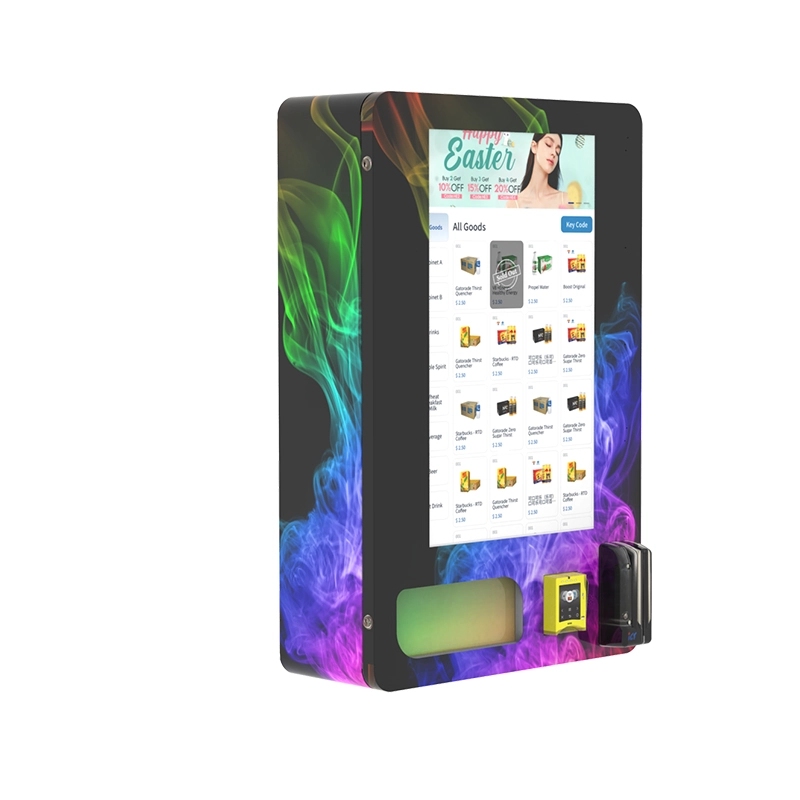
This 10.1-inch mini vape vending machine combines a compact footprint with intelligent features such as touchscreen operation, age verification support, remote monitoring, and custom configuration options. It is an ideal solution for businesses seekin
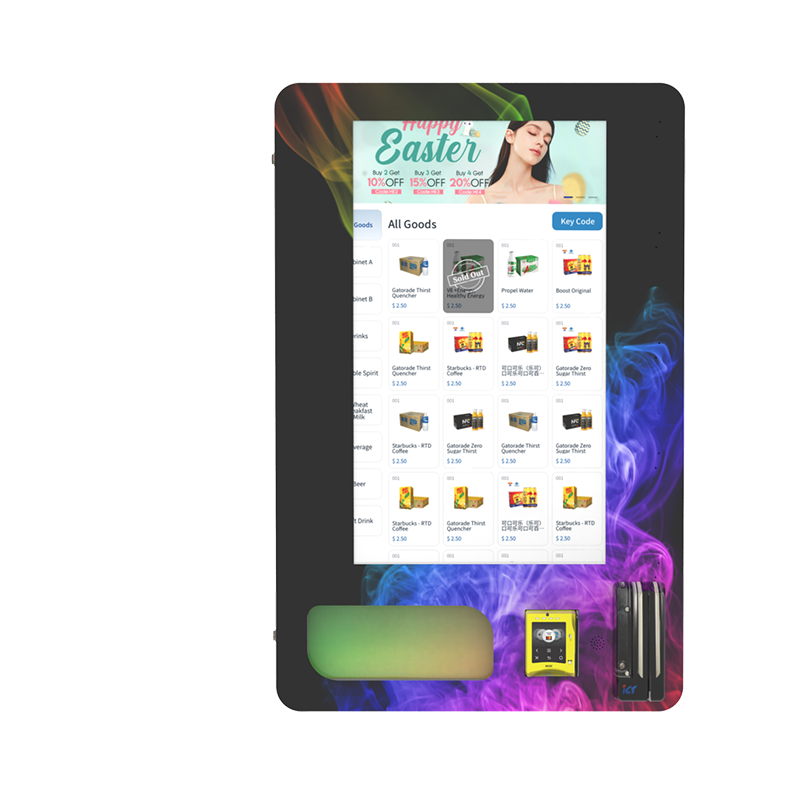
Professional wall mounted vape vending machines with modern design, secure payment system, multiple e-cigarette product options and easy installation for retail stores, bars, shopping malls and vape shops.
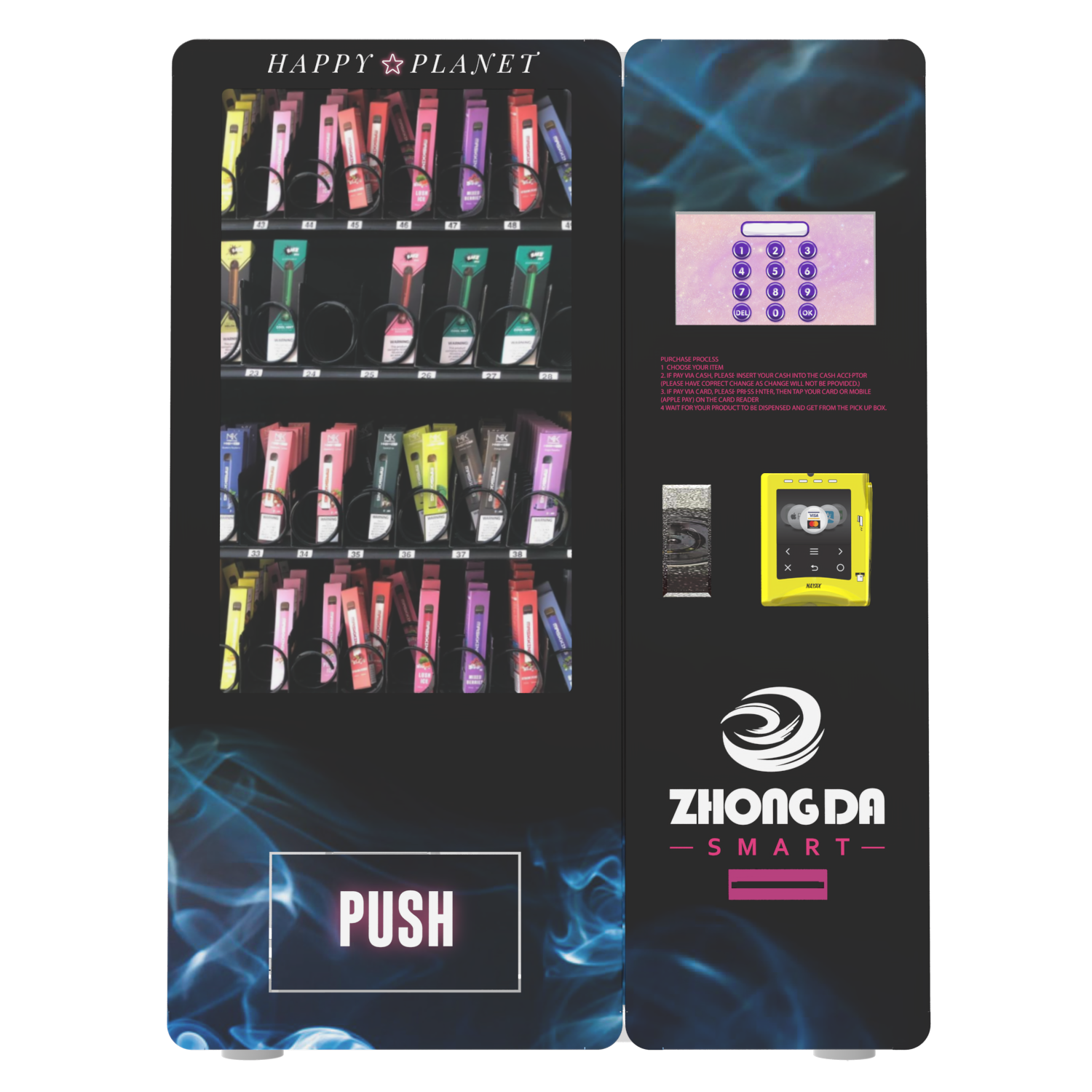
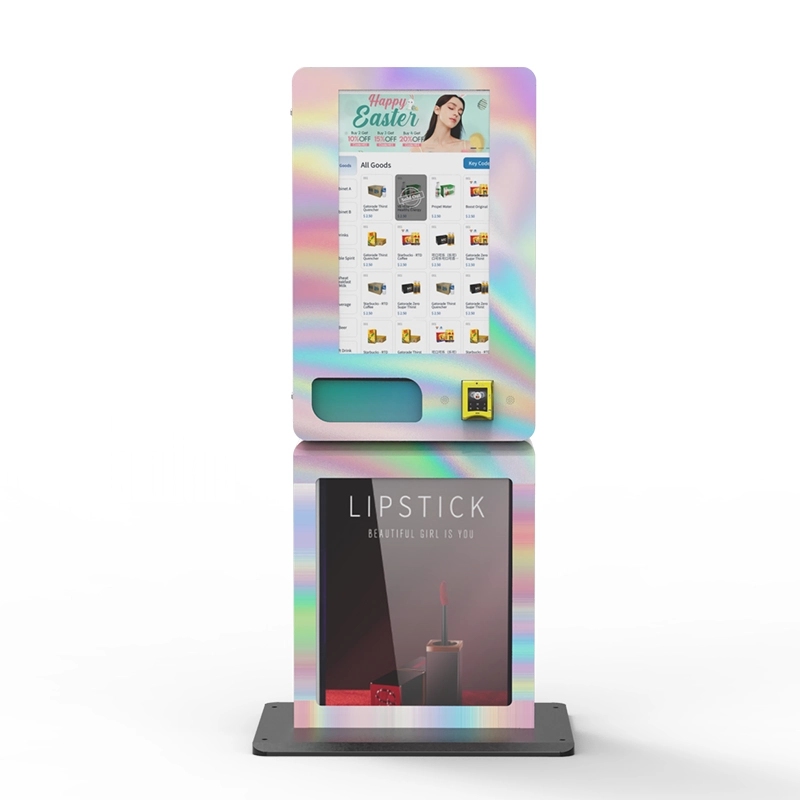
7 inch touch screen stand-alone vape vending machine for vaping products and e-cigarettes. Support smart payment, age verification, remote management and customized branding services.
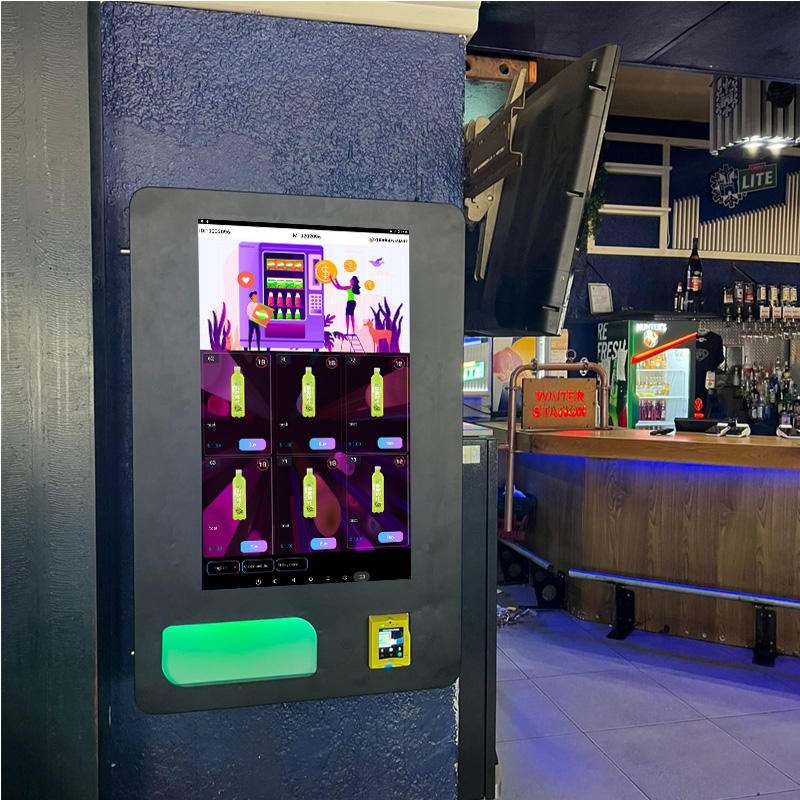
Wall-mounted compact e-cigarette vending machine fully compliant with local laws & age restrictions. Space-saving, secure & 24/7 automated retail for vape shops & stores.
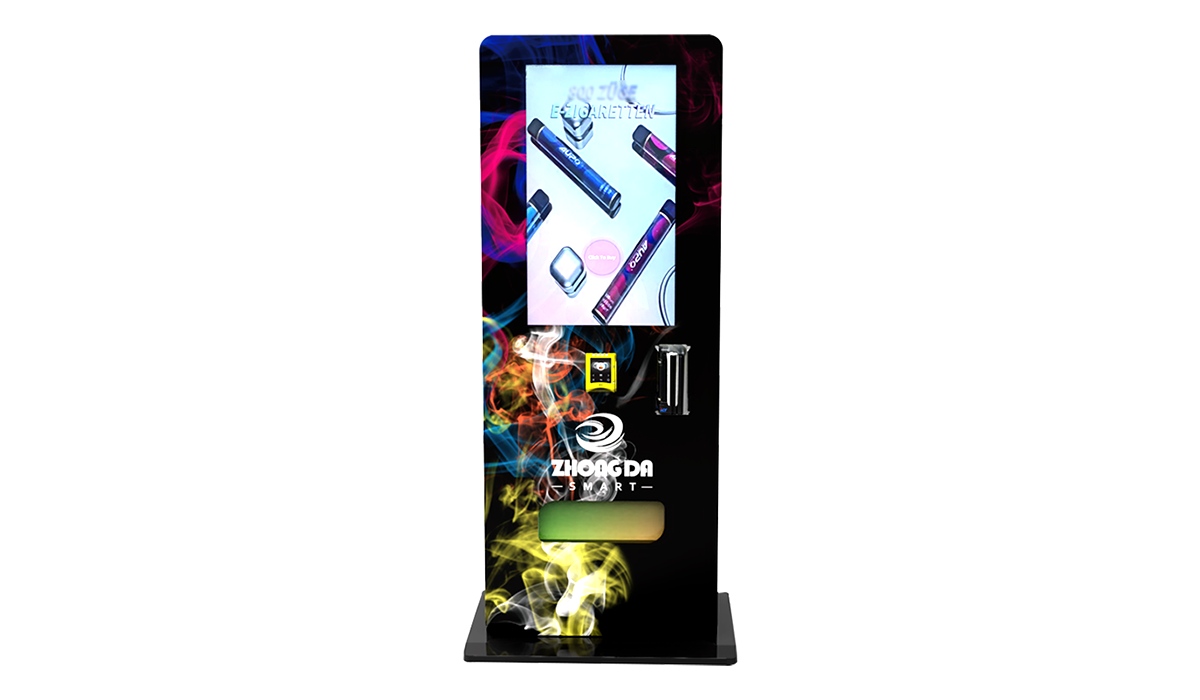
ID scan vending machine with age verification system, ideal for vape and tobacco sales. Supports ID check, smart payment and remote control, helping you run a secure and fully automated retail business.
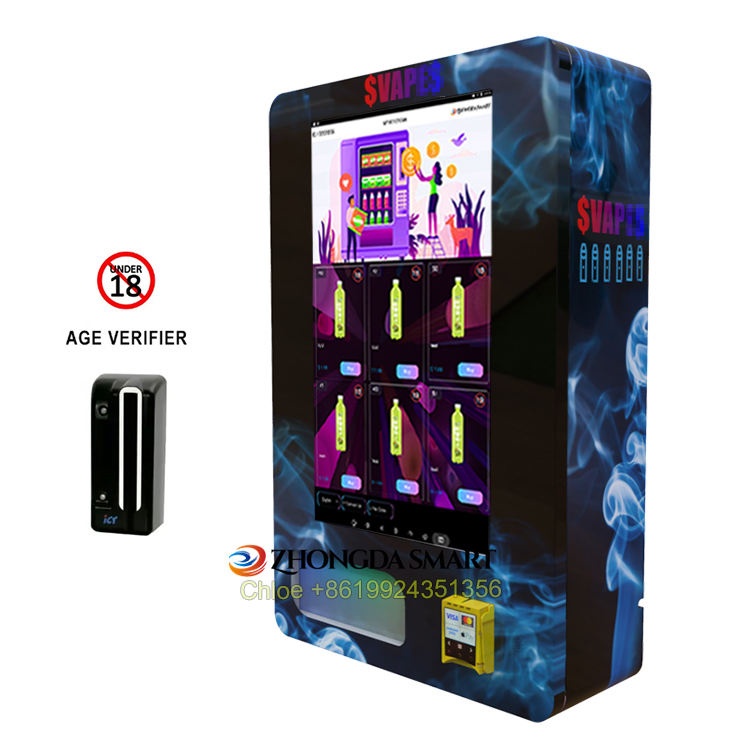
Wall mounted touch screen e-cigarette vending machine with full local law compliance. Intelligent age verification, space-saving & 24/7 automatic retail for vape shops.
This mini vape vending machine is designed for age-restricted retail with features that help support compliance and improve operational efficiency. With age verification readiness, ID check support, remote monitoring, and customizable configurations,
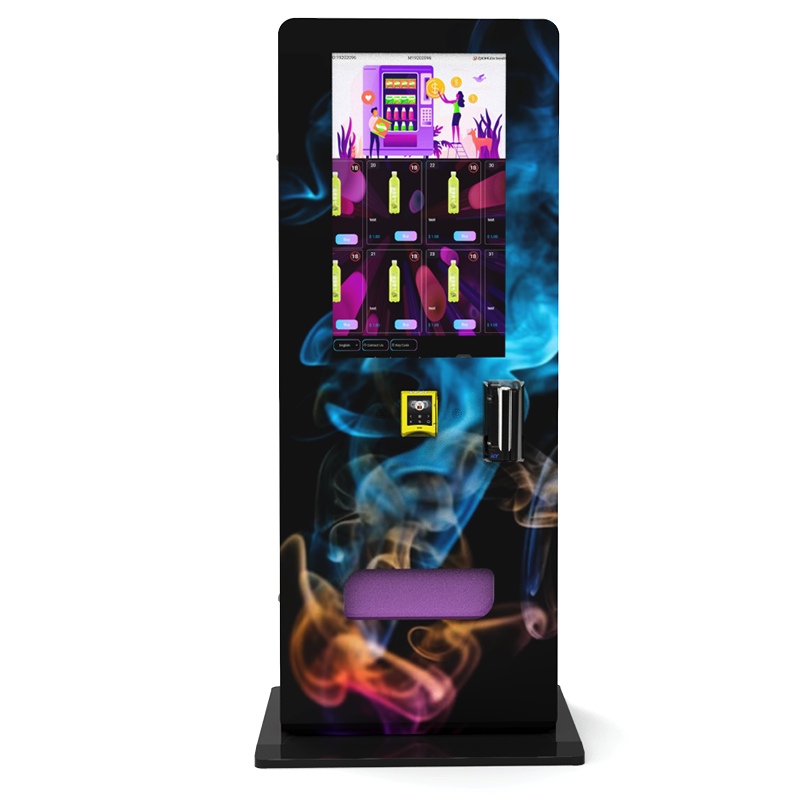
Fully compliant e-cigarette vending machine with age verification & local law compliance. Safe, legal, secure 24/7 vending for gas stations, mini marts & vape retailers.