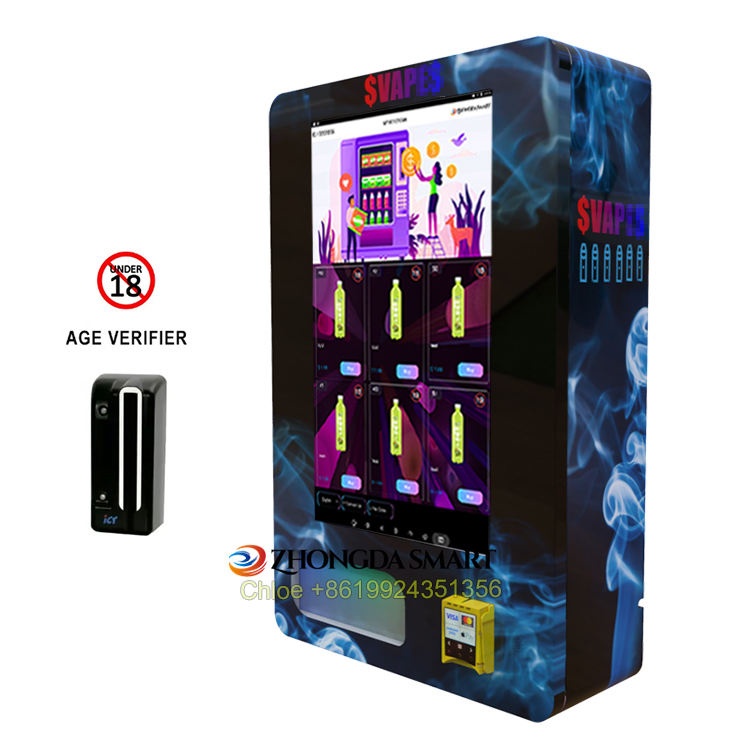
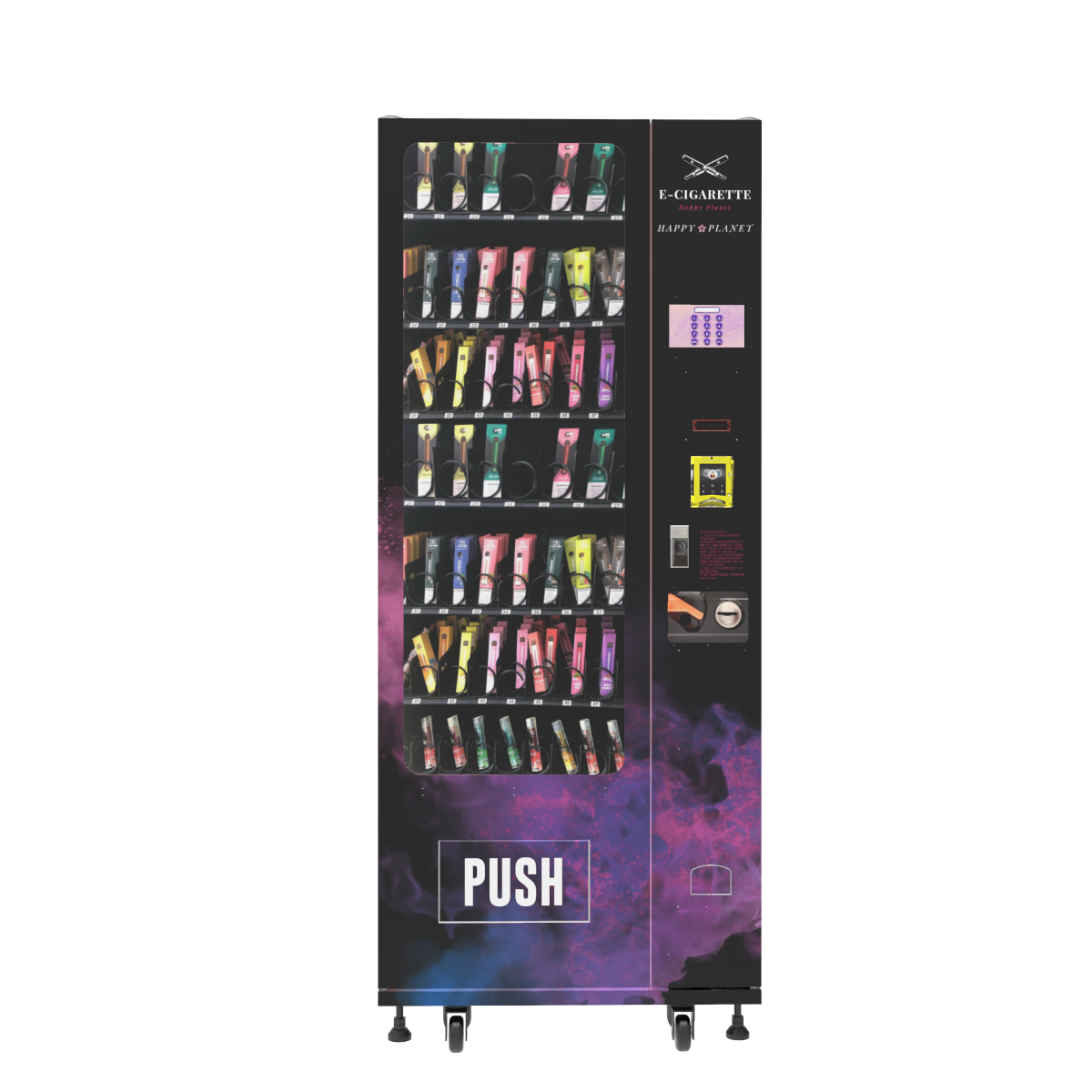
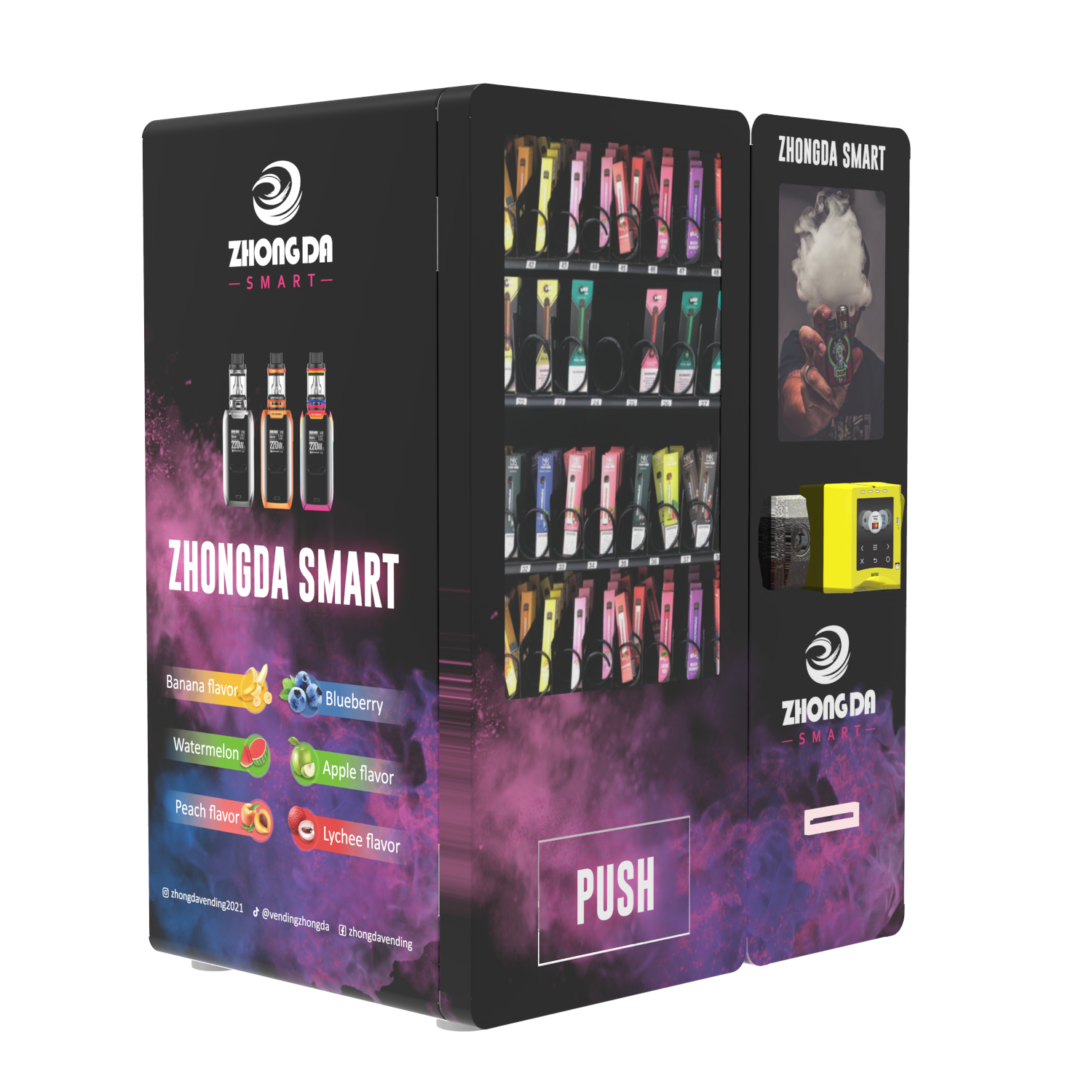
I’ve been inside this business long enough to remember when a vending machine was just a metal box with a coin slot and a spring coil. Back then, nobody worried about who was buying cigarettes or candy bars. That changed. Hard. Today, if you are placing any automated retail unit that sells age-restricted products — especially nicotine vapes — the single most critical component is the age verification system. Not the cabinet design, not the payment processor, not even the product margin. Without a reliable, compliant age check, your machine is a liability, not an asset. I have spent over a decade deploying these units across dozens of markets, and I’ve seen operators lose their entire investment because they skimped on this one feature. This guide covers what actually works in the field, what breaks, and how to make real money without waking up to a cease-and-desist.
The Real Reason Most Vending Deployments Fail Before They Start
I get calls from operators every month who bought a cheap unit from a general vending supplier. They installed it in a bar or a smoke shop. Within two weeks, they got a warning from local enforcement. Within a month, the machine was seized. The problem was never the hardware. It was the lack of a proper age gate. These operators assumed that because the machine was inside a licensed venue, they were covered. They were wrong.
Regulatory bodies across the US and Europe are not looking at where the machine sits. They are looking at the transaction itself. If a minor can walk up to a machine, tap a card, and walk away with a nicotine product, the operator is liable. Period. I have personally seen fines ranging from $5,000 to over $50,000 per incident depending on the jurisdiction. In some states, a second violation triggers a criminal charge against the business owner.
The core issue is that general vending hardware does not have the software stack to handle age verification. It might have a basic camera or a button that says “I am 21,” but that is not verification. That is a checkbox. Real age verification requires a hardware and software combination that scans a government-issued ID, reads the barcode or magnetic stripe, parses the date of birth, and either approves or rejects the sale before the transaction completes. That process needs to happen in under three seconds or customers walk away. Getting that speed and accuracy right is where most manufacturers fail.
What Age Verification Actually Looks Like Inside the Machine
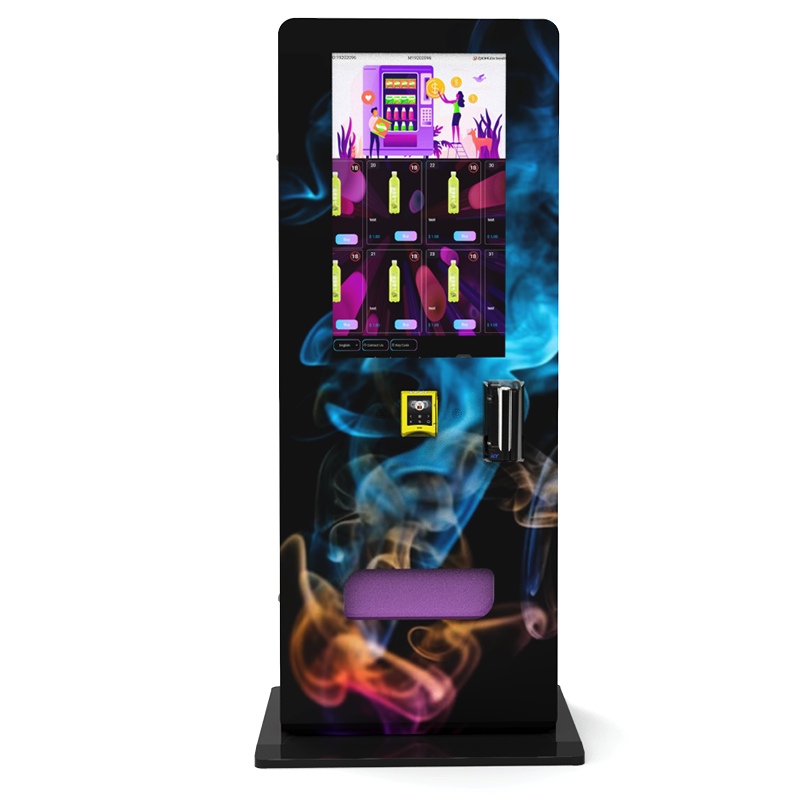
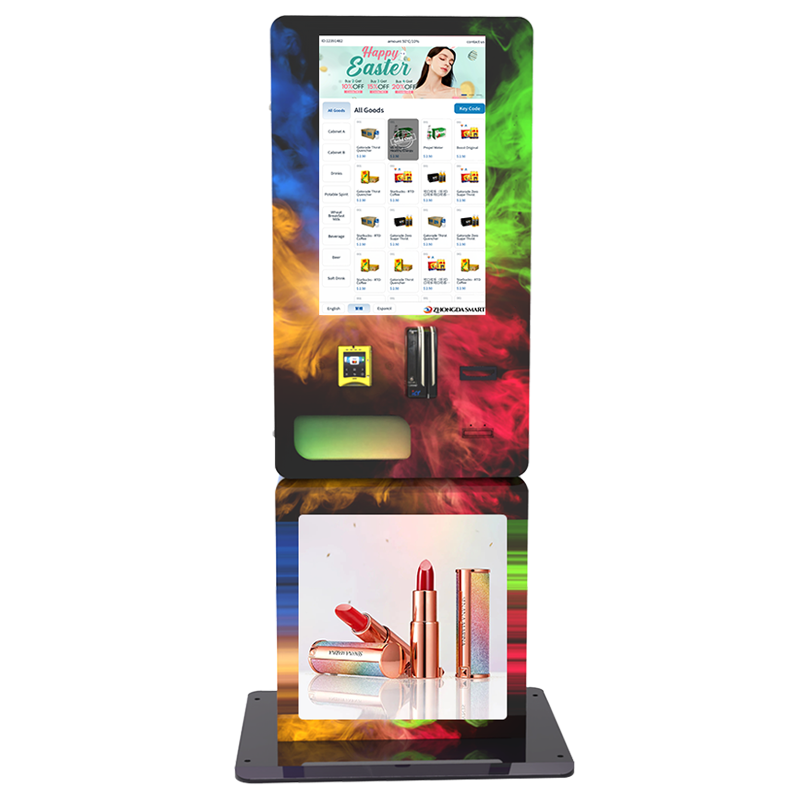
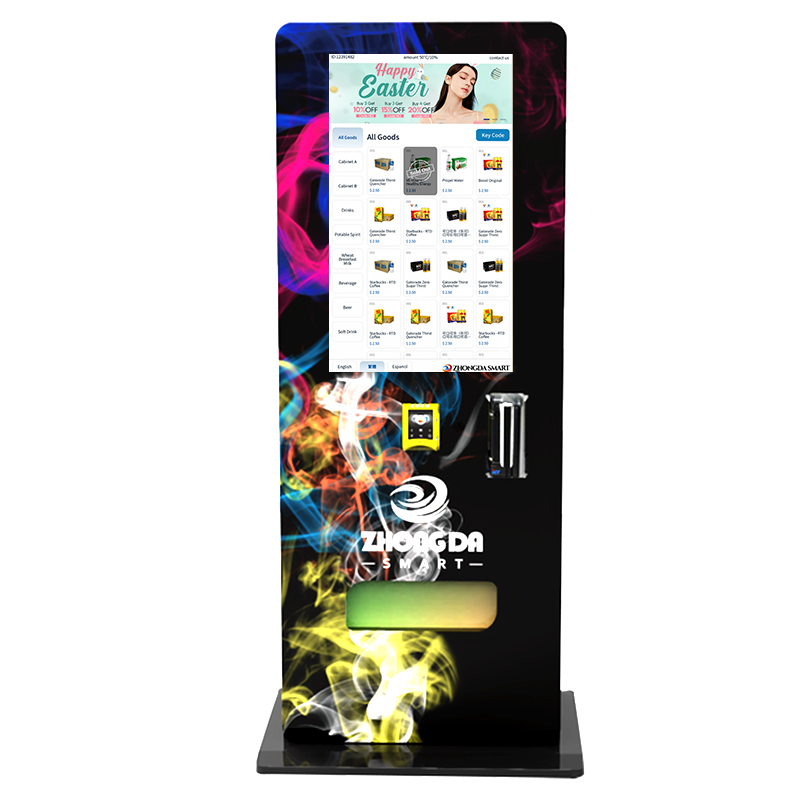
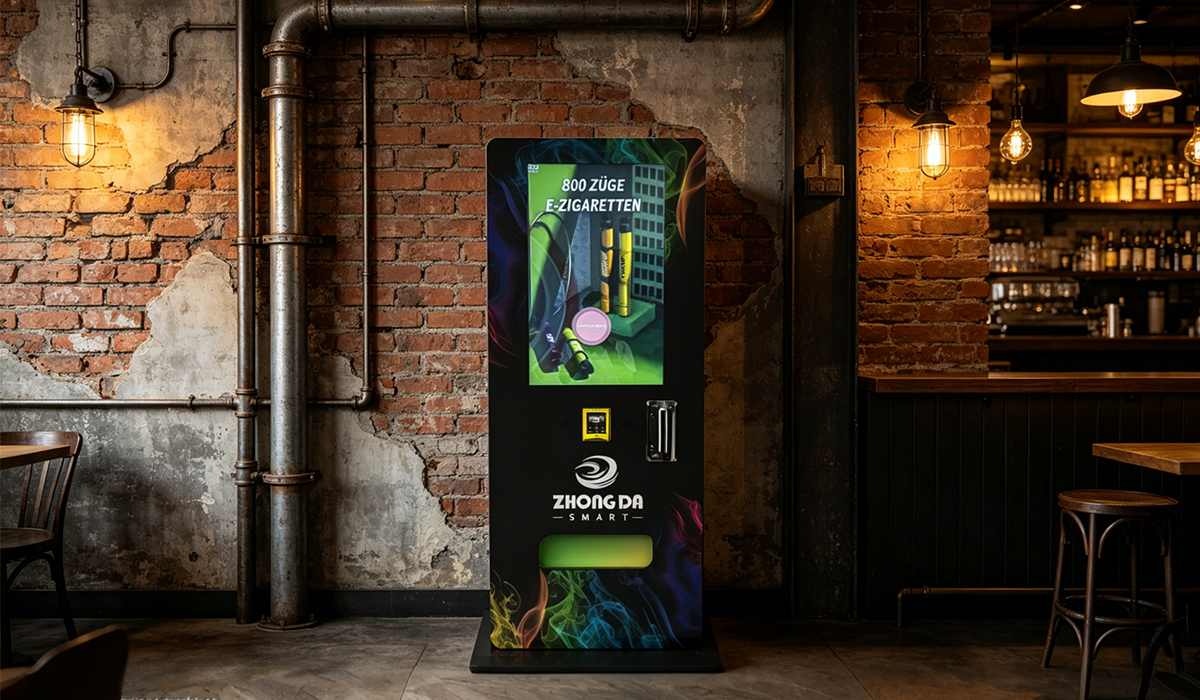
Let me walk you through the engineering side, because this is where the difference between a compliant machine and a paperweight becomes clear. The age verification vending machine that we build at Zhongda Smart uses a multi-layer approach. First, there is a physical ID scanner. This is not a cheap webcam. It is an integrated scanner that can read driver’s licenses, passports, and military IDs from all 50 US states and most European countries. The scanner captures both the front and back of the card, including the barcode and the machine-readable zone.
Second, the onboard software does not just read the date. It validates the format of the ID. It checks for common forgery markers. It cross-references the expiration date. If the ID is expired, the sale is blocked. If the barcode does not match the printed data, the sale is blocked. If the customer looks underage even with a valid ID, some systems can flag the transaction for a remote operator review — but in our deployments, we keep it fully automated to avoid delays.
Third, the data from that transaction is encrypted and stored locally. We do not send raw ID images to the cloud unless an audit is required. This is critical for privacy compliance under GDPR in Europe and various state privacy laws in the US. Operators often do not think about this until a customer files a complaint about data collection. By then, the damage to your reputation is already done.
I have seen machines that use only a Bluetooth scanner connected to a tablet. That setup fails constantly. The tablet battery dies, the Bluetooth disconnects, the software crashes. In a high-traffic bar on a Friday night, that is a disaster. Our units use a dedicated embedded system. The scanner, the controller, and the payment terminal are all on the same internal bus. There is no pairing, no battery drain, no software conflicts. It just works.
Cost Structures That Actually Make Sense for Operators
Let’s talk about money. I know operators who paid $3,000 for a machine and operators who paid $12,000. The cheap machines are almost always a mistake. Here is a breakdown of what you are actually paying for when you buy a compliant unit.
| Component | Cheap Unit ($3k–$5k) | Compliant Unit ($7k–$12k) |
|---|---|---|
| ID Scanner | USB webcam or basic reader | Integrated multi-format scanner with forgery detection |
| Payment System | Standard card reader | EMV-compliant with age-gate integration |
| Software | Generic vending OS | Age verification OS with audit logging |
| Cabinet | Thin steel, no thermal management | Reinforced steel, climate control for electronics |
| Compliance | No built-in compliance tools | Pre-loaded with state and country age rules |
| Warranty | 90 days | 12–24 months |
The upfront cost difference is significant. But consider this: one fine from a regulatory agency can wipe out the savings from buying a cheap machine. I have seen operators lose $20,000 in fines and legal fees because their $3,000 machine did not block a 19-year-old with a fake ID. That single incident cost them seven times the price of a proper machine.
Beyond the hardware, you have ongoing costs. Payment processing fees run about 2.5% to 3.5% per transaction. Inventory costs depend on your product mix, but for nicotine vapes, wholesale margins are typically 40% to 60%. The real variable is location rent. A high-traffic bar might charge you a flat monthly fee or a revenue split. We typically see 20% to 30% of gross revenue going to the location owner. That is negotiable, especially if you bring a machine that removes their liability for age checks.
Revenue Modeling from a Field Deployment
I managed a deployment of 15 units across three cities last year. The average transaction was $12.50. The average unit did 18 transactions per day. That works out to $225 per day in gross revenue, or about $6,750 per month per machine. After cost of goods, location rent, payment fees, and restocking labor, the net profit per machine was roughly $2,800 per month. The machines paid for themselves in four months. But that was in high-traffic venues with proper age verification. In lower-traffic locations, the same machines did 8 transactions per day and took eight months to break even.
Location selection is everything. A machine in a convenience store with a dedicated tobacco license will outperform a machine in a laundromat every time. The customer intent is already there. They walked in to buy nicotine products. The machine just needs to be faster and more convenient than the counter.
The Hidden Operational Risks Nobody Talks About
I have been in this industry long enough to collect a long list of things that go wrong. Here are the ones that cost operators the most money.
Fake IDs that pass basic scanners. Some states have IDs with poor security features. A standard barcode scanner might read a fake ID if the barcode is printed correctly. Our machines at Zhongda Smart use a secondary check: we compare the birth date against a rolling database of known fake ID formats. This is not foolproof, but it catches about 95% of fakes. The remaining 5% require a human override, which we do not allow in fully automated mode. That is a tradeoff. You lose a sale occasionally, but you never get fined.
Network outages. If your machine requires a cloud connection to verify an ID, and the Wi-Fi goes down, you are locked out. We learned this the hard way in a basement bar in Chicago. The machine could not reach the server, so it blocked every sale for six hours. That was $1,200 in lost revenue. Now we build every unit with a local cache of the age verification logic. The machine can operate offline for up to 7 days without losing compliance. It syncs the transaction logs when the network comes back.
Product theft through the delivery chute. This is more common than you think. A customer buys one item, then reaches their hand up the chute to grab another. Standard chutes have a flap that prevents this, but some cheaper machines use a simple door. We use a dual-flap system. The first flap opens to drop the product, then closes before the second flap opens. There is never a direct path from the outside to the inventory tray. This adds about $150 to the manufacturing cost but eliminates theft.
Temperature damage to electronics. Vending machines placed outdoors or in unheated spaces suffer from condensation inside the cabinet. This ruins the scanner and the payment terminal. We seal all electronics in a climate-controlled compartment. If you are placing a machine outdoors, you need an IP54-rated cabinet at minimum. I have seen operators ignore this and replace their scanner three times in one winter.
Comparing Machine Types for Different Venues
Not every machine is right for every location. Here is a comparison based on what I have seen work and fail in actual deployments.
| Machine Type | Best Venue | Capacity | Footprint | Average ROI |
|---|---|---|---|---|
| Wall-mounted compact | Small bars, lounges | 50–80 units | 24” wide | 5–7 months |
| Full-size floor unit | Smoke shops, convenience stores | 200–400 units | 36” wide | 4–6 months |
| High-capacity kiosk | Large venues, casinos | 600+ units | 48” wide | 6–9 months |
| ID scan integration unit | Any age-restricted product | Varies | Varies | 5–8 months |
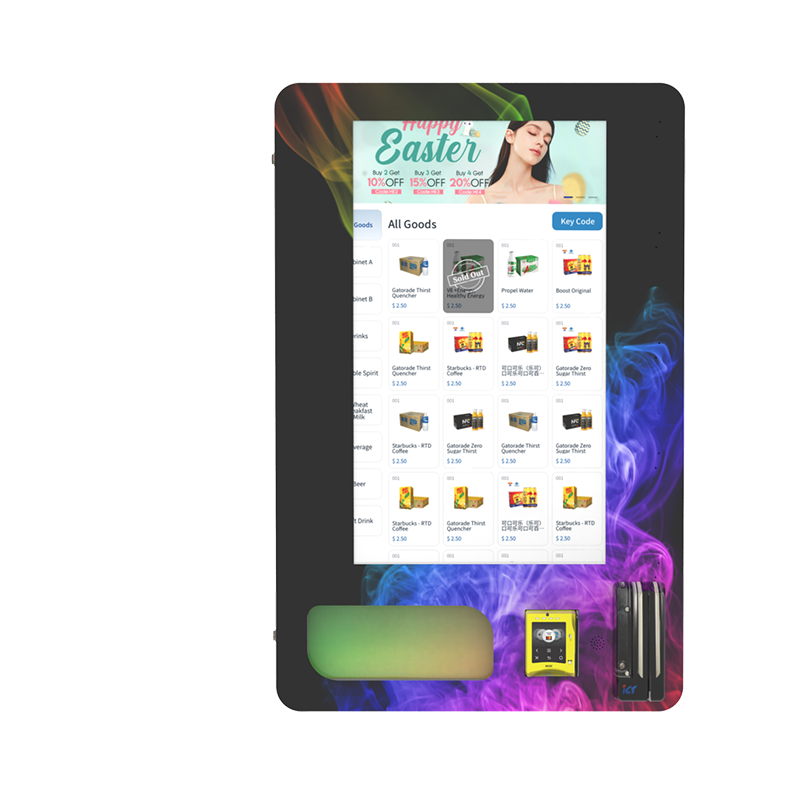
Wall-mounted units are great for tight spaces. We have a wall-mounted compact e-cigarette vending machine that fits on a wall next to a pool table. It holds 80 units, has a built-in scanner, and costs about $6,800. Operators love it because it does not take up floor space. The downside is lower capacity. You have to restock every three days in a busy venue.
Full-size floor units are the workhorses. They hold more inventory, have better cooling, and can handle higher transaction volumes. They also cost more upfront. I recommend these for locations where you have a guaranteed daily traffic of at least 200 customers who are of legal age.
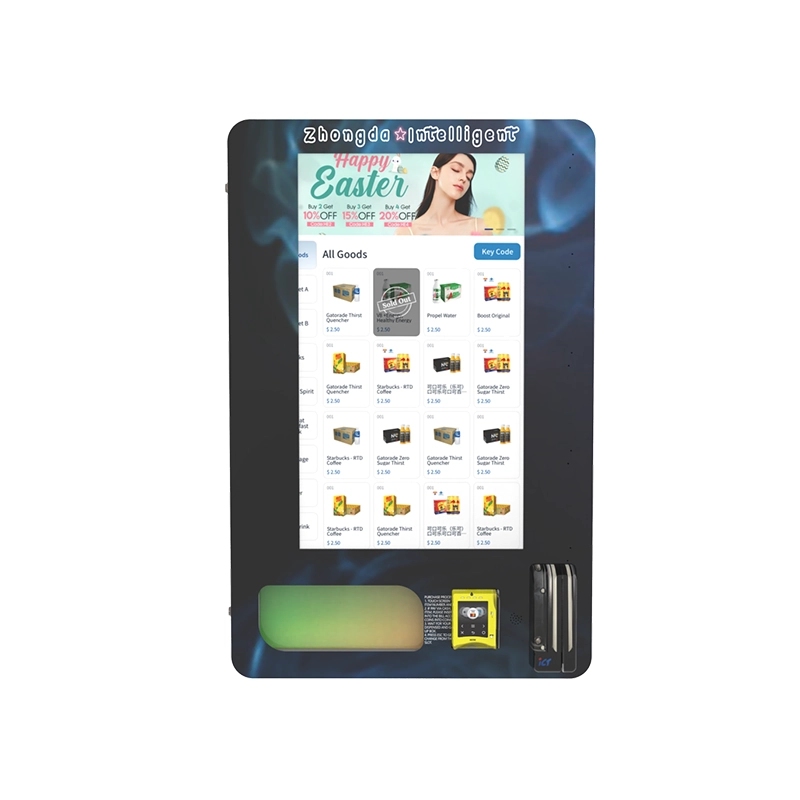
The ID scan integration units are a special category. These are designed specifically for locations that already sell age-restricted products over the counter. The machine acts as an extension of the store’s existing compliance system. We built a dedicated ID scan vending machine for exactly this use case. It integrates with the store’s POS system and shares the same age verification database.
Real Maintenance Cycles and What They Cost
Every operator asks me about maintenance. They want to know how often the machine breaks and what it costs to fix. Here is the honest answer based on our fleet data.
The scanner is the most failure-prone component. We see a failure rate of about 3% per year on the scanner module. That is low, but it happens. Replacement cost is about $200 for the part. Payment terminals fail at about 2% per year, usually due to card reader wear. That replacement is about $150. The cabinet itself almost never fails unless it is physically damaged.
The biggest maintenance cost is software updates. Compliance rules change. A state might raise the legal age from 18 to 21. A country might add a new ID format. We push software updates remotely, but some older machines require a technician to flash the firmware. That service call costs about $150 per visit. We recommend operators budget $300 per machine per year for maintenance and software updates. That covers about 95% of issues.
I have seen operators who buy extended service contracts from third-party providers. Those contracts cost $500 to $800 per year per machine. In my experience, they are not worth it. You are better off buying a quality machine from a manufacturer that offers direct support. We provide direct support for all our units. If a scanner fails, we ship a replacement overnight. The operator swaps it in ten minutes with a screwdriver.
Why Zhongda Smart Is the Manufacturer I Trust
I do not say this lightly because I have worked with a lot of factories over the years. But when I needed a partner that could deliver a compliant, reliable age verification vending machine at scale, I went with Zhongda Smart. They have been building vending hardware for over 15 years. They are not a startup that slapped a scanner onto a generic cabinet. They designed the entire system from the ground up to meet the specific requirements of age-restricted retail.
Their machines use industrial-grade scanners that are tested against thousands of ID formats. The software is updated quarterly to reflect new compliance rules. The cabinets are built with heavy-gauge steel and climate-controlled interiors. I have deployed over 200 of their units across three countries, and the failure rate is below 2% per year. That is exceptional for this industry.
If you are serious about automated retail for age-restricted products, you should look at their product line. They have wall-mounted units, full-size floor units, and high-capacity kiosks. Every unit comes with the age verification system integrated at the factory. You do not have to piece together components from different suppliers. That alone saves you weeks of integration headaches.
Long-Term Strategy for Operating a Fleet
Running one machine is easy. Running twenty machines is a business. The operators who succeed long-term treat their fleet like a network, not a collection of boxes.
First, centralize your data. Every machine should report its sales, inventory levels, and error codes to a single dashboard. We use a cloud-based management system that shows real-time data for every unit. If a machine goes offline, I get a text message within five minutes. If a product is low, the system generates a restock alert. Without this, you are flying blind.
Second, standardize your product mix. Do not put different products in every machine. Use the same top-selling items across all locations. This simplifies restocking and reduces waste. We found that the top five SKUs account for 70% of sales in most locations. Stock those everywhere. Use the remaining slots for local preferences.
Third, build relationships with your location hosts. The bar owner or store manager is your partner. If they are happy, your machine stays. If they are annoyed, your machine gets unplugged. We train our operators to visit each location weekly, clean the machine, restock it, and thank the staff. A little personal attention goes a long way.
Fourth, plan for regulatory changes. The laws around age-restricted vending are still evolving. Some states are moving toward biometric verification. Others are requiring real-time government database checks. Your machine needs to be upgradeable. If you buy a machine with a locked software system, you will have to replace the entire unit when the rules change. Buy from a manufacturer that offers software updates and hardware upgrades.
Frequently Asked Questions
What is the legal age for purchasing nicotine products from a vending machine?
Can a vending machine scan a driver's license from any state?
How often do age verification machines break down?
What happens if the machine loses internet connection?
How much does it cost to start a vending machine business for nicotine products?
Do I need a special license to operate a vape vending machine?
Can the machine verify a customer's age without scanning an ID?
How do I handle a customer who refuses to show ID?
What is the typical profit margin on a vape vending machine?
How do I choose between a wall-mounted and a floor-standing machine?
Final Thoughts from the Field
I have watched this industry evolve from unregulated cigarette machines in the 1990s to the highly controlled automated retail systems we have today. The operators who survive and thrive are the ones who take compliance seriously from day one. Age verification is not a feature you add later. It is the foundation of the entire business model.
If you are looking at automated retail for nicotine products, start with the machine. Not the location, not the product mix, not the payment processor. The machine determines whether you are a legitimate business or a liability waiting to happen. Invest in a unit that has the hardware, software, and compliance built in. I have seen the difference it makes on the ground, and the numbers do not lie.
age verification vending machines are critical for automated nicotine retail. Real costs, compliance risks, and ROI data from field deployments.">