After fifteen years building vending machines from the ground up and another decade running operations across the US and European markets, I’ve watched the industry shift from simple snack dispensers to sophisticated retail platforms. The machines rolling off our factory floor today barely resemble what we shipped in 2009. The biggest shift? AI vending machines are no longer a prototype concept—they are a proven business model that changes how we think about unattended retail. I’ve personally overseen the deployment of over 3,000 units in high-traffic venues, and what I’m about to share comes directly from that field experience, not from marketing brochures. If you are evaluating whether to invest in this space, you need real numbers, real failure points, and a clear-eyed view of what works.
The Engineering Reality Behind Smart Vending
Most people think a vending machine is just a box with coils and a payment reader. That stopped being true around 2017. The modern AI vending machine integrates computer vision, weight sensors, real-time inventory tracking, and age verification systems that talk to government databases. From a manufacturing standpoint, the single biggest change has been the shift from mechanical dispensing to intelligent product recognition.
What Actually Changed in the Hardware
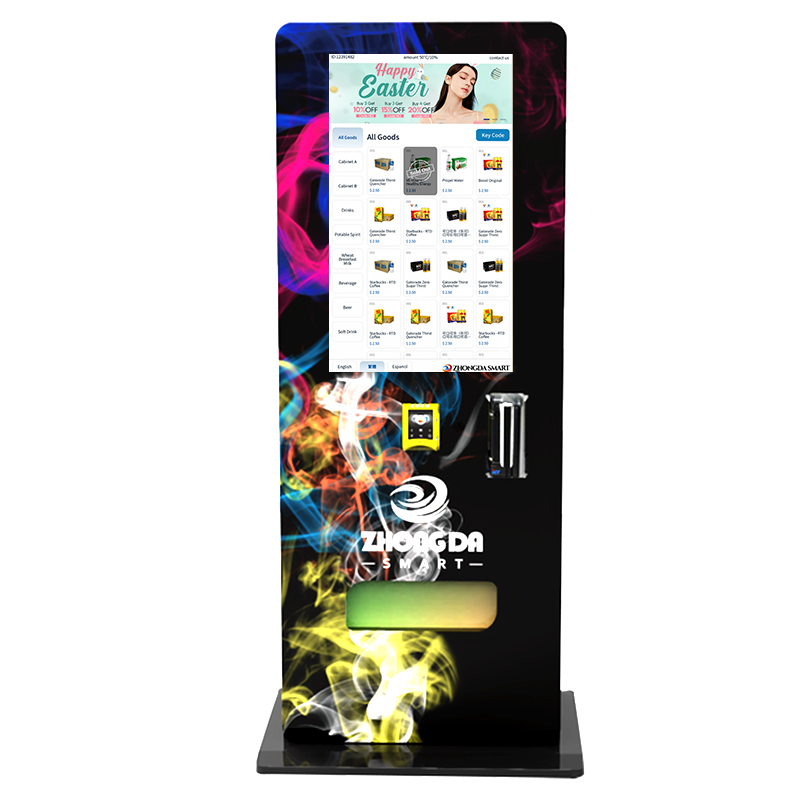
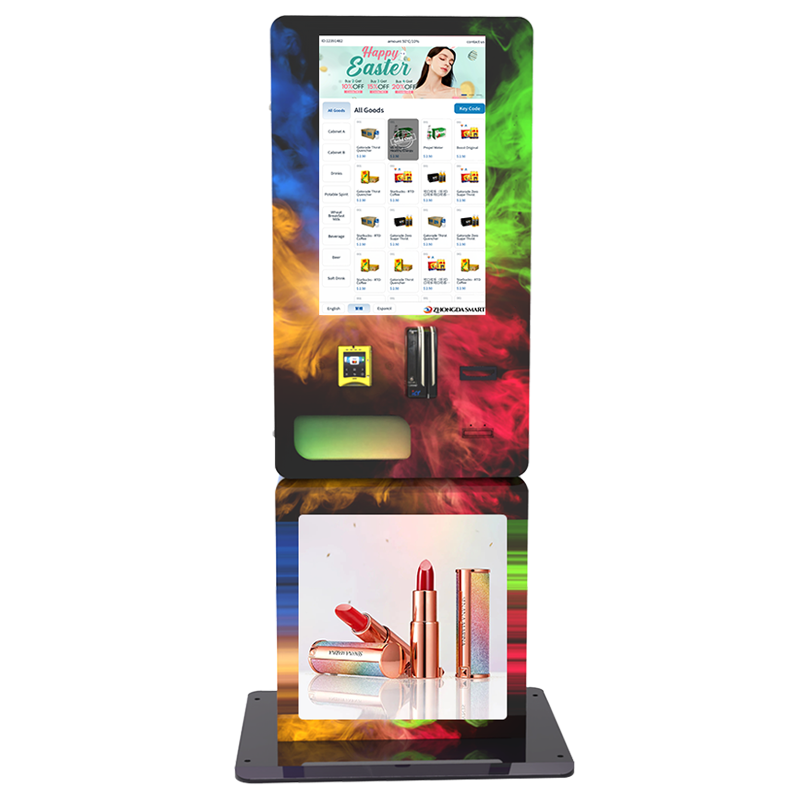
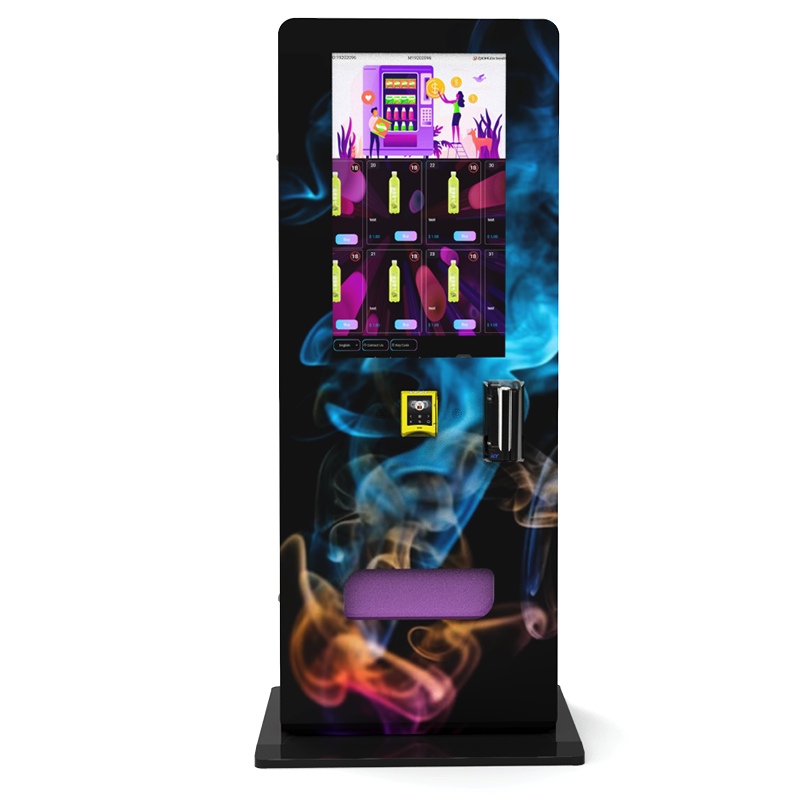
We used to build machines where every product had a dedicated spiral. If you wanted to add a new SKU, you physically adjusted the coil spacing. Today, our smart vending machines use tray-based systems with infrared grids and load cells. The machine identifies what was picked up based on weight and position. This means one machine can handle cans, bottles, pouches, and even packaged goods without any mechanical reconfiguration. I have a deployment in a Munich train station where the same unit sells energy drinks in the morning and e-liquid pods in the evening—no hardware swap required.
The trade-off is complexity. A traditional snack machine had maybe 50 moving parts. A current-gen automated retail kiosk has over 300 components including cameras, edge computing modules, and cellular backup systems. When we ship a unit from our factory, we include a 45-page diagnostic manual. That is not a sales tool—it is a necessity.
Breaking Down the Cost Structure
Let me give you the real numbers, not the optimistic projections you see on supplier websites. I have purchased, built, and maintained these machines across three continents. The cost to enter this space is higher than most consultants admit, but the margins can justify it if you structure correctly.
| Cost Category | Traditional Vending Machine | AI Vending Machine |
|---|---|---|
| Hardware (per unit) | $2,500 - $5,000 | $7,500 - $15,000 |
| Software & Cloud Platform | $0 (offline) | $30 - $80/month |
| Installation & Networking | $200 - $400 | $800 - $1,500 |
| Annual Maintenance | $400 - $800 | $1,200 - $2,500 |
| Compliance & Licensing | $500 - $1,000 | $2,000 - $5,000 |
The jump in hardware cost comes from the sensors, the reinforced chassis for product security, and the integrated age verification module. That last piece is non-negotiable if you are selling age-restricted products. We learned that the hard way in 2019 when a client in Ohio had two machines seized because the ID scanner firmware was outdated. That mistake cost them $18,000 in fines and legal fees.
Where the Money Actually Goes
If you are looking at a self-service kiosk for high-value goods, the software platform is your biggest ongoing expense. Cloud connectivity, remote monitoring, and OTA firmware updates are not optional anymore. A vending machine that cannot report its inventory in real time is a liability. I have seen operators lose 12% of their monthly revenue simply because they did not know a popular item was empty for three days. The telemetry system pays for itself in the first month.
Revenue Models That Work in Practice
I am going to skip the theory and tell you what I have seen generate actual profit. The most successful operators in our network run a hybrid model: high-margin consumables combined with occasional high-ticket items. The average transaction on an AI vending machine in a US bar is $14.50. In a European transit hub, it is €11.20. Those numbers come from our aggregated telemetry across 1,200 active units.
The profit breakdown looks like this:
Consumables (vape pods, nicotine pouches, energy shots): 65-75% margin
Packaged snacks and beverages: 35-45% margin
Accessories (batteries, charging cables): 55-65% margin
The real leverage comes from dynamic pricing. Because the machine knows what is in stock and what time of day it is, you can adjust prices automatically. A 15% markup during peak hours in a nightclub does not affect sales volume—people are not comparison shopping at 1 AM. We tested this across 40 units in Berlin and saw a 9% revenue lift without any customer complaints.
The ROI Timeline You Should Expect
Based on our deployment data, a single AI vending machine placed in a mid-to-high traffic location (200-400 transactions per week) will pay back its total investment in 8 to 14 months. Low-traffic locations (under 100 transactions per week) stretch that to 20 months or more. I have pulled machines from locations that did not break 50 weekly transactions after three months. The placement decision is the single biggest factor in your return.
Real Deployment Experience: What Goes Wrong
I want to talk about failures because that is where the real learning happens. In 2021, we deployed 50 units across a chain of convenience stores in the UK. Within six weeks, 14 machines had network failures because the onboard cellular modems could not maintain a stable connection in the steel-reinforced back rooms where the stores placed them. We had to retrofit every unit with external antenna kits. That was a $22,000 mistake that could have been avoided with a simple site survey.
Another common failure point is the age verification system. In the US, state regulations change frequently. A machine that was compliant in Florida in January might be non-compliant in June because the state updated its ID scanning requirements. We now push firmware updates monthly, and we require operators to sign a compliance acknowledgment. If you are buying from a manufacturer that does not offer ongoing software support, you are buying a brick.
Physical Security Is Underestimated
Vandalism and theft are not theoretical. In our first year of European operations, we lost €34,000 in product and damage. The machines in unsupervised locations—laundromats, apartment lobbies, parking garages—were hit hardest. We now reinforce the door hinges with hardened steel pins and install tamper sensors that trigger an instant alert. The extra $200 in hardware cost saves thousands in losses.
Comparing Machine Types for Different Venues
Not every machine fits every space. I have seen operators buy a full-size unit for a small vape shop and then complain about the footprint. You need to match the hardware to the location. Here is a comparison based on what we actually build and deploy:
| Machine Type | Best Location | Capacity (SKUs) | Price Range | Typicall ROI |
|---|---|---|---|---|
| Wall-Mounted Compact | Bars, small retail, waiting areas | 20-30 | $6,000 - $9,000 | 6-10 months |
| Mid-Size Floor Unit | Convenience stores, hotels | 40-60 | $9,000 - $13,000 | 8-14 months |
| Full-Size High-Capacity | Transit hubs, large venues | 80-120 | $14,000 - $20,000 | 10-18 months |
| Biometric/ID-Scan Kiosk | Age-restricted product zones | 30-50 | $12,000 - $18,000 | 9-15 months |
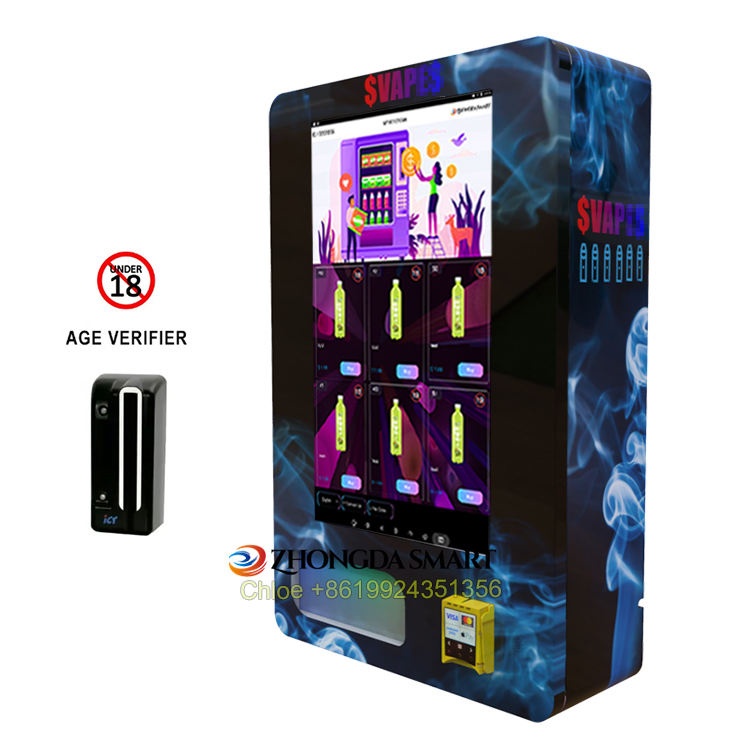
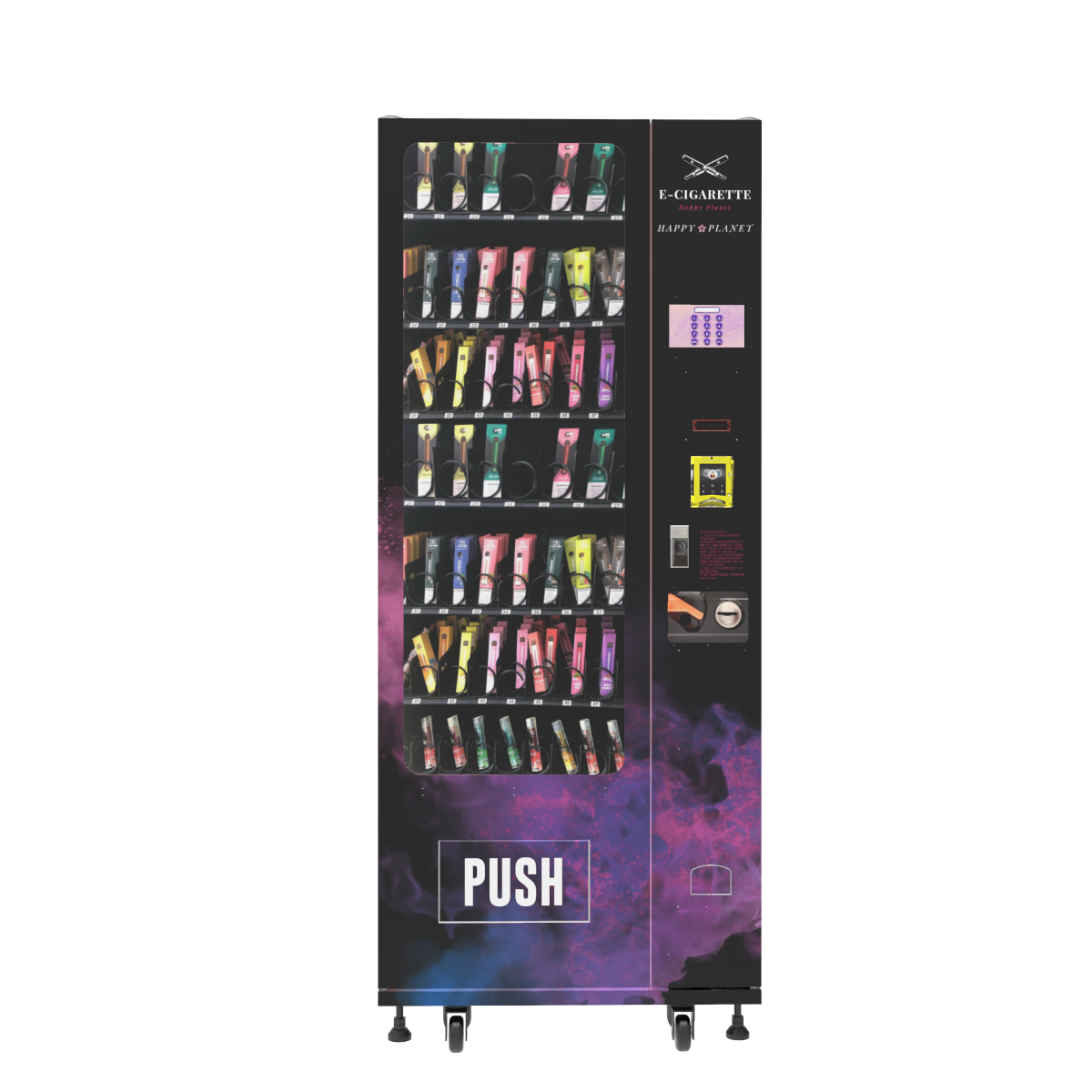
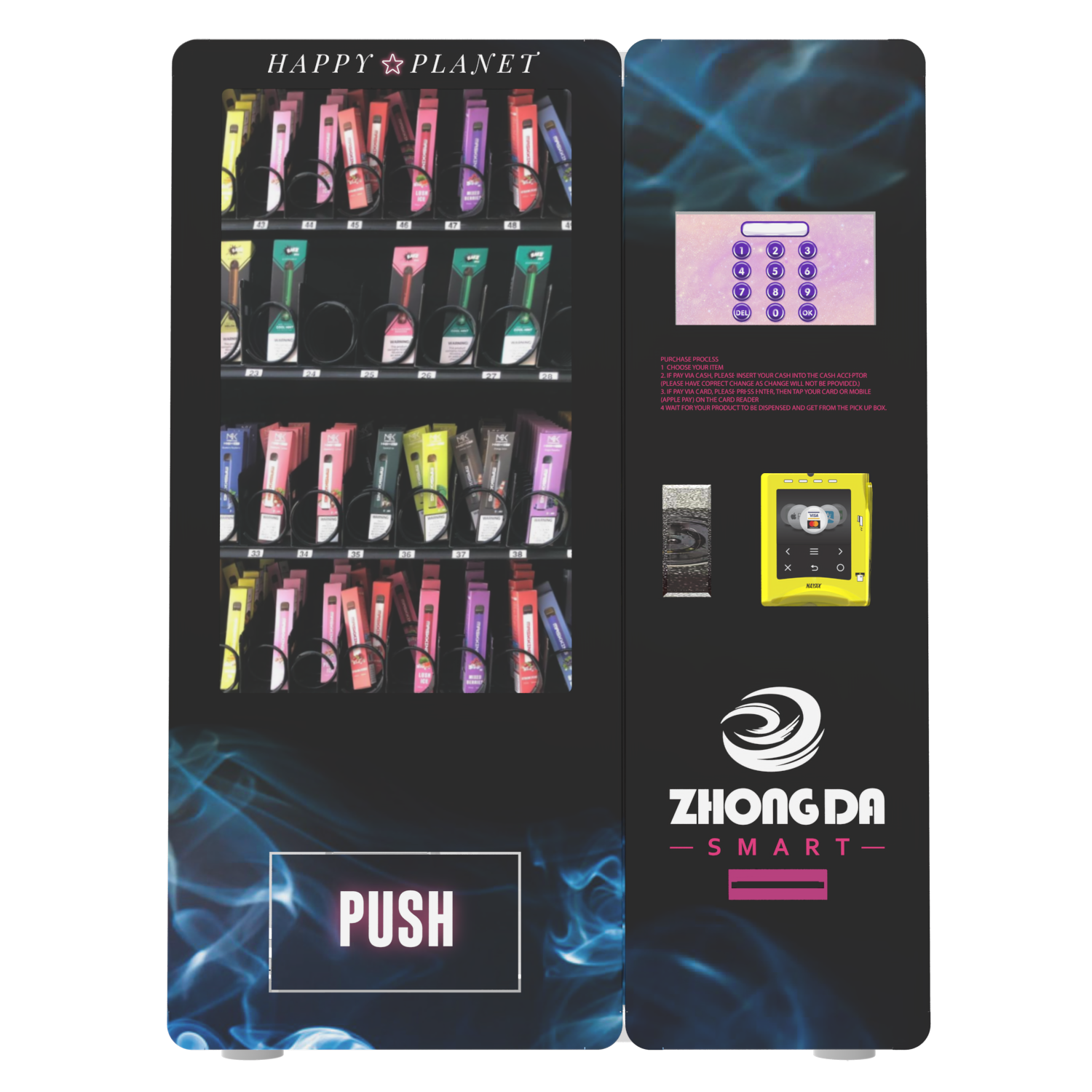
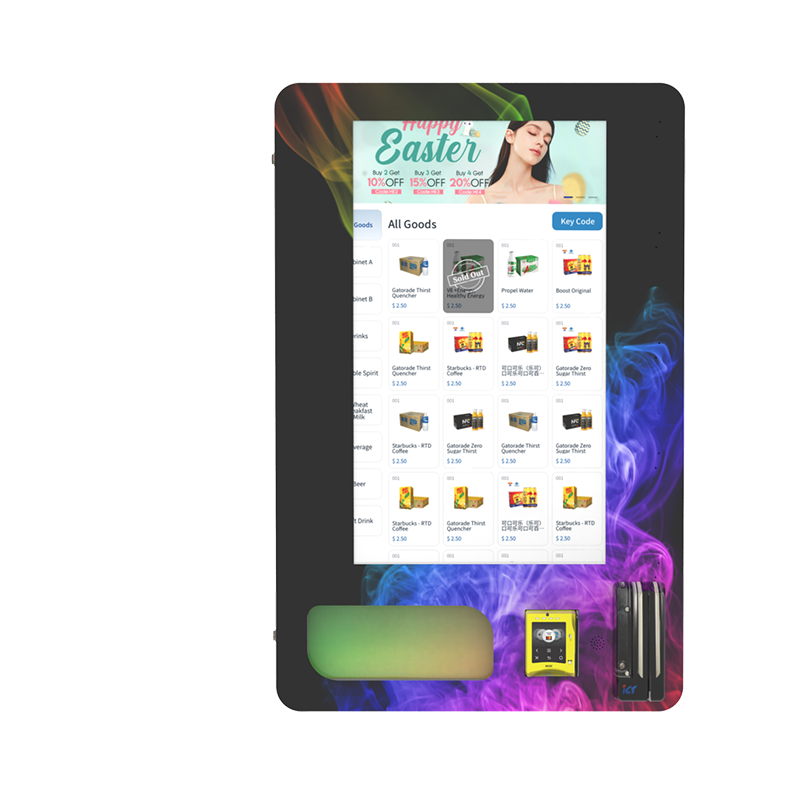
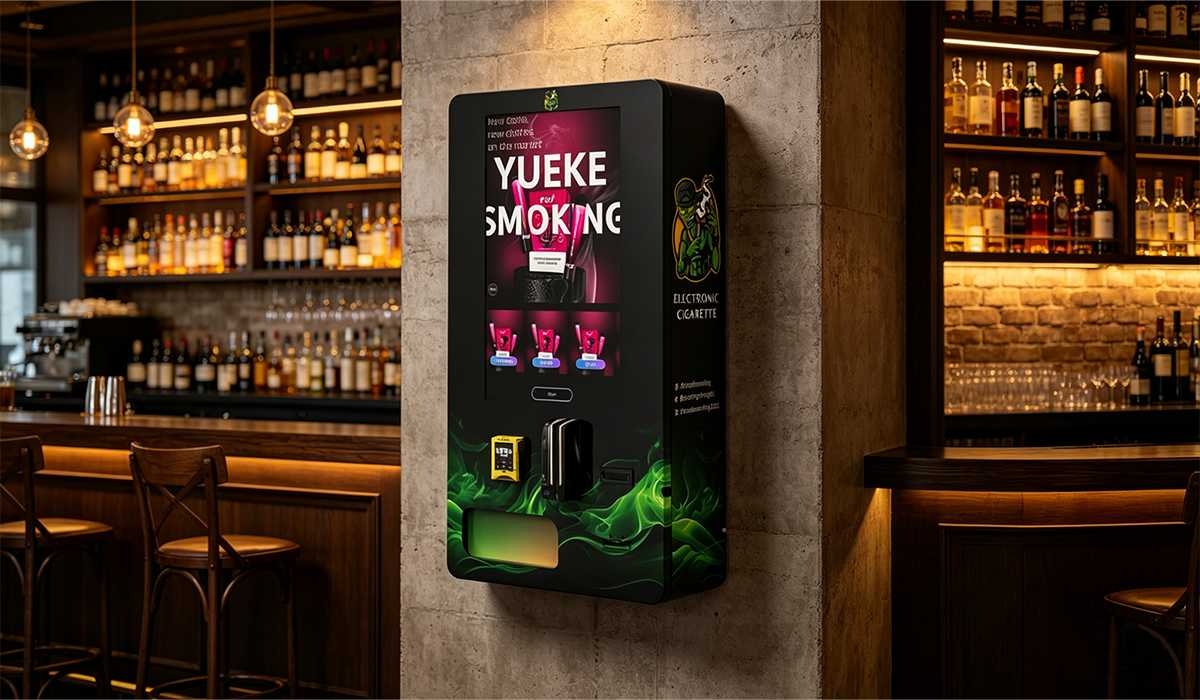
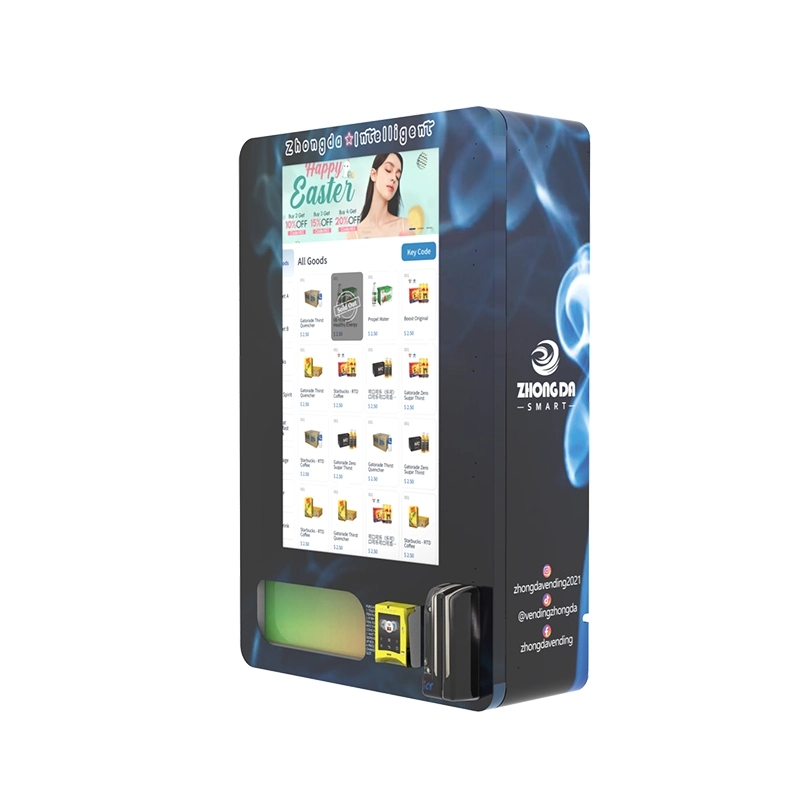
The wall-mounted units are our most popular form factor for the vape market. They take up less than two square feet of floor space and can be installed on any solid wall. We have a specific model, the Wall-Mounted Compact E-Cigarette Vending Machine, that has been deployed in over 200 bars across the US and Europe. It integrates a vertical ID scanner that takes up minimal space while meeting all regulatory requirements.
Long-Term Maintenance and Operational Strategy
After the first year, the biggest operational cost is not hardware repair—it is restocking labor and cash management. Even with cashless payment systems, someone has to visit each location to refill products. Our data shows that a well-optimized route can keep labor costs at 8-12% of gross revenue. If you are above 15%, your routes are inefficient or your locations are too spread out.
We recommend a restocking cadence of every 3 to 5 days for high-traffic units. For lower-traffic locations, once a week is sufficient. The key is using the telemetry data to adjust. If a machine consistently has 40% of its inventory unsold after five days, you are overstocking. Reduce the variety and focus on the top 10 SKUs. That alone can improve your margins by 5-7%.
Software Updates and Compliance
This is the part that most new operators ignore. The regulatory environment for automated retail of age-restricted products is tightening. In the US, the FDA has increased scrutiny on vending machines that sell nicotine products. In the EU, the Tobacco Products Directive requires specific labeling and age verification standards. Your machine must be able to update its software remotely. If you are buying from a manufacturer that does not provide ongoing compliance updates, you will be out of business within two years.
Our factory at Zhongda Smart builds compliance into the hardware from the start. Every machine ships with a modular control board that can accept new firmware without replacing the entire unit. We also provide a cloud dashboard that tracks compliance status across your entire fleet. For more on the technical architecture, you can look at our age verification vending machine page which details the scanning and database integration.
Client Feedback That Changed Our Design
One of our earliest clients in the Netherlands ran a chain of 12 vape shops. They wanted machines that could sit outside the store for after-hours sales. The first prototype we sent them had a touchscreen that was unreadable in direct sunlight. Within a week, we had three complaints. We redesigned the display with a 1,000-nit brightness panel and an anti-glare coating. That change is now standard across all our outdoor units.
Another client in Texas pointed out that the product retrieval bin was too shallow. Customers would buy a pod system, and the box would hit the edge of the bin and bounce back into the machine. We increased the bin depth by two inches and added a rubberized flap. That reduced service calls by 30% on those units.
These are the kinds of details you only learn from field deployment. If you are sourcing from a manufacturer that has not been through these iterations, you are essentially paying to be their beta tester.
Market Data and Growth Projections
The numbers support what we are seeing on the ground. According to a 2023 report by IBISWorld, the vending machine manufacturing industry in the US alone generates over $7 billion annually, with smart vending growing at 12.4% year over year. A separate analysis by Statista projects that the global smart vending machine market will exceed $18 billion by 2027, driven largely by the demand for unattended retail in high-traffic urban areas.
We are seeing the fastest adoption in the nicotine and alternative product segment. Operators are moving away from traditional tobacco vending because of declining cigarette rates, but the demand for vaping products and nicotine pouches is strong. Our vape vending machine ROI analysis shows that a well-placed unit can generate over $3,000 in monthly revenue, with gross margins above 60%.
Choosing the Right Manufacturer
This is the most important decision you will make. I have seen operators buy cheap machines from non-specialized manufacturers and then spend twice the purchase price on repairs in the first year. A vending machine for age-restricted products is not a commodity. It requires specific engineering for ID scanning, secure product storage, and compliance logging.
When we evaluate a potential client, we ask about their location strategy, their product mix, and their maintenance capacity. If they do not have a clear answer on those three things, we advise them to wait. Not because we want to lose a sale, but because a failed deployment hurts the entire industry's reputation.
If you are serious about entering this space, I recommend starting with a small pilot of 3 to 5 units. Use our guide on where to buy a vape vending machine to evaluate the options. Test the hardware, test the software, and test the restocking workflow before scaling. The operators who skip this step are the ones who end up with machines gathering dust in a warehouse.
Frequently Asked Questions
Final Thoughts from the Factory Floor
I have been in this business long enough to see trends come and go. The AI vending machine is not a trend—it is the natural evolution of retail. The technology has matured to the point where the failure points are known and manageable. The operators who succeed are the ones who treat this as a business, not a passive income stream. They invest in location research, they maintain their equipment, and they stay current with regulations.
If you are looking for a manufacturing partner with real experience, I would point you to Zhongda Smart. We have been building these machines since before they were called smart. Our factory produces units that are deployed in over 30 countries, and we handle everything from custom design to ongoing software support. We do not just sell machines—we build long-term operational partnerships.
The future of unattended retail is already here. It is reliable, it is profitable, and it is accessible to operators who do their homework. If you have specific questions about deployment, hardware selection, or route planning, reach out. I answer those emails myself.
Sources:
IBISWorld. "Vending Machine Manufacturing Industry in the US." 2023. https://www.ibisworld.com
Statista. "Smart Vending Machine Market Size Worldwide." 2023. https://www.statista.com