After spending over a decade deploying and servicing vending solutions across the US and European markets, I’ve seen a lot of operators get burned by picking the wrong hardware. The market for an age verification vending machine is real, but the difference between a profitable deployment and a maintenance nightmare often comes down to who you buy from. I’ve been on both sides of this equation—first as an operator running routes, and now as a manufacturing partner at Zhongda Smart—and I can tell you that the technology behind age verification is only half the story. The other half is whether your supplier understands real-world retail conditions, compliance requirements, and long-term reliability. This guide is built from actual field experience, not theory.
Why the Supplier Matters More Than the Machine
When I started in this business, I bought into a flashy smart vending kiosk from a startup that promised the moon. The hardware looked great at a trade show. But after three months on location at a busy convenience store, the ID scanner failed twice, the payment system locked up during peak hours, and the software updates broke our inventory sync. That experience taught me a hard lesson: the machine is just a box until the supplier proves they can support it.
Choosing the right partner for an age verification vending machine isn’t just about comparing specs. It’s about understanding who has the engineering depth to handle compliance changes, who has the supply chain to deliver on time, and who has the service network to keep your machines running. I’ve worked with factories that cut corners on scanner quality to save fifty bucks per unit, and I’ve seen operators lose thousands in revenue because of it.
Core Engineering Decisions That Impact Your Business
Age Verification Hardware: Not All Scanners Are Equal
The heart of any age-gated vending system is the verification module. In my experience, the difference between a good scanner and a bad one comes down to three things: read speed, accuracy under different lighting, and firmware update capability. I’ve tested units that take over five seconds to verify a driver’s license—that’s a deal breaker in a high-traffic location. A reliable age verification vending machine should scan and return a decision in under two seconds.
Look for a supplier that uses industrial-grade document scanners, not repurposed consumer hardware. We use customized imaging modules in our age verification vending machines that handle both US and European ID formats without needing a hardware swap. That kind of flexibility matters when you’re scaling across states or countries.
Software Integration and Compliance Updates
Regulations around age-restricted products change faster than most hardware cycles. I’ve seen entire fleets of machines become non-compliant because the supplier didn’t push a software update in time. A good partner pushes compliance updates automatically, without requiring a site visit. When you’re evaluating suppliers, ask about their update policy. If they can’t demonstrate a clear process for remote firmware updates, walk away.
At Zhongda Smart, we maintain a dedicated compliance team that tracks legislative changes in every market we serve. That’s not marketing—it’s a necessity if you’re running a serious operation.
Cost Structure: What You’re Really Paying For
I’ve broken down the cost components of dozens of vending deployments. Here’s what a realistic budget looks like for a compliant self-service kiosk setup:
| Component | Estimated Cost (USD) | Notes |
|---|---|---|
| Hardware (machine + scanner + display) | $3,500 – $6,500 | Varies by capacity and verification tech |
| Software licensing (annual) | $600 – $1,200 | Includes compliance updates and remote monitoring |
| Installation and setup | $300 – $800 | Higher if electrical work is needed |
| Inventory (initial stock) | $1,000 – $3,000 | Depends on product mix and retail price |
| Payment processing fees (monthly) | 2.5% – 4% per transaction | Negotiable based on volume |
| Maintenance reserve (annual) | $400 – $800 | Covers scanner recalibration and part replacement |
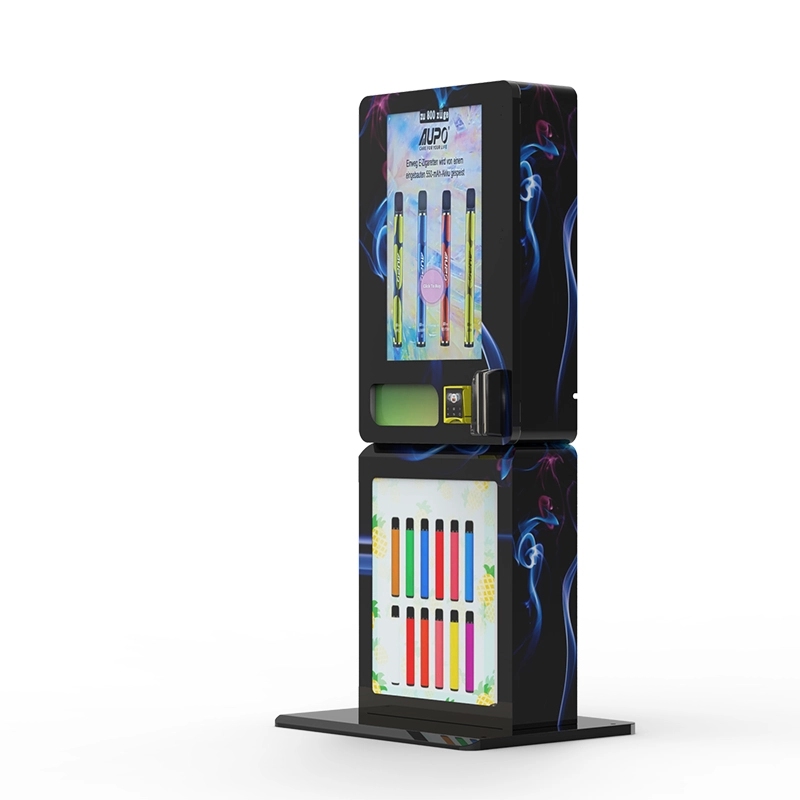
One thing I’ve learned the hard way: don’t skimp on the scanner. A cheap optical sensor will fail after 10,000 scans. We’ve tested units from different factories, and the failure rate on budget scanners is around 12% in the first year. Our in-house modules have a failure rate under 2% over the same period. That difference alone can save you hundreds per machine in service calls.
Revenue Model and Profitability Projections
I’ve operated machines in bars, smoke shops, and hotel lobbies. The revenue profile changes by location, but the math is consistent once you understand traffic patterns. Here’s a realistic projection based on actual deployments:
| Location Type | Daily Transactions (avg) | Average Ticket | Monthly Revenue (est.) |
|---|---|---|---|
| High-traffic bar | 15 – 25 | $18 | $8,100 – $13,500 |
| Convenience store | 8 – 15 | $22 | $5,280 – $9,900 |
| Hotel lobby | 5 – 10 | $25 | $3,750 – $7,500 |
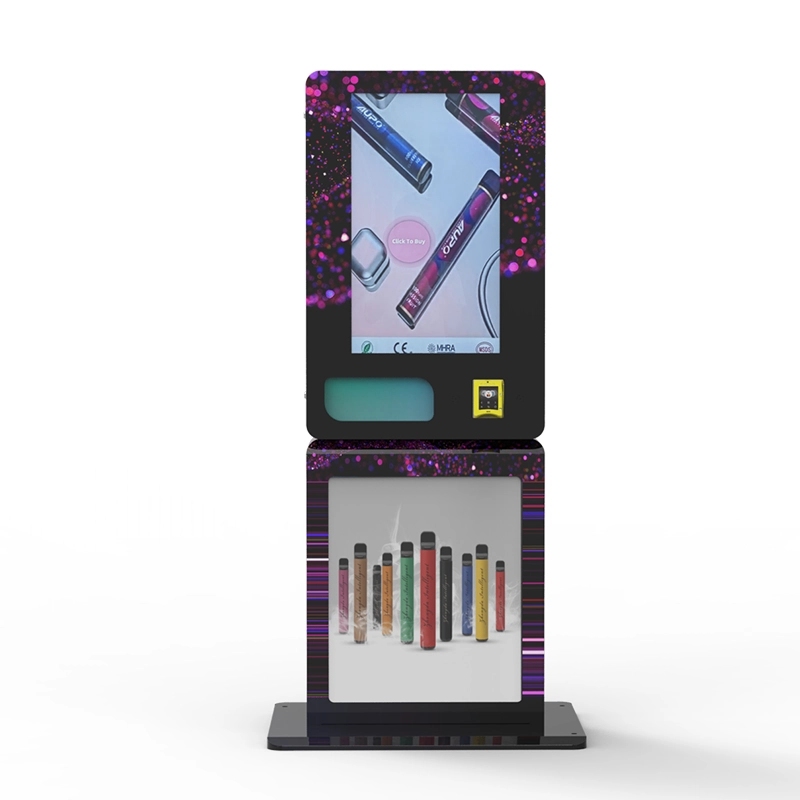
Your gross margin on product is typically 40% to 60%, depending on wholesale pricing. After subtracting COGS, payment fees, and location commission (usually 10% to 20% of gross), a well-placed machine can net $1,500 to $4,000 per month. Based on my experience, payback period ranges from 6 to 14 months. Anything beyond 18 months means something is wrong with the location or the machine.
Real Deployment Experience: What Works and What Doesn’t
Location Selection Is Everything
I’ve placed machines in over 200 locations. The biggest mistake new operators make is putting a unit somewhere with foot traffic but no purchase intent. A busy laundromat sounds good until you realize people don’t carry cash and aren’t thinking about buying a vape. Target locations where customers already expect to purchase age-restricted products—bars, nightclubs, smoke shops, and liquor stores.
One of my most successful deployments was in a mid-sized nightclub in Austin. The machine averaged 35 transactions on weekend nights. The key was placement near the bar, not the entrance, where staff could monitor usage and customers had already shown ID to the bouncer. That location paid for the machine in five months.
Maintenance Reality Check
Every machine will need service. The question is how often. Based on my records from a fleet of 60 units over two years, here’s what you should plan for:
- Scanner cleaning: every 2,000 scans or monthly
- Payment terminal firmware: update quarterly
- Mechanical jam (product delivery): about once per 1,500 transactions
- Full hardware failure: roughly 3% annual rate on quality units
If your supplier doesn’t offer remote diagnostics, you’ll waste hours driving to locations for simple issues. Our vape vending machines come with a cloud-based management system that lets you check inventory, transaction history, and error codes from your phone. That feature alone cut my service costs by 30%.
Comparing Different Types of Age Verification Systems
Not all machines are built for the same environment. Here’s a comparison based on what I’ve seen work in the field:
| Machine Type | Best Use Case | Capacity | Footprint | Typical Cost Range |
|---|---|---|---|---|
| Wall-mounted compact | Small bars, hotel rooms | 50 – 80 units | Minimal | $3,000 – $4,500 |
| Freestanding mid-size | Convenience stores, lounges | 150 – 250 units | Medium | $4,500 – $6,000 |
| High-capacity kiosk | Nightclubs, large venues | 300+ units | Large | $6,000 – $8,500 |
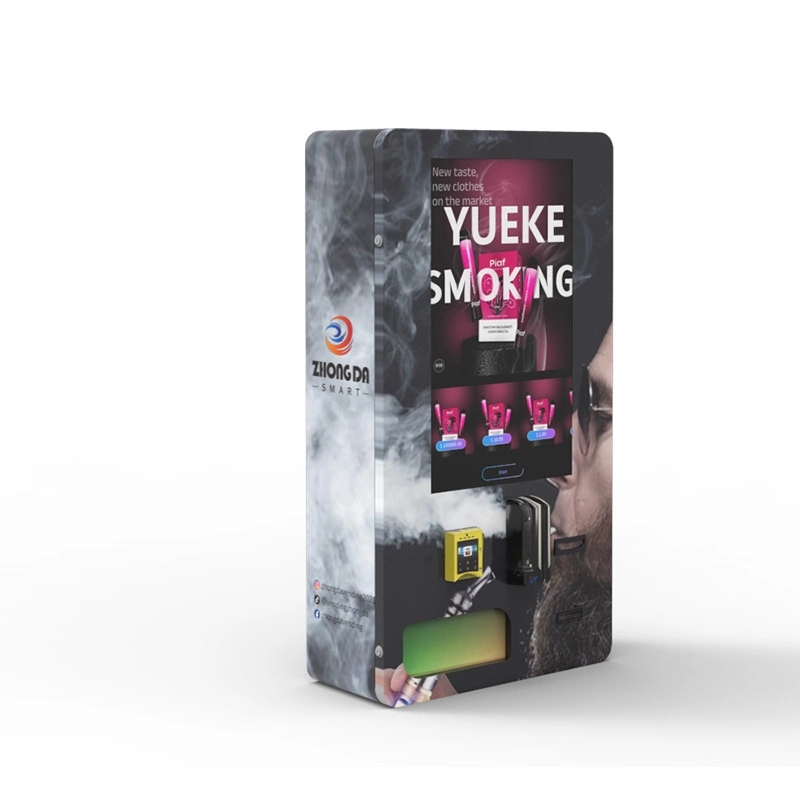
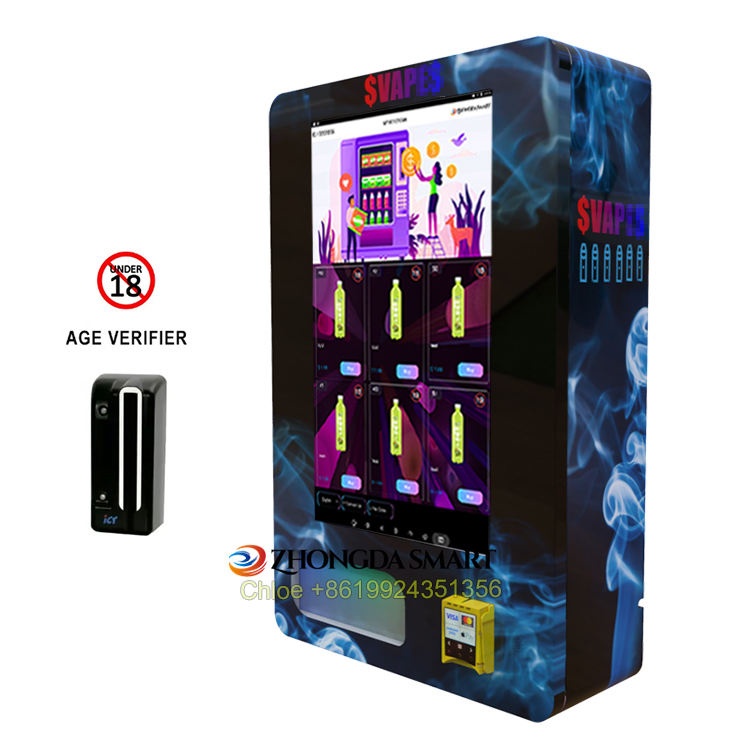
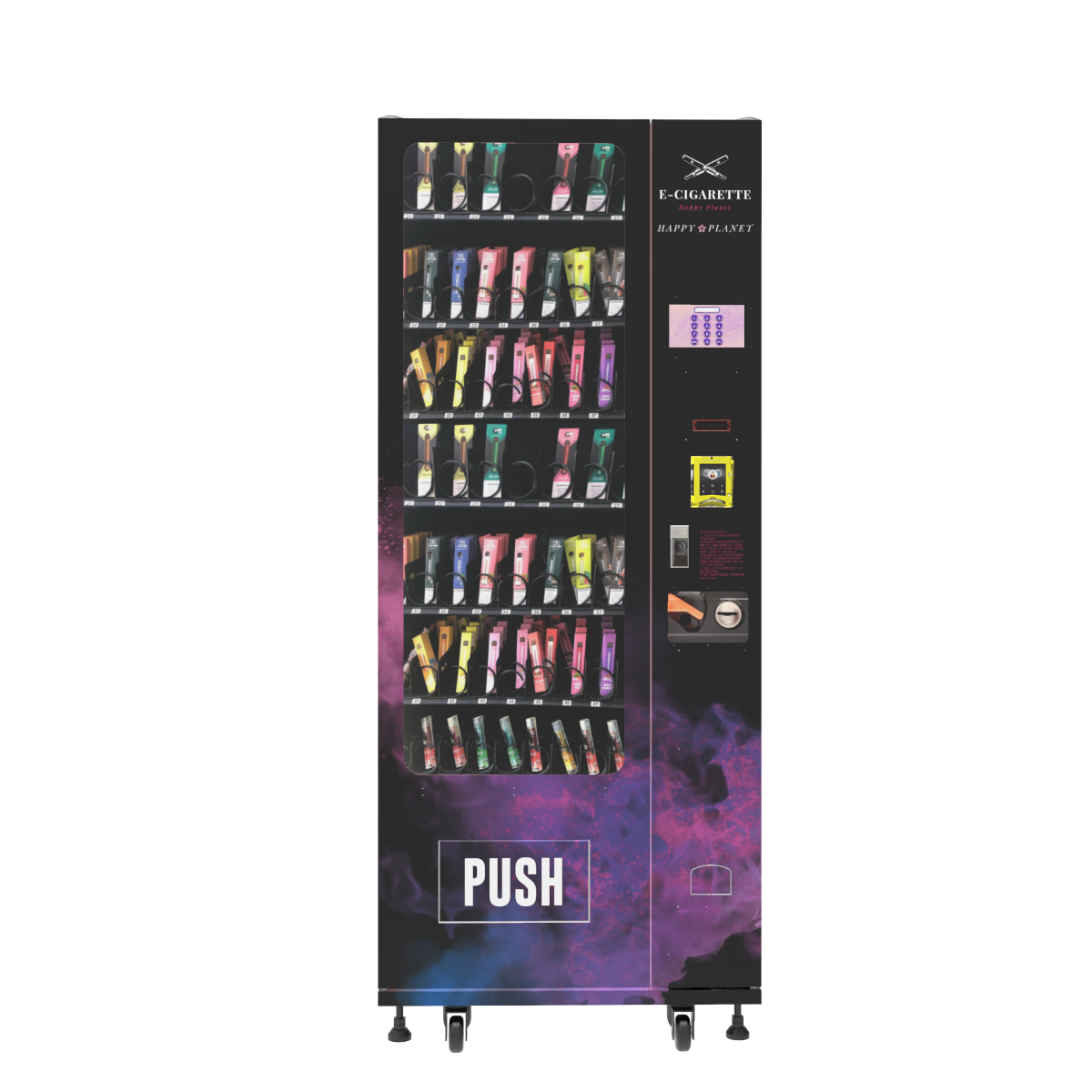
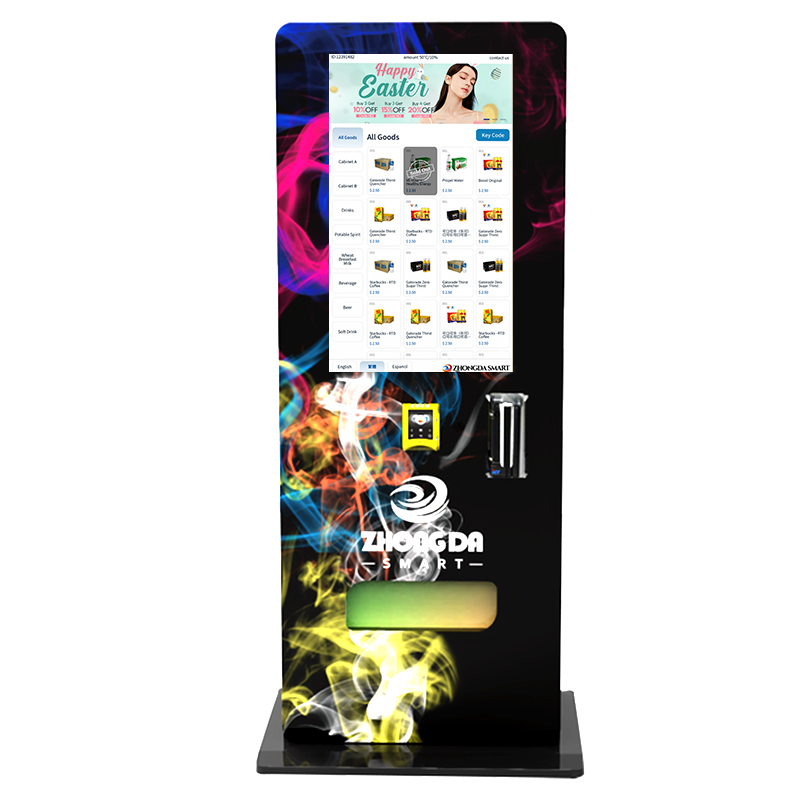
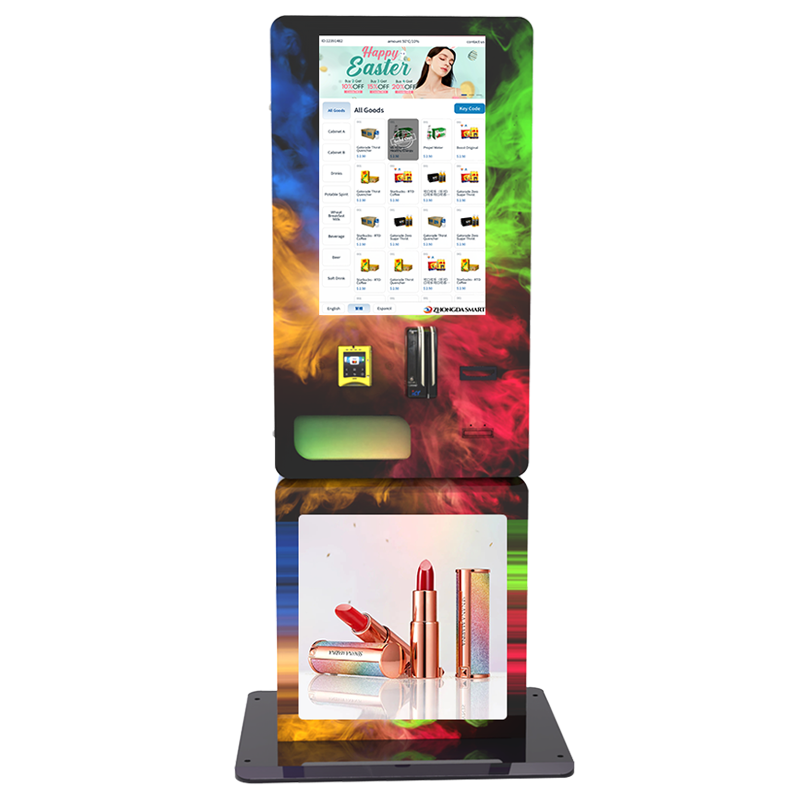
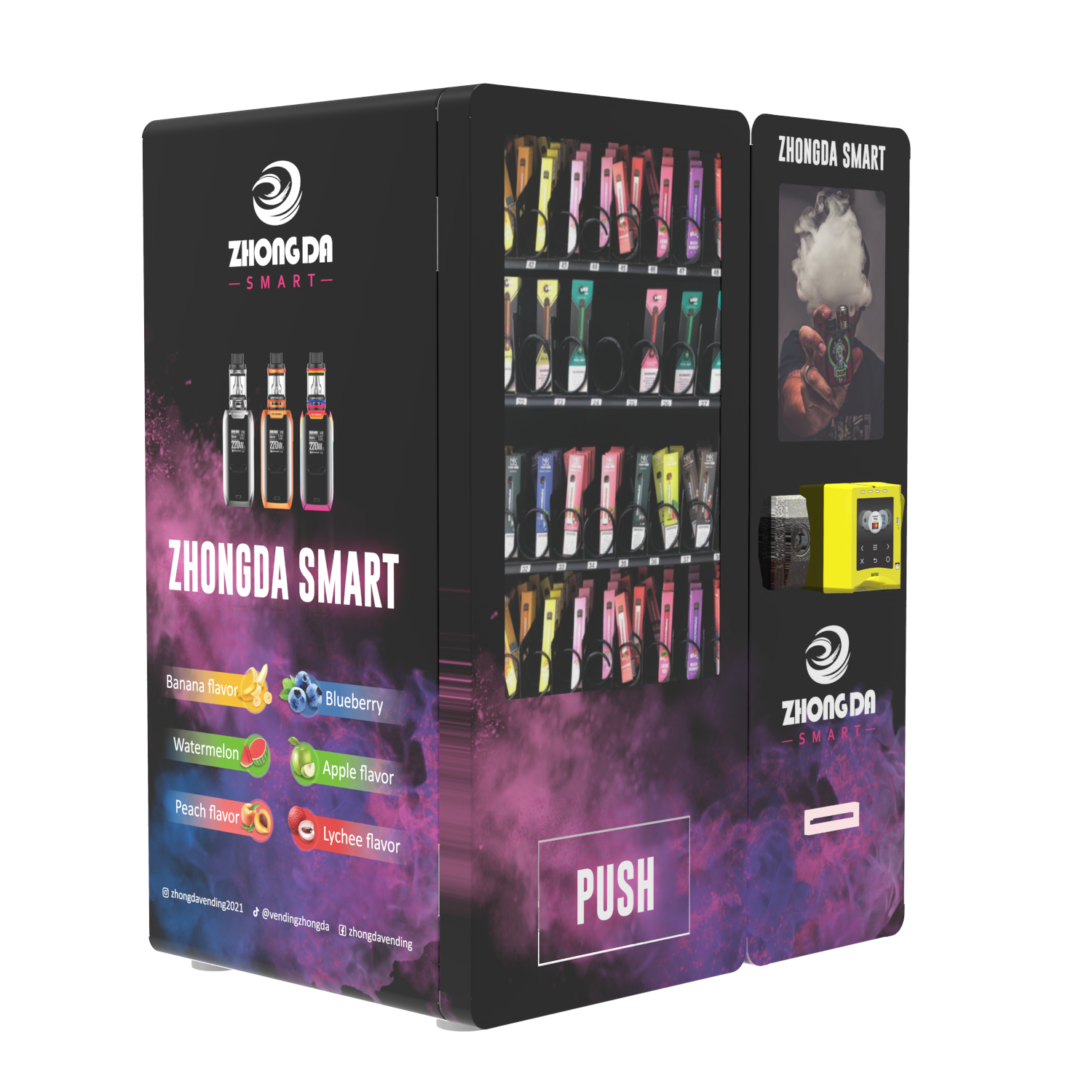
For most operators, I recommend starting with a wall-mounted unit. It’s easier to place, cheaper to test, and if the location doesn’t perform, you can move it without a truck. We offer a wall-mounted e-cigarette vending machine that fits on any countertop and includes full age verification. It’s been our best-selling model for exactly that reason.
Risk Factors and Common Failures
I’ve seen operators lose money because they ignored three things: compliance drift, location fatigue, and payment reliability. Compliance drift happens when a state changes its age verification requirements and your machine doesn’t get updated. Location fatigue is when a bar or store changes management and your machine gets unplugged or ignored. Payment reliability is simple: if the card reader fails, you make zero sales.
To mitigate these, I always recommend having a written agreement with the location owner that includes access rights and a minimum placement period. Also, use a payment terminal from a major provider—don’t let the machine manufacturer bundle a no-name reader. I’ve replaced dozens of cheap readers with Verifone units and seen transaction success rates jump from 85% to 98%.
Long-Term Strategy: Scaling Beyond One Machine
If you’re serious about building a route, you need a supplier that can deliver consistent hardware and support at scale. I’ve worked with factories that couldn’t replicate the same build quality across a production run of 50 units. The result was a fleet with inconsistent scan speeds and different firmware versions—a nightmare for remote management.
When I joined Zhongda Smart, one of the first things I pushed for was standardized testing for every unit before shipment. We run each age verification vending machine through a 72-hour burn-in test, including 500 simulated transactions. That process catches most hardware defects before the machine ever leaves the factory. For operators running 10, 50, or 200 machines, that consistency is the difference between a profitable business and a constant firefight.
Frequently Asked Questions
What is the most reliable age verification technology for vending machines?
How much does an age verification vending machine cost?
Can I use an age verification vending machine for products other than vapes?
What happens if the age verification scanner fails on site?
How long does it take to recoup the investment in a vending machine?
Do I need a special license to operate an age verification vending machine?
Can the machine be integrated with my existing inventory management system?
What maintenance is required for the age verification scanner?
Final Thoughts from the Factory Floor
I’ve designed machines, fixed them in the field, and watched operators turn a single unit into a profitable fleet. The single most important factor is the supplier’s willingness to stand behind their hardware and software. When you’re evaluating partners, ask for references from operators who have been running their machines for at least a year. Visit a deployment if you can. And never assume that a lower upfront cost means a better deal—the hidden costs of downtime and poor support will eat your margins.
If you’re looking for a partner with real manufacturing experience and a track record in age-gated vending, Zhongda Smart has been building these systems since before the current market existed. I know because I’ve been part of that journey. Whether you’re buying your first machine or scaling a route, the right partner makes all the difference.
Sources:
- Statista – Vending machine market size and growth projections: https://www.statista.com/topics/1271/vending-machines/
- IBISWorld – Vending machine operators industry report: https://www.ibisworld.com/united-states/market-research-reports/vending-machine-operators-industry/
- Forbes – Trends in unattended retail and vending technology: https://www.forbes.com/sites/forbestechcouncil/2021/09/21/the-future-of-unattended-retail/