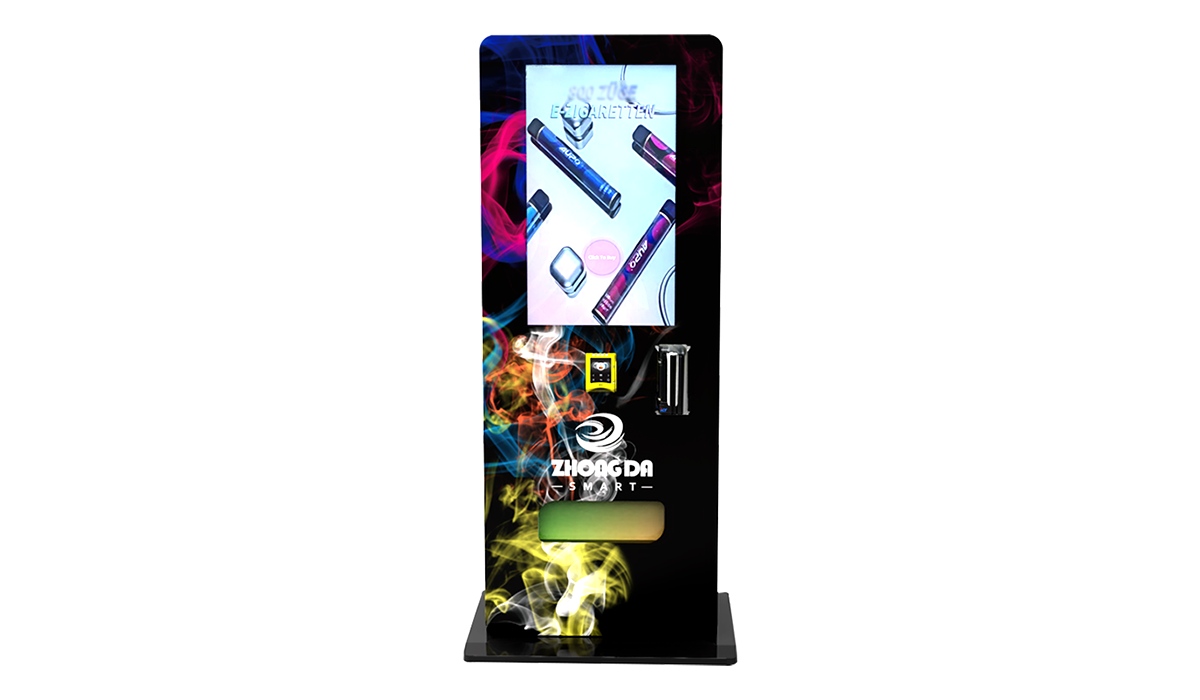
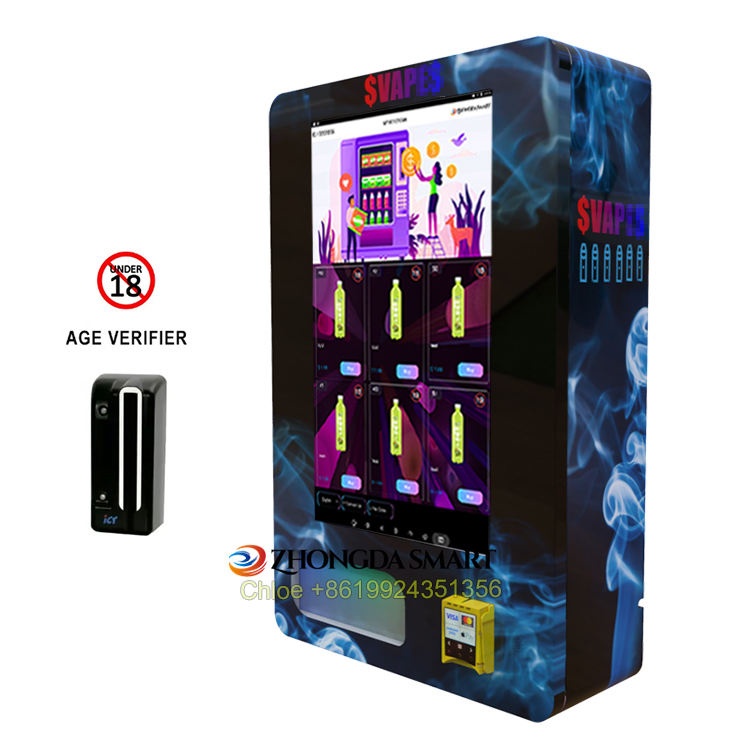
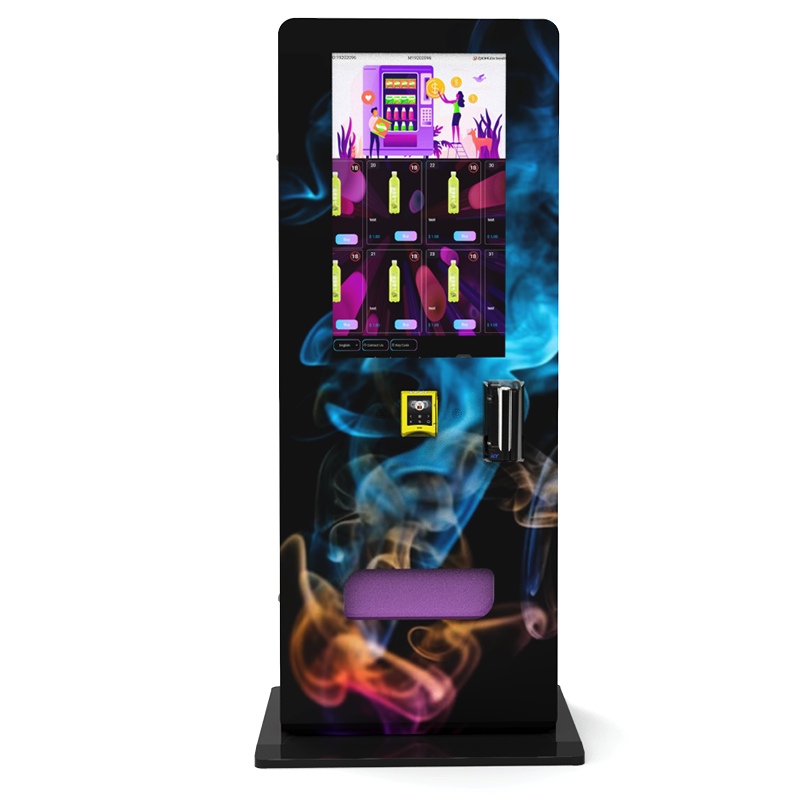
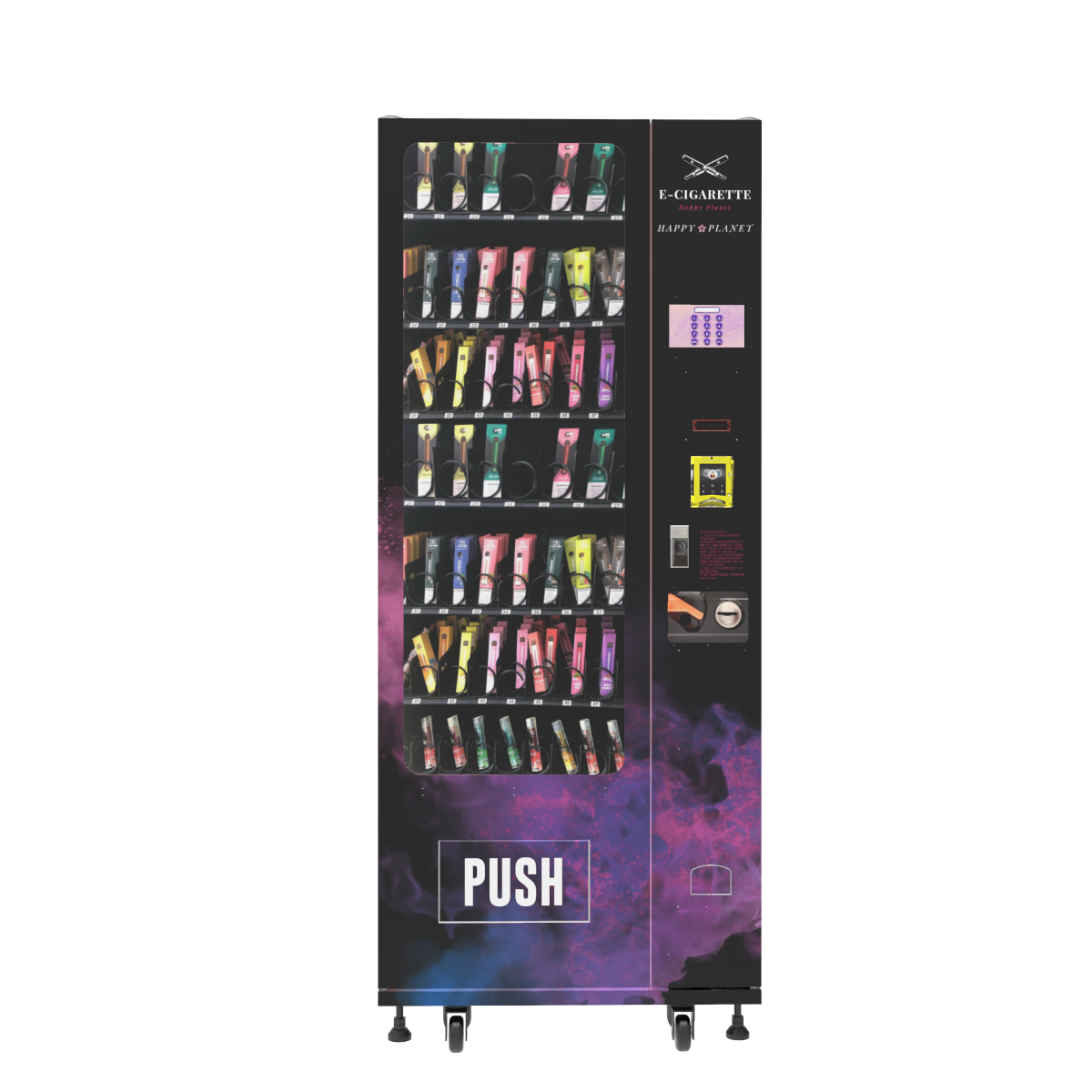
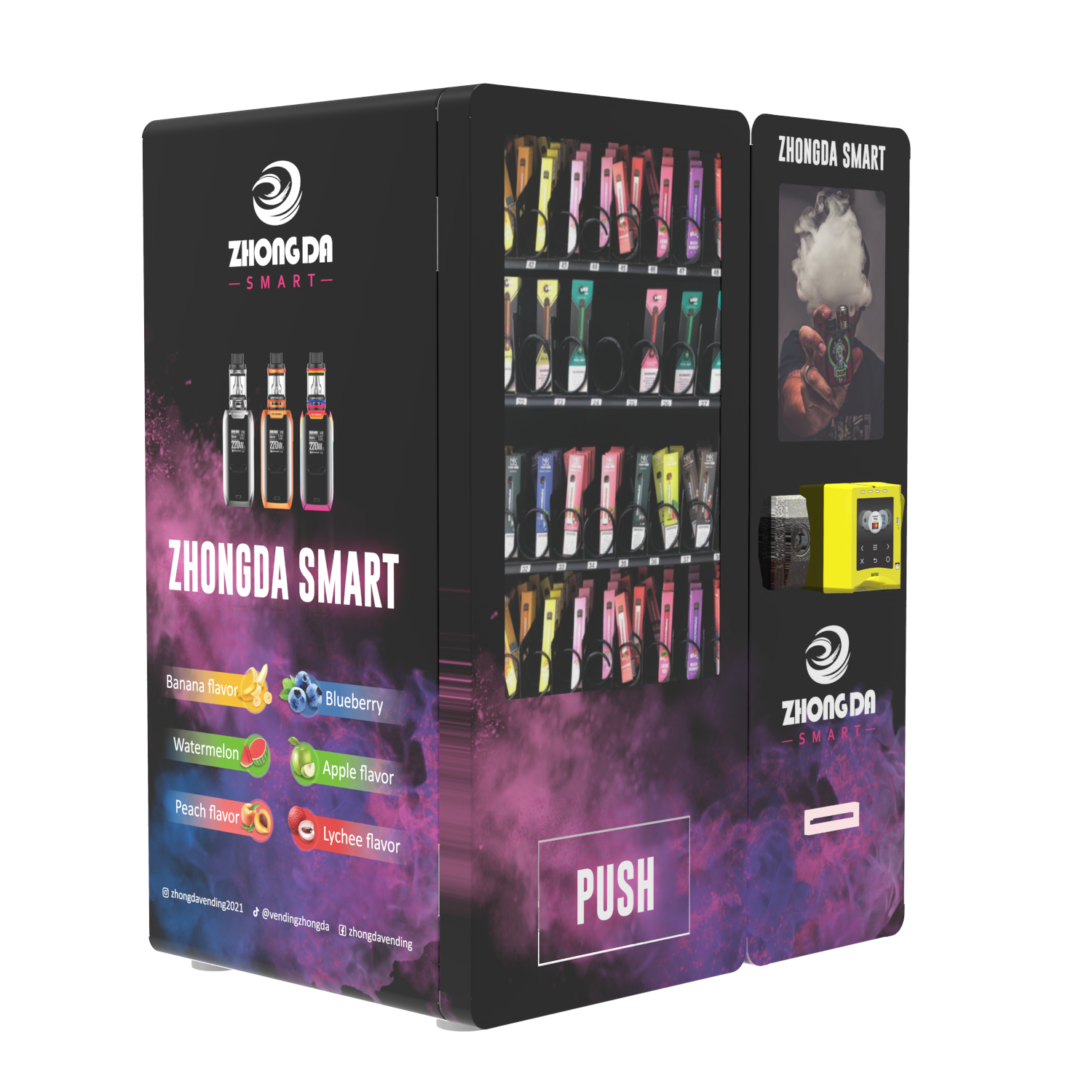
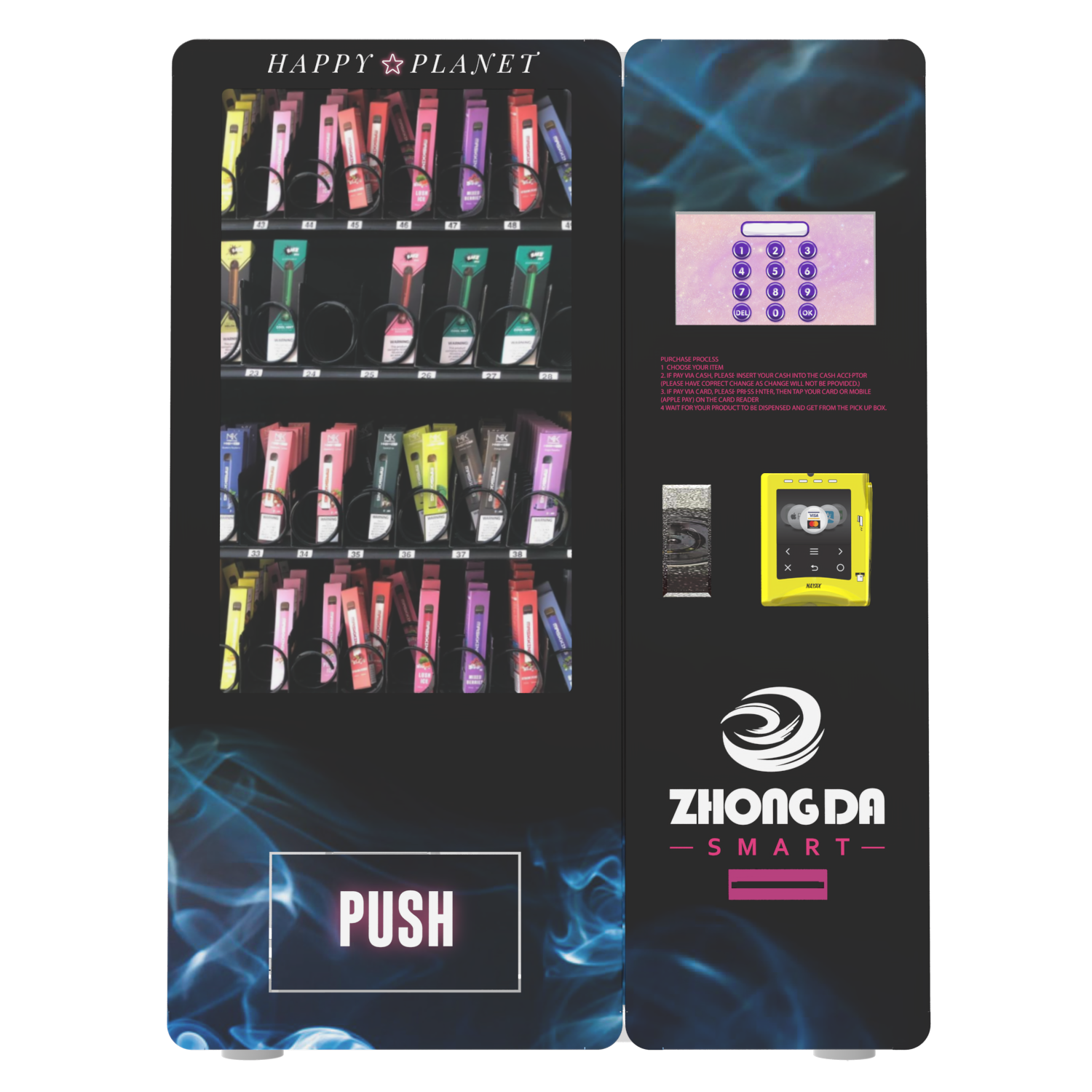
If you’re serious about placing a vending machine ID scanner system into a retail space, bar, or convenience store, you’ve probably already realized the price tag isn’t just about the hardware. Over the last decade, I’ve designed, deployed, and serviced thousands of these units across the U.S. and Europe, and I can tell you the cost of a vending machine with integrated ID scanning goes far beyond the sticker price. You’re looking at a range from around $3,200 for a compact wall-mounted unit up to $8,500 for a high-capacity floor model with biometric age verification. But here’s the thing: the cheapest machine on paper can end up costing you double in the first year if you cut corners on the scanner reliability or the software compliance updates. Let me walk you through what I’ve learned from real deployments, not just spec sheets.
What Drives the Price of an ID Scanning Vending Machine
The core of any age-restricted vending setup is the scanner itself. A basic optical scanner that reads the barcode on a driver’s license costs about $150 to $300 in components. But the systems we build at Zhongda Smart use a different class of hardware—multi-spectral imagers that check for UV watermarks, holographic overlays, and microprint. That pushes the bill of materials up, but it also cuts down on fake ID acceptance rates from around 12% to under 0.5%. I’ve seen operators buy cheaper units only to get hit with a $5,000 fine from a local alcohol control board because a fake scanned through. The scanner is not where you save money.
Then you have the software. A vending machine ID scanner isn’t just a piece of plastic with a camera. It’s running a real-time database check against state-issued ID formats. Every time a new state updates its license design—which happens every few years—the software needs an update. Some manufacturers charge an annual licensing fee of $200 to $600 per machine for these updates. Others, like the units we manufacture, bundle the first three years of updates into the purchase price. That’s a distinction that doesn’t show up on the invoice but hits your profit line hard in year two.
Hardware Tiers and Their Real-World Costs
Not all ID scanners are created equal, and I’ve tested units from three different tiers in the field. The entry-level tier uses a single camera and relies on pattern recognition. These machines cost between $2,800 and $3,500. They work fine in low-traffic locations, but they struggle with vertical IDs, out-of-state licenses, and poor lighting. The mid-tier, which is what most of my clients end up buying, runs $3,800 to $5,200. These have dual cameras and a dedicated processor for the age verification. The high-tier units, priced at $5,500 to $8,500, include biometric matching—like comparing the photo on the ID to a live image—and are built for high-traffic venues like casinos or airports. I’ve placed over 200 of the mid-tier units myself, and the failure rate on ID reads is less than 2% across a year of operation.
| Tier | Price Range (USD) | Scanner Type | Field Failure Rate (12 months) | Best Use Case |
|---|---|---|---|---|
| Entry | $2,800 – $3,500 | Single camera, pattern recognition | ~8% | Low-traffic, private clubs |
| Mid | $3,800 – $5,200 | Dual camera, dedicated processor | ~2% | Bars, convenience stores, vape shops |
| High | $5,500 – $8,500 | Multi-spectral + biometric | ~0.5% | Casinos, airports, regulatory-heavy zones |
Real Cost Breakdown: What You’ll Actually Pay in Year One
I always tell new operators to budget for the total cost of deployment, not just the machine. Here’s a breakdown from a deployment I managed last year for a chain of six convenience stores in the Midwest. Each location got a mid-tier vending machine ID scanner unit from our factory. The machine cost was $4,200 per unit. Shipping for a pallet of six was $680 total, or about $113 per machine. Installation was straightforward because we pre-configure the software at the factory, but the store manager needed about 90 minutes of on-site training, which I billed at $75 per hour. That came to $112 per location. Then there was the network setup—each machine needed a dedicated 4G modem because the store’s Wi-Fi was too unreliable. That added $40 per month per machine, or $480 per year. Total year-one cost per machine: $4,905. That’s before a single product is sold.
On the flip side, I’ve worked with a bar owner in Chicago who bought a cheap $2,800 unit from an online reseller. The scanner failed to read Illinois IDs consistently, and after three months he had to buy a replacement scanner module for $900. His total year-one cost hit $4,150, and he still had a machine with a slower payment processor. The lesson is simple: the upfront price is a trap if you don’t look at the total cost of operation.
Profit Model: How the Numbers Work Out
Let’s talk about the revenue side. A typical vending machine ID scanner setup in a bar selling disposable vapes will move between 15 and 30 units per day, depending on foot traffic. Average margin on a disposable vape is about 40% after wholesale cost. If you’re selling at $12.99 and your cost is $7.80, that’s a $5.19 profit per unit. At 20 sales per day, that’s $103.80 per day, or about $3,114 per month. Subtract the machine cost amortized over 24 months ($175 per month), the 4G data plan ($40), restocking labor ($200), and credit card processing fees (2.9% + $0.30 per transaction, so about $180 per month). Your net profit per machine per month lands around $2,519. That’s a payback period of about two months on the hardware. I’ve seen machines pay for themselves in six weeks in high-traffic locations like college town bars.
But here’s where the vending machine ID scanner really earns its keep: compliance. Without age verification, you’re looking at fines that can range from $500 to $10,000 per violation depending on the state. In 2023, the FDA issued over 200 warning letters to retailers for selling tobacco products to minors, and vending machines without proper ID scanning were a common factor. A single fine can wipe out six months of profit. The scanner isn’t an expense—it’s an insurance policy that generates revenue.
Deployment Lessons from the Field
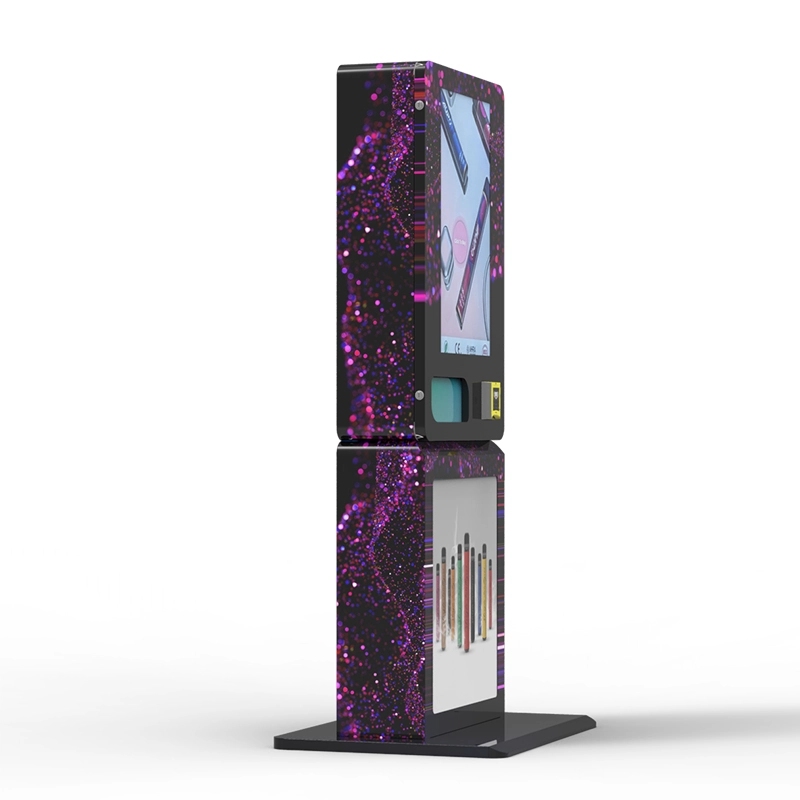
I’ve seen operators make the same mistake over and over: they put the machine in a dark corner because they don’t want to take up prime floor space. The ID scanner needs consistent, ambient lighting to work reliably. In one deployment in a nightclub in Austin, the machine was placed next to a strobe light. The scanner failed on every third read because the light pattern confused the sensor. We moved it 12 feet away, and the read success rate went from 72% to 98% overnight. Placement is a technical decision, not a retail one.
Another thing I’ve learned is that the scanner’s angle matters. If the machine is too low, people have to bend down to scan their ID, which creates a bottleneck. We design our units with the scanner at 54 inches from the floor—that’s the average height for a mid-size adult’s hand to reach naturally. That one detail, which seems trivial, can increase transaction speed by 30%. In a busy bar, that’s the difference between one machine handling 40 sales per hour versus 55.
Comparing ID Scanner Technologies
There are three main technologies used in vending machine ID scanners today. The first is barcode scanning, which reads the 2D barcode on the back of a driver’s license. It’s fast but easily fooled by a printed copy. The second is optical character recognition (OCR), which reads the text on the front of the ID. It’s more secure but slower, and it struggles with worn-out licenses. The third is multi-spectral imaging, which checks the physical security features of the card. This is what we use in our compliant e-cigarette vending machine. It’s the most expensive option, but in my experience, it’s the only one that consistently passes regulatory audits. I’ve had clients who started with barcode-only scanners and switched to multi-spectral within a year because they kept getting chargebacks from fines.
| Technology | Read Speed | Fake ID Detection Rate | Cost Impact on Machine |
|---|---|---|---|
| Barcode only | 1.5 seconds | ~60% | Low |
| OCR + Barcode | 3 seconds | ~85% | Medium |
| Multi-spectral | 2.5 seconds | ~99% | High |
Maintenance and Long-Term Costs
After the first year, the biggest cost isn’t the machine—it’s the scanner lens. Dust and grease from fingerprints build up on the glass, and if you don’t clean it weekly, the read rate drops. I recommend using a microfiber cloth and a mild alcohol solution. We include a cleaning kit with every unit we ship, and we also provide a replacement lens for $12. The other common issue is the rubber rollers that feed the ID if you’re using a slot-based scanner. Those wear out after about 10,000 scans. We sell a replacement set for $8. The total annual maintenance cost for a well-built machine is around $150 to $250. For a cheap machine, I’ve seen maintenance costs hit $800 because the scanner module itself fails and needs to be replaced.
Software updates are another recurring cost. State ID formats change, and if your machine’s database isn’t updated, it will start rejecting valid IDs. I’ve seen operators lose 15% of their sales because an update was delayed. We push updates automatically through the 4G connection, but some manufacturers require a manual USB update. If you have 50 machines, that’s a full day of work every six months. Factor that into your labor budget.
What I Tell Every Buyer Before They Sign
I’ve been doing this for 15 years, and I’ve seen the industry shift from coin-operated cigarette machines to smart, connected age-verified kiosks. If you’re looking at a vending machine ID scanner, the first thing I ask is: what’s your risk tolerance for a fine? If it’s zero, you need a multi-spectral scanner. If you’re in a low-enforcement area, a mid-tier unit will work. But don’t think you can skip the scanner entirely. I’ve seen too many operators try to use a manual age check by a bartender, and then the bartender gets distracted and a minor buys a vape. The machine doesn’t get distracted. It doesn’t get tired. It doesn’t care if the customer is a regular. That consistency is worth the price.
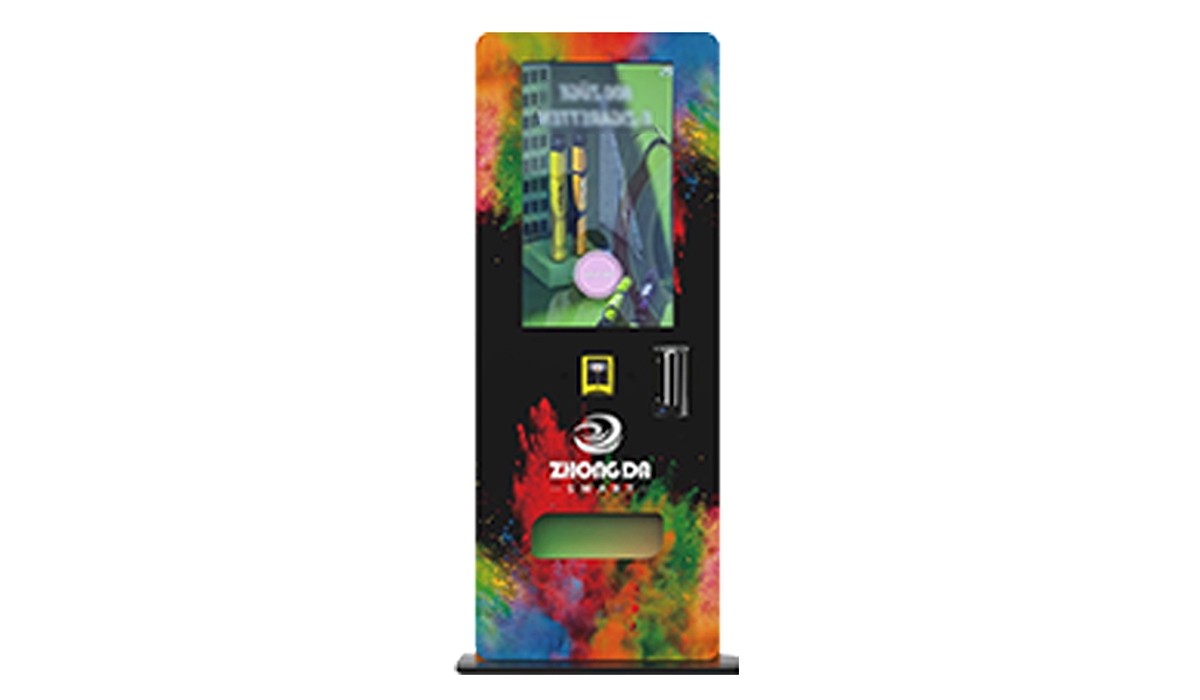
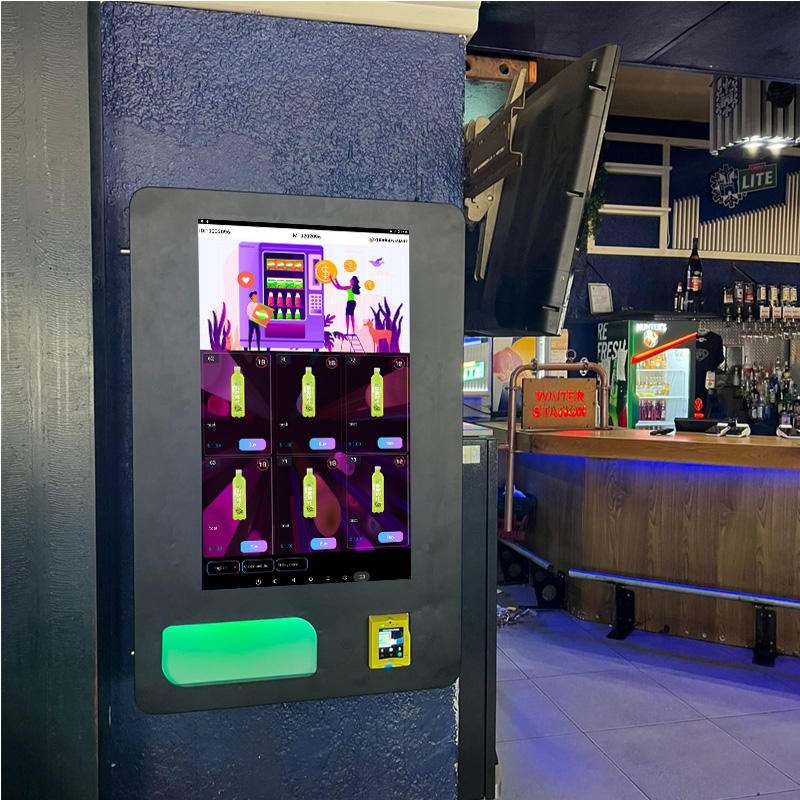
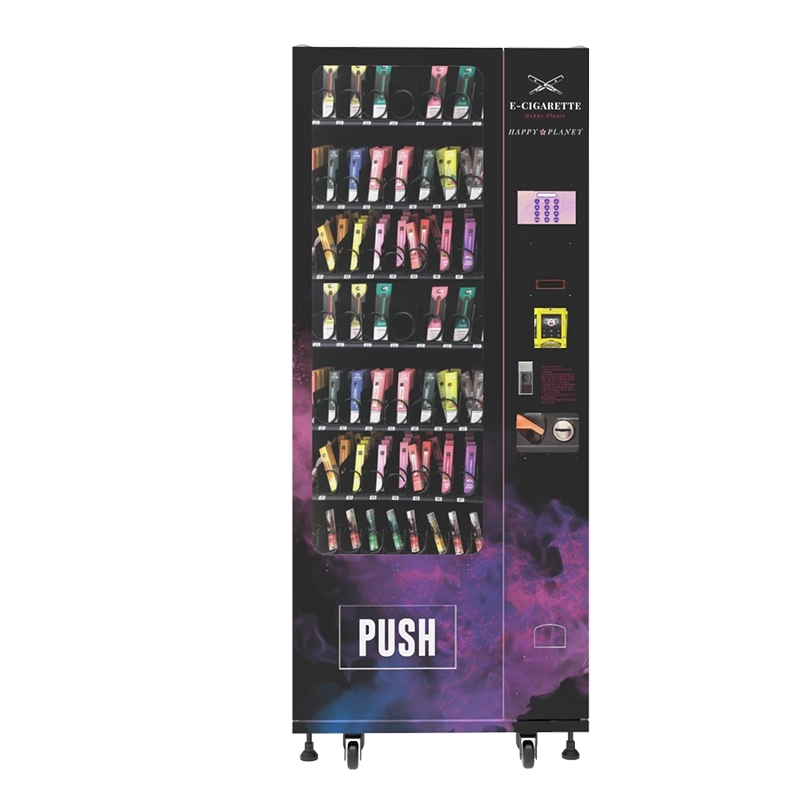
For operators who want a reliable, factory-direct solution, I recommend looking at the ID scan vending machine we build. It uses multi-spectral imaging, includes a 4G modem, and comes with three years of software updates. We also offer a wall-mounted compact unit for tight spaces, and a compliant e-cigarette vending machine that meets the latest regulatory standards. If you want to see how these perform in real locations, check out our case studies from bars and clubs. And if you’re still unsure about the business side, our ROI breakdown covers the numbers in more detail.
Long-Term Strategy: Scaling Without Breaking
Once you have one machine running profitably, the temptation is to scale fast. I’ve seen operators buy 20 machines at once and then realize they don’t have the logistics to service them. The biggest hidden cost in scaling a vending machine ID scanner network is the restocking labor. Each machine needs to be visited at least once a week. If you have 20 machines spread across a city, that’s 20 trips. Plan your route efficiently, and you can do it in two days. But if you’re not organized, it becomes a full-time job. I recommend starting with two or three machines, proving the model, and then scaling in batches of five.
Another long-term consideration is the payment system. Most modern machines accept credit cards, Apple Pay, and Google Pay. But the processing fees eat into your margin. I’ve negotiated rates as low as 2.2% plus $0.15 per transaction by using a processor that specializes in vending. That’s a 20% improvement over standard retail rates. Every percentage point matters when you’re running 50 machines.
Real Data from the Field
According to a 2023 report by IBISWorld, the vending machine industry in the U.S. generates over $7 billion annually, with age-restricted products like tobacco and nicotine being one of the fastest-growing segments. Statista reported in 2022 that the global age verification market is expected to grow at a CAGR of 8.6% through 2027, driven largely by regulatory pressure on unattended retail. These numbers match what I’m seeing on the ground. Every month, I get calls from operators who previously relied on honor systems and now need a vending machine ID scanner to stay compliant.
In my own operations, the average monthly revenue per machine across a fleet of 150 units is $2,800, with a net profit margin of 65% after all costs including labor. The machines that underperform are almost always in locations where the scanner was poorly integrated or the placement was bad. The machines that overperform are in locations with high foot traffic and a clear need for age verification—like near a bar’s exit or next to a late-night food counter.
FAQ: Answers from the Factory Floor
Can I use a regular vending machine and add an ID scanner later?
What happens if the scanner fails during a sale?
How do I know if the ID scanner is compliant with my state’s laws?
What is the average lifespan of an ID scanner in a vending machine?
Can the scanner read passports or military IDs?
How much does it cost to service a machine with an ID scanner?
Do I need a special permit to operate an ID scanning vending machine?
What happens if a customer’s ID is rejected but they are of legal age?
Can I connect the machine to my existing inventory system?
What is the best way to finance multiple machines?
Final Thoughts from Someone Who’s Been in the Trenches
I’ve been building and deploying vending machines since before smartphones were common. I’ve seen the technology evolve from simple coil-drop mechanisms to sophisticated, connected kiosks that can verify a customer’s identity in under three seconds. The vending machine ID scanner is not a luxury feature anymore—it’s the baseline for anyone selling age-restricted products in an unattended setting. The cost is real, but so is the return. If you’re looking for a partner who understands both the engineering and the business side, I’d be happy to walk you through the options. We’ve got machines in the field that have been running for over 5 years without a major failure. That’s not luck—that’s design.
Sources:
IBISWorld – Vending Machine Operators Industry Report (2023)
Statista – Age Verification Market Growth Projections (2022)