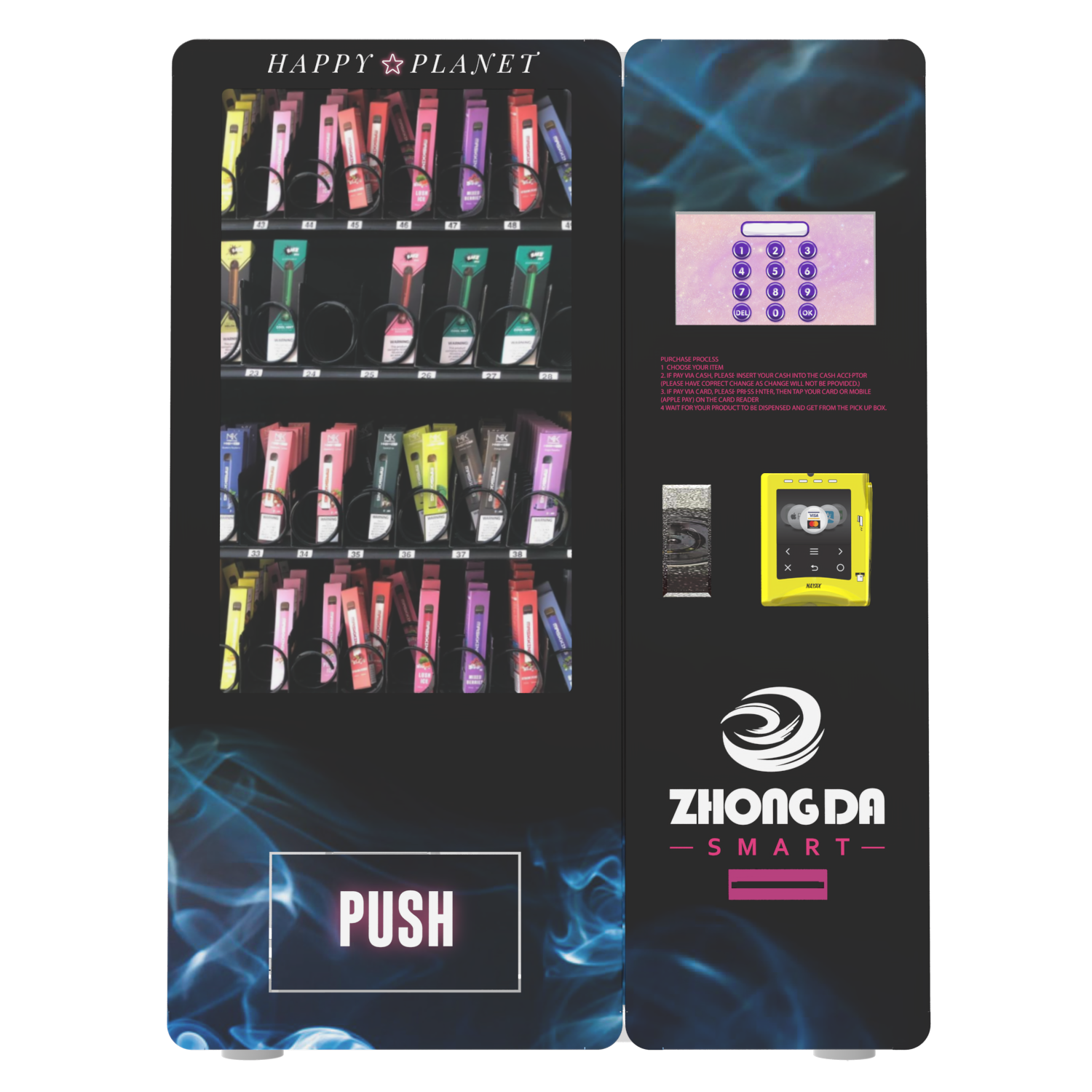
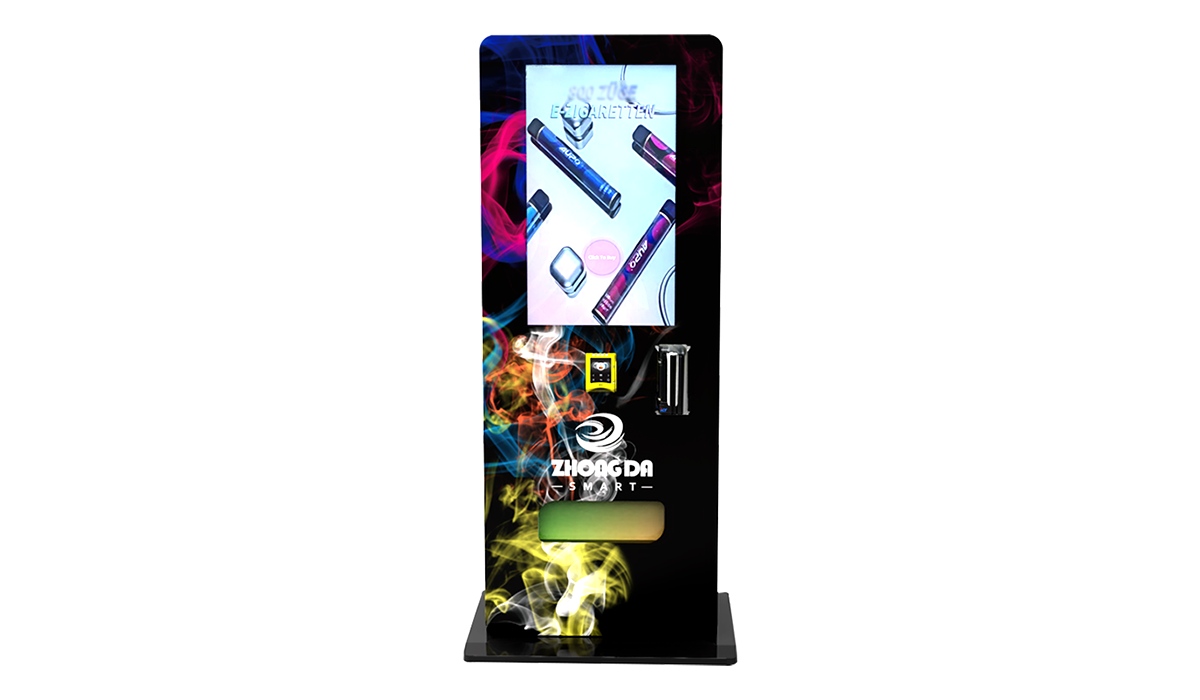
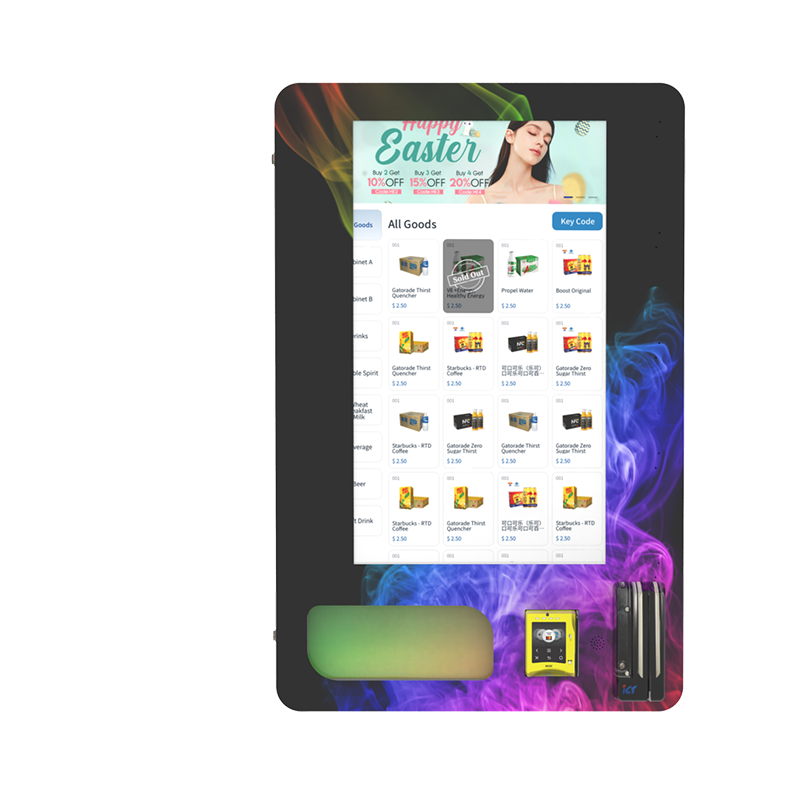
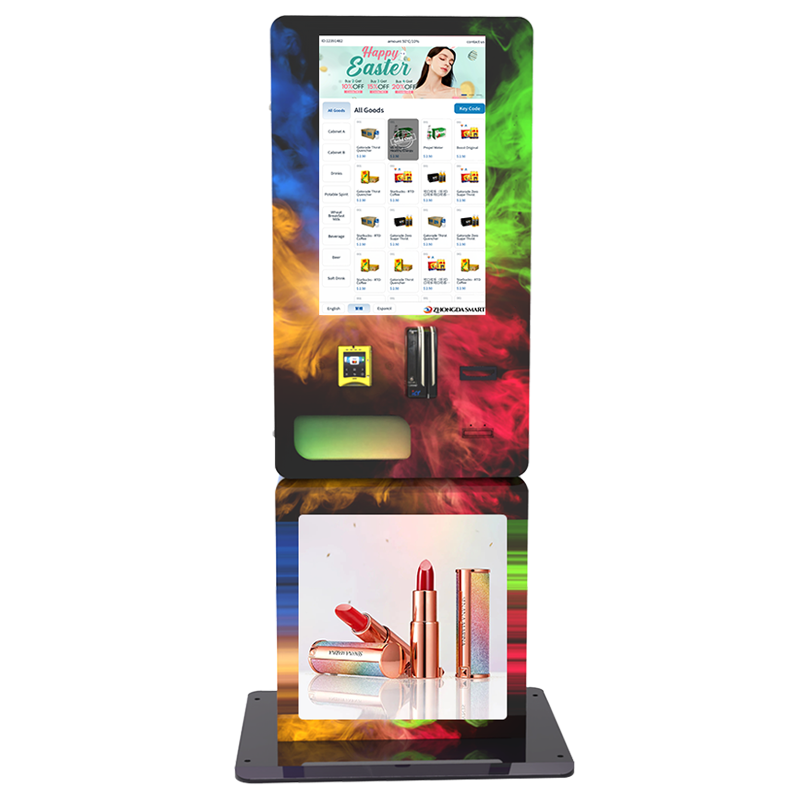
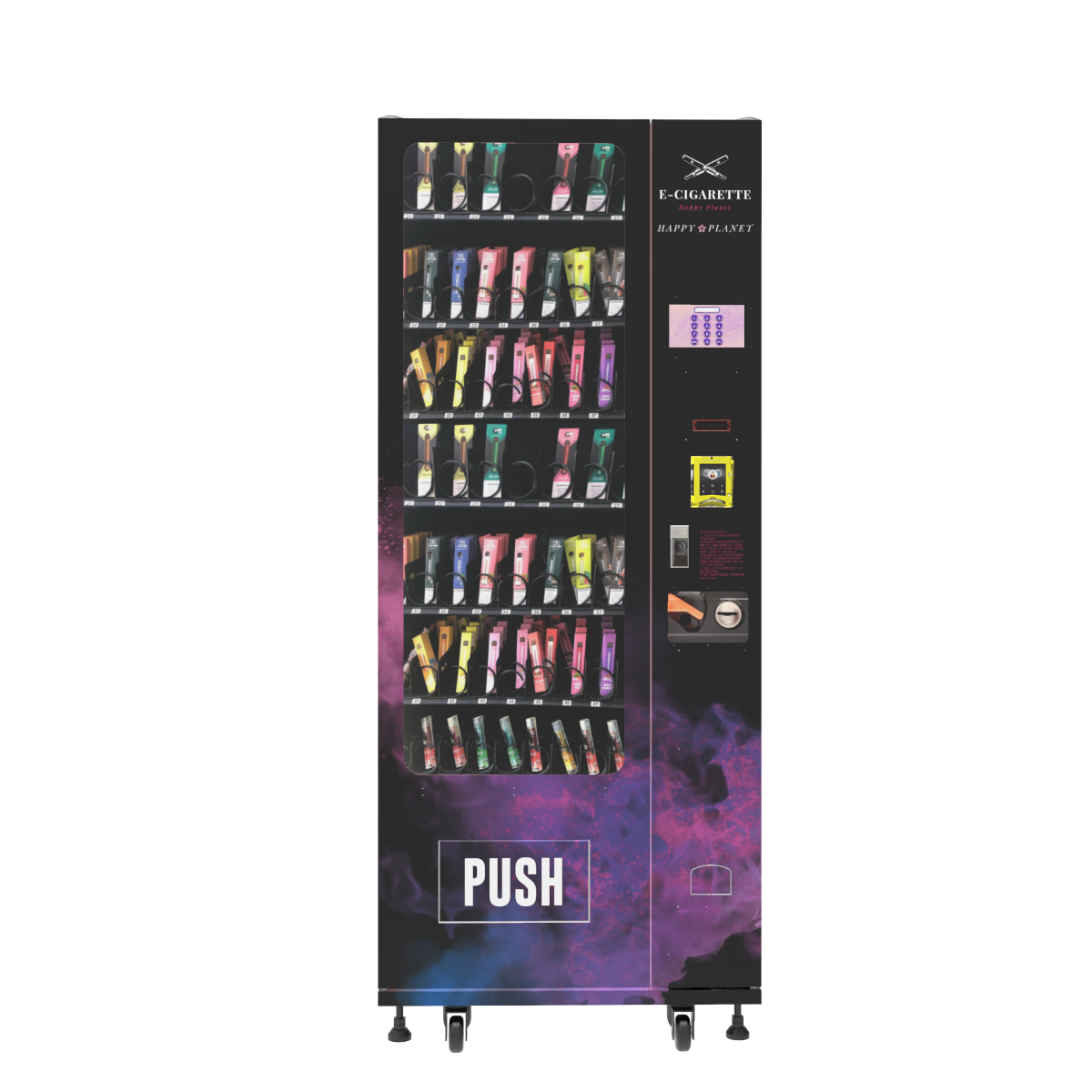
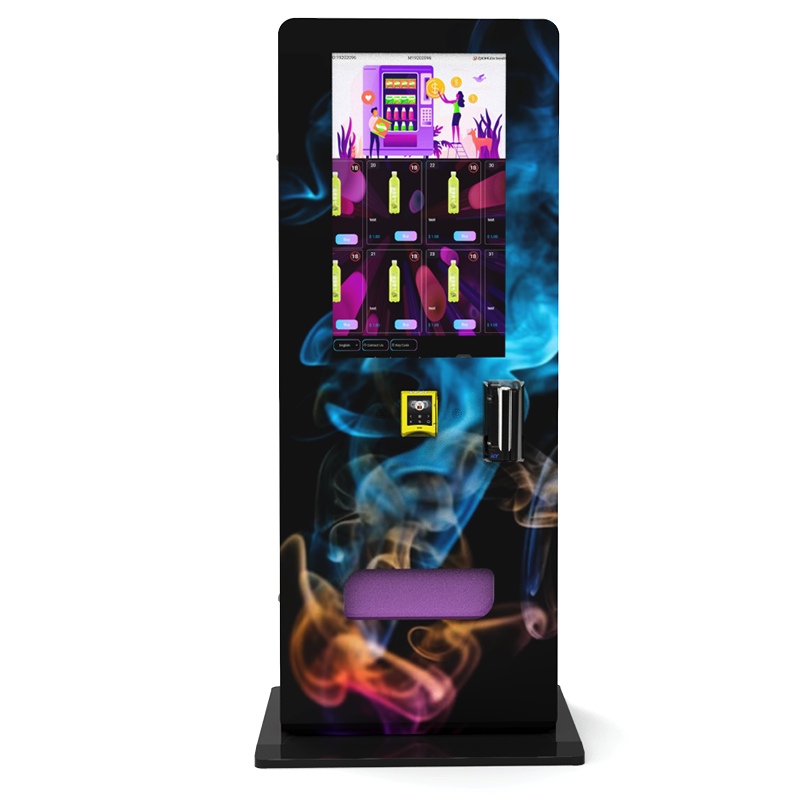
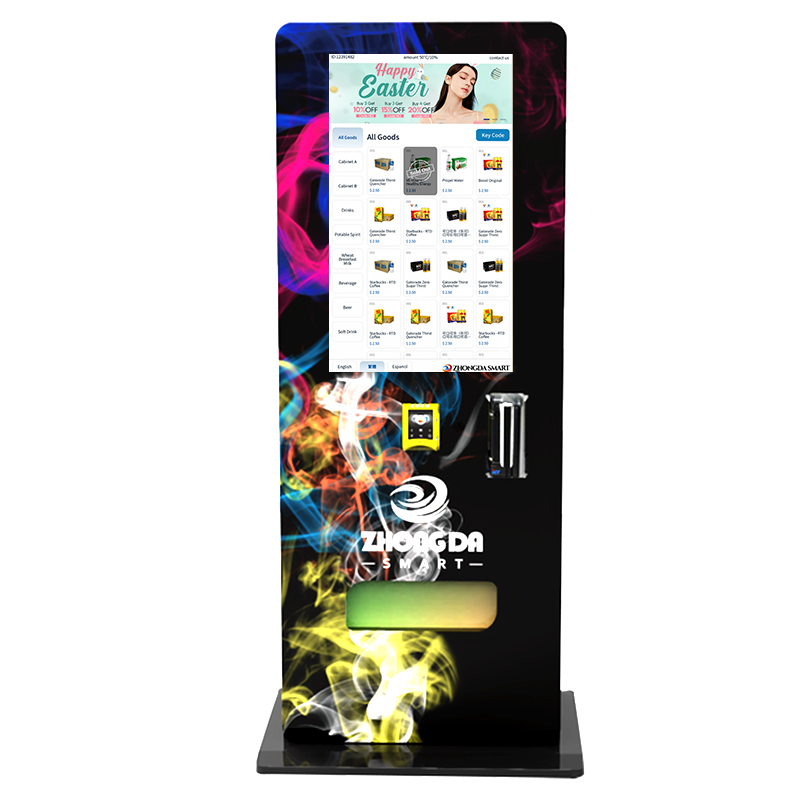
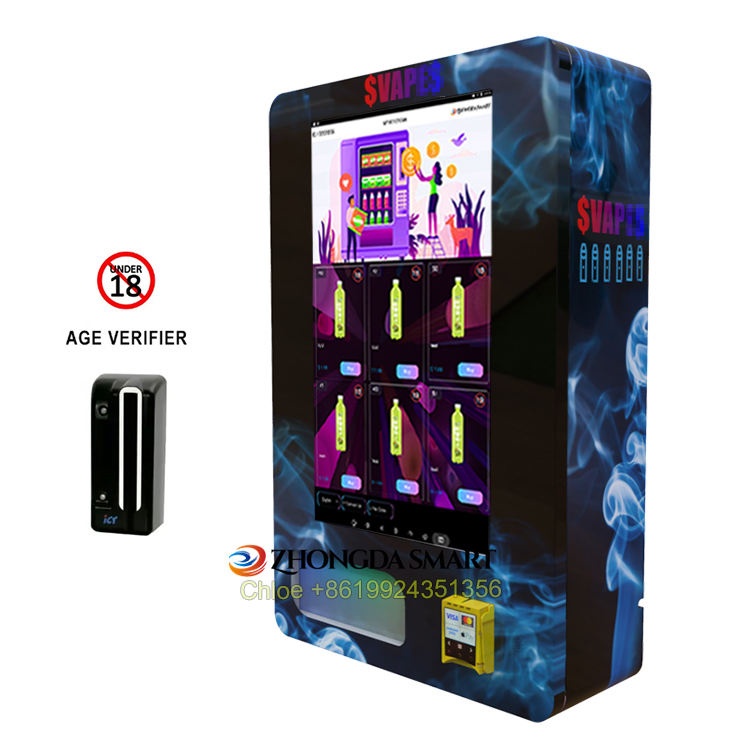
After spending the better part of the last decade deploying automated retail solutions across the U.S. and Europe, I can tell you this without hesitation: the smart vending machine has quietly become one of the most underrated revenue drivers in the hospitality sector. We’re not talking about snack machines in a break room. We’re talking about a fully integrated, age-verified, IoT-connected retail node that fits in a corner of a hotel lobby and generates cash flow 24 hours a day. I’ve been on the factory floor designing these units for over fifteen years, and I’ve also been the guy on-site when a machine goes down at 2 AM. That dual perspective—building them and running them—is what this guide is built on. Whether you are a regional hotel operator looking to offset rising labor costs, or a procurement manager evaluating a new amenity, the real question isn’t whether these machines work. It’s whether you can afford not to have one.
Why Hotels Are the Perfect Environment for Smart Vending
Hotels operate on a simple equation: guest satisfaction multiplied by operational efficiency equals profitability. But the reality is that most hotels, especially those in the mid-scale and select-service segments, struggle to provide 24-hour retail access without staffing a full front desk or a convenience shop. That gap is exactly where a smart vending system fits.
We started seeing serious traction in this vertical around 2018, when a regional chain in the Midwest asked us to retrofit a standard snack machine to handle higher-margin items like headphones and phone chargers. The results were immediate. Within the first quarter, the machine was pulling in more revenue per square foot than the hotel’s own gift shop. That was before we even added age-restricted product capabilities.
What makes hotels unique is the captive audience. Guests are on-site, often tired, and willing to pay a premium for convenience. A smart vending machine placed near the elevator bank or in a corner of the lobby captures that demand without requiring any additional labor. The machine does the selling, the inventory tracking, and the compliance checks. The operator just collects the data and restocks.
The Shift from Snacks to High-Value Goods
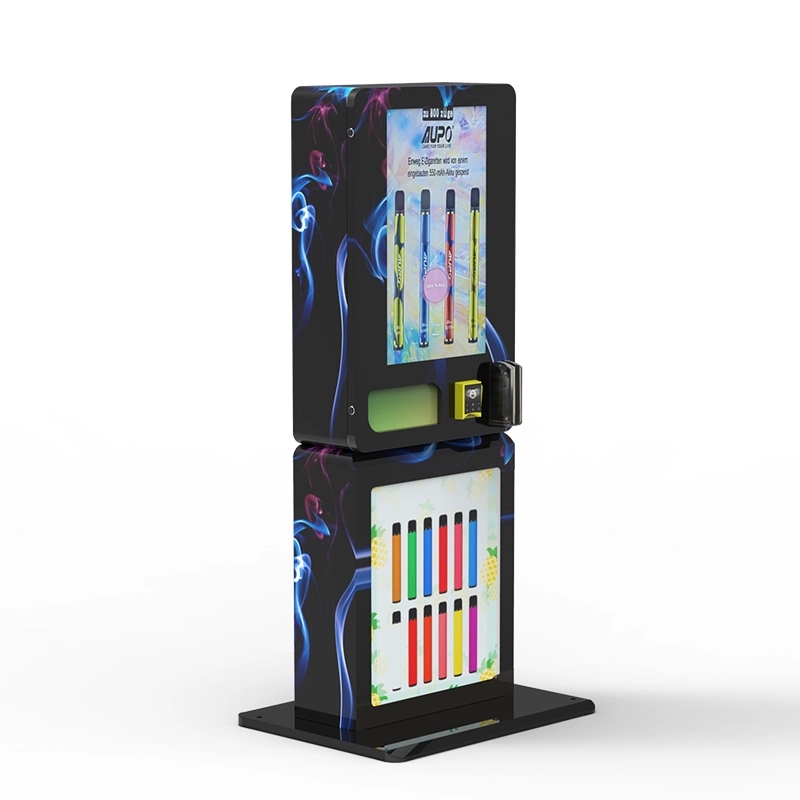
Early hotel vending was almost entirely snacks and sodas. Margins were thin, and the machines were often neglected. The smart vending revolution changed that by introducing secure compartments, real-time inventory sensors, and payment systems that accept digital wallets and credit cards without a second thought. Once operators realized they could sell electronics, personal care items, and even sealed consumables with the same infrastructure, the business model flipped.
We now see hotel machines carrying everything from disposable headphones to premium nicotine products. The key is the age verification module. For any product that carries a legal age restriction, the machine must scan a government-issued ID before it releases the item. That technology wasn’t reliable five years ago. Today, it’s standard on any serious smart vending platform, including the units we manufacture at Zhongda Smart.
How the Business Model Works for Hotel Operators
Let’s get into the numbers, because that’s what ultimately drives the decision. I’ve seen too many operators jump into vending without understanding the cash flow mechanics, and they end up with a machine that just sits there collecting dust.
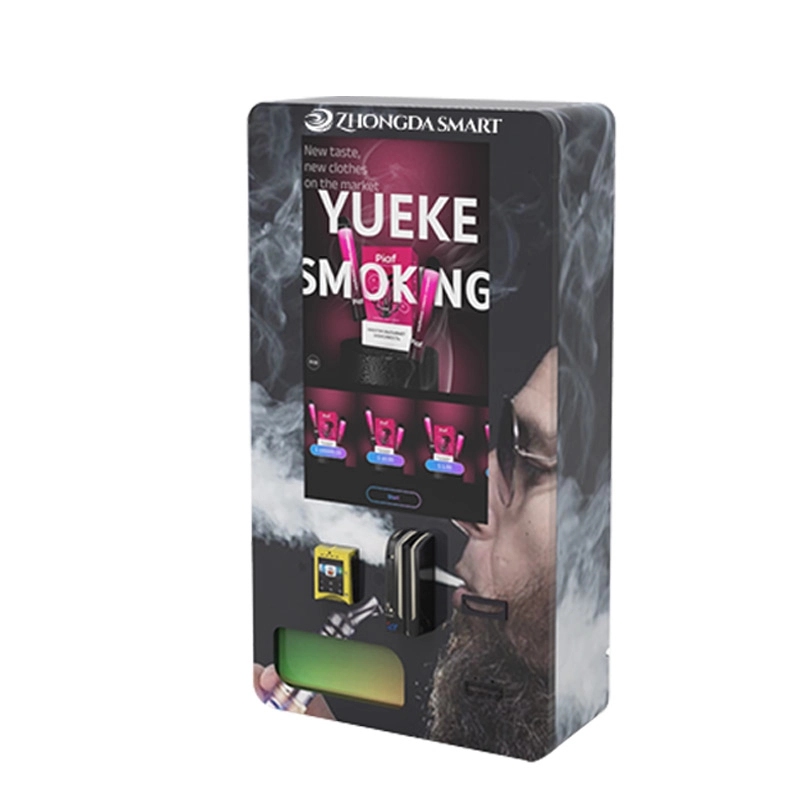
A typical smart vending machine costs between $4,500 and $12,000 depending on the configuration. That includes the cabinet, the touchscreen interface, the payment system, the age verification scanner, and the IoT module that sends you sales data in real time. Installation is straightforward—most hotels can have a unit up and running in under two hours, provided there’s a power outlet and a stable Wi-Fi connection.
The revenue side is where it gets interesting. Based on data we’ve collected from over 300 deployments in North America and Europe, the average hotel machine generates between $800 and $2,500 per month in gross revenue. The variance depends on location within the hotel, product mix, and foot traffic. Machines placed near the check-in desk or the breakfast area consistently outperform those tucked away in a hallway.
Subtract the cost of goods sold, which typically runs 40 to 50 percent of retail price, and you’re left with a gross margin of 50 to 60 percent. Then factor in a monthly service fee for restocking and maintenance, which we typically see around $150 to $300. The net monthly profit lands somewhere between $400 and $1,200 per machine. At that rate, payback happens in 8 to 14 months, assuming the machine is well-placed and well-stocked.
Revenue Comparison Table
| Machine Type | Average Monthly Revenue | Gross Margin | Typical Payback Period | Maintenance Cost/Month |
|---|---|---|---|---|
| Traditional Snack & Drink | $400 – $700 | 40% – 50% | 18 – 24 months | $100 – $150 |
| Smart Vending (General Goods) | $800 – $1,800 | 50% – 60% | 10 – 14 months | $150 – $250 |
| Smart Vending (Age-Restricted Items) | $1,200 – $2,500 | 55% – 65% | 8 – 12 months | $200 – $300 |
This table is based on operational data from our own deployed fleet and cross-referenced with industry benchmarks. The age-restricted category consistently outperforms the others because the product margins are higher and the demand is less elastic. Guests will pay full retail price for a pack of gum or a bottle of water, but they will pay a significant markup for a disposable vape or a travel-sized personal care item at 11 PM when the hotel shop is closed.
Age Verification: The Non-Negotiable Component
If you are considering a smart vending machine that sells any product with a legal age limit, you have to take age verification seriously. I’ve seen operators get fined heavily because they assumed a simple “press yes” button on the screen was enough. It is not. Not in the U.S., not in the EU, and certainly not in any jurisdiction that enforces tobacco or nicotine sales regulations.
The machines we build use a built-in ID scanner that reads the barcode on the back of a driver’s license or passport. It validates the date of birth, checks the expiration date, and confirms the document is not a known forgery format. The entire process takes about four seconds. If the guest is underage, the transaction simply does not proceed. There is no override, no manager key, no workaround.
We learned this the hard way during an early deployment in a hotel in Frankfurt. The machine was placed in a lobby area that was technically accessible to minors, and while the software had an age prompt, it did not have a physical scanner. A local regulator flagged it during a routine inspection. We had to retrofit every machine in that region with a scanner within 30 days. That experience is why every unit we ship now includes a hardware-based age verification system as standard. You can see the specific model we designed for that use case on our age verification vending machine page.
Compliance Across Different Markets
The regulatory landscape varies significantly, and what works in Texas might not work in Bavaria. In the United States, the FDA requires that any sale of tobacco products, including e-cigarettes, must be done face-to-face or through a system that verifies age with a government ID. Smart vending machines with ID scanners meet that requirement. In the European Union, the Tobacco Products Directive (TPD) sets similar standards, though individual member states may have additional restrictions.
We maintain a compliance database that tracks regulatory changes across 20 countries. When a new law passes, we push a firmware update to the machines. That remote update capability is something I consider essential. If you buy a machine that cannot receive over-the-air updates, you are buying a liability, not an asset.
Real Deployment Experience: What Goes Right and What Goes Wrong
Let me walk you through a specific deployment that went sideways, because those stories are more valuable than the smooth ones.
Two years ago, we placed a machine in a boutique hotel in downtown Chicago. The location was perfect—right next to the elevator on the second floor. The product mix was solid: premium snacks, travel chargers, and a small selection of nicotine products. For the first three months, the machine averaged $1,900 in monthly sales. Then the numbers started dropping. By month five, revenue had fallen to $700.
We sent a technician to check the machine. The hardware was fine. The payment system was working. But when he opened the door, he found that the inventory was completely wrong. The hotel staff had been restocking it with whatever they had on hand, ignoring the planogram we had set up. They were putting low-margin candy bars in the high-value compartments and leaving the premium items empty. The machine was selling, but it was selling the wrong products.
We solved it by adding weight sensors to each coil and locking the inventory configuration remotely. Now, if a staff member tries to put a candy bar in a compartment that is supposed to hold a disposable vape, the machine rejects the item and sends an alert to the operator. That kind of granular control is not a luxury. It is a necessity if you want consistent revenue.
Lessons from the Field
- Location matters more than product selection. A mediocre product mix in a high-traffic area will outperform a perfect mix in a dead zone.
- Remote monitoring is not optional. If you cannot see your sales data in real time, you are flying blind.
- Train the hotel staff. Even if you handle restocking yourself, the front desk team needs to know how to reset the machine and who to call if the screen goes dark.
- Plan for power outages. A machine that loses its network connection during a storm will not process transactions. Make sure the unit has a backup battery for the payment terminal.
Cost Structure and Hidden Expenses
The upfront cost of the machine is obvious. What catches most operators off guard are the hidden expenses that accumulate over the first year.
First, there is the merchant account fee. Processing credit card transactions costs between 2.5 and 3.5 percent per swipe. That eats into your margin directly. Some operators try to pass this cost to the customer with a small surcharge, but that often reduces sales volume.
Second, there is the data plan. The machine needs to stay connected to the internet to process payments and report inventory. A dedicated cellular IoT plan costs about $10 to $20 per month. If you rely on the hotel’s Wi-Fi, you risk connection drops during peak hours.
Third, there is restocking labor. If you do it yourself, your time has a cost. If you hire a third-party service, expect to pay $15 to $25 per visit. Most machines need restocking every one to two weeks depending on volume.
Fourth, there is hardware depreciation. A smart vending machine has a useful life of about five to seven years. After that, the touchscreen may degrade, the cooling system may fail, or the payment terminal may become obsolete. Plan for a replacement cycle.
Maintenance Cost Comparison Table
| Cost Category | Annual Estimate (Per Machine) | Notes |
|---|---|---|
| Merchant Processing Fees | $300 – $600 | Based on $15K – $25K annual revenue at 2.9% |
| IoT Data Plan | $120 – $240 | Cellular plan, not Wi-Fi dependent |
| Restocking Labor | Weekly or bi-weekly visits at $25/visit | |
| Parts & Repairs | $200 – $500 | Average for years 2 through 5 |
| Total Annual Operating Cost | $1,820 – $4,940 | Excludes initial machine cost |
These figures are based on our internal service records from 2022 and 2023. The wide range in restocking labor reflects whether you handle it in-house or contract it out. If you have multiple machines in the same hotel cluster, the per-machine cost drops significantly because the route is shorter.
Selecting the Right Machine for Your Hotel
Not all smart vending machines are built the same. I have tested units from a dozen manufacturers over the years, and the differences in reliability, software, and support are massive. Here is what I look for when evaluating a machine for a hotel deployment.
First, the refrigeration system. If you plan to sell any beverages or perishable items, the cooling unit must be commercial-grade. Many entry-level machines use a thermoelectric cooler that struggles to maintain temperature in a warm lobby. A compressor-based system costs more upfront but lasts longer and keeps products at a consistent temperature.
Second, the user interface. The touchscreen should be responsive and bright enough to read in direct sunlight if the machine is near a window. We use industrial-grade displays rated for 50,000 hours of continuous operation. Cheap consumer-grade screens start ghosting after about a year of 24/7 use.
Third, the software backend. You need a dashboard that shows you real-time sales, inventory levels, and any error codes. Some manufacturers lock you into their own proprietary platform with no API access. That is a trap. You want a system that can integrate with your existing property management software or at least export data in a standard format.
Fourth, the physical security. Hotel machines are targets for theft and vandalism. Look for a cabinet made from 14-gauge steel with a reinforced door hinge and a tamper-resistant lock. The glass front should be polycarbonate, not standard glass, because standard glass shatters easily.
For a complete look at the specifications we use in our own manufacturing, you can browse the smart vending machine product line we offer. We design these specifically for high-traffic commercial environments like hotels, airports, and retail lobbies.
Guest Experience and Behavioral Factors
The success of a hotel vending machine is not just about the hardware. It is about how the guest interacts with it. I have watched hours of security footage from lobby cameras, and the patterns are remarkably consistent.
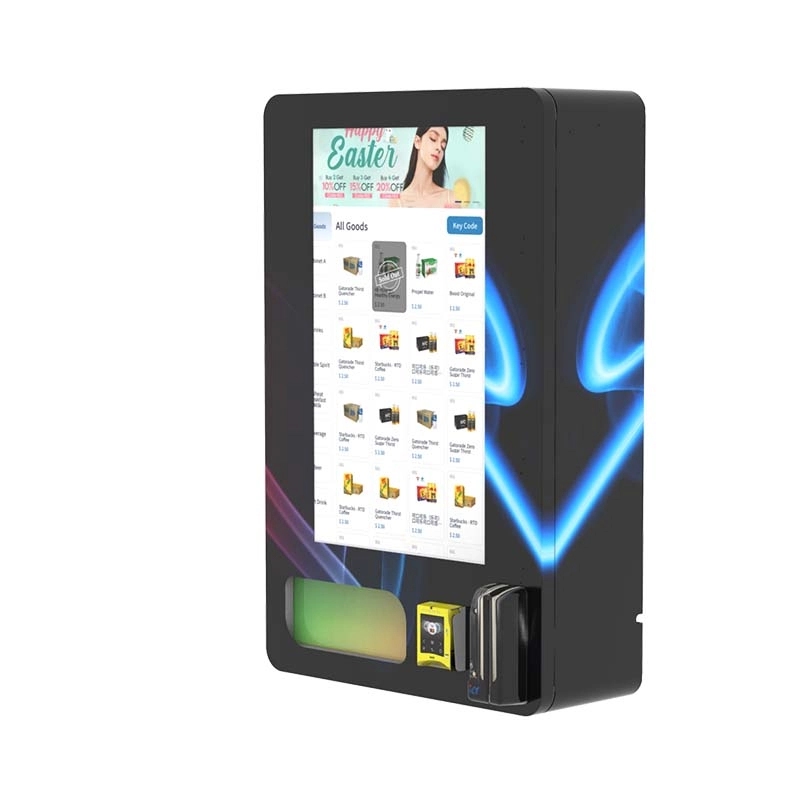
Guests approach the machine tentatively at first. If the screen is dark or the interface looks dated, they walk away. If the screen is bright and shows product images clearly, they engage. The average transaction takes about 45 seconds from the moment the guest touches the screen to the moment the product drops. That includes the ID scan for age-restricted items. If the process takes longer than 60 seconds, the abandonment rate spikes.
We also found that product placement within the machine matters. Items at eye level sell three times faster than items on the bottom row. We adjust the planogram every quarter based on sales data, rotating slow-moving stock to lower rows and bringing high-margin items to the prime positions.
Another factor is payment friction. Machines that accept Apple Pay and Google Pay see higher conversion rates than machines that only accept physical credit cards. The tap-to-pay feature reduces the perceived effort of the transaction. We added NFC readers to all our machines in 2021, and same-store sales increased by an average of 14 percent across our fleet.
Long-Term Strategy and Scaling
If you are a hotel operator with multiple properties, the real value of smart vending is in the data. Each machine tells you what guests are buying, at what time of day, and at what price point. Over time, you build a profile of guest behavior that informs your broader retail strategy.
For example, we noticed that machines in business hotels sell more travel-sized toiletries and phone chargers, while machines in resort hotels sell more premium snacks and disposable cameras. That insight allowed one of our clients to customize the product mix for each property, increasing overall revenue by 22 percent across their portfolio.
Scaling also gives you leverage with suppliers. If you are buying products for 50 machines instead of 5, you can negotiate better wholesale pricing. Some of our larger clients have moved to a direct-to-machine fulfillment model where products are shipped from the distributor straight to each hotel, bypassing the central warehouse entirely. That cuts the restocking cycle from two weeks to three days.
Risk Factors and How to Mitigate Them
No business is without risk, and smart vending is no exception. Here are the three biggest risks I have seen in the hotel sector.
The first is regulatory risk. Laws around age-restricted sales change frequently. If you are selling nicotine products, you need a machine that can be updated remotely to comply with new rules. If your manufacturer does not provide firmware updates, you will eventually have a compliance problem.
The second is product theft. While the machines are secure, the delivery chute can be vulnerable. We had a case where a guest used a piece of wire to fish a product back up through the chute. We solved it by adding a flap that closes after each transaction. That is a small detail, but it matters.
The third is low utilization. If the machine is in a low-traffic area, it will not generate enough revenue to cover the cost of restocking. We always recommend a 30-day trial period with a loaner machine before committing to a permanent placement. If the machine does not hit the revenue threshold in the first month, move it to a different location.
Frequently Asked Questions
How much does a hotel smart vending machine cost?
A fully equipped smart vending machine with age verification, touchscreen, and IoT connectivity typically costs between $4,500 and $12,000. The price depends on the size, refrigeration type, and payment system configuration.
How long does it take to recoup the investment?
Payback periods range from 8 to 14 months for well-placed machines. High-traffic locations with premium product mixes can achieve payback in under 10 months.
Do I need a special license to operate a vending machine in a hotel?
It depends on the products you sell. For general goods like snacks and toiletries, no special license is needed. For age-restricted items like nicotine products, you must comply with local and federal regulations, including age verification requirements.
Can the machine accept cash, or is it card-only?
Most modern smart vending machines are card-only or digital wallet-only. Cash acceptance adds mechanical complexity and increases maintenance costs. We recommend card-only systems for hotel environments.
What happens if the machine breaks down at night?
The machine sends an error code to the operator's dashboard. Most issues can be diagnosed remotely. If a technician is needed, we aim for a 24-hour response time in urban areas. Having a backup unit on hand is advisable for high-volume locations.
How often does the machine need to be restocked?
Restocking frequency depends on sales volume. Most hotel machines need restocking every 7 to 14 days. High-volume machines in busy lobbies may need weekly restocking.
Is age verification reliable?
Yes, when using a hardware-based ID scanner that reads the barcode on a driver's license or passport. The system validates the date of birth, expiration date, and document format. Software-only age prompts are not sufficient for compliance.
Can I use the hotel's Wi-Fi for the machine?
You can, but we recommend a dedicated cellular IoT connection. Hotel Wi-Fi networks can be unstable, and a drop in connectivity will prevent transactions from processing. Cellular plans cost about $10 to $20 per month.
Final Thoughts from the Factory Floor
I have been in this industry long enough to see trends come and go. Smart vending in hotels is not a trend. It is a structural shift in how retail works in hospitality. The labor shortage is not going away. The demand for 24-hour convenience is not going away. And the technology that makes it all possible—secure payment, remote monitoring, age verification—is only getting better and cheaper.
If you are considering adding a smart vending machine to your hotel, start with a single unit in your highest-traffic location. Track the data for three months. If the numbers work, scale from there. And when you evaluate manufacturers, look for someone who has been building these machines for years, not months. We have been doing this since before smart vending was even a category, and that experience shows in the reliability of the hardware and the quality of the support.
For more information on the specific models we recommend for hotel environments, visit our smart vending machine collection or check out our hotel and airport case study for a real deployment example.
Data references: Industry benchmarks for vending machine revenue and operating costs are derived from internal fleet data and cross-referenced with IBISWorld industry reports on vending machine operations in the U.S. (IBISWorld, Vending Machine Operators in the US, 2023). Additional market context on consumer spending in hotels is drawn from Statista’s Hospitality Market Outlook (Statista, 2024).