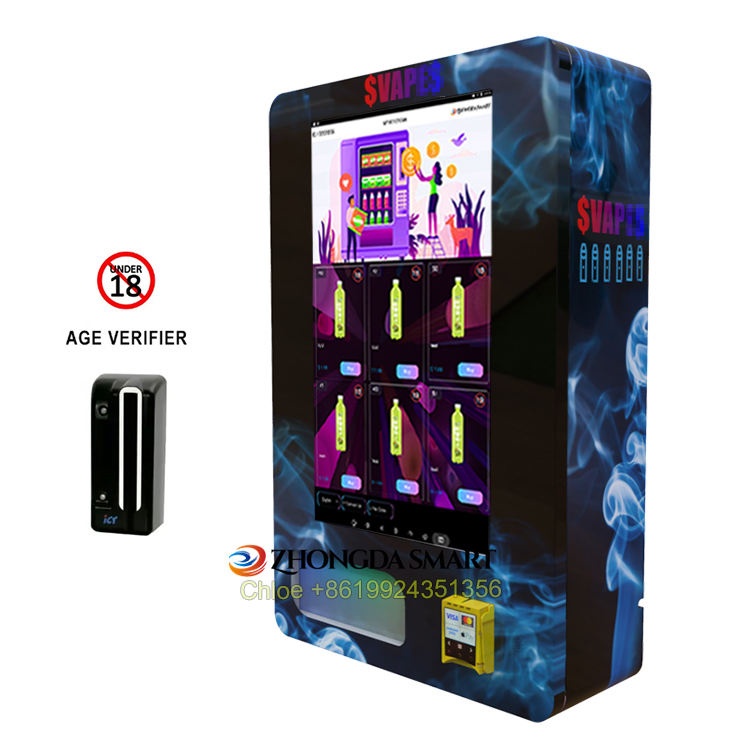
If you are running a retail operation that sells age-restricted products like vaporizers or nicotine devices, you already know the single biggest operational headache is compliance. Over the past decade, I have designed, deployed, and serviced thousands of self-service kiosks across North America and Europe from our manufacturing facility, and I can tell you this: the difference between a profitable vending route and a legal nightmare often comes down to one piece of hardware and software—an age verification API. Integrating an age verification API into your retail system is not just about checking a box; it is about protecting your business license, your revenue stream, and your reputation. This guide walks through the real engineering decisions, cost implications, and operational strategies we have learned from the field.
The Engineering Logic Behind Age Verification in Vending
When we first started building smart vending machines for the US market about twelve years ago, the standard approach was a simple calendar prompt on a touchscreen. You pressed a button that said "I am over 21," and the machine dispensed the product. That lasted about six months before the first compliance audit hit one of our clients. The reality is that regulators are no longer accepting honor systems for tobacco or vapor product sales. The engineering challenge became how to build a system that could verify a real government-issued ID, cross-reference it with third-party databases, and complete the transaction in under ten seconds without frustrating the customer.
An age verification API is essentially a middleware layer that sits between the vending machine's control board and the payment system. When a customer scans their driver's license or passport, the API parses the data, checks the date of birth against the legal age threshold (which varies by state or province), and often runs a secondary check against public records to confirm the ID has not been reported as fraudulent or stolen. Our factory spent nearly two years refining this integration because the failure modes are brutal. If the API goes down during a busy Friday night at a bar, you either lock the machine entirely or risk a non-compliant sale. Neither option is good for business.
How the Data Flow Actually Works in a Retail Environment
Let me break down what happens inside the machine when a customer approaches. They select a product, the screen prompts them to scan their ID. The scanner, which is usually a built-in document imager, captures the front and back of the card. The API then extracts the machine-readable zone (MRZ) data and the photo. It sends that data to a secure cloud endpoint. Within milliseconds, the API returns an "age verified" or "denied" response. If verified, the payment gateway activates, and the machine dispenses the product. If denied, the machine logs the attempt and can even alert your operations team to a potential fraud attempt.
One detail that most articles miss is the importance of local data caching. In our experience, about 15% of vending machine locations have spotty cellular connectivity. If your API requires a live internet connection for every single transaction, you will lose sales. We designed our machines to cache the last 500 verified IDs locally so that if the network drops, the machine can still operate for a limited time using the cached data. This hybrid online-offline approach has saved our clients thousands of dollars in lost revenue during network outages.
Cost Structure: What You Are Really Paying For
When business owners ask me about the cost of integrating an age verification API, they usually expect a simple monthly subscription fee. The reality is more layered. There are three distinct cost buckets you need to budget for.
| Cost Component | Typical Range (USD) | Notes from Our Deployments |
|---|---|---|
| API subscription fee (per month) | $50 – $200 | Depends on transaction volume; most tiered plans charge per verification above a base limit. |
| Hardware scanner integration | $300 – $800 per machine | This includes the physical document scanner and wiring harness. We use industrial-grade scanners rated for 500,000 scans. |
| Software development & certification | $2,000 – $5,000 one-time | If you are retrofitting existing machines, you will need a firmware update and API integration testing. New machines from a manufacturer like Zhongda Smart come pre-integrated. |
| Annual compliance audit support | $500 – $1,500 per location | Some states require annual third-party audits of your age verification logs. The API should export logs in a standard format. |
We have seen operators try to save money by using a free or cheap API that only does a basic date-of-birth check without database cross-referencing. That is a false economy. In one case, a client in a midwestern state lost their tobacco license because the API failed to flag a fake ID that passed the basic scan. The fine alone was $15,000, plus the cost of pulling the machine from the location. Investing in a robust age verification API is insurance against much larger losses.
Profitability and ROI: Running the Numbers
The revenue model for an age-verified vending machine is straightforward but requires volume. Based on data from our network of over 800 deployed machines in convenience stores, bars, and hotels, the average transaction value for a vapor product is around $18. The gross margin on the product is typically between 40% and 60%, depending on your wholesale pricing. If your machine does 15 transactions per day, that is roughly $270 in daily revenue, or about $8,100 per month. The age verification API cost, even at the high end, represents less than 3% of that revenue.
However, the real profit killer is not the API cost—it is the lost sale when the machine fails to verify a legitimate customer. We have measured that a slow or poorly integrated API can increase transaction abandonment by 8% to 12%. That is a direct hit to your bottom line. The fastest APIs we have tested return a verification result in under 1.2 seconds. Anything over 3 seconds, and you start losing impatient customers. When we source components for our machines, we prioritize API providers that guarantee a 99.5% uptime and sub-2-second response times.
Real Deployment Failures We Have Seen
I want to share a specific failure case because it illustrates the operational complexity. About four years ago, we deployed a batch of machines for a chain of cigar lounges in the Southeast. The client chose an API that was popular in Europe but had not been fully tested with US state-issued IDs. The API kept rejecting valid IDs from several states because the barcode format was slightly different from the European standard. The rejection rate hit 22% in the first week. Customers were furious, and the lounge owners threatened to scrap the program. We had to swap out the API middleware and reflash every machine's firmware on-site. That cost us about $400 per machine in labor and lost the client's trust for six months. The lesson is simple: test your age verification API with at least 200 real IDs from the region where you plan to deploy before you go live.
Machine Selection and the Role of the Manufacturer
Not all vending machines are built to handle the physical and software demands of age verification. We manufacture our own line of smart machines specifically because off-the-shelf units often lack the processing power or the ruggedized scanner housing needed for high-traffic locations. When you are evaluating hardware, look for a machine that has a dedicated ID scanner slot with a tamper-resistant housing. The scanner should be positioned so that the customer does not have to bend over or reach awkwardly—ergonomics matter more than you think for user adoption.
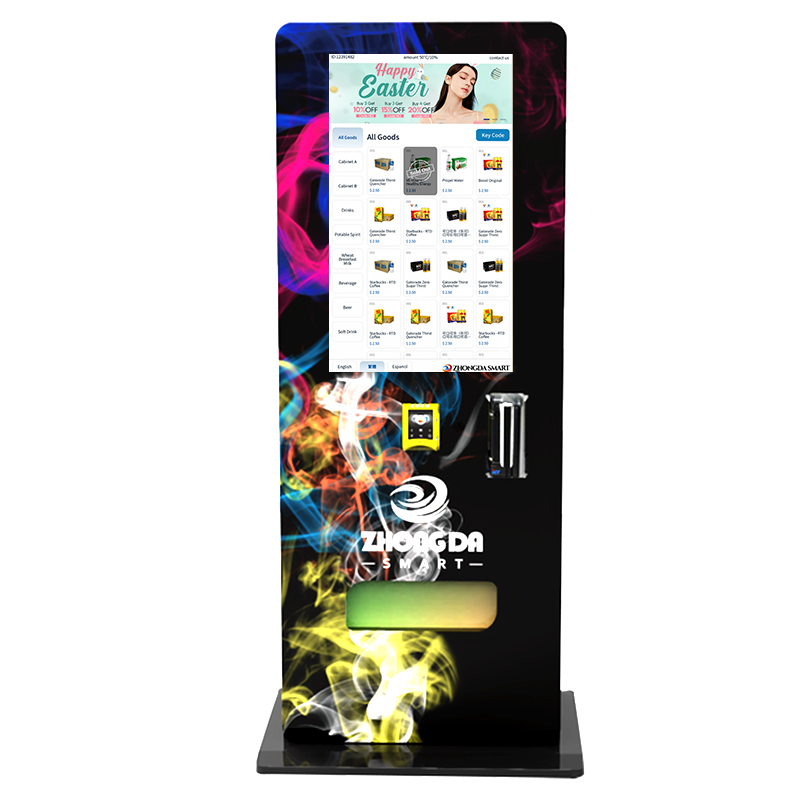
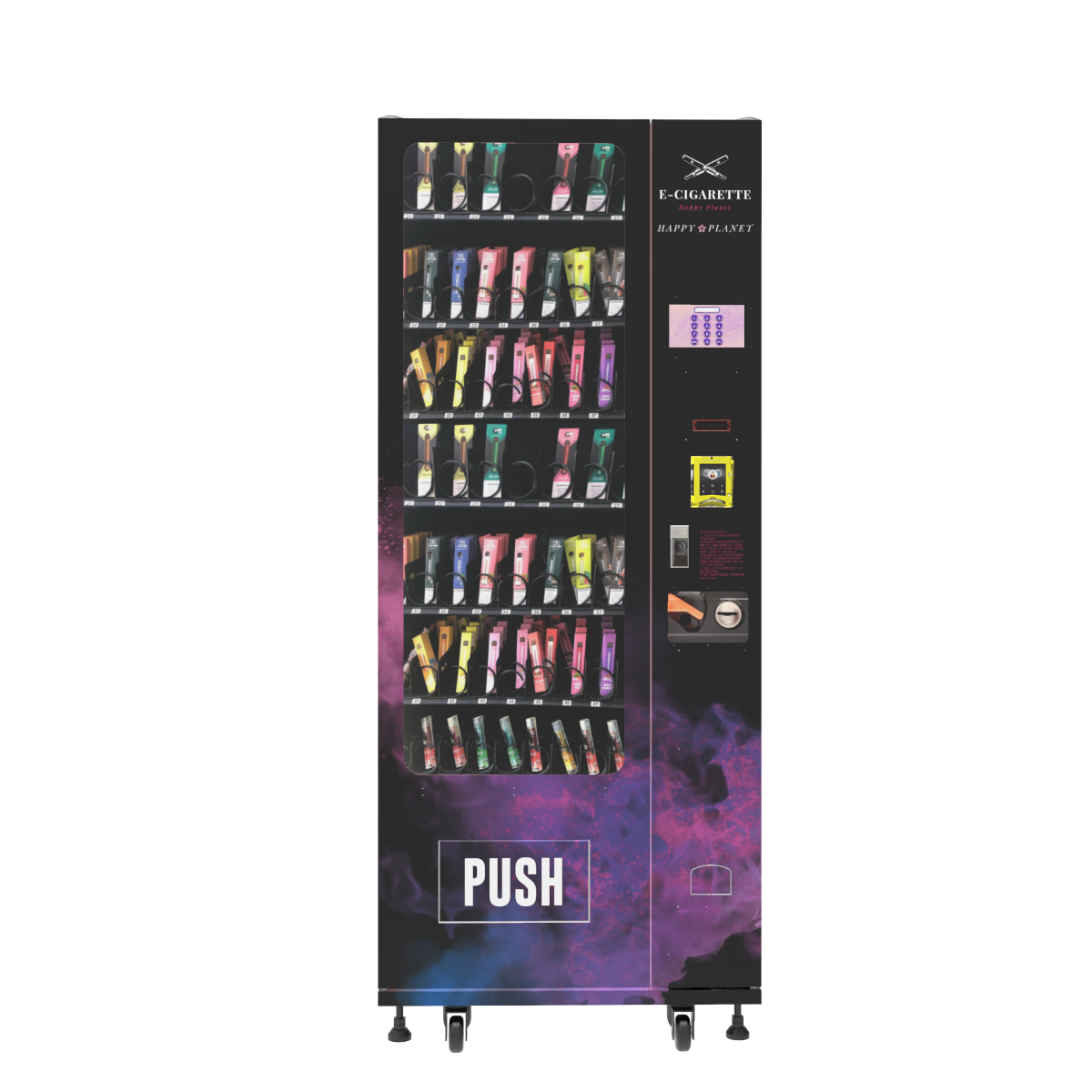
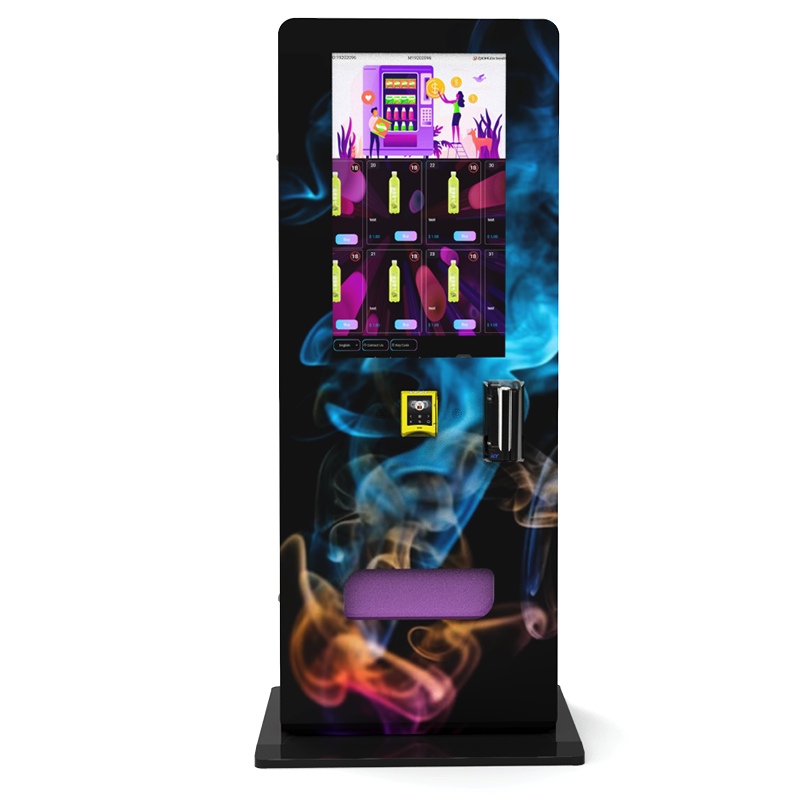
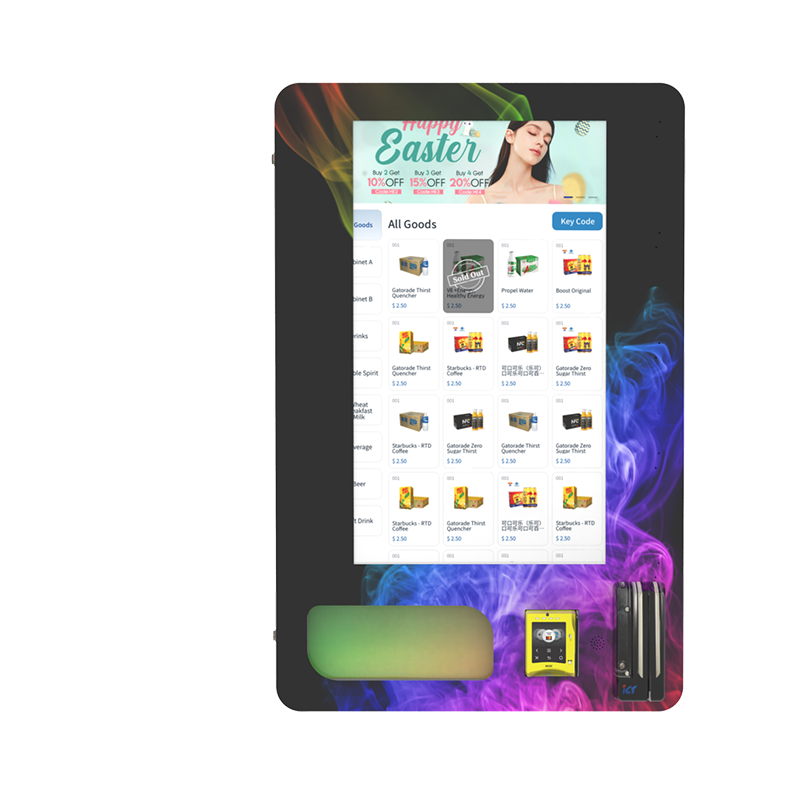
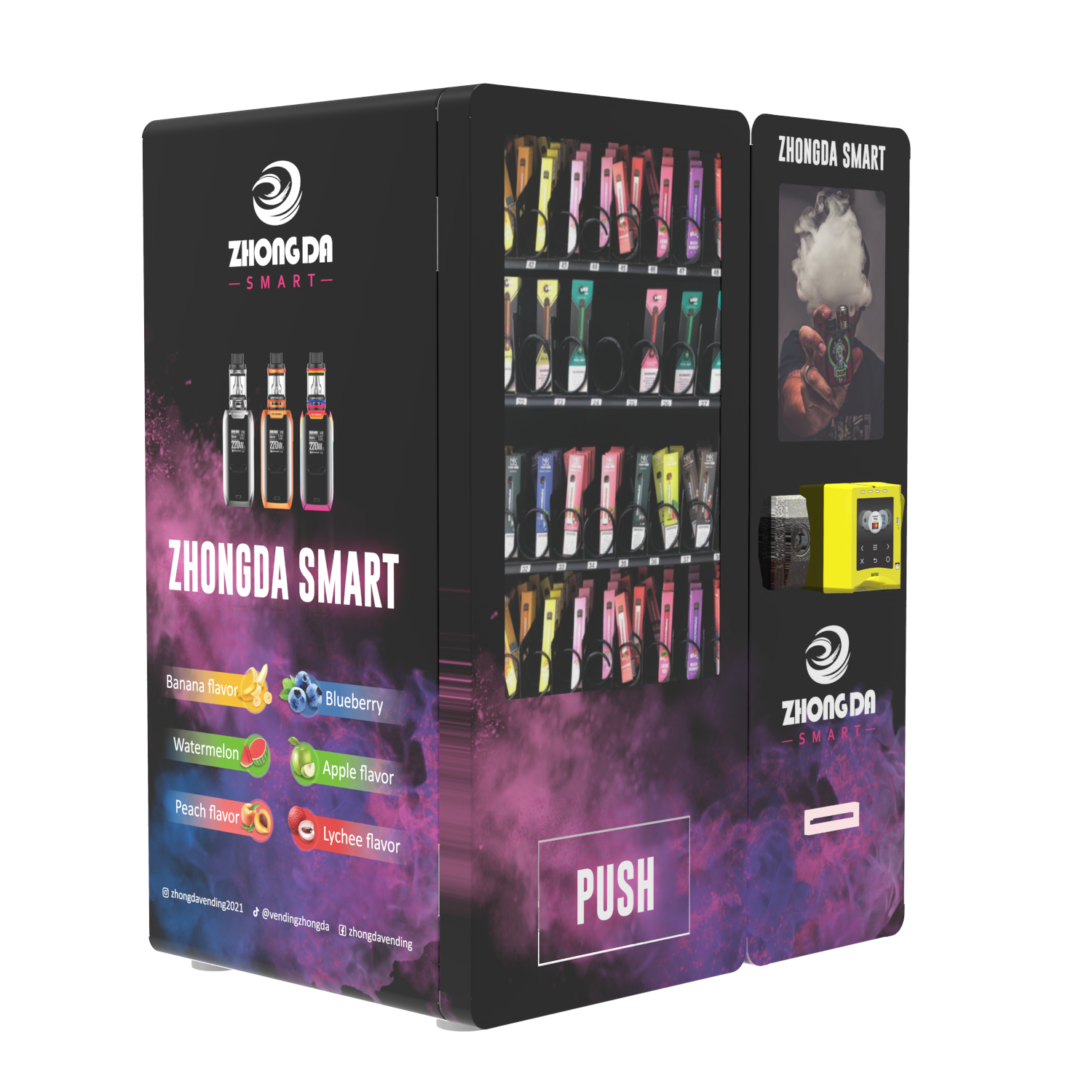
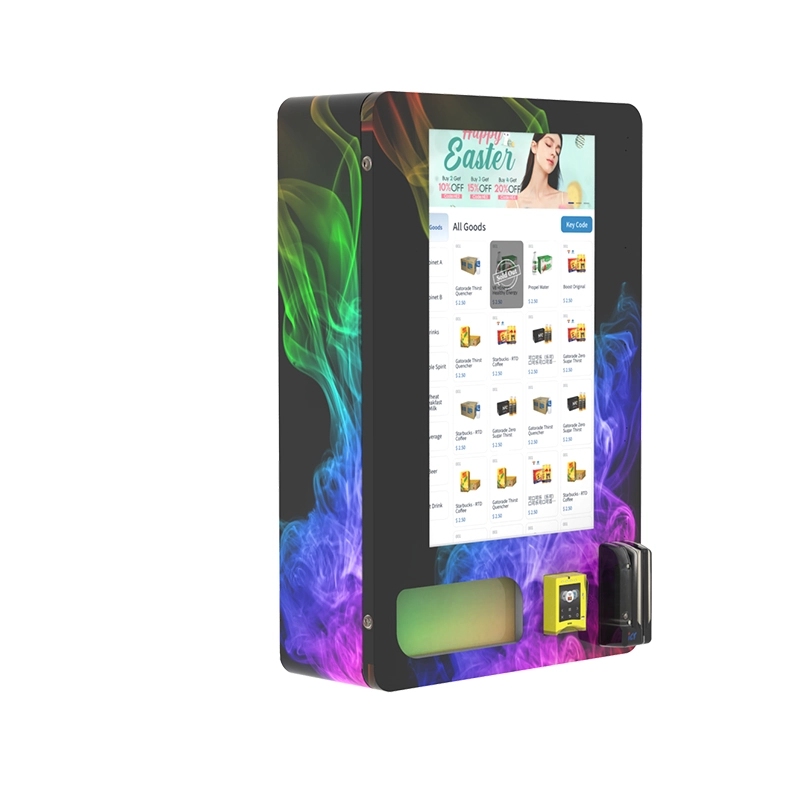
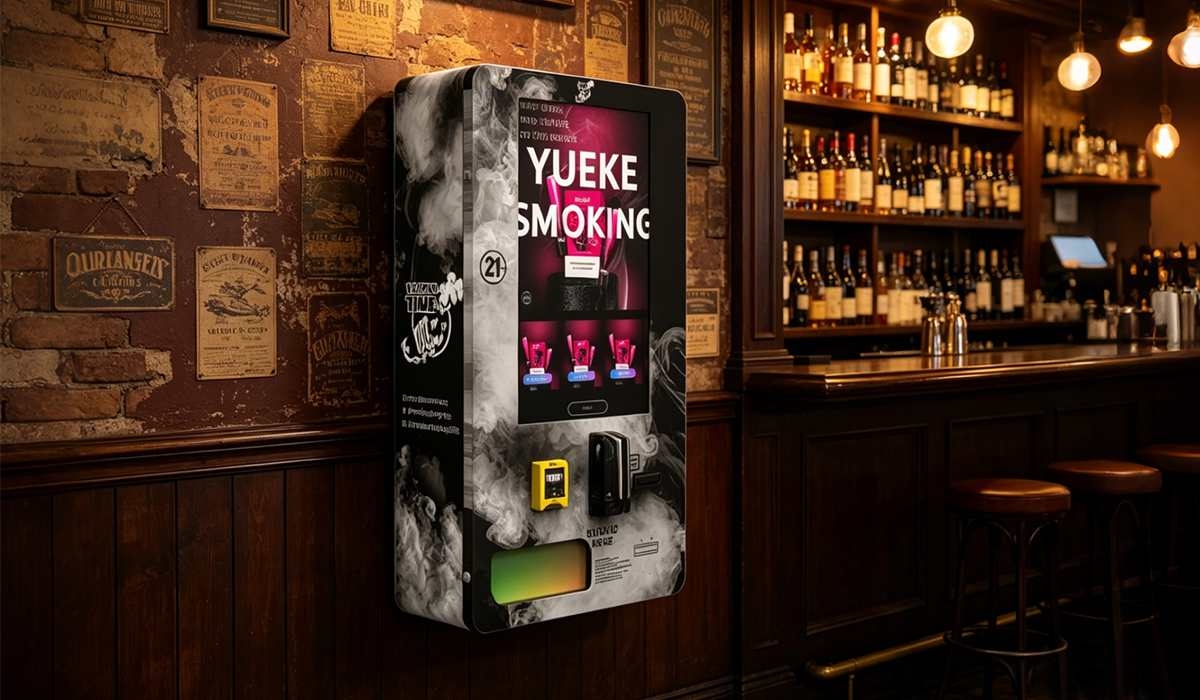
If you are sourcing a machine for this purpose, I recommend looking at models that come with the age verification API pre-integrated from the factory. Our age verification vending machine is designed specifically for this use case, with a built-in document imager and a logic board that supports multiple API endpoints. We also offer a ID scan vending machine that includes a secondary camera for facial comparison if your compliance requirements demand biometric matching. For smaller retail footprints, the wall-mounted compact e-cigarette vending unit is a popular choice because it saves floor space while still housing a full verification system.
Operational Maintenance and Long-Term Strategy
Running a fleet of age-verified vending machines is not a set-it-and-forget-it business. The API providers update their algorithms regularly to adapt to new fraud patterns. We schedule firmware updates for our machines every quarter. If you are not updating the API client on your machines, you will gradually see more false positives or missed fraud attempts. We have a remote management dashboard that allows operators to push updates to all machines in the field simultaneously. Without that capability, you would have to visit each machine with a USB drive, which is not scalable beyond ten units.
Another operational detail is the physical maintenance of the scanner. In dusty environments like a bar with a lot of foot traffic, the scanner glass can get scratched or dirty. We recommend a weekly cleaning protocol using a microfiber cloth and isopropyl alcohol. A dirty scanner increases the error rate by up to 30%, which directly impacts sales. Train your route drivers to check the scanner condition every time they restock the machine.
Comparing Different Verification Methods
There are several approaches to age verification in retail vending, and each has trade-offs. The table below summarizes what we have observed across our deployments.
| Method | Speed | Accuracy | User Friction | Cost to Operate |
|---|---|---|---|---|
| Driver's license scan + API | 1-2 seconds | High (99%+ with good API) | Low (scan and go) | Medium |
| Facial age estimation (AI camera) | 0.5 seconds | Medium (85-90%) | Very low (no action needed) | High (requires GPU hardware) |
| Manual ID check by attendant | 15-30 seconds | Variable (depends on training) | High (requires staff) | Very high (labor cost) |
| Credit card age verification | 3-5 seconds | Low (card could be shared) | Low | Low |
From a practical standpoint, the driver's license scan combined with an API backend is the current gold standard for unattended retail. Facial age estimation is improving, but we have found that it still fails too often on people with heavy makeup, facial hair, or unusual lighting conditions. For now, we only recommend facial estimation as a secondary check, not the primary method.
Scenarios for Different Retail Environments
Where you place the machine dictates how you configure the age verification system. In a bar or nightclub, the lighting is often dim, and customers may be less patient. We set the scanner to use an infrared illuminator in those environments, which improves scan success rates by 40% compared to standard visible light scanning. In a convenience store, the machine is usually near the checkout counter, so you can optionally set it to require a store employee to approve the age verification result before the product dispenses. This hybrid model gives the store operator control while still automating most of the process.
For hotel lobbies, we have deployed machines that integrate with the hotel's guest management system. The guest scans their room key, which triggers the age verification API to check the ID they provided at check-in. This creates a seamless experience where the guest does not need to scan their ID again. It is a more complex integration, but hotels that have implemented it report a 25% increase in sales from their vending units because the friction is almost zero.
Industry Data Points and Market Context
According to a report from IBISWorld, the vending machine industry in the US has grown to over $8 billion in annual revenue, with the specialized segment for age-restricted products growing faster than the overall market. A separate analysis from Statista indicates that the global age verification market for digital and physical retail is expected to exceed $15 billion by 2027, driven largely by regulatory pressure on tobacco and alcohol sales. These numbers align with what we see in our order books. In 2023, 70% of the machines we shipped included some form of age verification hardware, up from 30% in 2020.
Frequently Asked Questions
1. Can I use a mobile phone app for age verification instead of a physical scanner?
Yes, but it is riskier. A phone app relies on the customer taking a photo of their ID, which can be blurry or manipulated. Physical scanners in the machine provide a controlled, consistent capture environment. We only recommend mobile-based verification for low-volume or pilot programs.
2. What happens if the age verification API goes down during a busy weekend?
Your machine should have a fallback mode. We configure our machines to lock down and refuse all sales if the API is unreachable for more than 10 minutes. Some operators choose to allow sales based on cached data, but you need to check your local regulations first.
3. How do I choose between different age verification API providers?
Test them with real IDs from your target market. Ask for a trial period where you can run 100 test scans. Look for providers that offer detailed logging and audit reports. Also, check their uptime history. A provider with 99.9% uptime is worth paying more for.
4. Is it legal to store scanned ID data in the machine?
This varies by jurisdiction. Some states allow you to store the data for a limited time for audit purposes, while others require immediate deletion after the transaction. Your API provider should offer configurable data retention policies. We always recommend deleting the image data after 30 days to reduce liability.
5. Can I retrofit an existing vending machine with age verification?
It is possible, but often not cost-effective. You need to add a scanner, a new control board, and update the firmware. The total cost can be $1,500 to $2,500 per machine. Buying a new machine with the system built in is usually cheaper and more reliable.
6. What is the most common reason for age verification failure?
In our experience, it is not fake IDs. It is expired IDs or IDs that are damaged. About 40% of failures in our network are due to the customer presenting an expired driver's license. The machine simply reads the expiration date and denies the sale.
7. How often should I update the age verification software?
At least every six months. The fraud landscape changes quickly, and API providers release new algorithms to detect sophisticated fake IDs. If you are using a machine from a manufacturer like Zhongda Smart, you can receive automatic over-the-air updates.
8. Do I need a separate payment system for age-verified vending?
No. The age verification API works alongside your existing payment system. The payment gateway only activates after the API returns a verified response. Most modern vending machines handle this integration internally.
9. What is the typical ROI period for a machine with age verification?
Based on our client data, the payback period is usually between 8 and 14 months, depending on location traffic and product margins. Machines in high-traffic bars or hotels often pay for themselves in under 10 months.
10. Can the age verification API integrate with my existing inventory management system?
Yes, most APIs offer RESTful endpoints that can send transaction data to your backend. We use this to track which products are selling at which locations and to monitor verification failure rates in real time.
11. What should I do if a customer refuses to scan their ID?
The machine should display a clear message explaining that age verification is required by law. Some customers will walk away, and that is acceptable. You cannot force them. However, having a clear sign on the machine explaining the process reduces the refusal rate significantly.
12. Are there any specific certifications I need for the hardware scanner?
In the US, the scanner should be UL listed and comply with FCC regulations for electronic devices. For the software side, the API should be SOC 2 certified for data security. We only use components that meet these standards.
Final Thoughts on Building a Compliant System
Integrating an age verification API into your retail vending system is not a one-time project. It is an ongoing operational commitment. The technology is mature enough that it should not be a barrier to entry, but you need to treat it with the same seriousness as your payment processing. Choose a hardware platform that supports the API natively, test your system thoroughly before deployment, and build a maintenance schedule that includes regular software updates and hardware inspections. The operators who do this well are the ones who stay in business long-term. The ones who cut corners are the ones who end up with fines or worse.
If you are looking at building out a fleet of age-verified machines, I would suggest starting with a single unit in a controlled environment like a store you already operate. Learn the workflow, understand the failure modes, and then scale. Our factory has seen too many operators buy twenty machines at once only to realize their chosen API does not work well with their local IDs. Start small, validate everything, and then expand.
For more technical details on the specific hardware configurations we use, you can explore our compliant e-cigarette vending machine options or read about our age verification vending machine working principles on our resource page. We also have a comprehensive age verification vending machine FAQ that addresses specific regulatory questions.
Sources and References:
- IBISWorld - Vending Machine Operations in the US Industry Report (2023). https://www.ibisworld.com/united-states/market-research-reports/vending-machine-operations-industry/
- Statista - Age Verification Market Size Worldwide (2023). https://www.statista.com/outlook/hmo/digital-identity/age-verification/worldwide