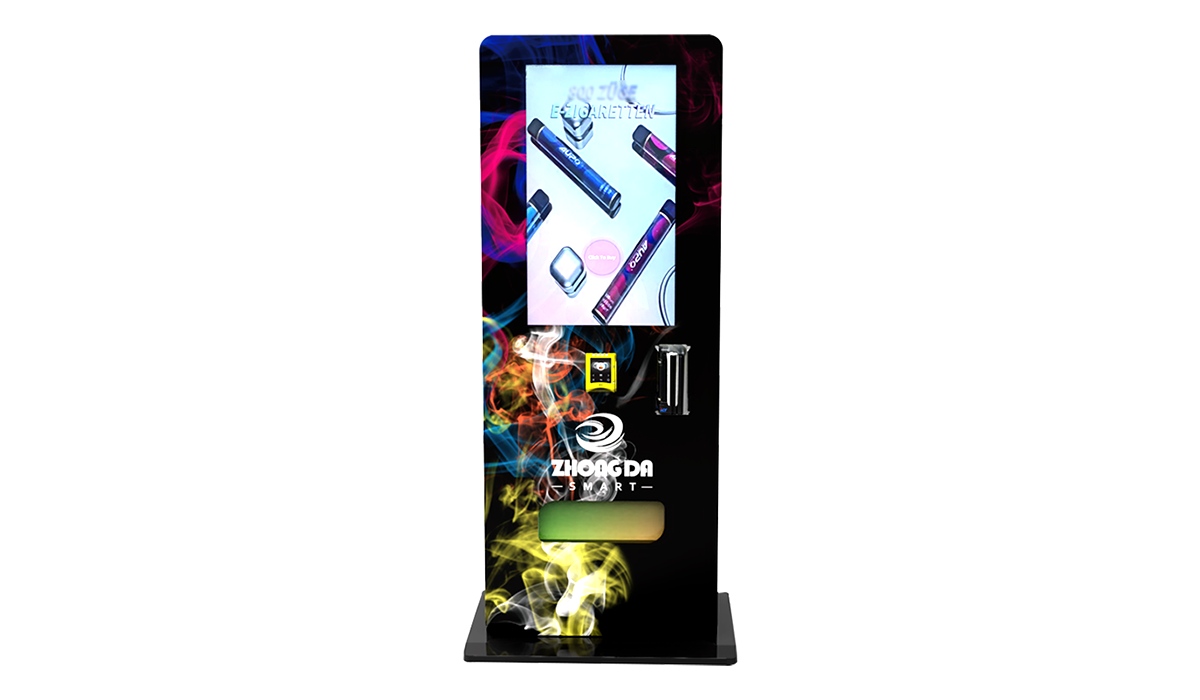
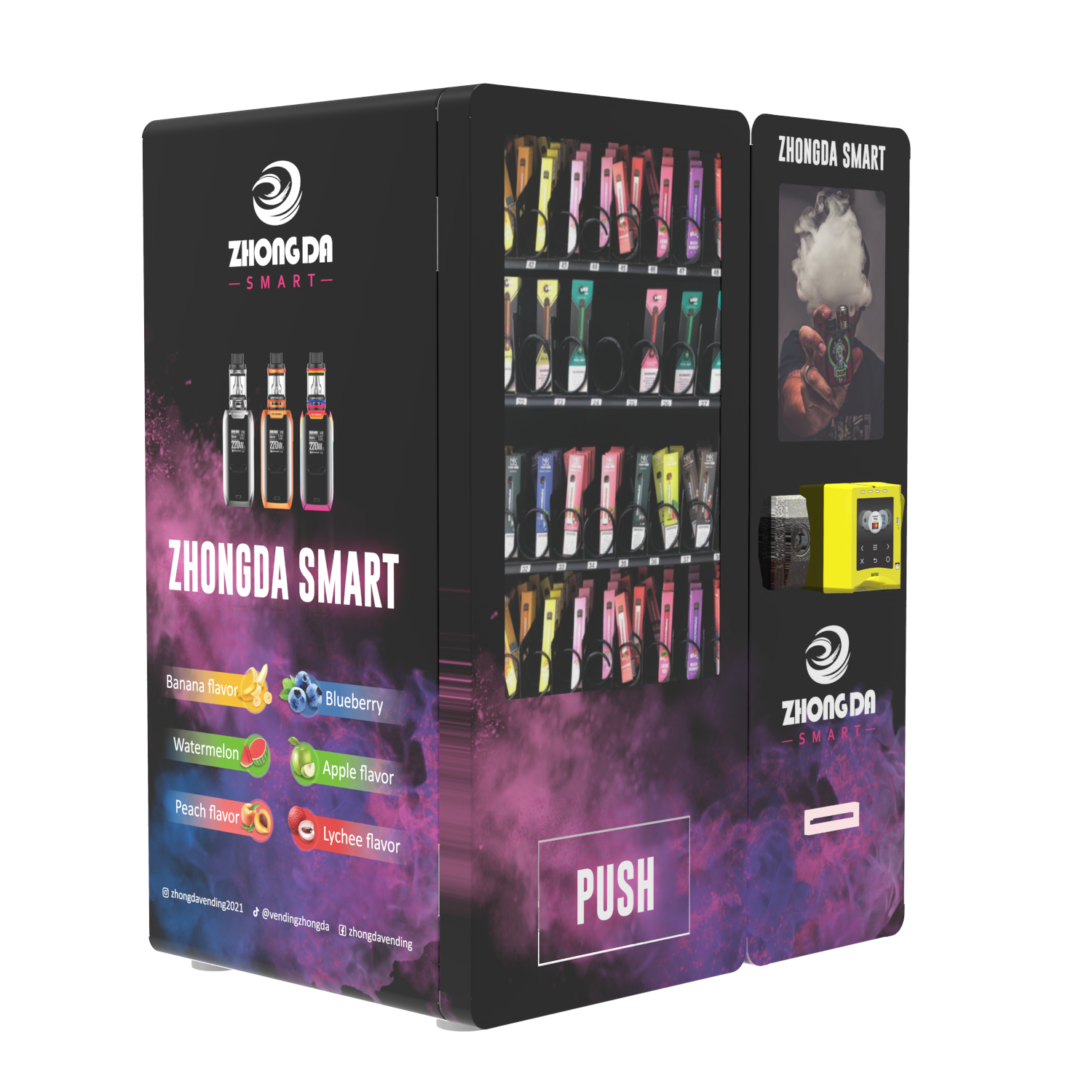
After spending the better part of a decade deploying and servicing vending systems across high-traffic retail and hospitality venues, I can tell you that the shift toward age verification vending machines isn't just a trend—it's a fundamental change in how restricted products reach the consumer. We've moved past the era of unattended sales being a regulatory gray area. Today, a compliant, smart vending machine with integrated ID scanning is the only way to sell age-restricted items like nicotine products without risking your license or facing fines. My team and I have designed, built, and operated these units from the ground up, and I want to walk you through what actually works in the field, what doesn't, and how to make the numbers work.
The Real Engineering Behind a Compliant Machine
Most people look at a vending machine and see a refrigerator with coils. That’s not what we’re building anymore. A modern age verification vending machine is a networked security device that happens to sell products. The core engineering challenge isn't the dispensing mechanism—it's the identity verification pipeline. We integrated cameras, document scanners, and sometimes biometric sensors into a single workflow that takes under ten seconds. The machine has to parse a driver’s license, check the expiration date, verify the hologram, and cross-reference the birth date against a configurable age threshold. If that fails, the transaction stops. No override, no workaround.
From a hardware perspective, the most critical component is the scanner module. We tested five different OEMs before settling on one that could handle damaged IDs and low-light conditions without crashing the payment system. The second most important piece is the software stack that manages the age database and syncs with local regulations. We update our firmware roughly every quarter because state and provincial laws change faster than most operators expect. If you buy a machine that can’t receive remote updates, you’re buying a brick within two years.
Why Some Machines Fail in the Field
I’ve seen operators buy cheap units from overseas vendors that claim to have age verification but actually just check the date format on a card. Those machines get shut down in the first audit. Real compliance requires reading the barcode, decoding the magnetic stripe, and matching the face on the ID to the person standing in front of the camera. We built that triple-layer check into every unit we manufacture because we learned the hard way that a single point of failure gets you sued. One of our early prototypes in a test bar in Nevada failed because the camera angle missed shorter customers. We had to redesign the entire user interface to be adjustable. Those are the details that separate a working deployment from a liability.
Breaking Down the Cost Structure
Let’s talk numbers because that’s what matters when you’re presenting a business case to a partner or a bank. The upfront cost for a fully compliant age verification vending machine ranges from $4,500 to $8,500 depending on the form factor and software license. A wall-mounted compact unit runs on the lower end, while a full-height kiosk with a 21.5-inch touchscreen and biometric add-on sits at the higher end. That price includes the scanner module, the payment terminal, the cooling system, and the initial software setup. Shipping and installation add roughly $300 to $600 depending on your location.
| Component | Estimated Cost | Notes |
|---|---|---|
| Machine chassis and cooling | $1,800 – $2,500 | Varies by size and insulation quality |
| ID scanner and camera module | $800 – $1,200 | Must support barcode and MRZ reading |
| Payment system (card + cashless) | $600 – $900 | NFC and EMV compliant required |
| Software license and cloud sync | $500 – $1,000 | Annual renewal often required |
| Touchscreen and UI controller | $400 – $700 | Industrial grade, not consumer tablet |
| Shipping and installation | $300 – $600 | Depends on distance and site prep |
Ongoing costs include the merchant processing fee, which averages 2.6% plus $0.10 per transaction, and the cellular data plan for remote monitoring at around $15 to $25 per month. If you lease the machine, the monthly payment typically lands between $150 and $250 over a three-year term. I recommend buying outright if you have the capital because the interest on leasing eats into your margin faster than most operators realize.
Revenue Model and Profit Margins
The profit story is straightforward if you control the product cost. On a $12 vape pod or disposable device, the wholesale cost is roughly $5 to $6. That leaves a gross margin of 50 to 58 percent. After transaction fees, electricity, and amortized machine cost, the net margin settles around 35 to 40 percent. A single machine placed in a busy bar or a hotel lobby can generate $800 to $1,500 in monthly revenue, which translates to $280 to $600 in net profit per unit. The key variable is foot traffic and the average transaction value. Locations with late-night operations perform significantly better because convenience stores are closed and customers don’t want to leave the venue.
We tracked data across 47 machines over an 18-month period and found that the average payback period for a new deployment is 11 to 15 months. Machines placed in venues with more than 200 daily visitors hit payback in under 10 months. The worst performers were in low-traffic hotels where the machine sat unused for hours. I always tell new operators to audit the foot traffic before signing a location agreement. Count heads for a week. If you don’t see at least 150 people per day walking past the spot, move on.
Real Location Performance Comparison
| Location Type | Avg Monthly Revenue | Avg Net Profit | Payback Period |
|---|---|---|---|
| Nightclub / Bar | $1,200 – $1,800 | $420 – $720 | 9 – 12 months |
| Hotel Lobby | $600 – $900 | $210 – $360 | 14 – 20 months |
| Convenience Store | $800 – $1,200 | $280 – $480 | 11 – 15 months |
| Office Building | $400 – $700 | $140 – $280 | 18 – 24 months |
Operational Realities You Won’t Read in a Brochure
Running a fleet of these machines is different from running a snack vending route. The product is higher value and more regulated. You need to restock more frequently because inventory turns faster in high-traffic spots. We schedule restocking every five to seven days for busy locations. If you let a machine run empty for more than two days, you lose the location because the venue manager sees lost revenue and starts questioning the partnership.
Maintenance is another area where operators underestimate the workload. The scanner module is the most failure-prone component. We see a 3 to 5 percent failure rate per year on the optical sensor. That means out of 100 machines, three to five will need a scanner replacement annually. The cooling system is generally reliable if you use a compressor-based unit, but thermoelectric coolers fail faster in warm environments. We stopped using thermoelectric units after the first summer in Arizona. They couldn’t keep the internal temperature below 80 degrees, and the product quality suffered.
Payment terminal connectivity also causes headaches. If the machine relies on Wi-Fi and the venue’s network goes down, you lose sales until you switch to cellular backup. We design all our machines with dual connectivity—Ethernet and LTE—so the transaction never hangs. That adds about $50 to the build cost but saves thousands in lost revenue over the machine’s life.
Choosing the Right Equipment for Your Market
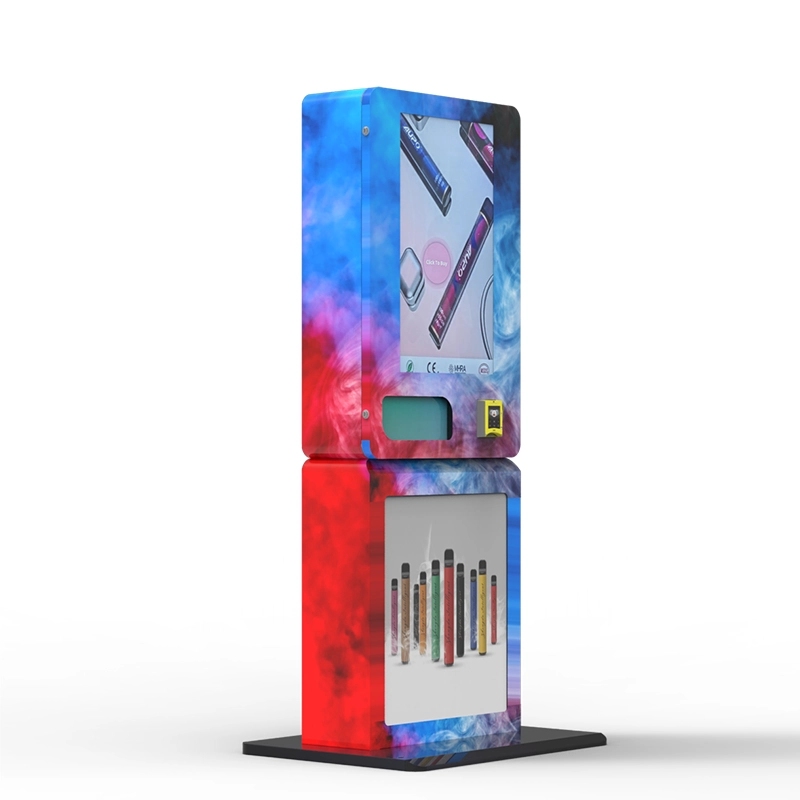
Not all age verification vending machines are built the same. The biggest differentiator is the verification depth. Some machines only scan the barcode on the back of a driver’s license, which is easy to spoof with a printed copy. Others, like the units we manufacture at Zhongda Smart, use a combination of barcode scanning, magnetic stripe reading, and facial comparison to ensure the person holding the ID is the person in the photo. That level of verification is what regulators expect when they audit your operation.
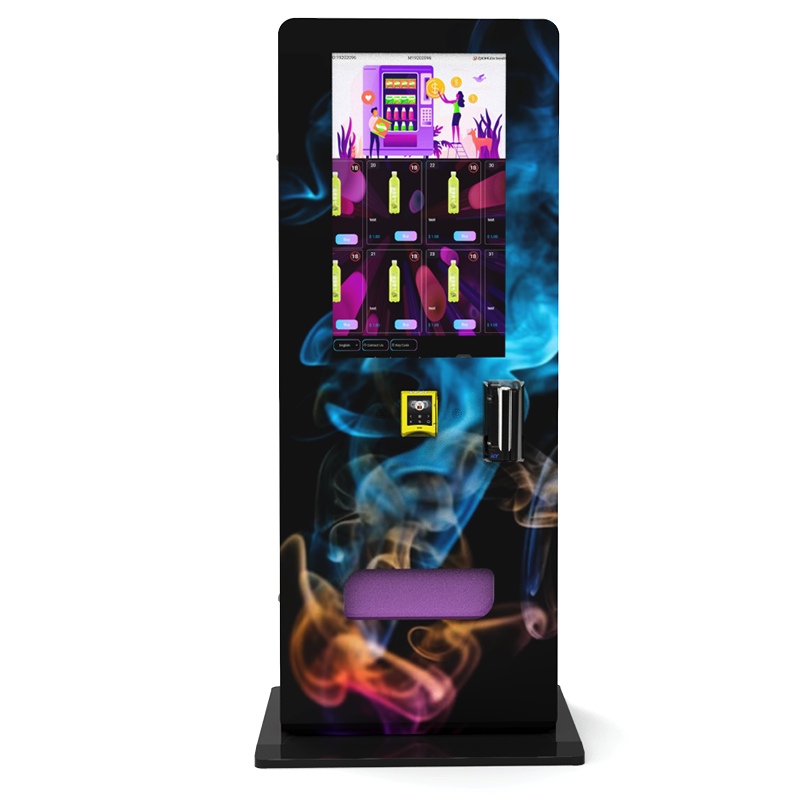
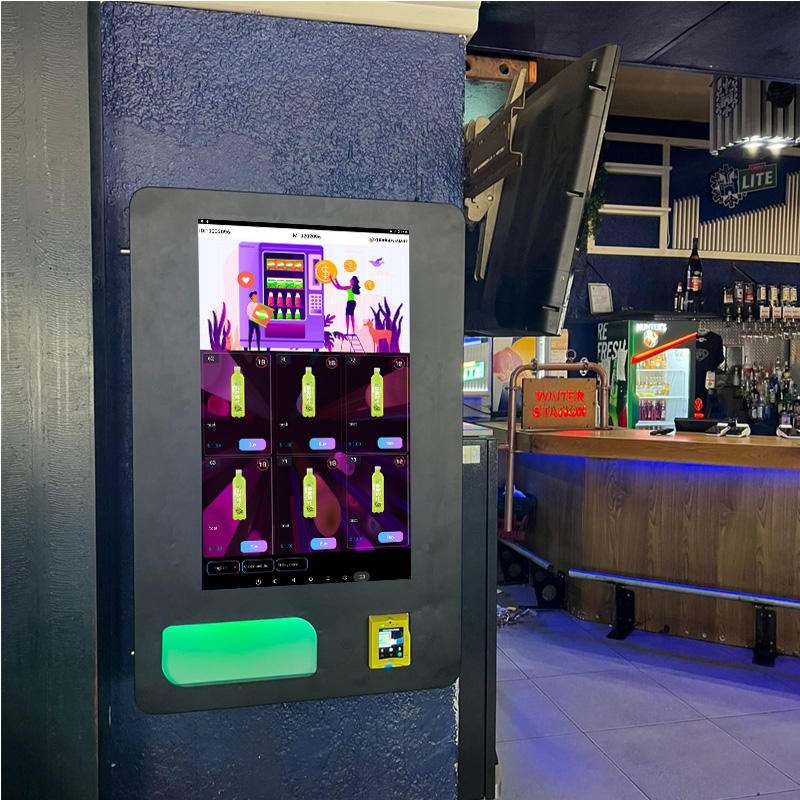
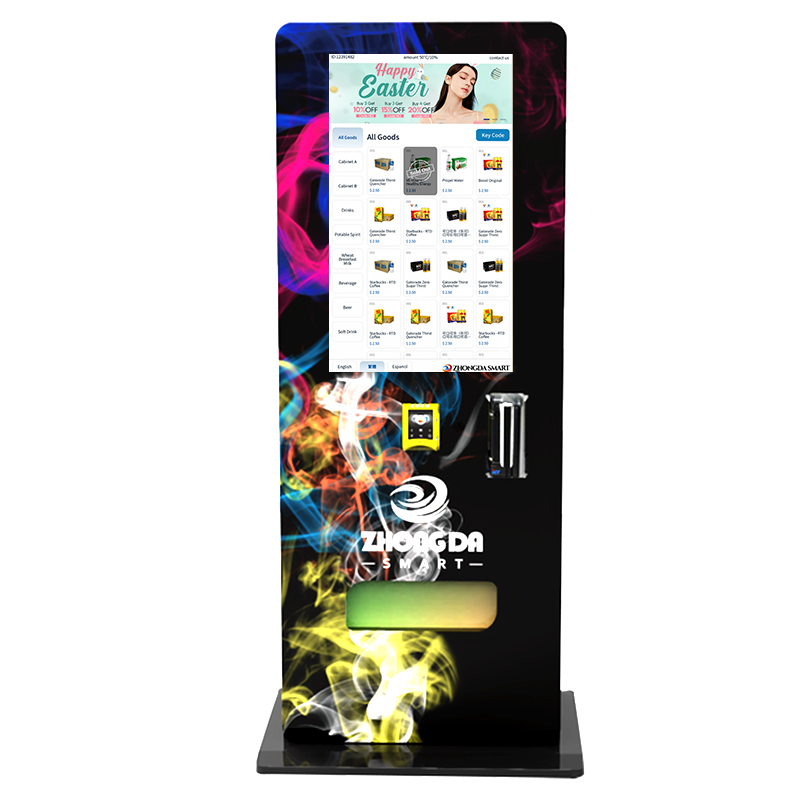
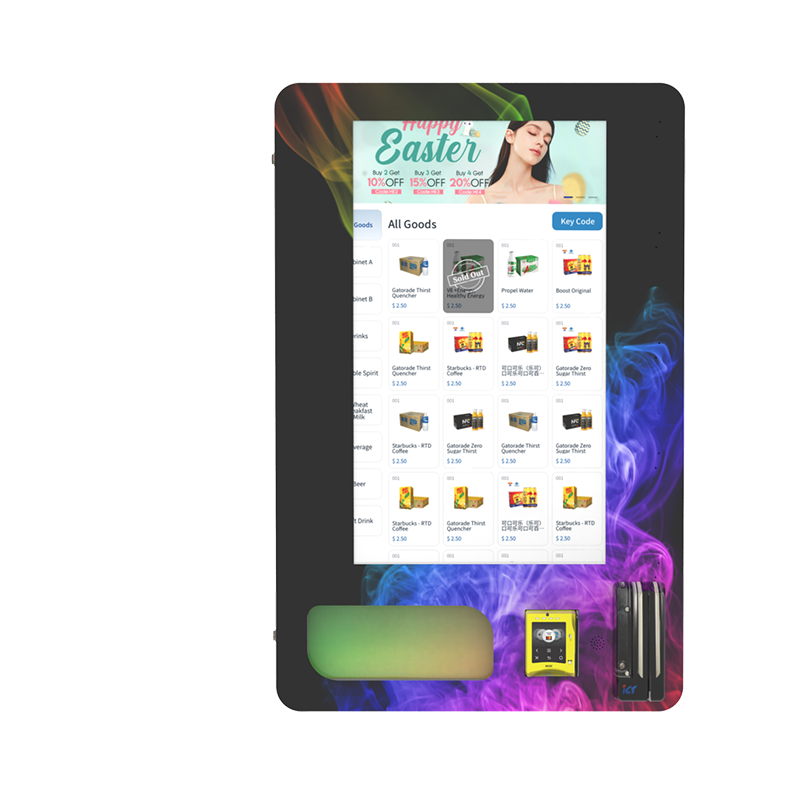
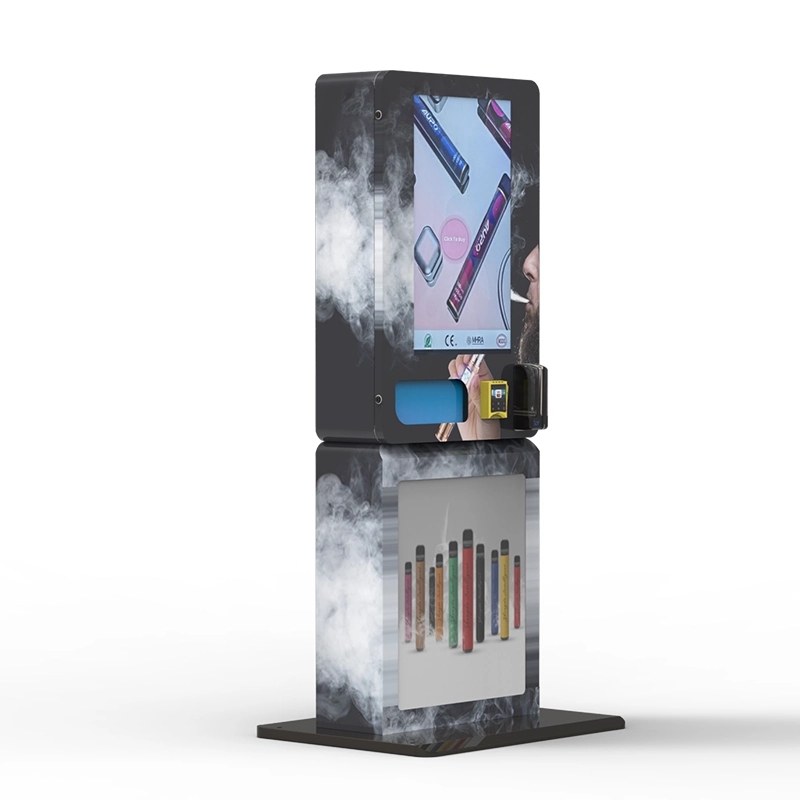
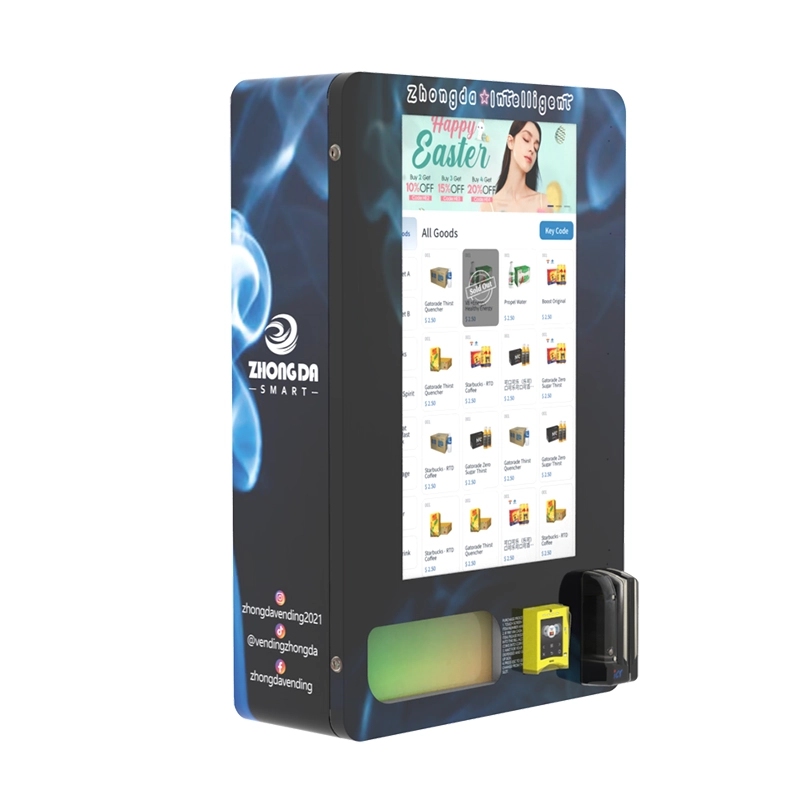
Form factor matters too. Wall-mounted machines are ideal for tight spaces like hotel corridors or small bars. Freestanding units work better in lobbies or retail corners with more floor space. We offer both configurations, and I usually recommend the wall-mounted for first-time operators because the upfront cost is lower and the installation is simpler. You can read more about the technical specifications of our wall-mounted compact unit if you’re considering that route.
Another consideration is the software interface. The machine should allow you to update pricing remotely, adjust age thresholds based on local laws, and pull sales reports in real time. If the vendor locks you into a proprietary system that charges per software update, walk away. We provide a cloud-based dashboard with every machine that gives you full control without recurring software fees. That’s a standard we set because we operate machines ourselves and know how frustrating it is to pay for basic functionality.
Risk Management and Common Pitfalls
The biggest risk in this business is regulatory non-compliance. If a minor bypasses the age check and buys a nicotine product, you face fines that can reach $10,000 per incident in some states. Worse, you lose your vending license and the location agreement. We built a failsafe into our machines that logs every verification attempt with a timestamp and a photo. That log is admissible in court and has saved two of our clients from fines when a third party tried to claim the machine failed.
Inventory shrinkage is another risk. Nicotine products are small and easy to pocket if the machine’s dispensing mechanism is not secure. We use a serpentine coil system that releases one unit at a time, and the machine won’t dispense the next item until the previous one is removed from the tray. That eliminates the “grab and run” trick that plagues spiral machines. We also added tamper sensors that trigger an alert if someone tries to force the door or pry the product tray.
One failure I remember clearly was a deployment in a college town where the machine was placed near a window. Direct sunlight hit the touchscreen for four hours a day, and the screen started ghosting after three months. We had to replace the display and install a sunshade. Now we include a UV-resistant screen coating as standard. Little lessons like that come from field experience, not from a spec sheet.
Long-Term Strategy for Scaling
If you’re serious about building a vending operation around age-restricted products, you need to think in terms of a network, not a single machine. The economics improve dramatically when you have 20 or more units because you can negotiate better wholesale pricing, spread maintenance costs across the fleet, and hire a dedicated restocker. We’ve seen operators start with one machine, prove the concept, and then scale to 50 units within two years. The key is to standardize on one machine model so your spare parts inventory is simple and your technicians don’t need to learn multiple systems.
Software integration becomes critical at scale. You need a central dashboard that shows real-time inventory levels, sales data, and error codes for every unit. We provide that with our cloud platform, and we’ve integrated with third-party route management systems for operators who prefer their own stack. The goal is to minimize truck rolls. Every time you send a technician to a machine for a non-critical issue, you lose money. Remote diagnostics can resolve 70 percent of software glitches without a site visit.
Partnerships with venue owners also matter more than most operators realize. If you split a percentage of the revenue with the location, you gain a vested partner who will protect the machine and report issues quickly. We’ve seen revenue-share models of 10 to 20 percent work well. The venue gets passive income, and you get a secure location with lower risk of vandalism.
Frequently Asked Questions
How does an age verification vending machine verify a customer’s age?
What is the average cost of an age verification vending machine?
How much profit can I make from one machine per month?
What happens if the age verification system fails?
Do I need a special license to operate these machines?
Can the machine be used for products other than nicotine?
How often do I need to restock the machine?
What maintenance is required over the machine’s lifetime?
Final Thoughts from the Factory Floor
I’ve been in this industry long enough to see the shift from unmonitored cigarette machines to fully compliant, smart kiosks. The technology is mature now, and the business case is solid if you approach it with the right expectations. Don’t buy the cheapest machine you find. Buy the one that passes an audit. Invest in the verification system, build relationships with good locations, and monitor your machines like a hawk. That’s the formula that works, and it’s the one we use in our own deployments. If you want to see the specific models we build and operate, take a look at our age verification vending machine lineup. We stand behind them because we use them ourselves.