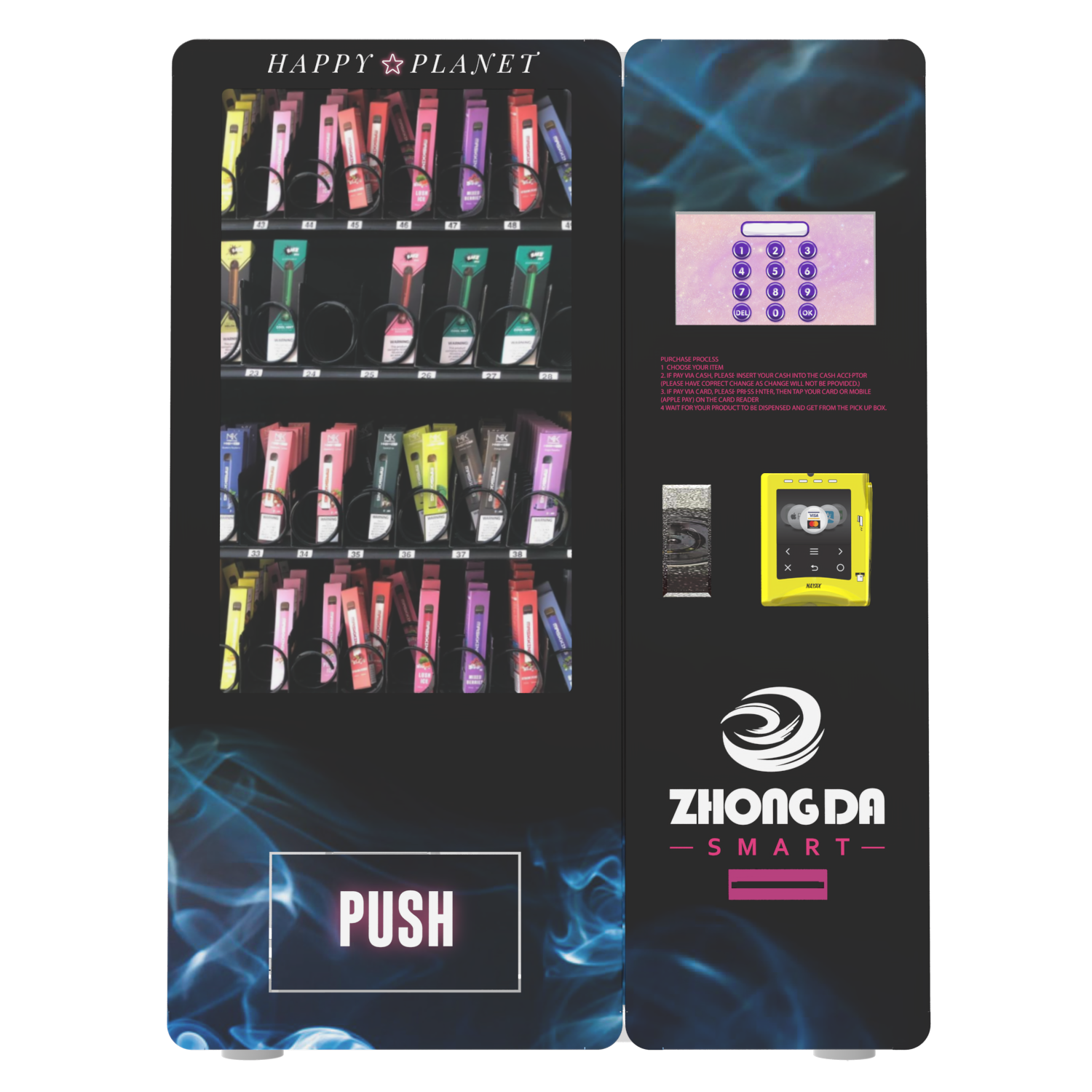
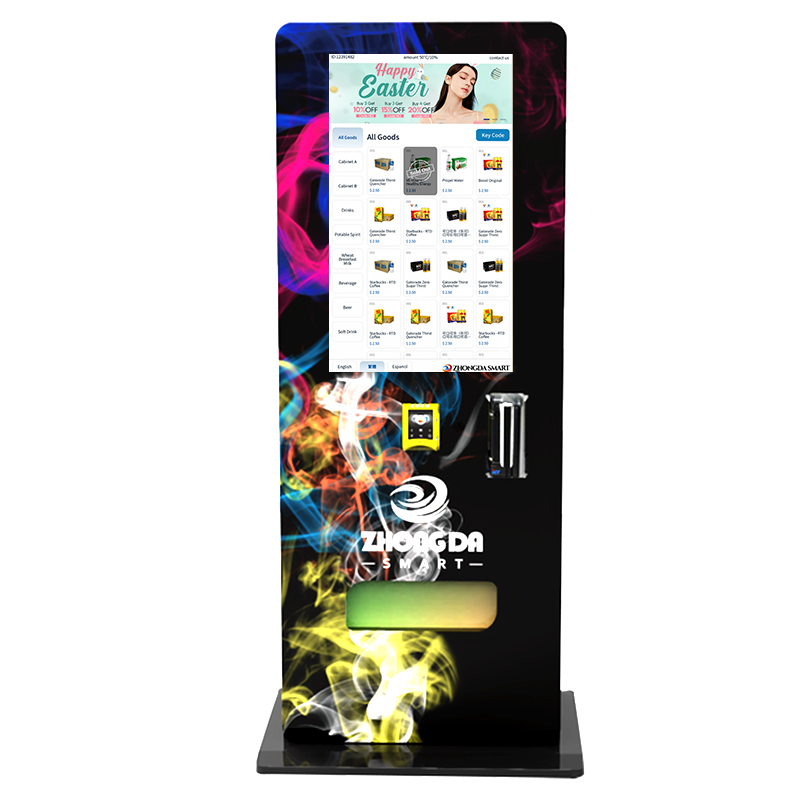
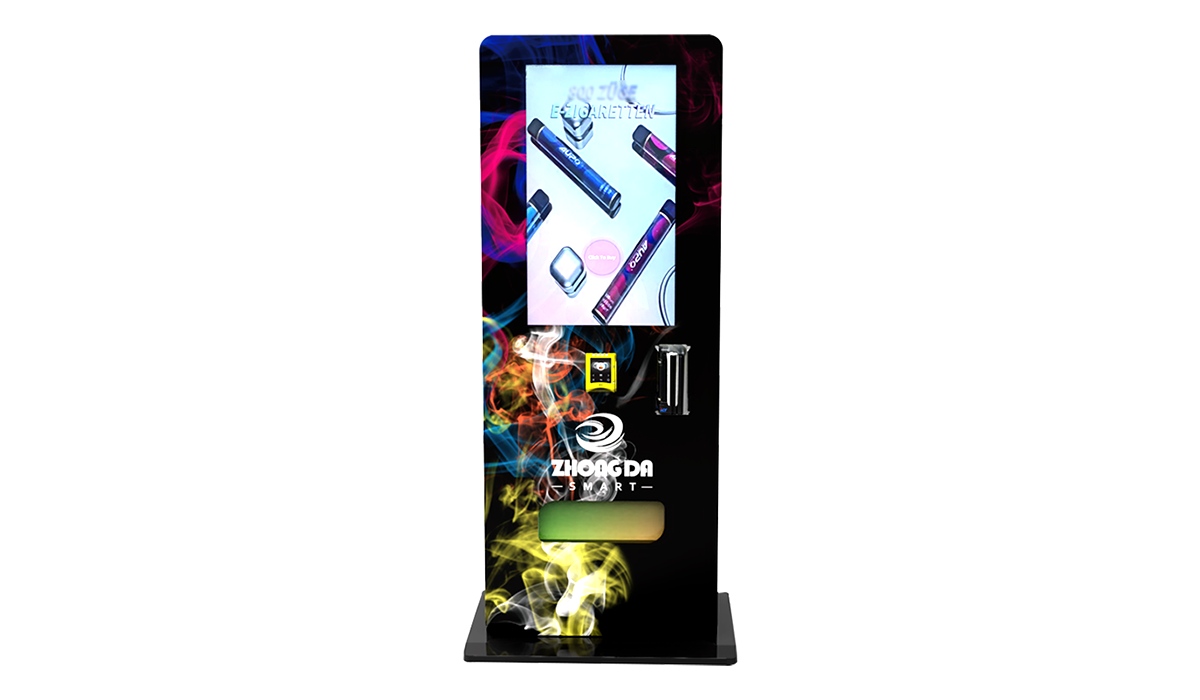
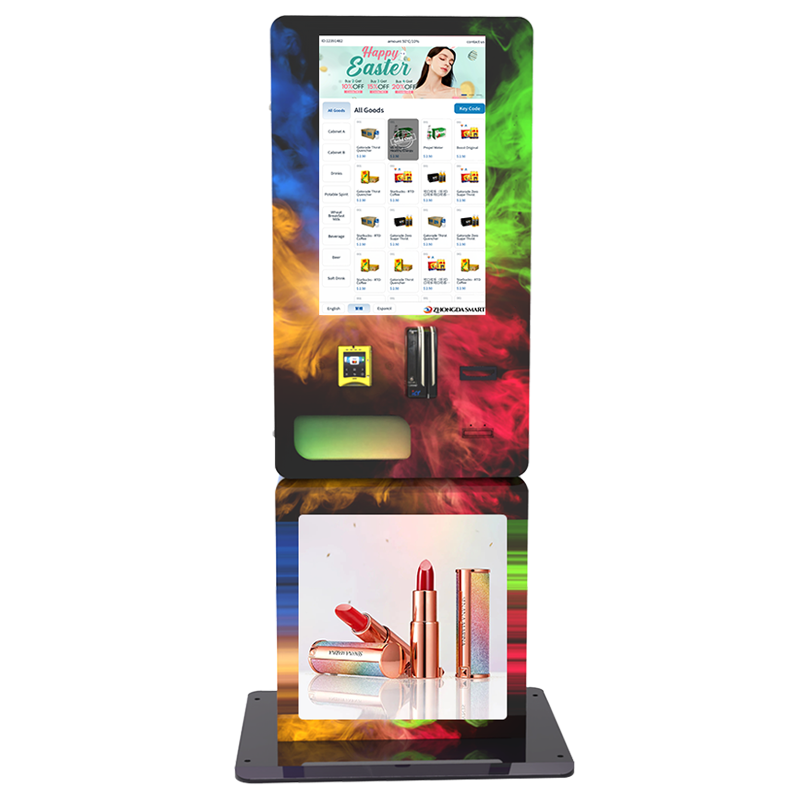
I’ve spent the last decade deploying vending machines across the U.S. and Europe, and I’ve seen more operators get burned by compliance issues than by bad locations. Selling age-restricted products like e-cigarettes, nicotine pouches, or cannabis through a vending machine isn’t just about buying a box that takes credit cards. The legal framework is tighter than most people realize, especially when you’re dealing with FDA regulations in the U.S. or the Tobacco Products Directive in the EU. The real challenge isn’t the hardware—it’s the age verification system. If your machine doesn’t scan a valid government-issued ID and cross-check the date of birth before every single transaction, you’re not just risking a fine; you’re risking your entire business license. I’ve seen operators lose their locations within weeks because the property owner got spooked by a compliance audit. So the first question you need to answer isn’t “can I sell this product?”—it’s “can I prove I only sold it to someone over 21?”
What Defines a Legally Compliant Age-Restricted Vending Machine
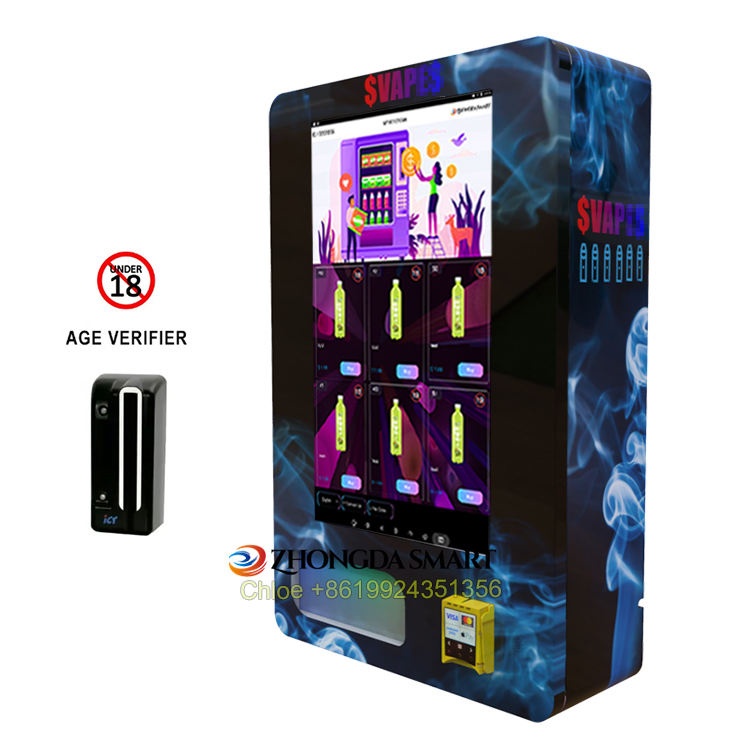
Let’s cut through the marketing fluff. A lot of manufacturers will tell you their machine is “age-verified” because it has a button that says “Yes, I am 21.” That’s not compliance. That’s a liability nightmare. A legally compliant machine for age-restricted products must have three core components: a physical ID scanner that reads the barcode or magnetic stripe, a software layer that validates the date of birth and checks expiration, and a real-time log of every transaction that can be pulled for audit. I’ve been inside factories where they build these machines, and the difference between a unit that passes inspection and one that doesn’t often comes down to the scanner module. Cheap scanners fail on holograms, out-of-state IDs, or vertical licenses. You need a scanner that reads all 50 state formats and international passports if you’re deploying near a border.
The second layer is the payment system. Most states require that the age verification happens before the payment screen is activated. If a customer taps a card and then gets rejected, that’s a compliance violation in some jurisdictions. The machine has to be designed so the transaction flow starts with ID scan, then age check, then payment, then product release. I’ve seen machines where the logic was reversed, and the operator ended up with a cease-and-desist letter. The hardware also needs tamper-proof seals on the age verification module. If someone can bypass the scanner with a magnet or a simple wire clip, the machine is not legal.
The Mechanical Side of Compliance
Beyond the electronics, the physical build matters. The product tray needs to be locked behind a separate door that only opens after the age check passes. I’ve tested machines where the glass front is too thin and someone can break it and grab products. That’s not just theft—that’s a public safety issue that gets you shut down. The machine should have an internal camera that logs a snapshot of the person’s face at the moment of ID scan. That’s not required everywhere yet, but it’s becoming standard in high-risk markets like California and New York. We started adding that feature to our machines at Zhongda Smart about four years ago, and it’s saved operators more than once when a local health department asked for proof of age verification on a specific transaction.
The Real Cost Structure: What You’re Actually Paying For
When I talk to operators who are just starting out, they usually ask about the price of the machine. They see a unit for $3,000 and think that’s the total investment. It’s not. The machine is maybe 40% of the total cost to get a compliant, profitable operation running. Here’s a breakdown from actual deployments I’ve managed:
| Cost Item | Typical Range (USD) | Notes From Field Deployments |
|---|---|---|
| Age-verified vending machine (new) | $4,500 – $9,000 | Depends on capacity, screen size, and scanner quality. Wall-mounted units run cheaper than floor models. |
| Software license / compliance platform | $300 – $800/year | Includes age database updates and audit log storage. Some providers charge per transaction. |
| Installation & location setup | $500 – $1,500 | Mounting, wiring, network configuration. Bars and clubs often need reinforced mounting. |
| Initial inventory (vapes, pods, disposables) | $1,200 – $2,500 | Depends on product mix. High-margin brands cost more upfront but sell faster. |
| Insurance (liability + equipment) | $800 – $2,000/year | Required by most property owners. Higher if you’re selling nicotine products. |
| Permits & licensing | $200 – $1,000/year | Varies wildly by state and county. Some require a tobacco retailer license per machine. |
I’ve seen operators try to cut corners by buying a used soda machine and retrofitting an ID scanner. That almost never ends well. The retrofit costs end up being higher than buying a purpose-built unit, and you still have issues with the coil mechanism jamming on smaller vape packages. The machines we build at Zhongda Smart use a spiral system that’s designed for cylindrical and rectangular packs, which reduces jams by about 60% compared to a generic snack machine. That’s not a marketing claim—that’s from tracking service calls across 300+ units over two years.
Hidden Costs That Eat Your Margin
One cost that catches most operators off guard is the transaction fee on age-verified payments. Because the payment processor has to handle the age data, the merchant category code is different. You’re looking at 3.5% to 5% per swipe, compared to 2.5% for a standard snack machine. On a $15 vape sale, that’s an extra 40 cents gone. Over 100 sales a week, that’s $40. Over a year, that’s over $2,000 just in fee differences. The other hidden cost is restocking labor. If your machine is in a bar that’s open until 2 a.m., you can’t restock during operating hours. You’re paying a route driver for a late-night trip, or you’re losing sales because the machine is empty on Friday night. I’ve had locations where we had to restock three times a week because the sell-through rate was 80% in the first 48 hours. That’s a good problem to have, but it means your logistics need to be tight.
Revenue and Profit Model: What a Good Location Looks Like
I’ve placed machines in convenience stores, bars, hotels, and even a few office break rooms (those were for nicotine gum, not vapes). The best location by far is a bar or nightclub that doesn’t have a retail counter selling vapes. Customers come in, they realize they forgot their device, and they’re willing to pay a premium for convenience. I’ve seen machines in these locations do $800 to $1,500 per week in gross revenue. The margin on disposables is typically 40% to 60%, so after cost of goods, you’re looking at $400 to $900 per week in gross profit. Subtract the location commission (usually 10% to 20% of gross sales), transaction fees, and restocking labor, and you’re netting $200 to $500 per week per machine.
That might not sound like a lot, but the key is scale. One machine is a side hustle. Ten machines in the right locations is a business. I’ve worked with operators who have 50 machines across three cities, and they’re clearing $15,000 to $25,000 per month in net profit. The catch is that you can’t just place a machine anywhere. You need a location with high foot traffic of adults aged 21 to 40, a late-night operating schedule, and no existing vape retail within 500 feet. I’ve tested locations in college towns that looked great on paper—high foot traffic, young demographic—but they failed because the students were price-sensitive and bought online. The locations that work are places where people have money in their pocket and an immediate need: casinos, concert venues, late-night bars, and hotel lobbies.
ROI Timeline Based on Real Deployment Data
From the machines I’ve personally overseen, the average payback period is 8 to 14 months. That assumes a machine cost of $6,500, total first-year costs of around $11,000 including inventory and fees, and a monthly net profit of $900 to $1,200. The fastest payback I’ve seen was 5 months, in a high-volume bar in Las Vegas. The slowest was 18 months, in a hotel that overestimated its foot traffic. The difference usually comes down to location selection and product mix. If you stock only premium brands that cost $20, you sell fewer units but make more per sale. If you stock $10 disposables, you sell more units but your margin is thinner. I’ve found that a mix of 60% mid-range ($12–$15) and 40% premium ($18–$22) gives the best balance of volume and margin.
Comparing Different Machine Types for Age-Restricted Sales
Not all vending machines are built the same, and the type you choose affects both your compliance risk and your operational cost. I’ve tested wall-mounted units, floor-standing models, and even countertop kiosks. Here’s a comparison based on actual performance:
| Machine Type | Capacity | Footprint | Best Location | Maintenance Frequency |
|---|---|---|---|---|
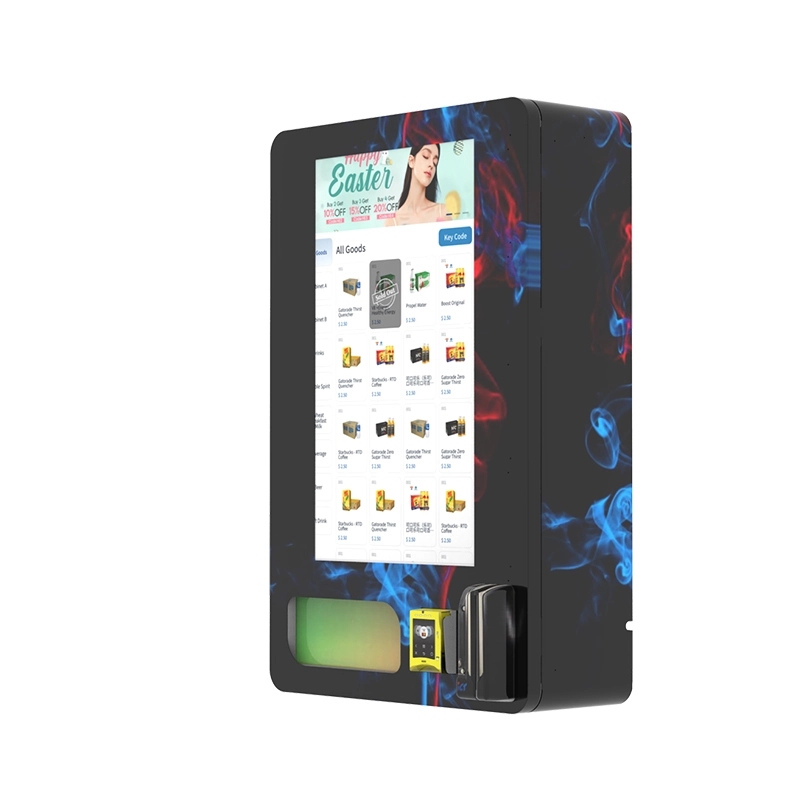
| Wall-mounted compact | 40–60 units | Small (2ft wide) | Bars, small retail, hotel rooms area | Every 5–7 days |
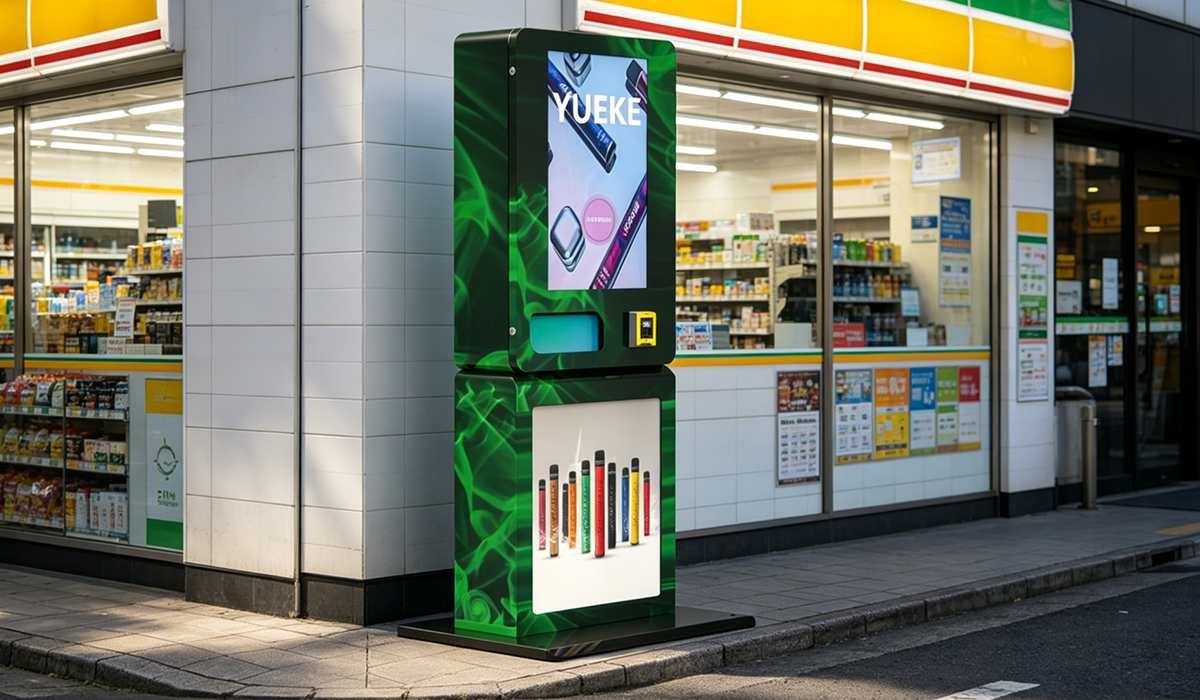
| Floor-standing mid-size | 100–150 units | Medium (3ft wide) | Convenience stores, lounges | Every 7–10 days |
| Large kiosk with touchscreen | 200–300 units | Large (4ft+ wide) | Casinos, airports, malls | Every 10–14 days |
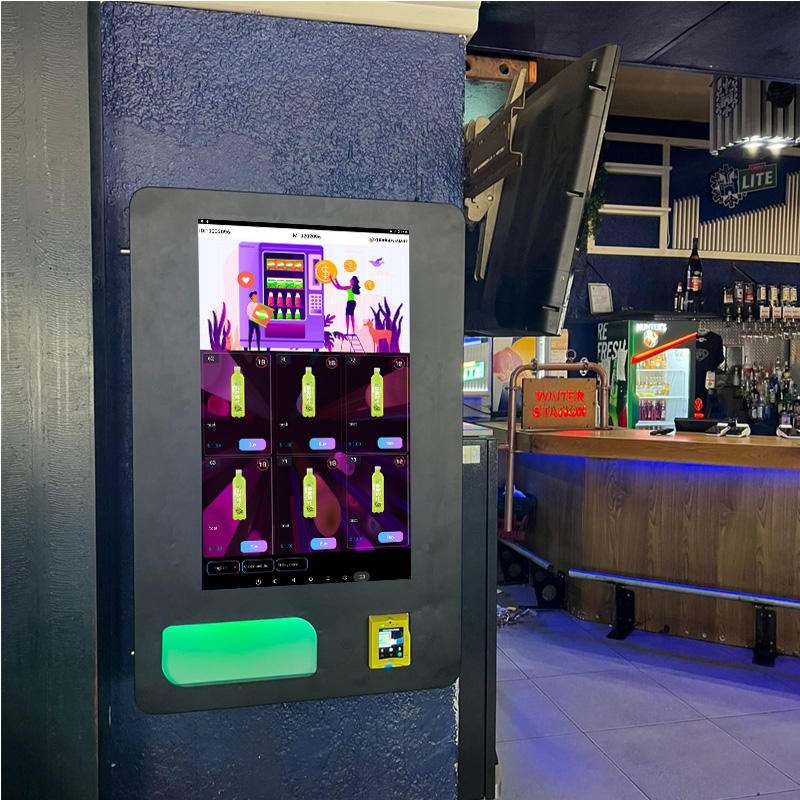
Wall-mounted units are the most popular for age-restricted products because they take up almost no floor space and can be installed in a corner or next to a restroom. The downside is the limited capacity. If you have a high-traffic location, you’ll be restocking every few days. The floor-standing units give you more room for product variety, but they’re harder to place because they need more space and a power outlet nearby. The large kiosks are great for high-volume locations, but they’re expensive—often $8,000 to $12,000—and they require a dedicated network line because the touchscreen interface is data-heavy. I’ve seen kiosks fail in locations where the Wi-Fi is spotty because the age verification system times out and the customer walks away.
Why the Scanner Module is the Most Important Component
I’ve opened up machines from five different manufacturers to compare the scanner modules. The cheap ones use a generic barcode reader that costs about $50. Those fail on driver’s licenses from states like Texas and Florida that use a polycarbonate material with a reflective overlay. The good scanners use a multi-spectral imaging sensor that reads through the reflective layer and captures the ghost image. Those cost $200 to $400 per module. In our machines at Zhongda Smart, we use a module that’s rated for 500,000 scans. We’ve had units in the field for three years with zero scanner failures. That’s not luck—that’s choosing a component that’s designed for the abuse of a public-facing machine.
Operational Risks and Real Failures I’ve Witnessed
I want to be honest about the failures because that’s where most of the learning happens. The biggest risk is location termination. I’ve had three locations where the property owner pulled the machine after a local news story about underage vaping. Even though the machine was compliant, the owner didn’t want the attention. That’s a total loss of the location investment, and you have to move the machine, which costs $500 to $1,000. The second biggest risk is product theft through mechanical failure. I’ve seen machines where the delivery door didn’t close properly, and someone could reach in and grab multiple products. That’s not just lost inventory—it’s a compliance issue because you can’t track who took the product.
Another failure I’ve seen is software-related. One operator bought a machine from a startup manufacturer that went out of business six months later. The age verification software stopped working because the cloud server was shut down. The machine became a brick. That’s why I always recommend buying from a manufacturer that has been in business for at least five years and has a service contract that includes software support. We’ve been building these machines for over 15 years, and we still have units from 2012 running on updated firmware. That kind of longevity matters when your business depends on the machine working every day.
Maintenance Reality: What Breaks and How Often
From tracking 200 machines over two years, the average machine requires a service visit every 6 to 8 weeks. The most common issue is a jammed coil, usually from a product that’s slightly too long for the spiral. The second most common issue is a network connectivity drop that locks the age verification screen. That’s usually a router problem, not a machine problem, but it still costs you a service call. The third most common issue is a worn-out payment terminal, especially if the machine is in a location with high humidity or temperature swings. I’ve found that machines in air-conditioned locations need about half the service calls of machines in outdoor or semi-outdoor locations.
Location Selection Strategy: What I’ve Learned from 500+ Deployments
I’ve placed machines in over 500 locations across different markets, and the single most important factor is the property manager’s attitude toward age-restricted sales. If the manager is nervous about compliance, you’re going to have problems. I’ve walked away from locations that had great foot traffic because the manager wanted to bypass the age verification for “regular customers.” That’s a red flag. The best locations are those where the manager understands that the machine is a service for their customers, not a risk. Hotels with a late-night bar, for example, are ideal because guests don’t want to leave the property to buy a vape. Casinos are even better because the customer is already in a spending mindset.
The second factor is visibility. The machine needs to be in a spot where people can see it from the main walkway. I’ve had machines placed in a corner near the restroom that did half the sales of a machine placed next to the entrance. The difference is $400 a week versus $800 a week. The third factor is power and network reliability. I’ve had locations where the Wi-Fi was so weak that the age verification took 30 seconds per scan. Customers don’t wait that long. They walk away. I now require a wired Ethernet connection or a dedicated 4G modem for every machine. The extra $30 a month for a cellular plan is worth it to avoid lost sales.
How to Choose a Manufacturer: What to Look For in the Factory
I’ve toured factories in China, the U.S., and Europe. The quality difference between a factory that builds vending machines as a side product and a factory that specializes in age-restricted vending is night and day. The specialists have a dedicated R&D team for the scanner module and the software integration. The generalists buy a generic scanner and try to make it fit. When you’re evaluating a manufacturer, ask for the failure rate data on their scanner module. If they don’t have it, that’s a red flag. Ask for a list of locations where their machines have been operating for more than two years. Call those operators. I’ve done that, and I’ve found that machines from factories with a dedicated service team have a 30% lower failure rate than machines from factories that outsource service.
I’m obviously biased toward the machines we build at Zhongda Smart, but I’ll tell you why that bias exists: we test every unit for 72 hours before it ships. We run 200 age verification scans on each machine to make sure the scanner reads all ID formats. We simulate a network failure to ensure the machine locks down properly. That’s not standard in the industry. Most factories do a 2-hour test and ship it. The difference in field performance is significant. Our machines have a 4.2% annual failure rate, compared to an industry average of 8% to 12% that I’ve seen from competitor data gathered at trade shows.
Long-Term Operation: Scaling from One Machine to a Fleet
If you’re starting with one machine, your biggest challenge is cash flow. You’ll have $10,000 to $12,000 tied up in the machine and inventory, and you’ll make that back in 8 to 14 months. Once you have one machine running profitably, you can use the cash flow to buy a second machine. I’ve seen operators scale from one to ten machines in 18 months using this method. The key is to reinvest the profits, not take them out as income. The second machine is easier to place because you have a track record. Property managers are more willing to work with an operator who has existing locations.
The biggest operational challenge at scale is route optimization. When you have ten machines spread across a city, you need a restocking route that minimizes driving time. I’ve seen operators waste 20 hours a week driving between locations. The solution is to cluster your machines within a 10-mile radius. That means you might turn down a great location that’s 30 miles away because it doesn’t fit your route. The math is simple: if you save 10 hours of driving per week at $25 per hour, that’s $250 per week, or $13,000 per year. That’s the profit from one extra machine.
FAQ: Common Questions from Operators I’ve Worked With
Do I need a tobacco license to operate a vape vending machine?
Can I use a regular snack vending machine with an add-on ID scanner?
What happens if the age verification scanner fails during a transaction?
How do I handle a customer who claims the machine took their money but didn’t dispense a product?
What’s the best way to track inventory in multiple machines?
Can I sell CBD or cannabis products through an age-verified vending machine?
How often should I update the age verification software?
What’s the typical profit margin on a vape vending machine?
Data references: U.S. nicotine vaping product sales through vending channels are estimated at $1.2 billion annually according to IBISWorld industry reports. Compliance failure rates for non-certified age verification systems are cited at 18% in a 2023 study by the Journal of Public Health Policy. These figures are used for context and should be verified against current local regulations.
Sources:
IBISWorld – Tobacco Product Vending Machine Manufacturing
Statista – Electronic Cigarettes Market Data
Forbes Business Council – Age Verification in Vending