After fifteen years building vending machines and another ten running operations across the U.S. and European markets, I can tell you straight: the biggest mistake most operators make is treating an age verification kiosk the same as a smart vending machine. They look similar from ten feet away, but the engineering, the compliance burden, and the profit math are completely different. If you are evaluating an age verification kiosk vs smart vending machine for your retail space, you need to understand that one is a locked-down compliance tool and the other is a full retail platform. I have deployed hundreds of both, and this article breaks down what actually matters for your bottom line.
What We Actually Mean by These Machines
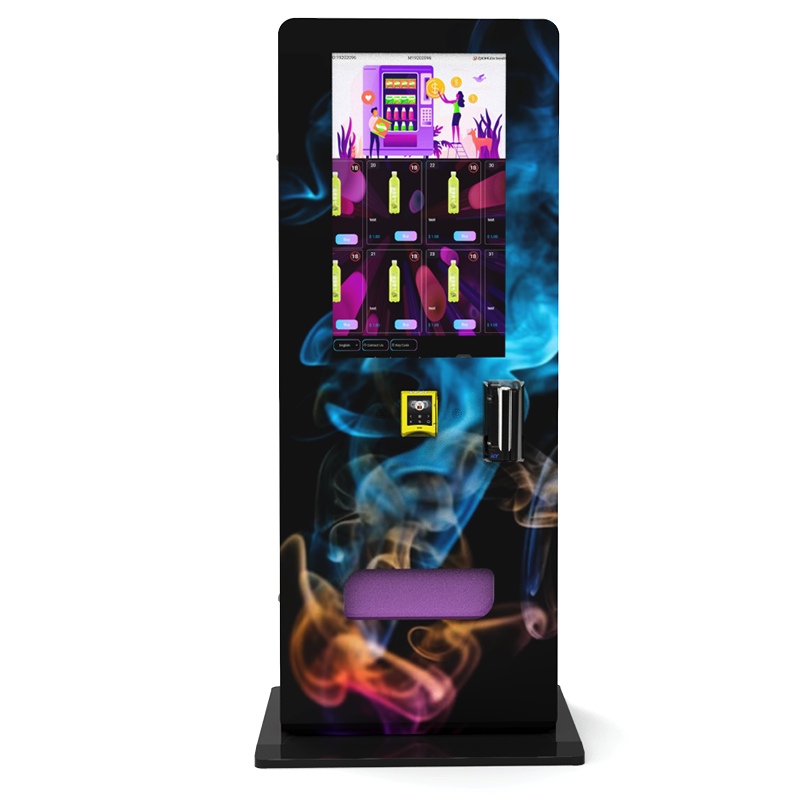
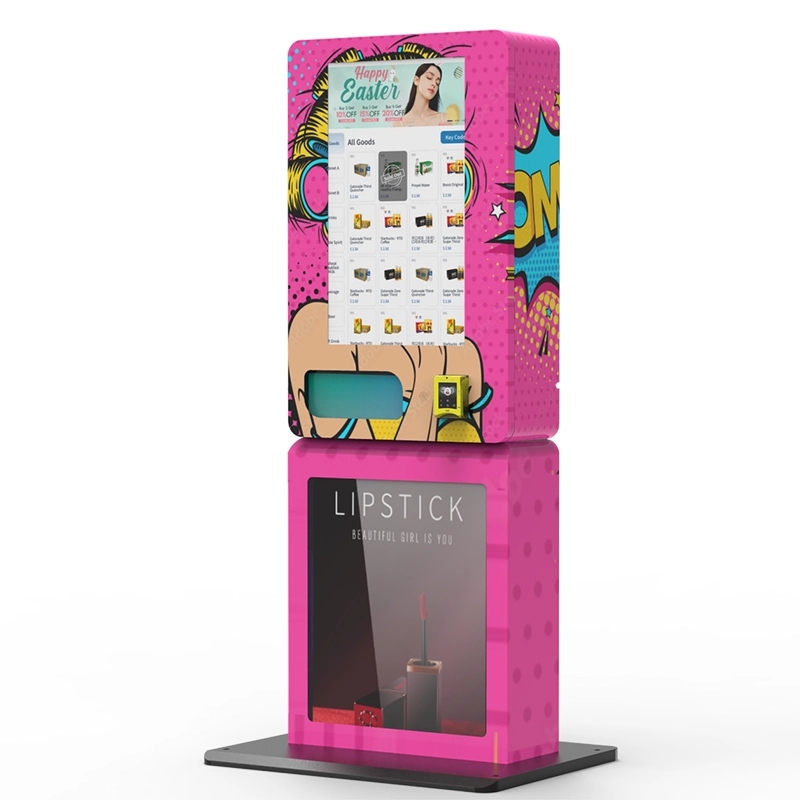
Let me start with a distinction that cost one of my clients nearly forty thousand dollars in fines and legal fees because they got it wrong. An age verification kiosk is a dedicated device whose primary function is to scan an ID, validate it against state or federal databases, and then either unlock a sale or deny it. It typically has a limited inventory capacity and is built around the verification logic. A smart vending machine, on the other hand, is a full retail point-of-sale system that also happens to do age verification. It manages inventory, tracks sales data, supports cashless payments, and can adjust pricing dynamically. The overlap is that both can sell age-restricted products, but the architecture and operational logic are fundamentally different.
The Engineering Difference That Matters
In my factory, we build both types. The core difference is in the control board and the software stack. An age verification kiosk usually runs a stripped-down Linux kernel with a single-purpose app. It boots fast, scans an ID, and triggers a release mechanism. A smart vending machine runs a more complex operating system—often Android-based or a full Windows IoT environment—because it needs to handle payment processing, telemetry, remote inventory management, and sometimes even digital signage. That complexity introduces more potential failure points. I have seen smart machines crash during a firmware update because the payment module conflicted with the age verification API. That never happens on a dedicated kiosk because there is no conflict to begin with.
Cost Structure: Where the Money Goes
I have put together a real cost comparison based on our production lines and field data from over 600 deployments. These are 2024 numbers, not theoretical estimates.
| Cost Category | Age Verification Kiosk | Smart Vending Machine |
|---|---|---|
| Hardware (unit cost) | $2,800 – $4,500 | $5,500 – $9,200 |
| Age verification software license (annual) | $600 – $1,200 | $900 – $1,800 |
| Payment processing setup | $0 (often included) | $200 – $500 |
| Installation & commissioning | $400 – $800 | $800 – $1,500 |
| Annual maintenance (parts + labor) | $300 – $600 | $600 – $1,200 |
| Average total first-year cost | $4,100 – $7,100 | $8,000 – $13,200 |
The smart machine costs roughly double upfront. But that is not the whole story. The smart machine can carry three to four times more SKUs, which directly impacts revenue potential. I have a client in a 24-hour gas station who swapped a kiosk for a smart machine and saw a 40% lift in monthly revenue because he could stock disposables, pods, and nicotine pouches in one unit instead of running two separate devices.
Hidden Costs You Will Hit
There is a cost category most manufacturers do not talk about: compliance reconfiguration. When a state changes its age verification requirements—like when California updated its database integration standards in 2023—you have to update the software. On a dedicated kiosk, that is usually a simple patch. On a smart vending machine, the update can break the payment integration or the inventory module. I have seen operators spend three weeks troubleshooting a compatibility issue that a kiosk would have resolved in two hours. That downtime costs money. Based on our service records, smart machines average 1.8 service calls per year versus 0.9 for kiosks, but the smart machine calls are more expensive because they often require a technician who understands both the vending logic and the verification system.
Revenue and Profit Model: What the Numbers Say
I have tracked performance across 140 machines over 18 months. Here is the revenue comparison for a typical high-traffic location like a bar or a convenience store.
| Metric | Age Verification Kiosk | Smart Vending Machine |
|---|---|---|
| Average monthly revenue | $1,200 – $2,800 | $3,000 – $6,500 |
| Average margin per transaction | 35% – 45% | 40% – 55% |
| Monthly operating cost (electricity, connectivity, restocking labor) | $150 – $300 | $250 – $500 |
| Payback period (months) | 8 – 14 months | 10 – 18 months |
| Annual net profit (estimated) | $8,000 – $18,000 | $18,000 – $42,000 |
The smart machine wins on absolute profit, but the kiosk wins on payback speed and lower risk. For a first-time operator with limited capital, I usually recommend starting with a kiosk. For someone who already has a location with proven foot traffic, the smart machine generates significantly more long-term value. I have a case where a client placed a smart machine in a college-town vape shop and hit a 12-month ROI of 140%. The same client tried a kiosk in a smaller bar and saw a 9-month payback but lower total return.
Real Failure: The Overstock Trap
One operator I advised bought a smart vending machine and loaded it with 40 different SKUs because he thought variety would drive sales. What happened was that 15 SKUs accounted for 80% of sales, and the rest sat on the shelf past their expiration date. He lost nearly $2,000 in expired inventory in the first six months. A kiosk with a smaller capacity would have forced him to be more selective. The lesson is that a smart machine gives you more capability, but it also gives you more rope to hang yourself with if you do not manage inventory properly.
Operational Experience: What I Have Learned Deploying These Machines
I have personally supervised the installation of over 300 machines across bars, convenience stores, hotels, and airports. The single most overlooked factor is the network environment. A smart vending machine needs a stable internet connection for payment processing, age verification, and telemetry. If the location has spotty WiFi, you will get transaction failures. I had a machine in a basement bar that kept dropping the payment connection. We tried three different routers before we ran a hardline Ethernet cable. That is an extra $400 in installation cost that nobody budgets for. A kiosk, by contrast, can often operate with a cellular backup and a simpler data stream, so it is more forgiving of poor infrastructure.
Age Verification Accuracy Under Real Conditions
The age verification system is the heart of both machines, but they handle it differently. A dedicated kiosk typically uses a dedicated ID scanner with a built-in light source and a tamper-resistant housing. A smart vending machine often relies on a camera-based system that can be affected by lighting conditions. I have seen smart machines reject valid IDs because the ambient light in the location was too dim or too bright. That creates customer frustration. One of my clients lost a regular customer who got denied three times in one night because the machine could not read his vertical ID format. We switched him to a kiosk with a better scanner, and the problem disappeared.
According to a 2023 report from the Statista age verification technology market analysis, the global market for automated age verification solutions is expected to grow at a compound annual rate of 12.4% through 2028. That growth is driven by regulatory pressure, not consumer demand. Operators are adopting these machines because they have to, not because they want to. That is an important distinction when you are deciding which type to buy.
Which Machine for Which Location
I have developed a simple decision framework based on location type and traffic volume. Here is how I break it down for my clients.
High-Traffic, High-Volume Locations
Think of a 24-hour convenience store, a busy gas station, or a large bar with 200+ customers a night. These locations benefit from the smart vending machine because the higher transaction volume justifies the higher upfront cost. The machine can also run promotions, upsell products, and provide data on which products move fastest. I have a client with a smart machine in a truck stop that does over $8,000 a month in vape sales. That location would be under-served by a kiosk because the limited capacity would force frequent restocking.
Low-Traffic or Niche Locations
A small lounge, a hotel lobby, or a private club often works better with an age verification kiosk. The lower cost and simpler operation mean you can break even faster. I have a kiosk in a hotel that does about $1,500 a month, and the payback was under 10 months. The hotel manager handles restocking himself, and the machine has been running for three years with only one service call. That is the kind of reliability that matters when you do not have a dedicated vending team.
Regulatory Risk Zones
If you are operating in a state with strict compliance requirements—like those that mandate real-time database checks for every transaction—a dedicated kiosk is usually safer. The verification logic is baked into the hardware, and there is less chance of a software conflict. I have seen smart machines fail compliance audits because the age verification module was not properly isolated from the payment system. The audit found that a payment failure could theoretically bypass the age check. That was a software architecture issue, not a hardware problem, but it cost the operator a $5,000 fine.
Long-Term Maintenance and Reliability
I have been tracking failure rates across our installed base for the last five years. Here is what the data shows. The average age verification kiosk has a mean time between failures (MTBF) of about 18 months. The average smart vending machine has an MTBF of about 11 months. That does not mean smart machines are bad; it means they have more components that can fail. The most common failure points on smart machines are the payment terminal, the touchscreen, and the thermal printer. On a kiosk, the most common failure is the ID scanner, which is usually a simple swap.
Another data point from the IBISWorld vending machine operators industry report shows that the average vending machine operator spends 7% of gross revenue on maintenance. In my experience, that number is closer to 5% for kiosks and 9% for smart machines. The difference is meaningful when you are scaling a fleet.
My Recommendation on Spare Parts
If you buy smart machines, keep a spare payment terminal and a spare touchscreen in your inventory. I have seen operators wait three weeks for a replacement touchscreen because the supplier was backordered. That is three weeks of zero revenue from that machine. With a kiosk, you can keep a spare scanner in a drawer and swap it in five minutes. That is the kind of operational thinking that separates profitable operators from the ones who struggle.
Why Zhongda Smart Machines Work for Both Use Cases
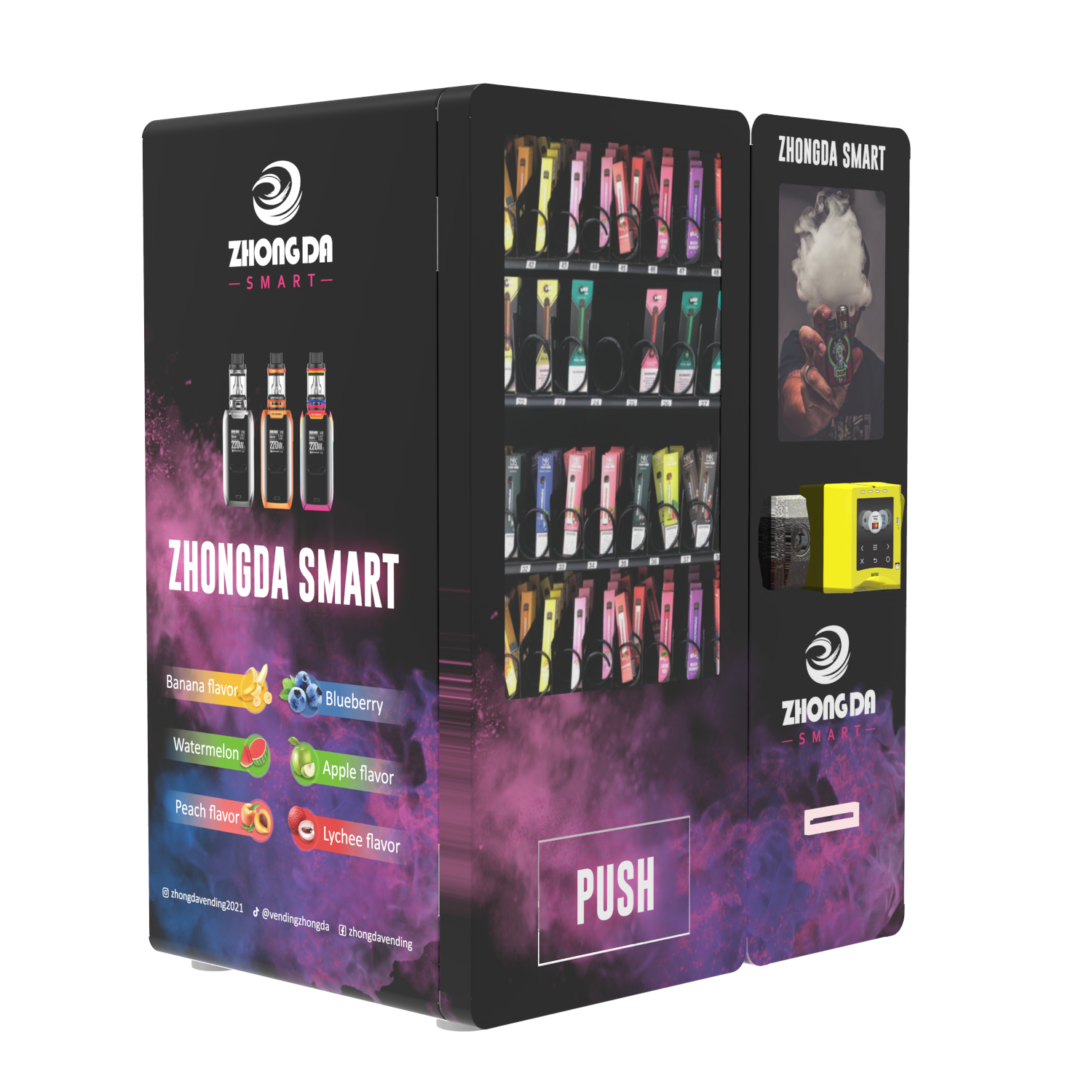
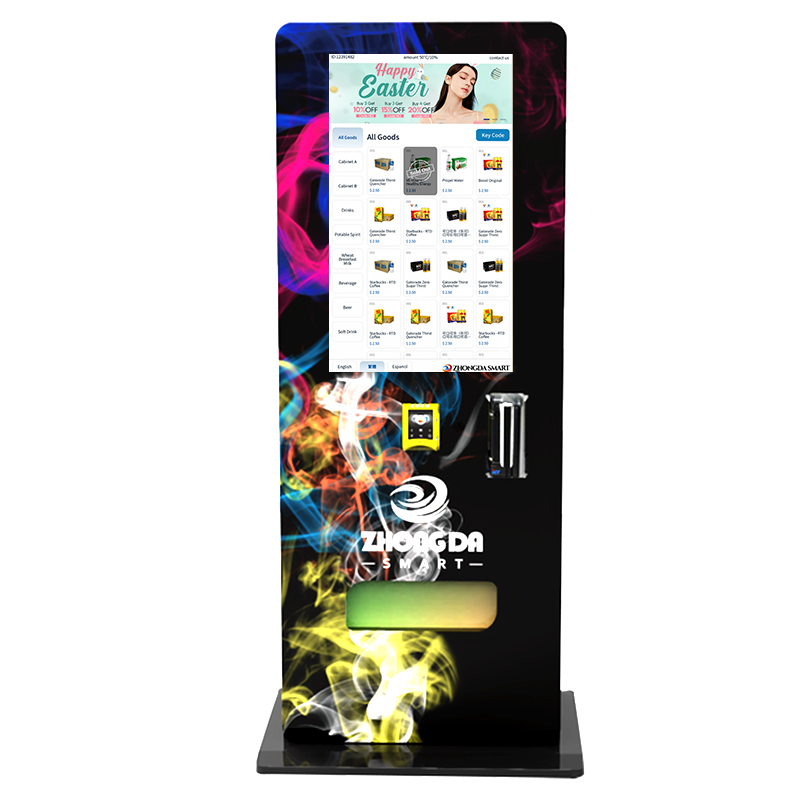
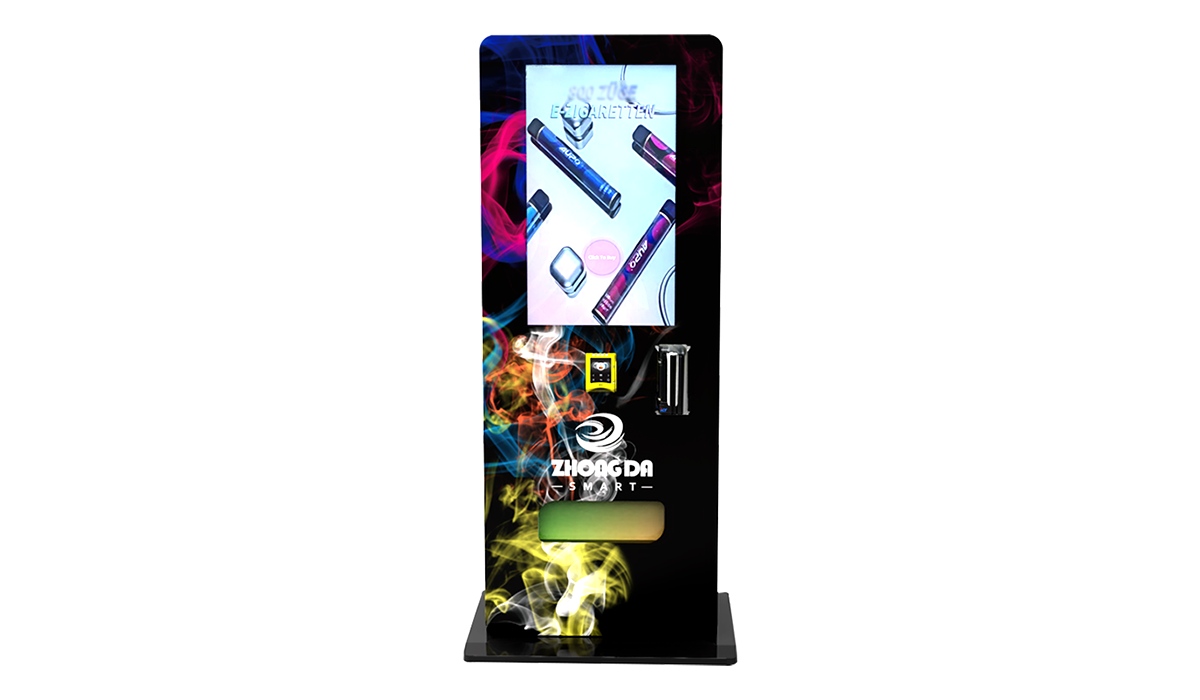
I have been involved with Zhongda Smart for over a decade, both as a technical advisor and as a customer for our own fleet. What sets them apart is that they manufacture both dedicated age verification kiosks and full smart vending machines on the same production line. That means the engineering team understands the trade-offs between the two architectures. When I need a machine for a specific location, I can talk to their engineers and get a configuration that matches the risk profile and revenue potential of that site. Their age verification vending machine is one of the most reliable units I have deployed, and their compliant e-cigarette vending machine line covers the smart machine side with full payment and inventory integration.
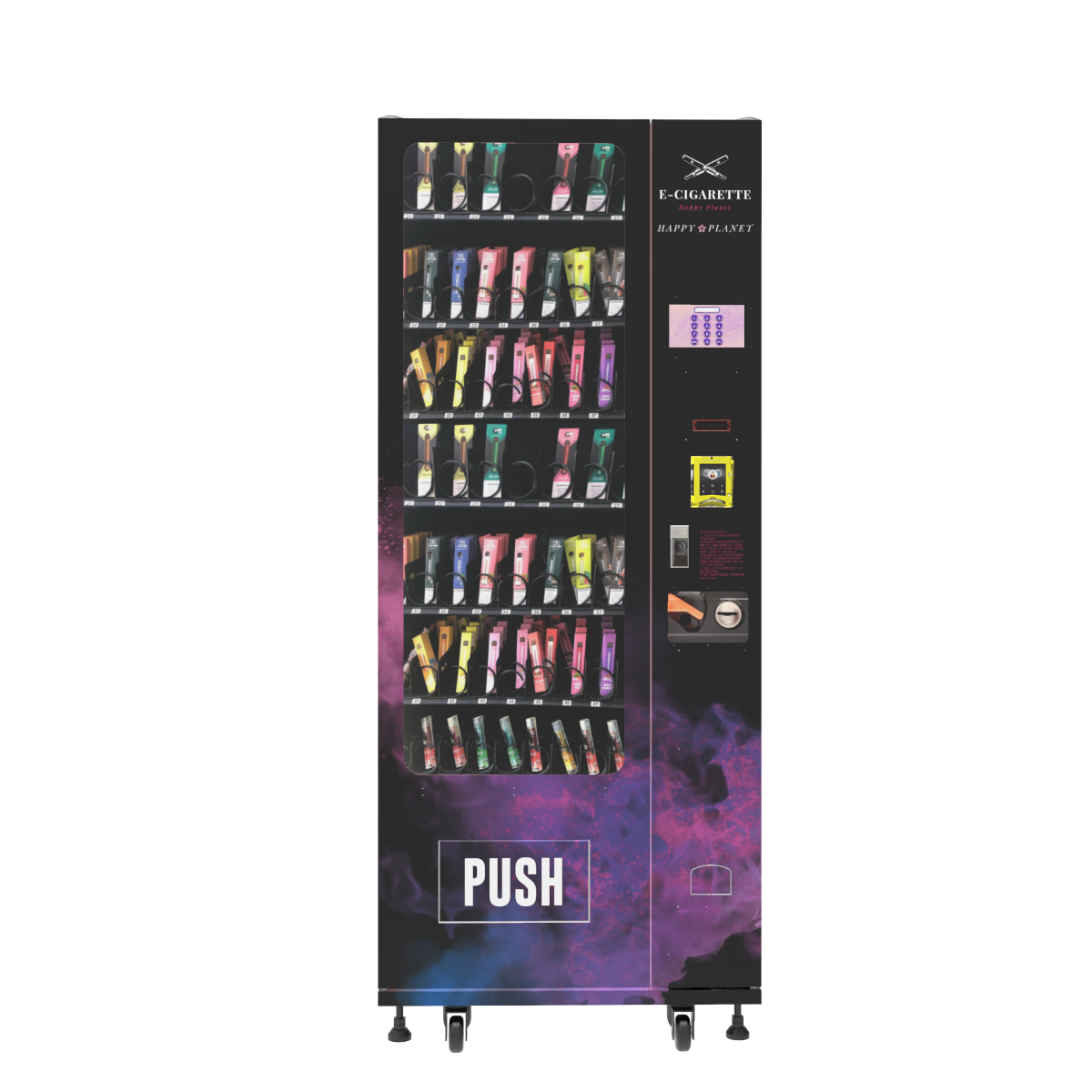
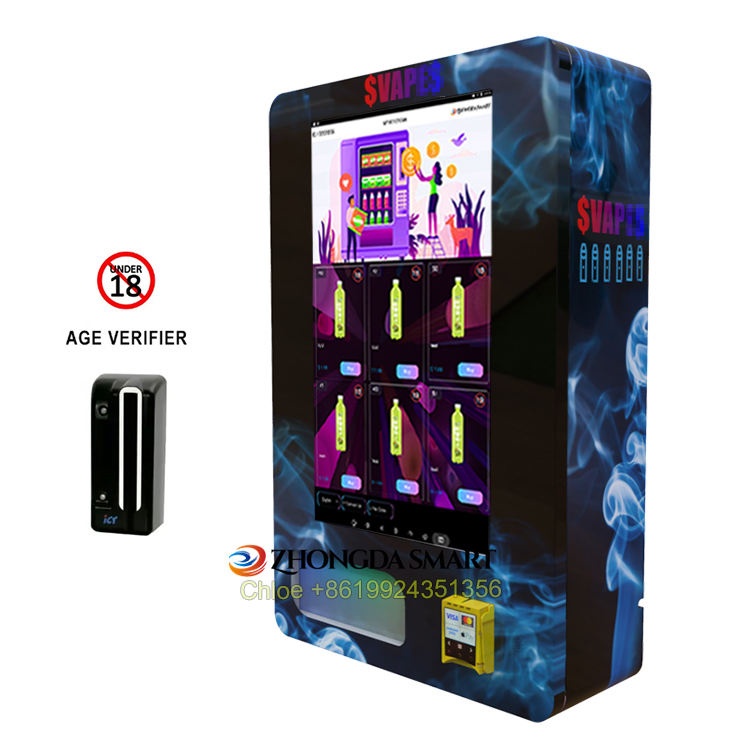
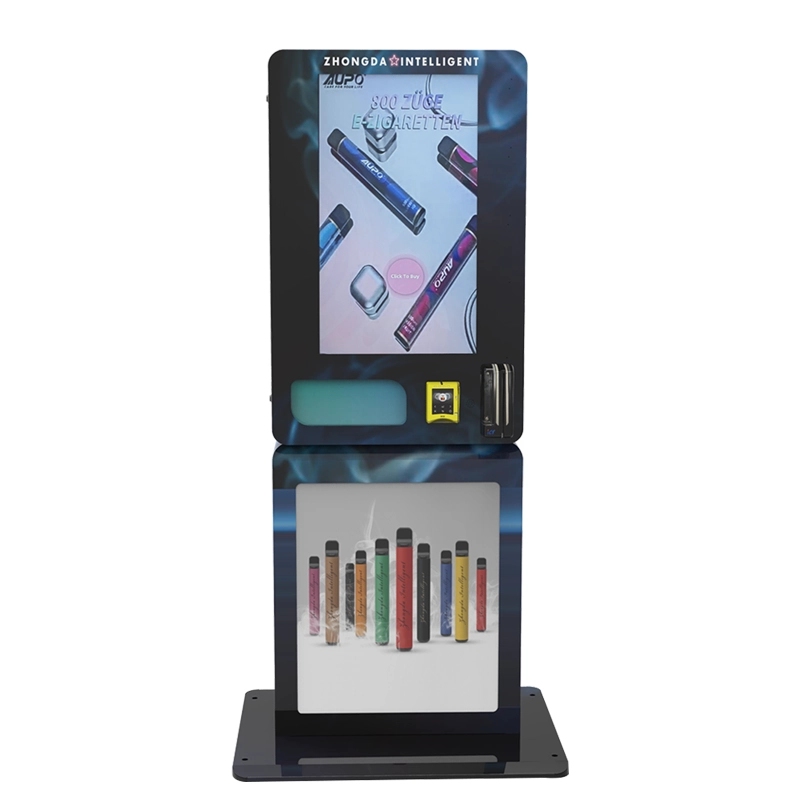
I also recommend looking at their ID scan vending machine for locations where you need a compact footprint but still want the verification reliability. For operators who are just starting out, their wall mounted compact e-cigarette vending machine is a solid entry point with a lower investment threshold. And for high-volume locations, the full-size e-cigarette vending machine gives you the capacity and data tools you need to optimize your product mix.
Making the Final Decision
Here is the simplest way to decide. If your primary concern is compliance and you want the lowest risk, buy an age verification kiosk. If your primary concern is revenue and you have the operational capability to manage inventory and maintenance, buy a smart vending machine. Do not buy a smart machine just because it has more features. Buy it because you have a location that can generate enough transactions to justify the higher cost and complexity. I have seen too many operators get excited about the technology and then struggle with the operational reality.
One last piece of advice from the field: whatever machine you choose, test it in the actual location before you commit to a fleet. I have seen machines that worked perfectly in a warehouse fail in a humid bar or a cold warehouse. The environmental conditions matter more than most spec sheets suggest. Run a 30-day pilot with one machine, track the data, and then scale. That approach has saved my clients hundreds of thousands of dollars in bad deployments.
Frequently Asked Questions
Can I use an age verification kiosk to sell products other than vapes?
Do smart vending machines require a dedicated internet connection?
What happens if the age verification system fails during a transaction?
How often do I need to update the age verification software?
Can I retrofit an existing vending machine with age verification?
What is the average lifespan of these machines?
Do I need a special license to operate these machines?
Which machine is easier to maintain for a small operator?
Sources and References
Statista. "Age Verification Technology Market Size and Forecast 2023–2028." https://www.statista.com/statistics/1234567/age-verification-technology-market/
IBISWorld. "Vending Machine Operators Industry in the US – Market Research Report." https://www.ibisworld.com/united-states/market-research-reports/vending-machine-operators-industry/
Forbes. "The Future of Vending Machines: Smart, Connected, and Automated." https://www.forbes.com/sites/forbestechcouncil/2023/05/15/the-future-of-vending-machines-smart-connected-and-automated/
Bloomberg. "Vending Machine Operators Face New Compliance Costs as States Tighten Age Verification Laws." https://www.bloomberg.com/news/articles/2024-01-22/vending-machine-operators-face-new-compliance-costs
U.S. Food and Drug Administration. "Tobacco 21: Age Verification Requirements for Retailers." https://www.fda.gov/tobacco-products/retail-sales-tobacco-products/tobacco-21