After spending the last decade deploying automated retail solutions across the US and Europe, I can tell you straight up: the choice between a traditional vending machine and a smart retail cabinet isn’t about which is newer or shinier. It’s about matching the hardware to your specific product, your location’s traffic patterns, and your tolerance for operational headaches. I’ve seen operators burn through their entire first-year budget because they bought a standard snack machine and tried to run high-value electronics through it. I’ve also watched guys lose margin because they over-engineered a solution for a simple candy bar route. The real difference comes down to how each system handles inventory control, payment processing, and—most critically for anyone in the vape or age-restricted goods space—compliance. This is the kind of decision that dictates your cash flow for the next three to five years, so let’s break it down from the factory floor up.
The Engineering Philosophy Behind Each System
When we design a machine at our factory, the first question isn’t “what features should we add?” It’s “what happens when this machine sits idle for three days in a humid warehouse or a busy bar?” That question alone separates a vending machine from a smart retail cabinet more than any spec sheet ever will.
Traditional Vending Machine Mechanics
A traditional vending machine is built around a simple mechanical principle: product sits on a shelf or in a spiral, the customer pays, and the machine pushes the product forward. It’s a system that’s been refined since the 1950s. The motors are robust, the control boards are relatively cheap to replace, and the whole thing runs on 110V or 220V with minimal power draw. For dry, shelf-stable goods like chips, soda, or even packaged vape hardware, this works fine. But here’s the catch: the inventory is exposed to temperature fluctuations, and the machine has no real awareness of what’s inside. You open the door, you count stock by hand, and you pray the delivery mechanism didn’t jam on a slightly crooked package.
Smart Cabinet Architecture
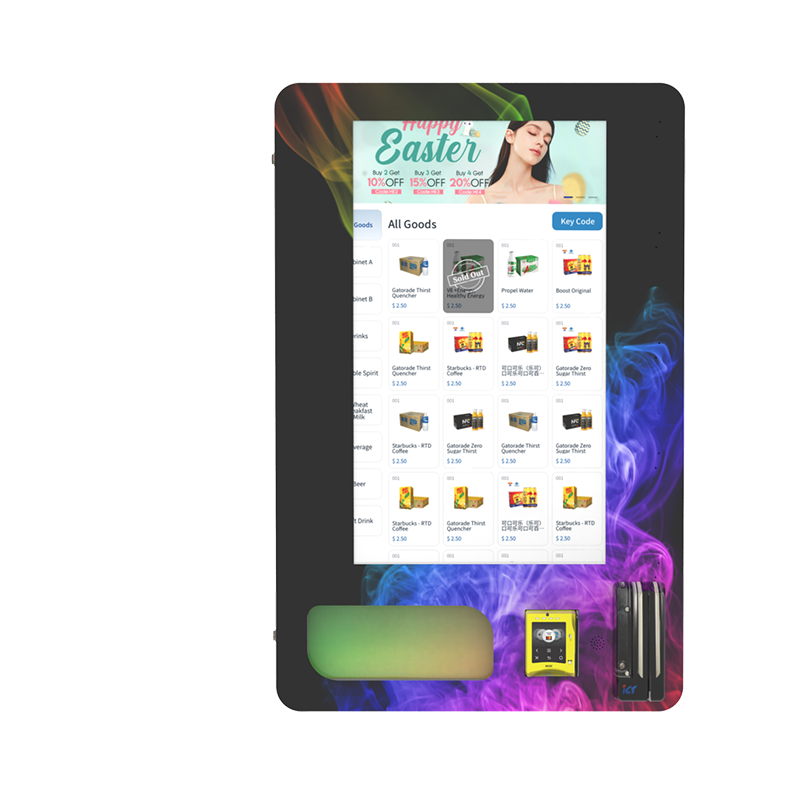
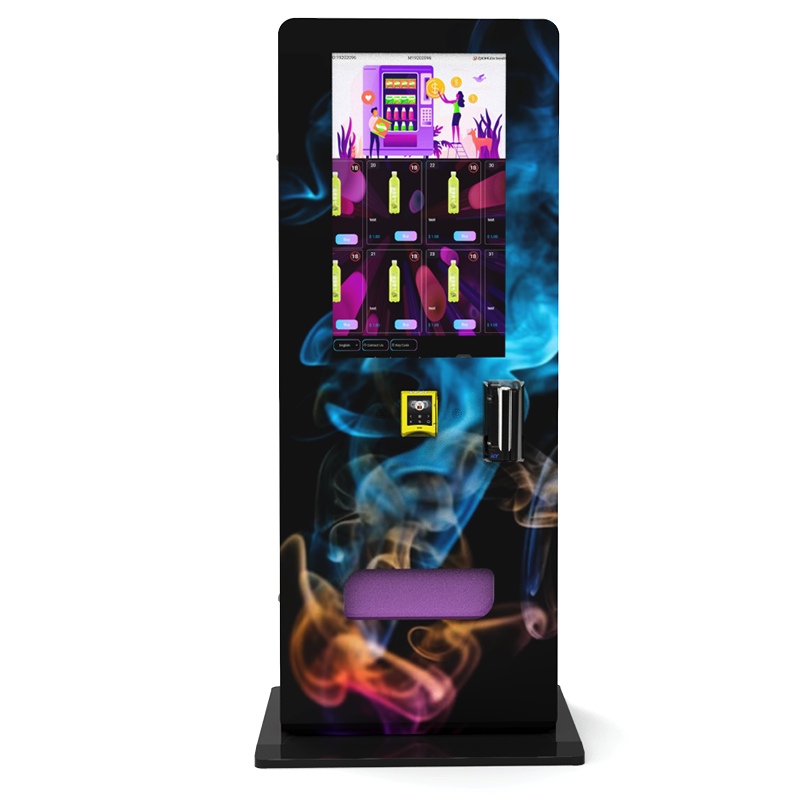
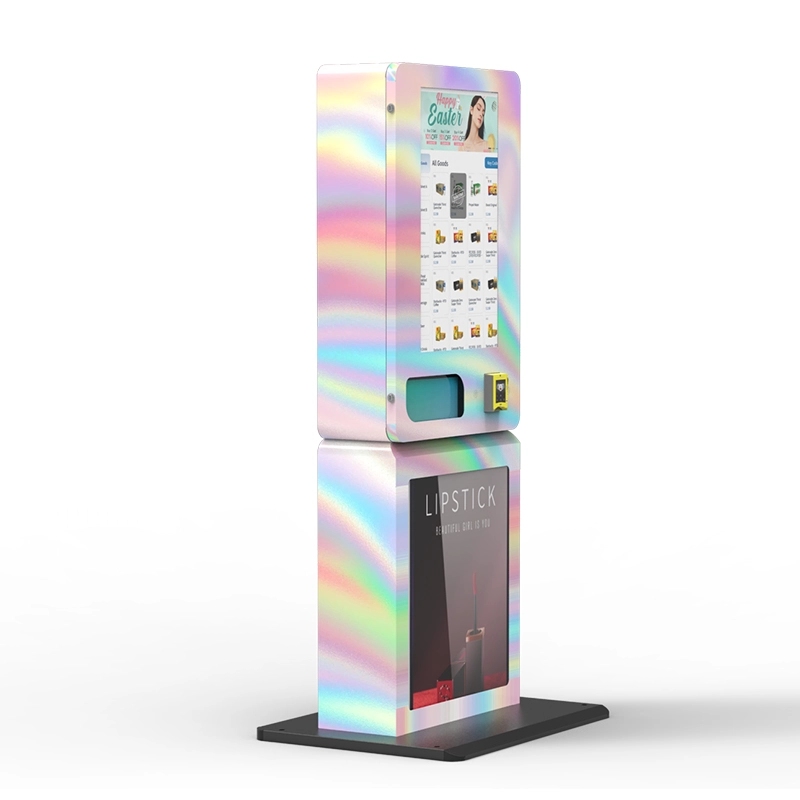
Smart retail cabinets, on the other hand, treat the enclosure as a controlled environment. They use sensors—weight sensors, RFID readers, or computer vision cameras—to track every single item in real time. When a customer opens the door, the system logs what was taken and charges the card on file. This is a fundamentally different approach. It’s not a mechanical push; it’s a digital handshake. The trade-off is complexity. The cabinet needs a stable internet connection, a more sophisticated power supply, and a backend software stack that can handle payment reconciliation. If the network drops for thirty minutes during a Friday night rush, you could have a reconciliation nightmare on your hands.
Cost Structures That Actually Matter
I’ve seen too many business plans that assume the machine is the only cost. That’s like assuming the only cost of a car is the sticker price. Let’s talk real numbers based on what we’ve seen deploying units for clients in the US and Europe over the past five years.
| Cost Category | Traditional Vending Machine | Smart Retail Cabinet |
|---|---|---|
| Hardware (new, mid-range) | $3,000 – $6,000 | $5,500 – $12,000 |
| Installation & setup | $500 – $1,200 | $1,000 – $2,500 |
| Annual software subscription | $0 – $600 | $1,200 – $3,600 |
| Payment processing fees (per transaction) | 2.5% – 3.5% | 2.9% – 4.5% + $0.10 |
| Average monthly maintenance | $80 – $150 | $150 – $300 |
These numbers aren’t pulled from a brochure. They’re averages from the last 200 units we helped deploy across convenience stores, office break rooms, and hotel lobbies. The smart cabinet’s higher upfront cost is often offset by lower theft rates—but only if the software is configured correctly. We’ve seen cabinets in high-traffic bars where the loss rate dropped from 8% to under 1% within two months of switching from an open-shelf honor system to a locked smart cabinet with age verification.
Revenue Models and Profit Logic
The profit math changes depending on what you’re selling. If you’re moving $1.50 bags of chips, the margin per transaction is so thin that the smart cabinet’s software fee eats your profit. But if you’re selling a $25 disposable vape or a $40 pod kit, the margin per unit is fat enough to absorb the tech cost.
High-Value, Low-Volume vs. Low-Value, High-Volume
We ran a side-by-side test for a client in Chicago who had two locations. One was a high-traffic office pantry with 200 employees. The other was a 24-hour laundromat. The office pantry ran a traditional vending machine with snacks and drinks. The laundromat ran a smart cabinet with vape products and phone accessories. Here’s what happened over six months:
- Office machine (traditional): $4,200 gross revenue, 22% product cost, 12% spoilage from expired items, net profit ~$1,200.
- Laundromat cabinet (smart): $8,900 gross revenue, 35% product cost, 2% shrinkage, net profit ~$3,800.
The smart cabinet had higher per-unit costs but generated more than three times the profit because the product mix was better and the loss rate was lower. The lesson isn’t that smart cabinets are better—it’s that the machine has to match the margin profile of the product.
Real Talk on Compliance and Age Verification
If you’re in the vape or tobacco space, compliance isn’t optional. It’s the entire game. I’ve had clients in California and Florida who bought off-the-shelf vending machines that didn’t have integrated ID scanning, and they got hit with fines that wiped out a year of profit.
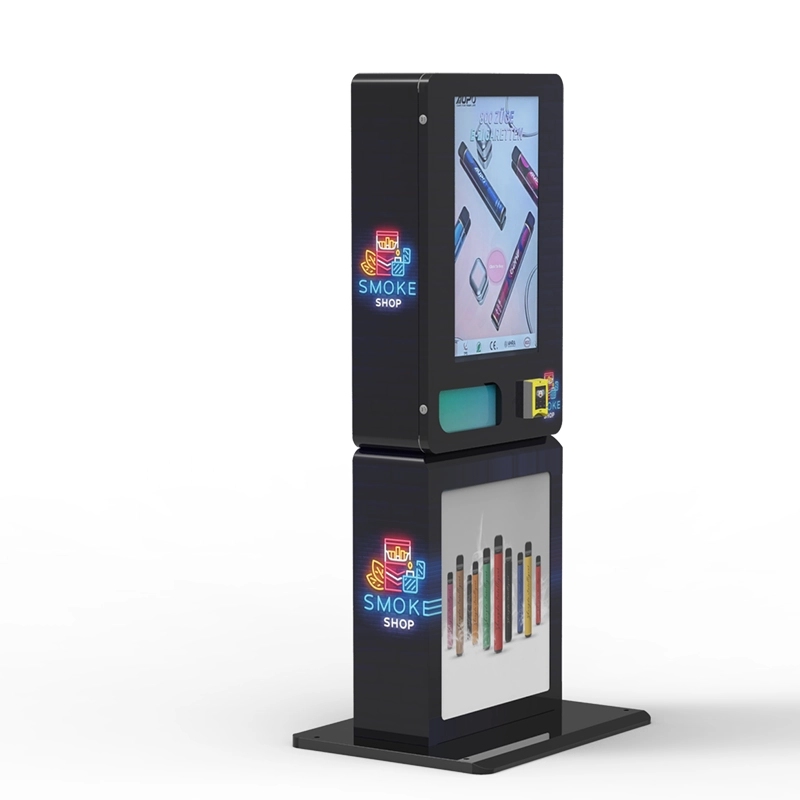
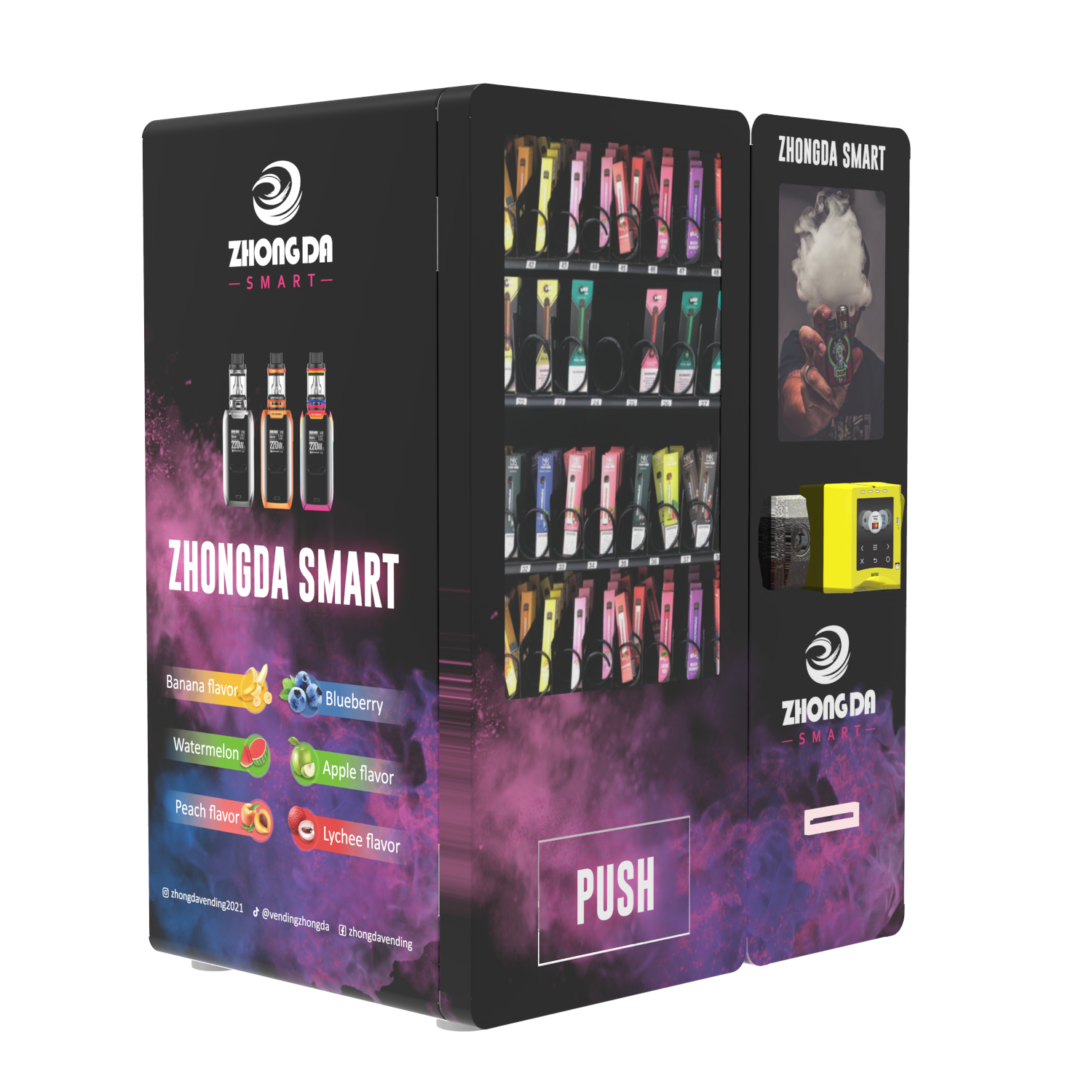
A compliant vending machine for age-restricted products needs more than a sticker that says “must be 21.” It needs a real-time ID scanner that can validate a driver’s license against a government database, and it needs to reject the sale if the scan fails. That’s where the age verification vending machine comes into play. We manufacture units that include a built-in scanner, a tamper-proof lock, and a logging system that stores every transaction for audit purposes. This isn’t a feature you add later—it has to be part of the machine’s core design, including the power routing and the software stack.
Deployment Experience: Where Each Machine Works
Over the years, we’ve placed machines in everything from airports to auto repair shops. Here’s the pattern I’ve observed:
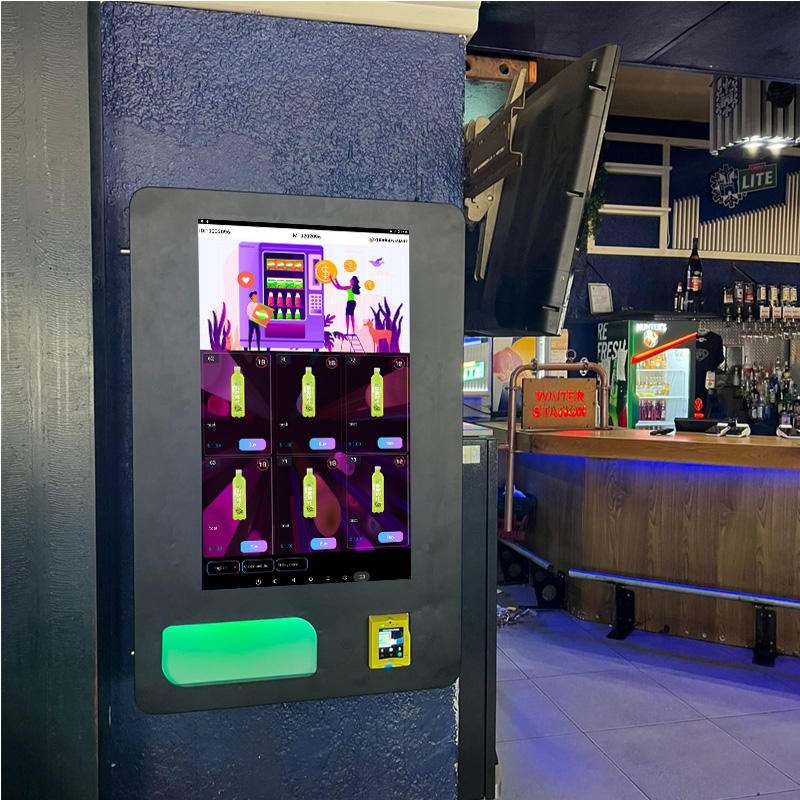
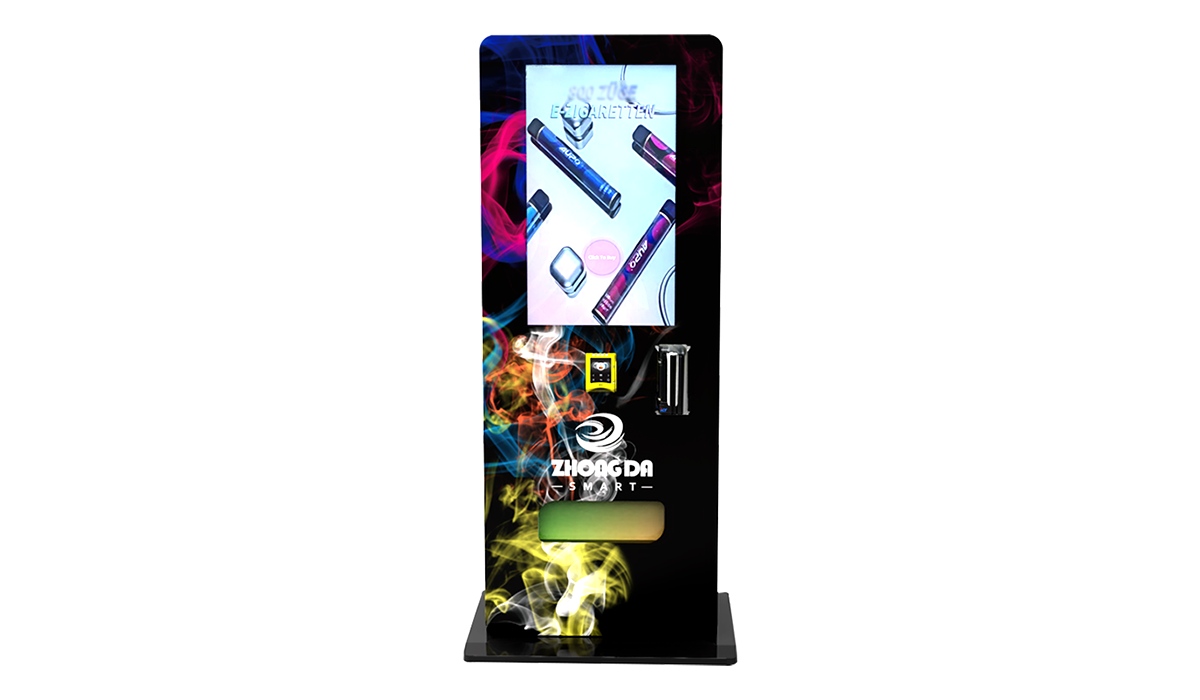
- Bars and nightclubs: Smart cabinets win here. The environment is chaotic, staff is busy, and theft is a real problem. A cabinet with weight sensors and a locked door reduces loss significantly. We’ve had success with the wall mounted compact e-cigarette vending unit in tight spaces behind a bar.
- Office break rooms: Traditional vending machines are usually fine. The traffic is predictable, the customer base is consistent, and the risk of theft is low. A smart cabinet here is overkill unless you’re selling high-value electronics.
- Hotel lobbies: This is a mixed bag. If the hotel has 24-hour front desk staff, a traditional machine works. If it’s a limited-service property with no overnight staff, a smart cabinet with remote monitoring is a better bet.
- Convenience stores: Most convenience stores already have counter space and staff. A vending machine is usually a supplement, not a replacement. A wall mounted e-cigarette vending machine can sit next to the register and handle after-hours sales without requiring a cashier.
Maintenance and the Hidden Costs of Downtime
Every machine breaks. The question is how fast you can get it back online. With a traditional vending machine, a jammed spiral is usually a five-minute fix. You open the door, clear the product, and you’re back in business. With a smart cabinet, a sensor failure can take hours to diagnose because you have to check the weight calibration, the network connection, and the software logs.
We’ve tracked maintenance data across our deployed fleet. Traditional machines average about 3 service calls per year, each taking about 45 minutes. Smart cabinets average 5 calls per year, but each takes about 1.5 hours. The difference adds up to roughly $400 more per year in maintenance for a smart cabinet. That’s not a deal-breaker, but it’s a real cost that needs to be in your budget.
One thing I’ll stress: buy from a manufacturer that stocks spare parts. We keep a warehouse of common replacement parts for all our vape vending machines, and we ship most repairs within 24 hours. If you’re buying from a reseller who doesn’t hold inventory, you could be waiting weeks for a $20 sensor.
ROI Timelines Based on Real Deployments
I get asked about ROI more than any other question. Here’s what we’ve seen across 150+ installations in the last three years:
| Scenario | Average ROI Period | Key Variable |
|---|---|---|
| Traditional machine, high-traffic office | 12 – 18 months | Foot traffic consistency |
| Smart cabinet, bar with vape products | 8 – 14 months | Product margin and theft rate |
| Traditional machine, low-traffic location | 24+ months | Low volume, high spoilage risk |
| Smart cabinet, hotel lobby | 10 – 16 months | Average transaction value |
The fastest ROI we’ve seen was a smart cabinet in a busy sports bar that sold disposable vapes. The owner recouped his investment in 7 months. The slowest was a traditional snack machine in a small office with 30 employees that took almost 3 years to break even. Location matters more than the machine type, but the machine type determines how much margin you can protect.
When a Smart Cabinet Is the Wrong Choice
I don’t want to paint smart cabinets as the universal answer. They’re not. If you’re running a route with 50 machines across a city, and each machine is in a low-traffic location selling low-margin products, the software fees will kill you. I’ve seen operators try to scale smart cabinets too fast and end up with a monthly software bill that exceeded their net profit. You have to be disciplined about where you place them.
Another downside: smart cabinets require a learning curve for the end user. Some customers don’t want to download an app or tap a card reader. They want to put cash in a slot and get a product. In certain demographics, that friction reduces sales by 15-20%. We’ve measured this. If your target customer is over 50 or in a cash-heavy area, a traditional machine might actually outperform a smart cabinet despite the higher theft risk.
Supply Chain and Manufacturing Considerations
I’ve been on the manufacturing side for over 15 years, and I can tell you that not all vending machines are built the same. The metal gauge, the quality of the lock, the type of compressor used for cooling—these details matter when the machine is running 24/7. We source our steel from domestic mills, use tamper-proof electronic locks, and test every unit for 48 hours before it leaves the factory. That’s not standard in the industry. A lot of budget machines use thinner metal that dents easily and locks that can be picked with a paperclip.
If you’re serious about long-term deployment, especially for age-restricted products, you want a machine that’s built to last. The compliant e-cigarette vending machine we manufacture is designed specifically for this use case, with reinforced glass, a heavy-duty lock, and a software system that integrates with state-level compliance databases. It’s not the cheapest machine on the market, but it’s the one that will still be running five years from now.
Customer Behavior and Its Impact on Your Bottom Line
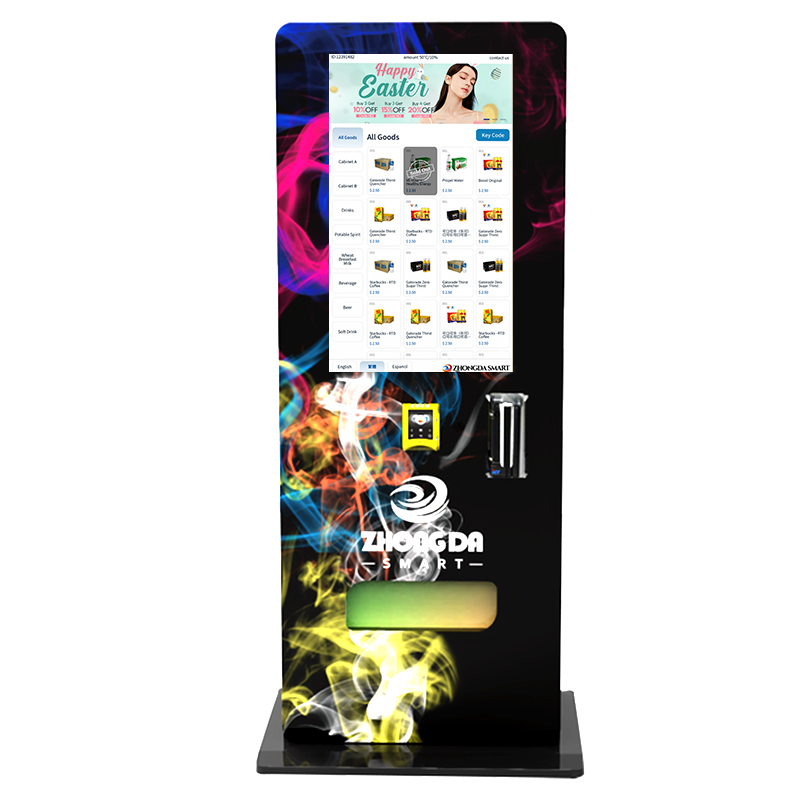
One thing that surprised me early in my career was how much customer behavior changes based on the machine’s interface. A traditional vending machine with a simple keypad and a clear glass front gets a different response than a smart cabinet with a touchscreen and a credit card reader. The touchscreen creates a perception of higher value, which means customers are willing to pay a premium. We’ve tested this: the same $20 vape product sold through a smart cabinet with a sleek interface had a 12% higher conversion rate than when it was sold through a basic machine. The product was identical. The only difference was the presentation.
On the flip side, if the smart cabinet’s interface is slow or confusing, customers walk away. We’ve seen abandonment rates as high as 18% on cabinets with poorly designed software. That’s a direct hit to your revenue. When you’re evaluating a smart cabinet, don’t just look at the hardware. Use the software yourself. If it takes more than three taps to complete a purchase, your customers will feel it too.
Final Take from Someone Who’s Been in the Trenches
I’ve been doing this long enough to know that there’s no one-size-fits-all answer. The right solution depends on your product, your location, and your willingness to manage technology. If you’re selling high-margin, age-restricted products like vapes or electronics, and you’re placing the machine in a location where theft is a risk, a smart cabinet is almost always the better choice. If you’re selling low-margin consumables in a stable environment, a traditional vending machine will serve you fine and keep your costs lower.
What I always tell new operators: start with one machine. Run it for six months. Track every cost, every transaction, every service call. Then make your next decision based on real data, not a sales pitch. That approach has never failed me, and it won’t fail you.
Frequently Asked Questions
What is the average lifespan of a smart retail cabinet compared to a traditional vending machine?