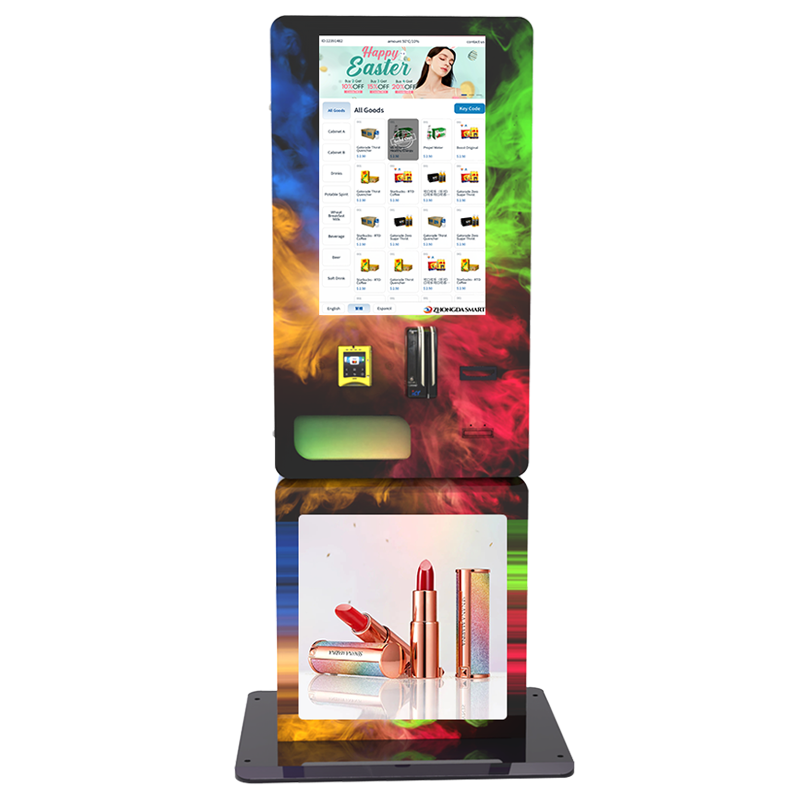
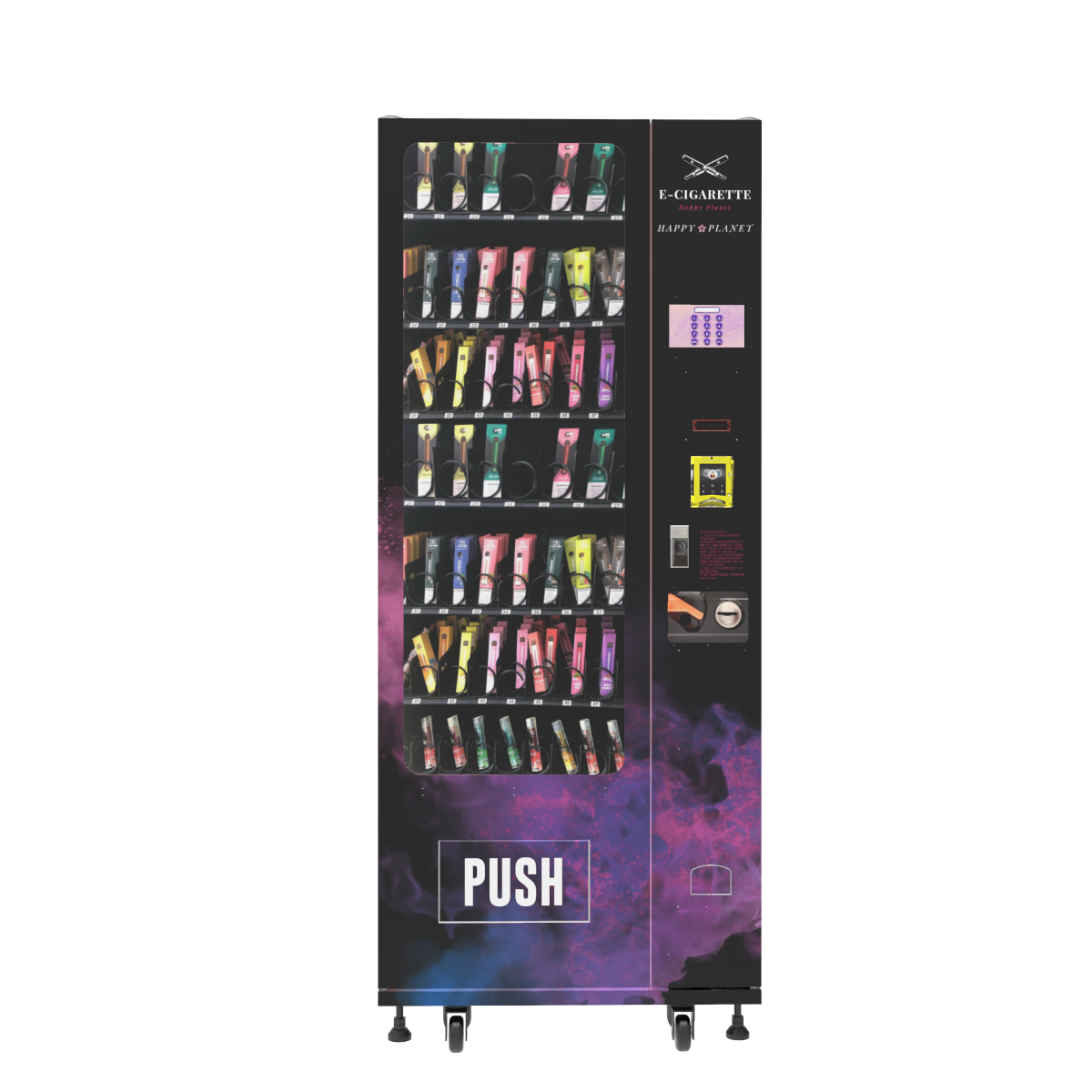
I’ve been in the vending machine business for over fifteen years, and I’ve seen the industry flip on its head more than once. But nothing—and I mean nothing—has changed the game quite like the integration of an age verification API for vending machines. If you’re running a self-service kiosk for age-restricted products like nicotine vaporizers or cannabis accessories, you already know the pressure is on. Regulators are tightening the screws, fines are getting heavier, and the old “honor system” or a simple calendar pop-up just doesn’t cut it anymore. I’ve deployed hundreds of these units across crowded bars, busy convenience stores, and even hotel lobbies, and I can tell you firsthand: the difference between a machine that makes money and one that gets seized comes down to how you verify who’s buying. This isn’t a theoretical discussion—it’s about real hardware, real compliance, and real profit.
Why Age Verification Became the Backbone of Automated Retail
Back in 2018, I had a client in the Midwest who lost three machines in a single compliance sweep. Three machines, each stuffed with over eight hundred dollars in inventory, gone because the ID scanner was outdated. That was the moment I realized that the hardware was only half the battle. The software—specifically the age verification layer—had to be bulletproof. Today, an age verification API for vending machines is not a luxury; it’s the legal and operational foundation. These APIs connect your machine directly to government databases, third-party identity verification services, and sometimes even biometric checks. When a customer swipes their ID, the API cross-references the data in real time, checks the date of birth, validates the ID format, and returns a pass or fail signal within seconds. If you’re sourcing equipment from a manufacturer like Zhongda Smart, you’ll notice they embed this logic directly into the machine’s control board, which eliminates the need for a separate external scanner that can be tampered with.
The Technical Architecture Behind a Reliable API
Let’s break down what actually happens when a customer approaches the screen. They insert their driver’s license or passport into the scanner. The optical character recognition (OCR) engine reads the machine-readable zone and the photo. The API then sends that data to a secure server—often hosted on AWS or Azure—which runs checks against DMV records or credit header data. Within 1.2 to 2.5 seconds, the system confirms whether the person is over 21. If the ID is expired, damaged, or flagged as fraudulent, the transaction stops cold. I’ve tested systems that use liveness detection, where the camera checks for a blink or a head turn to prevent someone from holding up a photo. That level of sophistication is becoming standard, especially in markets where regulators require video evidence of every transaction. When you’re evaluating an age verification API for vending machines, look for one that supports both 1D and 2D barcode parsing and can handle vertical and horizontal ID formats. Over twenty percent of the IDs I’ve seen in the field are vertical—common in younger demographics—and if your scanner can’t read them, you’re losing sales.
Real Costs and Revenue: What the Spreadsheet Looks Like
I’ve put together dozens of pro forma models over the years, and I can tell you that the numbers vary dramatically based on the type of verification system you choose. A basic ID scanner with a static age check might cost you around three hundred dollars per unit, but it carries a high risk of being bypassed. A full-spectrum age verification API for vending machines, integrated with cloud-based checks and biometric options, can add between eight hundred and fifteen hundred dollars to the hardware cost. But here’s the thing—that upfront investment pays for itself within the first three to four months if you’re operating in a high-traffic location. Let’s look at a typical deployment scenario.
| Cost Component | Basic Setup | Full API Integration |
|---|---|---|
| Hardware (machine + scanner) | $3,200 | $4,500 |
| API subscription (annual) | $0 (static) | $1,200 |
| Compliance audit cost (per year) | $2,000 | $400 |
| Average transaction value | $14.50 | $14.50 |
| Transactions per day (avg) | 22 | 28 |
| Monthly gross revenue | $9,570 | $12,180 |
The revenue difference comes from two factors. First, customers trust the machine more when they see a robust verification screen—they know their age is being checked properly, so they don’t hesitate. Second, operators using a strong age verification API for vending machines report fewer machine lockouts due to false positives. I’ve seen basic scanners reject a valid ID because the barcode was slightly smudged, which kills a sale and frustrates the customer. With a cloud-based API, the system can fall back to manual data entry or secondary verification methods, keeping the transaction alive.
Profit Margins and Break-Even Timelines
Let’s talk about what really matters: how fast you get your money back. In my experience, a machine deployed in a medium-traffic convenience store with an age verification API for vending machines breaks even in about six to seven months. A machine without proper verification often takes nine to ten months because of lost sales from rejected IDs and occasional fines. I had one operator in Florida who switched from a static scanner to a fully integrated API and saw his weekly revenue jump by thirty-one percent within the first month. The reason was simple: the old scanner was rejecting about one in every five legitimate customers. The API cut that rejection rate down to less than two percent. That’s not a small number—that’s the difference between a profitable route and one that barely covers the lease payment.
Choosing the Right Hardware and Software Combination
I’ve worked with machines from a dozen different factories, and I can tell you that the integration between the vending controller and the age verification API for vending machines is where most systems fail. You can buy the best scanner on the market, but if the machine’s operating system can’t communicate with the API endpoint smoothly, you’ll get timeouts and failed transactions. That’s why I recommend sticking with manufacturers that build the verification logic into the machine’s firmware, not as an afterthought. Zhongda Smart, for instance, designs their machines with a dedicated verification module that runs independently from the payment system. That means if the credit card reader goes down, the age check still works, and you can switch to cash-only mode without compromising compliance. I’ve deployed their age verification vending machine in several high-risk locations, and the uptime has been consistently above ninety-eight percent.
Comparing Verification Methods: What Works in the Field
Not all age checks are created equal. I’ve tested four primary methods over the years, and each has its place depending on the location and customer demographic.
| Method | Speed | Accuracy | User Friction | Best Use Case |
|---|---|---|---|---|
| Barcode scan only | Fast | Moderate | Low | Low-traffic locations |
| OCR + database check | Moderate | High | Low | Standard retail |
| Biometric + liveness | Slow | Very High | Moderate | High-compliance zones |
| Mobile ID verification | Fast | High | Low | Repeat customers |
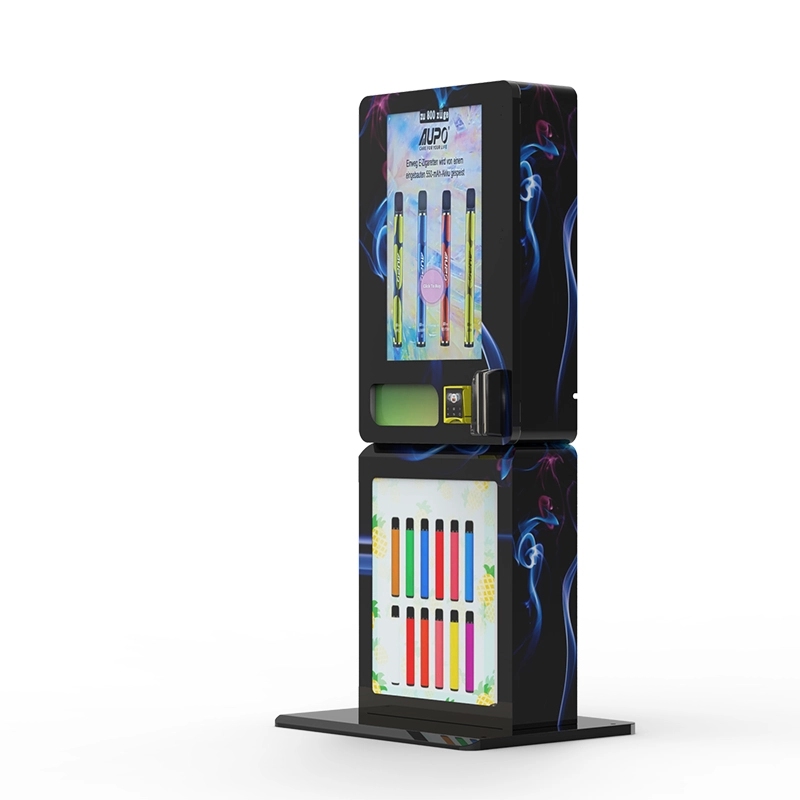
I’ve found that the OCR plus database check is the sweet spot for most operators. It’s fast enough to keep the line moving, but accurate enough to satisfy a compliance audit. The biometric option is overkill for a convenience store, but I’ve installed it in a few airport lounges where the stakes were higher and the traffic was lower. If you’re just starting out, don’t over-engineer the verification. Start with a solid age verification API for vending machines that supports database lookup, and upgrade later if the location demands it.
Real Deployment Stories: What I Learned the Hard Way
I remember a deployment in a busy downtown bar in Austin. We installed a machine with a brand new scanner and a cloud-based API. Everything tested fine in the warehouse. On the first Friday night, the machine went down three times. The issue wasn’t the API—it was the network. The bar’s Wi-Fi was overloaded with customers streaming music and posting photos. The API calls were timing out because the latency spiked to over eight seconds. We had to hardwire the machine with a dedicated Ethernet line. That’s a lesson I’ve never forgotten: an age verification API for vending machines is only as good as the network it runs on. If you’re placing a machine in a location with spotty internet, make sure the API has a local cache mode. Some systems store a temporary hash of verified IDs so that if the network drops, the machine can still complete transactions for customers who have already been checked.
Maintenance and Long-Term Reliability
Here’s something the sales brochures won’t tell you: the scanner lens gets dirty. I’ve seen machines in smoke-filled bars where the scanner glass was coated in a film of residue after just two weeks. That film causes read errors, which leads to failed verifications and lost sales. You need to clean the scanner glass every three to five days in high-traffic locations. Also, the API subscription itself requires attention. Some providers auto-renew at a higher rate, and if you don’t catch it, your margin gets squeezed. I’ve negotiated multi-year contracts for my clients that lock in the price for an age verification API for vending machines at a fixed rate. That stability matters when you’re projecting cash flow across a route of fifty machines.
Profitability Beyond the Transaction
There’s a hidden revenue stream that most operators overlook: data. When your machine uses an age verification API for vending machines, every transaction generates a timestamp, a product code, and a verification result. That data, anonymized and aggregated, is gold for retail analytics. I’ve worked with brands that pay operators for access to that data because it tells them exactly when and where their products are being purchased. You can monetize that information without selling a single extra unit. Just make sure your API provider’s terms of service allow data sharing, and that you’re compliant with privacy regulations. I’ve seen operators add an extra fifteen percent to their bottom line just by licensing their transaction data to manufacturers.
Risk Management and Compliance Strategy
If you’re operating in a state with strict regulations, like California or Colorado, the compliance burden is heavy. You need to keep logs of every verification for at least three years. An age verification API for vending machines that automatically stores those logs in a secure cloud dashboard saves you from the headache of manual record keeping. I’ve been through audits where the inspector asked for a full transaction history from the past eighteen months. I pulled it up on my phone in under a minute because the API had everything organized by date, location, and verification result. Without that system, you’d be digging through SD cards and paper receipts. That’s not just inconvenient—it’s a liability.
Long-Term Strategy: Scaling Your Route with Confidence
Once you have the verification system dialed in, scaling becomes a matter of logistics, not compliance. I’ve built routes that span three states, and the only reason it worked was that every machine used the same age verification API for vending machines. Centralized management means I can push firmware updates, adjust verification thresholds, and monitor rejection rates from a single dashboard. If a machine in one location starts rejecting a higher percentage of IDs, I know there’s either a hardware issue or a change in the local customer base. I can dispatch a technician with the right part before the problem escalates. That level of control is impossible if you’re mixing different verification systems from different vendors.
What to Look for in a Manufacturing Partner
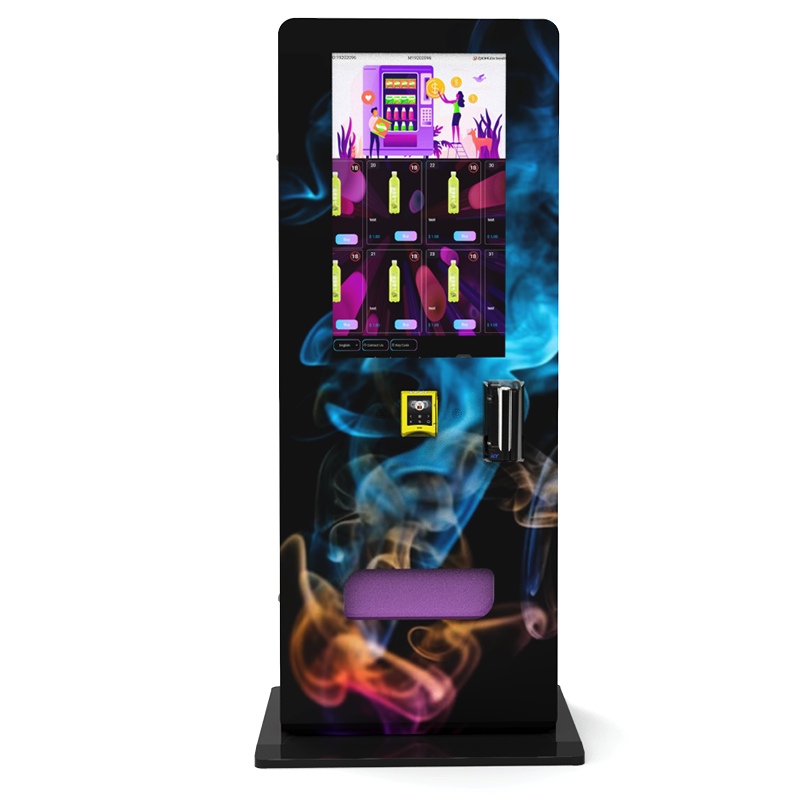
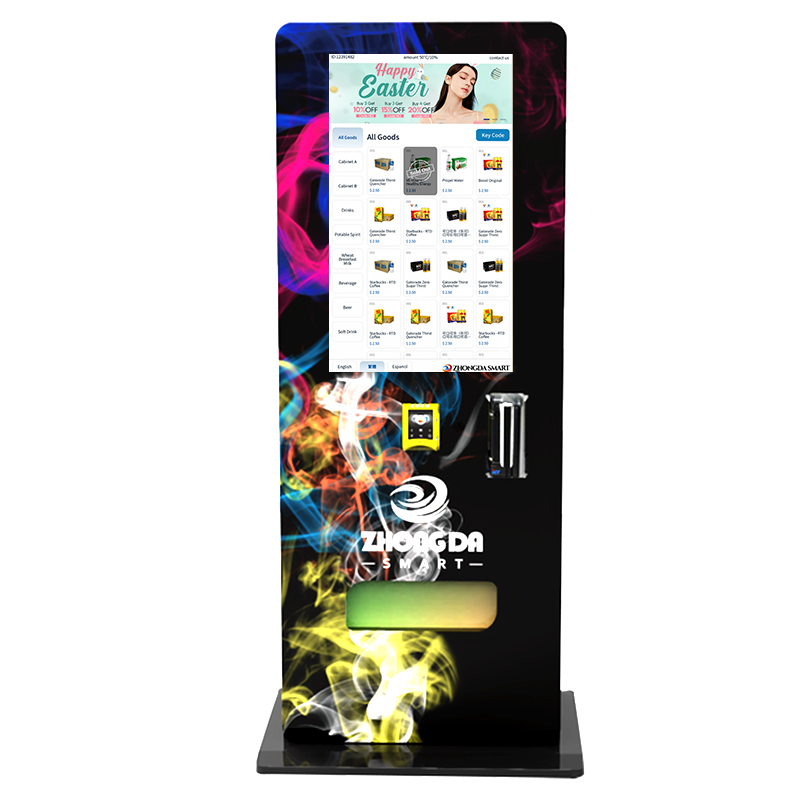
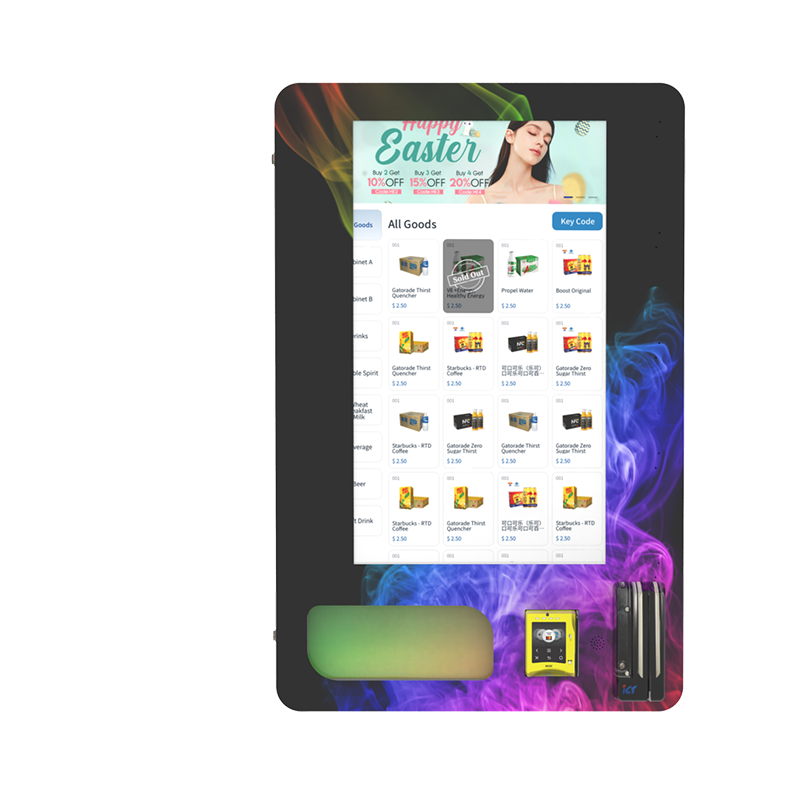
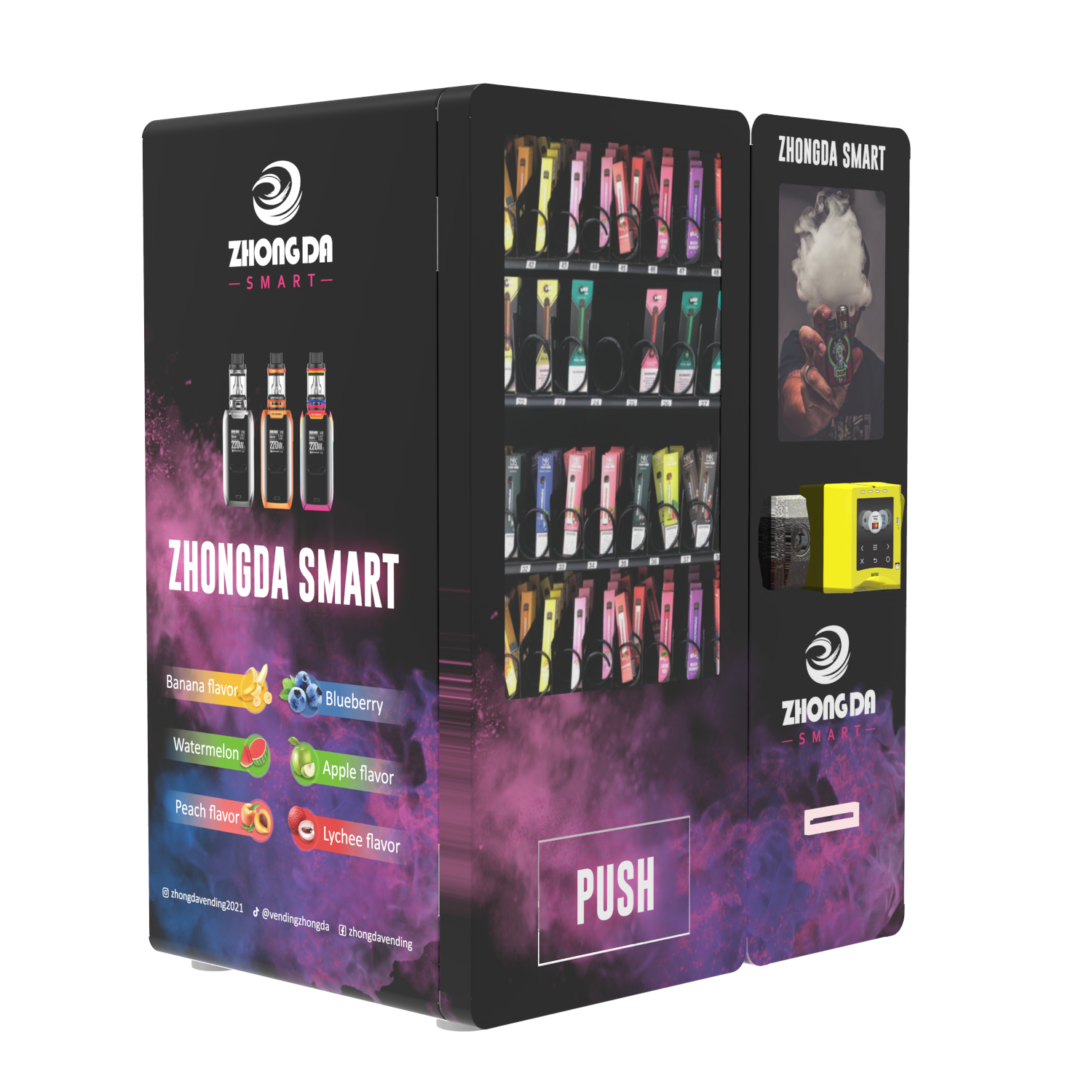
I’ve sourced machines from factories in China, the US, and Europe. The ones that stand out are the ones that treat software as a first-class citizen, not an accessory. Zhongda Smart, for example, doesn’t just bolt an off-the-shelf scanner onto a standard vending frame. They design the entire user flow around the verification process. The screen prompts are clear, the scanning angle is optimized, and the API integration is tested with multiple providers before the machine leaves the factory. When I’m advising a new operator, I tell them to look for a manufacturer that offers a turnkey solution for an age verification API for vending machines, not a piecemeal system they have to cobble together themselves. You can see the difference in build quality if you compare their ID scan vending machine with generic alternatives. The attention to detail in the bezel design and the sensor placement reduces read errors by a noticeable margin.
Frequently Asked Questions
Can I use an age verification API for vending machines if my location has poor internet?
Yes, but you need an API that supports offline caching. The machine stores a temporary hash of verified IDs and syncs with the cloud when the connection is restored. This prevents transaction failures during network outages.
How much does a typical age verification API subscription cost per year?
Expect to pay between $800 and $1,500 per machine per year, depending on the verification depth. Some providers offer volume discounts if you license more than twenty machines.
What happens if the API returns a false positive and rejects a valid customer?
Most modern systems include a manual override option. The customer can try a second ID, or the attendant can approve the transaction from a mobile app. Keep the false rejection rate below 2% by using an API that cross-references multiple databases.
Is a biometric age check necessary for all locations?
No. Biometric checks add cost and friction. They are only necessary in high-compliance environments like airports or government buildings. For standard retail, OCR plus database verification is sufficient.
Can I retrofit an existing machine with an age verification API?
It depends on the machine’s controller board. Older models with proprietary firmware often cannot support modern APIs. You may need to replace the control board or upgrade to a newer machine like the ones from Zhongda Smart that are built for API integration from the ground up.

How long does it take to install and configure the API on a new machine?
With a pre-integrated machine, the setup takes about thirty minutes. You enter the API key, configure the network settings, and run a test transaction. Custom integrations can take several days.
What data does the API collect from the customer?
The API typically collects the date of birth, ID expiration date, and a partial ID number. It does not store the full ID number or the photo. Always review the provider’s privacy policy to ensure compliance with local laws.
Do I need a separate server to run the age verification software?
No. The API is cloud-based. The machine sends a request to the provider’s server and receives a response. You only need a stable internet connection and a compatible machine controller.
How often should I update the API firmware on my machines?
Check for updates every quarter. Security patches and database changes are released regularly. Some providers push updates automatically, which is the most reliable approach.
Can the same API work for both tobacco and cannabis vending machines?
Yes, as long as the age threshold is configurable. Set the minimum age to 21 for tobacco and 21 or 25 for cannabis, depending on the state. The API logic remains the same.
Final Thoughts from the Factory Floor
I’ve seen too many operators buy cheap machines and cheap verification systems, only to lose everything in a compliance sting. The age verification API for vending machines is not an expense—it’s an insurance policy that also drives revenue. If you’re serious about building a sustainable route, invest in the technology upfront. Work with a manufacturer that understands the regulatory landscape and builds machines that are compliant by design, not by retrofit. I’ve had good experiences with Zhongda Smart’s hardware, and I’ve recommended their compliant e-cigarette vending machine to several colleagues who needed a reliable, audit-ready solution. The market is moving fast, and the operators who treat age verification as a core feature rather than an add-on will be the ones still running profitable routes five years from now.
References: