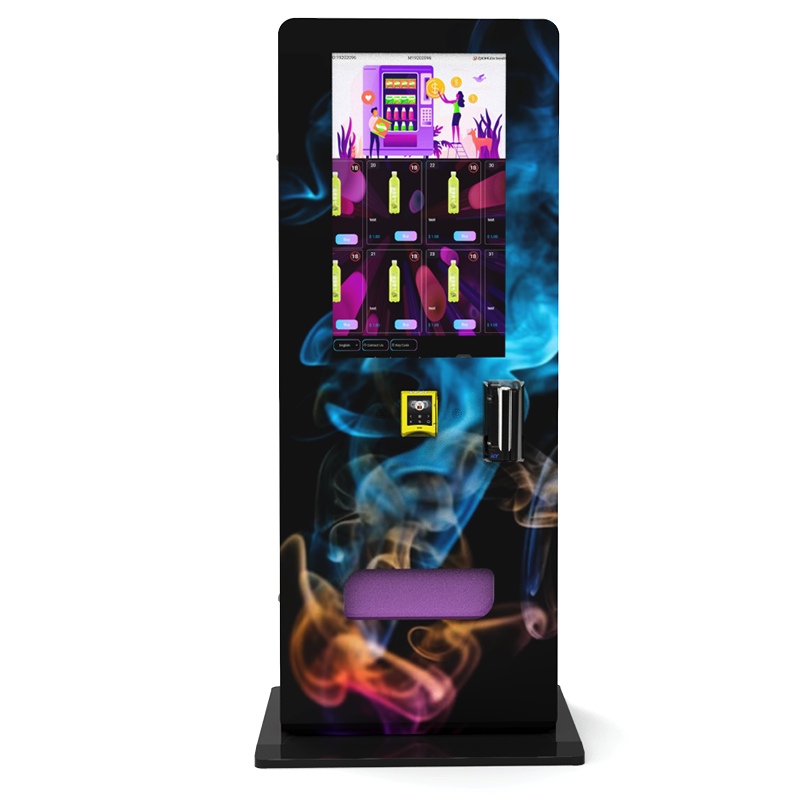
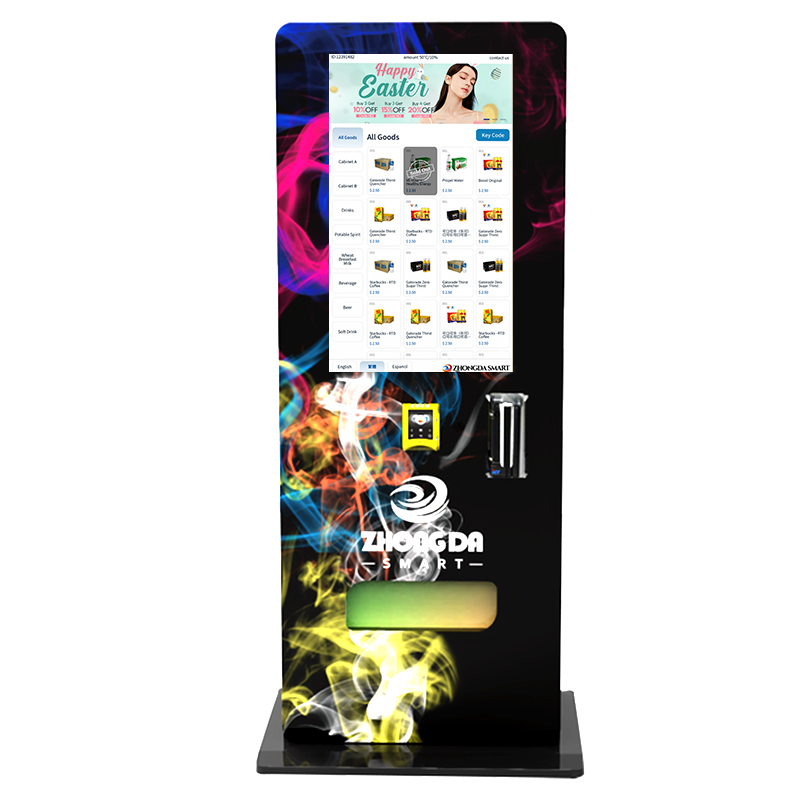
I’ve been in the vending machine business since before smartphones were common. I started on the manufacturing floor, building cigarette machines, then moved into running my own routes across three states. Over the last fifteen years, I’ve watched the industry flip upside down. The biggest change? Age verification. If you’re selling age-restricted products like nicotine vapes or tobacco through an automated kiosk, you can’t just trust the honor system anymore. AI-based age verification has become the standard for staying compliant and keeping your machines in the field. It’s not a fancy add-on—it’s the core of whether your operation survives a compliance check or gets shut down. This guide walks you through exactly how it works, what it costs, and what real operators like me have learned from deploying these systems across hundreds of locations.
The Real Problem With Age Checks at a Kiosk
When I first started placing vape vending machines in bars and convenience stores, we used a simple ID scanner. The customer handed their license to the bartender, the bartender swiped it, and the machine released the product. That process had two big problems. First, it depended on a human being to actually check the ID. In a busy bar on a Friday night, that step got skipped more often than you’d think. Second, the scanner itself couldn’t tell if the ID was fake. A high-quality fake driver’s license from a printer in someone’s basement would pass the magnetic strip check every time.
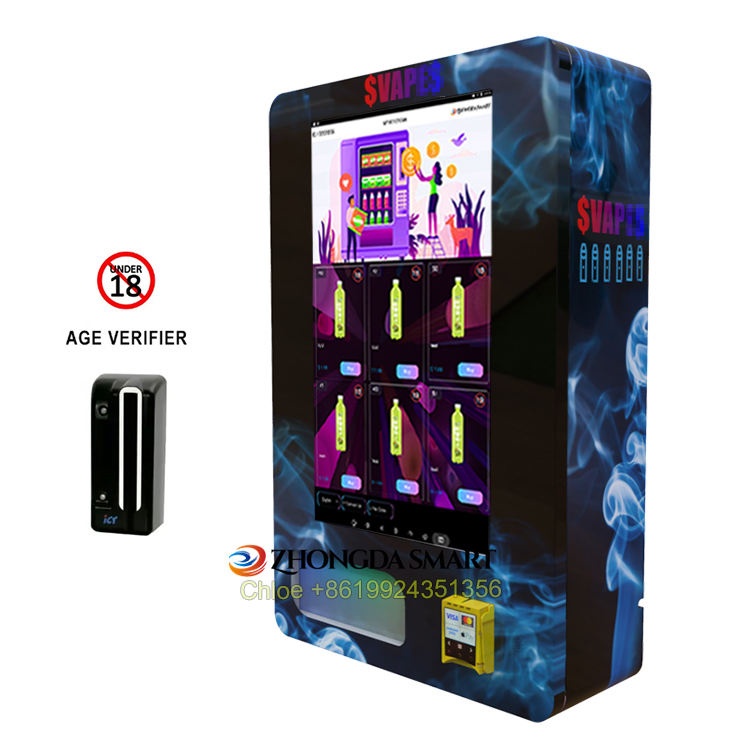
That’s where AI-based age verification changes everything. Instead of relying on a human or a simple magnetic swipe, the machine uses a camera and onboard software to analyze the ID in real time. It checks the holograms, the font spacing, the barcode data, and even the microprint that’s hard to replicate. Then it compares the photo on the ID to a live image of the person standing in front of the machine. If the face doesn’t match, the transaction stops. If the ID is expired, the transaction stops. If the system detects tampering with the ID, the transaction stops. The machine makes the call, not the cashier.
How the Camera and Software Work Together
The hardware side is straightforward. Most modern age-verification kiosks use a high-resolution camera mounted at eye level. The customer inserts their ID into a slot or holds it up to a scanner window. The camera captures both the front and back of the card. The software then runs a series of checks in under two seconds. It looks for the correct placement of state seals, the font size of the date of birth, and the UV patterns that are invisible to the naked eye. If you’ve ever seen a fake ID that looks perfect to you but gets rejected at a club, this is the technology doing the work.
The facial recognition step is where the AI really earns its keep. The camera takes a live photo of the customer and maps facial landmarks—distance between eyes, nose shape, jawline—and compares them to the photo on the ID. This isn’t the same as your phone unlocking with your face. It’s designed to work in low light, with people wearing glasses or hats, and even if the ID photo is a few years old. In my experience, false rejections happen less than 2% of the time, and that’s usually because the customer is pulling a weird face or the lighting in the venue is terrible. We’ve learned to position machines away from direct overhead lights to reduce that issue.
Why This Matters for Your Business Model
If you’re thinking about placing an age-verification vending machine in a retail location, the compliance aspect is the headline. But the business case is just as important. A machine that can verify age automatically runs 24 hours a day without needing a staff member to oversee every transaction. That changes the labor math completely. In a convenience store where the clerk is already juggling coffee orders and lottery tickets, a self-service kiosk with built-in AI verification can handle vape sales without adding to the employee’s workload. The store owner gets the revenue from the vending sales without needing to train staff on age-check procedures.
I’ve seen locations where a single machine does $800 to $1,200 per week in vape sales. The margin on those products typically runs between 30% and 50%, depending on your wholesale pricing and the local tax structure. After you subtract the machine cost, the location commission, and the restocking labor, a well-placed unit can pay for itself in six to nine months. That’s a strong return for a piece of equipment that runs mostly unattended.
Cost Structure Breakdown for One Machine
Let’s put some real numbers on this. The upfront cost of a compliant vape vending machine with AI-based age verification runs between $5,000 and $9,000 depending on the cabinet size, the software license, and whether you buy direct from a manufacturer like Zhongda Smart or through a distributor. You’ll also need to budget for installation, which usually runs $300 to $600 if you’re mounting it on a wall or bolting it to the floor. Then there’s the ongoing cost of the cellular data plan for remote monitoring and transaction reporting. That’s typically $20 to $40 per month per machine.
The table below shows the typical cost breakdown I’ve seen across dozens of deployments:
| Cost Item | Typical Range | Notes |
|---|---|---|
| Machine hardware (with AI verification) | $5,000 – $9,000 | Price depends on capacity and screen size |
| Shipping & delivery | $200 – $500 | Varies by distance and freight method |
| Installation & mounting | $300 – $600 | Often requires a local technician |
| Monthly data/connectivity | $20 – $40 | Cellular IoT plan for remote management |
| Annual software license | $300 – $600 | Covers AI verification updates and compliance |
| Restocking labor (weekly) | $40 – $80 | Depends on route density and travel time |
One thing that catches new operators off guard is the annual software license. The AI models that perform the age verification need to be updated regularly to keep up with new ID formats and security features. States change their driver’s license designs every few years, and if your machine’s software doesn’t recognize the new format, it will reject valid customers. That’s lost revenue. The license fee covers those updates. It’s not optional if you want the machine to actually work.
Real Deployment Experience: What Works and What Doesn’t
I’ve placed machines in bars, tobacco shops, convenience stores, and even a few hotel lobbies. The location makes a huge difference in both sales volume and how often the age verification system gets triggered. In a busy sports bar near a college campus, the machine ran through 150 transactions a week. The AI verification caught three fake IDs in the first month alone. The bar manager told me those were three sales that would have happened with a human cashier who wasn’t paying attention. That’s three potential fines avoided.
In a quieter convenience store in a suburban strip mall, the machine did about 40 transactions a week. The age verification worked fine, but the volume wasn’t high enough to justify the machine cost in the first year. I ended up moving that unit to a different location after eight months. The lesson is that location selection matters more than the technology. You need foot traffic of the right demographic. A machine in a low-traffic spot will never perform well, no matter how good the AI is.
Failure Cases You Need to Know About
I’ve also had machines fail the compliance test. One installation in a small smoke shop had an issue where the camera wasn’t positioned correctly because the machine was mounted too high on the wall. The AI couldn’t get a clear face shot for customers under five feet tall. That caused a high rejection rate for shorter customers, which led to complaints and eventually a lost location. We fixed it by lowering the mounting bracket by six inches, but the damage was done. The store owner had already lost confidence in the machine.
Another failure case involved a machine that used a third-party age verification service that went out of business. The machine stopped working completely because it couldn’t connect to the verification server. That’s a risk with any connected device. If the service provider shuts down, your machine becomes an expensive paperweight. That’s why I recommend buying from a manufacturer that controls the entire stack—hardware and software. Zhongda Smart’s age verification vending machine runs its own verification system, so you’re not dependent on a third-party startup that might not be around next year.
Comparing Different Age Verification Technologies
Not all age verification systems are the same. I’ve tested three main types over the years, and they each have trade-offs. The table below shows the differences based on my field experience:
| Technology | Speed | Fake ID Detection | False Rejection Rate | Ongoing Cost |
|---|---|---|---|---|
| Basic ID scanner (magnetic strip) | Fast (under 1 sec) | Low | Very low | None |
| Camera-based AI verification | Fast (1–2 sec) | High | Low (2%–3%) | Annual license |
| Biometric + ID scan (combined) | Moderate (3–5 sec) | Very high | Moderate (4%–5%) | Higher license + hardware |
The basic scanner is cheap and fast, but it won’t protect you from sophisticated fake IDs. The combined biometric system is the most secure, but the higher false rejection rate means you lose sales from legitimate customers who get frustrated and walk away. For most commercial applications, the camera-based AI system hits the sweet spot. It catches the vast majority of fake IDs without annoying real customers.
Why I Stopped Using Basic Scanners
About five years ago, I had a compliance audit on a route with twelve machines. All of them used basic magnetic strip scanners. The auditor tested each machine with a known fake ID that had a valid magnetic strip but a mismatched photo. Every single machine accepted it. That was a wake-up call. I replaced all twelve machines within three months with units that had camera-based AI verification. The upfront cost was painful, but I haven’t had a compliance failure since. If you’re serious about staying in this business for the long term, you need the AI system. The basic scanner is a liability.
Long-Term Maintenance and Software Updates
One question I get from operators all the time is about maintenance. These machines have moving parts—the dispensing mechanism, the camera, the touchscreen. Things break. In my experience, the camera and the dispensing system are the two most common failure points. The camera can get dirty if the machine is in a dusty environment like a construction-adjacent convenience store. The dispensing mechanism can jam if a product gets crushed during restocking. Both issues are easy to fix if you have basic mechanical skills, but they do require regular attention.
The software side is where most operators fall behind. The AI models that do the age verification need updates. If you don’t install the updates, the machine will start rejecting valid IDs that have a new design. I’ve seen operators lose 20% of their sales because they ignored a software update for six months. The machine was still working, but it was rejecting customers with the latest driver’s license format. Those customers didn’t come back. Setting up automatic updates is a small step that makes a big difference.
Remote Monitoring Is a Must
I won’t deploy a machine without remote monitoring anymore. Every machine I buy now has a cellular connection that sends me transaction data, error codes, and inventory levels in real time. If a machine goes offline, I get a text alert. If the camera stops working, I know before the location manager does. That kind of visibility lets me fix problems before they turn into lost revenue. Zhongda Smart’s vape vending machines come with a built-in remote management platform, which saves me from having to add a separate IoT device. It’s one less thing to manage.
Profit Model and ROI Timeline
Let’s talk about the money. A single machine placed in a good location can generate $600 to $1,200 in weekly sales. At a 35% margin, that’s $210 to $420 per week in gross profit. After you subtract the location commission (typically 10% to 15% of sales), the data plan, and the restocking labor, you’re looking at a net profit of $500 to $1,200 per month per machine. The ROI timeline depends on your machine cost. If you buy a $7,000 machine and it nets $800 per month, you’re looking at a payback period of about nine months. After that, the machine is pure profit until it needs major repairs, which usually happens around year four or five.
I’ve seen operators scale this model to 50 or 100 machines, and the math holds up as long as you’re disciplined about location selection and maintenance. The biggest risk is putting machines in bad locations. One bad location can wipe out the profit from three good ones if you’re paying rent or a high commission. Start with a small batch of machines in locations you know well, prove the model, and then scale.
Hidden Costs That Eat Into Margins
There are costs that don’t show up on the initial spreadsheet. Product spoilage is one. If a vape product sits in a machine for too long, especially in a hot environment, the battery can degrade or the e-liquid can leak. I’ve lost entire rows of product to a single leaking bottle. The solution is to rotate stock and avoid overstocking slow-moving flavors. Another hidden cost is chargebacks. If a customer’s credit card transaction gets disputed, you lose the sale plus a fee. The AI verification helps here because you have a record of the ID scan and the face match, which you can use to fight the chargeback.
Choosing the Right Machine for Your Operation
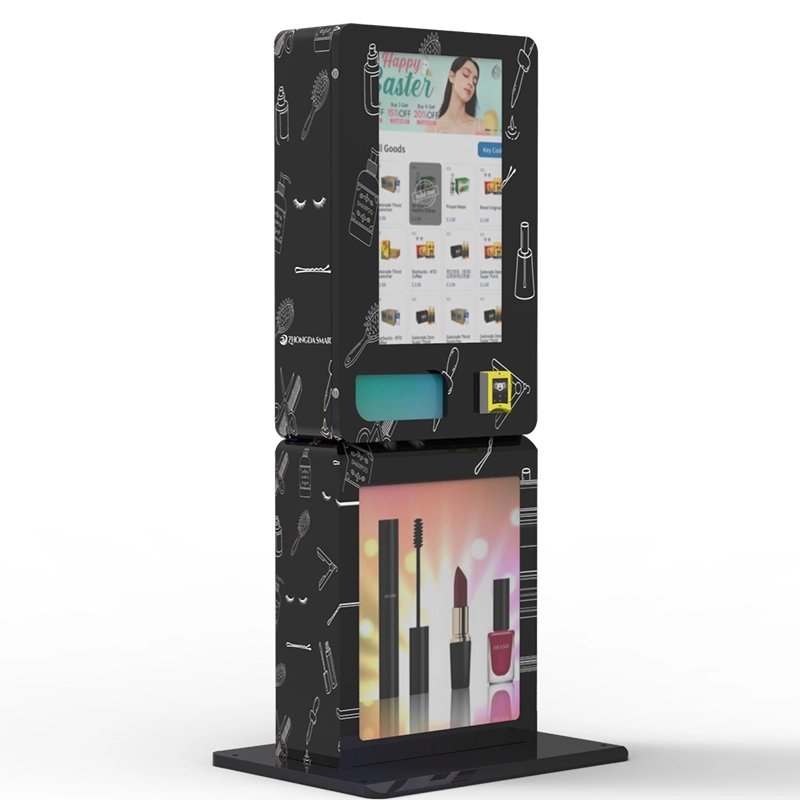
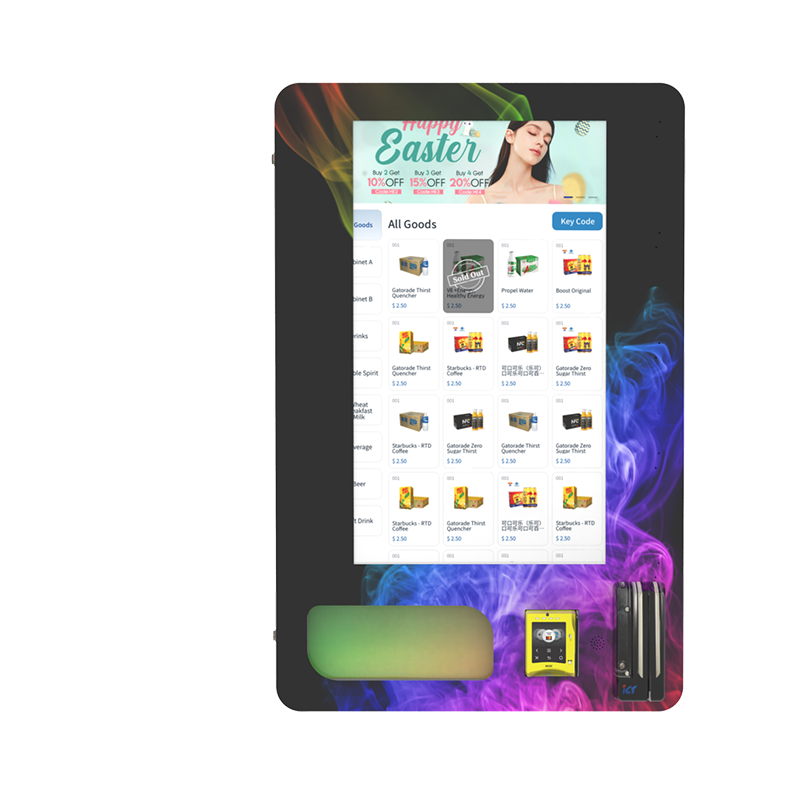
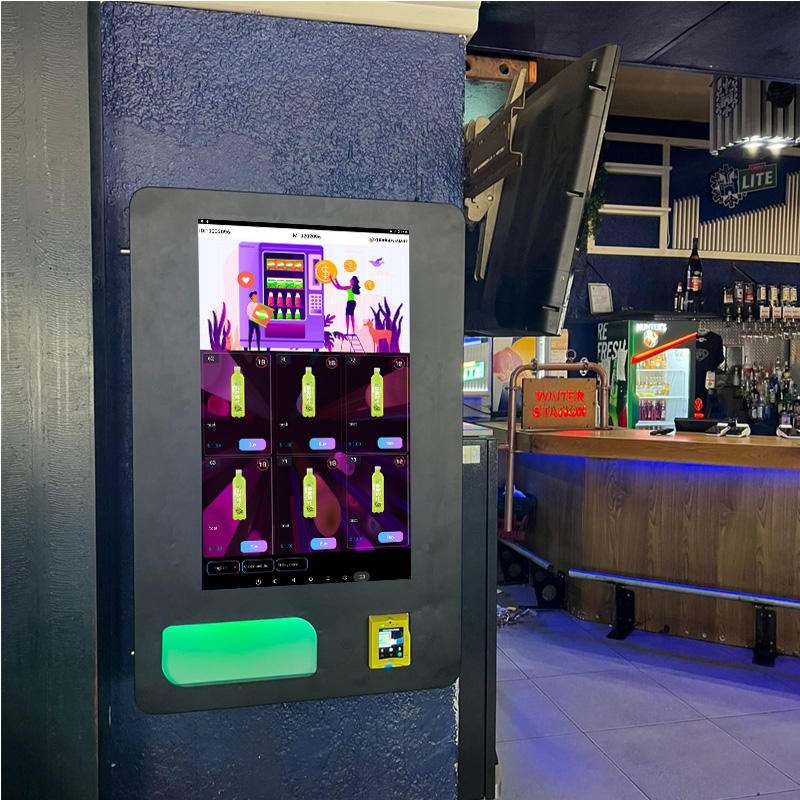
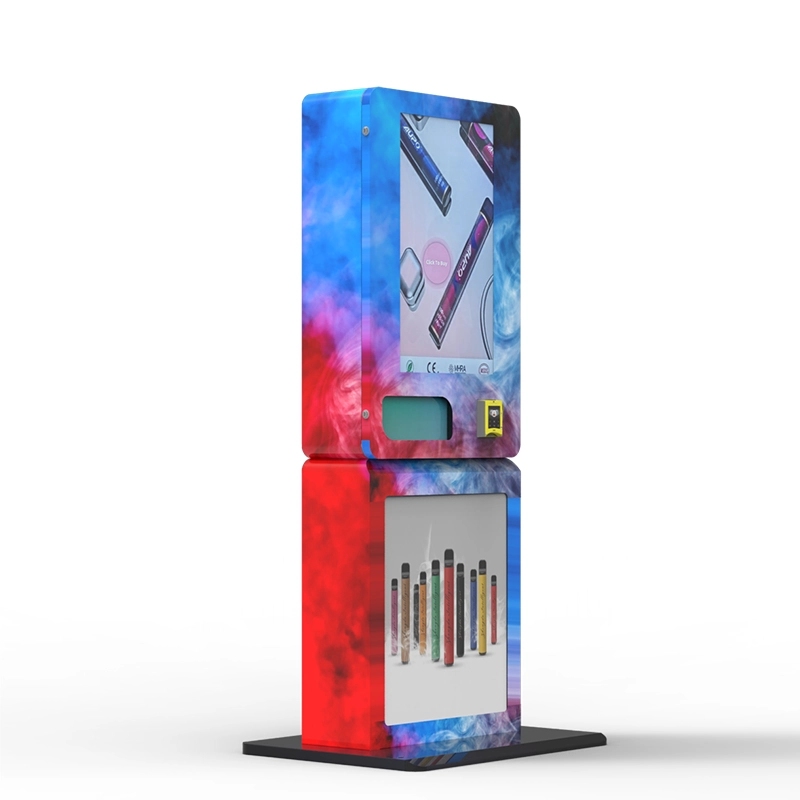
Not every machine fits every location. If you’re placing a machine in a small convenience store with limited floor space, a wall-mounted unit is the right choice. It takes up no floor space and still holds 50 to 80 products. For a larger location like a tobacco shop or a bar with high traffic, a floor-standing model with a larger capacity makes more sense. The bigger machine costs more upfront but can handle higher volume without needing restocking every other day.
I’ve used both types extensively. The wall-mounted models are easier to install and less obtrusive, but they have a smaller capacity. The floor-standing models require more space and a stronger mounting point, but they can hold 200 or more products. For a high-volume location, the floor-standing model is the better investment. For a test location or a smaller store, start with the wall-mounted unit. Zhongda Smart’s wall-mounted compact e-cigarette vending machine is a solid choice for that scenario. It’s built with the same AI verification system as the larger units, so you don’t sacrifice compliance for size.
What to Look for in a Manufacturer
I’ve bought machines from a dozen different manufacturers over the years. The ones that last are the ones that build their own software and hardware. If a company is just assembling parts from different suppliers, you’ll have compatibility issues down the road. Look for a manufacturer that writes its own age verification software, designs its own dispensing mechanism, and provides direct support. Zhongda Smart fits that description. I’ve been using their machines for the last three years, and the support has been consistent. When I had a camera issue on a Friday night, I got a response within an hour. That kind of support keeps your machines running and your revenue flowing.
FAQ: Age Verification Vending Machines
Does AI-based age verification work with out-of-state IDs?
Yes, most systems are trained on ID formats from all 50 states and several Canadian provinces. The software updates include new formats as they are released. If you’re operating near a state border, this is essential. I’ve tested machines with IDs from six different states, and they all passed as long as the ID was valid.
What happens if the camera fails during a transaction?
The machine should reject the transaction and display an error message. It will not complete a sale without a successful age verification. This is a safety feature. You will need to replace the camera module or check the connection. Most cameras are plug-and-play and take about ten minutes to swap.
Can the system verify a passport instead of a driver’s license?
Some machines support passport verification, but not all. Check the specifications before you buy. If you’re placing a machine in a tourist area or near an airport, passport support is a good feature to have. I’ve seen a 10% increase in transaction volume in those locations when the machine accepts passports.
How often do I need to update the age verification software?
Most manufacturers release updates every three to six months. Set up automatic updates if your machine supports it. If you have to update manually, check for new versions at least once a quarter. Missing an update can result in a 15–20% drop in valid transactions.
What is the false rejection rate for AI age verification?
In my experience, it’s between 2% and 3%. Most false rejections are caused by poor lighting or the customer not looking at the camera. Positioning the machine in a well-lit area and adding a simple on-screen instruction to face the camera can reduce this to under 1%.
Can I use a machine without a cellular data plan?
Technically, some machines can store transactions locally and upload them later, but I don’t recommend it. You lose real-time monitoring, and you can’t push software updates. A cellular plan costs about $30 a month and is worth every penny for the visibility it gives you.
How do I handle a customer who fails the age check but is actually over 21?
This happens occasionally. The customer can try again, making sure they are well-lit and looking directly at the camera. If the machine still rejects them, they need to use an alternative purchasing method, like buying from the counter. The machine’s decision is final for compliance reasons. Do not override it manually, or you risk your compliance status.
What is the lifespan of an age verification vending machine?
With proper maintenance, expect five to seven years of active service. The camera and touchscreen are the most likely components to need replacement during that time. The cabinet and dispensing mechanism can last much longer. I have machines from 2018 that are still running fine after a camera replacement.
Final Thoughts on AI-Based Age Verification
This technology isn’t a trend. It’s a requirement for anyone who wants to sell age-restricted products through automated retail. The days of the simple ID scanner are over. Regulators are getting smarter, and the penalties for selling to minors are severe. A single violation can cost you thousands of dollars in fines and potentially your business license. Investing in a machine with proper AI-based age verification is the only way to operate at scale without constantly looking over your shoulder.
If you’re just starting out, buy one machine with the best age verification system you can afford. Place it in a location you know well. Learn the maintenance routine. Understand the software updates. Once you’ve proven the model, scale from there. The operators who succeed in this space are the ones who treat compliance as a feature, not a burden. The machine does the heavy lifting. You just have to put it in the right spot and keep it running.
For more details on specific machine models and technical specifications, visit Zhongda Smart’s main site. They have a full lineup of machines with integrated age verification, and their support team can answer questions about deployment and installation.
Sources: