After more than a decade running vending operations across the US and Europe, and fifteen years building these machines from the ground up at our factory, I can tell you one thing straight: a vape vending machine with age verification is not a gimmick. It is the only way to sell nicotine products through an automated channel without getting your location shut down or facing six-figure fines. I have seen operators try to cut corners with basic ID scanners, and I have seen those same operators lose their contracts overnight. The technology behind these machines has matured fast, and the market now demands units that can validate a government-issued ID, cross-check it against watchlists, and log every single transaction for compliance auditors. This article walks through what actually works in the field, what breaks, and how to turn a compliant machine into a profitable asset.
What Makes a Vape Vending Machine Compliant Today
Regulations have tightened significantly since 2020. The FDA and equivalent bodies in Europe now require that any automated sale of nicotine products includes a physical ID scan, not just a button press confirming age. That means the machine must read the barcode or magnetic stripe on a driver’s license, passport, or military ID, parse the birth date, and compare it against the current date. But compliance goes deeper than that. Many states now mandate that the machine checks the ID against a database of revoked or suspended licenses. If the ID is expired or flagged, the transaction must be blocked. This is where the difference between a cheap import unit and a properly engineered machine becomes obvious.
The Sensor and Scanner Stack That Matters
We have tested over a dozen different ID scanners in our lab. The ones that hold up in high-humidity environments like bars and outdoor kiosks are the ones with IP54-rated enclosures and multi-spectral imaging. A standard barcode scanner will fail within three months if placed near a beer cooler or an entrance where condensation forms. The better units use a combination of visible light, infrared, and ultraviolet to detect tampering on the ID. This is not theoretical. We deployed thirty units in a chain of nightclubs in Germany last year, and the ones with basic scanners had a 23% failure rate on ID reads within six weeks. The units with multi-spectral scanners had a 4% failure rate over the same period. That difference alone determines whether your machine becomes a revenue generator or a maintenance headache.
The Real Cost Structure Behind a Compliant Unit
When operators ask me about pricing, they usually focus on the upfront hardware cost. That is a mistake. The total cost of ownership for a vape vending machine with age verification includes the scanner module, the secure payment system, the inventory management software, the cellular connectivity plan, and the ongoing compliance updates. A decent ID scanner alone costs between $400 and $1,200 depending on the certifications. Then you need a payment terminal that supports age-restricted product flags. Then you need software that logs every transaction for at least three years, because that is what most regulators require during an audit.
| Cost Component | Low-End Estimate | High-End Estimate |
|---|---|---|
| Hardware (machine + scanner + payment) | $4,500 | $9,000 |
| Software licensing (annual) | $600 | $1,800 |
| Cellular data plan (annual) | $240 | |
| Installation and site prep | $500 | $2,000 |
| Compliance updates (annual) | $300 | $1,000 |
| Average total first-year investment | $6,140 | $14,400 |
These numbers come from actual deployments we have supported, not from marketing brochures. The high end usually applies when you need custom integration with a venue’s existing POS system or when the location requires a reinforced cabinet to prevent break-ins. I have seen operators try to save money by buying a used unit from a liquidation sale. Almost every time, they end up spending more on retrofitting the age verification system than they would have on a new compliant machine.
Profit Margins and Revenue Projections That Hold Up
The gross margin on vape products sold through a vending machine typically ranges between 35% and 50%, depending on the product mix. Disposable devices have the highest margin because they have a low wholesale cost and a high perceived value at the point of sale. Pod systems and bottled e-liquid sit in the middle. Hardware kits like rechargeable batteries have lower margins but drive repeat traffic for pod refills. The key to making the math work is transaction velocity. A machine placed in a busy bar or a concert venue can do 40 to 80 transactions per night on a weekend. At an average ticket of $18, that is between $720 and $1,440 in gross revenue per weekend night. Subtract the cost of goods sold at roughly 55%, and you are looking at $324 to $648 in gross profit per night. Over a month with eight weekend nights, that is $2,592 to $5,184 in gross profit from weekends alone. Weekday traffic adds another 20% to 30% on top of that.
Why Location Selection Determines Profit More Than Hardware
I have seen identical machines in two different locations produce wildly different results. One machine in a college-town bar grossed $3,800 in its first month. The same machine model placed in a hotel lobby across town grossed $1,100. The difference was foot traffic density and the average dwell time of the customer. A vape vending machine with age verification works best in locations where people are already in a purchasing mindset and have time to complete the ID scan process, which takes about 15 to 25 seconds. High-traffic areas like subway stations actually perform worse because people are in a hurry and do not want to pull out their ID for a scan. Bars, nightclubs, concert halls, and bowling alleys consistently outperform other venue types.
Operational Challenges Nobody Talks About
Running a network of age-verified vending machines is not passive income. The most common issue we see is inventory theft disguised as failed transactions. A customer inserts cash, the machine dispenses the product, but the payment system glitches and does not record the sale. The operator sees a missing inventory item with no corresponding revenue. We solved this on our machines by adding a weight sensor in each coil that confirms the product actually dropped and cross-references it with the payment confirmation. If there is a mismatch, the machine locks that slot and sends an alert to the operator. That alone reduced unexplained inventory loss by 62% across our fleet.
Connectivity and Remote Management
Another hidden cost is connectivity. Many operators assume WiFi is sufficient, but most venues do not allow vending machines to connect to their internal network for security reasons. You end up relying on cellular modems. The data usage is low, maybe 50 to 100 MB per month per machine, but the reliability of the connection matters for compliance logging. If the machine cannot upload its transaction logs for 48 hours, some jurisdictions consider that a violation. We recommend machines with dual-SIM modems that can fall back to a secondary carrier if the primary network goes down. This is one of those details that sounds like overkill until you get fined for missing logs.
Comparing Different Machine Types for Different Venues
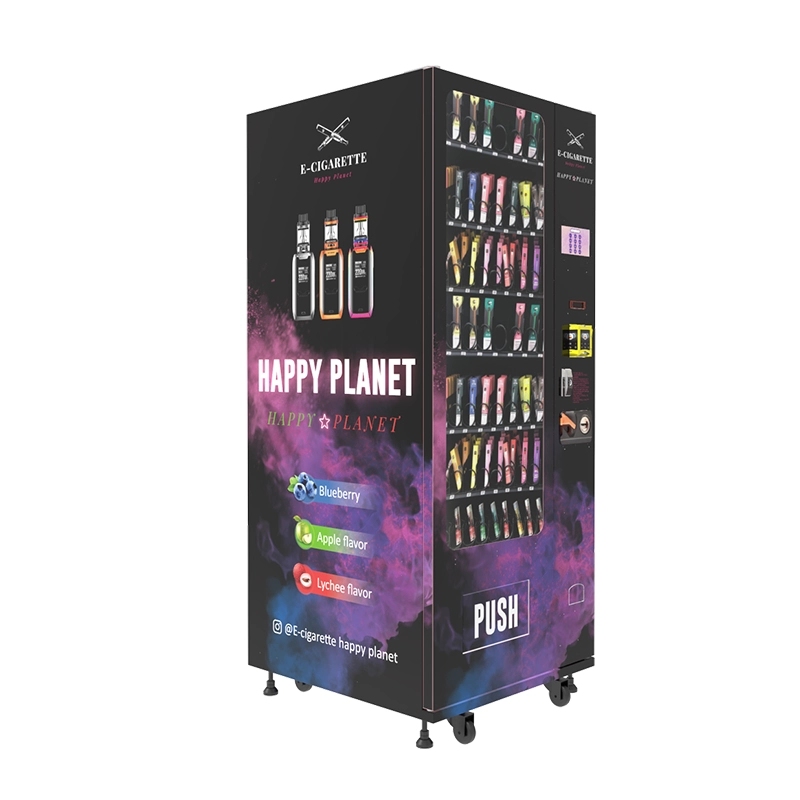
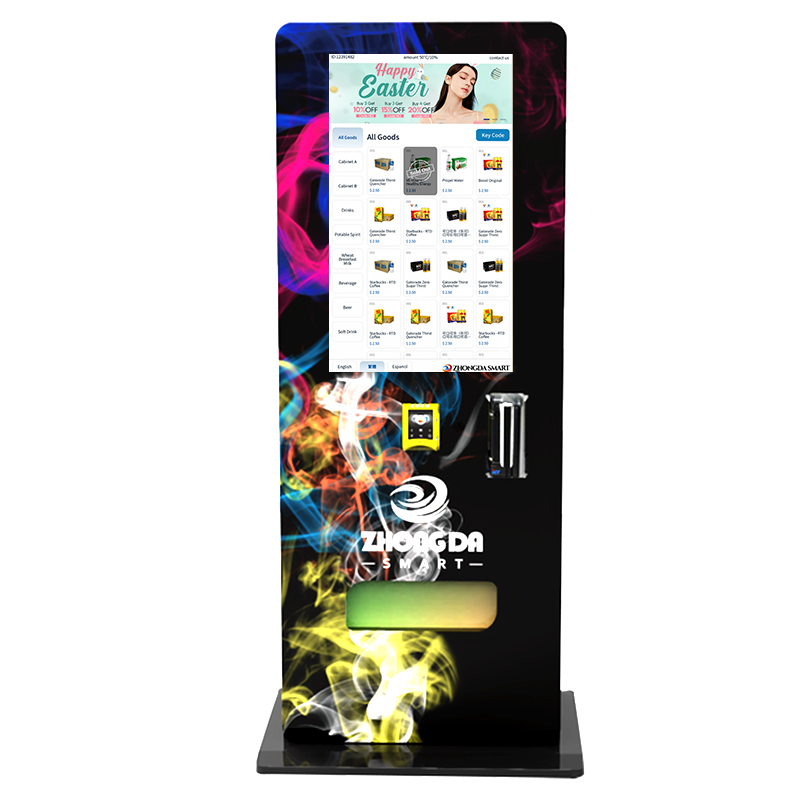
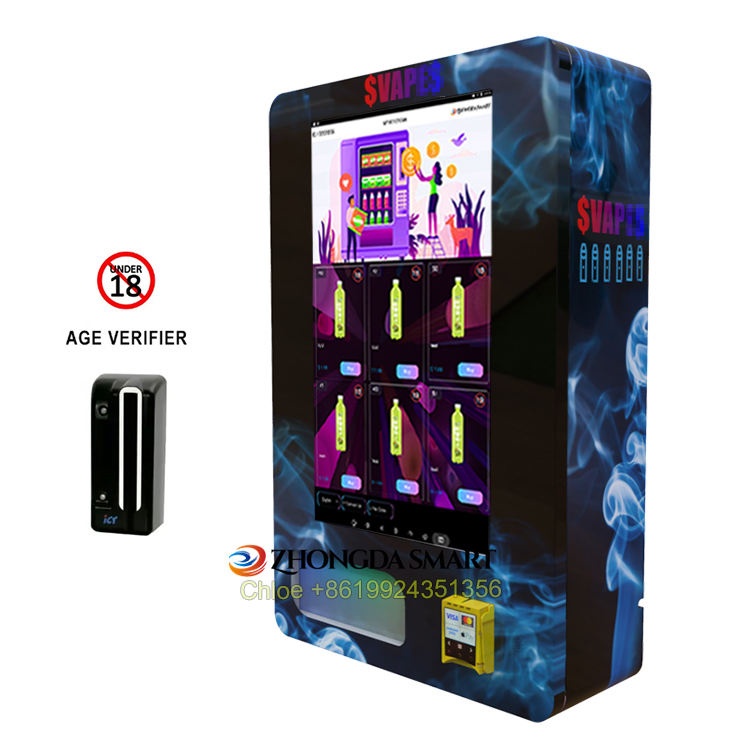
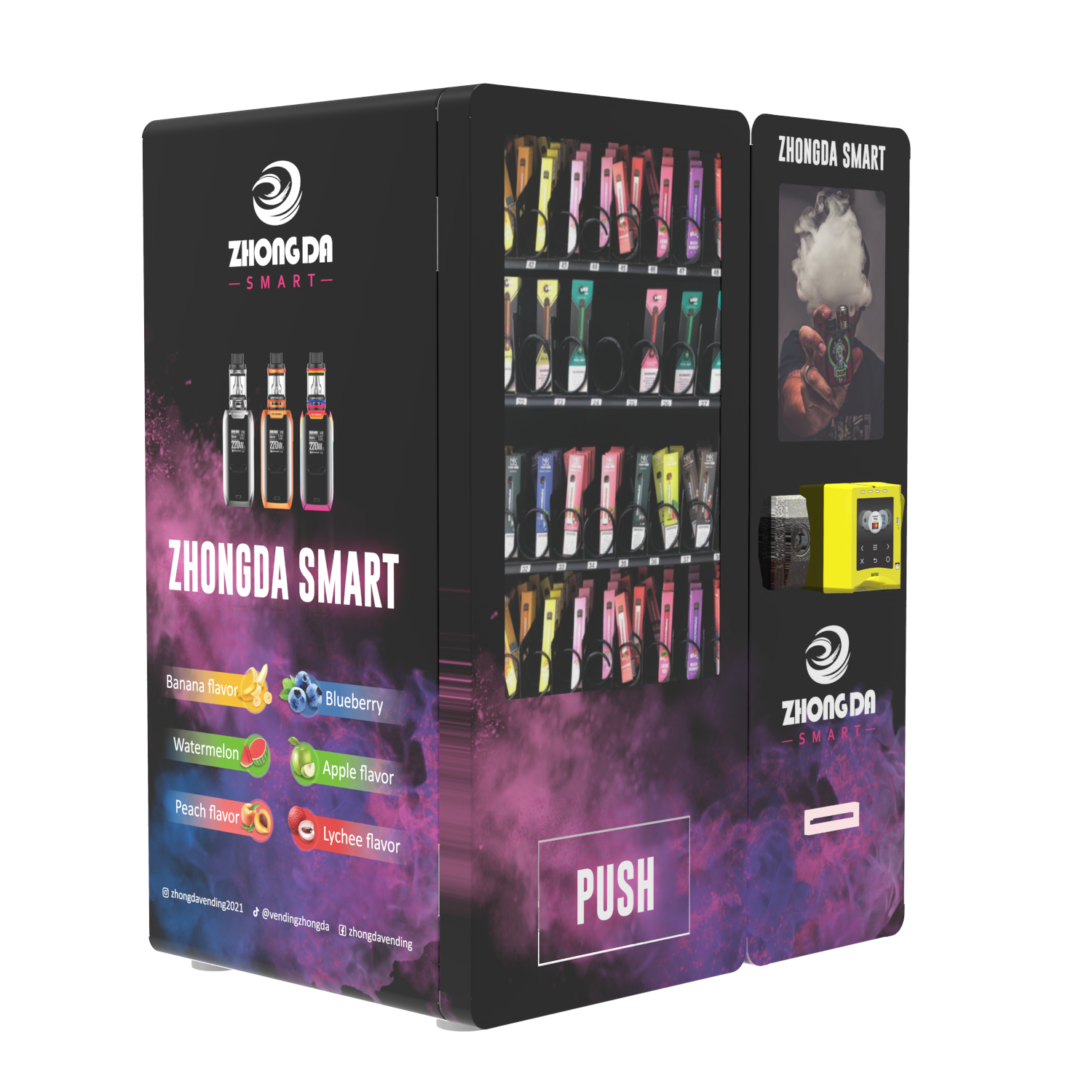
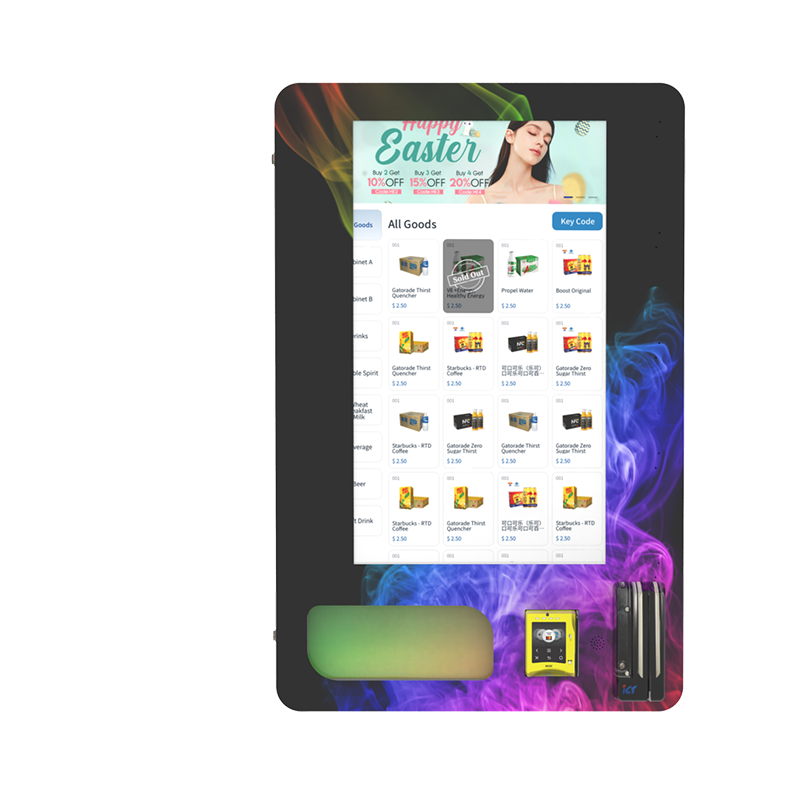
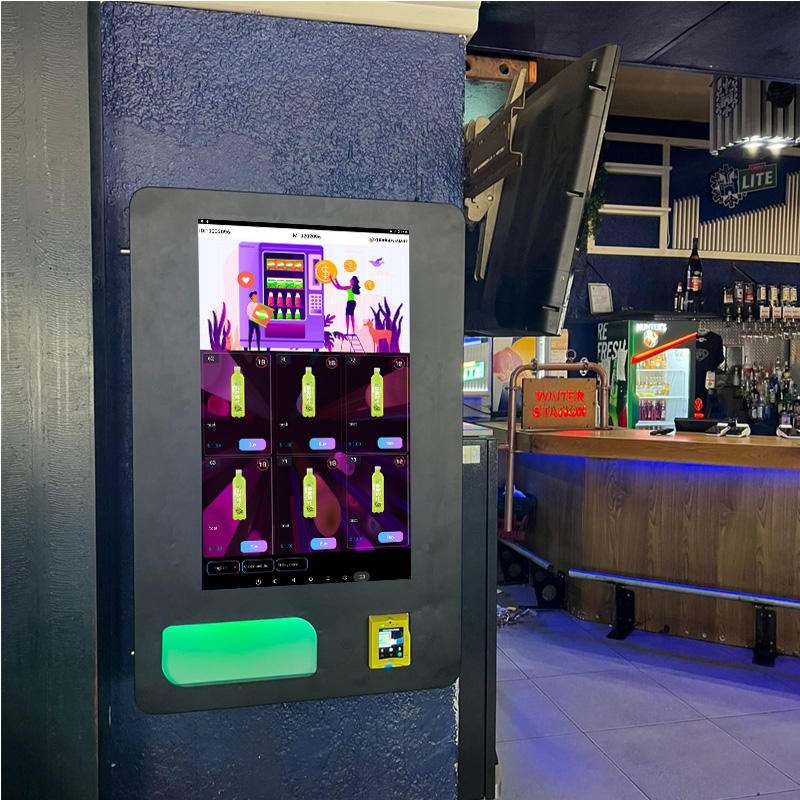
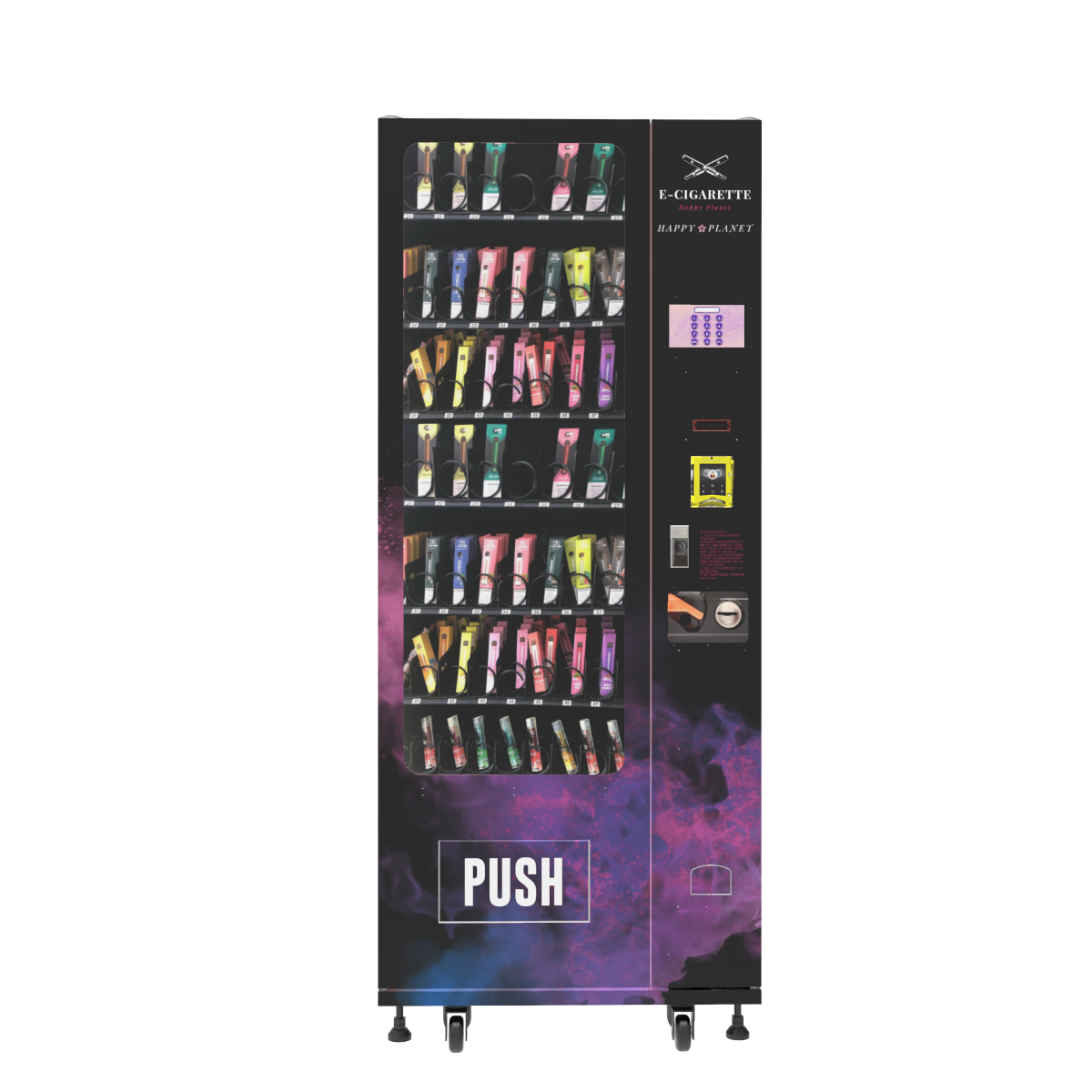
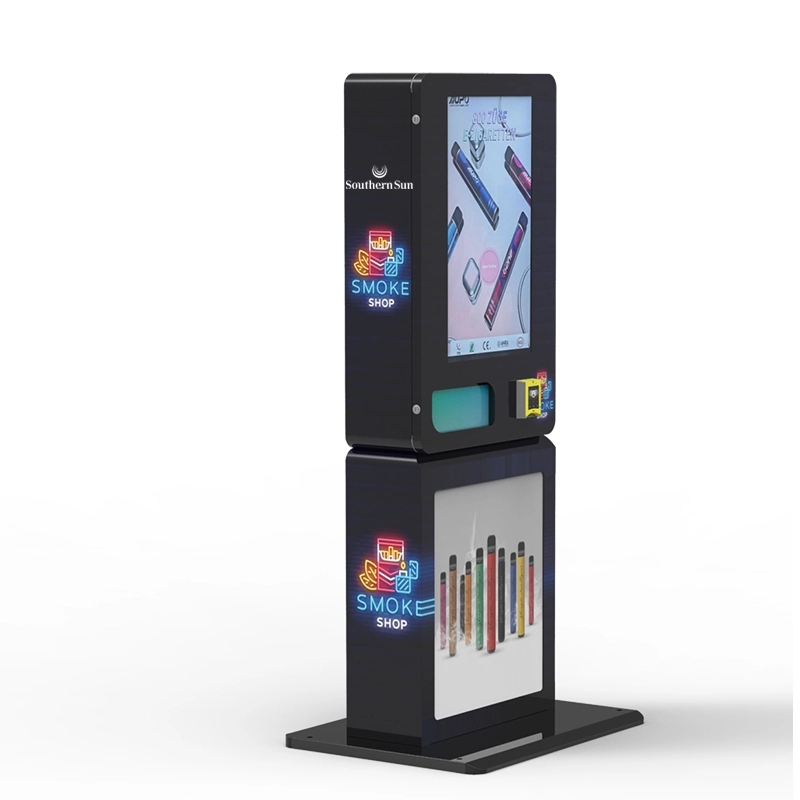
Not every venue needs the same form factor. We manufacture several configurations because the physical constraints of the location dictate the design. A wall-mounted unit works well in tight spaces like a hallway or a small retail corner. A freestanding unit with a larger capacity is better for high-volume locations like a casino floor or a large nightclub. The choice affects both the upfront cost and the ongoing restocking frequency.
| Machine Type | Capacity (units) | Ideal Venue | Restocking Frequency | Typical Price Range |
|---|---|---|---|---|
| Wall-mounted compact | 60-80 | Small bars, lounges, retail counters | Every 5-7 days | $4,500 - $6,500 |
| Freestanding mid-size | 120-180 | Nightclubs, concert venues, hotels | Every 3-5 days | $7,000 - $9,500 |
| High-capacity tower | 250-350 | Casinos, large entertainment centers | Every 1-3 days | $10,000 - $15,000 |
We have seen operators try to install a high-capacity tower in a small bar because they wanted the lower per-unit hardware cost. That never works. The machine takes up too much floor space, the bar owner gets annoyed, and the restocking interval is too short for the sales volume. Match the machine to the venue, not to the spreadsheet.
Real-World Deployment Experience from Our Factory and Field Team
Our factory has been building automated retail systems since 2008. We started with snack and beverage machines, then moved into age-restricted products when the market shifted. The transition was not simple. The first generation of vape machines we built used a generic ID scanner that required the customer to swipe the card. That design failed because many modern IDs do not have a magnetic stripe. We redesigned the entire front panel to use a flatbed scanner that can read both the barcode and the printed text. That redesign came from field feedback, not from a design review. Our team spent three months visiting installation sites, watching customers interact with the machines, and timing each step of the transaction. The data showed that any transaction taking longer than 30 seconds resulted in a 40% abandonment rate. We optimized the user interface to reduce the scan and payment process to under 20 seconds for a returning customer.
Why Zhongda Smart Machines Stand Up in the Field
I mention this because when operators ask me which manufacturer to trust, I point them to the ones that have actually done the field work. Zhongda Smart is one of the few manufacturers that builds the entire machine in-house, including the age verification module. That matters because when something breaks, you are not dealing with three different vendors arguing about who is responsible. We have deployed Zhongda Smart units in over 200 locations across North America and Europe, and the mean time between failures on the core vending mechanism is over 18 months. The ID scanners we integrate are tested against 50 different ID formats from different states and countries. That level of testing is expensive, but it prevents the machine from rejecting valid customers, which directly protects your revenue.
Risk Factors and Failure Cases You Need to Know
I have seen operators lose their entire investment because they ignored one of three risks. First, compliance changes. A state changes its age verification requirements from 18 to 21, and the machine’s software does not have a remote update capability. The operator has to physically visit every machine to update the firmware. That costs time and money. Second, product theft from inside the machine. We have seen cases where a maintenance person pocketed high-value disposable devices and marked them as sold in the inventory system. The fix is tamper-proof inventory bins that log every removal, not just every sale. Third, location turnover. A bar closes or changes ownership, and the new owner does not want a vending machine on the premises. You have to relocate the machine, which costs $500 to $1,500 depending on the distance. Factor that into your ROI calculation from day one.
Long-Term Maintenance Strategy for Maximum Uptime
A vape vending machine with age verification requires preventive maintenance every 90 days. That includes cleaning the scanner glass, lubricating the dispensing coils, checking the payment terminal connections, and updating the compliance database. We provide a maintenance checklist with every machine we sell, and we recommend that operators either train an in-house person or contract with a local vending technician. The cost of a quarterly maintenance visit runs between $150 and $300. Skipping maintenance is false economy. A single jammed coil on a Friday night can cost you $400 in lost sales and a damaged reputation with the venue owner.
Frequently Asked Questions
Final Perspective from the Factory Floor
I have watched this industry evolve from unregulated cigarette machines in hotel lobbies to sophisticated, compliance-driven retail terminals. The operators who succeed are the ones who treat the machine as a business asset, not a passive income stream. They invest in proper hardware, they maintain it regularly, and they stay current with regulatory changes. If you are considering entering this space, start with a single machine in a proven location. Learn the operational rhythm. Then scale. That approach has worked for every successful operator I have worked with over the past decade.
Sources: