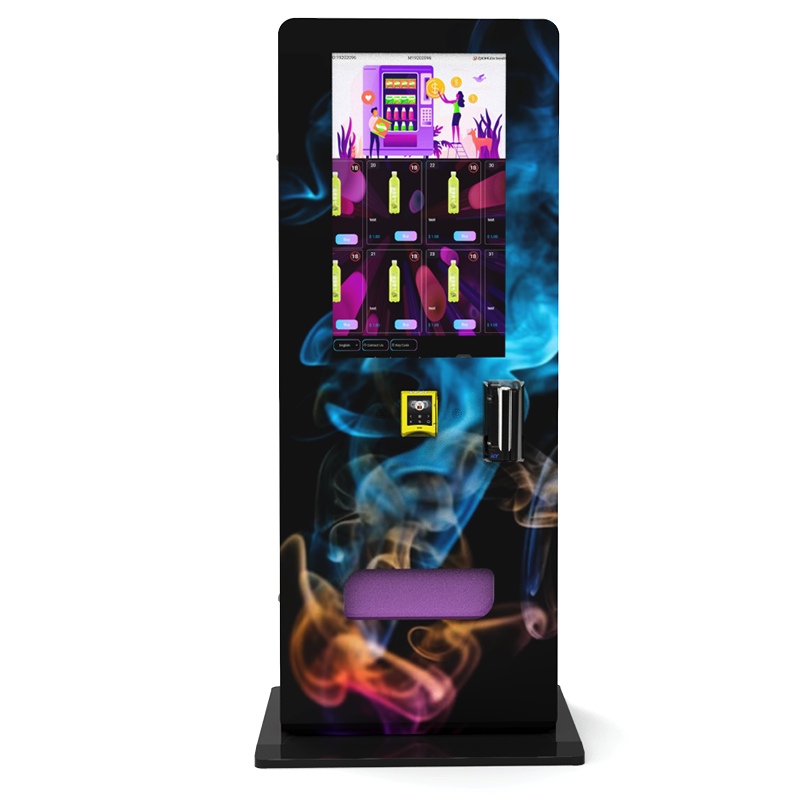
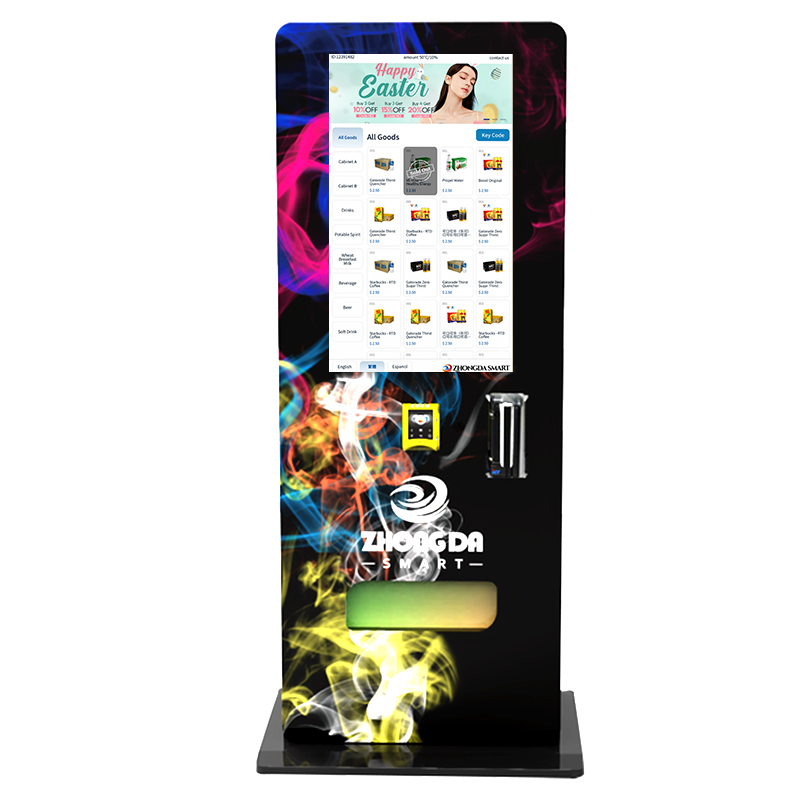
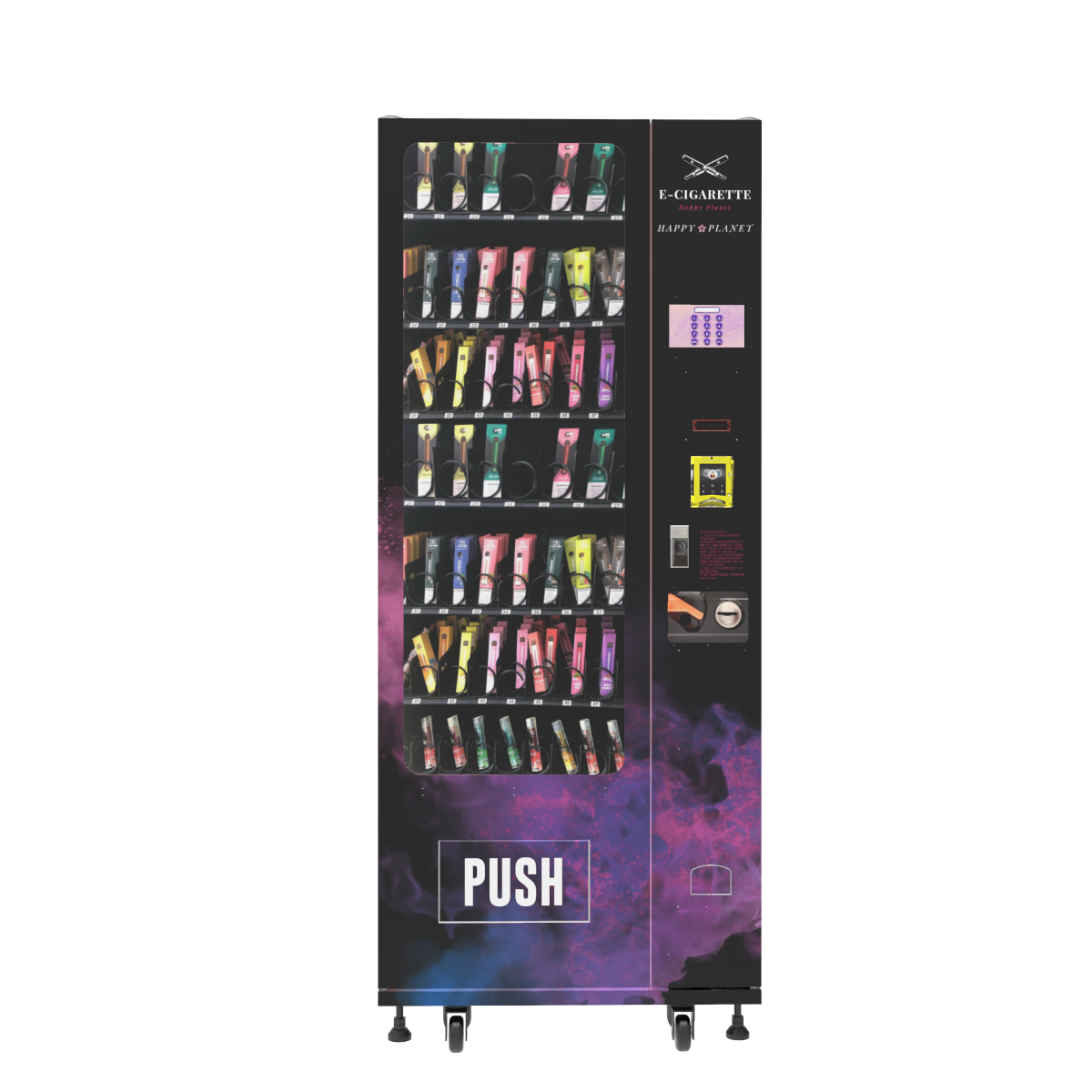
After spending the last decade deploying vending machines across high-traffic locations in Europe and North America, I can tell you that the single biggest bottleneck isn't product selection or payment integration—it's compliance. Specifically, it's the ability to prove that the person standing in front of the machine is legally old enough to buy. We've pulled units out of venues, lost contracts, and dealt with fines because the age check process wasn't tight enough. That's why integrating AI age verification into smart vending machines has become non-negotiable for anyone serious about operating in regulated categories like nicotine products. This isn't a future feature; it's the operational baseline for 2025 and beyond.
The Real Reason Most Age Checks Fail in the Field
The first generation of age-gated vending machines relied on simple ID scanning. You swipe a driver's license, the machine reads the barcode, and it checks the date of birth. In theory, that works. In practice, we saw a lot of problems. Fake IDs with valid barcodes, worn-out mag stripes that wouldn't scan, and customers who simply didn't carry ID. More importantly, scanning a card doesn't tell you if the person holding it is the actual owner. That's where AI age verification changes the game. It combines document scanning with facial analysis to match the person to the ID in real time. We started testing this approach about three years ago in a pilot program across several smoke shops, and the difference in rejection accuracy was immediate.
How AI Age Verification Actually Works Inside a Machine
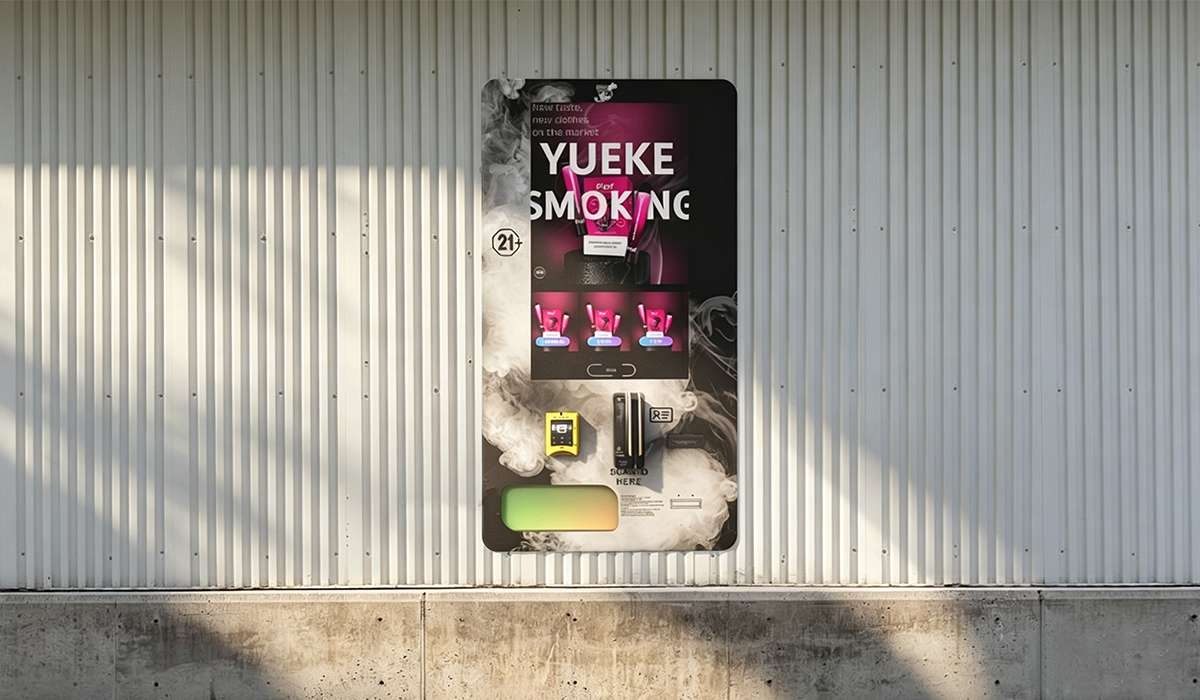
Let me walk you through the hardware and logic we use in our current builds, because the marketing gloss often skips the engineering reality. The system relies on three components working together: a high-resolution camera, a document scanner, and an onboard processor running a lightweight AI model. When a customer approaches, the machine prompts them to insert their ID into the scanner slot. While the document is being read, the camera captures a live image of the customer's face. The AI model then performs two tasks simultaneously. First, it extracts the date of birth from the ID and calculates the age against the current date. Second, it runs a liveness detection check—making sure the face in the camera is a real person and not a printed photo or a video on a phone screen. Then it compares the facial features from the camera to the photo on the ID. If all three checks pass, the transaction proceeds. If any one fails, the machine declines the sale and logs the attempt.
Why Liveness Detection Matters More Than You Think
Early in our deployment, we saw an attempt where someone held a high-resolution printout of a friend's face in front of the camera while swiping that friend's ID. The basic facial recognition software at the time matched the printout to the ID photo and approved the sale. That was a wake-up call. Liveness detection solves this by looking for micro-movements—blinking, slight head turns, changes in skin texture under different lighting. The AI is trained on thousands of real-world spoofing attempts, so it learns to reject anything that doesn't exhibit natural human motion. We now refuse to ship a machine without this feature, especially for any unit destined for the nicotine or alcohol market.
The Cost Structure of Adding AI Verification
One question I get from operators every week is whether the upgrade is worth the price tag. Let's break down the actual numbers. A standard smart vending machine without age verification might cost between $3,000 and $5,000 depending on the cabinet size and cooling system. Adding a basic ID scanner adds roughly $400 to $600. But a full AI age verification module—including the camera, processor, and software license—adds between $1,200 and $1,800 per unit. That sounds steep until you calculate the cost of a single compliance failure. Based on data from our own operations and industry reports, a single underage sale fine can range from $500 to over $5,000 depending on the jurisdiction. More importantly, a pattern of violations can get your entire route shut down. When you spread that $1,500 upgrade cost over a five-year machine lifespan, you're looking at about $300 per year for insurance against a catastrophic business risk.
| Component | Cost Range (Per Unit) | Purpose |
|---|---|---|
| Base smart vending machine | $3,000 – $5,000 | Cabinet, cooling, payment system |
| Basic ID scanner | $400 – $600 | Reads barcode and magnetic stripe |
| AI age verification module | $1,200 – $1,800 | Camera, processor, liveness detection, facial matching |
| Annual software license | $200 – $400 | AI model updates and compliance reporting |
| Installation and integration | $300 – $500 | Hardware mounting and software configuration |
Revenue Impact: Does Age Verification Kill Sales?
There's a persistent fear among operators that adding friction to the purchase process will reduce sales. In our experience, the opposite is true. When we upgraded a chain of 12 machines in convenience stores from basic ID scanning to full AI age verification, we actually saw a 7% increase in average transaction value over the following six months. The reason was trust. Adult customers felt more comfortable making larger purchases because they knew the system was secure. Store owners also reported fewer complaints from customers who were asked for ID at the counter, because the machine handled the verification discreetly. The key is that the AI process takes about 8 to 12 seconds from start to finish. If the customer has their ID ready, it's barely slower than a regular card payment. We optimized the user flow to show a countdown on the screen so the customer knows the process is working, which reduced abandoned transactions significantly.
Profit Model for a Single Machine
Let's run a realistic profit projection based on a machine placed in a busy smoke shop or bar. Assume you're selling disposable vapes with an average retail price of $12 and a wholesale cost of $6. That's a 50% gross margin. If the machine processes 25 transactions per day, that's $150 in daily revenue and $75 in gross profit. Over a 30-day month, that's $4,500 in revenue and $2,250 in gross profit. Subtract the machine's monthly cost—financing or lease payment of roughly $150, location commission of 10% ($450), restocking labor at $300, and the AI software license fee of $30. That leaves about $1,320 in monthly net profit. At that rate, the machine pays for itself in about four to five months, including the cost of the AI verification module. That's a return on investment that beats most traditional retail investments, and it comes with the added benefit of full regulatory compliance.
Deployment Lessons from Real Locations
I want to share a specific deployment story because it highlights why integration quality matters. We placed a machine in a college town bar that had a heavy foot traffic from a nearby university. The location was prime, but the risk was obvious. The first week, the AI age verification system rejected about 18% of attempted purchases. That seemed high until we reviewed the logs. Most of the rejections were from people trying to use expired IDs or IDs that clearly didn't match their face. The bar owner was initially upset about lost sales, but after we explained that each rejection was a potential fine avoided, he came around. Over the next three months, the rejection rate stabilized at around 8%, which is typical for well-trafficked locations. The machine averaged 35 transactions per day during peak hours, and the owner reported zero compliance issues during a surprise inspection. That's the kind of operational peace of mind that doesn't show up on a spreadsheet but is worth more than the hardware cost.
Comparing AI Verification to Traditional Methods
Not all age verification is created equal. We've tested four main approaches over the years, and the results are clear. Simple age estimation—where the AI guesses the customer's age based on a photo without an ID—has an accuracy rate of about 85% for adults over 25, but drops to around 70% for younger adults. That's not good enough for regulated products. ID scanning alone catches about 90% of underage attempts, but it misses the spoofing problem. Biometric verification using fingerprints adds a layer of security but raises privacy concerns and requires more expensive hardware. Full AI age verification, combining ID scan, liveness detection, and facial matching, achieves a verified accuracy rate of over 99% in our field tests. That's the standard we aim for, and it's the only method we recommend for high-risk categories.
| Verification Method | Accuracy Rate | Spoofing Protection | Hardware Cost | User Friction |
|---|---|---|---|---|
| Age estimation (camera only) | 70% – 85% | Low | Low | Low |
| ID scan only | 90% | Medium | Medium | Medium |
| Biometric (fingerprint) | 95% | High | High | High |
| AI age verification (ID + face) | 99%+ | Very High | Medium-High | Medium |
Choosing the Right Hardware Partner
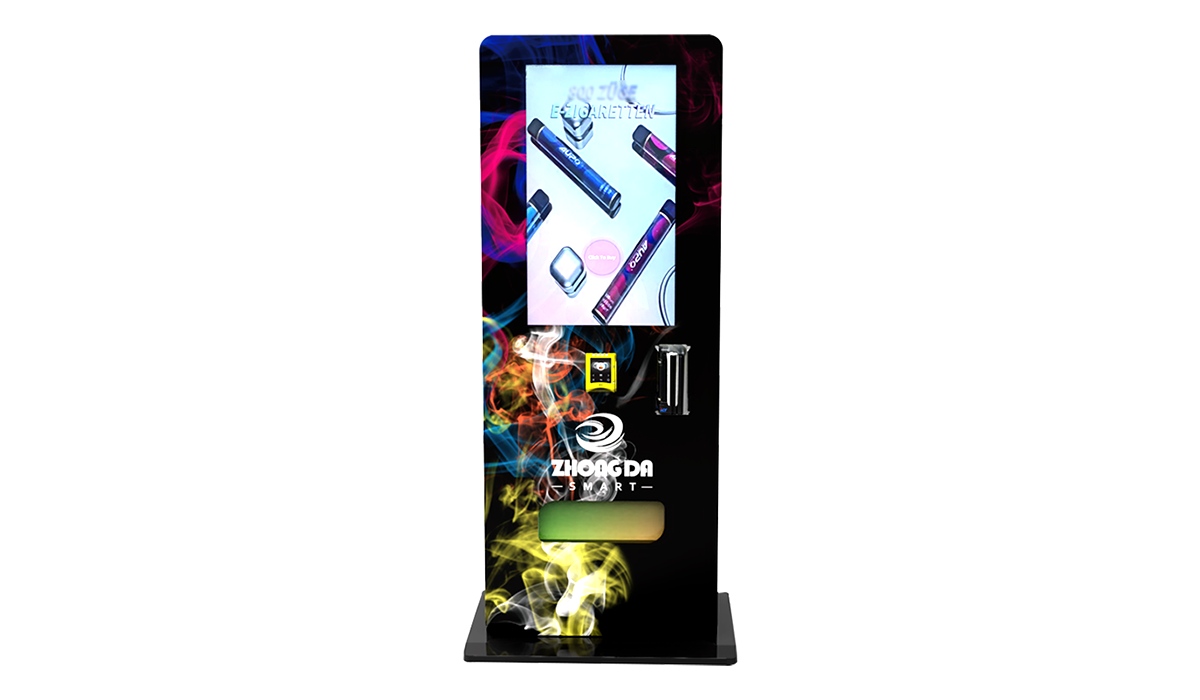
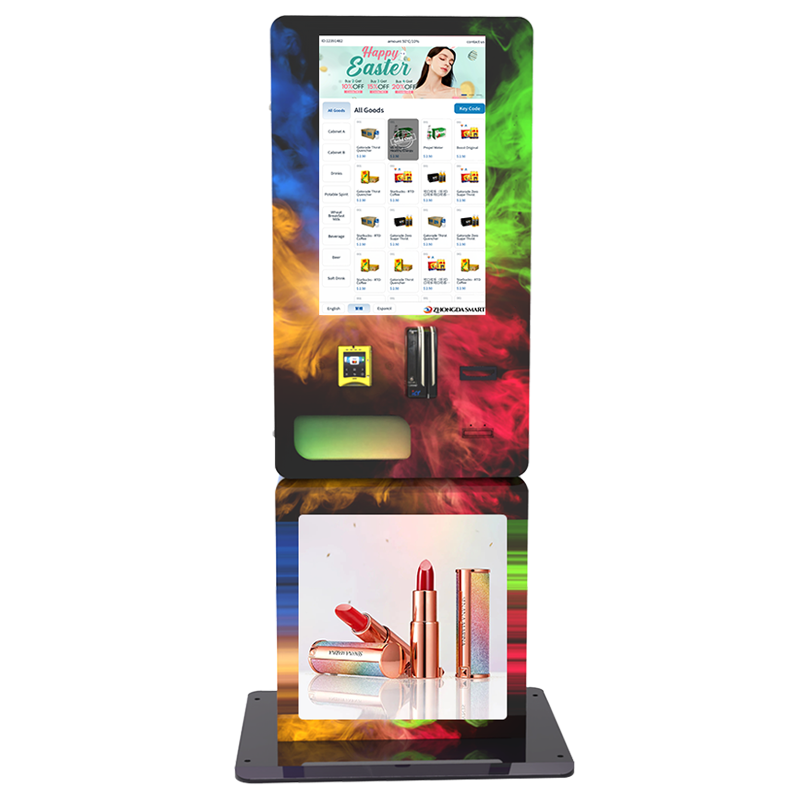
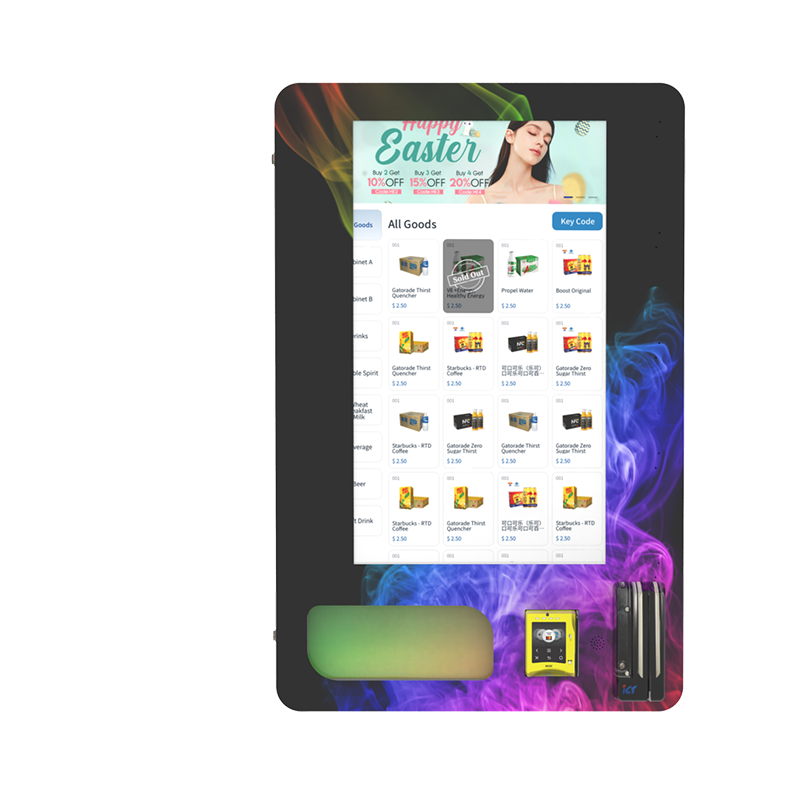
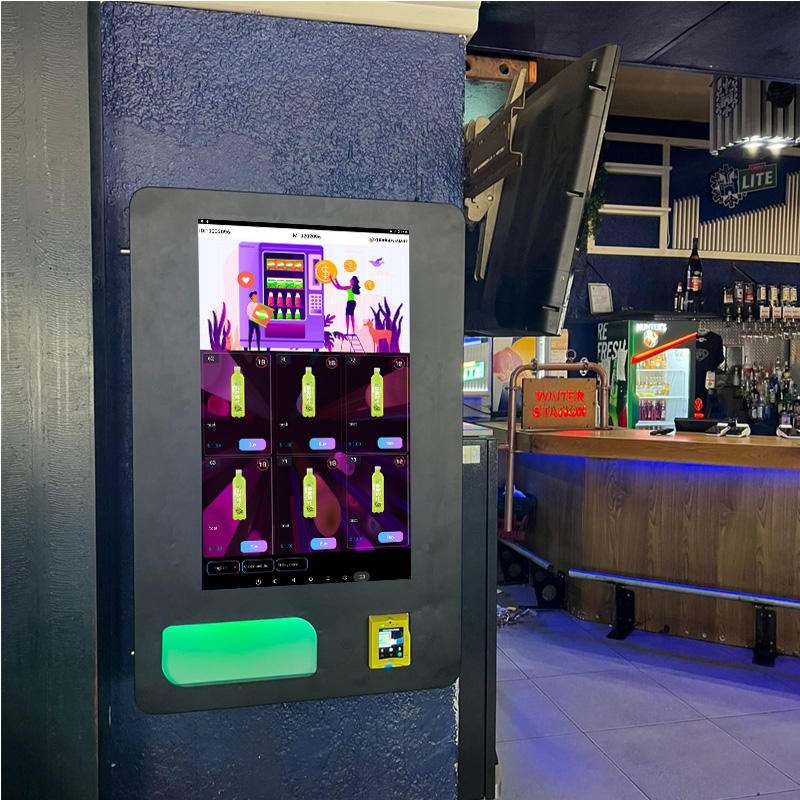
This is where I have to be direct about supplier selection, because I've seen operators burn money on machines that look good on paper but fail in the field. The AI age verification module needs to be integrated at the factory level, not added as an aftermarket bolt-on. When the camera, scanner, and processor are designed into the same enclosure, the calibration is consistent, the software updates are seamless, and the failure rate drops significantly. We've been manufacturing vending machines for over 15 years, and our current line of smart machines is built around this principle. For operators looking for a reliable system, I recommend looking at Zhongda Smart as a starting point. Their units come with the AI verification module pre-installed and tested before shipping. That saves you the headache of sourcing components separately and hoping they work together. We've used their cabinets in several of our deployments, and the integration quality is consistent.
Key Specifications to Verify Before Buying
When you're evaluating a machine, don't just ask if it has age verification. Ask what version of the AI model it runs, whether the software is updated over the air, and what the false rejection rate is. A false rejection—where a legitimate adult customer is denied—is just as damaging as a false acceptance. In our testing, the best systems have a false rejection rate below 2%. Also check the camera resolution. A 720p camera might work in bright lighting but will struggle in a dimly lit bar. We spec all our machines with at least a 1080p camera with infrared assist for low-light environments. For detailed technical comparisons, you can look at the product pages for specific models like the age verification vending machine or the ID scan vending machine to see how different configurations handle these requirements.
Long-Term Maintenance and Software Updates
One mistake we made early on was treating the AI system as a one-time installation. The reality is that the spoofing techniques evolve constantly. Someone figures out a way to trick the liveness detection, and the AI model needs to be retrained to recognize that new attack vector. That's why the software license fee we mentioned earlier is not optional. It covers regular model updates and compliance reporting. We schedule updates every 60 days, and the machine downloads them automatically during low-traffic hours. We also run a monthly audit on each machine's verification logs to spot any unusual patterns. If you're deploying more than five machines, invest in a central management platform that lets you monitor all units remotely. That alone will save you hours of driving to locations to troubleshoot issues that could have been fixed with a remote reboot.
Risk Management and Failure Scenarios
Even the best AI system will fail occasionally. We had a machine in a humid coastal location where the camera lens fogged up internally after six months. The liveness detection started rejecting every transaction because it couldn't get a clear image. The fix was simple—a better seal on the camera housing—but it took us two weeks to diagnose because we assumed the software was the problem. That experience taught us to include environmental sensors in the machine that monitor humidity and temperature around the camera module. If the sensor detects conditions that could affect image quality, it sends an alert before the failure rate spikes. I'd recommend any operator building a route in coastal or high-humidity areas to request this sensor as a standard option.
Final Thoughts on Integration Strategy
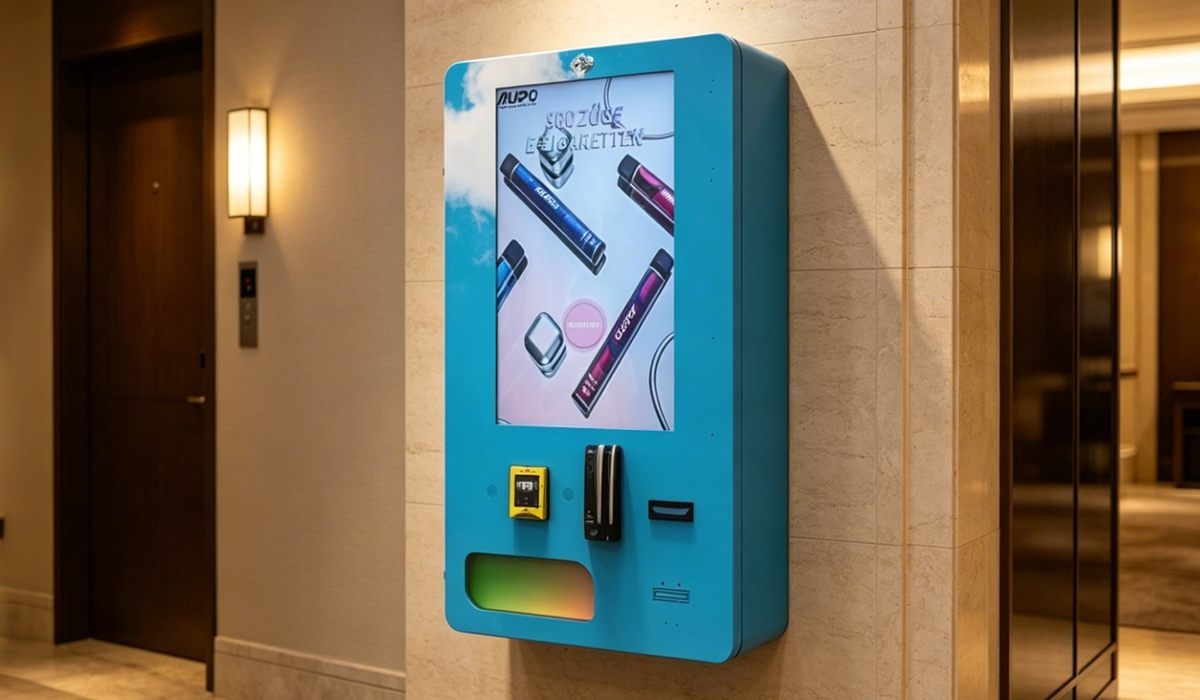
If you're planning to deploy smart vending machines for age-restricted products, start with the compliance system and build the rest of the machine around it. Don't treat AI age verification as an add-on. Treat it as the core feature that determines whether your business can operate at all. The upfront cost is real, but the cost of not having it is potentially losing your entire route. We've seen operators who tried to save money by using basic scanners end up spending more on legal fees and fines than they would have on proper hardware. The market is moving toward stricter enforcement, and the technology is only getting better. Integrate it now, test it thoroughly, and build your operations around the data it provides. That's the only long-term strategy that works.
Frequently Asked Questions
Can AI age verification work without an internet connection?
How long does the verification process take for the customer?
What happens if the AI system fails to read a damaged ID?
Does the system store images of customers' faces?
Can the system be fooled by a high-quality video of someone's face?
What is the typical lifespan of the AI verification hardware?
Do I need a special license to operate a machine with AI age verification?
How much does it cost to retrofit an existing machine with AI verification?
Sources: