After spending the better part of the last decade deploying vending solutions across North America and Europe, I’ve seen the landscape shift from simple snack machines to sophisticated, regulated retail endpoints. The most significant pivot I’ve witnessed is the rise of the cannabis vending machine with age verification systems. This isn’t just a trend; it’s a fundamental change in how age-restricted products reach consumers. For operators, the core question isn’t whether this technology works, but how to deploy it profitably while staying compliant. I’ve been on the factory floor designing these units and on the front lines troubleshooting them in real retail environments. This guide cuts through the marketing noise and lays out the real mechanics, costs, and operational strategies that determine success in this space.
Why Age Verification Changes the Vending Game
The old model of vending was simple: drop a coin, get a product. That model died the moment regulators demanded strict age controls for cannabis and nicotine products. A standard snack machine has no idea if the person pressing the button is 21 or 15. That’s why a cannabis vending machine with age verification systems isn’t just a nice feature—it’s the only legal pathway to operate in most regulated markets.
From my experience retrofitting older machines and building new ones from scratch, the core challenge is reliability. A scanner that fails to read a driver’s license on a Friday night is a machine that loses money. I’ve seen operators buy cheap, off-the-shelf scanners that worked in an office but failed miserably in a dimly lit lounge. The verification system needs to be industrial-grade, not consumer-grade. It must handle scratched IDs, glare from overhead lights, and still process a transaction in under ten seconds. If the process takes longer than that, customers walk away.
How the Hardware Actually Works in the Field
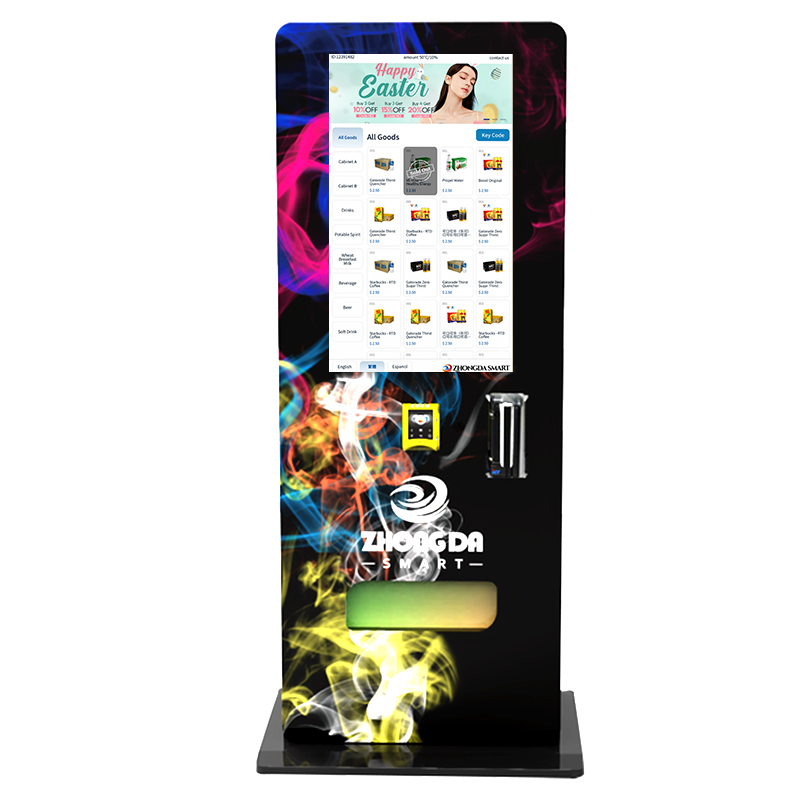
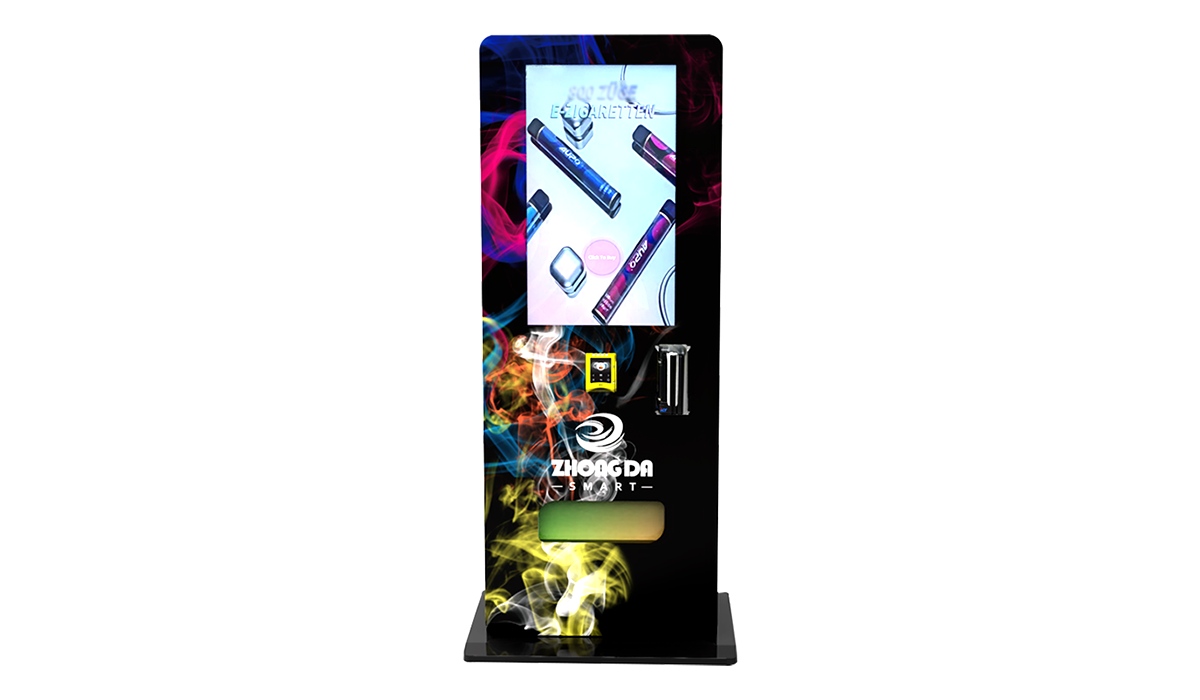
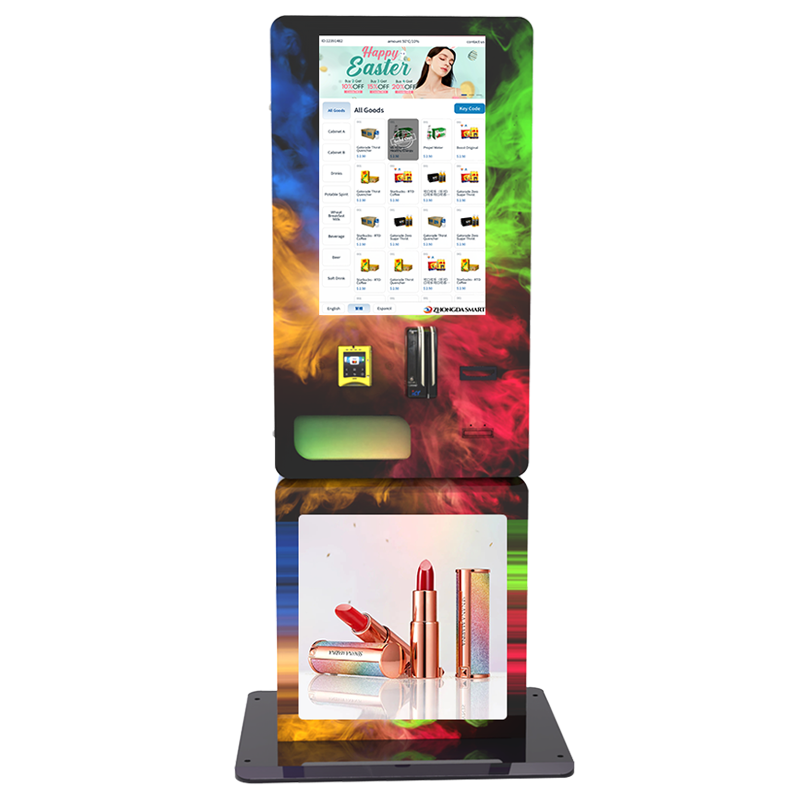
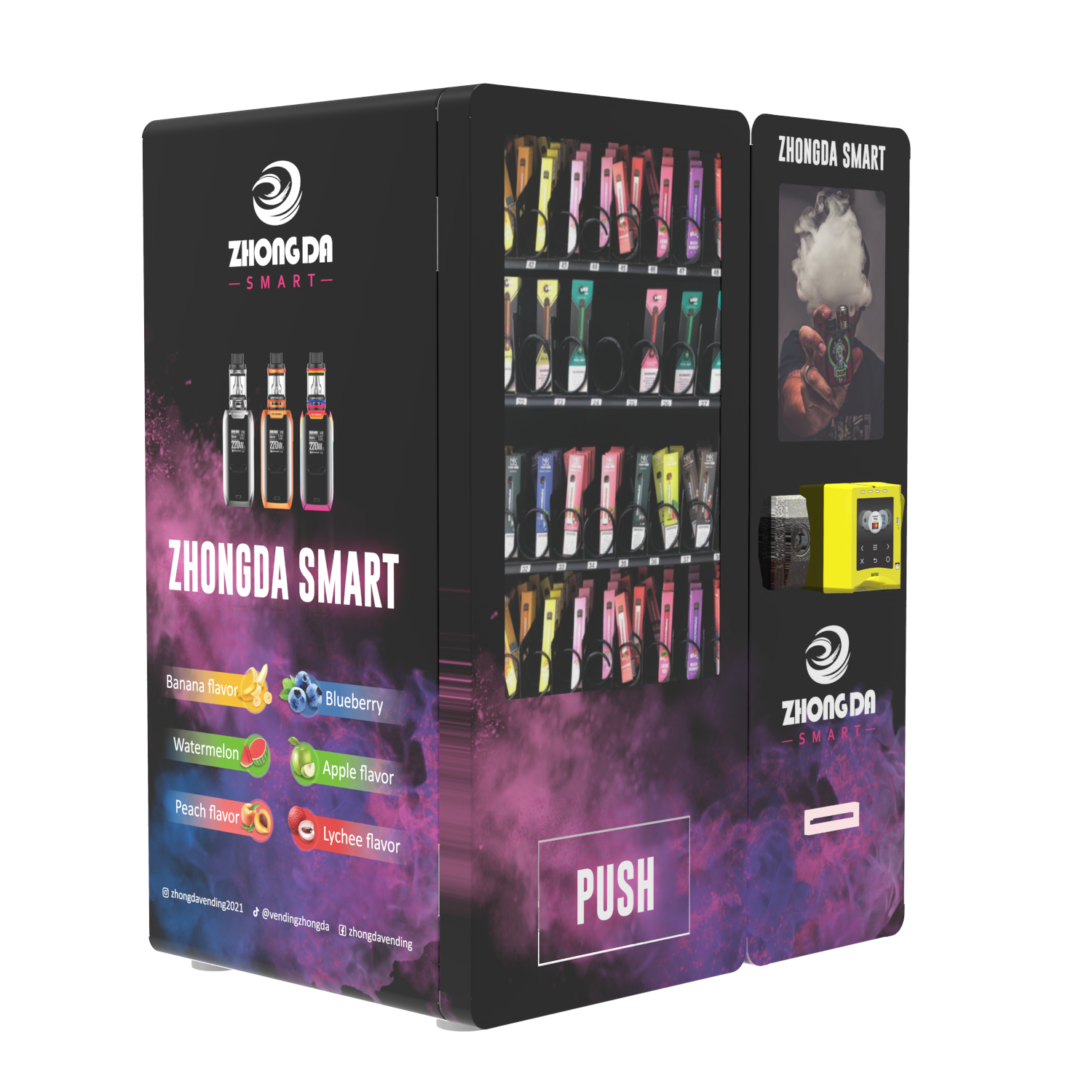
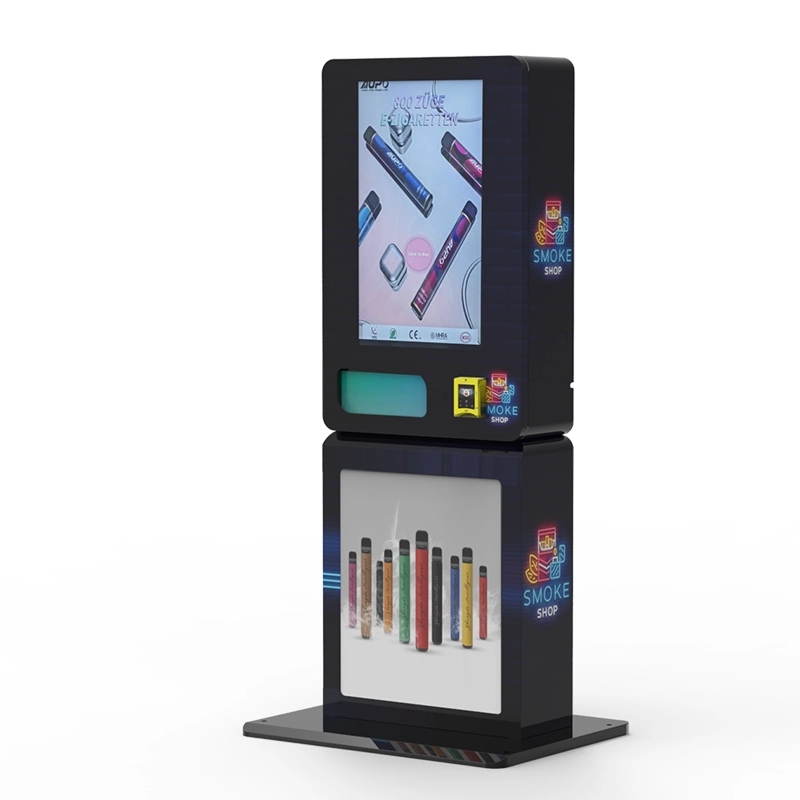
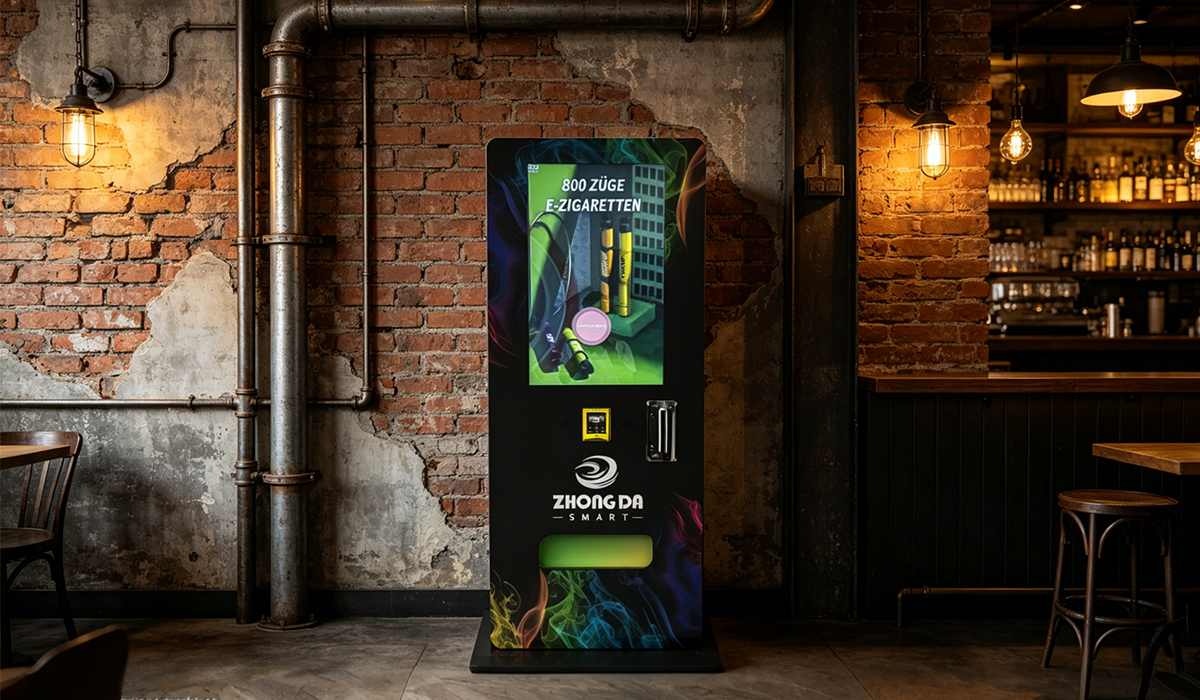
Let’s talk about the physical setup. A modern self-service kiosk for cannabis isn’t a repurposed soda machine. It’s a purpose-built unit with integrated components. The core of the system is the ID scanner and the backend database. When a customer approaches, they scan their ID. The machine reads the barcode or magnetic stripe, parses the date of birth, and checks it against a compliance database. If the ID is valid and the age is over the legal limit, the machine unlocks the sales interface.
One detail that often gets overlooked in sales brochures is the secondary verification. In many states and provinces, scanning an ID isn’t enough. The machine must verify that the person holding the ID is the person on the card. That’s where biometric or facial recognition modules come in. I’ve tested systems that use basic camera snapshots and more advanced liveness detection. The cheaper cameras can be fooled by a printed photo. The better ones, which we use in our builds at Zhongda Smart, check for micro-movements and skin texture. This isn’t just about compliance; it’s about protecting your business from fines and license revocation.
Cost Structure: What You Actually Pay
I get calls every week from people who think they can buy a basic vending machine and bolt on a scanner. It doesn’t work that way. The cost of a compliant smart vending machine is driven by three things: the chassis, the verification module, and the software integration. A bare-bones unit might start around $8,000, but a fully equipped age-verified system with a high-capacity coil and a secure locking mechanism will run between $15,000 and $25,000 per unit.
| Component | Basic Unit Cost | Compliant Unit Cost |
|---|---|---|
| Machine Chassis & Shelving | $4,000 - $6,000 | $6,000 - $9,000 |
| Age Verification Scanner | $500 - $1,200 | $2,500 - $4,000 |
| Software & Compliance Integration | $1,000 - $2,000 | $3,000 - $5,000 |
| Installation & Networking Setup | $500 - $1,000 | $1,500 - $3,000 |
The difference in the scanner cost is where most operators get burned. A $500 scanner will read a barcode. A $3,000 scanner reads the barcode, checks the hologram, runs a liveness check, and logs the transaction for three years. If an auditor walks in and your log is incomplete, you’re looking at fines that can easily exceed the cost of the machine. I’ve seen operators in California get hit with $10,000 fines for a single failed compliance check. That’s real money.
Profit Model and ROI in Real Locations
I won’t sugarcoat it: the profit model for a cannabis vending machine with age verification systems is different from a traditional snack machine. The margins are higher because the product value is higher, but the volume is lower. A typical snack machine might do 100 transactions a day at $2 each. A cannabis vending machine might do 30 transactions a day at $25 each. The gross revenue is similar, but the operational complexity is much higher.
Let’s look at a real scenario. You place a machine in a licensed dispensary or a private club. The average transaction is $30. You’re selling pre-rolls, cartridges, and edibles. Your cost of goods sold (COGS) is about 50%, so you’re making $15 per transaction. If you do 40 transactions a day, that’s $600 in gross profit per day. Running the machine costs about $50 a day in electricity, network fees, and card processing. That’s $550 a day in net profit before labor. If the machine costs $20,000, you’re looking at a payback period of about 36 days. That’s an aggressive ROI, but it assumes perfect placement and zero downtime.
In practice, I tell operators to expect a 3 to 6 month payback period. The first month is always slow as customers learn the system. You’ll have technical hiccups. You might need to adjust the product mix. Based on data from deployments we’ve managed through our facility at Zhongda Smart, the average machine settles into a steady state after 90 days. After that, the cash flow is consistent and predictable.
Real Operational Failures I’ve Witnessed
I’ve made mistakes, and I’ve watched others make them. The most common failure is location selection. One operator placed a unit in a busy convenience store. The store had great foot traffic, but the lighting was terrible. The scanner couldn’t read IDs after 6 PM because the overhead fluorescents created a glare. The machine sat idle for weeks until we moved it to a better-lit corner. Another failure was software related. An operator used a generic vending management system that didn’t integrate with the age verification database. Every transaction required manual approval, which defeated the purpose of automation. They lost two months of revenue before switching to an integrated platform.
The third failure is the most painful: ignoring maintenance. These machines have moving parts. The dispensing mechanism jams. The touchscreen gets dirty. The camera lens gets smudged. I’ve seen operators install a machine and then ignore it for six months. By then, the failure rate was 40%. Customers stopped using it because they didn’t trust it. A machine that fails once loses that customer forever. You need a cleaning and testing schedule. Every 30 days, wipe the scanner, test the dispensing mechanism, and check the network connection. It’s boring work, but it’s the difference between a profitable asset and a metal box that collects dust.
Comparing Machine Types for Different Venues
Not every location needs the same machine. A high-volume dispensary needs a different unit than a small lounge or a hotel lobby. I’ve categorized the three main types based on my deployment experience.
| Machine Type | Best Location | Capacity | Average Cost | Maintenance Interval |
|---|---|---|---|---|
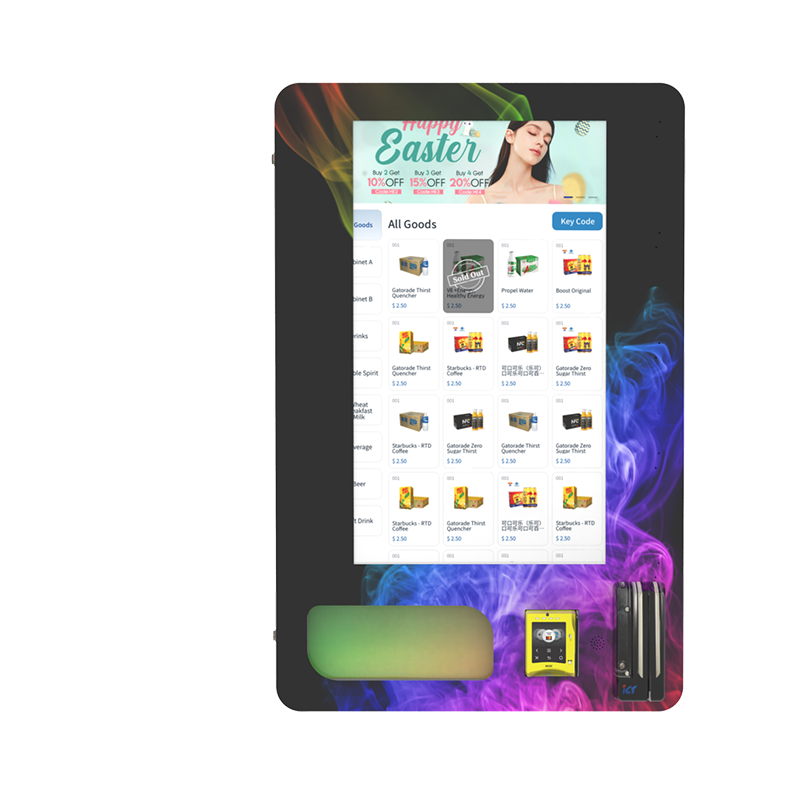
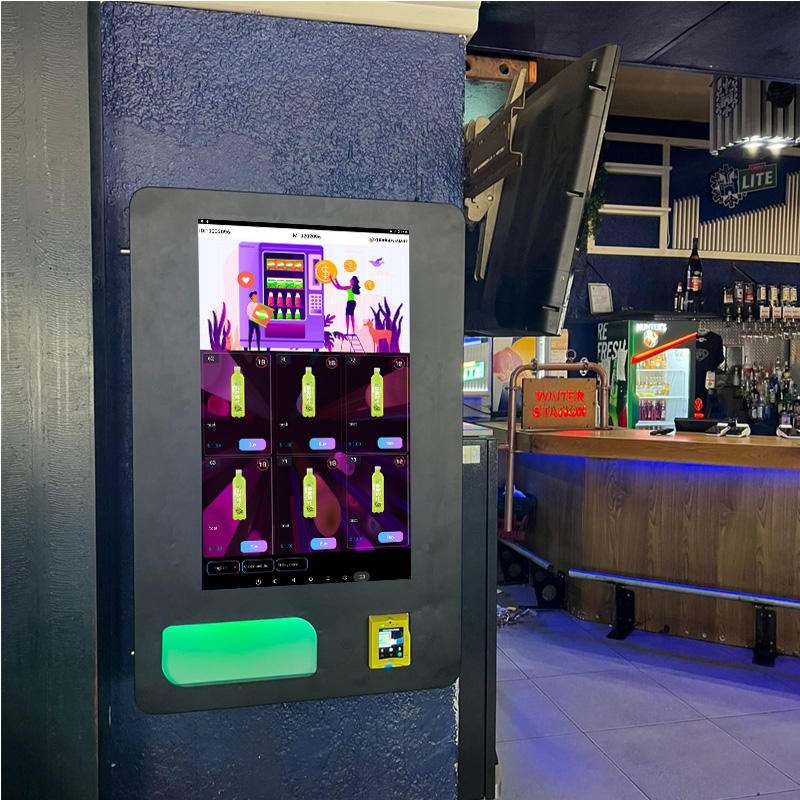
| Wall-Mounted Compact Unit | Small lounges, hotel rooms | 50-80 units | $8,000 - $12,000 | Every 60 days |
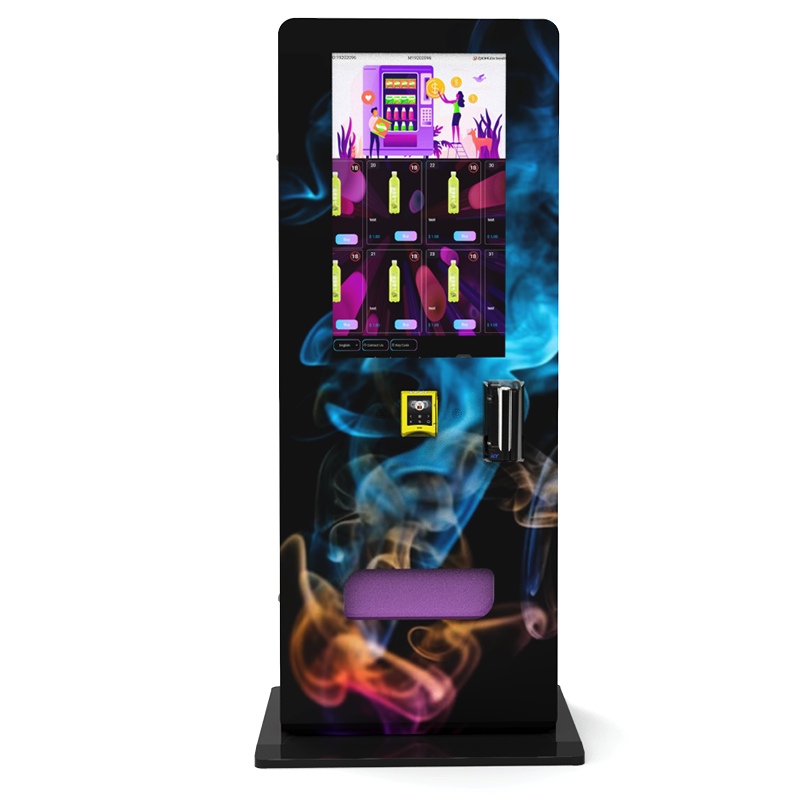
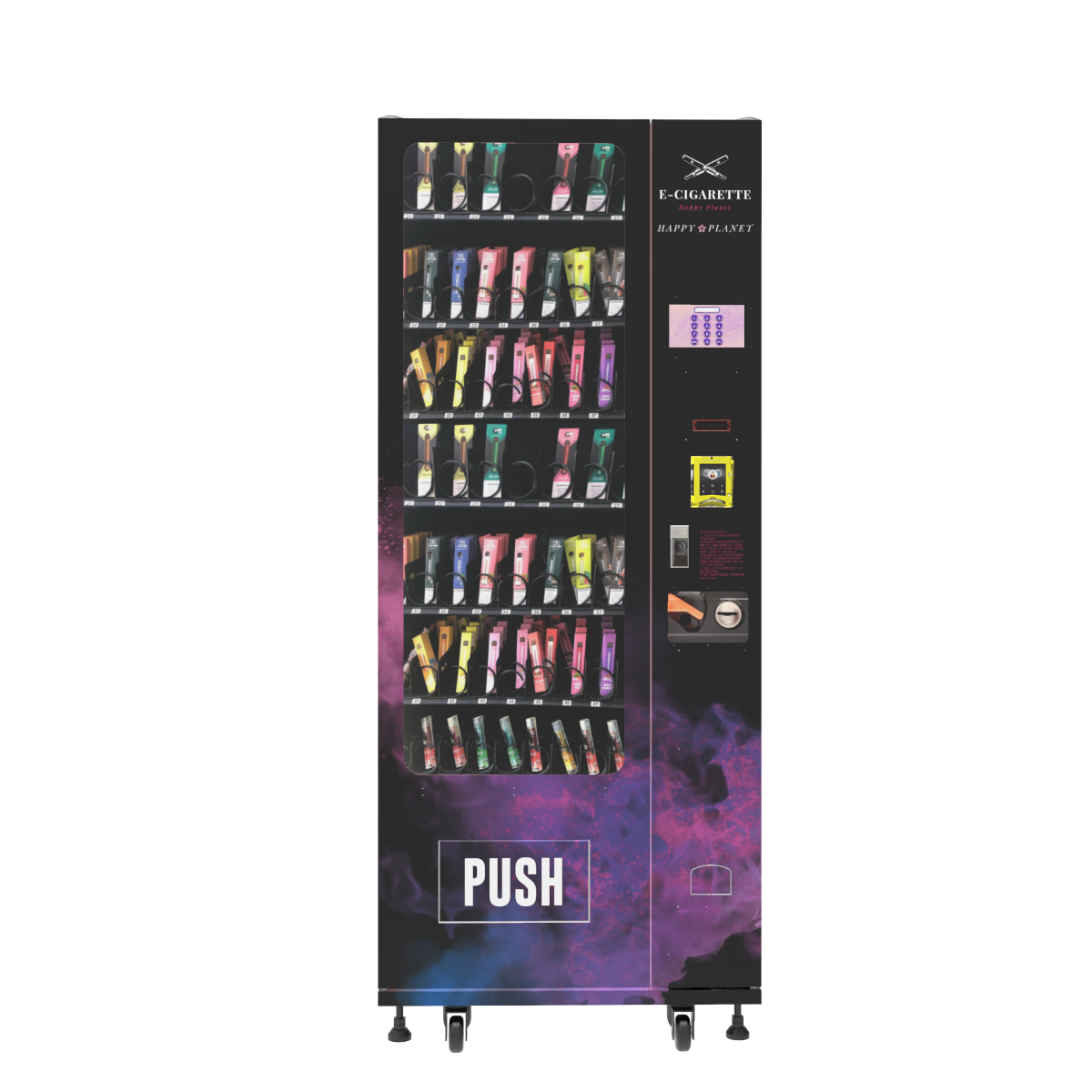
| Mid-Size Floor Model | Bars, clubs, retail stores | 150-250 units | $14,000 - $18,000 | Every 30 days |
| High-Capacity Kiosk | Dispensaries, large venues | 300-500 units | $20,000 - $28,000 | Every 20 days |
The wall-mounted compact unit is a great entry point for operators who want to test the market. It’s lower risk, but it also has lower capacity. You’ll need to restock it more frequently. The high-capacity kiosk is the workhorse. It handles more volume and has better security features, but it requires a dedicated space and a stronger power supply. I always recommend the mid-size floor model for first-time operators. It balances cost, capacity, and reliability. For a detailed look at the wall-mounted options, check the specifications on our compact unit page.
Long-Term Maintenance Strategies That Work
I’ve been maintaining vending equipment for over 15 years, and the biggest lesson is that preventative maintenance is cheaper than reactive repairs. A cannabis vending machine with age verification systems has more sensitive components than a standard machine. The scanner and camera modules are the most likely to fail. I recommend keeping a spare scanner on hand. They cost about $400 to $600, but if your main scanner goes down on a Saturday, you’re losing $500 a day in sales. A spare pays for itself in two days.
Software updates are another critical area. Compliance databases change. A license format might update, or a new regulation might require a different data field. If your machine isn’t running the latest firmware, it might reject valid IDs or accept invalid ones. I set all our machines to auto-update during low-traffic hours, usually between 2 AM and 4 AM. This ensures the machine is compliant when the first customer walks in at 10 AM. You can read more about the technical specifications of our firmware setup on the age verification machine page.
I also recommend a remote monitoring system. Every machine we build at Zhongda Smart comes with a telemetry module that reports status in real time. I can see if a coil is jammed, if the temperature is off, or if the cash box is full. This allows me to dispatch a service technician before the machine goes down. That proactive approach has reduced our downtime by 60% compared to operators who rely on customer complaints to trigger repairs.
Selecting a Manufacturing Partner
This is the decision that will make or break your operation. I’ve seen operators buy from general manufacturers who claim they can build a compliant machine. They can’t. The engineering required for a cannabis vending machine with age verification systems is specialized. The software integration alone is a nightmare if the hardware isn’t designed for it. You need a partner who has built these machines from the ground up, not someone who retrofits existing designs.
Our facility has been manufacturing vending equipment for over 15 years. We’ve gone through the iterations. We know which scanners work in low light. We know which dispensing mechanisms jam least often. We know how to build a machine that passes compliance audits in multiple jurisdictions. If you’re serious about entering this market, look at the case studies we’ve documented for bar and club deployments. That’s real data from real locations, not marketing fluff.
When you talk to a manufacturer, ask them about their failure rate. If they don’t have a number, walk away. Our factory runs a 2% failure rate on new machines, and we’re working to get that lower. We test every unit for 72 hours straight before it ships. That burn-in period catches 90% of potential issues. It costs us time and money, but it saves our customers from headaches.
Hidden Costs You Need to Budget For
There are costs that don’t appear on the purchase order. The first is installation. A compliant machine needs a network connection. If the location doesn’t have Wi-Fi, you’re paying for a cellular modem and a data plan. That’s $30 to $50 a month per machine. The second cost is transaction fees. Most cannabis sales are done via credit or debit. Processing fees run 2.5% to 3.5% per transaction. On a $30 sale, that’s about a dollar. It adds up.
The third hidden cost is inventory shrinkage. Cannabis products are small and valuable. They get stolen. Even with a secure machine, I’ve seen cases where customers find ways to trick the dispensing mechanism. You need to budget for 1% to 2% inventory loss per month. That’s a real cost that eats into your margin. The fourth cost is insurance. A machine that sells a regulated product needs liability insurance. It’s not expensive, maybe $500 a year per machine, but it’s essential. If a minor somehow gets a product, you’re protected.
Finally, there’s the cost of compliance reporting. Some jurisdictions require monthly or quarterly reports of all transactions. If your software doesn’t generate these automatically, you’re paying someone to manually compile the data. That’s a hidden labor cost that can run $200 to $500 a month depending on volume. Make sure your machine’s software includes automated reporting. Our systems at Zhongda Smart generate compliance reports with one click. It’s a feature that saves operators hours of work every month.
Industry Data Points You Should Know
I always tell operators to look at the numbers before they commit capital. According to a 2023 report by Statista, the global vending machine market for cannabis and nicotine products is projected to grow at a compound annual growth rate of 15.2% through 2030. That’s a strong indicator that the demand is there. Another data point from IBISWorld shows that the average revenue per vending machine in the specialty products segment is $18,000 per year, with top-performing machines exceeding $40,000.
These numbers align with what I see in the field. Machines placed in high-traffic dispensaries easily hit the $40,000 mark. Machines in lower-traffic locations like hotel lobbies average around $12,000 to $15,000. The key is matching the machine to the location. Don’t put a high-capacity kiosk in a low-traffic area. You’ll never recoup the investment. Start small, prove the model, and scale up.
Final Thoughts on Deployment
I’ve been doing this long enough to know that no two deployments are the same. The machine that works perfectly in a Denver dispensary might fail in a Miami lounge. The difference is preparation. If you invest in a quality cannabis vending machine with age verification systems, if you maintain it regularly, and if you choose your locations carefully, you will build a profitable operation. If you cut corners on hardware or ignore maintenance, you will lose money. It’s that simple.
For those ready to move forward, I recommend starting with a single machine. Learn the operational rhythm. Understand the maintenance schedule. Build a relationship with your manufacturer. Once you have that foundation, you can scale to multiple locations with confidence. I’ve seen operators go from one machine to twenty in a year because they got the fundamentals right. That’s the goal.
Frequently Asked Questions
What is the first step to starting a cannabis vending machine business?
How do I ensure my machine is compliant with age verification laws?
What is the average maintenance cost per year for a compliant machine?
Can I use a regular vending machine and add an age verification scanner?
What happens if my machine fails a compliance audit?
How long does it take to recoup the investment on a machine?
What products sell best in cannabis vending machines?
Do I need a special type of insurance for these machines?
Can I place a machine in a hotel or a bar?
How do I handle product restocking and inventory management?
Sources and Further Reading
For those who want to dig deeper into the market data, I recommend reviewing the following reports. These are publicly available and provide a solid foundation for your business planning.