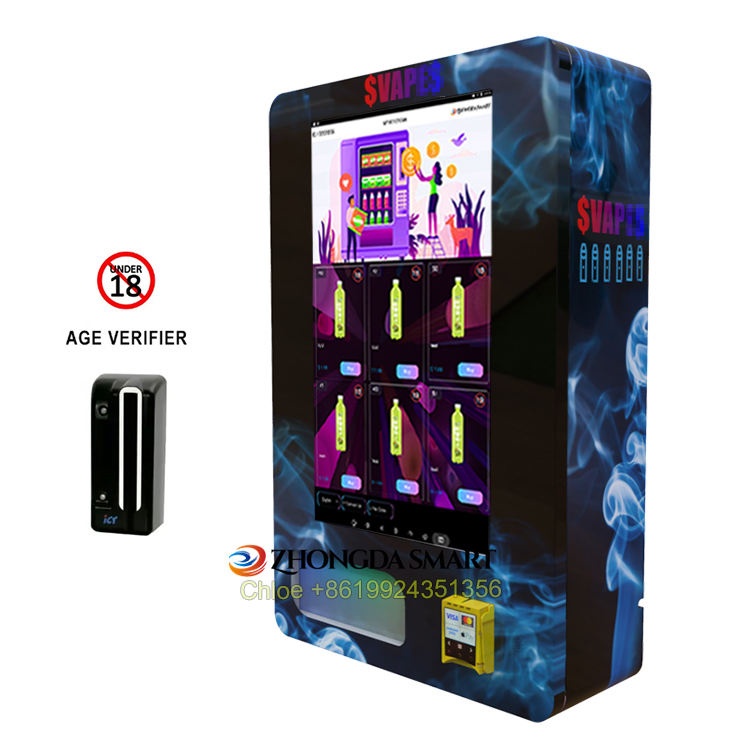
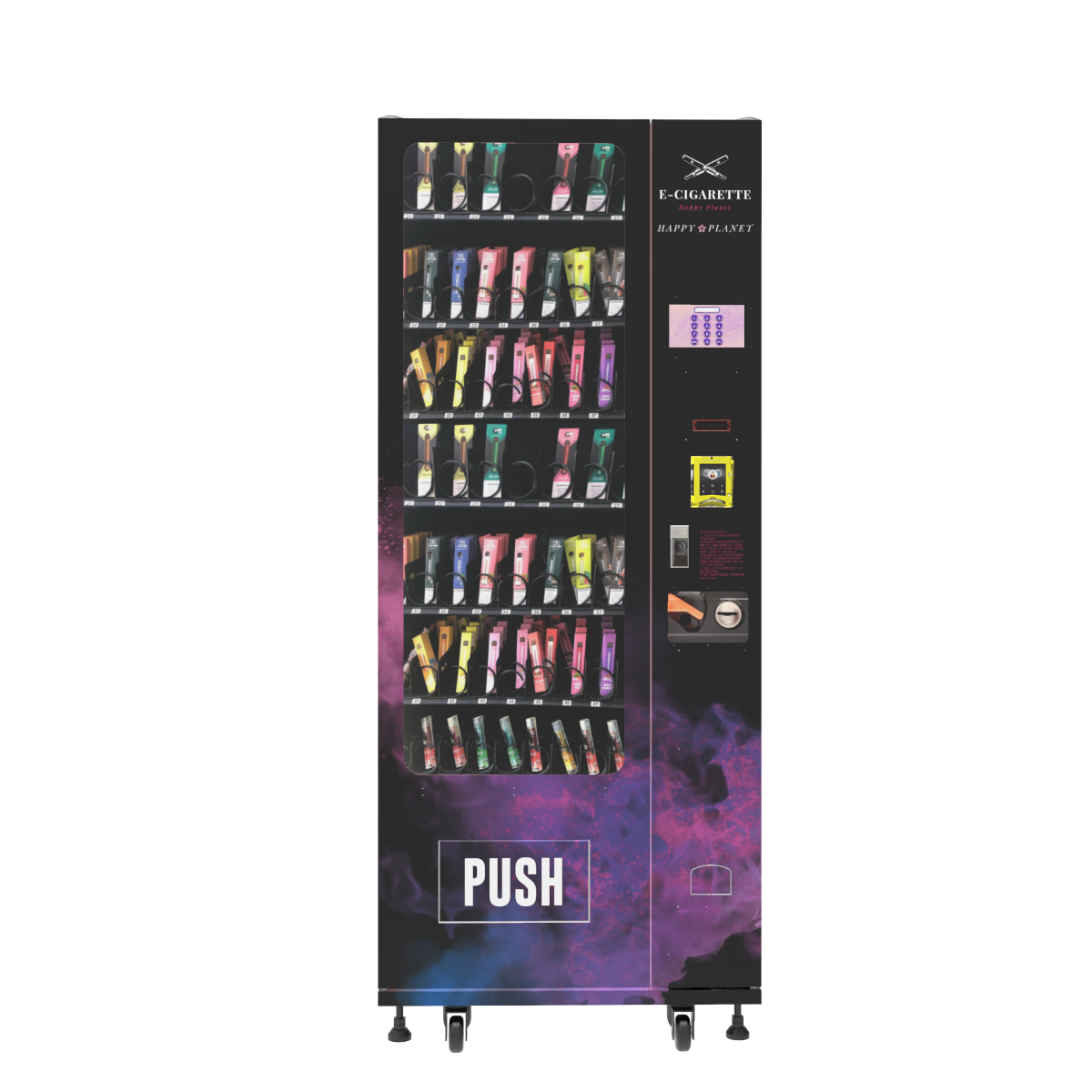
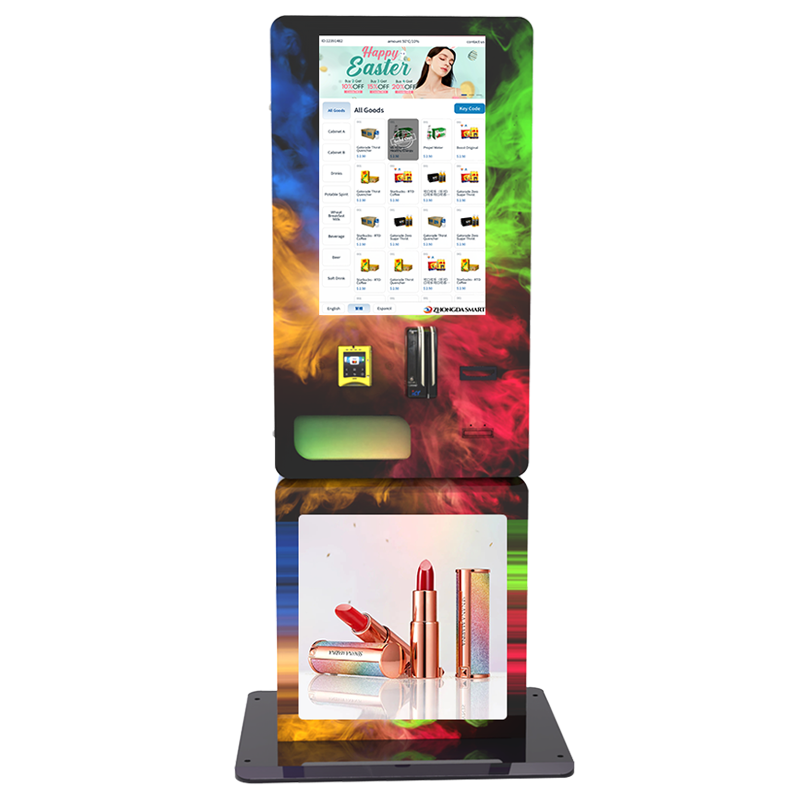
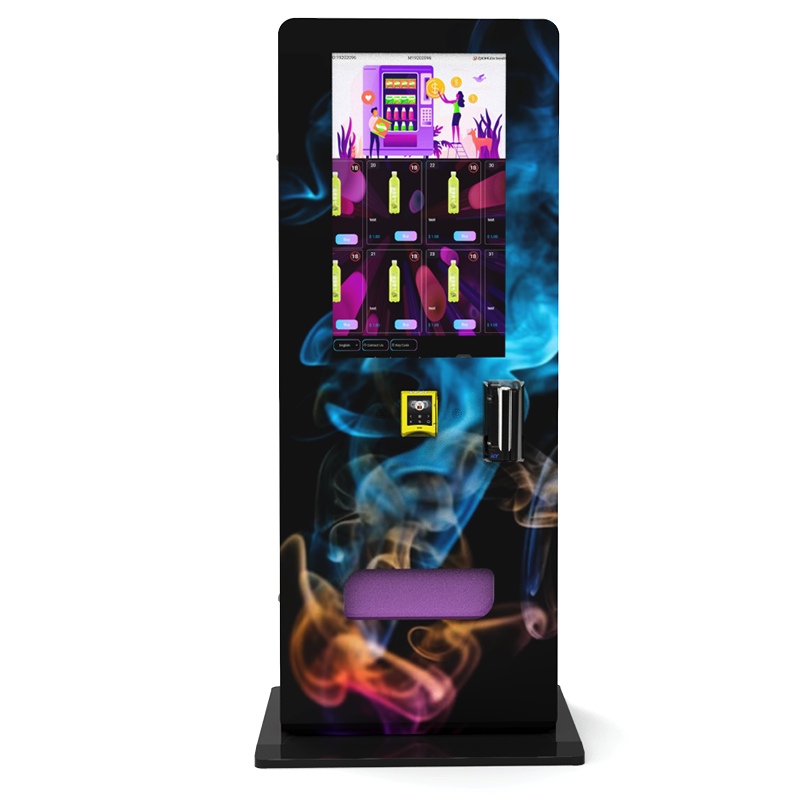
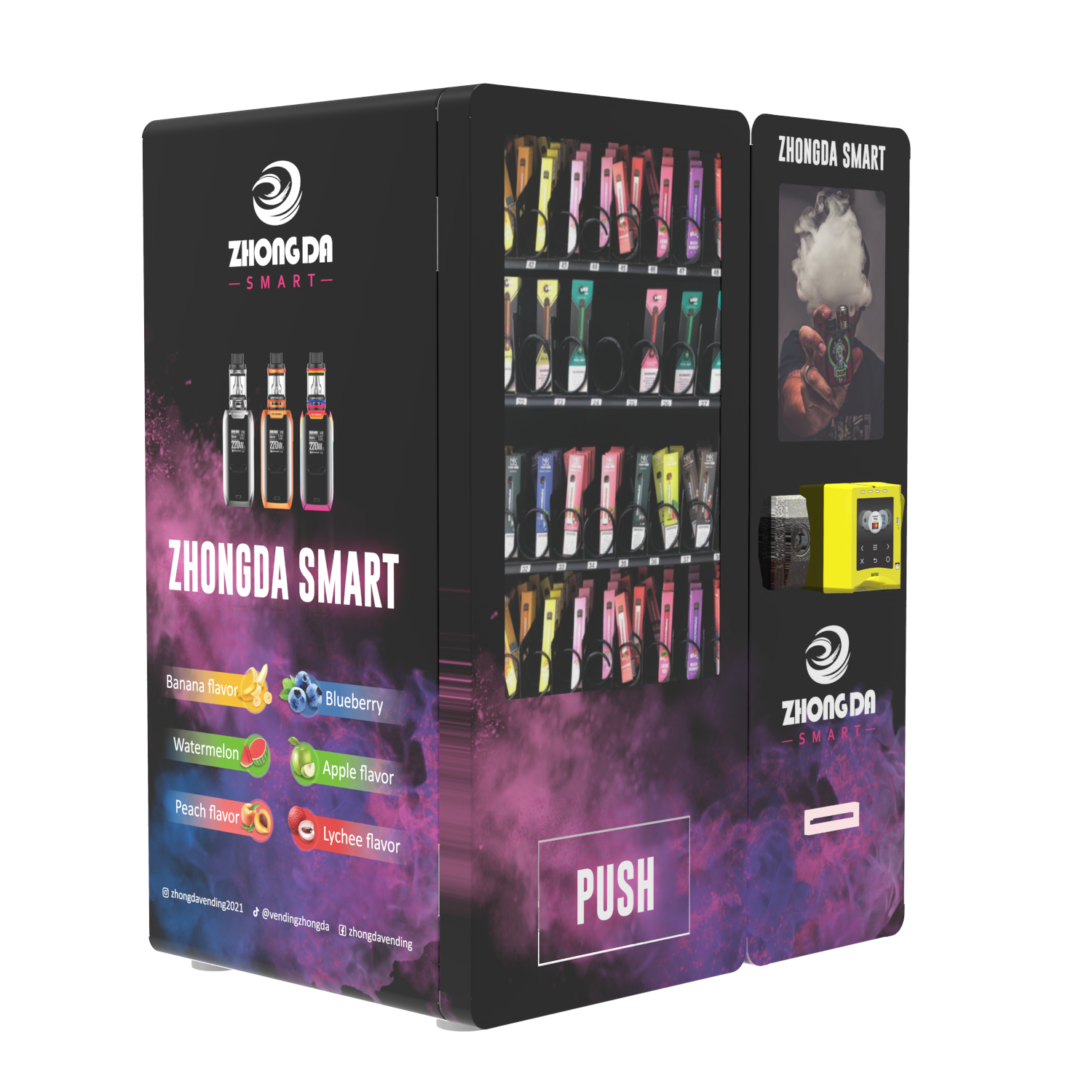
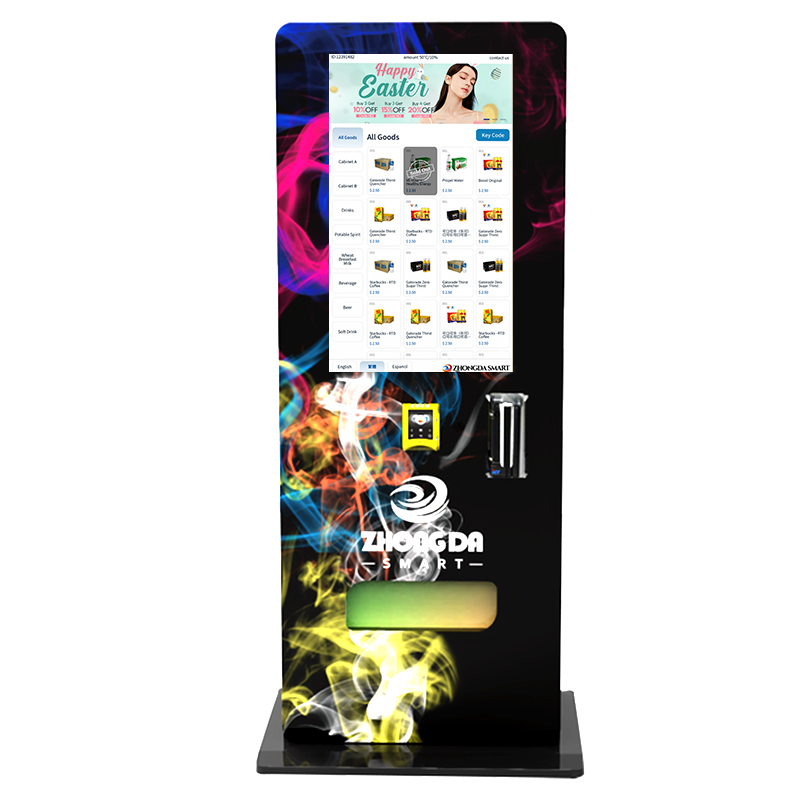
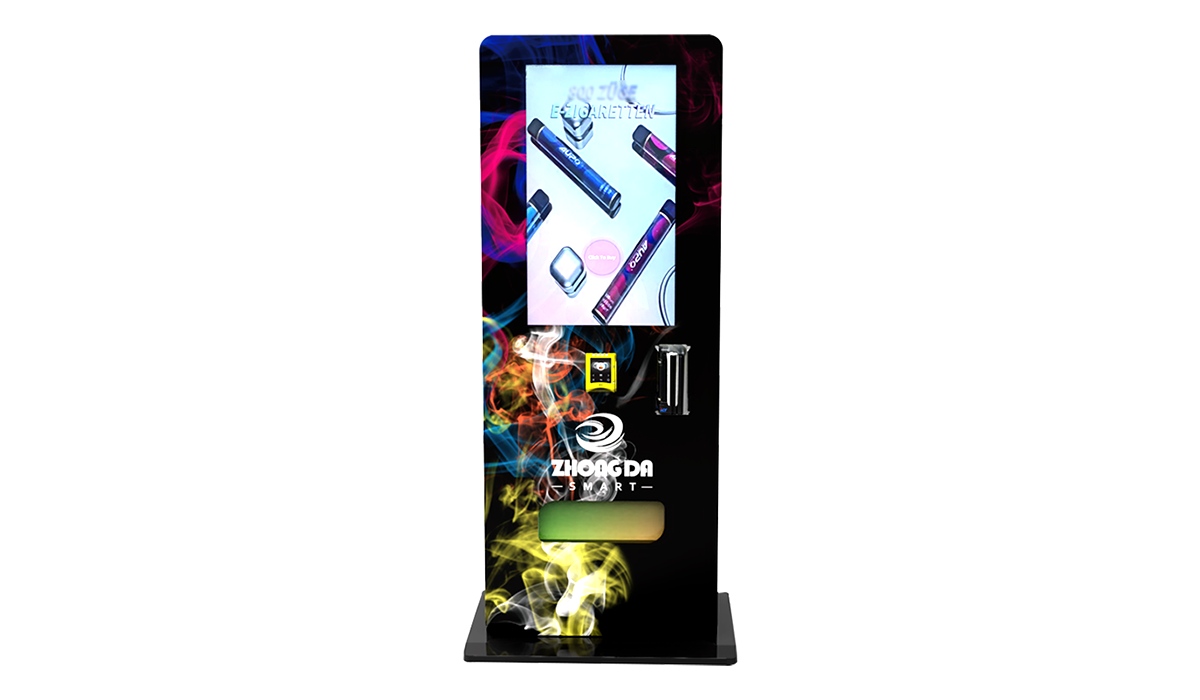
Over the past decade, I've overseen the deployment of thousands of vending units across the US and European markets, specifically in the age-restricted sector. If you're looking into computer vision age verification for your vending operation, the core mechanism is straightforward: a camera captures a live image of the customer, and an onboard AI instantly analyzes facial features to estimate their age. If the system determines the person is over the required threshold, usually 21 for tobacco and vaping products, it unlocks the sale. This isn't a futuristic concept; it's the current standard for compliance, and it has fundamentally changed how we approach unattended retail for age-gated goods.
The Engineering Behind the Lens: How Computer Vision Actually Works in a Machine
Let's get into the nuts and bolts of the technology sitting inside these smart vending machines. The system isn't just a simple camera. It's a dedicated module that includes an infrared sensor, a high-resolution camera, and an edge-computing processor. When a user steps up to the machine, the infrared sensor detects their presence and wakes the system. The camera captures a rapid series of frames, not a single photo. The onboard processor, running a specialized deep-learning model, then analyzes these frames.
Facial Landmarking and Liveness Detection
The AI doesn't just look at wrinkles. It maps over 70 facial landmarks—the distance between the eyes, the shape of the cheekbones, the jawline contour. This is called facial landmarking. Crucially, the system also performs liveness detection. It checks for a real, living person by looking for micro-expressions, eye blinks, and subtle head movements. This prevents someone from holding up a photo or a high-quality video to trick the system. I've seen operators in the field try to bypass this with printed masks; the liveness detection catches that in under a second.
Processing on the Edge vs. The Cloud
A major design decision we made early on was to run the age estimation algorithm entirely on the device itself—what's known as edge computing. We never send a customer's facial image to a cloud server. This is critical for two reasons: privacy compliance (like GDPR in Europe and various state laws in the US) and speed. A cloud-dependent system introduces latency. If a customer is standing in a busy bar or a convenience store, a 3-second delay feels like an eternity. Our machines process the age check in under 500 milliseconds. The transaction is seamless. The image is immediately discarded after the analysis is complete, leaving no biometric data stored.
The Real Cost of Compliance: What You're Actually Paying For
When a business owner asks me about the price of an age verification vending machine, they often think they're just buying a box with a camera. The cost structure is more nuanced. You're paying for the hardware, the software license, the compliance certification, and the ongoing support. Let's break down a typical cost structure for a unit like the ones we manufacture at Zhongda Smart.
| Component | Estimated Cost (USD) | Notes from Field Deployment |
|---|---|---|
| Base Vending Machine (16-24 trays) | $2,500 - $4,000 | Depends on build quality, refrigeration, and aesthetics. We use reinforced steel for high-traffic locations. |
| Computer Vision Module (Camera + Processor) | $800 - $1,500 | This is the core cost. Cheaper modules fail in low-light conditions. We use industrial-grade sensors. |
| Software License (Annual) | $300 - $600 | Covers algorithm updates, compliance patches, and remote management dashboard access. |
| Installation & Configuration | $200 - $500 | Includes network setup, camera calibration, and initial inventory loading. |
| Annual Maintenance & Support | $400 - $800 | Covers remote diagnostics, part replacement, and software troubleshooting. |
The total first-year investment for a single, high-quality unit is usually between $4,200 and $7,400. The mistake I see new operators make is buying a $2,000 machine with a cheap camera module. They save money upfront, but after six months of false rejections (where the machine refuses a legal customer) or failed compliance audits, they end up spending more on lost sales and fines. A reliable age verification vending machine is not a commodity item; it's a precision instrument for regulatory compliance.
Profit Models and ROI: The Cash Flow Reality
The revenue model for a vending machine with computer vision is a direct function of placement and product margin. For vaping products, the average transaction value is around $15 to $25. The margin on these products can range from 30% to 50%, depending on your wholesale agreements. Let's look at a realistic scenario based on our operator data.
Real-World ROI Calculation
Assume you place a machine in a mid-sized bar or a busy smoke shop. You get an average of 20 transactions per day. With an average sale of $18 and a 40% margin, your daily gross profit is $144. Your monthly gross profit is about $4,320. Subtract your location commission (often 10-20% of gross sales), electricity, and the amortized cost of the machine. You're looking at a net monthly profit of around $2,500 to $3,000. This means your initial investment is recouped in 3 to 4 months. That's a strong ROI, but it hinges on two things: the machine must work flawlessly, and the location must have foot traffic.
Where ROI Goes Wrong
I've seen machines placed in a hotel lobby with low foot traffic. The machine did 5 transactions a day. That unit took over 18 months to pay for itself. The location is everything. Also, a machine that frequently fails to verify a legal customer destroys your ROI. If a 25-year-old gets rejected by your system, they won't try again. They'll walk to the counter. This is why the accuracy of the computer vision software is not just a technical spec; it's a key profit driver. We've calibrated our algorithms to have a low false rejection rate for adults while maintaining a high acceptance rate for valid IDs.
Comparing the Technologies: Computer Vision vs. ID Scanners
Many operators ask me if they should just use a simple ID scanner instead of a computer vision system. It's a fair question. An ID scanner reads the barcode or magnetic stripe on a driver's license. It's cheaper, but it has a fundamental flaw: it doesn't know if the person holding the ID is the person in the photo. A computer vision system bridges this gap. Here's a direct comparison based on our operational experience.
| Feature | Computer Vision Age Verification | ID Scanner (Barcode/Magnetic Stripe) |
|---|---|---|
| Primary Check | Estimates age based on facial features | Reads encoded data from a physical ID |
| Liveness Check | Built-in (prevents photo/video fraud) | None (cannot verify holder matches ID) |
| User Experience | Touchless, takes 1-2 seconds | Requires user to present and often insert ID |
| Privacy Handling | Image processed locally and discarded | Data is often stored temporarily in the machine log |
| Reliability in Field | High, but can be affected by extreme lighting | High, but fails if ID is damaged or faded |
| Typical Cost Addition | $800 - $1,500 | $200 - $500 |
For high-stakes compliance environments like selling vapor products, the computer vision system is the superior choice. The ID scanner is a good secondary check, but it shouldn't be the primary barrier. We actually integrate both in our high-end units. The computer vision does the initial age estimation. If it's borderline (say, it estimates the person is 22), it then prompts for an ID scan as a secondary verification. This hybrid approach maximizes both security and transaction speed.
Deployment Lessons from the Field: Bars, Stores, and Lounges
Over the years, we've placed machines in hundreds of different locations. Each environment presents unique challenges. In a dark bar, the computer vision system needs an active infrared illuminator. In a brightly lit convenience store, the challenge is glare. Here are three specific deployment scenarios we've navigated.
High-Traffic Bar and Club Environment
This is a goldmine for volume, but it's also the most punishing environment for electronics. Vibration from loud music, sticky spills, and high humidity are common. We learned to reinforce the internal mounting of the camera module with shock-absorbing brackets. We also had to adjust the age verification threshold. In a club, you want a slightly stricter algorithm because the consequences of a sale to a minor are severe. We set the threshold to 25 years old. This means the machine will reject anyone who looks under 25, which gives a comfortable buffer. We saw a 15% increase in ID scan prompts, but a 99.8% compliance rate during local sting operations.
Convenience Store and Smoke Shop Placement
These locations are more controlled. The challenge here is integration with existing point-of-sale systems. The machine needs to be a standalone unit. We worked with a chain of 50 smoke shops in the Midwest. Their biggest concern was theft. They wanted the machine to act as a secure, after-hours sales point. We configured the machine to go into "age verification only" mode after the store closes. Customers could still buy products by scanning their ID and using a credit card. This created a new revenue stream for the store without needing staff to work overnight. The compliant e-cigarette vending machine became a 24-hour profit center.
Hotel and Office Building Deployment
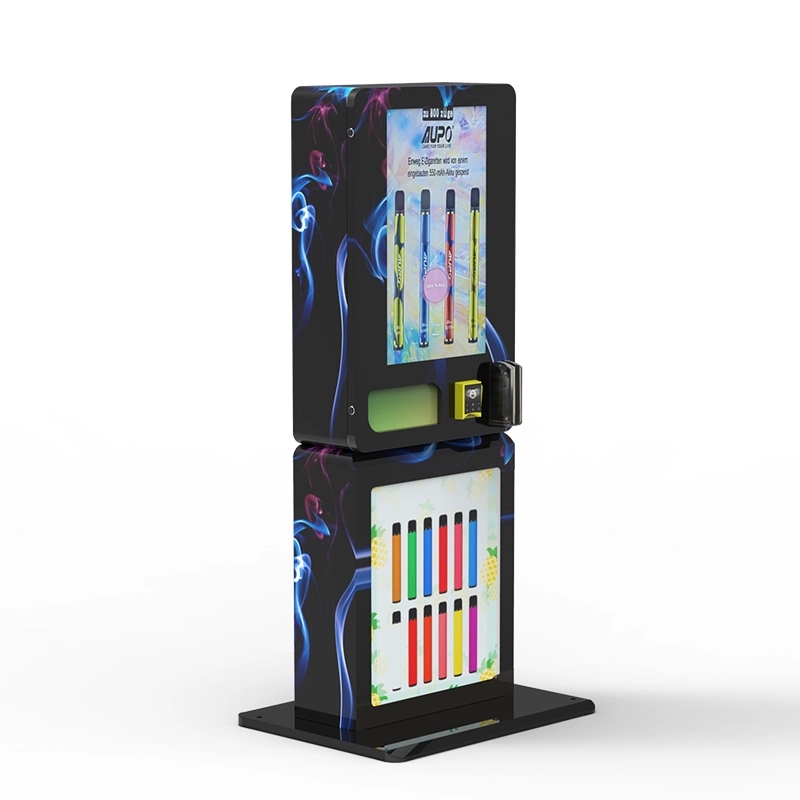
This is a lower-volume but high-margin segment. In a hotel, the machine is a convenience for guests. The key is a sleek, quiet design. We use a wall-mounted unit for these locations. The computer vision system must be quick because guests are often in a hurry. We also had to ensure the system could handle a wide variety of skin tones and lighting conditions, as hotel lobbies have very different lighting at 2 PM versus 2 AM. Our algorithm was trained on a dataset of over 10 million faces from diverse demographics to ensure accuracy across all ethnicities.
Long-Term Maintenance and the Hidden Costs
A vending machine is a mechanical device. Things will break. The most common failure point is the payment system (the card reader), not the computer vision module. However, the second most common issue is the camera lens getting dirty or fogged up. In a smoky bar environment, a thin film of residue can build up on the lens over a month. This reduces the accuracy of the age estimation. Our standard maintenance protocol includes a weekly lens cleaning with a microfiber cloth. It sounds simple, but it's the number one cause of false rejections in the field.
Software Updates and Compliance Drift
Regulations change. Two years ago, a system that was compliant might now be out of date. The software license we sell includes regular algorithm updates. These updates are not just for new features; they are for maintaining compliance. For example, if a state changes its age verification requirements or if a new type of fake ID becomes common, we push an update to the fleet. Operators who skip the annual license renewal are taking a huge risk. I've seen machines get impounded because their software was two versions behind and failed a compliance check. This is a hidden cost that must be budgeted for. The ID scan vending machine with outdated software is a liability.
Choosing the Right Partner: What to Look For in a Manufacturer
Not all manufacturers are equal. I say this as someone who runs a factory. There are companies that assemble parts from China and put a sticker on it. Then there are companies that design the hardware, write the firmware, and control the supply chain. When you're buying a machine for age-restricted sales, you are buying a promise of compliance. You need a partner who understands the regulatory landscape.
Look for a manufacturer that offers a remote management system. You need to be able to see, in real-time, every transaction, every failed verification, and the stock level of every tray. This data is gold for optimizing your route and your inventory. Also, ask about their testing process. Our machines go through a 72-hour burn-in test in a simulated environment before they leave the factory. We run the age verification algorithm against a library of 5,000 test faces to ensure accuracy. If a manufacturer can't show you their quality control data, walk away. The cost of a machine failure in the field—lost sales, a damaged reputation, and a potential fine—far outweighs the initial savings of buying a cheaper unit.
The Future of Unattended Age-Restricted Sales
The technology is only going to get more sophisticated. We are working on integrating behavioral analysis into the system. For example, if a person looks nervous or is loitering, the machine could trigger a secondary verification or a live video feed to a remote operator. We are also seeing a push towards biometric liveness checks that are even harder to spoof. The market for smart vending machines is growing. According to a report by Statista, the global vending machine market is projected to grow significantly, with a substantial portion of that growth coming from automated retail for age-restricted goods. This is not a niche anymore; it's a mainstream channel.
For the operator, the message is clear: invest in quality hardware, prioritize software compliance, and choose your locations wisely. A well-deployed age verification system is not a cost center; it's a revenue driver that operates 24/7 without a paycheck. It's the most efficient employee you'll ever hire.
Frequently Asked Questions
Does the computer vision system store my customers' facial images?
No. In a properly designed system, the image is processed locally on the device's processor. The age estimation result is recorded, but the raw image is immediately discarded. This is a core privacy feature and is essential for compliance with data protection laws like the GDPR. Always verify this with your manufacturer before purchasing.
What happens if the camera fails or the system can't verify a customer?
The machine should have a fallback protocol. The most common fallback is to prompt the customer to scan a valid government-issued ID using an integrated scanner. If the ID scan also fails (e.g., the ID is expired or damaged), the transaction is declined. The machine should also log the failed attempt so you can review it remotely.
Can a person use a high-quality video or a 3D-printed mask to bypass the system?
Modern systems with liveness detection are extremely resistant to these attacks. Liveness detection checks for natural eye movement, subtle skin texture changes, and depth perception. A 2D video or a printed mask will fail these checks. This is why upgrading from a simple camera to a system with infrared depth sensing is a worthwhile investment.
How do I handle a situation where a legal-aged customer is repeatedly rejected by the system?
First, check the machine's logs to see if it's a recurring issue with that specific user or a systemic problem. Common causes are a dirty camera lens, poor lighting in the area, or the user wearing heavy sunglasses or a hat that obscures facial landmarks. A quick fix is to ask the user to remove any obstructions and try again. If the problem persists, the machine may need a recalibration or a software update. Always have a manual override process in place for your staff to handle these edge cases.
What is the typical lifespan of a computer vision vending machine?
With proper maintenance, the hardware chassis and refrigeration system can last 10 to 15 years. The computer vision module, being an electronic component, has a shorter lifespan of about 5 to 7 years before you might see performance degradation. The software will need continuous updates. Budget for a full electronics refresh around the 5-year mark to keep the system fast and compliant.
Is it better to buy a machine with computer vision or retrofit an existing machine?
Retrofitting is possible, but it's often more trouble than it's worth. You have to ensure the old machine's control board can communicate with the new module. The physical mounting of the camera and screen can be awkward. You also void any warranty on the old machine. In my experience, buying a purpose-built machine from a trusted manufacturer like Zhongda Smart is cheaper in the long run and comes with a unified warranty and support.