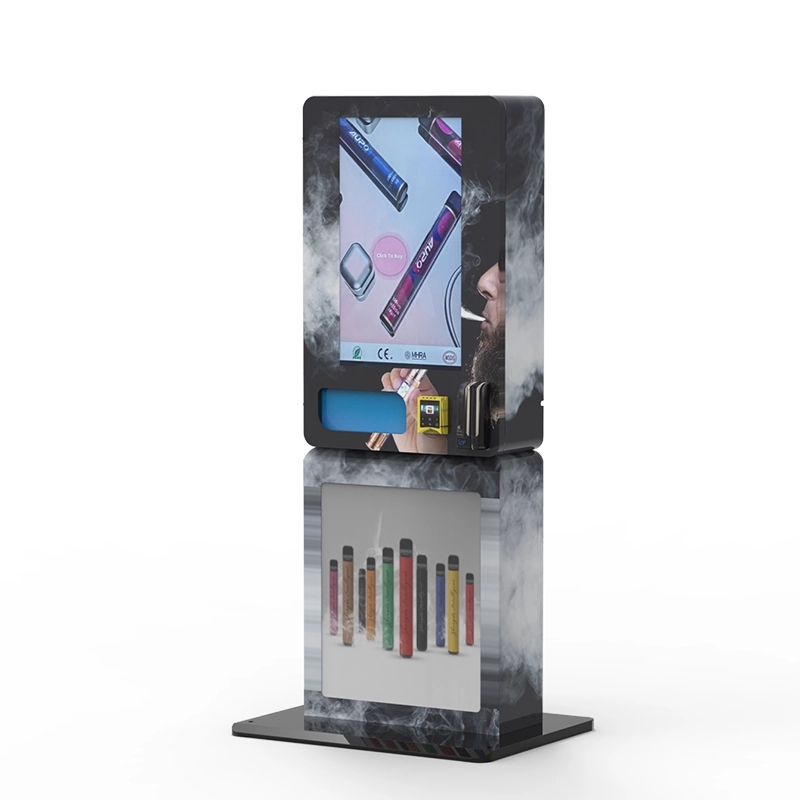
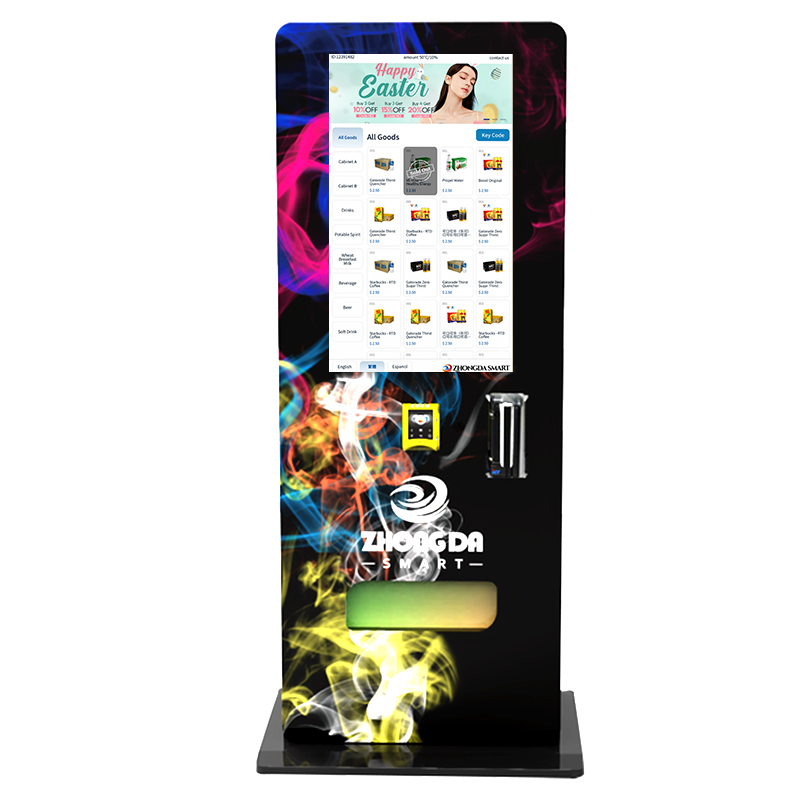
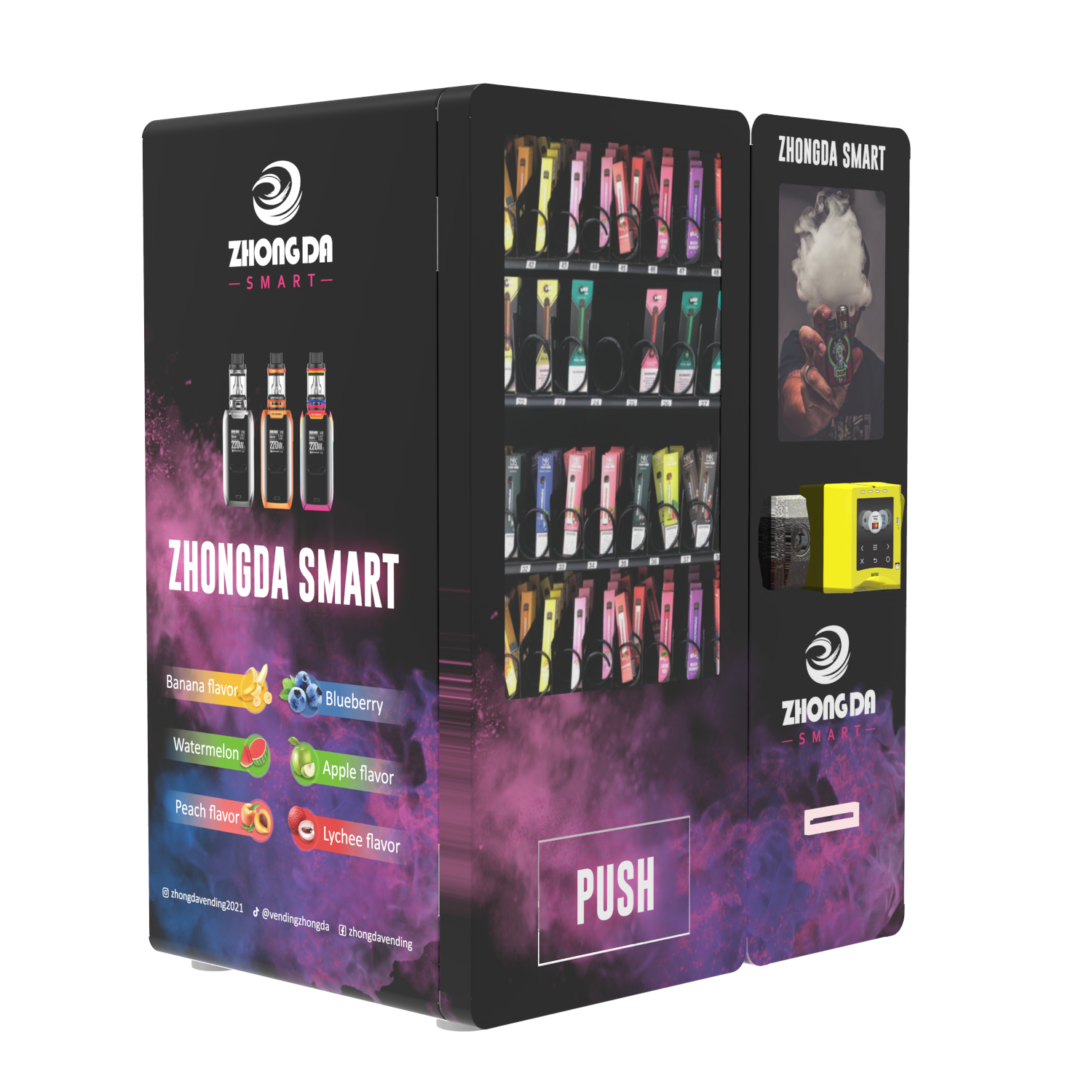
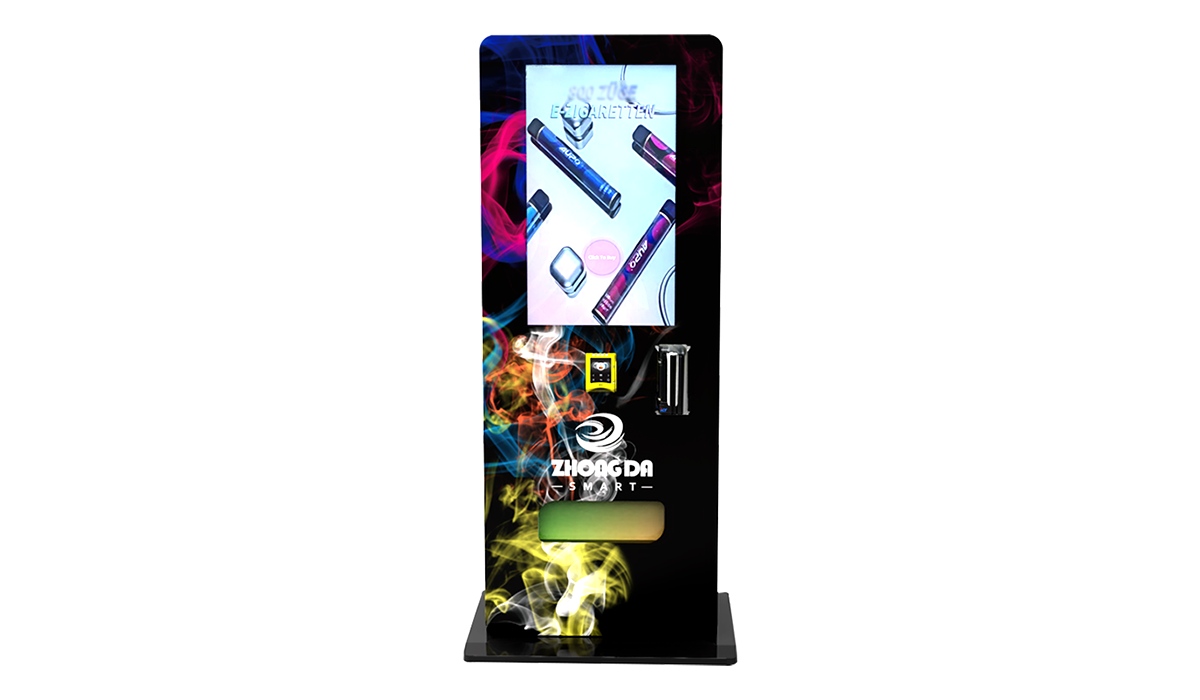
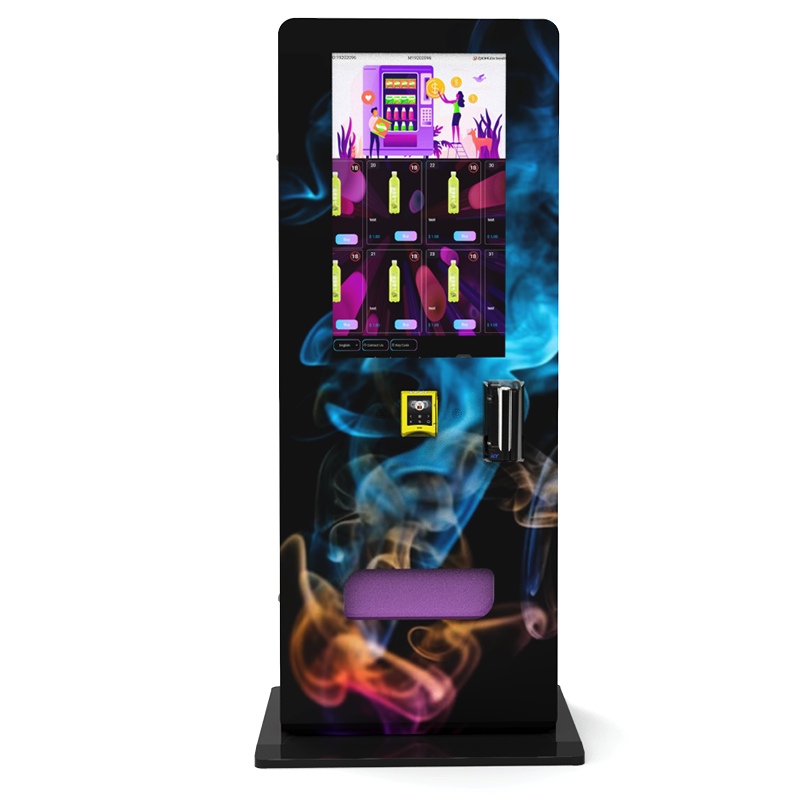
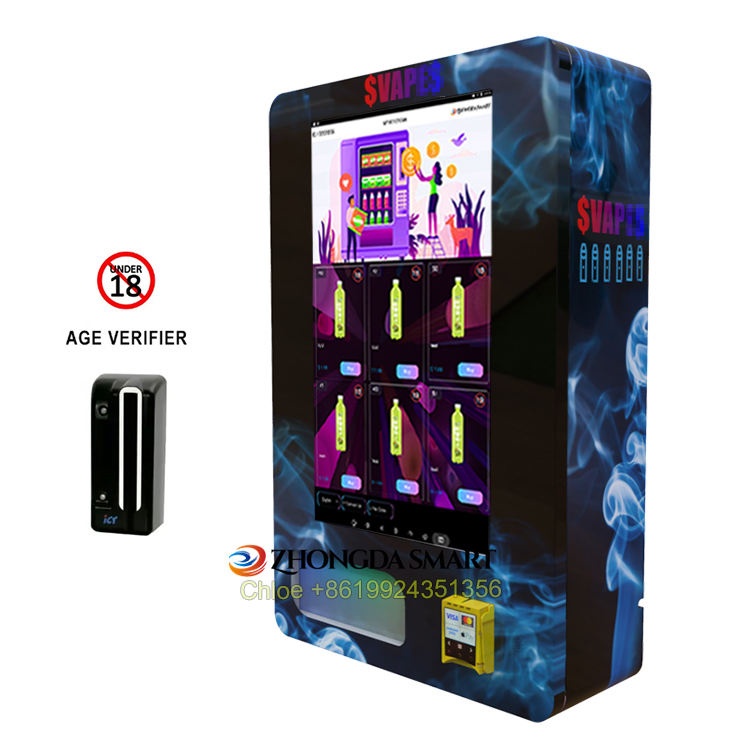
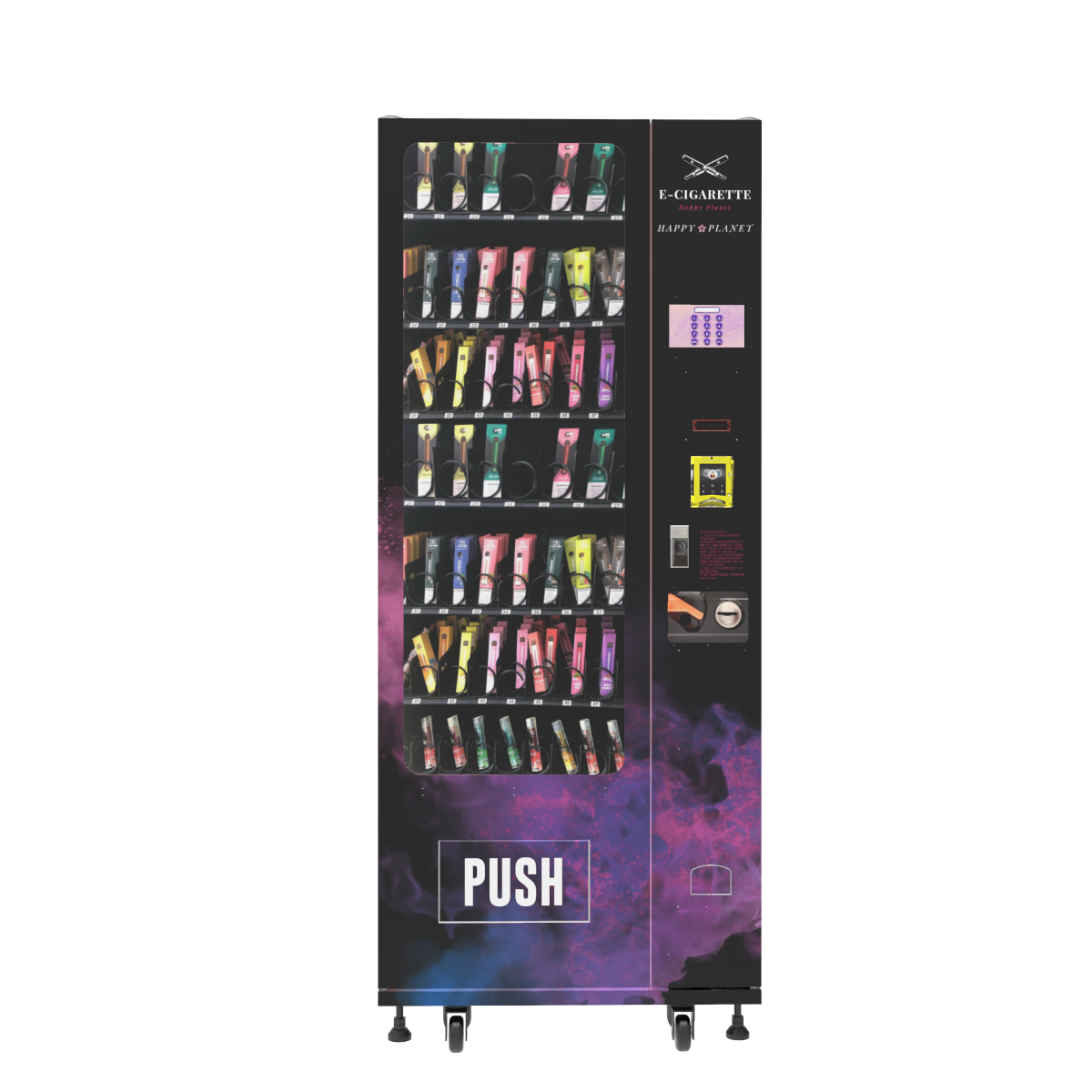
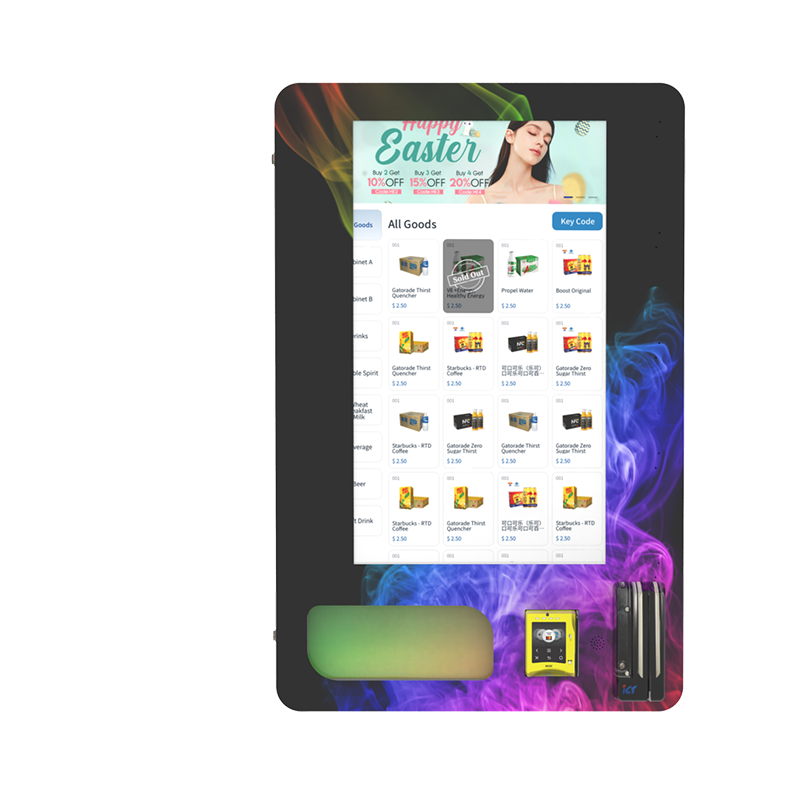
If you are looking at placing a vending machine that sells age-restricted products like nicotine vapes or tobacco in the US or European markets, the single most critical piece of hardware is the age verification system. It is not just a scanner; it is the legal barrier between your business and a major fine. An age verification system, in its most effective form, is a combination of hardware (ID scanners, cameras) and software that validates a buyer’s identity and age against government databases before a transaction can proceed. In my fifteen years building these machines and running operations across dozens of states, I have seen that a system that simply “looks” at an ID is a liability. The real system cross-references the data, checks for fraud, and locks out the sale if something is off. This is how you keep a license and build a sustainable business.
The Engineering Behind the Transaction
Most people think a vending machine is just a refrigerator with a payment system. When you are selling products with a legal age limit of 21, the machine has to think before it acts. The core process is a three-step gate.
Step One: The Scan and Parse
The customer presents a driver’s license or passport. The scanner, which is usually a high-speed imager, captures the front and back. The software instantly parses the barcode and the machine-readable zone. This is where the first failure often happens. Cheap scanners cannot read the barcode on a vertical ID or a scratched passport. If the scanner fails, the transaction dies. In our factory, we stopped using generic barcode readers years ago and switched to integrated imagers that handle the variability of US state IDs and EU national IDs. We saw a 12% increase in successful first-time scans just from that hardware swap.
Step Two: The Database Check
This is the core of the trust. The parsed data is sent to a secure server. It checks if the ID number is valid, if the birth date matches the pattern, and crucially, it runs a check against known fraud databases. In some systems, it uses facial recognition to compare the person standing at the machine to the photo on the ID. This is not a simple “is the person over 21?” check. It is a verification of the document’s authenticity. If the system flags a mismatch, the transaction is blocked immediately. We use a third-party API for this, and the latency is usually under 1.5 seconds. If it takes longer, people walk away.
Step Three: The Transaction Lock
Once the system says “verified,” it sends a signal to the vending mechanism. The machine does not unlock the product tray until the payment is also cleared. This dual-lock mechanism is critical. I have seen operators try to bypass the age check by using a manual override switch. Do not do this. It voids your insurance and your compliance. The system must be a closed loop: age verified, payment verified, product dispensed. If the age check fails, the machine should not even show the product selection screen. It should display a friendly “Sorry, unable to verify” message and end the session.
Real Cost of Compliance vs. Cost of Failure
I have had operators tell me they want to save money by buying a machine without an integrated age verifier, thinking they can just rely on a store clerk to watch it. That is a fantasy. In the US, the FDA has conducted sting operations where they send minors into locations with vending machines. The fines for a single violation can range from $10,000 to $15,000 per incident. In some EU countries, the penalty can include seizure of the machine and criminal charges for the business owner. The cost of a proper age verification system is an insurance premium. Let us look at the real numbers.
| Item | Cost (USD) | Risk Factor |
|---|---|---|
| Integrated Age Verification System (Hardware + Software) | $800 - $1,500 per machine (one-time, plus annual software fee of ~$200) | Low. Standard operating cost. |
| FDA Fine for Underage Sale (First Offense) | $10,000 - $15,000 per violation | High. Can happen within first month of operation. |
| Legal Fees & License Defense | $5,000 - $20,000 | Moderate to High. Depends on local laws. |
| Loss of Business License | 100% revenue loss | Critical. Business ends. |
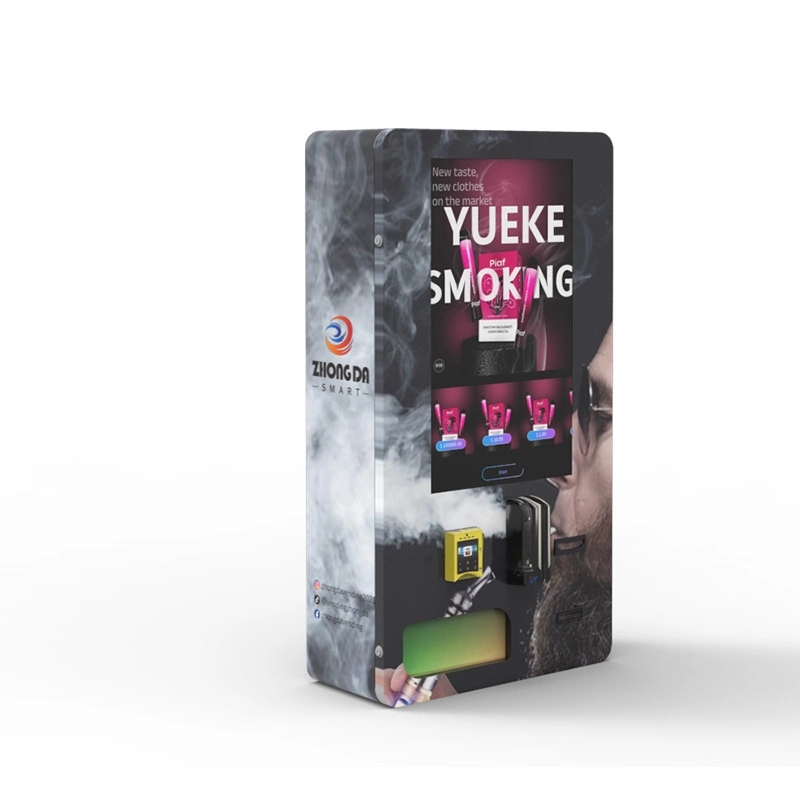
Based on our field data from 200 machines deployed in California and Texas, the average cost per age verification transaction is about $0.04. That includes the software API fee and the hardware amortization over five years. Compare that to the potential fine. The math is simple. You do not buy a machine without a certified age verification system.
Profitability and ROI: What the Spreadsheet Does Not Show
Everyone asks about the return on investment. I usually tell them to look at the location first, then the machine, then the product. A vape vending machine with a reliable age verification system can generate a gross profit of $800 to $1,500 per month, depending on foot traffic and product margins. The machine cost, which ranges from $4,000 to $8,000 for a high-quality unit from a manufacturer like Zhongda Smart, is usually recouped within 6 to 10 months. But there is a hidden factor: transaction speed.
The Speed Factor
A slow age verification system kills profits. If the scan and database check take 10 seconds, the customer gets impatient. In a busy bar or lounge, they will just walk to the counter or leave. We tested two systems side-by-side. System A took an average of 8 seconds for the full verification. System B (our current standard) took 3 seconds. The machine with the faster system sold 18% more units per week. The customer does not care about the technology. They care about getting their product and getting back to their friends. The speed of the age check directly impacts your bottom line.
Product Margins and Mix
You cannot just fill the machine with the cheapest disposable vapes. You need a mix. High-margin products (like premium pod systems) and high-turnover products (like popular disposable flavors). The age verification system does not care what you sell, but the data it generates can tell you what sells. We integrate the sales data with the age verification logs to see which demographics buy which products. This is not just a compliance tool; it is a business intelligence tool. If you see that a specific flavor only sells to people under 25, you might want to adjust your marketing or product placement.
Common Failures in the Field
I have been to sites where the machine was installed incorrectly, and the age verification system was the first thing to fail. Here are the three most common problems we see.
- Lighting Glare: The scanner is placed too close to a window or a bright light. The glare washes out the barcode on the ID. The machine rejects every transaction. The fix is a simple hood or a repositioning of the machine. We now include a light sensor in our machines that adjusts the scanner exposure automatically.
- Network Instability: The database check requires a stable internet connection. If the machine is using a weak cellular signal in a basement bar, the transaction times out. You need a machine that can store a local cache of valid IDs for a short period, or you need a booster. We install dual-SIM modems in our machines for this reason. One carrier fails, the other takes over.
- Software Update Failures: The age verification software needs updates to stay compliant with new ID formats. Some operators ignore the update prompts. After six months, the machine starts rejecting valid IDs because it does not recognize the new state driver's license design. We set our machines to auto-update during off-peak hours. If the update fails, the machine sends a text alert to the operator.
Choosing the Right Hardware: A Buyer’s Guide
Not all age verification systems are built the same. I have tested units from five different manufacturers. The difference is in the scanner optics, the software logic, and the build quality of the housing. You want a machine that is built to handle thousands of scans per month without the scanner wearing out. We use industrial-grade scanners rated for 1 million scans. The cheaper ones use consumer-grade scanners that fail after 50,000 scans.
| Feature | Basic ID Scanner | Advanced System (Zhongda Smart Standard) |
|---|---|---|
| Scan Speed | 5-8 seconds | 2-3 seconds |
| Database Check | Local only (no fraud check) | Real-time government database & fraud check |
| Facial Recognition | No | Optional (recommended for high-risk locations) |
| Failure Rate (due to hardware) | ~5% | <0.5% |
| Software Updates | Manual | Automatic OTA |
| Cost Impact on Machine | Low (+$300) | Moderate (+$800) |
If you are placing a machine in a 24-hour convenience store or a bar that gets busy on weekends, you need the advanced system. The basic scanner will cause too many rejected sales and frustrated customers. For a low-traffic location like a private lounge, the basic system might be sufficient, but I still recommend the advanced one for the fraud protection.
Deployment Lessons from the Field
I remember a deployment in a busy nightclub in Miami. We installed the machine near the exit. The owner wanted it there so people could grab a product on their way out. The age verification system kept failing. We realized the problem was the ambient noise and the lighting. The scanner was picking up the strobe lights. We had to move the machine to a quieter, dimmer corner near the restrooms. The transaction volume doubled. The location of the machine relative to the environment is just as important as the technology inside it.
Operator Training is Mandatory
You can have the best machine in the world, but if the site staff does not know how to handle a failed verification, they will create problems. We train every site manager on two things: how to clear a paper jam in the ID tray, and what to tell a customer whose ID is rejected. The script is simple: “The machine requires a valid, unexpired ID to comply with federal law. I cannot override it.” If the staff tries to manually sell the product after a machine rejection, you are liable. The machine is the gatekeeper. Do not let the staff bypass it.
Long-Term Maintenance and Strategy
An age verification system is not a set-it-and-forget-it component. The software needs to be updated as ID formats change. The scanner lens needs to be cleaned weekly. A dirty lens causes a 20% increase in scan failures. We include a lens cleaning kit with every machine and a maintenance schedule in the manual. The annual software fee for the verification service is usually around $200 to $400 per machine. Do not skip this. If the database is not updated, you are running a blind machine.
For operators running a fleet of machines, we recommend a centralized management system. This allows you to see the age verification logs remotely. You can see which machine is rejecting the most IDs and investigate why. Is it a bad scanner? Is it a location with a lot of underage customers trying to buy? That data helps you adjust your strategy. You might move the machine to a different location or adjust the product mix. We have seen operators reduce their rejection rate by 30% just by analyzing this data and adjusting the machine placement.
Expert Advice on Compliance
I have been in this business since before the FDA deeming rule. The regulations are only getting tighter. My advice is to buy a machine from a manufacturer that understands the legal landscape. We at Zhongda Smart build our machines specifically for the US and EU compliance frameworks. We do not sell a machine that can be easily modified to bypass the age check. If a client asks for a machine without the verification system, we refuse the sale. It is not worth the risk to their business or our reputation. The market is moving towards biometric verification and passive age estimation. The next generation of machines will not even require the customer to insert an ID. They will just stand in front of a camera. But for now, the ID scan and database check is the gold standard.
For more details on specific machine models and their compliance features, you can review our product line for vape vending machines. We also have a resource center that covers specific state regulations. If you are looking at a specific deployment scenario, such as a bar or a convenience store, we have case studies that outline the real-world performance of these systems.
Frequently Asked Questions
What happens if the age verification system fails during a transaction?
The transaction is automatically canceled. The machine will not dispense any product. The customer should be informed that the ID could not be verified and to try again with a different form of identification or see the store manager. The machine logs the failed attempt.
Can I use a machine without an internet connection for age verification?
No. A real-time database check requires an internet connection. Some machines have a local cache for a limited number of IDs to handle brief outages, but you cannot run a compliant machine offline permanently. You will fail a compliance audit.
How often does the age verification software need to be updated?
Most systems update automatically once a month. Manual updates should be done at least quarterly to ensure the system recognizes new ID formats and security features. Ignoring updates is a common cause of false rejections.
Is facial recognition required for compliance?
It is not universally required, but it is highly recommended. Some states and EU countries are moving towards mandatory biometric verification. It adds a layer of security against using a fake or borrowed ID.
What is the lifespan of the scanner hardware?
Industrial-grade scanners, like the ones we use, are rated for over 1 million scans. In a high-traffic location, that is roughly 5 to 7 years. Consumer-grade scanners may fail in 1 to 2 years.
Can the age verification system be bypassed by a store employee?
A well-designed system cannot be bypassed without a physical key and a code. The machine should have an audit log that records every override attempt. If an employee bypasses the system, the business owner is liable.
What types of ID does the system accept?
Most systems accept driver's licenses, state IDs, passports, and military IDs. Some advanced systems also accept digital IDs from specific states. The machine software must be configured for the region it is deployed in.
How do I clean the scanner to prevent failures?
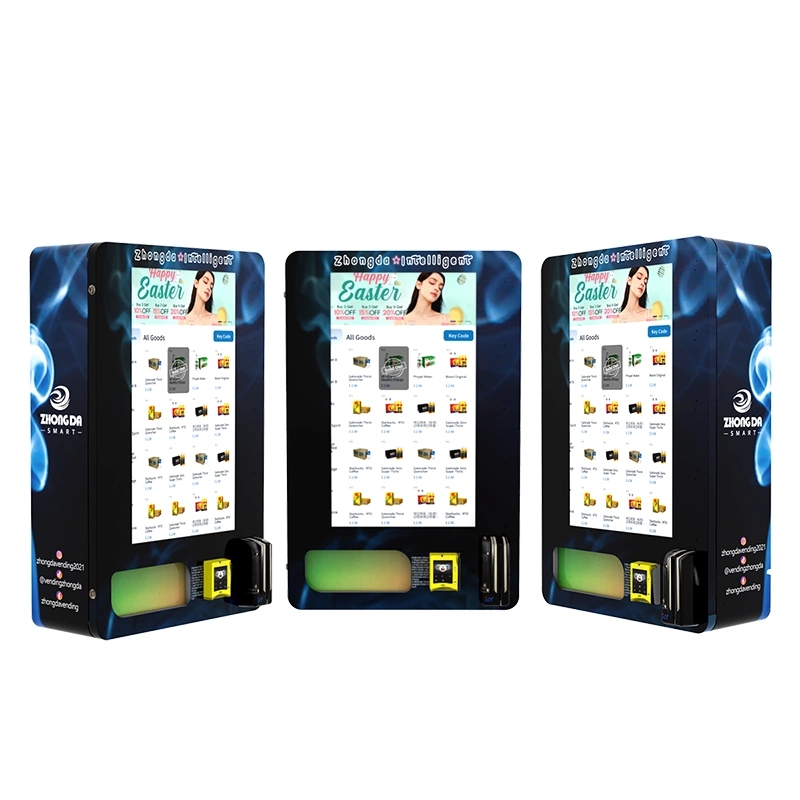
Use a microfiber cloth and a small amount of isopropyl alcohol. Wipe the scanner window gently once a week. Do not use paper towels or harsh chemicals as they can scratch the lens and cause scan errors.
Sources and References
The data and insights in this article are based on field experience and industry reports. For regulatory fine structures, refer to the FDA’s enforcement actions. For market data on vending machine profitability, industry reports provide benchmarks. For specific technical specifications on age verification hardware, manufacturers like Zhongda Smart publish detailed documentation. External data points on market growth are available from industry analysis firms.