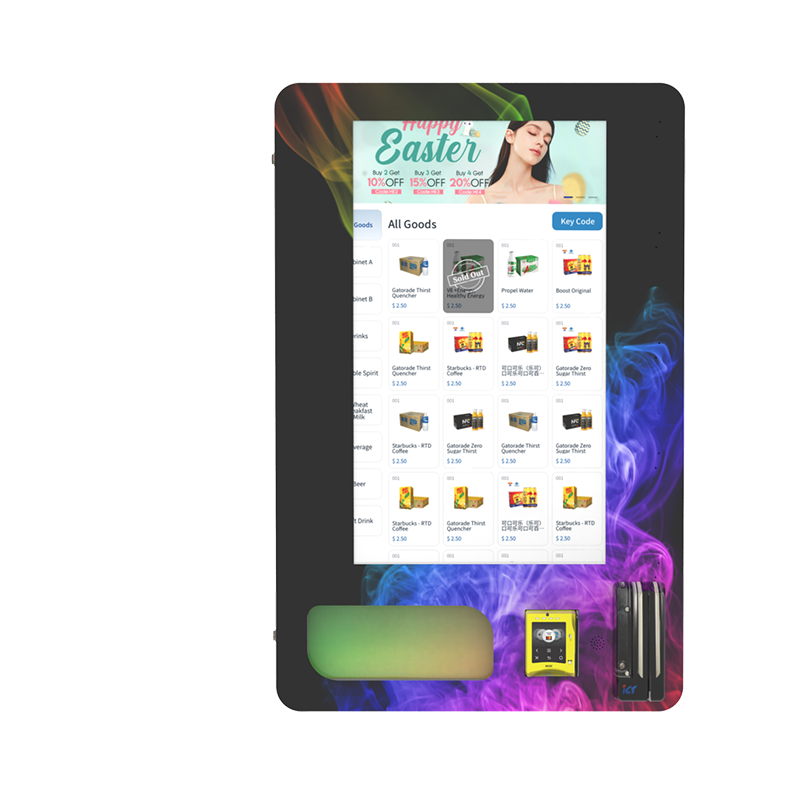
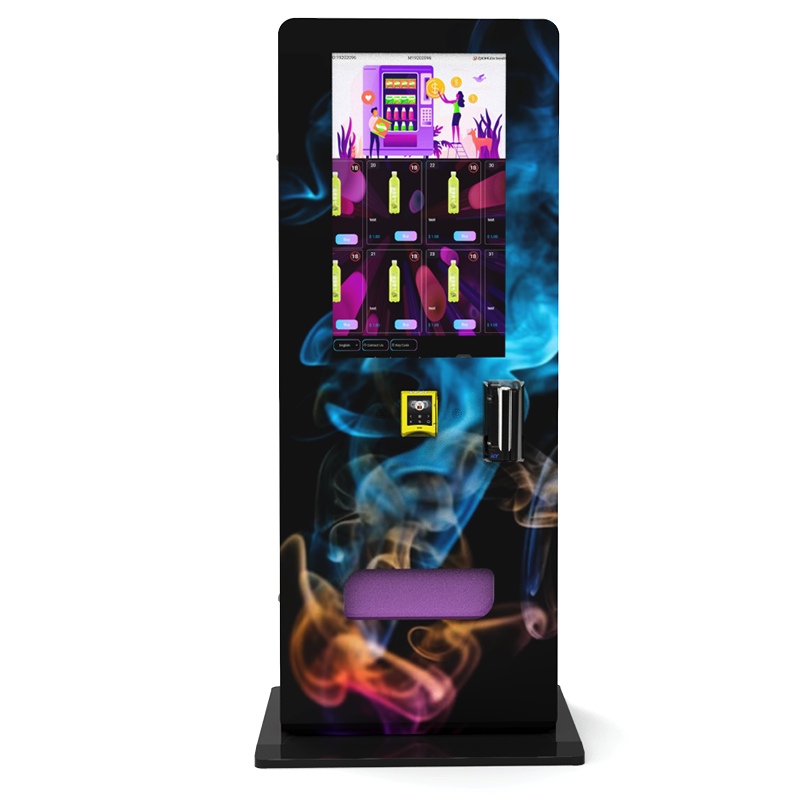
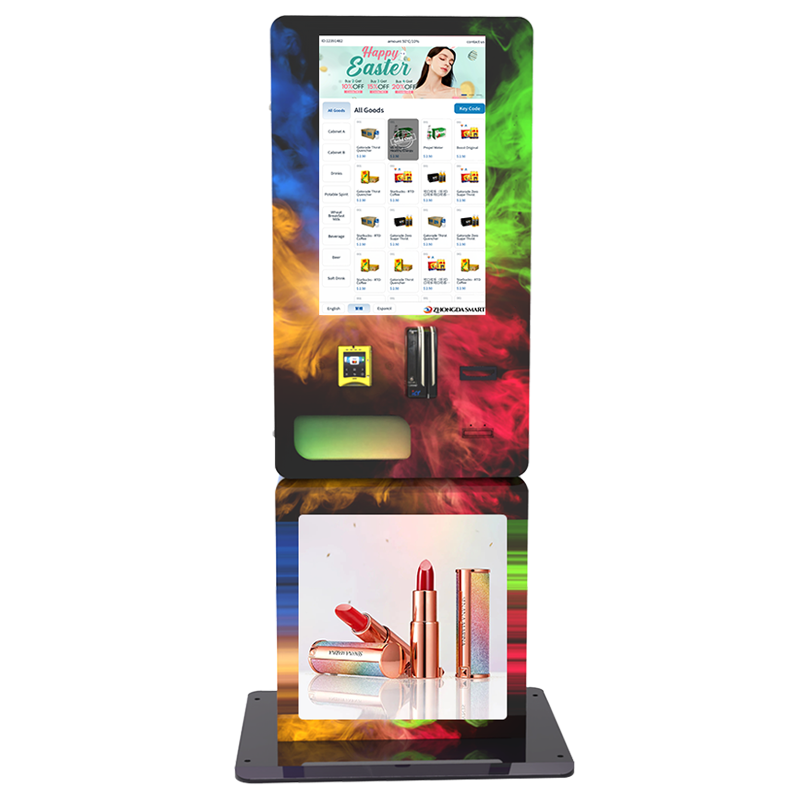
Age verification vending machines are designed for businesses that need to automate sales while controlling access to age-restricted products. Unlike standard vending machines, these systems can integrate ID scanning, identity verification, payment processing, inventory monitoring, and remote machine management into a single self-service platform.
However, choosing the right machine involves more than adding an ID scanner to a vending cabinet. Verification technology, local regulations, data privacy, machine reliability, payment systems, operating costs, and location strategy can all affect whether a deployment is successful.
This guide explains how age verification vending machines work, what they typically cost, what buyers should evaluate before purchasing, and which operational and compliance factors should be considered when deploying them.
What Is an Age Verification Vending Machine?
An age verification vending machine is an automated retail machine equipped with technology that checks whether a customer meets a required age threshold before allowing a transaction to proceed.
Depending on the machine configuration, age verification may involve one or more of the following:
Government-issued ID scanning
Barcode or machine-readable zone (MRZ) reading
Date-of-birth and document-expiration checks
ID document authenticity checks
Camera-based identity comparison
Third-party identity verification services
Transaction logging and remote monitoring
These machines are commonly considered for retail environments where access to certain products must be restricted by age. The exact products that may legally be sold through unattended vending equipment vary by jurisdiction, so operators should confirm applicable local requirements before deployment.
Why Standard Vending Machines Are Not Enough for Age-Restricted Products
Traditional snack and beverage vending machines generally have no way to determine the age or identity of the person making a purchase.
That design works for unrestricted products, but it may not be appropriate where regulations require businesses to prevent sales to underage customers.
A properly configured age verification system can add an additional control before the payment and dispensing stages. Instead of allowing any customer to make a purchase, the machine can require successful verification before enabling selected products.
Importantly, age verification technology should be treated as part of a broader compliance process, rather than as a guarantee of legal compliance. Requirements can differ according to product category, state, municipality, venue type, licensing status, and other factors.
How Does an Age Verification Vending Machine Work?
The exact transaction flow depends on the verification hardware and software used, but a typical process may look like this:
The customer selects a restricted product. The machine determines that age verification is required before proceeding.
The customer scans an accepted identification document. A compatible scanner reads information such as the date of birth, document expiration date, or machine-readable data.
The system evaluates the age requirement. If the customer's date of birth does not meet the configured threshold, the transaction is stopped.
Additional verification may be performed. Depending on the system, this may include document checks, camera-assisted identity comparison, or verification through an integrated third-party service.
Payment is enabled. Once the configured verification process is completed successfully, the customer can proceed with an available payment method.
The product is dispensed. The vending controller releases the selected product and records the transaction according to the operator's system configuration.
Verification speed depends on scanner hardware, software configuration, internet connectivity, identity verification services, and the type of ID being processed. Buyers should request real-world demonstrations rather than relying only on advertised processing times.
Standalone vs. Online Age Verification
Age verification systems can be designed in different ways. Two common approaches are local verification and connected verification.
Local or Standalone Verification
A standalone system processes supported ID information primarily through software running on the machine or an integrated local device.
Potential advantages include:
Reduced dependence on internet connectivity
Fast processing for supported document formats
Continued basic functionality in locations with unstable networks
The capabilities of standalone verification vary significantly, so buyers should determine whether the system is simply reading an ID barcode or performing additional document validation.
Connected Verification
Connected systems can send selected verification information to an external service for additional processing.
Depending on the provider, that service may support document verification, identity checks, fraud detection, or other verification functions.
Buyers should ask exactly what information is transmitted, where it is processed, how long it is retained, and what happens if network connectivity becomes unavailable.
Hybrid Systems
Some machines can combine connected verification with limited local functionality. Whether offline transactions should remain available depends on the product, the verification method, the operator's risk policy, and applicable local requirements.
Offline operation should not automatically be described as compliant. Operators should determine whether their intended fallback process is acceptable for the jurisdiction in which the machine will operate.
How Much Does an Age Verification Vending Machine Cost?
There is no single standard price for an age verification vending machine. Cost depends on machine capacity, cabinet design, cooling requirements, payment hardware, ID verification equipment, software, customization, shipping, and installation.
As a general purchasing framework, buyers should separate the initial machine cost from recurring operating expenses.
| Cost Category | What It May Include | Questions to Ask |
|---|---|---|
| Machine Hardware | Cabinet, display, dispensing system, controller, cooling equipment | What configuration is included in the quoted price? |
| Age Verification Hardware | ID scanner, camera, document reader, supporting devices | Which ID formats and countries are supported? |
| Verification Software | Age-checking software, identity services, updates | Is there a recurring license or per-verification fee? |
| Payment System | Card reader, contactless payments, payment gateway integration | Are payment processing fees separate? |
| Connectivity | Wi-Fi, Ethernet, cellular service | Does the operator need a separate data plan? |
| Shipping & Installation | Freight, setup, configuration, placement | Are international freight and local installation included? |
| Maintenance | Replacement parts, technical support, service calls | What is covered by the warranty? |
| Compliance & Licensing | Permits, registrations, professional advice where required | What local requirements apply to the intended product and location? |
When comparing suppliers, buyers should request a complete quotation that clearly separates one-time hardware costs from recurring software, connectivity, payment, and support expenses.
Understanding ROI: What Really Determines Profitability?
The return on investment of an age verification vending machine depends much more on the location and product economics than on the vending machine itself.
A useful ROI model should include:
Number of transactions per day
Average transaction value
Product gross margin
Location commission or rent
Payment processing costs
Verification fees
Software subscriptions
Connectivity costs
Restocking and labor
Maintenance and replacement parts
Taxes and applicable licensing costs
Product loss, refunds, or machine downtime
Illustrative ROI Formula
Instead of relying on a universal revenue estimate, operators can calculate a location-specific projection using a formula such as:
Monthly Revenue = Transactions per Day × Average Transaction Value × Operating Days
Then:
Estimated Operating Profit = Revenue − Product Cost − Location Fees − Payment Fees − Verification Costs − Software − Connectivity − Maintenance − Other Operating Expenses
Any ROI example should be treated as an illustration rather than a guaranteed result. Small changes in daily transaction volume can have a substantial effect on the payback period.
What Usually Hurts Vending Machine Profitability?
1. Low Transaction Volume
A technically advanced machine cannot compensate for a location where customers rarely need the products being offered.
Before committing to a large fleet, operators should evaluate foot traffic, customer demographics, opening hours, product demand, nearby competition, and expected purchase frequency.
2. Poor Machine Visibility
A machine placed behind displays, around a corner, or away from normal customer traffic may be overlooked even in a busy venue.
High-visibility placement near natural customer paths generally makes the machine easier to discover.
3. Excessive Location Fees
Revenue-sharing or fixed rent can significantly affect profitability. Operators should model these costs before signing a location agreement.
4. Wrong Product Mix
Large inventories are not automatically better. Slow-moving products increase inventory costs and can occupy space that could be used for stronger-selling items.
5. Machine Downtime
Problems with payment terminals, connectivity, dispensing mechanisms, scanners, or software can stop sales entirely. Remote diagnostics and accessible technical support can therefore have a meaningful impact on operating performance.
Age Verification Vending Machine Types
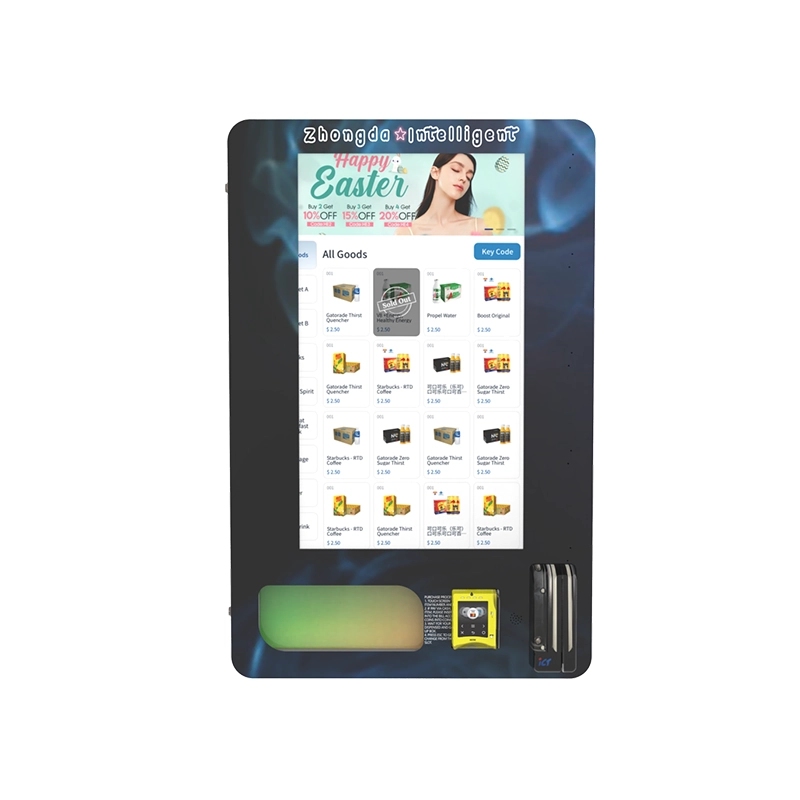
Machine size should be selected according to available space, expected sales volume, product dimensions, and restocking frequency.
| Machine Type | Typical Use Case | Main Advantage | Main Consideration |
|---|---|---|---|
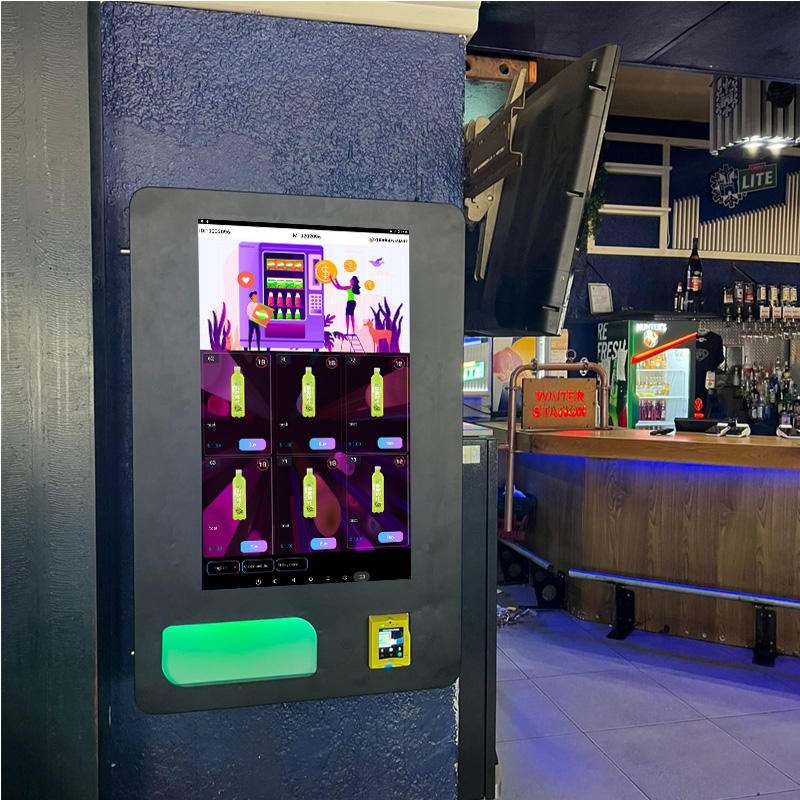
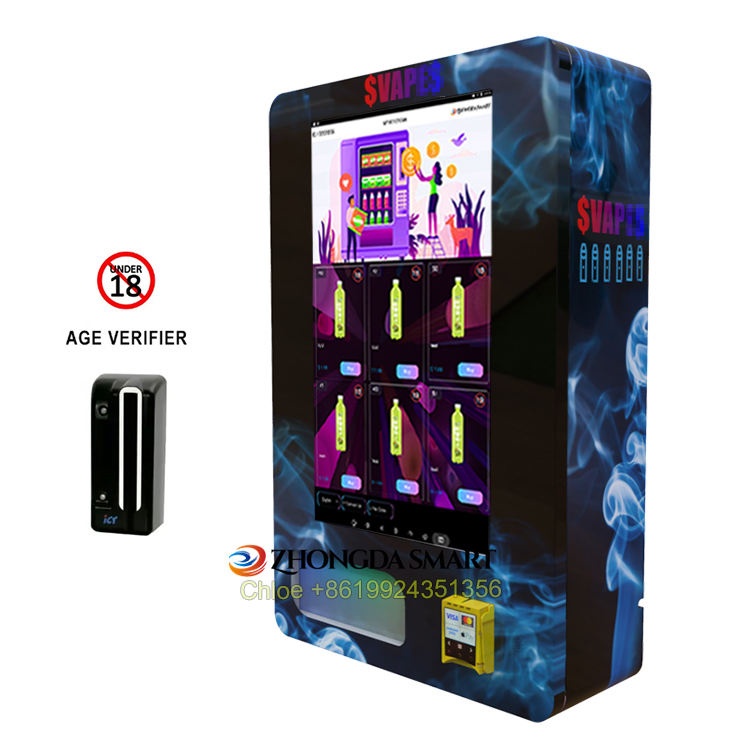
| Wall-Mounted Machine | Bars, compact retail spaces, locations with limited floor area | Small footprint | Lower inventory capacity |
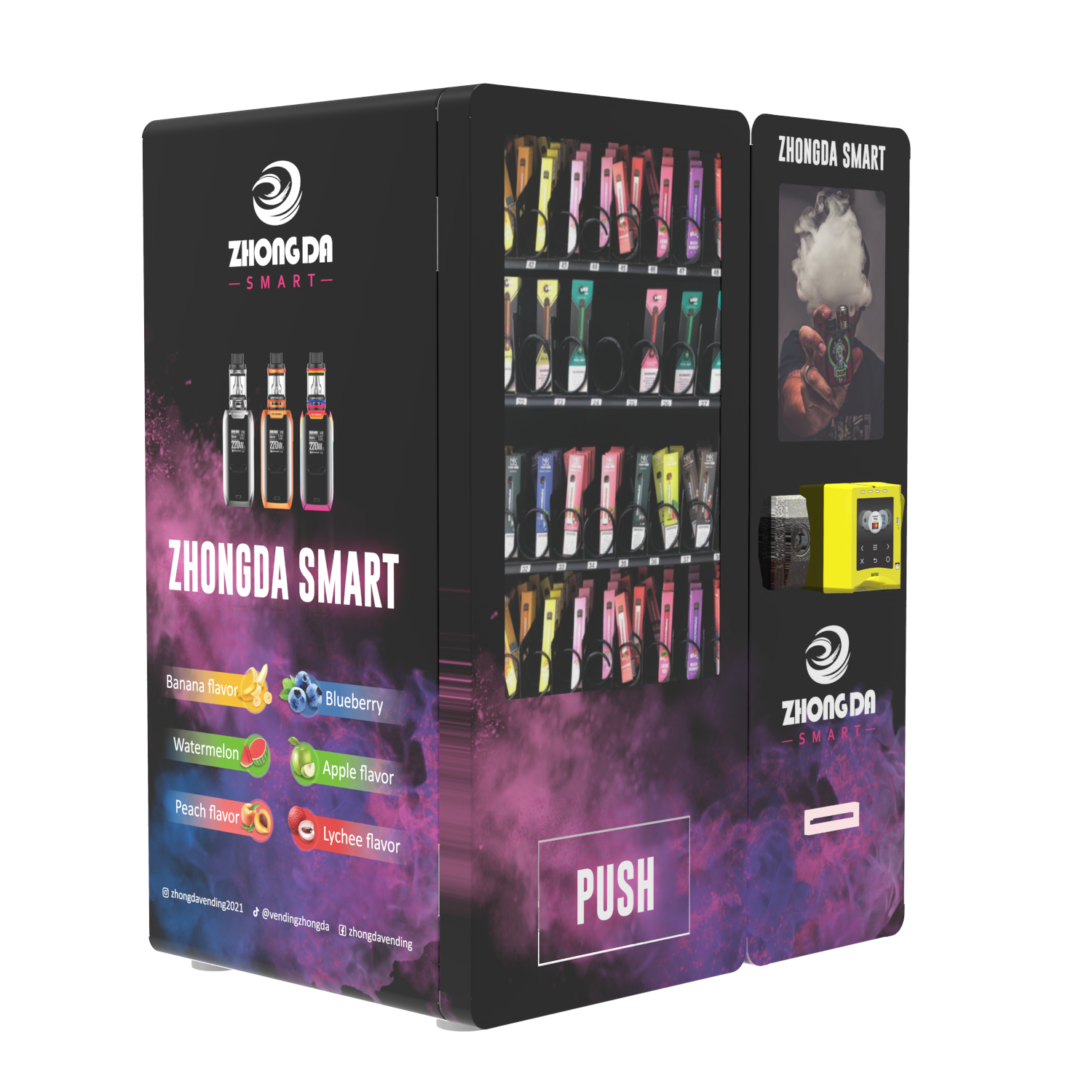
| Freestanding Machine | Retail stores, convenience locations, specialty stores | Balance of capacity and footprint | Requires dedicated floor space |
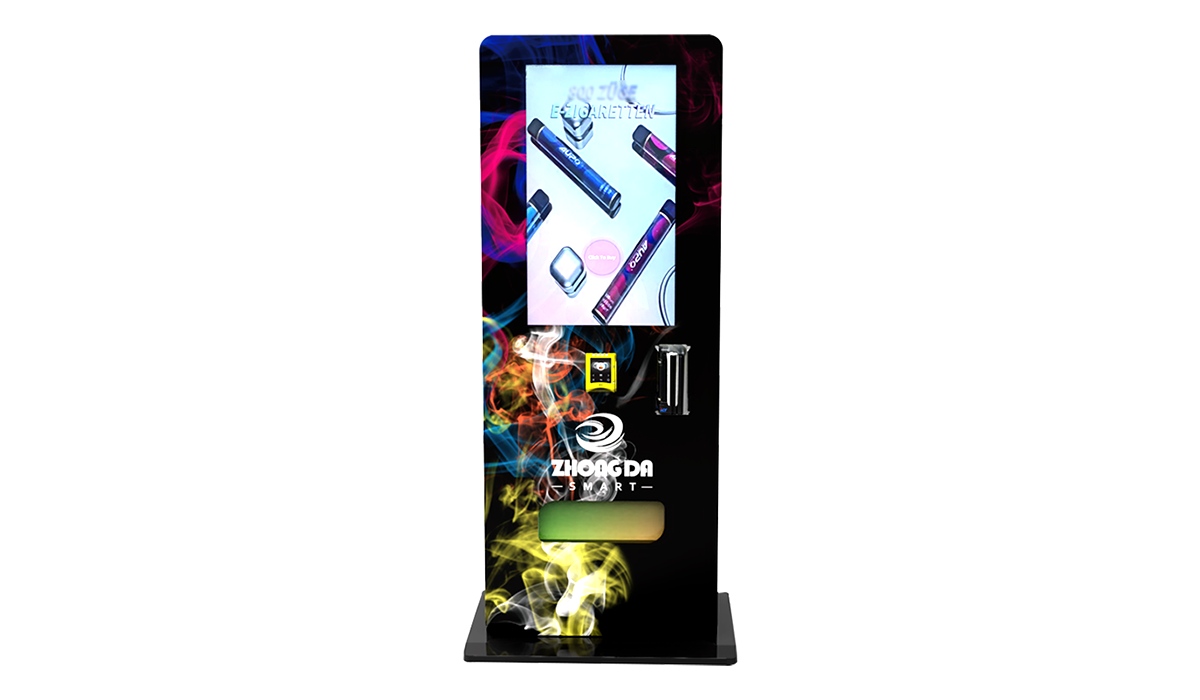
| High-Capacity Kiosk | Large venues and high-volume environments | Higher inventory capacity and display flexibility | Higher equipment and installation cost |
Key Features to Look for Before Buying
Reliable ID Scanning
Ask suppliers to demonstrate the actual scanner using the types of identification documents your customers are likely to present.
Confirm which document formats are supported and what information the machine evaluates.
Secure Payment Processing
Modern vending locations increasingly rely on card and contactless payments. Buyers should confirm payment-terminal compatibility, supported payment methods, processor requirements, and transaction fees.
Remote Monitoring
A connected vending management platform can help operators monitor:
Sales activity
Inventory levels
Machine status
Product availability
Selected hardware errors
Restocking requirements
Configurable Product Trays
Adjustable or modular trays can make it easier to change the product mix without replacing the entire vending system.
Remote Software Updates
Age verification, payment, and machine-control software may require updates over time. Buyers should understand who manages updates, how they are delivered, and whether update support is included in the purchase or software agreement.
Physical Security
Machines placed in public environments should also be evaluated for cabinet strength, lock design, delivery-door security, anchoring options, and resistance to unauthorized access.
Data Privacy and Security Considerations
Data privacy is an important part of any automated identity verification system. A machine may process information such as date of birth, ID data, document images, verification results, or camera images depending on its configuration.
Before deployment, operators should understand:
Exactly what personal information is collected
Whether full ID images are stored
Whether facial images are processed or retained
Where verification data is processed
Whether data is stored locally, in the cloud, or both
How long records are retained
Who can access stored information
How data is encrypted during transmission and storage
How records can be deleted when no longer required
Which privacy laws and contractual obligations may apply
Collecting more customer data is not always better. Businesses should configure the system according to legitimate operational and compliance needs and seek appropriate professional guidance regarding applicable privacy obligations.
Compliance Considerations
Regulations governing vending machines and age-restricted products vary considerably by location and product category.
Before purchasing or installing a machine, operators should determine whether applicable requirements address:
Whether the product can legally be sold through unattended vending equipment
Minimum purchaser age
Required licenses or permits
Restrictions on machine location or venue type
Required age verification procedures
Recordkeeping obligations
Advertising or product-display restrictions
Tax registration requirements
Consumer privacy requirements
Requirements can differ between states, counties, cities, and product categories. Operators should confirm current rules with the relevant government authority or a qualified legal or compliance professional before installation.
Age verification technology can support a business's compliance process, but no manufacturer or verification system should be assumed to guarantee compliance in every jurisdiction.
Maintenance Requirements
Like any unattended retail equipment, age verification vending machines require ongoing inspection and maintenance.
Typical maintenance tasks may include:
Cleaning scanner surfaces and cameras
Checking card-reader performance
Inspecting dispensing mechanisms
Testing sensors
Checking network connectivity
Reviewing software updates
Cleaning the cabinet and touchscreen
Inspecting locks and security components
Updating inventory and product configuration
Remote machine monitoring can help operators identify some issues before visiting the location, reducing unnecessary service trips and shortening downtime.
How to Choose an Age Verification Vending Machine Manufacturer
Machine specifications are important, but long-term supplier support can be equally important. Buyers should evaluate both manufacturing capability and after-sales service.
Questions to Ask a Manufacturer
Do you manufacture the vending machine directly?
Which components are produced internally and which are sourced from third parties?
Which ID verification technologies are supported?
Which countries and identification documents can the system support?
Does age verification require an internet connection?
What happens when the network is unavailable?
Can product trays and cabinet dimensions be customized?
Which payment systems can be integrated?
Does the machine include remote inventory monitoring?
Are software updates included?
What information does the verification system collect or store?
What is the warranty period?
Which replacement parts are stocked?
What technical support is available after installation?
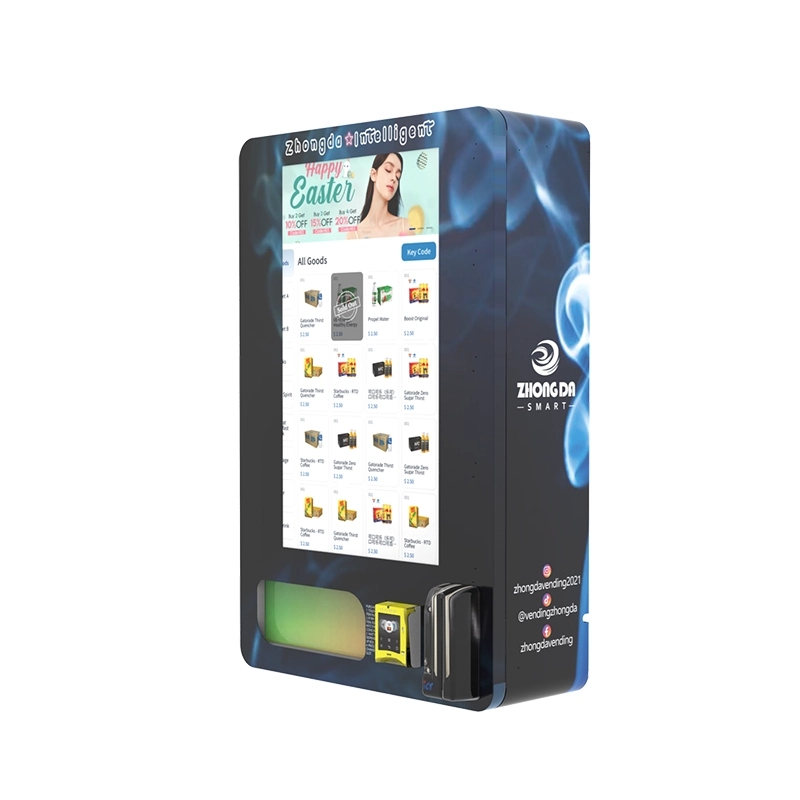
Age Verification Vending Machines from Zhongda Smart
Zhongda Smart manufactures configurable smart vending machines for different retail environments.
Depending on project requirements, configurations can include features such as ID verification hardware, cashless payment systems, touchscreen interfaces, remote machine management, adjustable product channels, and customized cabinet designs.
Because age verification requirements differ between markets, buyers should provide details about the intended country, product type, venue, preferred verification method, payment system, and machine capacity when requesting a quotation.
View more information about Zhongda Smart age verification vending machines .
You can also compare additional configurations on the vape vending machine product page .
Planning a Successful Deployment
Instead of immediately purchasing a large number of machines, a controlled pilot deployment can provide useful operating data.
A practical pilot program may track:
Transactions per day
Average order value
Most popular products
Restocking frequency
Verification completion rate
Payment failures
Machine downtime
Maintenance requirements
Customer feedback
Location-level profitability
Once the operator has enough real-world data, machine configuration, pricing, product selection, and location strategy can be adjusted before expanding the fleet.
Frequently Asked Questions
How long does age verification take?
Verification time depends on the scanner, software, type of identification document, network connection, and whether an external verification service is involved. Buyers should request a live demonstration using representative IDs before purchasing.
Can an age verification vending machine read IDs from different states?
Compatibility depends on the verification hardware and software. Buyers should confirm supported ID formats directly with the manufacturer or verification provider rather than assuming that every government-issued document can be processed.
Can the machine verify international IDs or passports?
Some configurations may support passports or other documents with compatible machine-readable information. International document support varies by verification provider and should be confirmed for the target market.
What happens if the internet connection goes down?
The behavior depends on machine configuration. Some systems may support limited local verification while others may temporarily disable restricted transactions.
The appropriate fallback policy should be determined according to the verification technology, product category, operator requirements, and applicable local regulations.
How often does the machine need to be restocked?
Restocking frequency depends on machine capacity and sales volume. Remote inventory monitoring can help operators determine when products need replenishment instead of relying on a fixed restocking schedule.
Can product trays be customized?
Many vending systems can be configured with different tray, channel, or dispensing arrangements. Buyers should provide product dimensions, weight, packaging format, and required capacity before finalizing a machine configuration.
What warranty should I look for?
Warranty terms vary between manufacturers. Buyers should confirm the warranty period, covered components, replacement-parts policy, shipping responsibility, and technical-support process before purchasing.
Do I need a special license to operate an age verification vending machine?
Licensing requirements depend on the location, venue, and type of product being sold. Some jurisdictions may impose specific rules on vending equipment or age-restricted products. Confirm current requirements with the appropriate local authority before deployment.
Can an age verification system detect every fake ID?
No verification technology should be assumed to detect every fraudulent document. Different systems provide different levels of document analysis and identity verification. Layered verification may reduce risk, but no system is completely foolproof.
Can the machine be moved to another location?
Most freestanding vending machines can be relocated, but operators may need to update network settings, payment configuration, machine location information, and any applicable registrations or permits.
What maintenance can operators perform themselves?
Routine cleaning, restocking, visual inspections, and basic operating checks can generally be handled by trained operators. Repairs involving payment terminals, verification hardware, electrical systems, or control boards should follow the manufacturer's service instructions.
Final Considerations
An age verification vending machine can provide a convenient automated retail channel, but the machine itself is only one part of a successful deployment.
Buyers should evaluate the complete operating system: verification technology, privacy controls, payment processing, machine reliability, product economics, location quality, maintenance support, and applicable regulations.
For businesses evaluating this type of equipment, starting with a small pilot deployment can provide far more useful information than relying on generic revenue or ROI projections. Real transaction data can then be used to optimize product selection, machine configuration, and future expansion.
If you are planning an age verification vending project, provide the intended product type, target market, location type, machine capacity, payment requirements, and preferred verification method when contacting a manufacturer. This makes it easier to determine an appropriate configuration and obtain an accurate quotation.
Learn more: Age Verification Vending Machine
Compliance Notice: This article is intended for general informational purposes and does not constitute legal, regulatory, tax, or compliance advice. Regulations governing age-restricted products, vending machines, identity verification, and personal data vary by jurisdiction. Businesses should verify current requirements with the relevant authorities or qualified professional advisers before deploying an age verification vending machine.