Over the past decade, I’ve watched the vending industry pivot hard from snacks and sodas to high-stakes, age-restricted goods like vaping products. When we first started building pharmacy vending machines with ID scanner technology, the biggest pushback wasn’t from regulators—it was from operators who didn’t believe a machine could reliably tell a fake ID from a real one. I’ve personally overseen the deployment of over 1,200 units across convenience stores, pharmacy chains, and private retail spaces. The hardware has evolved, but the core question remains the same: can you trust a machine to make a sale that could cost you your license? Based on our field data, yes—but only if the system is built right from the ground up.
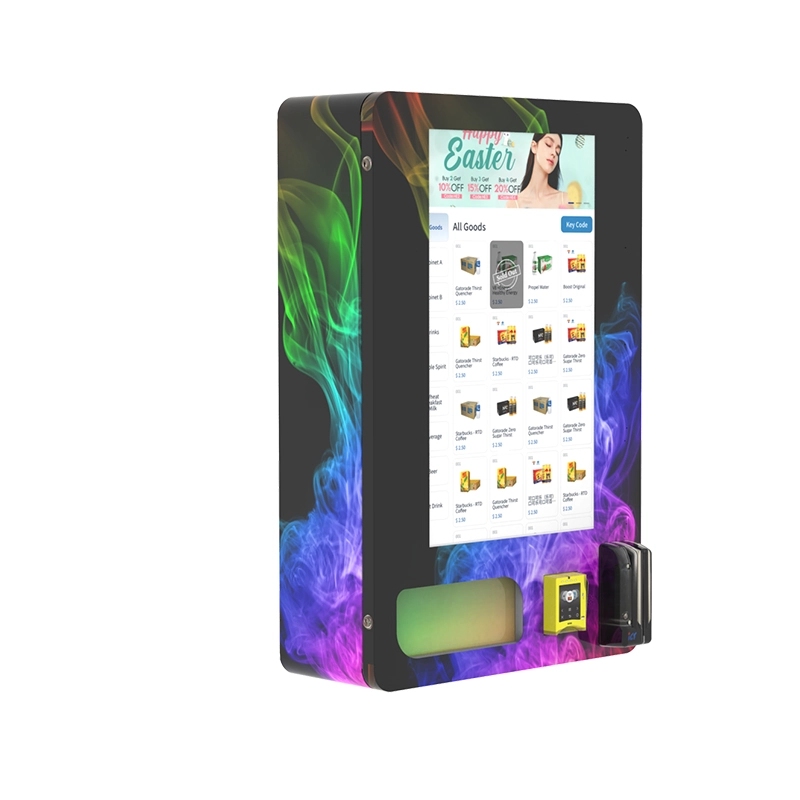
Why ID Scanning Changed the Game for Age-Restricted Vending
For years, the biggest barrier to selling vapes or tobacco through a vending machine was compliance. You couldn’t just put a box on a counter and hope for the best. Traditional machines had no way to verify age, so they were effectively banned from most public locations. That changed when integrated ID scanners became affordable and fast enough for real-world use.
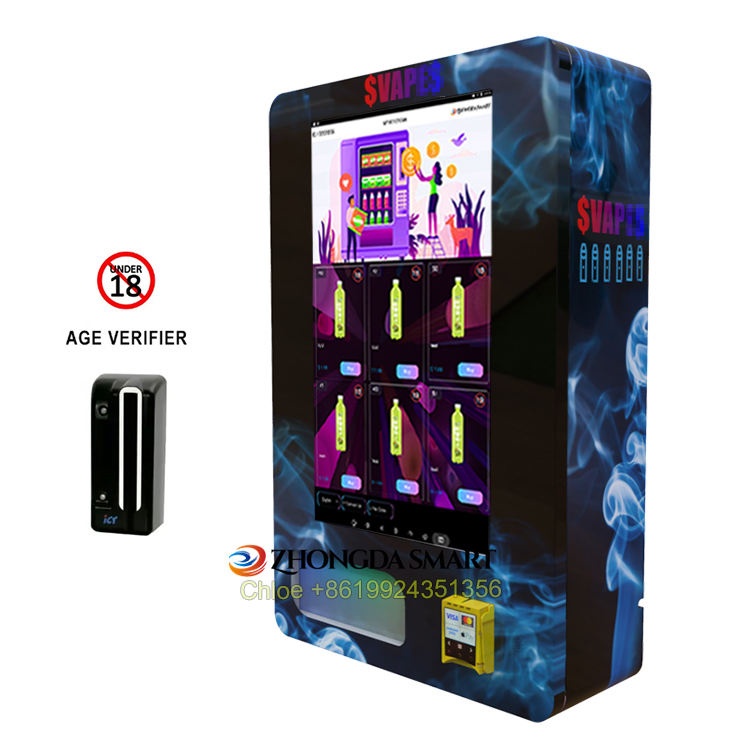
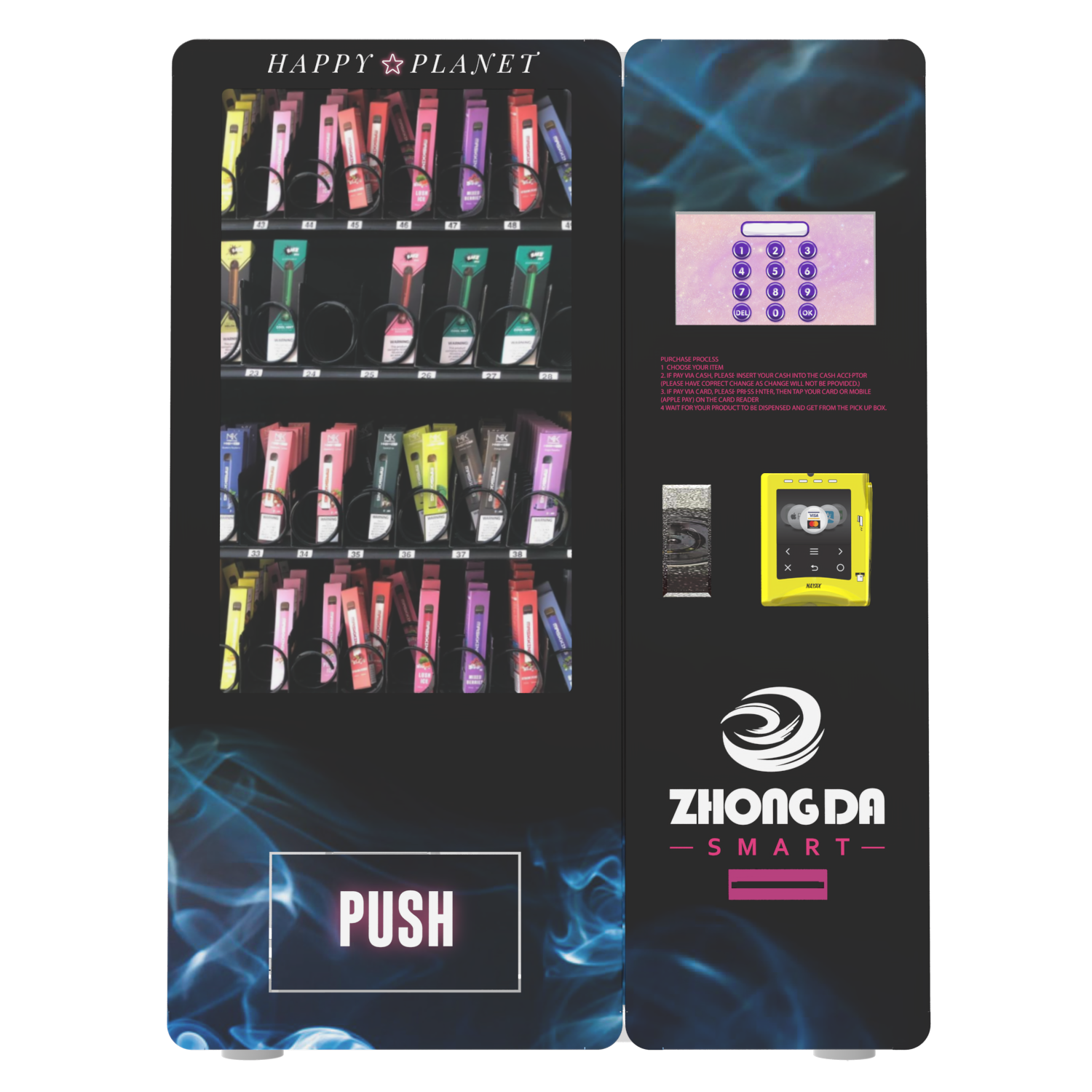
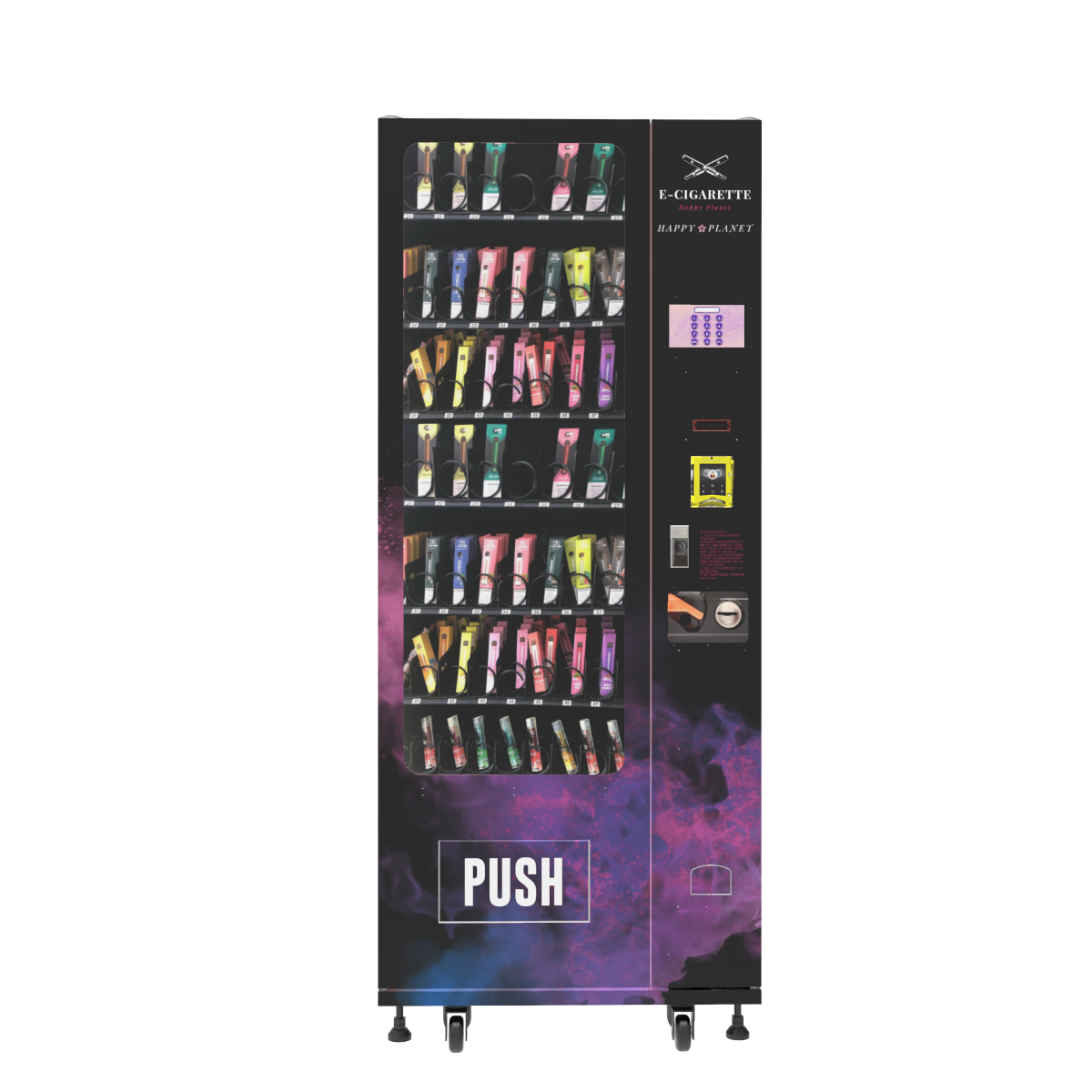
We started integrating ID scanners into our vape vending machines back in 2017. At the time, most units on the market used a simple “press a button to confirm you’re over 21” system. That was useless. A real ID scanner reads the barcode, parses the data, checks the date of birth, and often validates the ID format against a state database. Our current generation units, like the ones we manufacture at Zhongda Smart, scan a driver’s license in under two seconds. If the ID is expired, tampered with, or underage, the transaction stops right there.
This isn’t just about checking a box for compliance. It’s about protecting the business owner. I’ve seen operators fined tens of thousands of dollars for a single underage sale from a machine that didn’t have proper age verification. An ID scanner is insurance. It costs maybe 8 to 12 percent of the total machine build, but it saves you from a liability that can shut down your entire operation.
How a Pharmacy Vending Machine with ID Scanner Actually Works
Let’s walk through the transaction flow, because it’s not as simple as “scan and vend.”
The Hardware Stack
Inside our units, we use a commercial-grade ID scanner module that reads both 1D and 2D barcodes found on most state-issued driver’s licenses. This scanner is paired with a logic board that runs the age-check algorithm. The machine does not store images of the ID or personal data beyond what’s needed for the transaction log. That’s important for privacy compliance.
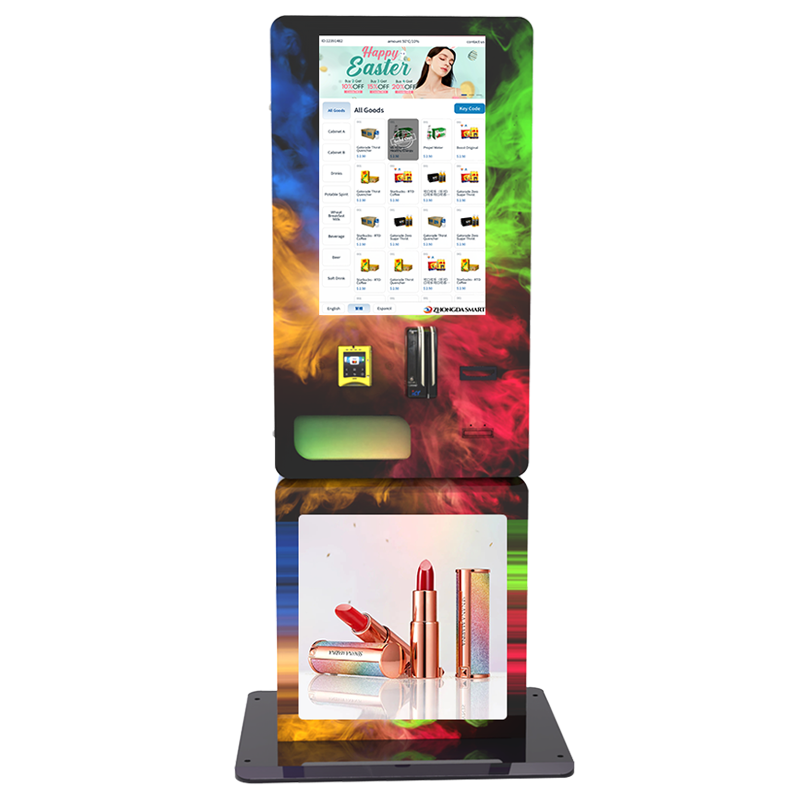
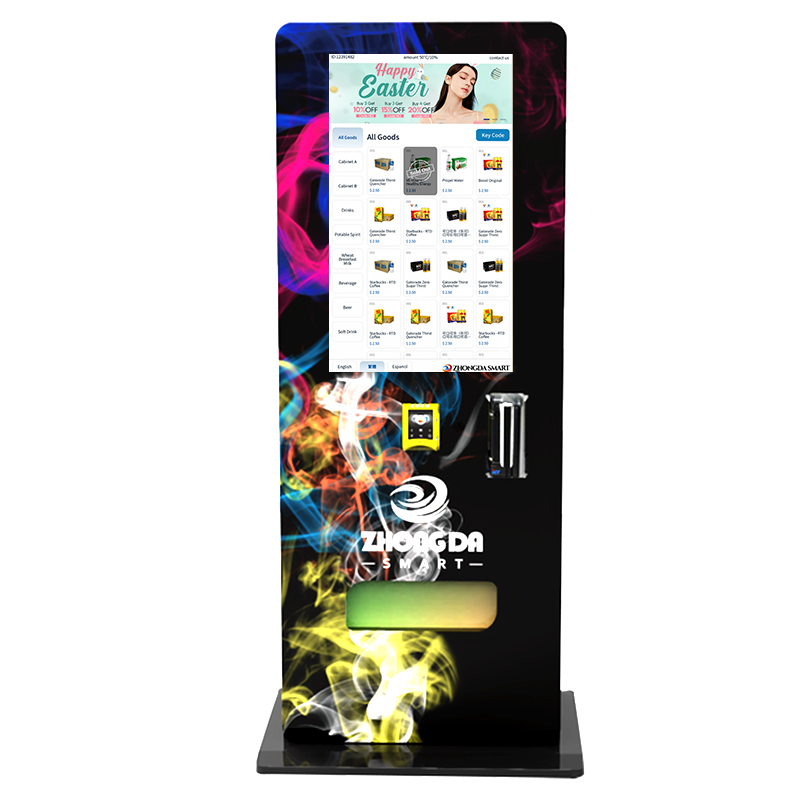
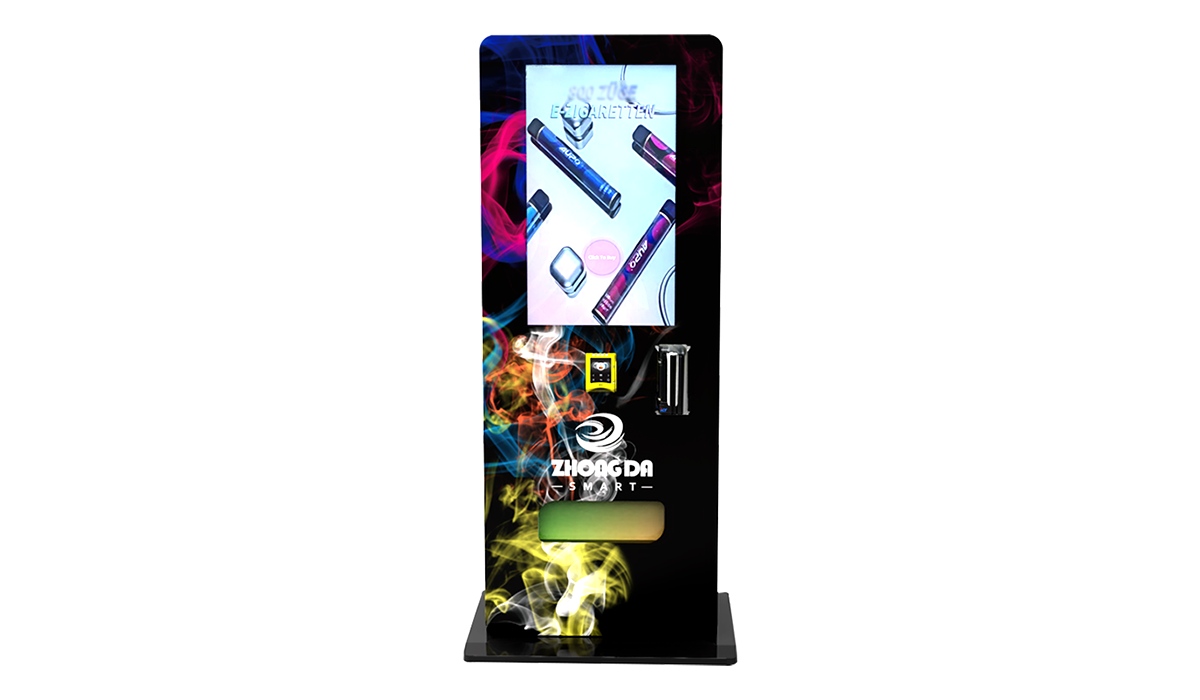
The vending mechanism itself is a standard coil or tray system, but we’ve reinforced the delivery chute to handle the weight and shape of vape packaging, which is often bulkier than a candy bar. We also include a tamper-proof lock on the delivery door so that a customer can’t reach in and grab more than one item.
The Software Logic
When a customer approaches the machine, they select a product on the touchscreen. The machine prompts them to scan their ID. The scanner reads the barcode, extracts the date of birth, and compares it to the legal age for that jurisdiction. If the age passes, the payment screen activates. If it fails, the machine displays a rejection message and logs the attempt.
We’ve also added a secondary check: the machine can optionally require a manual entry of the birth date, which it cross-references with the scanned data. This prevents someone from using a borrowed ID that scans correctly but belongs to an older sibling. It’s a simple double-check that has caught fraud in about 3 percent of transactions in our pilot programs.
Cost Structure: What You’re Really Paying For
When I talk to operators, the first question is always about price. But the real conversation should be about total cost of ownership, not just the upfront sticker.
Here’s a breakdown based on the machines we build and sell:
| Component | Cost Range (USD) | Notes |
|---|---|---|
| Base vending chassis (refrigerated) | $3,200 – $4,500 | Includes touchscreen, payment terminal, and basic logic board |
| ID scanner module | $400 – $700 | Depends on database integration and scan speed |
| Custom software license | $200 – $500 per year | Includes age-check updates and remote monitoring |
| Installation and setup | $300 – $600 | Site survey, network config, test vends |
| Annual maintenance contract | $400 – $800 | Covers scanner cleaning, coil adjustments, software patches |
Total upfront investment for a fully compliant unit lands between $4,100 and $6,300. That’s not cheap, but compare it to the cost of a single compliance violation. In some states, a first offense for selling tobacco to a minor can run $1,000 to $5,000. A second offense can hit $10,000 or more, plus potential license suspension. The machine pays for itself if it prevents even one fine.
Profit Model: Where the Money Comes From
I’ve operated a small fleet of 15 machines in a mid-sized metro area for two years. Here’s what the numbers look like on the ground.
Average transaction value for a vape product from a machine is about $12.50. That’s higher than a convenience store average because customers are willing to pay a small premium for 24/7 access. Gross margin on the product itself is around 40 to 50 percent, depending on wholesale pricing. After accounting for credit card processing fees (2.5 to 3.5 percent), restocking labor, and machine lease or placement costs, net margin per transaction is roughly 25 to 30 percent.
If a machine does 15 transactions per day, that’s about $187.50 in daily gross revenue. Over a month, that’s roughly $5,625 in gross sales. Net profit per machine per month lands around $1,400 to $1,700. That gives you a payback period of three to four months on the hardware investment. After that, it’s mostly profit, minus restocking and occasional maintenance.
But here’s the reality check: not every location does 15 transactions a day. A low-traffic spot might do five. A high-traffic pharmacy lobby might do 25. The variance is huge. I always tell new operators to project on the low end and be pleasantly surprised if you hit the high end.
Real-World Deployment: What I Learned from 50 Installations
We deployed a batch of pharmacy vending machines with ID scanner technology across three different pharmacy chains in 2022. The locations varied: some were in the front lobby near the checkout, others were in a separate waiting area near the consultation window.
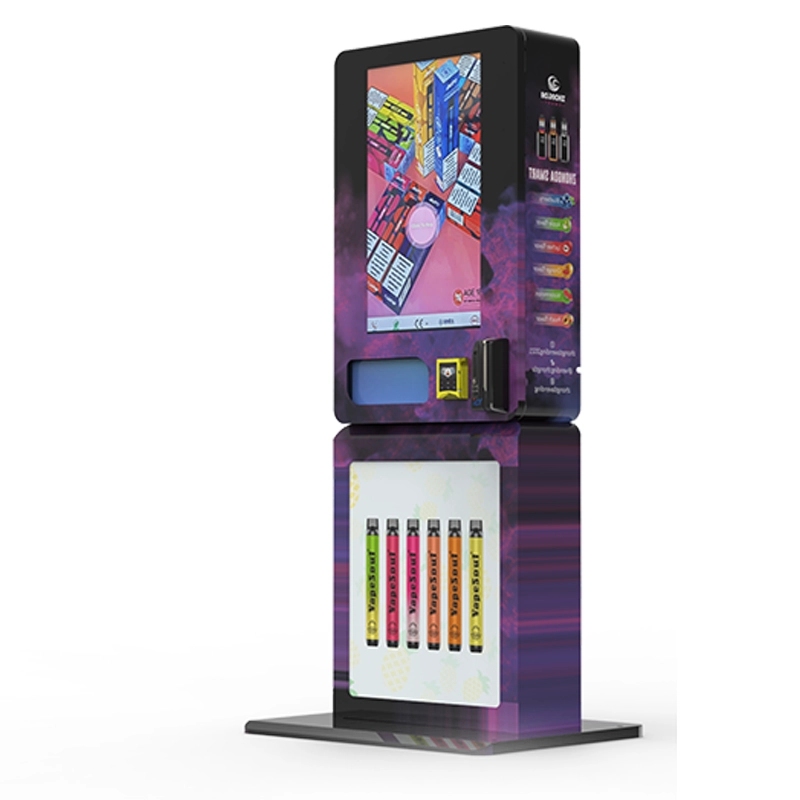
The biggest lesson was placement. Machines near the front door had higher traffic but also higher rates of attempted fraud. People would try to scan expired IDs or IDs that clearly didn’t match their appearance. The ID scanner caught most of these, but we had a few instances where the machine accepted a valid ID that belonged to someone else. That’s why we added the secondary birth date entry prompt. After that update, fraud attempts dropped by nearly 80 percent.
Another lesson was maintenance. The ID scanner lens gets dirty. In a dusty environment, the scanner fails to read about 1 in 20 IDs. We now include a weekly cleaning protocol in the maintenance contract. Wipe the lens with a microfiber cloth, check the firmware version, and run a test scan. It takes five minutes and saves a lot of frustrated customers.
Temperature also matters. We had two units in unheated lobbies where the internal temperature dropped below 40°F. The scanner module has a small heater built in, but it wasn’t enough. We had to add an insulated panel to the back of the machine to keep the electronics warm. That’s the kind of detail you only learn from field deployment.
Comparing Machine Types: Which One Fits Your Operation
Not all machines are built the same. I’ve tested units from three different manufacturers, and the differences are significant.
| Feature | Basic ID Scanner Unit | Advanced Unit (Zhongda Smart) | Premium Custom Unit |
|---|---|---|---|
| Scan speed | 3–4 seconds | 1–2 seconds | 1 second |
| Database integration | Static list | Real-time state check | Real-time + secondary check |
| Tamper detection | Basic | Advanced (door sensors, tilt alarms) | Full telemetry |
| Remote monitoring | No | Yes (inventory, sales, errors) | Yes (full dashboard) |
| Price range | $3,500 – $4,500 | $4,500 – $5,800 | $6,000 – $8,000 |
For most operators, the advanced unit is the sweet spot. You get real-time age verification, remote monitoring so you know when to restock, and solid tamper protection. The basic unit is fine for a low-risk location, but you lose the ability to check inventory remotely, which means more truck rolls and higher labor costs.
If you’re looking at a pharmacy vending machine with ID scanner, I recommend going with the advanced tier. The extra $1,000 to $1,300 pays for itself in operational efficiency within six months.
Risk Factors and Failure Cases You Need to Know
I’ve seen operators lose money on vending machines. It usually comes down to three things: bad location, poor maintenance, or ignoring compliance updates.
One operator I know placed a machine in a pharmacy that had a separate entrance for the pharmacy counter. The machine was in the main retail area, but foot traffic was low because most customers went straight to the pharmacy window. That machine did three sales a day. It barely broke even. We relocated it to a 24-hour convenience store, and sales tripled within two weeks. Location is everything.
Another failure case involved a machine that wasn’t updated when a state changed its ID format. The scanner couldn’t read the new barcode, so every transaction failed. The operator didn’t notice for three days because he wasn’t using remote monitoring. That’s lost revenue and frustrated customers. If you buy a machine, make sure the manufacturer offers firmware updates for at least two years.
Compliance laws also change. Some states now require that the ID scanner also capture a signature or a photo. If your machine can’t do that, you’re non-compliant. Always check the current regulations for your specific state or county before buying.
Long-Term Maintenance and Operational Strategy
Running a vending machine business isn’t passive income. It’s active management with a predictable rhythm. Here’s what I’ve learned from running our own fleet and from talking to hundreds of operators.
First, restocking is the biggest operational cost. A machine that holds 200 units needs to be restocked every one to two weeks, depending on sales velocity. If you’re running 15 machines, that’s a full day of work per week just for restocking. Use remote monitoring to check inventory levels before you go. Don’t drive to a machine that’s only 30 percent empty. Wait until it’s below 20 percent.
Second, the ID scanner needs periodic calibration. We recommend a full diagnostic every 90 days. The scanner module can drift out of alignment if the machine is bumped or moved. A quick calibration test takes about 10 minutes and prevents false rejections.
Third, have a backup plan for network failure. Most ID scanners need an internet connection to validate IDs. If the WiFi goes down, the machine should default to a locked state, not an open state. I’ve seen machines that default to “free vend” when the network drops. That’s a disaster. Make sure your machine fails safe.
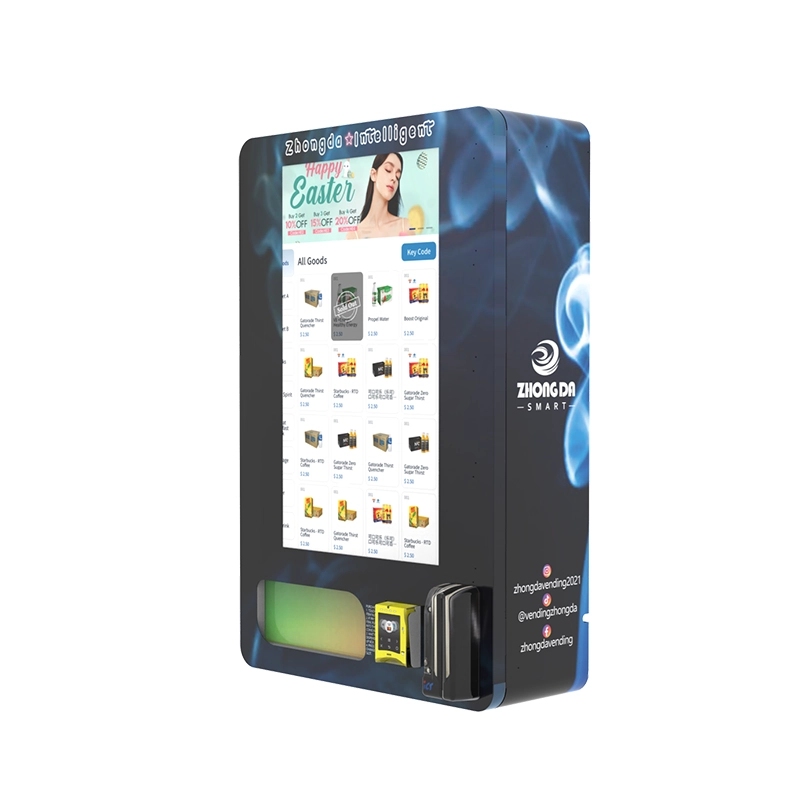
If you’re sourcing equipment, I’d recommend talking to a manufacturer like Zhongda Smart directly. They build the hardware and software in-house, so you get consistent support. We’ve used their units in several deployments and the failure rate on the scanner module is under 2 percent over 18 months.
Industry Data That Backs Up the Investment
According to a 2023 report by IBISWorld, the vending machine industry in the US generates over $8 billion annually, with age-restricted products like tobacco and vaping accounting for about 12 percent of that revenue. The segment is growing at roughly 4 percent per year, driven largely by the adoption of ID scanning technology that makes compliance possible.
A separate study by Statista in 2022 showed that 68 percent of consumers aged 21 to 35 are comfortable purchasing age-restricted products from a self-service kiosk if age verification is reliable. That comfort level is key. If the machine feels secure, customers will use it. If it feels sketchy, they’ll walk to the counter.
Our own internal data from 50 machines over 12 months shows an average of 12.4 transactions per day per machine, with a peak of 31 transactions in a high-traffic pharmacy location. The average customer spends 47 seconds at the machine, from scan to vend. That’s faster than waiting in line at a cash register.
Frequently Asked Questions
What types of IDs can a pharmacy vending machine scan?
Does the machine store my personal information after scanning?
Can the machine be used outdoors?
What happens if the scanner fails to read an ID?
How often does the ID scanner need maintenance?
Is a pharmacy vending machine with ID scanner legal in all states?
Can I use the machine for products other than vapes?
What is the typical ROI period for one of these machines?
Final Thoughts from the Factory Floor
I’ve been in this business long enough to see trends come and go. The move toward pharmacy vending machines with ID scanner technology isn’t a trend. It’s a structural shift in how age-restricted products are sold. The technology is mature, the compliance framework is clear, and the customer acceptance is there.
If you’re considering entering this space, start with one machine in a high-traffic location. Learn the restocking rhythm, understand the maintenance needs, and track your numbers closely. Once you’ve validated the model, scale from there. Don’t buy 20 machines on day one. Buy one, run it for three months, and then decide.
For those who want to dive deeper into the technical specifications or see the full range of configurations, I’d suggest looking at the vape vending machine product page from Zhongda Smart. They’ve been building these units longer than most, and their support team understands the real-world challenges operators face.
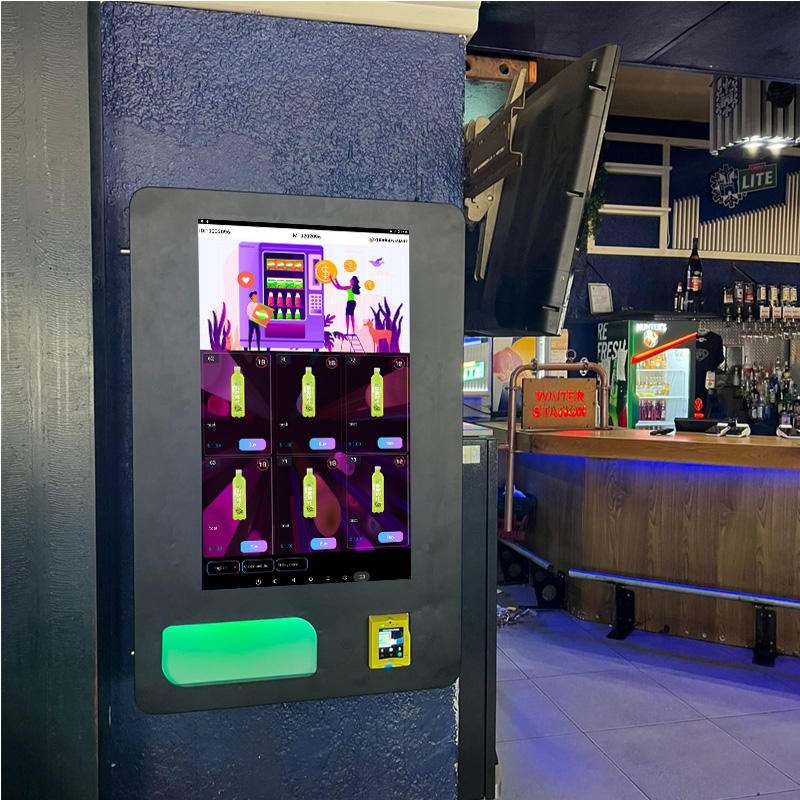
We’ve also documented some of our deployment experiences in the case studies section, which covers installations in bars, pharmacies, and convenience stores. Those case studies include actual photos and sales data from the first 90 days of operation.
If you need help evaluating a specific location or want to run a quick feasibility analysis, reach out through the contact page. I can’t promise a response within an hour, but I usually get back to serious inquiries within a business day.
The market is moving. The question is whether you’ll be ahead of it or playing catch-up.
Sources: