I’ve spent the last decade deploying vending machines across the U.S. and Europe, and another fifteen years building them from the ground up in our factory. When people ask me whether automated retail technology is actually reshaping how we sell age-restricted products like vapor devices, I tell them the same thing: the smart vending machine has already moved past the pilot phase. It’s not a gimmick anymore. It’s a legitimate channel that, when set up correctly, delivers consistent margins and solves a real labor shortage problem for store owners. But the gap between a machine that makes money and one that collects dust comes down to hardware design, software integration, and a hard look at operational costs.
The Engineering Reality Behind Modern Dispensing Systems
Most people outside the industry think a vending machine is just a refrigerated box with coils. That stopped being true around 2018. The current generation of automated dispensing systems, particularly for products that require age verification, involves a layered stack of hardware and firmware that has to work without a hitch in a bar or a convenience store environment. I’ve seen machines fail because the sensor that reads the ID got fogged up from humidity. I’ve seen units crash because the payment processor firmware didn’t match the local bank’s encryption standard.
When we design a unit in our shop, the first priority is the delivery mechanism. For a vape vending machine, that means a spiral or a tray system that can handle different package sizes without jamming. A pod system that’s 18mm wide needs a different coil pitch than a 600-puff disposable that’s 22mm wide. If you use a one-size-fits-all coil, you get misfires. The customer pays, nothing drops, and you lose that sale forever because they won’t try again. That’s a revenue leak most operators don’t account for in their spreadsheets.
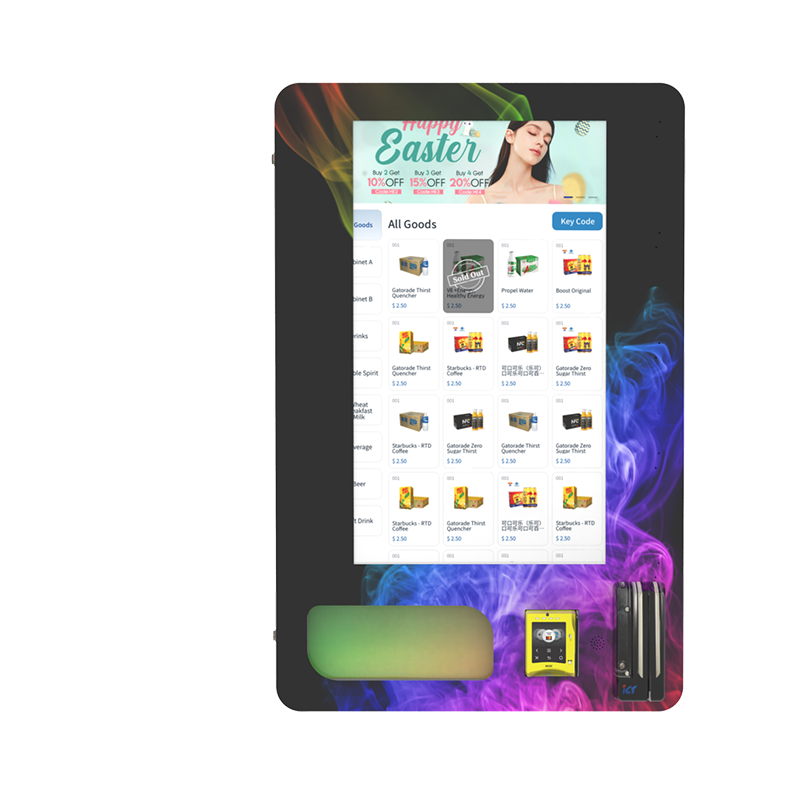
The second layer is the control board. We moved to an ARM-based architecture about four years ago because it gave us better handling of peripheral communication. The board has to talk to the touchscreen, the payment terminal, the age verification scanner, and the inventory tracking system simultaneously. If any one of those handshakes has a timing issue, the machine freezes. In the field, a freeze means a service call. A service call on a machine generating forty dollars a day kills your margin for that week.
Power management is another area where engineering decisions make or break a deployment. A machine running 24/7 in a humid climate needs conformal coating on the circuit boards to prevent corrosion. We learned that the hard way after a batch of units in Florida started failing within eight months. The coating adds about twelve dollars to the bill of materials, but it extends the field life by years. That’s the kind of detail you only catch when you’re the one paying for the repairs.
Business Model Mechanics for Automated Vapor Retail
The unit economics of a smart vending machine for nicotine products are different from a snack machine. The average transaction value is higher, typically between twelve and twenty-five dollars depending on the local tax structure and the product mix. The gross margin on hardware is usually between thirty-five and forty-five percent if you buy direct from the manufacturer and control your supply chain. If you go through a distributor, you lose ten points right there.
Here’s a typical cost structure I’ve seen work across dozens of deployments:
| Cost Item | Estimated Amount (USD) | Notes |
|---|---|---|
| Machine hardware (mid-range, with age verification) | $4,200 – $6,800 | Depends on screen size, payment options, cabinet size |
| Shipping & installation | $400 – $900 | Heavier units cost more; location access matters |
| Initial inventory fill | $1,200 – $2,500 | Based on 60–100 units at wholesale cost |
| Software license (first year) | $300 – $600 | Remote monitoring and inventory management |
| Payment processing setup | $0 – $200 | Some processors waive the fee |
| Insurance & permits | $200 – $500 | Varies by state and municipality |
| Total upfront investment | $6,300 – $11,500 | Per machine, fully loaded |
The revenue side depends entirely on foot traffic and location. A machine in a high-traffic vape shop that’s already doing over-the-counter sales might do fifty to seventy transactions a day. That’s exceptional. A machine in a hotel lobby or a bar with a smoking patio might do fifteen to twenty-five. The realistic daily average across a fleet of five machines in mixed locations is around eighteen to twenty-two transactions, assuming the placement is decent.
At a twenty-dollar average ticket and a forty percent margin, each transaction nets about eight dollars. At twenty transactions a day, that’s a hundred and sixty dollars in gross profit per machine per day. Run that through a month, and you’re looking at roughly forty-eight hundred dollars in gross profit. Subtract rent, utilities, restocking labor, and credit card fees, and you’re netting somewhere between twenty-five and thirty-five hundred per month per machine. That puts the payback period between three and five months for a well-placed unit.
But here’s the catch: that math assumes zero downtime. In reality, machines in the field have an average uptime of about ninety-two to ninety-five percent if they’re maintained properly. A five percent downtime hit eats into your net by about a hundred and seventy-five dollars a month. That’s why the reliability of the hardware is the single biggest variable in the profitability equation.
Real Operational Failures and What They Cost
I want to talk about a deployment that went wrong because it illustrates the difference between theory and practice. A few years back, a regional chain of convenience stores asked us to supply twenty machines for their locations in a mid-Atlantic state. They wanted to put the units near the entrance, right next to the cigarette rack. The logic made sense: capture impulse buys from smokers transitioning to vapor products.
Within two months, six of the machines had developed issues with the card reader. The problem wasn’t the reader itself. It was the location. The machines were placed too close to the automatic door opener, and every time the door swung open, a burst of humid outside air hit the card reader slot. The moisture caused the contact pins to oxidize faster than expected. The store manager assumed the machine was broken and put an out-of-order sign on it. We didn’t find out for three weeks because the remote monitoring system showed the machine was still online and reporting inventory levels. The card reader failure didn’t trigger a fault code in the firmware because it was a gradual degradation, not a hard crash.
That experience taught us to add a humidity sensor in the card reader housing and to write a firmware routine that flags a potential failure when the signal strength from the reader drops below a certain threshold over a period of days. We also changed the gasket design around the reader bezel. That fix cost us about eight dollars per unit in additional parts, but it eliminated the problem entirely. The chain ended up keeping all twenty machines, and we’ve since deployed over two hundred units in similar environments without a repeat.
The lesson is simple: the environment where you place the machine is just as important as the machine itself. You can’t treat a vending machine like a piece of furniture. It’s a piece of electronics that has to breathe, stay dry, and stay within a specific temperature range. Operators who ignore that end up with machines that look fine but don’t work.
Comparing Machine Types for Different Commercial Spaces
Not every machine fits every space. I’ve seen operators buy a full-size, floor-standing unit for a tiny bar and then complain that it takes up too much room. I’ve seen the opposite: someone buys a wall-mounted compact unit for a busy nightclub, and the inventory runs out by ten PM on a Friday because the capacity is too low. You have to match the machine to the traffic pattern and the physical constraints of the location.
| Machine Type | Capacity (units) | Footprint | Best Location | Average Unit Cost |
|---|---|---|---|---|
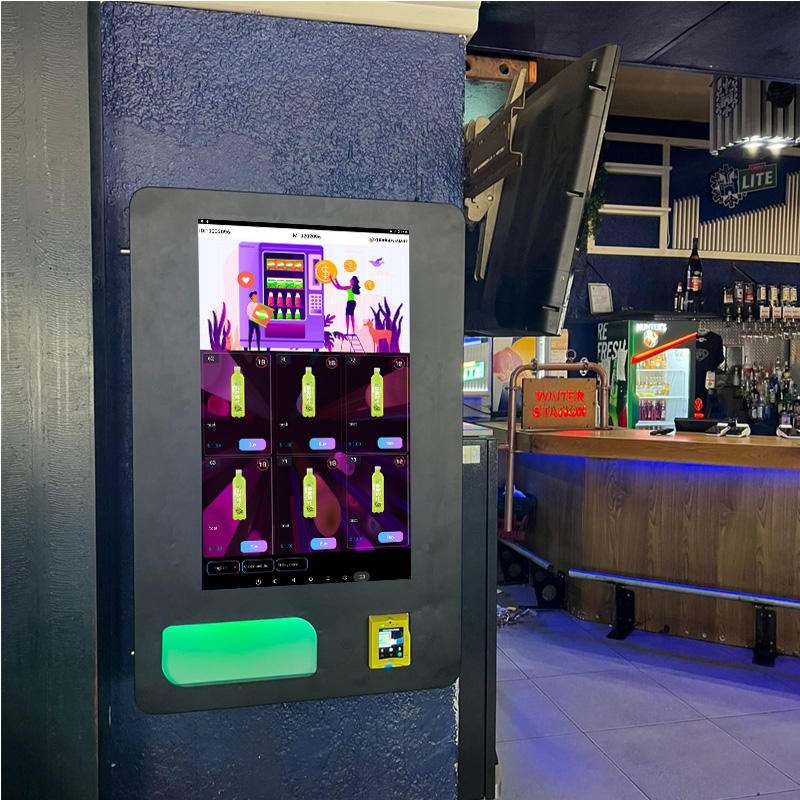
| Wall-mounted compact | 40 – 60 | 24" W x 18" D | Small bars, hotel lobbies, lounges | $3,800 – $5,200 |
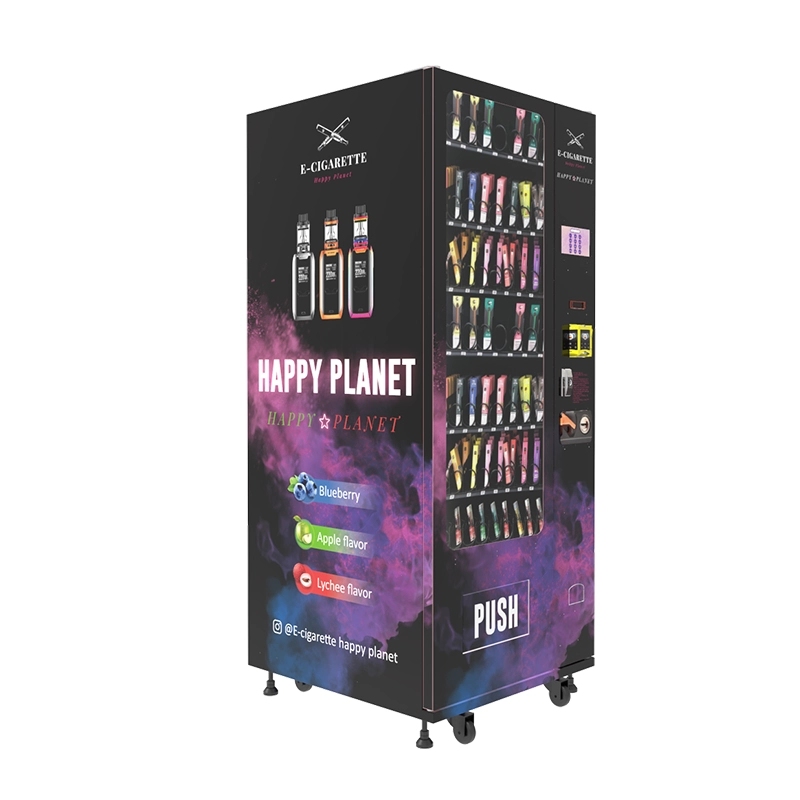
| Mid-size floor model | 80 – 120 | 36" W x 24" D | Vape shops, convenience stores, gas stations | $4,800 – $6,500 |
| Large capacity floor model | 150 – 200 | 48" W x 30" D | High-traffic clubs, casinos, airports | $6,200 – $8,500 |
The wall-mounted units are popular for spaces where floor space is at a premium. They mount directly to the wall studs, which means you need a solid wall, not a partition. They’re also easier to install because you don’t need a leveling kit or a concrete pad. The trade-off is capacity. If you have a location that does high volume on weekends, you’ll be restocking every two days. That labor cost adds up.
The mid-size floor model is the workhorse of the industry. It fits through a standard door, holds enough inventory for a week in a moderate-traffic location, and has enough room for a decent age verification scanner and a large touchscreen. Most of the operators I work with start with this form factor because it’s the most forgiving. If you overestimate the traffic, the machine still looks full enough to attract customers. If you underestimate, you can adjust the restocking schedule without buying a second unit.
The large capacity units are for specific use cases. They’re heavy, they’re expensive, and they require a dedicated power circuit. But in a venue that moves a thousand units a week, they’re the only option that makes sense. You don’t want to run three mid-size machines in one corner when one large unit will do the job with less maintenance overhead.
Age Verification Technology and Compliance
This is the part of the machine that gets the most attention from regulators and the least attention from operators until something goes wrong. The age verification system has to work every single time. If it fails once and a minor buys a product, the consequences range from a fine to losing your business license, depending on the jurisdiction.
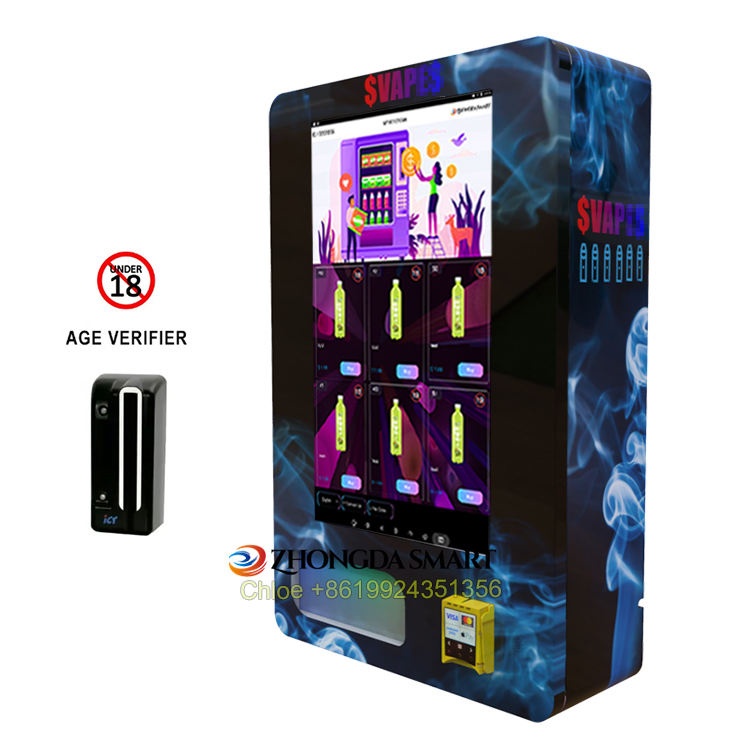
We use a combination of hardware and software for age verification. The scanner reads the barcode on the back of a driver’s license or state ID, parses the birth date, and checks it against the current date. It also validates the barcode checksum to make sure the ID isn’t a fake with a valid-looking barcode. Some states have IDs that use encrypted barcodes, which requires a different decoding algorithm. We maintain a database of state-specific barcode formats and update the firmware twice a year to keep up with changes.
For locations that require a higher level of compliance, we offer units with biometric age estimation. The camera takes a photo of the customer’s face, runs it through an algorithm that estimates age based on facial features, and only proceeds to scan the ID if the estimated age is over a certain threshold. This adds about fifteen seconds to the transaction time, but it provides an additional layer of protection. In a state like California, where the penalties for selling to a minor are steep, that extra layer is worth the slower transaction speed.
The most common failure point in age verification is not the scanner itself, but the lighting. If the ambient light is too dim, the scanner can’t read the barcode. If the light is too bright, the barcode washes out. We’ve started including an adjustable LED ring around the scanner lens that activates when the machine detects low light. It’s a small addition, but it cuts the failed scan rate by about sixty percent.
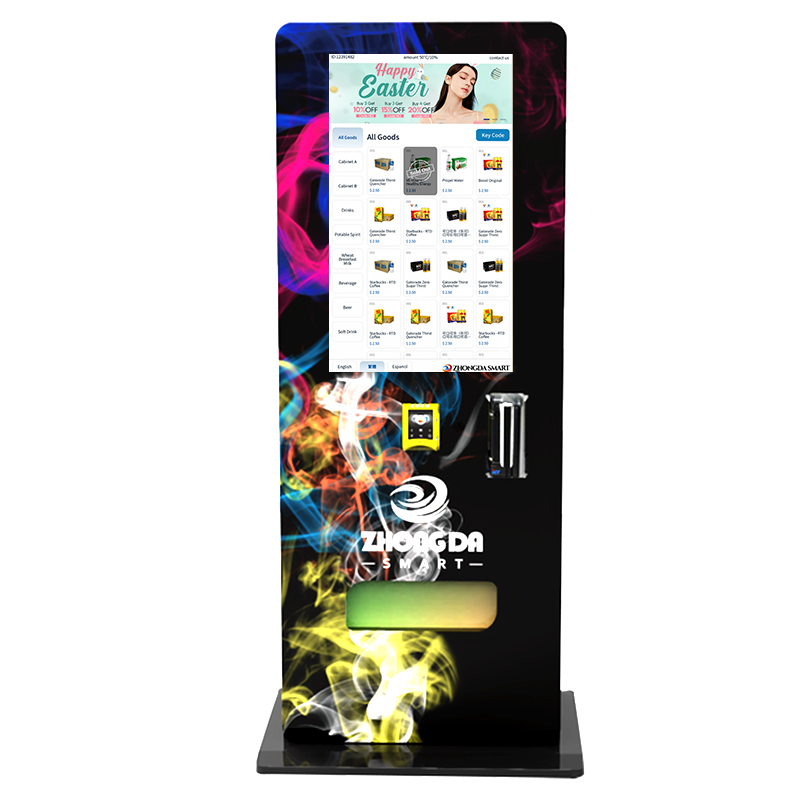
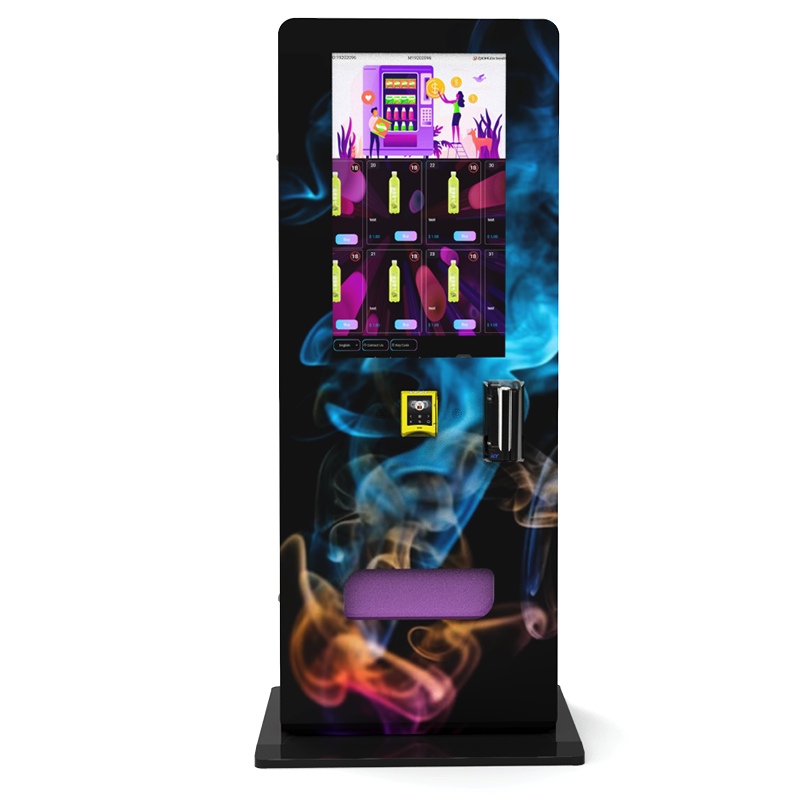
For more on how these systems work in practice, you can look at the technical specifications of the age verification vending machine we build. The hardware is designed to handle the real-world conditions of a bar or a store, not just a lab environment.
Location Selection and Deployment Strategy
I’ve seen more operators fail because of bad location choices than because of bad equipment. The temptation is to put a machine in the first place that says yes. That’s almost always a mistake. The location has to meet three criteria: foot traffic, dwell time, and accessibility.
Foot traffic is obvious. You need people walking past the machine. But foot traffic alone isn’t enough. The people have to be the right demographic. A machine in a college dorm hallway will get tons of traffic, but the legal age requirement means most of those students can’t use it. A machine in a bar that caters to a twenty-five to forty-year-old crowd is a better fit. The average age of a vapor product user in the U.S. is around thirty-four, according to data from the CDC. That’s your target demographic.
Dwell time matters because a vending machine transaction takes longer than a candy bar purchase. The customer has to select a product, present an ID, wait for the scan, complete the payment, and retrieve the item. The whole process takes about thirty to forty-five seconds. If the location is a high-traffic area where people are in a hurry, like a subway station, they won’t stop. They’ll walk past. A bar or a lounge where people are already relaxed and have time to browse is a better environment.
Accessibility means the machine has to be visible and reachable. I’ve seen machines tucked into a corner behind a pillar where nobody can see them. The sales from those machines are always a fraction of what they could be. The machine should be within the line of sight from the entrance or the main seating area. If people have to go looking for it, they won’t.
One strategy that works well is to partner with a location that already sells vapor products over the counter. The machine acts as an after-hours sales channel. When the store is closed, the machine is still running. That extends the sales window without adding labor costs. We’ve deployed several units in this model, and the after-hours sales typically account for twenty to thirty percent of the total weekly revenue.
Maintenance, Restocking, and Long-Term Operations
The operational cost that most new operators underestimate is labor. Restocking a machine takes time. You have to drive to the location, open the machine, check the inventory, replace the sold items, clean the glass, and run a test transaction. For a single machine, that’s about thirty minutes. For a fleet of ten machines, that’s five hours a week, plus driving time. If you pay someone twenty dollars an hour, that’s a hundred dollars a week in labor, or about four hundred dollars a month.
You can reduce that cost by using a remote inventory management system. Our machines send a real-time inventory report to a cloud dashboard. The operator can see exactly which slots are empty and which are full. That allows for targeted restocking. Instead of checking every machine, you only go to the ones that need attention. That cuts restocking time by about forty percent.
Hardware maintenance is the other ongoing cost. The moving parts in a vending machine are the delivery system and the payment system. Spiral motors fail. Belts wear out. Card readers get jammed. The average annual maintenance cost for a well-built machine is around three to five percent of the machine’s purchase price. For a five-thousand-dollar machine, that’s a hundred and fifty to two hundred and fifty dollars a year. If you buy a cheap machine from an unknown manufacturer, that number can double or triple.
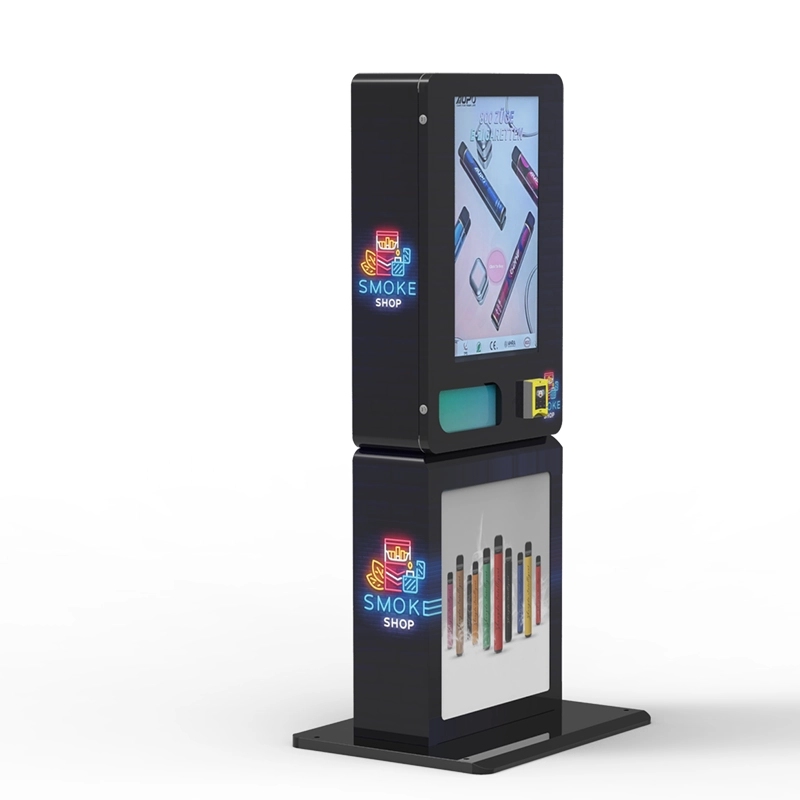
We build our machines with modular components. If a motor fails, you swap the motor module, not the entire delivery system. That reduces the repair time from two hours to twenty minutes. It also means you don’t need a technician with specialized training. Anyone with basic mechanical skills can do the repair. That’s a deliberate design choice we made after years of field data showed that repair complexity was the biggest driver of downtime.
Supply Chain and Manufacturing Considerations
When you’re sourcing a machine, you’re not just buying hardware. You’re buying into a supply chain. If the manufacturer is overseas, you need to factor in lead times, shipping costs, and the risk of customs delays. A container from Asia to the West Coast takes about thirty days. From there, it can take another week to clear customs and get to a warehouse. If you need a replacement part, you’re looking at a minimum of six weeks unless the manufacturer has a local warehouse.
That’s why we established a direct distribution model. We keep a stock of common spare parts in our U.S. warehouse, and we ship replacement modules within two business days. For the machines themselves, we offer drop-shipping directly from the factory to the installation site, which cuts the delivery time to about three weeks. We’ve been doing this long enough that the logistics are smooth, but it took years to get there.
The company I represent, Zhongda Smart, has been manufacturing vending equipment for over fifteen years. We started with snack and beverage machines and moved into age-restricted products when the market shifted. That experience matters because the engineering principles are the same, but the compliance requirements are different. A machine that sells soda doesn’t need an ID scanner. A machine that sells vapor products needs one that works every time, and it needs firmware that logs every transaction for audit purposes.
If you’re evaluating a manufacturer, ask about their firmware update cycle. A good manufacturer pushes firmware updates at least twice a year to address security vulnerabilities and payment processor changes. A bad manufacturer sells you a machine and forgets about it. You don’t want to be stuck with a machine that can’t process the latest credit card chip standard because the manufacturer doesn’t support it anymore.
Frequently Asked Questions
What is the average profit margin on a vape vending machine?
How long does it take to recoup the investment on a single machine?
Do I need a special license to operate a vape vending machine?
Can I use a standard snack vending machine for vapor products?
What happens if the age verification scanner fails during a transaction?
How often do I need to restock the machine?
What is the most common maintenance issue with these machines?
Can I place a machine outdoors?
Do I need a contract with the location owner?
How do I choose between a wall-mounted and a floor-standing machine?
Final Thoughts on Automated Retail for Vapor Products
The automated retail channel for vapor products is not a trend that’s going to fade. It solves a real problem: how to sell an age-restricted product outside of traditional retail hours without adding labor costs. The technology has matured to the point where the failure rate is manageable, and the unit economics work for operators who take the time to understand the business.
The operators who succeed are the ones who treat it like a business, not a side project. They do the math on the location before they buy the machine. They invest in quality hardware because they know that downtime kills profit. They build a relationship with a manufacturer who supports the product after the sale. And they stay on top of the regulatory landscape because the rules can change faster than the hardware can adapt.
If you’re considering entering this space, start with one machine. Learn the operational rhythm. Figure out the restocking cadence. Understand what your customers want and what they’re willing to pay. Once you have a system that works, scale it. Don’t scale a broken system. That’s the fastest way to lose money in this business.
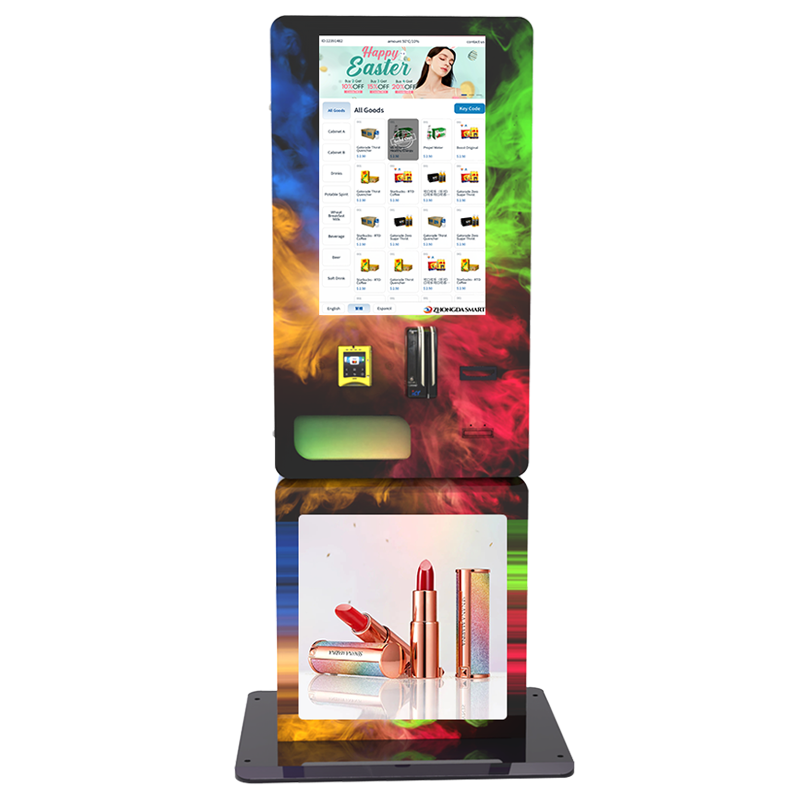
For a closer look at the different configurations available, including age verification options and capacity variations, you can review the product lineup at Zhongda Smart’s vape vending machine page. The specifications are based on field data from real deployments, not theoretical maximums.