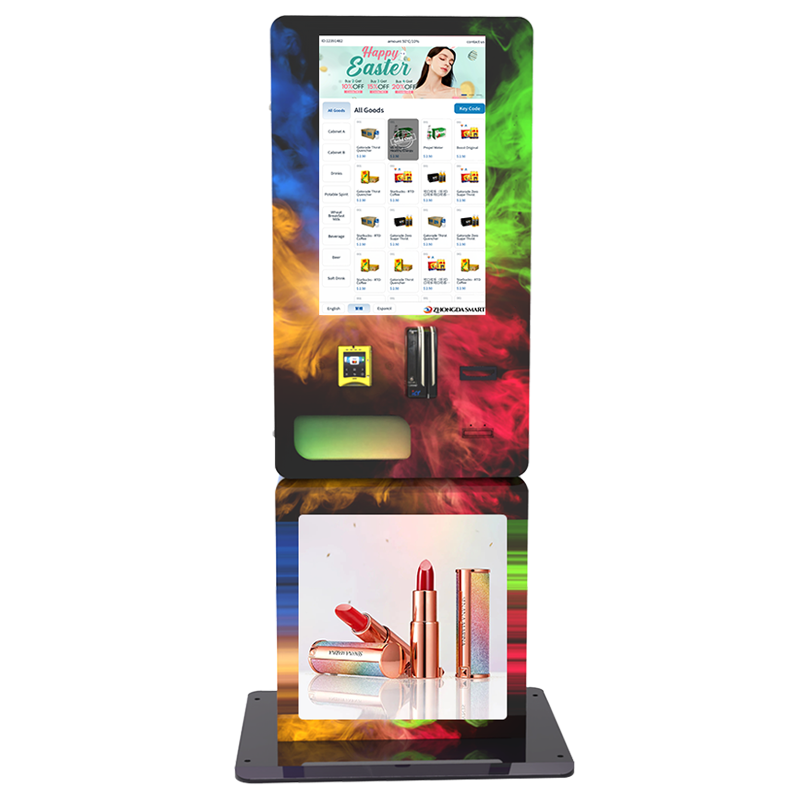
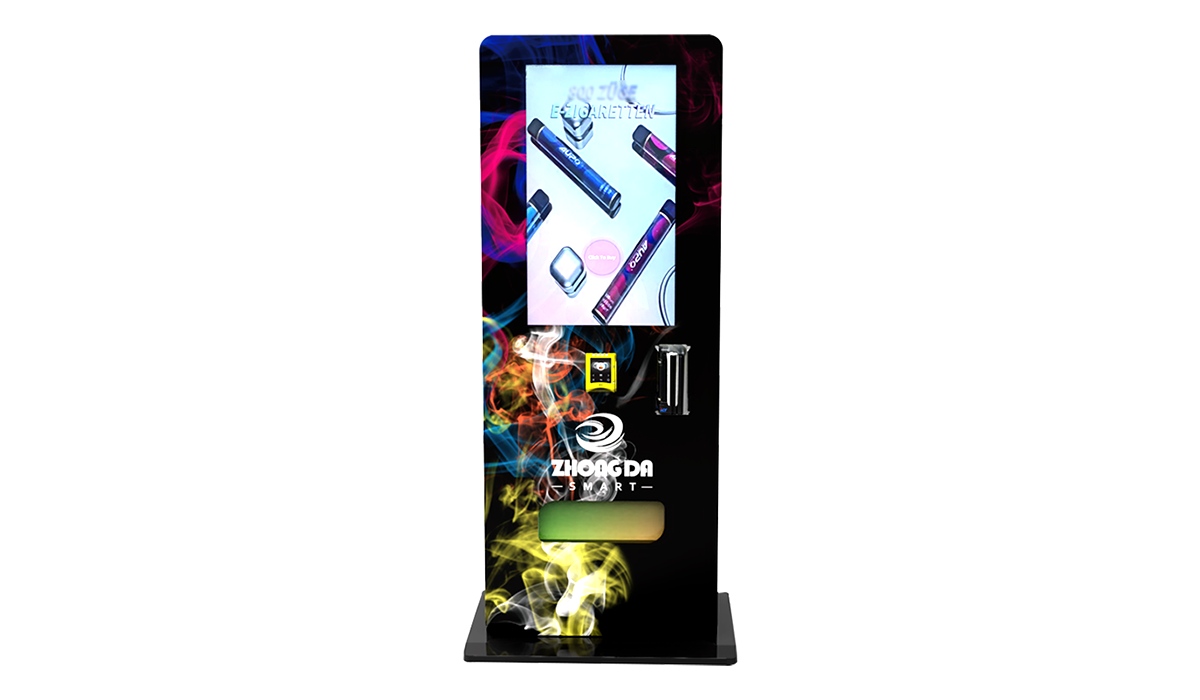
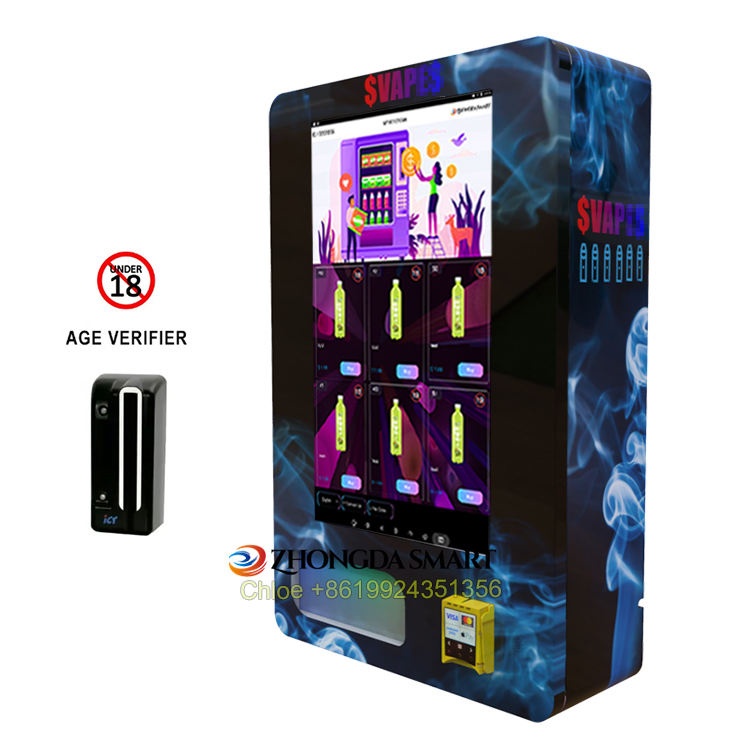
After a decade of deploying self-service retail systems across thousands of locations, I’ve watched the industry shift from a novelty to a necessity. The modern commerce landscape demands automation that doesn’t just work, but works profitably. I’ve designed machines, rebuilt them after field failures, and watched operators lose money on bad placements. The real story behind self-service retail innovations is not about flashy touchscreens—it’s about machines that actually survive a busy bar floor, verify a customer’s age without a hiccup, and deliver a return on investment within twelve months. That’s the standard we engineer for, and it’s the standard this guide is built on.
The Engineering Logic Behind Modern Self-Service Kiosks
When I first started building vending machines fifteen years ago, the biggest headache was reliability. A jammed coil or a faulty sensor could kill a location’s revenue for days. Today’s smart vending machine systems have solved most of those mechanical issues, but only if the hardware is designed with real-world abuse in mind.
I’ve seen operators buy cheaper units that look great in a showroom but fail within three months. The difference comes down to three things: the delivery mechanism, the control board, and the enclosure. In our factory, we test every coil assembly for 50,000 cycles before it leaves the line. That’s not industry standard—most manufacturers test for 10,000. But I know that a machine in a high-traffic convenience store cycles two hundred times a day. That’s 73,000 cycles a year. If you’re not building for that, you’re building for a lawsuit.
The enclosure matters just as much. A machine placed outdoors or in a humid bar needs a powder-coated steel body with sealed electronics. I’ve pulled boards out of machines that looked like they’d been through a flood, simply because the unit didn’t have proper gaskets. That’s not a design flaw—it’s a cost-cutting decision that kills the operator’s profit.
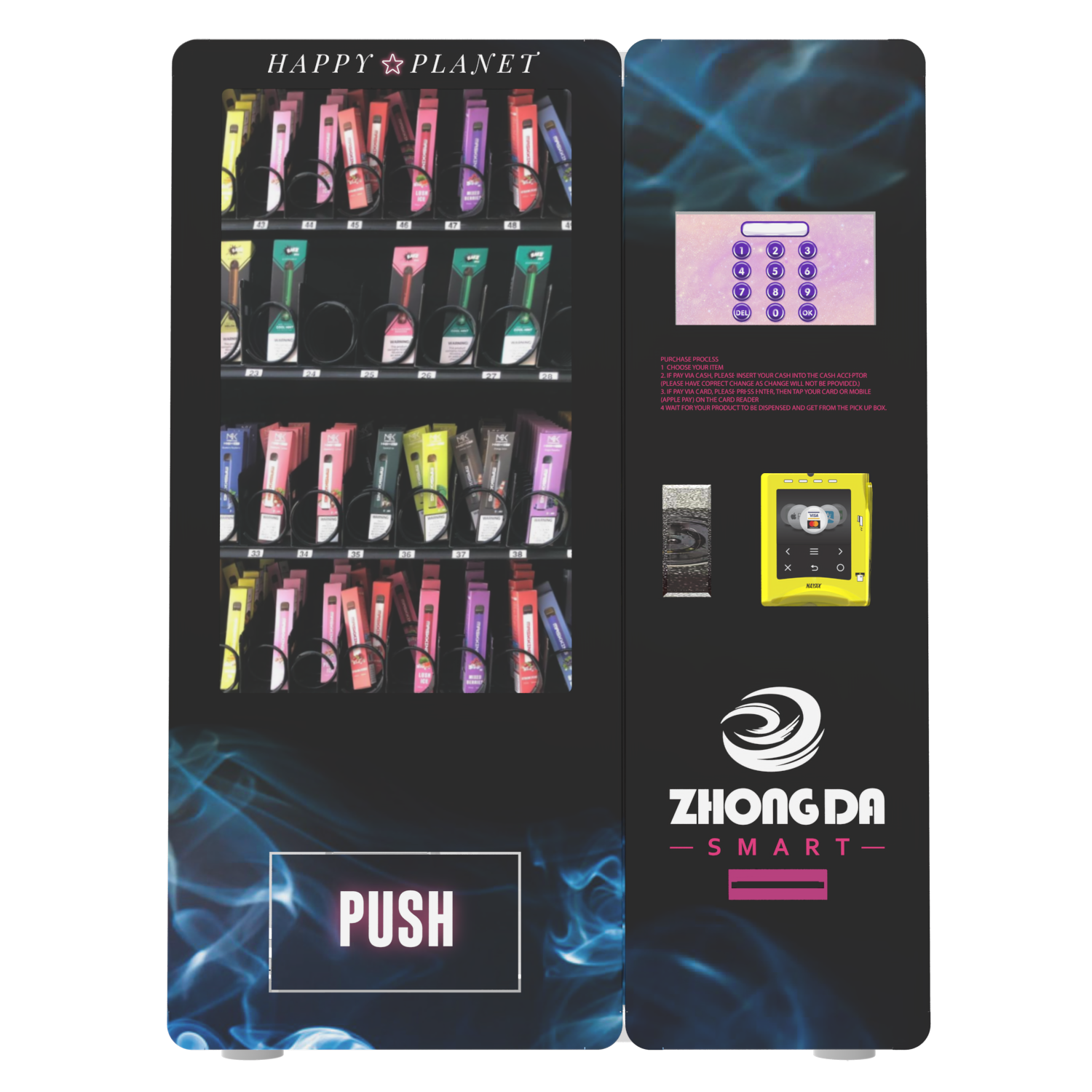
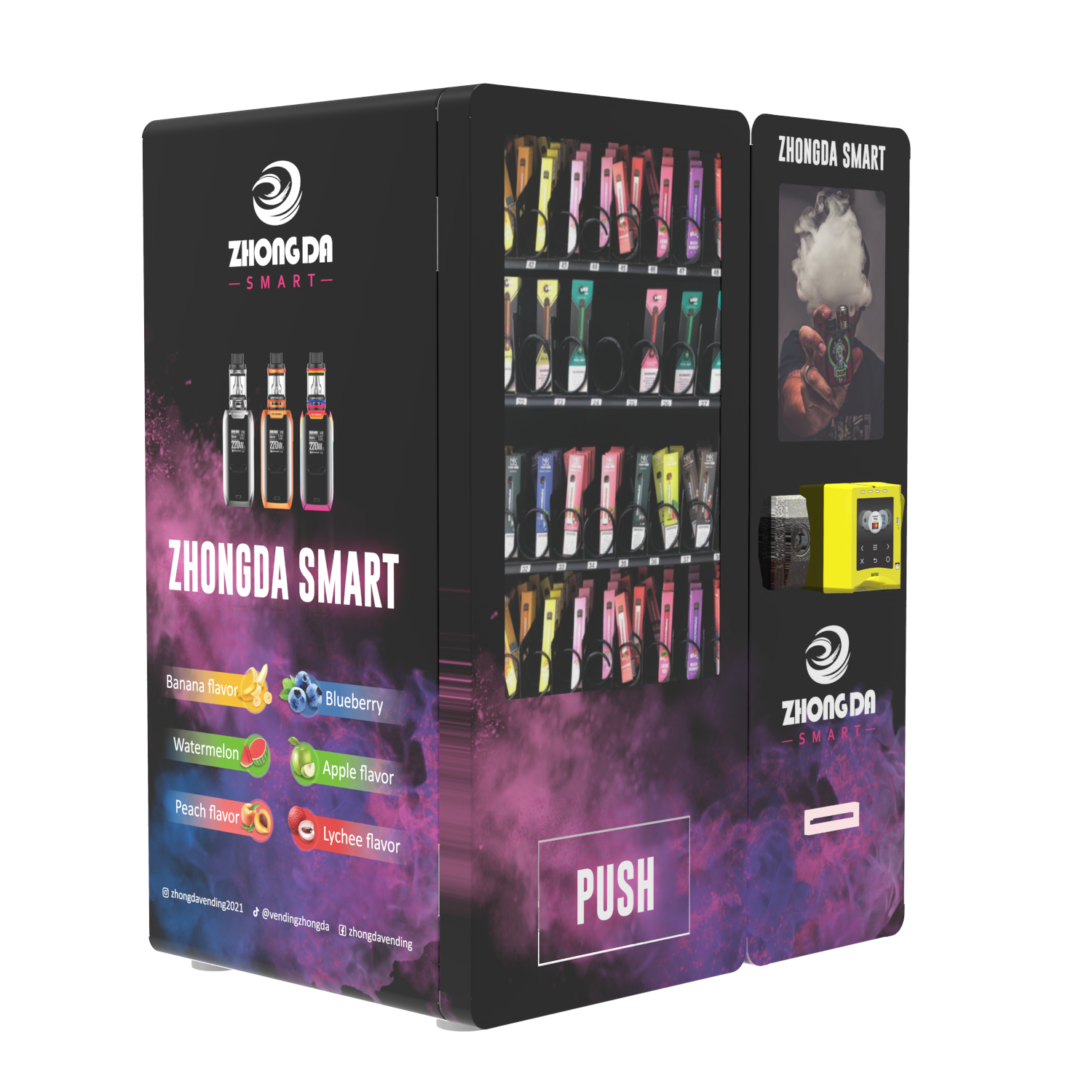
For operators looking at the latest self-service retail innovations, the engineering under the hood is what determines whether you’re buying an asset or a liability. A machine from Zhongda Smart, for example, is built with industrial-grade components because we’ve been on the deployment side long enough to know what breaks.
Business Models That Actually Work in Self-Service Retail
I’ve consulted for operators who thought they could just buy a machine, drop it in a store, and watch the cash roll in. That’s not how it works. The most successful self-service kiosk deployments follow one of three models: direct ownership, revenue sharing, or managed service.
Direct Ownership
You buy the machine, stock it, maintain it, and keep 100% of the revenue. This works best when you already own the location or have a high-margin product. The upfront cost is higher, but so is the long-term upside. I’ve seen operators recoup their investment in eight to fourteen months with the right placement.
Revenue Sharing
You place the machine in a partner’s location and split the revenue, usually 60/40 or 70/30 in your favor. The location host provides the space and foot traffic; you provide the equipment and maintenance. This model reduces your risk but also caps your profit. It’s a good entry point if you’re testing a new market.
Managed Service
You own the machine but hire a third party to handle restocking and maintenance. This works for operators who have multiple locations and can’t be everywhere at once. The margins are thinner, but the scalability is real. I’ve seen operators run fifty machines this way with just two employees.
Each model has its place, but the common thread is this: the machine itself is just a tool. The business model is what makes it profitable. For a deep dive on placement strategies, check out this guide on where to put a vape vending machine.
Cost Structure and Profit Models You Can Actually Use
Let’s talk numbers. I’ve broken down the cost structure for hundreds of deployments, and the numbers are surprisingly consistent when you account for variables like location and product margin.
| Cost Category | Typical Range (USD) | Notes |
|---|---|---|
| Machine hardware | $3,000 – $8,000 | Depends on features like age verification and capacity |
| Shipping and installation | $300 – $1,200 | Higher for remote locations or custom setups |
| Initial inventory | $1,000 – $3,000 | Based on product cost and machine capacity |
| Software setup and integration | $200 – $1,000 | For remote monitoring and payment systems |
| Monthly maintenance (avg) | $100 – $300 | Covers cleaning, repairs, and software updates |
On the revenue side, a well-placed machine in a busy location can generate $1,500 to $4,000 per month in gross sales. After product cost (typically 40-50% of retail), you’re looking at a gross margin of $750 to $2,000 per month. Subtract maintenance and restocking labor, and your net profit lands between $500 and $1,500 per machine per month.
ROI typically falls between 8 and 16 months. I’ve seen it happen in 6 months with high-margin products and perfect placement, and I’ve seen it stretch to 24 months when the operator ignored location traffic data. The difference is almost always the site selection, not the machine.
One thing most operators overlook is the hidden cost of payment processing fees. Credit card transactions eat 2.5% to 3.5% of every sale. On a $10,000 monthly gross, that’s $300 to $350 in fees. It doesn’t sound like much, but it adds up over a year. Negotiate your processing rate before you deploy.
Real Operational Failures and How to Avoid Them
I’ve made enough mistakes in the field to fill a book. One that sticks out: we deployed a batch of machines in a chain of bars without accounting for the humidity near the ice machines. Within two months, the card readers started failing. We lost $12,000 in revenue before we figured out the problem. The fix was a simple conformal coating on the circuit boards, but that added $18 per unit to the build cost. We now do it as standard.
Another common failure is underestimating the importance of restocking frequency. I’ve seen operators try to stretch restocking to once a week to save labor costs, only to find that their best-selling items are out of stock for three days straight. Customers stop coming back. The rule of thumb I use: restock when 30% of the inventory is gone, not when it’s empty. That means checking sales data daily, not weekly.
Age verification failures are another nightmare. In the vending space, selling to minors can get your machine confiscated and your business license revoked. We’ve integrated biometric and ID-scan systems into our machines specifically to avoid this. For more on how that works, see how vape vending machines handle age verification.
The lesson is simple: test your deployment conditions before you commit. Run a pilot in one location for 90 days. Measure everything—sales, foot traffic, restocking labor, machine downtime. That data will tell you more than any business plan ever could.
Comparing Machine Types for Different Retail Environments
Not all self-service kiosks are built for the same job. I’ve deployed wall-mounted units in tight convenience stores and full-size machines in busy hotel lobbies. The choice matters more than most operators realize.
| Machine Type | Best For | Capacity | Footprint | Typical Cost |
|---|---|---|---|---|
| Wall-mounted compact | Small shops, bars, tight spaces | 50-100 units | Minimal | $3,000 – $5,000 |
| Standard floor model | Convenience stores, lobbies | 200-400 units | Medium | $5,000 – $8,000 |
| High-capacity unit | High-traffic retail, airports | 500+ units | Large | $8,000 – $15,000 |
| Age-verification kiosk | Age-restricted products | 100-300 units | Medium | $6,000 – $12,000 |
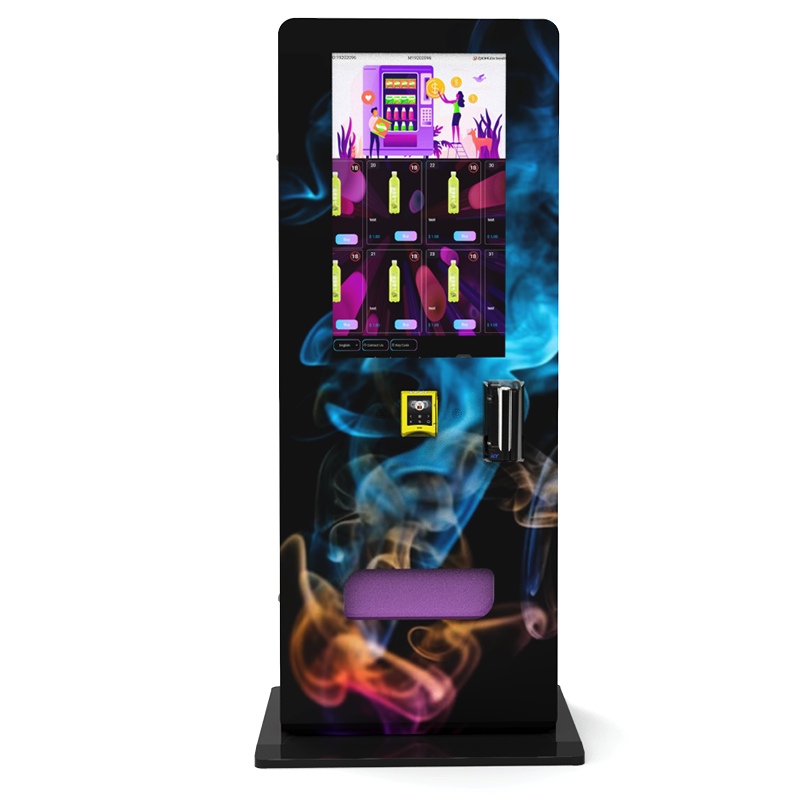
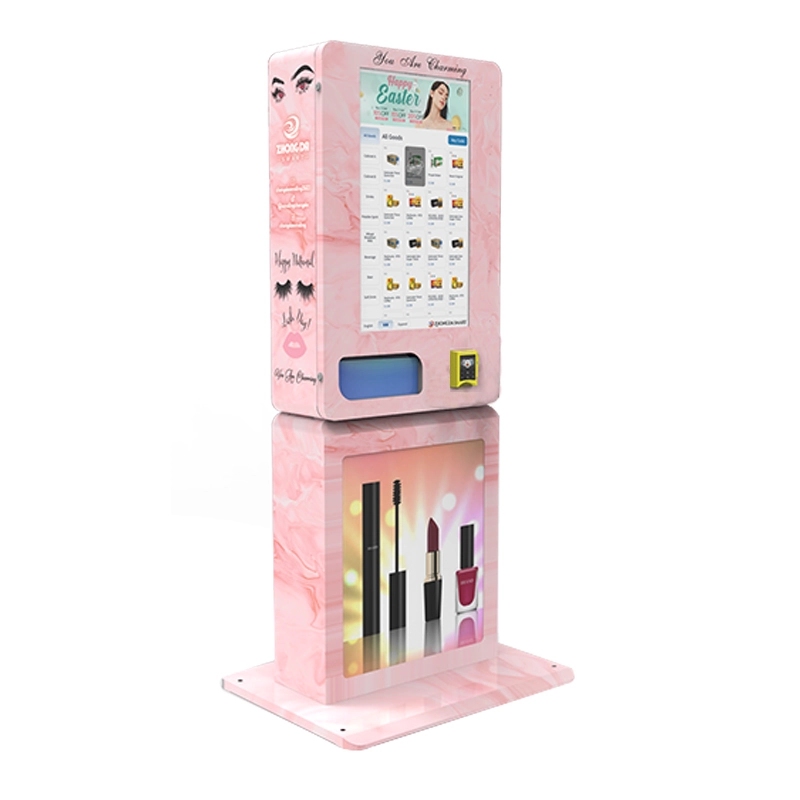
Wall-mounted machines are my go-to for locations where floor space is prime real estate. They’re harder to steal (yes, that’s a real concern), and they don’t block traffic flow. The trade-off is lower capacity, so you need to restock more frequently. For a compact option, check out the wall-mounted compact e-cigarette vending machine.
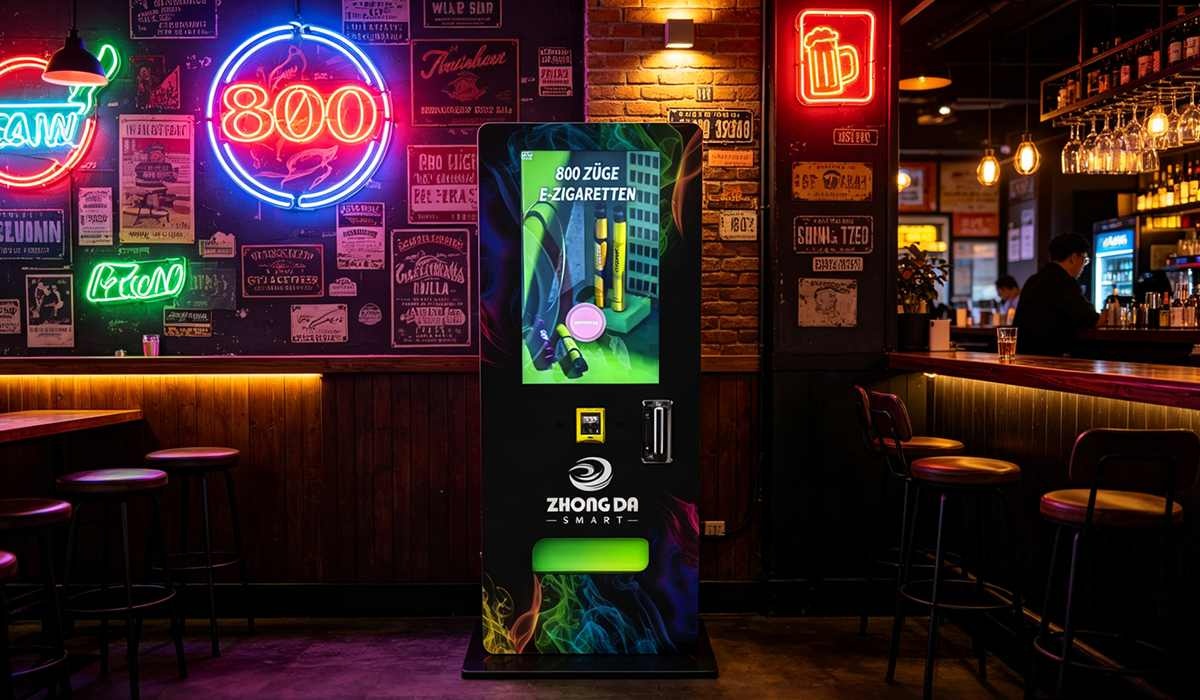
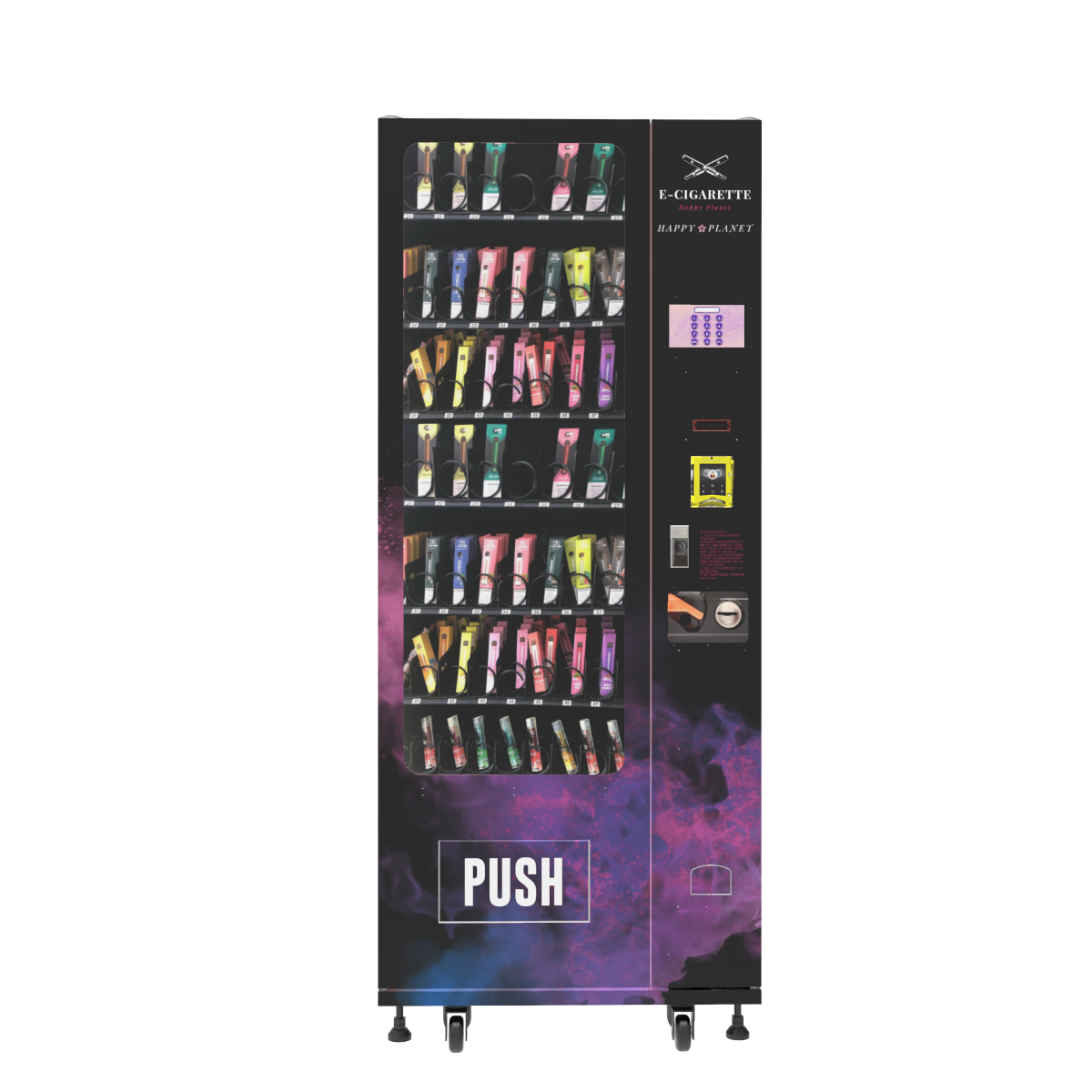
Standard floor models are the workhorses of the industry. They balance capacity with footprint and are easy to service. If you’re starting with a single location, this is usually the safest bet.
High-capacity units make sense when you have guaranteed foot traffic—think busy transit hubs or large retail stores. But they’re also more expensive to stock and maintain. I’ve seen operators overbuy capacity and end up with stale inventory. Match the machine to the location, not the other way around.
Long-Term Maintenance and Stability Strategies
A vending machine is a mechanical device, and mechanical devices break. The question is how fast you can fix them. I’ve built our entire maintenance strategy around two principles: modularity and remote diagnostics.
Modularity means every major component—the control board, the payment system, the coil assembly—can be swapped in under ten minutes. That’s not an accident; it’s a design choice. When a machine goes down, the operator loses money. A ten-minute fix means the machine is back online the same day. A repair that requires soldering or custom wiring means the machine is down for a week.
Remote diagnostics are just as critical. Every machine we build sends real-time data on sales, stock levels, and error codes to a cloud dashboard. I can tell you which coil is jammed before the operator even knows there’s a problem. That kind of visibility cuts downtime by 60% compared to reactive maintenance.
I also recommend a quarterly deep clean. Dust and debris build up inside machines, especially in high-traffic areas. We’ve seen machines overheat because the ventilation fans were clogged. A simple cleaning schedule prevents that.
For operators who want to dive deeper into maintenance best practices, our service page covers the standard procedures we recommend for all deployments.
Industry Data and Market Context
The numbers back up what I’ve seen in the field. According to a report by Grand View Research, the global vending machine market was valued at over $20 billion in 2023 and is projected to grow at a compound annual growth rate of 7.5% through 2030. The self-service kiosk segment is growing even faster, driven by demand for contactless payment and automated retail.
Another data point from IBISWorld shows that the vending machine operators industry in the U.S. alone generates over $8 billion in annual revenue, with profit margins averaging around 6.5%. That margin jumps significantly when operators focus on high-margin products like electronics or age-restricted items.
What these numbers don’t show is the operational variance. I’ve seen operators with 10% margins and operators with 25% margins, all using similar equipment. The difference is always in the execution—site selection, inventory management, and maintenance discipline.
Frequently Asked Questions
How much does a self-service vending machine cost?
Expect to pay between $3,000 and $15,000 depending on the machine type, features, and capacity. Wall-mounted units are on the lower end, while high-capacity age-verification kiosks are at the top. Always factor in shipping, installation, and initial inventory costs when budgeting.
What is the average ROI for a vending machine?
Most operators see a full return on investment within 8 to 16 months. High-traffic locations with premium products can shorten that to 6 months. Poor placement can stretch it to 24 months or more. Site selection is the single biggest factor.
Do I need a special license to operate a vending machine?
Requirements vary by location and product type. If you’re selling age-restricted items like tobacco or nicotine products, you’ll need age verification systems and may need a specific retail license. Check local regulations before deploying.
How often do vending machines break down?
With proper maintenance, expect minor issues once every 3 to 6 months. Major component failures are rare if you buy from a reputable manufacturer. Machines with modular designs can be repaired in under 10 minutes, minimizing downtime.
Can I place a vending machine outdoors?
Yes, but you need a machine rated for outdoor use. Look for powder-coated steel enclosures, sealed electronics, and temperature control if the climate is extreme. Outdoor machines require more frequent maintenance due to weather exposure.
What payment systems should I use?
Credit and debit card acceptance is non-negotiable. Many operators also add mobile payment options like Apple Pay and Google Wallet. Cash acceptance is optional but still useful in some locations. Negotiate your processing fees to keep costs low.
How do I choose the right machine for my business?
Start with your location’s foot traffic and space constraints. Wall-mounted units work for small spaces; floor models are better for high-volume locations. If you’re selling age-restricted products, prioritize machines with built-in ID scanning. Test one machine in a single location before scaling.
What are the hidden costs of running a vending machine?
Payment processing fees (2.5-3.5% per transaction), restocking labor, machine repairs, and inventory shrinkage from theft or spoilage are the most common. Budget at least $100-$300 per month per machine for maintenance and restocking labor.
How do I find good locations for my vending machine?
Look for high-traffic areas where people wait: laundromats, barbershops, hotel lobbies, and break rooms. Approach the business owner with a revenue-sharing proposal. Most are open to the idea if you handle all the equipment and maintenance.
Can I sell multiple product types in one machine?
Yes, but keep it focused. Mixing high-margin and low-margin products can complicate inventory management. I recommend sticking to one product category per machine to simplify restocking and pricing. If you want to sell different items, use separate machines.
Final Thoughts on Self-Service Retail
I’ve been in this industry long enough to know that the technology is only half the equation. The other half is execution. You can buy the best machine on the market, but if you put it in the wrong location or ignore maintenance, it will fail. Conversely, a mid-range machine in a great location with disciplined restocking can be a cash machine.
The innovations in self-service retail are real, but they’re not magic. They’re the result of better engineering, smarter software, and operators who treat their machines like businesses, not hobbies. If you’re serious about entering this space, start small, measure everything, and scale what works.
For a complete overview of our product line and deployment support, visit Zhongda Smart.
Sources:
Grand View Research - Vending Machine Market Report
IBISWorld - Vending Machine Operators Industry Report