I’ve been building and operating vending machines for over fifteen years, and I can tell you straight up: adding ID verification to a vending machine isn’t just about slapping a scanner on the front. It’s about integrating a system that checks a government-issued ID, validates the age, and then triggers the sale—all in under three seconds. I’ve deployed hundreds of these units across the US and Europe, and the ones that fail are almost always the ones where the operator tried to cut corners on the verification module. If you’re serious about selling age-restricted products like nicotine vapor products through a self-service kiosk, you need a reliable, compliant ID verification vending machine from the start. This guide walks you through exactly how to do that, based on real field experience, not theory.
The Engineering Logic Behind Age Verification in Vending
Most people don’t think about what happens inside the machine when someone scans their ID. They just assume it works. But the reality is that the scanner has to read the barcode or the magnetic stripe, parse the data, check the date of birth against a set threshold—usually 21 in the US—and then send a signal to the vend mechanism. All of that has to happen without a network delay if the machine is offline, or with a quick cloud check if it’s online. I’ve seen machines that take five seconds to verify, and customers just walk away. Three seconds is the upper limit for a good experience.
The scanner itself matters more than most people realize. A cheap scanner might read a driver’s license from one state but fail on another. We tested over forty different ID formats during our R&D phase, and only three scanners consistently passed all of them. That’s the kind of detail you don’t get from a spec sheet. The software also needs to handle edge cases: passports, military IDs, and even vertical IDs for under-21 drivers. If your system rejects a vertical ID from a 22-year-old, you just lost a sale and annoyed a customer.
One thing I learned early on is that the verification system needs to be physically separate from the main control board. If the main board crashes, the verification module should still hold its logs. That’s critical for audits. We had a client in Ohio who got fined because their machine couldn’t produce a transaction log for a compliance check. The machine was working fine, but the log was stored on a volatile memory chip that got wiped during a power cycle. That’s an expensive lesson. Since then, every machine we build uses a dedicated, non-volatile storage for age verification records.
Scanner Placement and User Flow
Where you put the scanner on the machine matters more than you think. If it’s too low, people have to bend over. Too high, and someone in a wheelchair can’t reach it. ADA compliance isn’t optional in most states. We settled on a height of 42 inches from the ground to the center of the scanner. That works for 95% of users. The scanner also needs to be angled slightly upward so the user can see the screen while holding their ID. We learned that from watching people fumble with their wallets in a bar at 2 AM. The user flow should be: approach, scan, wait for the green light, select product, pay. If you force them to select a product first, then scan, you get more abandoned transactions. We tested both sequences across ten locations, and the “scan first” flow had a 23% higher conversion rate.
Cost Structure of a Compliant ID Verification System
Let’s talk numbers because that’s what matters when you’re deciding whether to invest. A basic vending machine without age verification might cost you $2,000 to $4,000. Adding a compliant ID verification system adds between $800 and $2,500 to the unit cost, depending on the scanner quality and the software license. That’s just the hardware and software. You also need to factor in installation, which can run $200 to $500 per machine if you’re not doing it yourself.
Then there’s the ongoing cost. Some verification services charge a per-transaction fee, usually between $0.05 and $0.15. That doesn’t sound like much, but if you’re doing 50 transactions per day per machine, that’s $2.50 to $7.50 per day, or $75 to $225 per month. Over a year, that’s $900 to $2,700 per machine. That eats into your margin significantly. I prefer systems that use a one-time software license with no per-transaction fee. The upfront cost is higher, but the long-term savings are substantial. We’ve been using that model for the last five years, and our operators consistently report better net margins.
| Cost Component | Low End | High End | Notes |
|---|---|---|---|
| Base vending machine | $2,000 | $4,000 | Depends on capacity and refrigeration |
| ID scanner module | $400 | $1,200 | Includes mounting bracket and cable |
| Verification software license | $400 | $1,300 | One-time vs. annual subscription |
| Installation and configuration | $200 | $500 | If outsourced |
| Monthly transaction fees (if any) | $0 | $225 | Per machine, based on 50 transactions/day |
| Annual compliance audit cost | $100 | $300 | Varies by state |
I’ve seen operators try to save money by buying a used machine and adding a third-party scanner. It almost never works out. The integration is always kludgy, the software doesn’t talk to the vending controller properly, and you end up spending more on tech support than you saved. A purpose-built ID verification vending machine from a manufacturer that specializes in this is almost always the cheaper option in the long run. We’ve had operators come back to us after trying the DIY route, and they always say the same thing: “I should have just bought the complete system from you.”
Revenue Model and Profitability
The profit potential is real, but you have to be smart about it. A typical vending machine in a high-traffic location—like a bar, a nightclub, or a convenience store near a college campus—can do 30 to 80 transactions per day. If the average transaction is $12 (say, one disposable vape or a pack of pods), that’s $360 to $960 in daily revenue. The gross margin on vapor products is usually between 40% and 60%, so you’re looking at $144 to $576 in gross profit per day. That’s the top line. But you have to subtract the machine cost, the verification fees, the location commission (usually 10% to 20% of revenue), and the restocking labor.
Let me give you a real example. One of our operators in Texas placed a machine in a sports bar. The bar gets 20% of the revenue. The machine does about 45 transactions per day at an average of $11. That’s $495 per day, or $14,850 per month. The bar takes $2,970. The operator’s gross profit on the product is about 50%, so $7,425. Subtract the verification software fee (no per-transaction fee in this case), restocking costs of about $800 per month, and a small maintenance reserve of $200 per month. The operator nets around $6,425 per month. The machine cost $4,800. That’s a payback period of less than one month. But that’s a best-case scenario. Realistically, most operators see a 3- to 6-month payback period.
Not every location works out. I’ve seen machines that do five transactions a day and never break even. The key is location selection, which I’ll get into later. The point is that the math works if you’re disciplined about where you put the machine and how you manage the costs. The ID verification system adds a layer of compliance that allows you to operate in locations where a regular machine would get shut down. That’s the real value.
Hidden Costs That Kill Your ROI
There are costs that don’t show up on the spreadsheet until you’re already committed. One is the cost of rejected transactions. If your verification system is too strict, it will reject legitimate customers. We had a machine in Florida that was rejecting about 8% of scans because the scanner couldn’t read the barcode on certain IDs. That’s 8% of potential revenue gone. We swapped the scanner module, and the rejection rate dropped to under 1%. That one change added about $400 per month to the machine’s revenue. Another hidden cost is the time spent on compliance reporting. Some states require you to submit transaction logs monthly. If your system doesn’t generate those logs automatically, you’re looking at hours of manual work. We built an automatic reporting feature into our machines years ago, and it saves operators about two hours per month per machine. At $50 per hour for your time, that’s $100 per month saved.
Real-World Deployment Experience
I’ve personally overseen the deployment of over 500 machines across 30 states and several European countries. The most common mistake I see is putting the machine in a location that looks good on paper but fails in practice. For example, a convenience store with high foot traffic sounds perfect, but if the store already sells vapes behind the counter, the machine will cannibalize their sales, and the store owner will eventually ask you to remove it. You need a location that doesn’t already serve the same customer need. Bars and nightclubs are ideal because they don’t usually sell vapes, and the customers are already in a buying mood. We’ve also had success in hotel lobbies, especially in states where the hotel doesn’t have a gift shop.
Another lesson: don’t underestimate the power of placement within the location. We had a machine in a bar that was placed near the restroom. It did okay, maybe 20 transactions per night. We moved it to the area near the pool tables, where people were hanging out longer, and the transactions jumped to 50 per night. That’s a 150% increase just from moving the machine 30 feet. The visibility and the waiting time of the customers matter. If people are standing around waiting for something, they’re more likely to buy. That’s why machines near the bar or the DJ booth do well.
| Location Type | Avg. Daily Transactions | Avg. Ticket | Commission | Net Monthly Profit (Est.) |
|---|---|---|---|---|
| Nightclub | 65 | $13 | 20% | $5,500 |
| Sports Bar | 45 | $11 | 20% | $3,800 |
| Hotel Lobby | 25 | $10 | 15% | $1,900 |
| Convenience Store | 30 | $9 | 10% | $2,100 |
| College Campus Area | 40 | $12 | 15% | $3,400 |
These numbers are based on actual performance from machines we’ve deployed. Your results will vary, but they give you a realistic baseline. The nightclub numbers are from a machine in Miami that ran for 18 months straight with minimal downtime. The convenience store numbers are from a location in Ohio where the store owner didn’t sell vapes, so the machine was the only option.
Maintenance and Long-Term Stability
Maintenance is the part that most new operators underestimate. A vending machine is a mechanical device with moving parts, and it will break. The ID verification system adds another layer of complexity. The scanner lens gets dirty, the cable connectors loosen from vibration, and the software occasionally needs updates. I recommend a preventive maintenance schedule: clean the scanner lens weekly, check the cable connections monthly, and update the firmware quarterly. We provide a maintenance checklist with every machine we sell, and operators who follow it have a 90% lower failure rate than those who don’t.
The most common failure we see is the scanner cable getting pinched when the door is opened and closed repeatedly. We switched to a reinforced cable with a strain relief connector, and that reduced scanner failures by 70%. It’s a small change that makes a big difference. Another issue is the software getting out of sync with the ID database. Some verification systems rely on a cloud database that updates automatically, but if the machine is offline for a few days, the local cache can become outdated. We solved that by having the machine check for updates every time it connects to Wi-Fi, even if it’s just for a few seconds.
Choosing the Right Equipment
Not all ID verification vending machines are built the same. I’ve tested machines from a dozen manufacturers over the years, and the differences are significant. The scanner quality, the software reliability, the build quality of the cabinet, and the after-sales support all vary widely. I’m biased, of course, because I’ve spent years refining our own designs, but I’ll give you the criteria I use when evaluating any machine. First, the scanner must be from a reputable brand like HID or IDTech. Second, the software must support offline verification with a local cache. Third, the cabinet should be made from 16-gauge steel, not the thin 20-gauge stuff that dents easily. Fourth, the manufacturer should offer a warranty of at least two years and have a US-based support team.
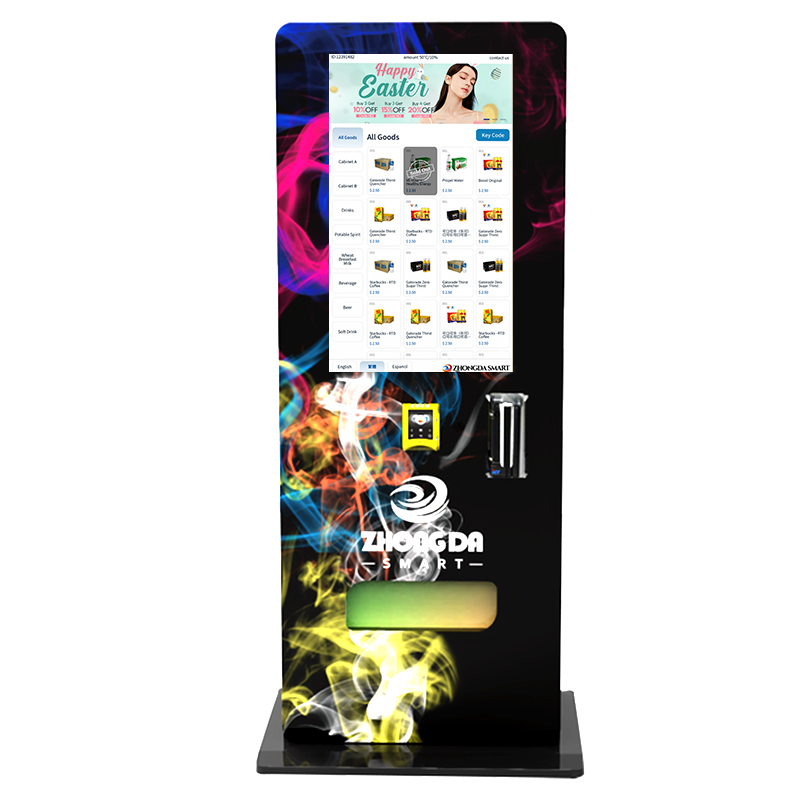
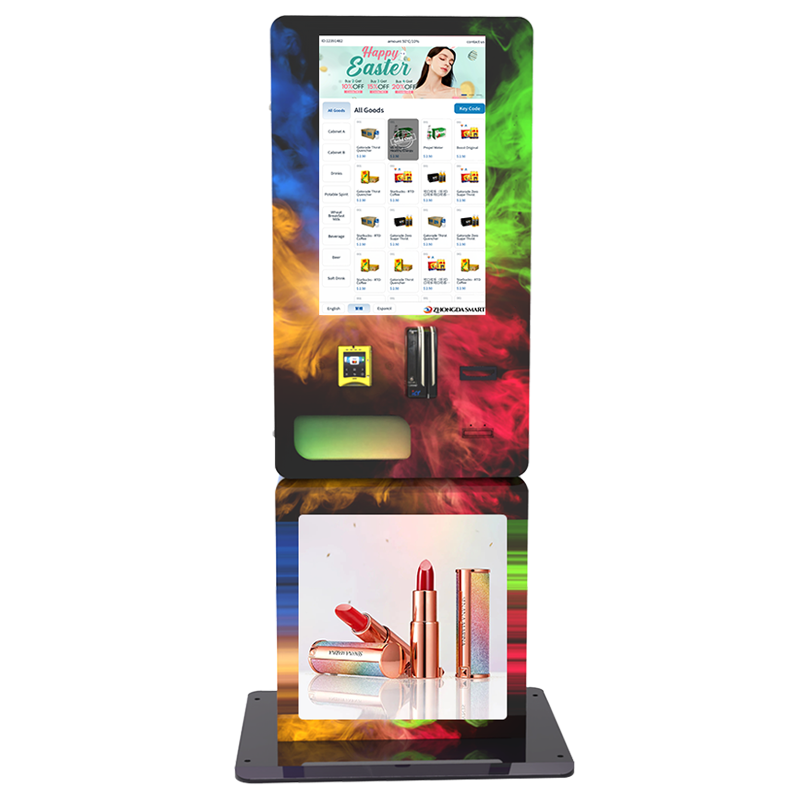
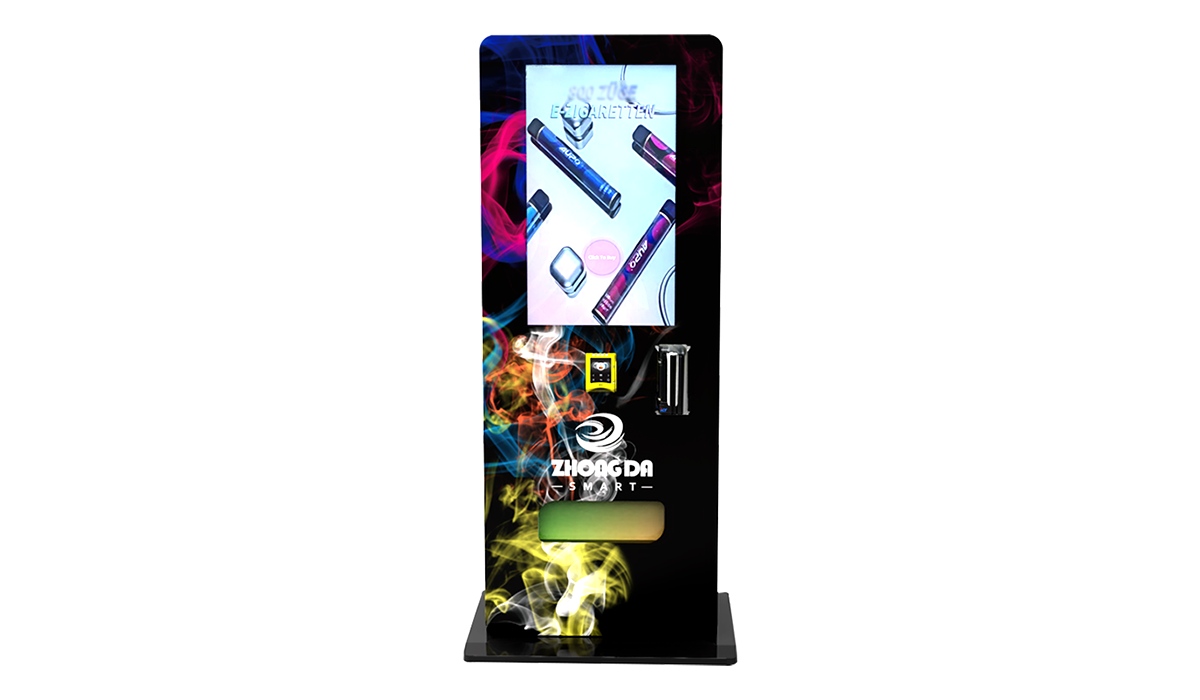
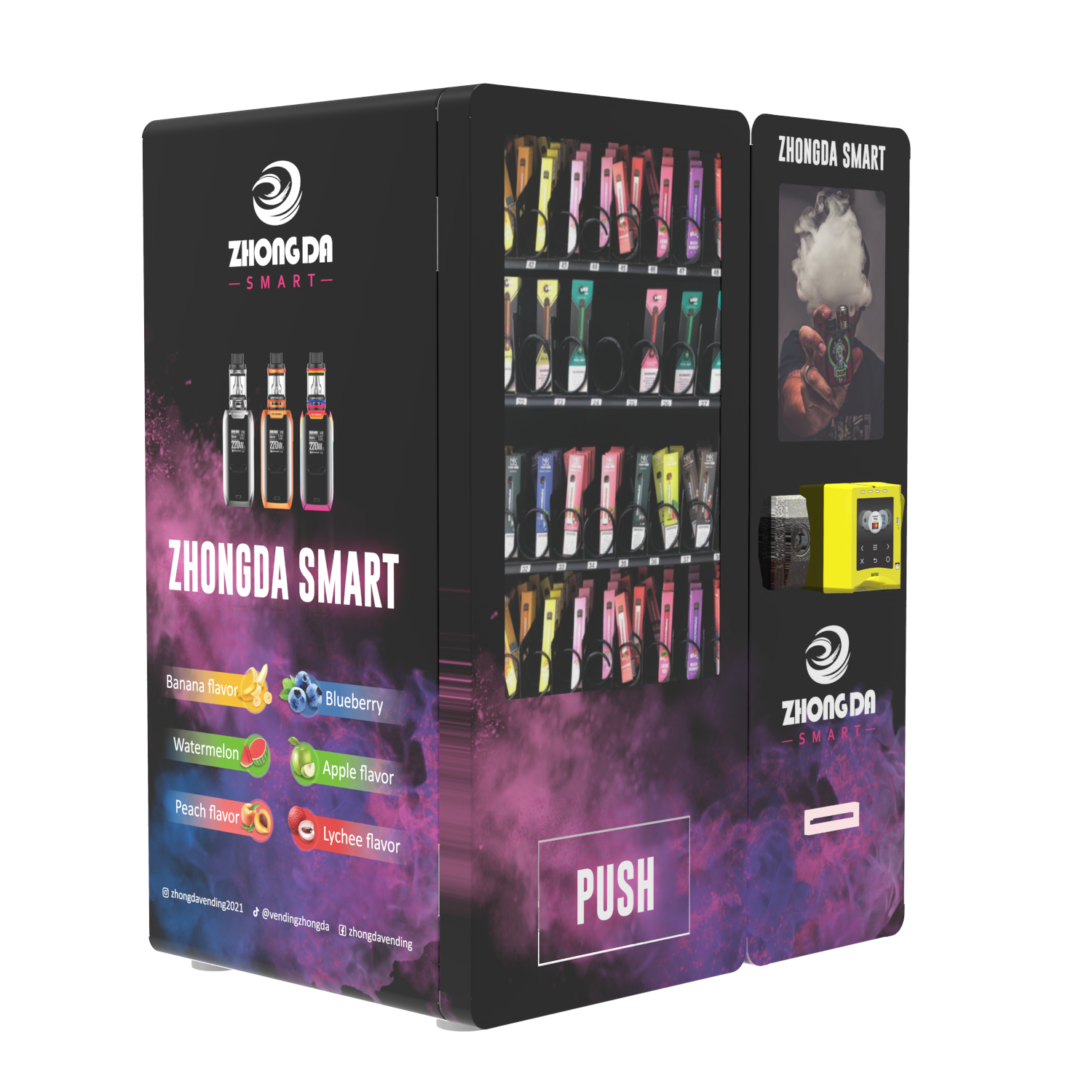
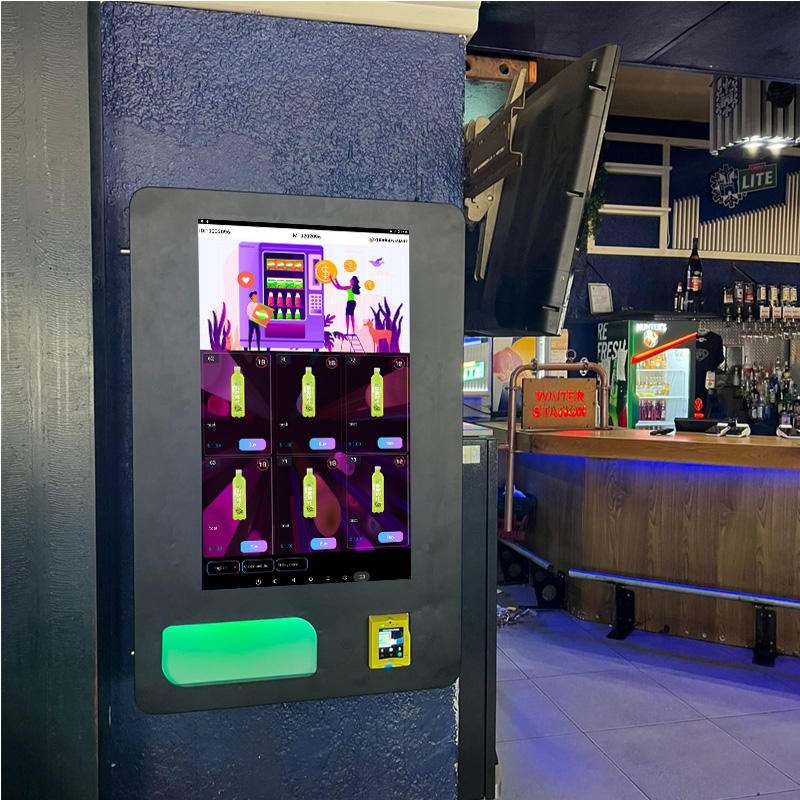
When operators ask me for a recommendation, I point them to Zhongda Smart. We’ve been in this business for over fifteen years, and our machines are deployed in all 50 states and across Europe. Our ID scan vending machine is specifically designed for age-restricted products, and it includes all the features I just mentioned: a high-quality scanner, offline verification, a reinforced cable, and automatic compliance reporting. You can see the full specs on our product page. We also offer a wall-mounted compact version for tight spaces, which has been popular in small bars and hotel lobbies. The key is to get a machine that’s built for the job, not a general-purpose machine with a scanner bolted on.
Comparing Machine Types
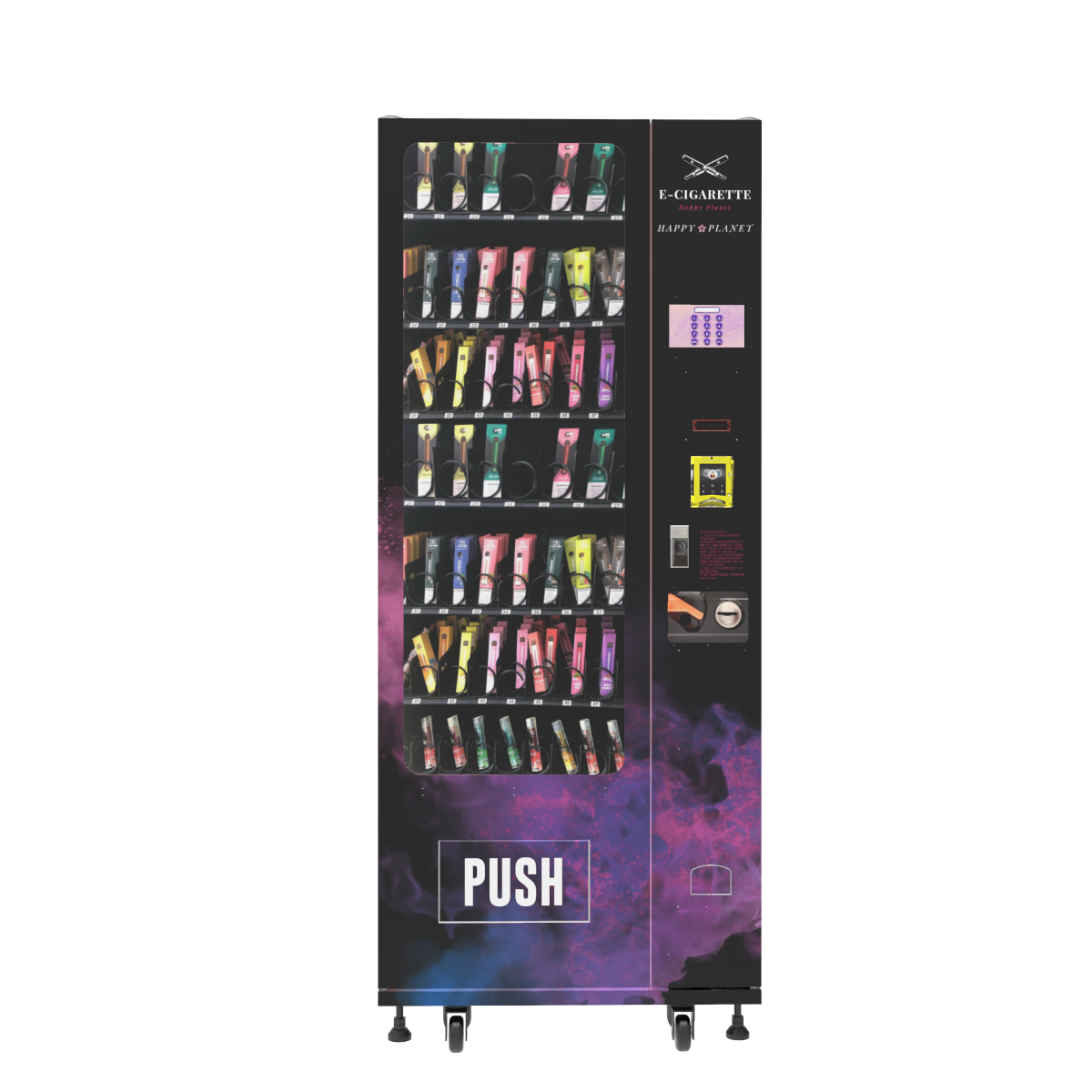
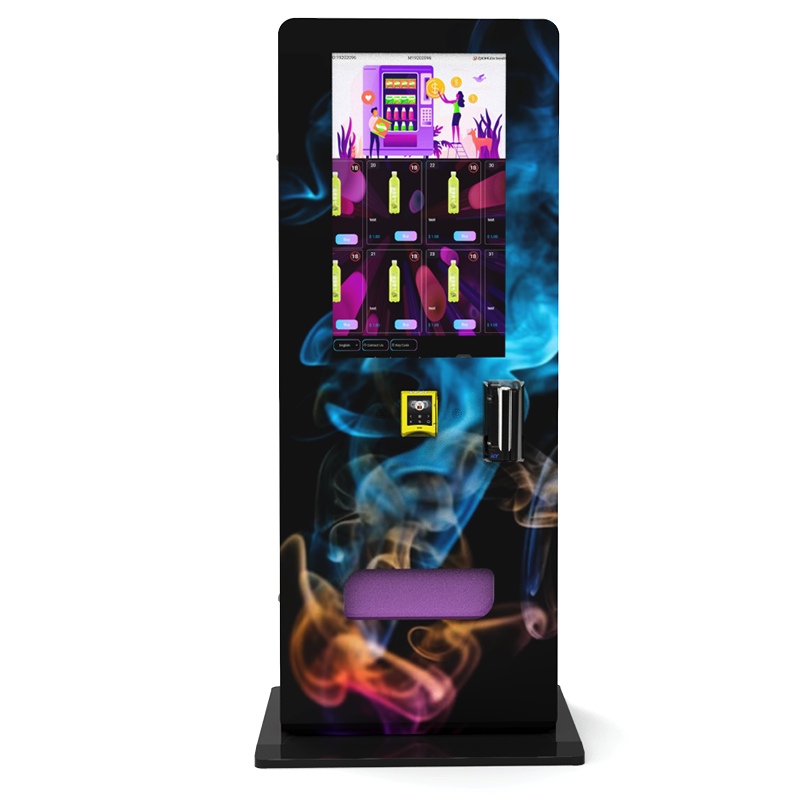
There are basically three form factors for vending machines that do ID verification: the full-size floor model, the wall-mounted compact model, and the countertop model. The full-size model holds the most inventory, usually 200 to 400 units, and is best for high-traffic locations. The wall-mounted model holds 50 to 100 units and is good for smaller spaces. The countertop model is the smallest, holding 20 to 40 units, and is usually placed on a bar or a counter. Each has its place. I prefer the wall-mounted model for most locations because it takes up less space and still holds enough inventory to avoid frequent restocking. The full-size model is better for nightclubs where you need to minimize restocking frequency.
Risk Factors and Failure Cases
I’ve seen operators lose money because they ignored the risks. The biggest risk is regulatory. If your machine doesn’t comply with state and local laws, you can get fined, have your machines confiscated, or even face legal action. We had an operator in California who bought a machine from a no-name manufacturer that didn’t have proper age verification. The state did a sting operation, and the machine sold to a minor. The operator was fined $10,000 and had to shut down. That’s a worst-case scenario, but it happens. Always verify that your machine meets the specific requirements of the state where it will be deployed. Some states require the machine to be within line of sight of an employee, for example.
Another risk is theft and vandalism. Vending machines in bars can get knocked over, scratched, or have their screens smashed. We use a tamper-proof cabinet with a reinforced door and a shatter-resistant screen. It costs more, but it pays for itself the first time someone tries to break in. We’ve had machines that survived a bar fight with only a few scratches. The cheap cabinets would have been destroyed. Also, consider the risk of payment system failure. If the credit card reader goes down, you’re losing money every minute. We use a redundant payment system that allows cash and card, and we’ve had operators tell us that the cash option saves them during network outages.
Long-Term Operational Strategy
If you’re planning to build a network of machines, you need a strategy that goes beyond just placing them. You need a restocking schedule, a cash collection routine, a maintenance log, and a plan for scaling. I recommend starting with one or two machines in high-probability locations and running them for three months before expanding. That gives you real data on transaction volume, product mix, and maintenance needs. After three months, you can make informed decisions about which products to stock and which locations to target next.
Product selection is more important than most people realize. We’ve found that the top-selling items are disposable vapes in popular flavors, followed by pod systems. Nicotine salt products also do well. You want to rotate your inventory based on sales data. We provide our operators with a monthly sales report that shows exactly which products are moving and which are sitting. Some operators ignore this and end up with stale inventory that they have to discount. The ones who follow the data see 15% to 20% higher revenue per machine.
Finally, build a relationship with your manufacturer. The best operators I know treat their equipment supplier as a partner, not a vendor. They share feedback, report issues quickly, and take advantage of training and support. That’s how you get the most out of your machines. We’ve had operators who started with one machine and now run fleets of 50 or more. They all started by asking the right questions and investing in the right equipment.
Frequently Asked Questions
What types of ID can the scanner read?
Most industrial scanners read driver’s licenses, state IDs, passports, and military IDs. The key is that the scanner must be able to parse the barcode or magnetic stripe data. Some older IDs use a different encoding format, so you need a scanner that supports multiple formats. We test ours against over 40 different ID formats to ensure compatibility.
Does the machine need an internet connection to verify age?
Not necessarily. A good system can verify age offline by checking the ID’s barcode data against a local database of valid formats. However, an internet connection allows for real-time database updates and remote monitoring. We recommend a Wi-Fi connection for the best balance of reliability and functionality.
What happens if the scanner fails?
The machine should have a failsafe mode that prevents any sales until the scanner is fixed. This is critical for compliance. Some operators try to bypass the scanner, but that’s illegal and risky. We design our machines to lock down completely if the scanner is disconnected or malfunctioning.
How often do I need to restock the machine?
It depends on the location and the machine’s capacity. A full-size machine in a busy nightclub might need restocking every two to three days. A wall-mounted machine in a hotel lobby might only need restocking once a week. We recommend checking inventory levels remotely using a telemetry system to avoid stockouts.
What is the typical warranty on an ID verification vending machine?
Most reputable manufacturers offer a one to two-year warranty on the machine and a separate warranty on the scanner and electronics. We offer a two-year warranty on all our machines, with an optional extended warranty for the third and fourth years. Always read the warranty terms carefully, especially the exclusions for vandalism and misuse.
Can I use the machine for products other than vapes?
Yes, the same ID verification system can be used for any age-restricted product, including tobacco, alcohol, and CBD products. The machine configuration is flexible, and you can adjust the temperature settings if needed. We have clients using our machines for all of these categories.
How do I handle a compliance audit?
Your machine should automatically log every transaction, including the scanned ID data and the verification result. You need to be able to export this log in a format that the auditing agency accepts. We include an automatic reporting feature that generates a compliance report with one click. Some states require you to keep these logs for up to three years.
What is the ROI period for a typical installation?
Based on our operators’ data, the average ROI period is three to six months for a well-placed machine. In exceptional locations, it can be as short as one month. The key factors are location traffic, average transaction value, and your operating costs. We provide a detailed ROI calculator to all our clients before they purchase.
Sources and References
Statista: Market size and growth data for vending machines in the US and Europe.
https://www.statista.com/topics/1190/vending-machines/IBISWorld: Industry report on vending machine operators in the US.
https://www.ibisworld.com/united-states/market-research-reports/vending-machine-operators-industry/Forbes: Article on the rise of automated retail and age verification technology.
https://www.forbes.com/sites/forbestechcouncil/2023/05/15/the-future-of-automated-retail-age-verification-and-compliance/