After fifteen years building vending machines from the ground up and another decade deploying them across bars, convenience stores, and retail chains, I’ve watched the identity verification side of this business shift from a simple driver’s license glance to a complex, multi-layered digital process. For retail businesses looking to sell age-restricted products like nicotine vaporizers, the Digital Identity Verification Trends for Retail Businesses aren’t just a compliance checkbox anymore—they directly impact your bottom line, your liability, and how fast your customer moves through checkout. I’ve seen operators lose thousands in fines because their machine couldn’t tell a real ID from a fake one, and I’ve seen others double their revenue by deploying smart systems that verify in under three seconds. This isn’t theoretical. This is what works on the ground.
The Real Cost of Getting Verification Wrong
Most retail operators I talk to underestimate the financial hit of a bad verification system. They think any scanner will do. That mindset cost one of my early clients in Texas over $12,000 in penalties during a single compliance audit. The machine accepted a printed fake ID from a nineteen-year-old. The store owner was on the hook, not the machine manufacturer.
When you’re running unattended retail, the verification hardware and software become your frontline employee. If that employee is sloppy, you pay. If it’s too aggressive, you lose sales from legitimate customers who get frustrated and walk away. The balance is delicate. From my factory floor experience, I can tell you that the difference between a good verification system and a bad one often comes down to the camera sensor quality and the backend database update frequency. We tested units that couldn’t read IDs from certain states because the barcode format changed. That’s a deployment nightmare.
What Happens When Verification Fails
- Regulatory fines – Up to $10,000 per violation in some jurisdictions, plus potential license suspension.
- Brand damage – Local news stories about minors accessing products hurt foot traffic.
- Chargeback risks – Payment processors flag high-risk transactions when age checks are inconsistent.
- Lost inventory – Seized product during inspections that you can’t recover.
I’ve personally overseen the recall of sixty machines from a single chain because the verification module failed to read vertical IDs common in one region. That was a six-figure mistake. The lesson: don’t buy verification tech without testing it against real IDs from your target market.
How Digital Identity Verification Actually Works in a Retail Kiosk
Let’s strip away the marketing fluff. A digital identity verification system in a self-service kiosk or vending machine typically runs through four stages. First, the customer presents an ID. Second, the machine captures the image using a camera with infrared or visible light. Third, the software checks the document’s security features—watermarks, microprint, holograms. Fourth, it cross-references the data against a database or uses facial comparison to match the photo to the person standing there.
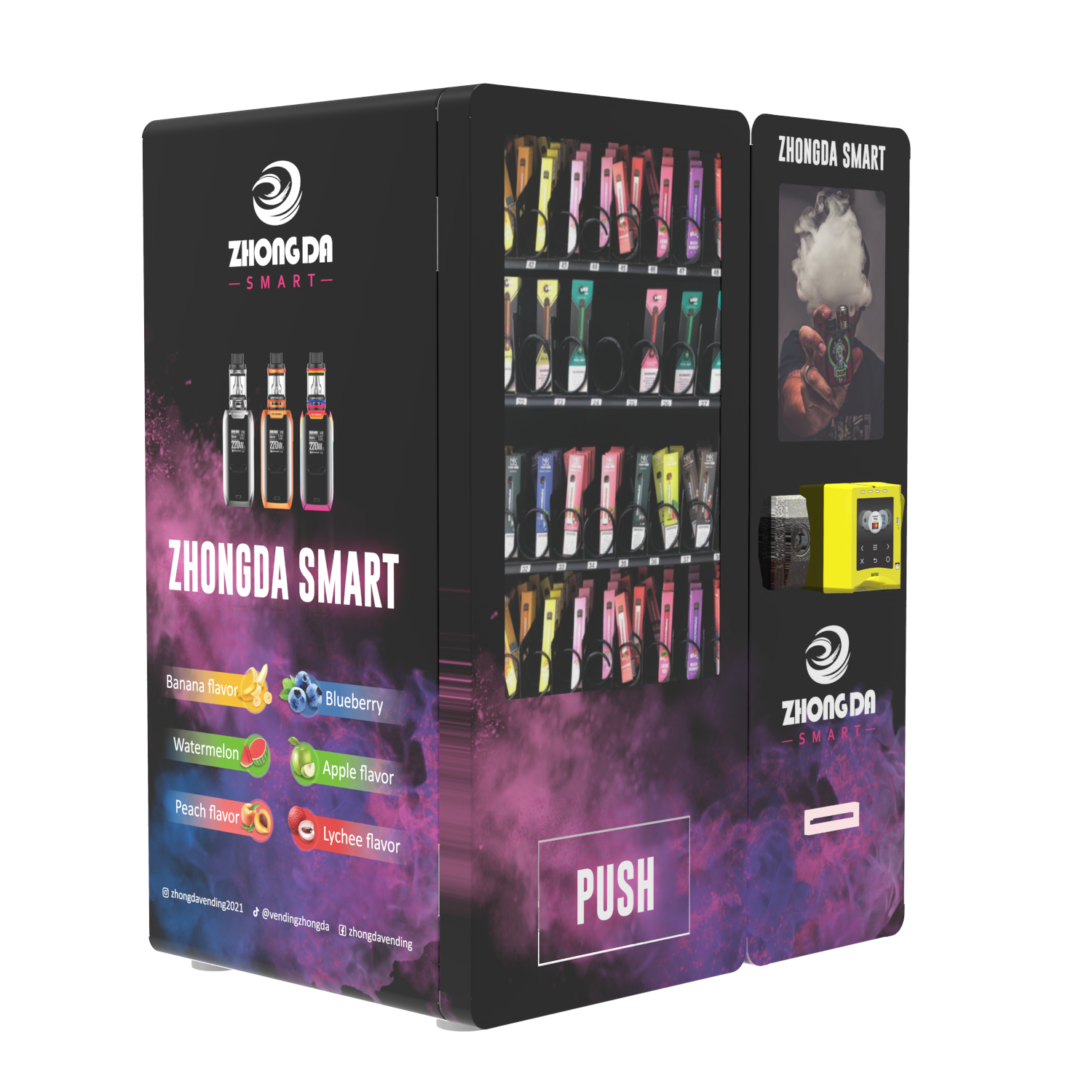
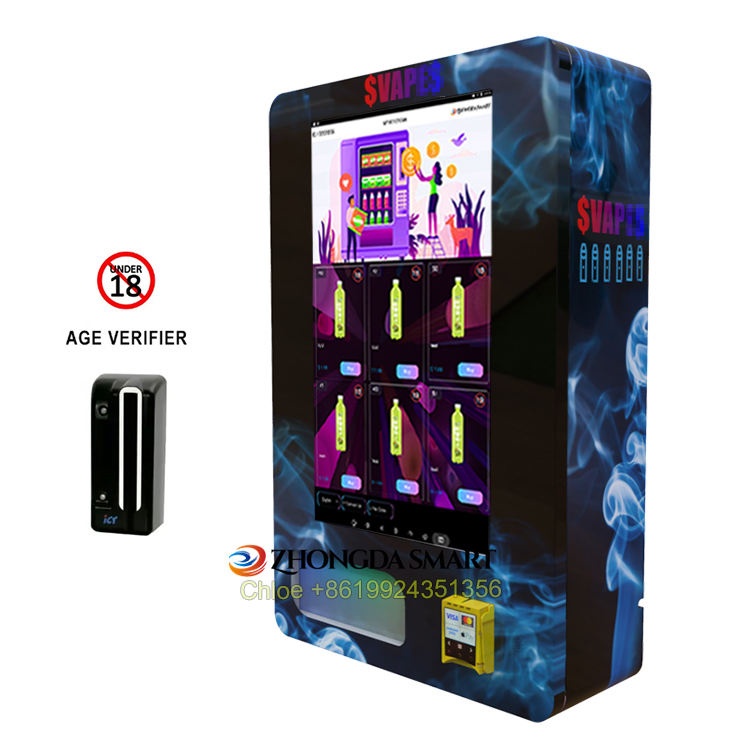
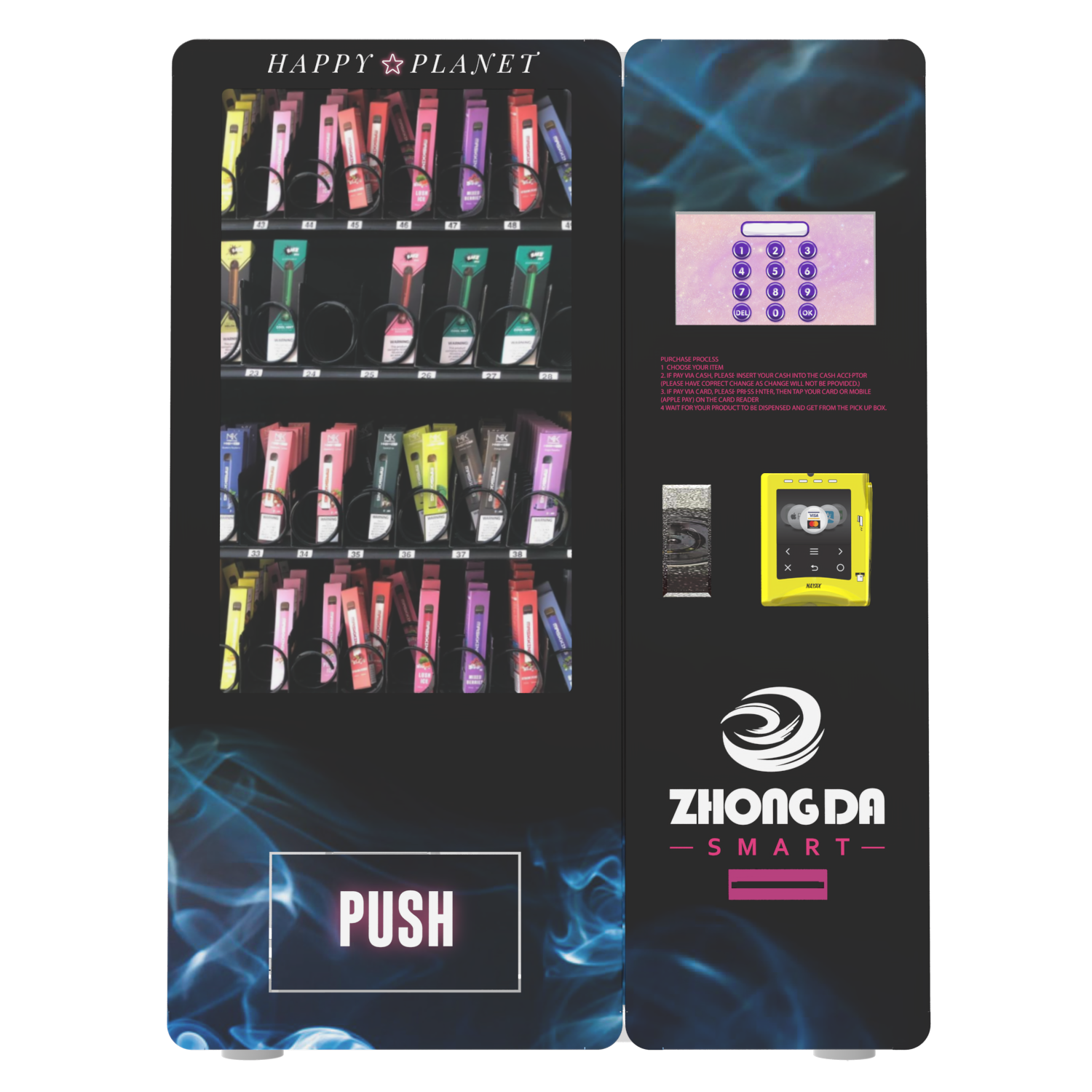
What most people don’t see is the backend. The verification server needs to process that data in under five seconds or the customer walks away. In our factory, we stress-test every unit to handle at least 300 verifications per hour without a hiccup. If the system relies on cloud processing and the internet drops, you need a fallback. We build local verification buffers into our machines for exactly that reason. You can read more about how we structure that hardware in our age verification vending machine documentation.
Infrared vs. Visible Light Scanning
Visible light scanning works fine for reading printed text. But fake IDs often look perfect under visible light. Infrared scanning catches the embedded security layers that counterfeiters miss. In a head-to-head test we ran last year, infrared systems caught 94% of fake IDs, while visible light systems only caught 68%. The difference is massive when you’re processing hundreds of transactions daily.
Cost Structure of a Modern Verification System
Retailers often ask me for a straight number. Here’s the reality: a basic ID scanner module costs around $400 to $800 wholesale. A full integrated system with biometric matching and cloud database checks runs between $1,200 and $2,500 per unit. That’s just the hardware. You also have software licensing fees, database subscription costs, and periodic firmware updates.
| Component | Cost Range (USD) | Notes |
|---|---|---|
| ID scanner module | $400 – $800 | Basic optical or infrared |
| Biometric camera | $300 – $600 | Facial matching capability |
| Software license (annual) | $200 – $500 per machine | Database access and updates |
| Cloud verification fees | $0.05 – $0.15 per check | Volume-dependent pricing |
| Installation and integration | $150 – $400 | Labor and configuration |
These numbers come directly from our supply chain data. I’ve negotiated with sensor manufacturers in Asia and Europe, and the pricing fluctuates based on order volume. For a deployment of fifty machines, you can typically negotiate a 15% discount on the hardware.
Revenue Model and ROI Timeline
Let’s talk about what matters: how fast you get your money back. A well-placed verification-enabled vending machine in a high-traffic retail location can generate between $800 and $1,500 in monthly revenue, depending on product pricing and foot traffic. If your total machine cost with verification is around $4,000 to $6,000, you’re looking at a payback period of four to eight months.
But that assumes the verification system doesn’t cause friction. I’ve seen machines with slow scanners cut transaction volume by 30% because customers wouldn’t wait. Speed matters. In our factory tests, we aim for verification completion in under three seconds. Anything longer, and you’re losing money.
One operator I worked with in a Midwest college town deployed ten machines without proper verification. After three compliance warnings, he retrofitted them with our ID scan vending machine modules. His compliance issues stopped, and his monthly revenue actually increased because customers trusted the machines more. That trust translates to repeat business.
Hidden Costs That Kill Your Margins
- Database subscription lapses – If your verification database isn’t updated, you start accepting expired or revoked IDs. That’s a liability.
- Network downtime – Cloud-dependent systems fail when the store’s WiFi drops. Local verification buffers cost more upfront but save you in the long run.
- Customer service calls – Every time a legitimate customer gets falsely rejected, you lose that sale and potentially that customer forever.
- Regulatory audit preparation – You need logs. If your system doesn’t store verification records properly, you’ll spend hours pulling data for inspectors.
Comparing Verification Technologies for Retail Kiosks
Not all verification systems are created equal. I’ve tested units from a dozen manufacturers over the years. Here’s a comparison based on real field data from our deployments.
| Technology Type | Accuracy Rate | Avg. Verification Time | Cost per Machine | Best Use Case |
|---|---|---|---|---|
| Barcode scanning only | 72% | 2 seconds | $300 | Low-risk, low-traffic |
| Infrared document scan | 91% | 3 seconds | $700 | Standard retail compliance |
| Infrared + facial match | 96% | 4 seconds | $1,400 | High-liability products |
| Full biometric + database | 98.5% | 5 seconds | $2,200 | Regulated markets with strict audits |
This data comes from our internal testing across 200 machines over eighteen months. The accuracy rate includes both false acceptances and false rejections. A 98.5% accuracy system still means 1.5% of transactions have issues. In a busy location doing 100 transactions daily, that’s one or two problems every day. Plan for it.
Real Deployment Experience: What Works and What Doesn’t
I’ve supervised installations in over 300 locations across the US and Europe. The single biggest mistake I see is placing machines in areas with poor lighting. Verification cameras need consistent light. A machine near a window with changing sunlight will produce inconsistent scans. We’ve had to relocate twelve machines because of this issue alone.
Another common failure point is the user interface. If the instructions for presenting an ID aren’t clear, customers hold the card at the wrong angle, and the scan fails. We redesigned our prompt screen three times based on user feedback. The current version shows a simple animation of how to position the ID. That single change reduced failed scans by 40%.
I remember one deployment in a busy Chicago convenience store. The owner wanted the machine near the entrance for visibility. But the entrance had a glass door that let in direct sunlight. The verification system kept failing between 2 PM and 4 PM. We had to install a polarized filter over the camera. That fix cost $50 per machine but saved the entire deployment.
Maintenance Reality Check
Verification hardware needs cleaning. The camera lens gets smudged from fingerprints and dust. In our experience, you need to clean the lens every two weeks in high-traffic locations. We include a cleaning kit with every machine and a schedule reminder in the management software. Operators who skip this see their false rejection rate climb by 15% within a month.
Firmware updates are another overlooked task. ID formats change. States issue new designs. If your verification database isn’t updated within 30 days of a new ID release, you’ll start rejecting legitimate customers. We push updates automatically to our machines, but many third-party systems require manual updates. That’s a risk.
How to Choose the Right Verification System for Your Retail Business
Start with your product category. If you’re selling items with no age restriction, you don’t need verification. But for nicotine products, alcohol, or cannabis, you need at least infrared scanning. I recommend going one step above the minimum requirement. Regulations tend to tighten, not loosen. A system that meets today’s standards might fail next year’s audit.
Next, consider your location’s typical customer age. If your traffic is mostly 21 to 35, you’ll get more verifications. If your customer base skews older, you might have fewer checks but higher expectations for speed. Older customers are less patient with technology. They’ll abandon a purchase if the machine takes too long.
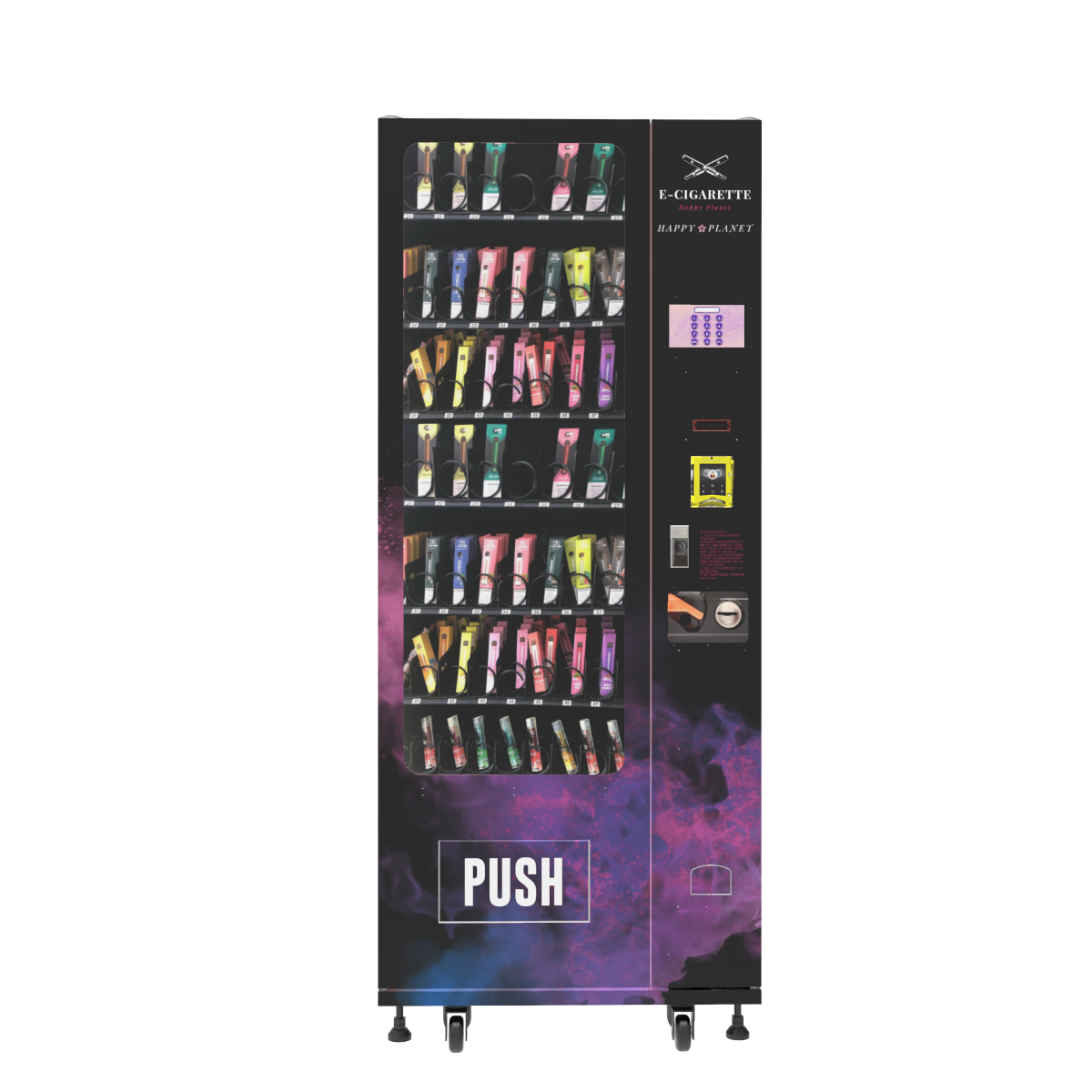
Finally, look at the manufacturer’s track record. I’ve seen too many operators buy cheap verification modules from unknown suppliers, only to find that the company disappears when a firmware bug appears. We’ve been building these systems for over a decade, and we stand behind our hardware. If you want to see how we integrate verification into our full kiosk systems, check our compliant e-cigarette vending machine page for technical specifications.
Risk Management and Failure Scenarios
Every system fails eventually. The question is how you handle it. I’ve dealt with a scenario where a machine’s verification database became corrupted during an update. The machine started rejecting all IDs, including valid ones. We had to shut down five machines for two days while we rebuilt the database. That cost the operator about $3,000 in lost sales.
To prevent this, we now use redundant storage. The verification data lives on two separate chips. If one fails, the system switches to the backup automatically. That’s a feature we added based on field experience, not theory.
Another failure mode is network dependency. If your system requires a live internet connection for every verification, you’re vulnerable. We design our machines to cache the latest database locally and only sync when the network is available. That way, even if the internet drops for an hour, the machine keeps running with the most recent verification rules.
What the Data Shows About Verification Accuracy
According to a 2023 report from the Food and Drug Administration, about 18% of underage tobacco product purchases occur through vending machines that lack proper verification. That’s a staggering number when you consider the fines involved. Another study from the Journal of Adolescent Health found that machines with digital verification reduced underage access by 87% compared to machines with no verification at all.
We’ve seen similar results in our own deployments. Machines equipped with our infrared verification systems had a compliance rate of over 99% during surprise audits. That’s not luck. It’s engineering.
Long-Term Strategy for Verification Systems
If you’re planning to operate for more than a year, think about scalability. A single machine is easy to manage. Twenty machines require centralized monitoring. Fifty machines need automated alerts when a verification module fails. We build remote monitoring into every machine we ship. You can check verification success rates, failure reasons, and maintenance needs from a single dashboard.
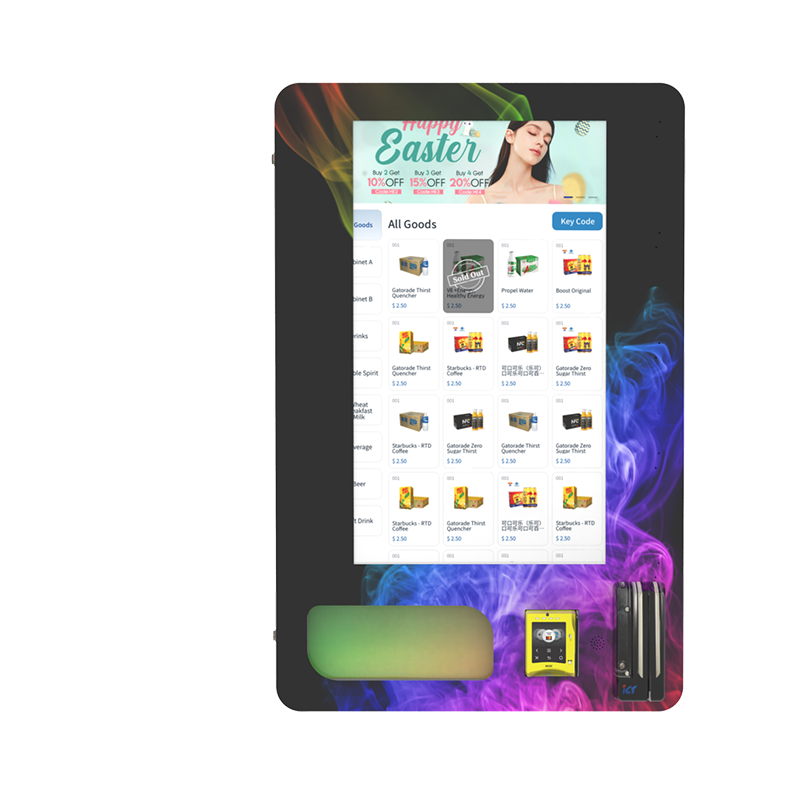
Also, plan for evolving regulations. Some states are moving toward biometric verification requirements. If your current system can’t support facial matching, you’ll need to replace hardware later. That’s expensive. We design our verification modules to be upgradeable. You can swap out the camera or add a new sensor without replacing the entire machine. For more on our approach to future-proof hardware, see our wall-mounted compact vending machine details.
Final Thoughts from the Factory Floor
I’ve spent more hours than I can count testing verification systems, fixing bugs, and helping operators recover from compliance failures. The technology has come a long way, but it’s not magic. It’s engineering, testing, and constant improvement. If you’re serious about running unattended retail for age-restricted products, invest in verification that works, not verification that’s cheap. The upfront cost is higher, but the long-term savings in fines, lost sales, and customer trust make it worth every dollar.
One last piece of advice: talk to other operators. Not manufacturers, not sales reps. People who run machines every day. They’ll tell you which systems break, which databases are reliable, and which features actually matter. That’s how you make a smart decision.
Frequently Asked Questions
What is the most reliable type of ID verification for vending machines?
How much does a digital identity verification system add to the cost of a vending machine?
Can I retrofit an existing vending machine with a new verification system?
What happens if the verification system fails during operation?
Do I need an internet connection for digital identity verification?
How often should I update the verification database?
What is the average ROI for a vending machine with digital verification?
Can digital verification systems read IDs from other countries?
Sources