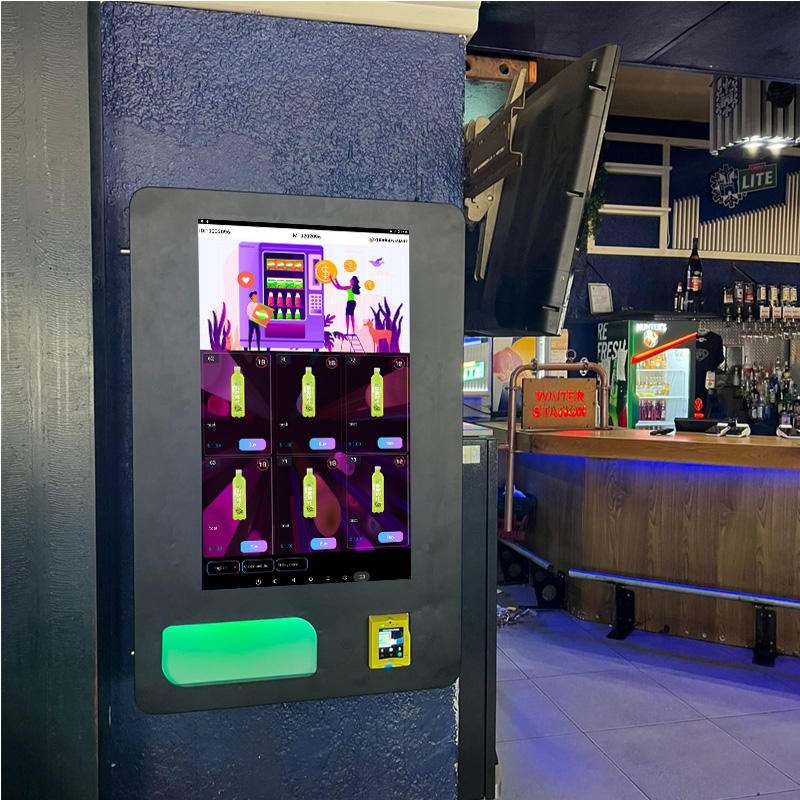
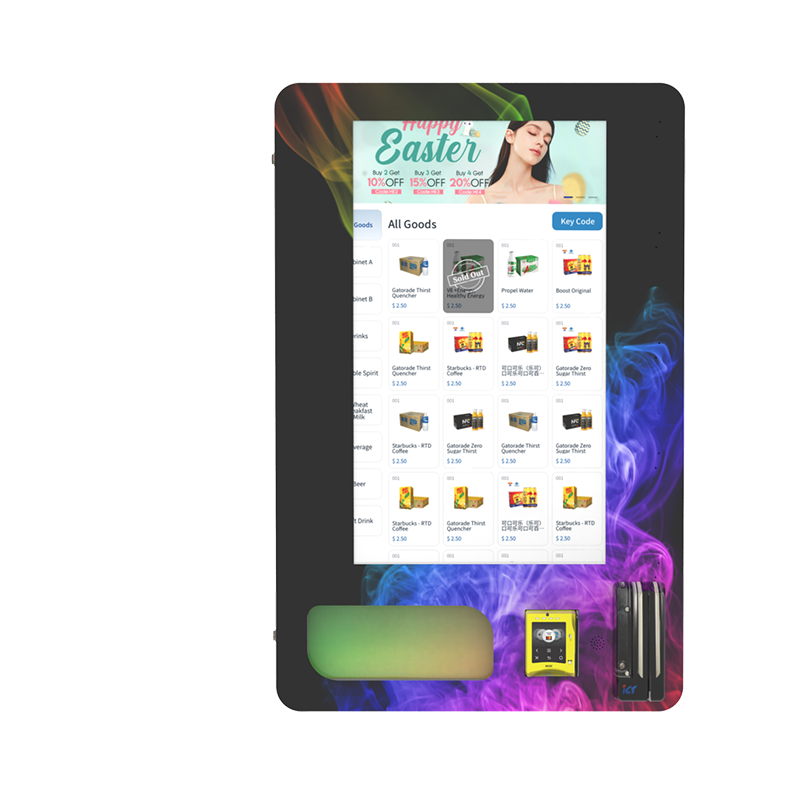
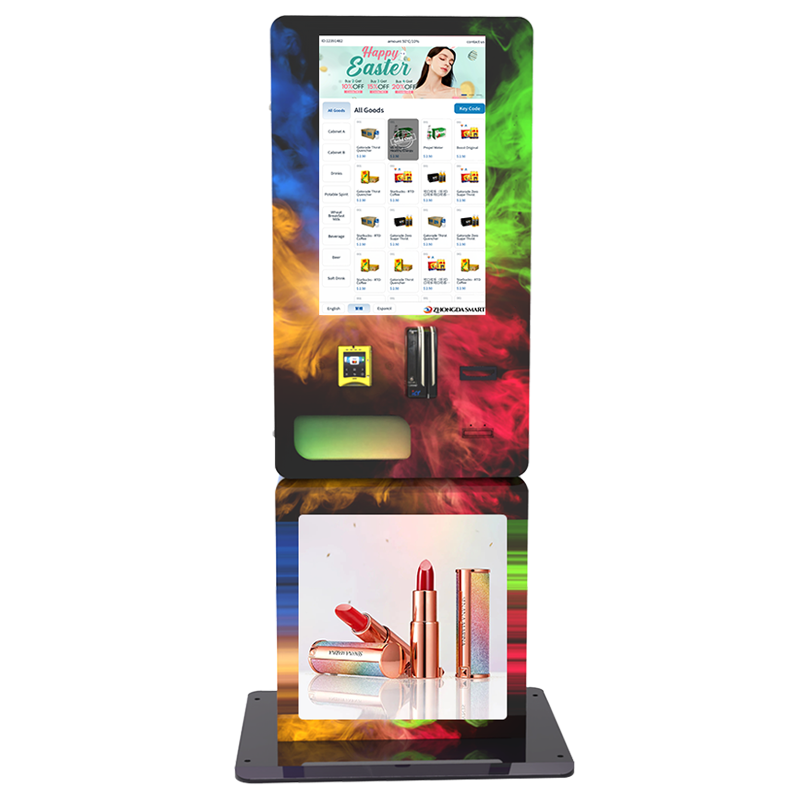
Yes—but only in a tightly controlled setup. In plain terms, the answer to can you sell vapes in a vending machine is not a simple yes or no. It depends on whether the machine is placed in an adult-only environment, whether access is restricted before the product is even visible, whether age checks are built into the purchase flow, and whether the products being sold are allowed for retail sale in the first place. In my own vending operations, the legal risk has never come from the machine itself. It comes from poor access control, weak age verification, sloppy product selection, and operators who treat regulated retail like snack vending. That is the mistake that turns a promising unattended retail model into a compliance problem. Federal tobacco rules, youth-access standards, and retail sales restrictions make this a high-control business, not a casual one. FDA Tobacco 21; FDA ENDS sales rules.
That said, vape vending can work extremely well when it is built around compliance from day one. A modern smart vending machine or self-service kiosk can screen age, lock product display, process cashless payments, record events, and give operators remote oversight. In the right setting, the model can reduce labor, extend selling hours, and tighten inventory control. The rest of this guide explains where the legal line is, what features matter, how much the model usually costs to launch, what kind of return operators should realistically expect, and how to avoid the mistakes that get otherwise good projects shut down.
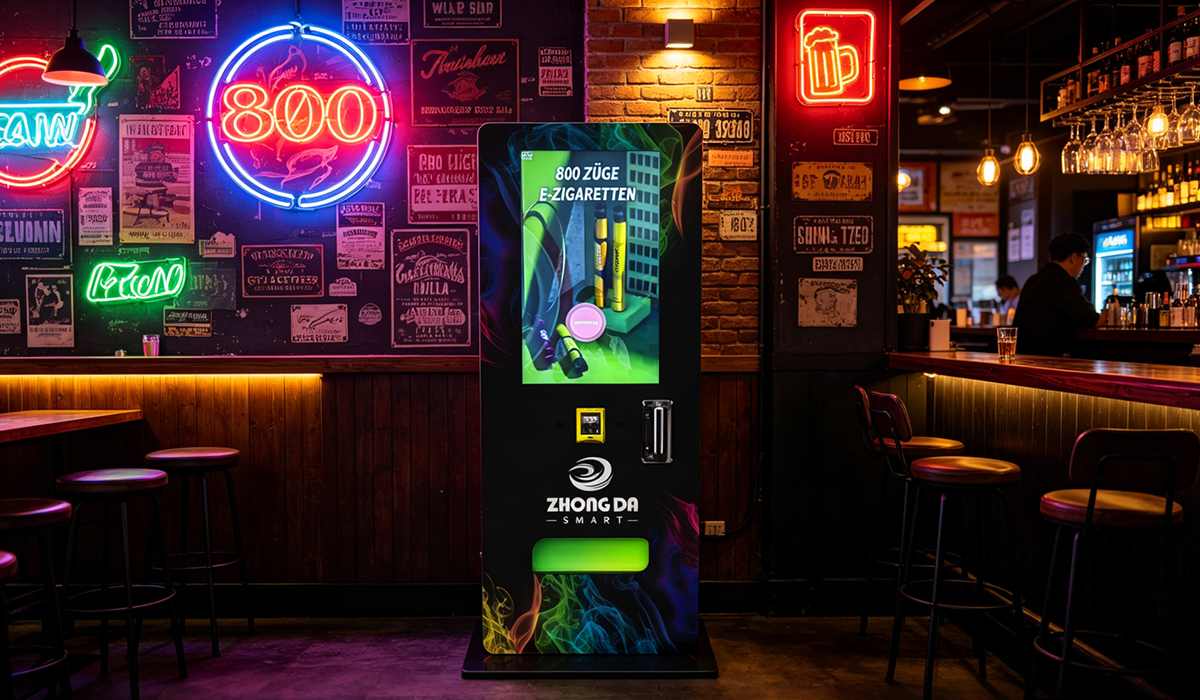
The short answer every operator needs first
If you are asking can you sell vapes in a vending machine, the practical answer is this: you can only do it when the machine is part of a controlled, age-restricted retail environment and the entire sales flow matches applicable rules. A basic glass-front machine with open product visibility and no identity check is usually the wrong tool. A compliant setup needs restricted placement, adult-only access, age verification before purchase, secure payment, and a machine configuration designed for age-restricted products rather than general merchandise. FDA consumer guidance; FDA final rule summary.
One legal point matters more than any other: federal rules restrict vending-machine sales of covered tobacco products, including e-cigarettes, unless the machine is in a facility where persons under the minimum age are not present or permitted to enter. That is why serious operators focus on adult-only placement and access control before they even compare machine models. FDA small entity compliance guide.
| Question | Practical answer | What it means for the operator |
|---|---|---|
| Can you sell vapes in a vending machine? | Yes, but only under controlled legal conditions | Placement and access rules matter as much as the machine |
| Is any vending machine acceptable? | No | General snack-style machines are usually not suitable |
| Is age verification enough by itself? | No | It helps, but it does not replace proper placement and access rules |
| Do product choices matter? | Absolutely | Only lawfully marketable products should be stocked |
| Can this model be profitable? | Yes, if compliance is built in | Labor savings and extended selling hours are the main upside |
Why this category is different from ordinary vending
Most vending businesses live or die on product mix, location quality, and service discipline. Vape vending adds a fourth layer: legal control. That is why operators who ask can you sell vapes in a vending machine need a different framework from snack or beverage vending. Here, the machine is not just a dispenser. It is part of a compliance system.
In a normal unattended retail setup, convenience is the main value proposition. In vape vending, convenience matters, but control matters more. The machine has to know who is buying, where it is installed, what it is selling, and how every transaction is recorded. That is why a proper age verification vending machine or controlled self-service kiosk is a far better fit than a low-cost standard cabinet.
From an operational standpoint, the strongest vape projects I have seen all share five traits:
Adult-only placement, not mixed-traffic placement
ID-based or equivalent age verification before purchase
Cashless transaction records tied to machine logs
Remote inventory and exception monitoring
Product loading rules that prevent loose, mismatched, or noncompliant stock
Without those controls, the question is no longer can you sell vapes in a vending machine. The real question becomes how quickly the operator runs into preventable legal trouble.
What the law usually cares about most
Operators often overfocus on the cabinet and underfocus on the sales conditions. In practice, enforcement attention usually lands on four points: buyer age, placement, product legality, and transaction controls. Federal rules raised the minimum age of sale for tobacco products to 21, and FDA materials make clear that e-cigarettes are covered tobacco products for retail restrictions. FDA Tobacco 21; FDA ENDS overview.
1. Buyer age
Age screening is the first line of defense. If the machine allows an underage purchase, the rest of the setup does not matter. In the field, the most reliable configurations combine ID scan, logic checks, payment authorization, and a locked vend path that only releases product after the age step clears.
2. Placement
The machine has to sit where underage persons are not present or permitted. This is the issue many first-time buyers miss. They assume a strong ID scanner makes any location workable. It does not. A poor placement decision can break the model before the first sale.
3. Product legality
The machine should only carry products that are allowed for sale. This is not the place for “everyone sells it” logic. A compliant machine loaded with the wrong products is still a bad retail setup.
4. Records and controls
Cashless payments, vend logs, door-open logs, inventory counts, and exception alerts all matter. A strong record trail helps the operator prove that the business is being run as a controlled retail channel rather than an unattended free-for-all.
When a vape vending machine setup is more likely to work
If you want a direct answer to can you sell vapes in a vending machine, focus less on the phrase and more on the environment. The right environment usually has controlled access, staff oversight somewhere on site, predictable adult traffic, and a clear reason for unattended retail.
Good-fit environments often include venues that already restrict entry by age, operate late hours, or need labor-efficient controlled sales. Bad-fit environments are places with open youth access, shared family traffic, or little appetite for compliance management.
| Location profile | Fit for vape vending | Why |
|---|---|---|
| Adult-only access venue | Strong | Placement risk is lower when entry is already restricted |
| Controlled retail back area | Strong | Helps combine staff oversight with unattended transactions |
| Open convenience floor | Weak | Mixed access creates unnecessary legal exposure |
| Lobby or common corridor | Weak | Traffic is too open unless the area itself is restricted |
| Private membership or gated adult area | Moderate to strong | Works when access control is real, documented, and enforced |
The machine features that matter most
After more than a decade around unattended retail projects, I can say this clearly: a compliant vape machine should be designed backward from the legal risk, not forward from the shelf layout. That is why I usually recommend a purpose-built vape vending machine or age verification vending machine over a cheap generic cabinet.
If you are comparing equipment, these are the features worth paying for:
Pre-vend age verification: age must be checked before the buyer can complete the transaction.
Access control: product display and vend flow should stay locked until the compliance step is cleared.
Cashless payment integration: card and contactless transactions reduce cash risk and improve traceability.
Remote monitoring: operators should be able to see stock levels, faults, door status, and sales data.
Flexible channels: vape products vary in size, packaging, and fragility.
Touchscreen logic: a guided transaction flow reduces user error.
Audit trail: the machine should log key transaction and event data.
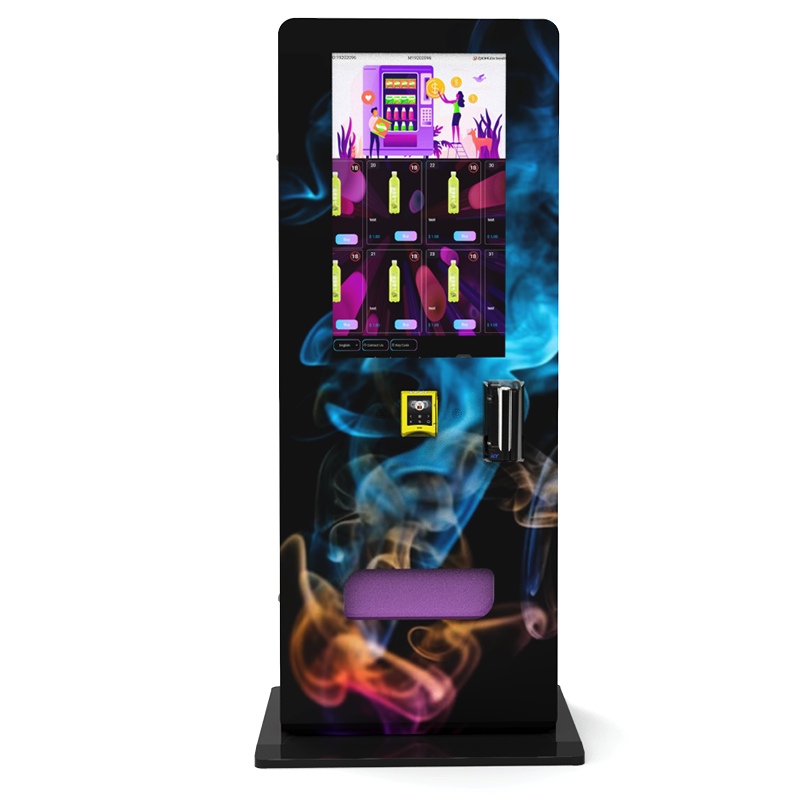
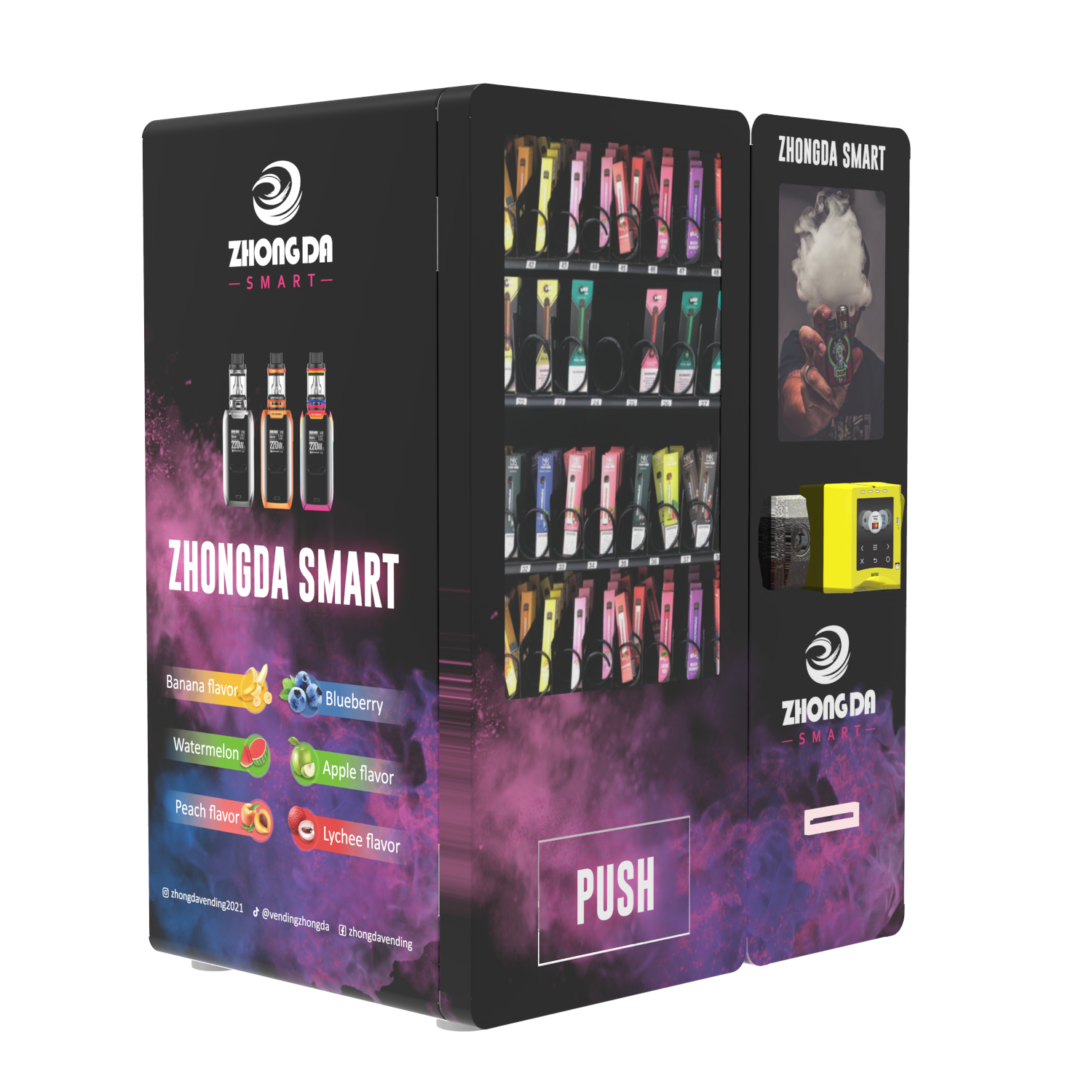
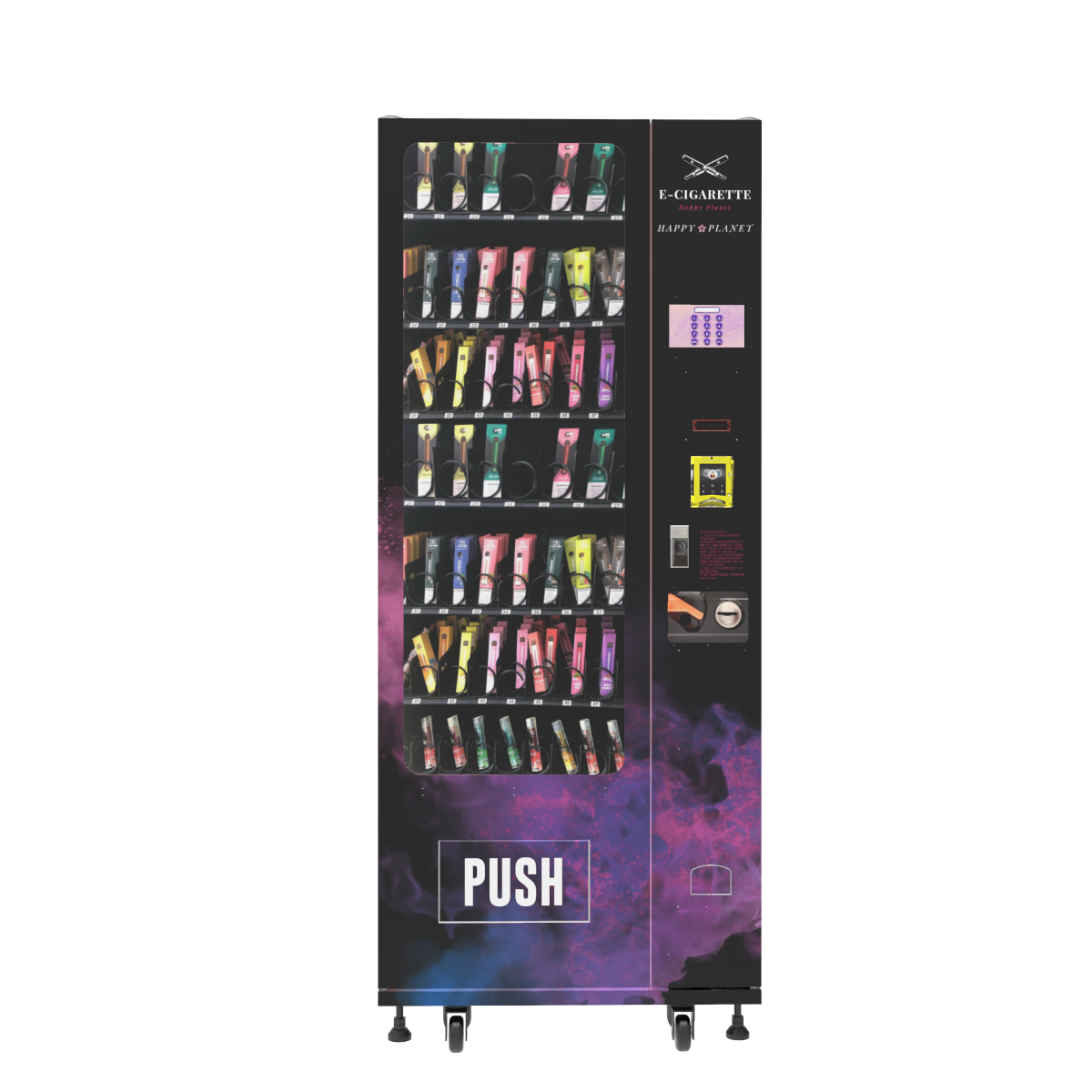
For operators reviewing actual hardware, Zhongda Smart has several relevant product pages worth comparing, including its vape vending machine lineup, its age verification vending machine, and its compliant e-cigarette vending solution. For a practical breakdown of workflow and cost logic, their guide on age verification vending is also useful.
| Feature | Basic machine | Compliance-ready machine | Why it matters |
|---|---|---|---|
| ID age check | No or add-on only | Built into purchase flow | Reduces underage sale risk |
| Payment record | Limited | Full cashless audit trail | Improves accountability |
| Remote management | Often absent | Standard | Speeds service and compliance checks |
| Restricted product logic | Weak | Purpose-built | Supports controlled sales flow |
| Channel flexibility | Low | Higher | Fits varied vape SKUs |
What it costs to launch and what return looks realistic
Anyone asking can you sell vapes in a vending machine is usually also asking whether the model makes financial sense. It can, but only when the machine is matched to the right venue and the operator uses a disciplined cost model. The upside is not just product margin. It is lower labor per transaction, longer selling hours, less shrink, tighter stocking, and consistent transaction records.
In most real projects, launch costs fall into five buckets:
Machine purchase and configuration
Age verification hardware and software
Payment integration and processing setup
Freight, placement, and commissioning
Initial inventory and spares
A realistic payback model should never assume perfect demand from day one. I advise operators to build a base case, a conservative case, and a stress case.
| Item | Lean setup | Mid-range setup | Higher-control setup |
|---|---|---|---|
| Machine + core system | $3,500–$5,000 | $5,000–$7,500 | $7,500–$10,500+ |
| Age verification layer | $300–$800 | $800–$1,500 | $1,500–$3,000+ |
| Freight + install | $500–$1,200 | $1,200–$2,000 | $2,000–$3,500+ |
| Opening inventory | $1,000–$2,500 | $2,500–$5,000 | $5,000+ |
| Total launch range | $5,300–$9,500 | $9,500–$16,000 | $16,000–$22,000+ |
Those figures are field planning ranges, not fixed quotes, but they are useful because they stop buyers from chasing an unrealistic “cheap compliant machine” idea. In this category, cheap often becomes expensive after the first compliance upgrade, retrofit, or location rejection.
The revenue side depends on foot traffic, ticket size, restock discipline, and SKU mix. A rough example looks like this:
| Monthly model | Conservative | Base case | Strong site |
|---|---|---|---|
| Transactions per day | 4 | 8 | 15 |
| Average ticket | $22 | $24 | $26 |
| Monthly gross sales | $2,640 | $5,760 | $11,700 |
| Gross margin at 35% | $924 | $2,016 | $4,095 |
| Estimated payback on $12,000 setup | 13.0 months | 6.0 months | Under 3 months |
That example is intentionally simple, but it shows why machine quality and location screening matter so much. A legally weak machine in a soft site can burn cash. A compliance-ready machine in a strong controlled site can become a very efficient retail asset.
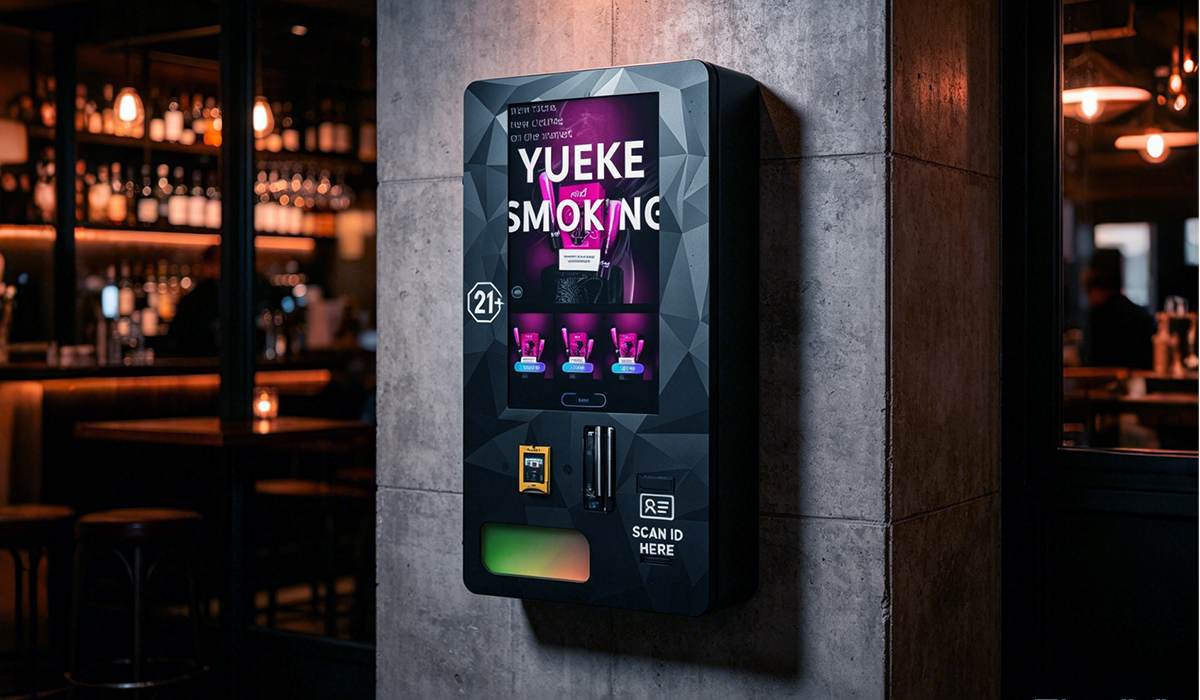
Why the market still attracts serious operators
There is real demand behind this channel, which is why the question can you sell vapes in a vending machine keeps coming up among operators, distributors, and venue owners. The category is mature enough to support controlled automation, but still inefficient enough that good operators can win with a better sales system.
Two market indicators are worth noting. First, the Federal Trade Commission reported that combined sales of cartridge-based and disposable e-cigarette products from nine leading manufacturers topped $2.67 billion in 2021, up roughly $370 million from 2020. That tells you the product category is still commercially meaningful. FTC report. Second, the Census Bureau reported that retail e-commerce sales in the fourth quarter of 2025 reached $316.1 billion and accounted for 16.6% of total retail sales, which matters because buyers are increasingly comfortable with low-friction, screen-led purchasing flows. U.S. Census retail e-commerce data.
That does not mean operators should rush in blindly. It means that a controlled smart vending machine model can fit how adults already buy: fast, private, cashless, and on demand. Where many businesses fail is not demand. It is execution.
The compliance checklist I use before approving a project
Before I green-light any age-restricted vending project, I run the site and machine through a simple decision filter. If even one of these items is weak, the project pauses until it is fixed.
Access test: Is the location genuinely adult-only, not just “usually adult”?
Visibility test: Can an underage person casually approach or browse the machine?
Age-check test: Does the machine verify age before payment completes and before product release?
Product test: Are all stocked items cleared for sale through the intended channel?
Logging test: Does the machine create a usable audit trail?
Service test: Can the operator restock, reconcile, and investigate exceptions quickly?
Venue test: Does the site owner understand that this is controlled retail, not novelty vending?
If you cannot confidently pass those seven tests, you should not move forward yet. That is the real answer behind can you sell vapes in a vending machine. Legality is not a label. It is an operating standard.
A real-world lesson from the factory and operator side
One of the most common buyer mistakes is choosing the machine first and the compliance workflow second. That almost always leads to retrofits, delays, or a machine that technically works but does not fit the legal reality of the site. In one project review, the buyer wanted a low-cost cabinet because the projected sales volume looked attractive. On paper, the margin looked excellent. In practice, the placement was too open, the age-check layer was too light, and the restock staff had no clean audit process. The machine itself was not the problem. The business design was.
By contrast, the strongest projects usually start with three questions: Who can enter the space? How is age confirmed? What proof exists after each sale? When those answers are clear, the hardware choice becomes easier. That is one reason factory-backed vendors such as Zhongda Smart are valuable in this category. A manufacturer that understands restricted-product vending can help buyers think through channel size, lock logic, payment flow, user interface, and access control before money is wasted on the wrong build.
How to choose a manufacturer or solution partner
If you are still asking can you sell vapes in a vending machine, the next smart question is who should build it. Not every vending supplier is a good fit. You want a partner that understands controlled retail, not just metal fabrication.
Here is what I look for in a manufacturer:
Proven work in age-restricted vending, not only snack or beauty vending
Flexible machine formats for different product sizes
Support for age verification integration
Cashless payment readiness
Remote management capability
Customization support for branding and workflow
Clear service and spare-parts plan
Zhongda Smart belongs on the shortlist when a buyer needs a factory-backed vape vending project rather than a generic off-the-shelf cabinet. Its product catalog and current vape-focused pages show that it is actively building around age-restricted retail workflows rather than treating vape as an afterthought. That matters because in this category, the machine is part compliance tool, part retail terminal, and part inventory system.
Common mistakes that quietly destroy otherwise good projects
Even profitable sites can go wrong when operators cut corners. The most frequent errors I see are:
Using a standard machine with no serious age-control layer
Installing in a space that is not truly adult-only
Stocking the machine with poorly tracked or questionable products
Ignoring transaction logs until a problem happens
Choosing low price over fit, then paying for retrofits later
Failing to train staff on loading, reconciliation, and exception handling
Those mistakes are why some people conclude that vape vending is too risky. The truth is narrower than that. Poorly designed vape vending is risky. Properly controlled vape vending is a disciplined retail model.
My bottom-line recommendation
So, can you sell vapes in a vending machine? Yes—when the machine is placed in an adult-only setting, the age-check workflow is strong, the products are lawful for sale, and the operator treats the machine as part of a controlled retail system rather than a convenience gimmick. That is the plain answer.
If your goal is to build a durable unattended retail business, start with compliance, then location, then machine specification. Buy the machine that fits the legal workflow you need, not the one that merely looks affordable in a quote sheet. In this category, the cheapest machine is often the most expensive decision.
Important note: This article is general operational information, not legal advice. Rules, enforcement priorities, product restrictions, and licensing requirements can change. Before launch, have your final setup reviewed against the laws and retail requirements that apply to your business. FDA retailer guidance.
Frequently asked questions
Can you sell vapes in a vending machine if the machine has an ID scanner?
Not automatically. An ID scanner helps, but it does not replace placement rules, adult-only access, product legality, and recordkeeping. A scanner is one control inside a larger compliance system.
Can you sell vapes in a vending machine in a general retail store?
That is usually the wrong setup unless the machine is inside a truly restricted area that underage persons cannot enter. Open-floor placement is the risk point that sinks many projects.
What is the best machine type for age-restricted vape sales?
A purpose-built age verification vending machine or smart self-service kiosk with pre-vend age checks, cashless payment, audit logs, and remote monitoring is usually the best starting point.
How much does a compliant vape vending machine cost?
A serious launch usually starts well above the price of a basic vending cabinet because you are paying for compliance features, age verification, better software logic, and a more suitable machine format.
Is vape vending profitable?
It can be. The model works best when traffic is strong, the location is controlled, product mix is disciplined, and the operator uses a machine that reduces labor while protecting compliance.
What products should never go into the machine?
Do not stock items with unclear legal status, loose products with poor traceability, or anything your team cannot track, reconcile, and support with confidence.