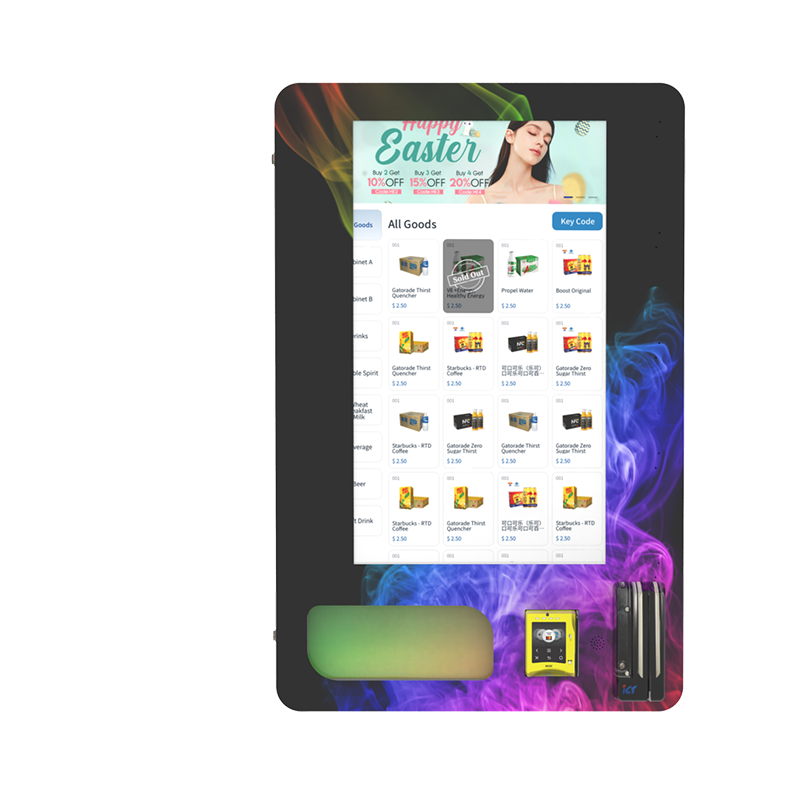
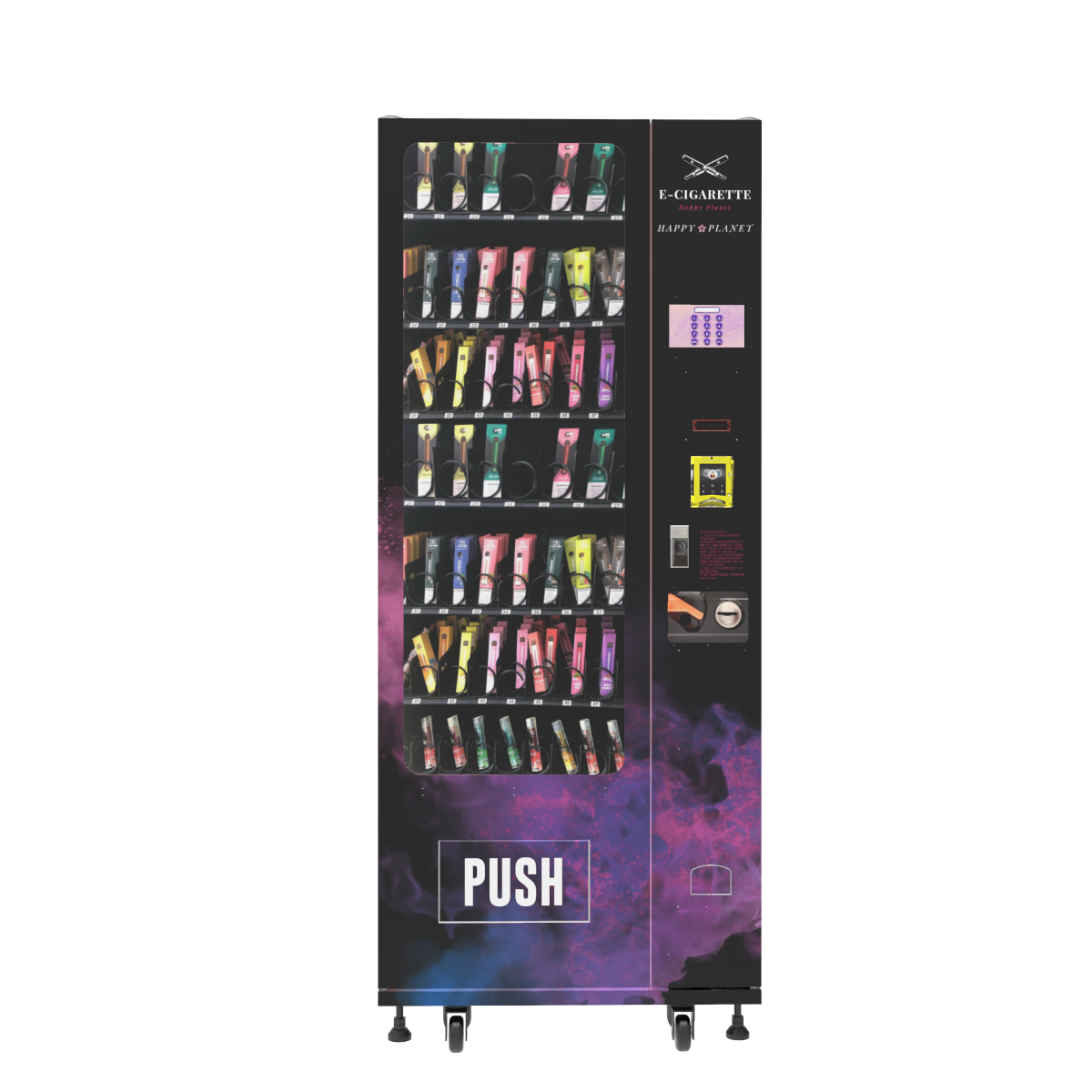
Yes, but only in an extremely narrow setting. In 2026, the short answer to are vape vending machines legal in Colorado is no for ordinary retail floors, convenience stores, mixed-access shops, and any location where underage entry is possible. The controlling rule is simple: tobacco products, nicotine products, and related vape sales cannot be offered through a vending machine in the standard retail environment. That makes most unattended vape machine concepts illegal unless the machine is placed in a tightly controlled adult-only setting and the operator clears every licensing, access-control, and compliance requirement before launch. For store owners, distributors, and route operators, the real question is not whether the hardware exists. It does. The real question is whether the operating model, access control, age verification, payment flow, product mix, and location design are strong enough to keep the machine out of trouble.
If you are planning to place a smart vending machine, self-service kiosk, or ID scan vending machine for regulated products, this guide will help you separate what looks possible from what is actually practical. It also covers setup costs, risk points, machine features that matter, common mistakes, and what experienced operators do instead when they want compliant unattended retail.
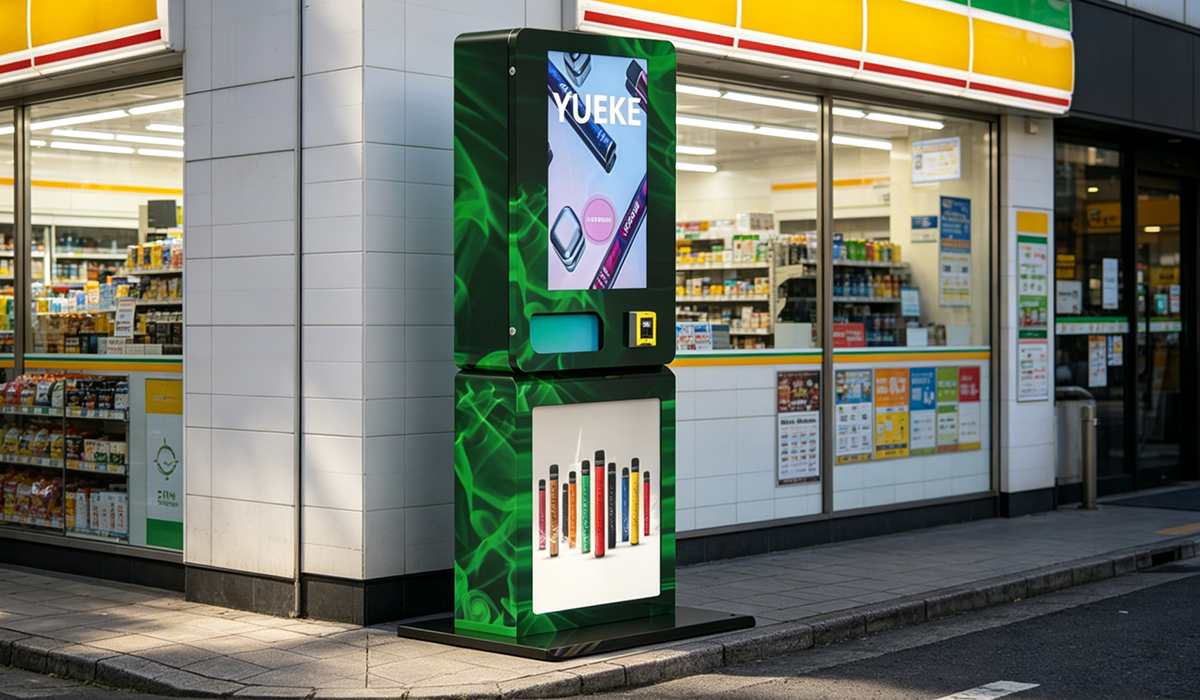
The legal answer in one paragraph
For most businesses, are vape vending machines legal in Colorado can be answered in one sentence: not in the ordinary retail setting. The state’s tobacco code prohibits retailers from selling cigarettes, tobacco products, or nicotine products through a vending machine or other coin-operated machine, with a narrow exception tied to cigarette sales in a restricted gaming environment.[1] In plain English, a vape machine in a store open to the general public is the wrong starting point. Even if the machine has facial age estimation, ID scanning, or staff approval software, the machine itself does not override the rule. A smart vending machine can support compliance, but it cannot create legality where the placement model is prohibited by law.
That distinction matters because many first-time buyers focus on hardware before they study the operating environment. In real projects, that is backward. The lawful model comes first. Machine configuration comes second. Product loading comes third.
What the rule means for real operators
When owners ask me whether they can place a vape vending unit in a smoke shop, bar, hotel lobby, club, or convenience site, I break the answer into three layers: machine legality, location legality, and transaction legality. All three have to work together. If even one fails, the machine becomes an expensive compliance risk.
Layer 1: machine legality
The machine must be built for age-restricted sales. That means controlled dispensing, audit logs, restricted product mapping, cashless reporting, and a reliable age-verification path. In a regulated category, a basic snack machine converted for vape products is usually the wrong tool.
Layer 2: location legality
The site matters more than most buyers think. A machine in a mixed-access retail area is treated very differently from a machine located inside a truly controlled adult-only environment. If underage persons can walk in, stand near the machine, or purchase through weak oversight, the operator is exposed. This is where many projects fail long before the first sale.
Layer 3: transaction legality
The sale flow has to prove age control, product control, and store control. That includes license alignment, staff procedures, ID-check workflow, warning signage, and back-end records. If a retailer cannot explain exactly how every transaction is screened and documented, the machine is not ready.
Why so many operators get this wrong
The phrase are vape vending machines legal in Colorado sounds like a hardware question, but in practice it is an operations question. Over the years, I have watched buyers make the same five mistakes again and again:
- They assume an ID scanner automatically makes any placement legal.
- They confuse “adult products” with “adult-only access.” Those are not the same thing.
- They buy a machine before confirming licensing and site restrictions.
- They rely on verbal assurances from landlords, distributors, or installers.
- They do not build a written compliance workflow for staff and managers.
That last point is bigger than it seems. A machine does not operate itself in the legal sense. Someone owns the license exposure, someone loads the products, someone answers for failed checks, and someone has to document how the system is controlled. In every successful rollout I have seen, the operator treated the machine like a regulated retail counter, not like a passive box on the wall.
What a compliant setup usually requires
If you are still evaluating whether are vape vending machines legal in Colorado has a workable path for your business model, start with a compliance-first checklist instead of a product catalog. A serious age verification vending machine for regulated products should include the following:
| Requirement | Why it matters | Minimum standard |
|---|---|---|
| Controlled access location | Reduces exposure to underage entry | Adult-only access rules clearly enforced |
| ID verification | Supports age screening at point of sale | Government ID scan or equivalent approved workflow |
| Cashless audit trail | Improves transaction records | Card or contactless reporting with timestamps |
| Remote monitoring | Flags tampering and operational failures | Cloud dashboard with logs and alerts |
| Product channel control | Prevents wrong-item dispensing | SKU-level mapping and locked selections |
| Staff override rules | Clarifies responsibility | Written escalation process for failed checks |
| Warning signage | Required in regulated sales contexts | Posted and visible at the machine |
| Maintenance records | Shows control of the sales system | Service, refill, and incident logs retained |
A true self-service kiosk for this category needs stronger controls than a normal vending device. That is why purpose-built machines tend to outperform retrofits. Retrofit units can look cheaper on day one, but they usually cost more in operational friction, failed age-check flow, payment integration problems, and after-sales repairs.
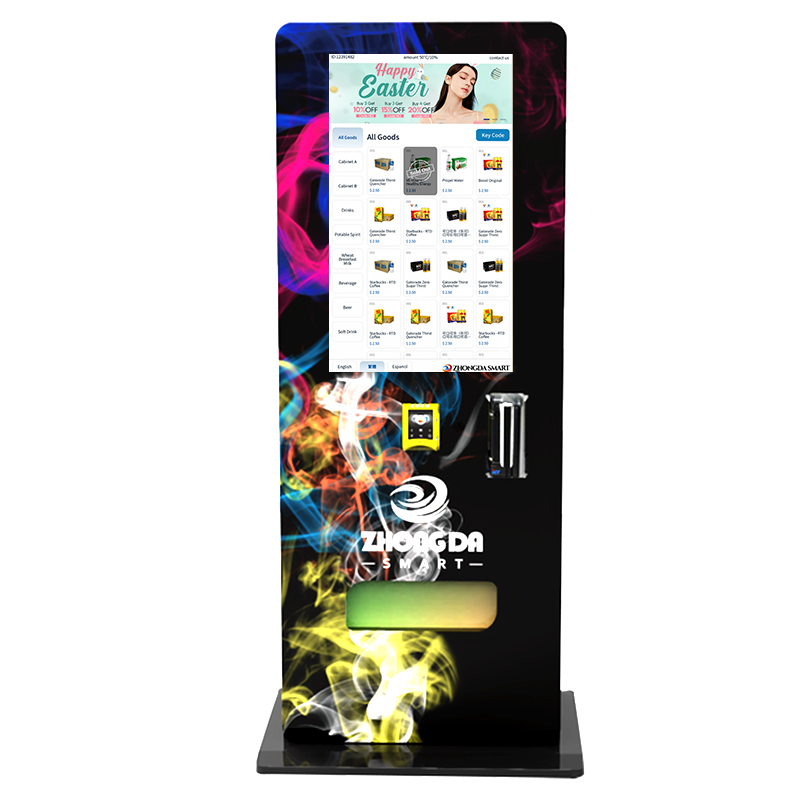
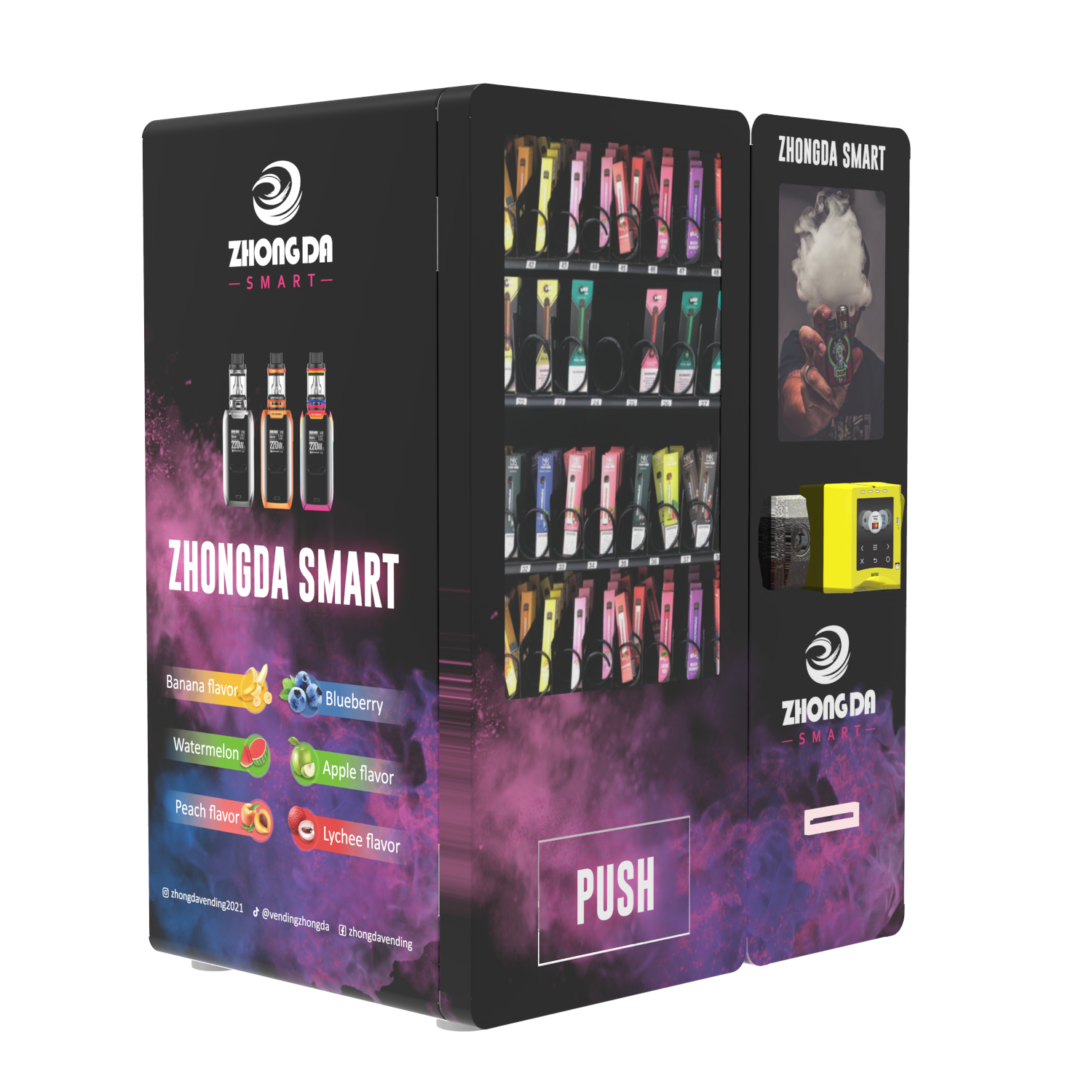
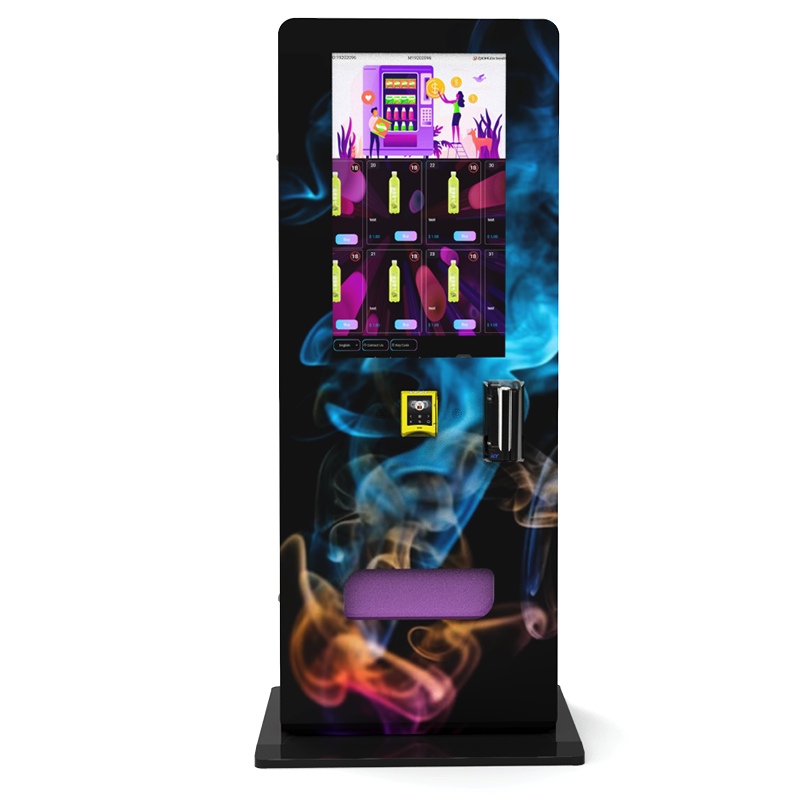
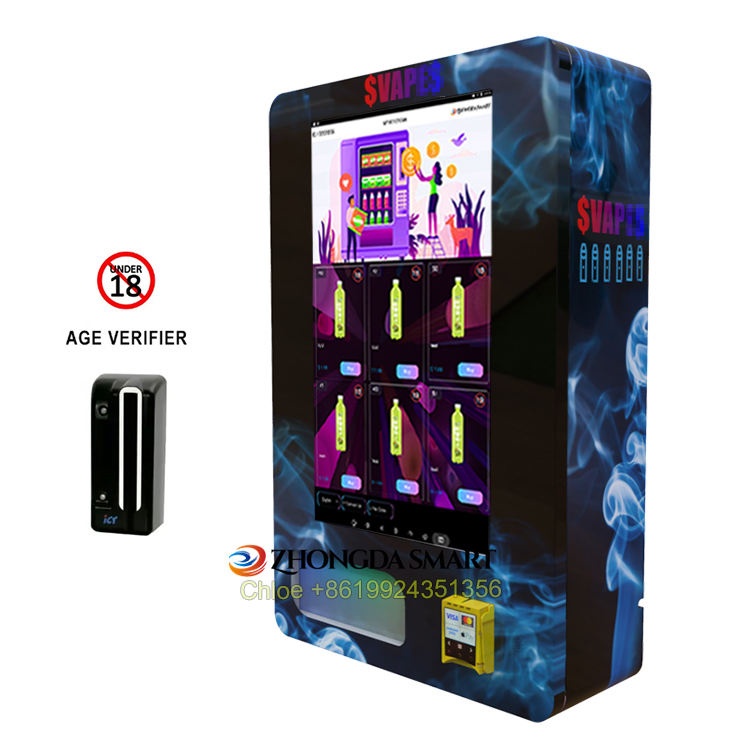
For operators comparing hardware, Zhongda Smart’s vape vending machine lineup is a good place to review feature combinations such as age verification options, remote monitoring, and adult-product configuration. For smaller footprints, the 32-inch touchscreen vape vending model shows the kind of compact format many operators consider when floor space is tight. If the project calls for a more regulation-forward enclosure, the compliant e-cigarette vending machine page is useful for comparing legal-safety-oriented hardware features.
What the economics look like before you buy
Even when buyers start with are vape vending machines legal in Colorado, the conversation almost always moves to cost and payback. That makes sense. A machine can be technically impressive and still be a weak investment if the site is wrong or the product mix is off.
Across the U.S., the vending machine operator industry is sizable. IBISWorld places the 2026 U.S. vending machine operator market at about $7.9 billion.[2] Grand View Research estimates the U.S. retail vending machine market at roughly $15.02 billion in 2024 with projected growth to $19.95 billion by 2033.[3] Those figures matter because they show the bigger trend: unattended retail is not fading. It is maturing. But regulated categories require much tighter execution than snack or beverage routes.
Below is a realistic budgeting framework for a regulated-product machine project. These are planning ranges, not universal price promises, because capacity, enclosure size, payment stack, telemetry, branding, and age-check modules change the total.
| Cost item | Typical planning range | Notes |
|---|---|---|
| Machine hardware | $2,800-$8,500+ | Depends on screen size, build quality, and module set |
| Age verification module | $300-$1,500+ | ID scan, camera support, or integrated third-party stack |
| Cashless payment integration | $250-$900+ | Reader, gateway, certification, regional settings |
| Branding and cabinet customization | $200-$1,200+ | Wraps, UI themes, OEM design changes |
| Shipping and installation | $400-$2,000+ | Varies by freight class and site conditions |
| Software and telemetry | $10-$80 per month | Remote monitoring, SKU reports, alerts |
| Compliance admin | Varies | Licensing, legal review, staff procedures, signage |
If you want a broader equipment overview before narrowing the build, Zhongda Smart’s custom vending machine section is helpful for understanding which cabinet styles can be adapted for regulated self-service retail. For budgeting context, the company’s buy vape vending machine guide is also relevant because it outlines common feature and ROI considerations in a more general way.
A practical ROI model operators can actually use
Many buyers ask me for a single ROI number. That is the wrong question. Payback depends on margin per sale, traffic quality, refill discipline, shrinkage, downtime, and whether the site already serves adult buyers. A machine in the wrong location can lose money even with strong hardware. A well-placed age-gated smart vending machine can pay back faster than expected if product turns are healthy and the sales mix is controlled.
Here is a simple example for planning:
| Metric | Conservative case | Strong case |
|---|---|---|
| Transactions per day | 6 | 15 |
| Average gross profit per transaction | $6 | $8 |
| Monthly gross profit | About $1,080 | About $3,600 |
| Estimated monthly software/payment/site costs | $180 | $350 |
| Estimated monthly operating contribution | About $900 | About $3,250 |
| Illustrative payback on a $6,000 project | 6.7 months | 1.8 months |
These are illustrative, not guaranteed. In the real world, the largest variables are traffic quality and compliance friction. If the age-check flow is too slow, customers abandon. If the machine is too open, the legal risk goes up. If the refill cadence is weak, your best SKUs sit out of stock. That is why experienced operators focus less on the machine headline price and more on total operating fit.
Which machine features actually matter
When buyers compare devices, they often chase the longest feature list. That is rarely the best buying method. What matters is whether the machine reduces risk, simplifies the sale, and keeps service calls down. A regulated ID scan vending machine should do a few things exceptionally well:
- Reliable ID workflow: Scanning should be fast, readable, and easy to understand on-screen.
- Clear user interface: If buyers do not know where to tap, scan, or confirm, conversions drop.
- Stable dispensing: Vape devices, pods, cartridges, and boxed products need consistent channel fit.
- Remote management: Operators should see stock levels, errors, payment status, and door alerts without visiting the site.
- Flexible cabinet design: A wall-mounted unit works for some sites; a freestanding cabinet works better for others.
- Cashless first: In regulated retail, digital records are often easier to manage than cash handling.
- Modular upgrades: It helps when readers, scanners, camera modules, and firmware can be upgraded later.
In my experience, the best-performing machine is not always the most expensive one. It is the one that fits the product dimensions, the traffic pattern, and the operator’s ability to enforce rules every day. That is why source-factory support matters. Zhongda Smart, as a manufacturer focused on OEM and custom vending solutions, is worth considering when you need a machine platform that can be configured around age verification, remote telemetry, cabinet size, and branded interface requirements rather than forcing your operation into a generic machine template.
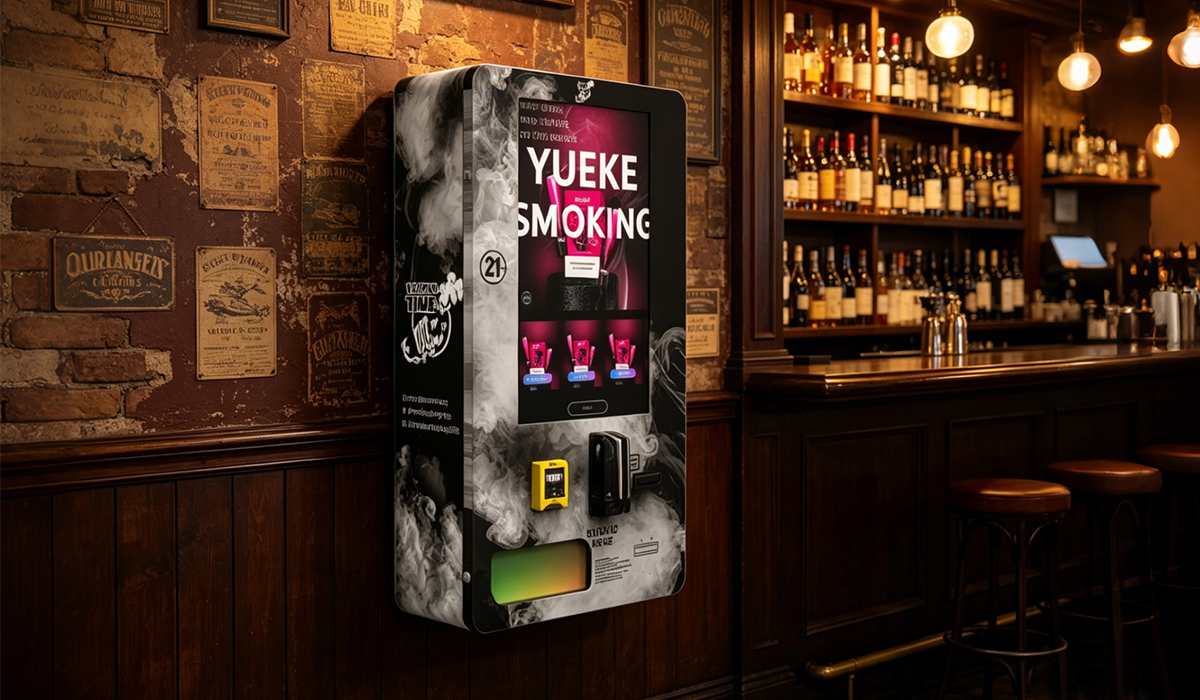
Placement strategy matters more than the machine
The question are vape vending machines legal in Colorado leads many buyers to obsess over the cabinet. But seasoned operators know the cabinet is only one part of the equation. Placement determines traffic quality, compliance exposure, power availability, service access, and refill efficiency.
Good placement signals
- Adult customer base already established
- Controlled entrance and monitored interior
- Reliable power and network stability
- Clear machine sightlines for staff or management
- Enough wall or floor space for safe service access
- Low vandalism and low tampering risk
Bad placement signals
- Mixed-age traffic with weak door control
- Entrance areas that invite unsupervised interaction
- Poor network reliability for age-check or payment flow
- High-crowd venues where queueing becomes chaotic
- Unclear responsibility between landlord, tenant, and operator
I have seen more projects fail because of bad placement than bad hardware. A strong self-service kiosk in the wrong environment is still the wrong project.
What operators should do before spending a dollar
Before you place an order, walk through this sequence:
- Confirm the retail model. Do not assume your site qualifies just because it sells adult products.
- Check licensing and administrative requirements. Written confirmation beats assumptions every time.
- Map the customer journey. Entry, product browse, age check, payment, dispense, receipt, and service support should all be defined.
- Match cabinet size to your top SKUs. The wrong coil, spiral, or shelf plan creates jams and refunds.
- Decide on service ownership. Who handles stock, software alerts, refunds, and failed ID checks?
- Build your recordkeeping. Logs, signage, software reports, and maintenance records should be ready before launch.
This is where experienced manufacturers add real value. A factory that has built multiple age-restricted vending formats can often spot problems early, such as poor screen placement, weak scanner ergonomics, bad cabinet depth for packaged devices, or payment-reader positioning that slows checkout. The difference between a basic machine supplier and a true manufacturing partner usually shows up here.
What a safer business model looks like in 2026
For many operators, the most realistic path is not “drop a machine anywhere and hope.” It is to design a tightly controlled unattended retail point with documented workflows. That means:
- Adult-only access policies that are actually enforced
- Transaction-level age screening
- Staff visibility or management oversight
- Machine logs tied to payment events
- SKU discipline instead of random assortment loading
- Regular test purchases and internal audits
Federal law already sets the minimum legal sales age for tobacco products at 21.[4] At the same time, the 2024 FDA final rule updated federal retail requirements tied to age verification and youth access controls.[5] That broader policy direction tells operators something important: enforcement is moving toward tighter proof, not looser interpretation. In other words, smart hardware helps, but policy pressure is flowing toward stronger controls, clearer records, and less room for casual retail shortcuts.
My blunt advice after years in machine manufacturing and operations
If a buyer asks me today, are vape vending machines legal in Colorado, I do not start by selling a machine. I start by testing the business model. If the plan depends on weak access control, a vague age-check process, or the idea that a touchscreen somehow solves a legal restriction, I tell them to stop. If the plan starts with a controlled environment, clear compliance ownership, reliable age verification, strong telemetry, and a manufacturer that can tailor the machine to the actual retail flow, then the conversation becomes serious.
That is also why I recommend working with a source factory rather than a trader when the project is sensitive. A factory can change cabinet depth, dispense channel size, scanner placement, branding, motherboard options, payment integration, and service structure. A trader usually cannot. Zhongda Smart stands out here because the company presents itself as a source manufacturer with OEM and custom support, which is exactly the kind of capability that matters when a project needs hardware aligned to a regulated sales workflow rather than a one-size-fits-all cabinet.
Bottom line
So, are vape vending machines legal in Colorado in 2026? For normal retail placement, no. The state rule is restrictive, and operators should assume that a general-public vape machine is the wrong move unless a very narrow and tightly controlled legal pathway clearly applies. The machine itself is only part of the answer. The real determinants are placement, access control, licensing, transaction design, recordkeeping, and daily enforcement.
If your goal is to build a serious adult-product vending project, think like a compliance operator first and a machine buyer second. Use an age verification vending machine, not a converted snack box. Use cloud monitoring, not guesswork. Use documented procedures, not verbal assumptions. And if customization is necessary, work with a manufacturer that can build the machine around the operating model instead of forcing the operating model around the machine.
Frequently Asked Questions
Can a store make a vape vending machine legal just by adding ID scan technology?
No. Age-check technology can support compliance, but it does not automatically override placement restrictions or location rules. Hardware helps execution. It does not replace the legal framework.
Is a cashless vending machine better than a cash machine for regulated products?
Usually yes. Cashless systems create cleaner transaction records, simplify reconciliation, and support better audit trails. For age-restricted retail, that operational clarity is valuable.
What type of machine is best for vape products?
A purpose-built vape vending machine or smart vending machine with age verification support, remote monitoring, strong channel control, and a user-friendly interface is usually the best fit. Product size consistency and cabinet design matter a lot.
What is the biggest mistake first-time buyers make?
They buy hardware before validating the site model. The legal and operational fit of the location should be confirmed before the machine order is placed.
How fast can a well-run machine pay back?
It depends on traffic, margin, operating costs, and downtime. In a good site, payback can be relatively fast. In a weak site, even a good machine struggles. A careful planning model is more useful than a generic ROI promise.
Why consider Zhongda Smart for this type of project?
Because regulated self-service projects often need custom cabinet structure, age-check options, telemetry, branding, and product-lane configuration. A source manufacturer with OEM capability is usually better positioned to deliver that than a reseller.
Sources
- Colorado Tobacco Code, section 44-7-103
- IBISWorld, Vending Machine Operators in the U.S. market size
- Grand View Research, U.S. retail vending machine market report
- FDA, Tobacco 21
- Federal Register, FDA final rule on minimum age and verification requirements
Disclaimer: This article is for informational purposes only and is not legal advice. Operators should confirm all licensing, access-control, and retail requirements before launching any age-restricted vending program.