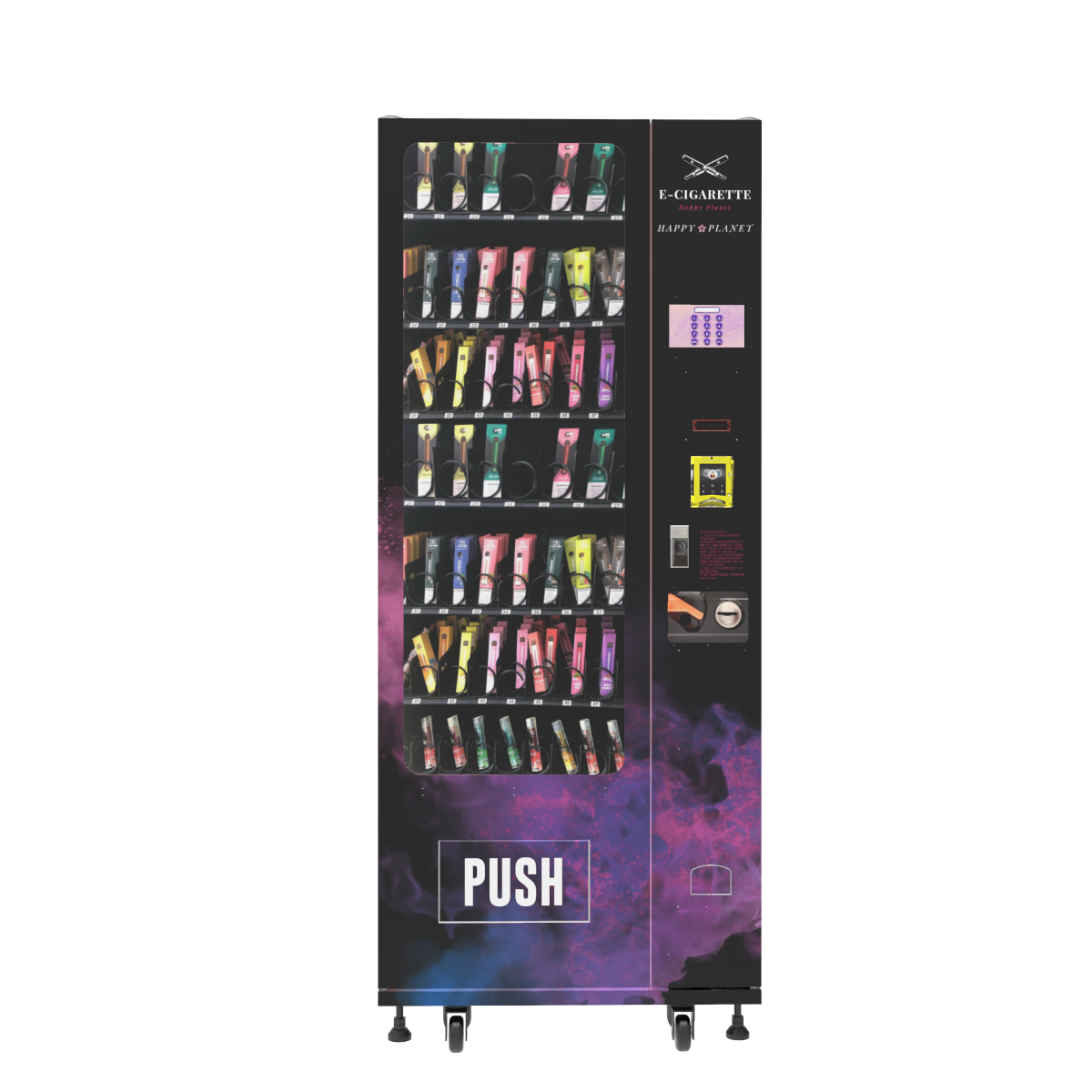
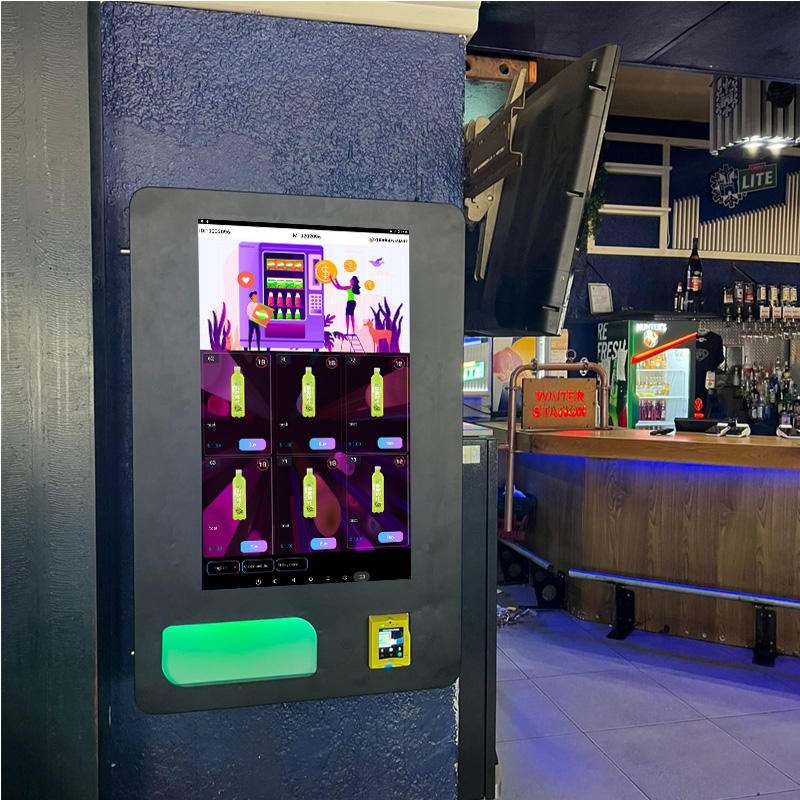
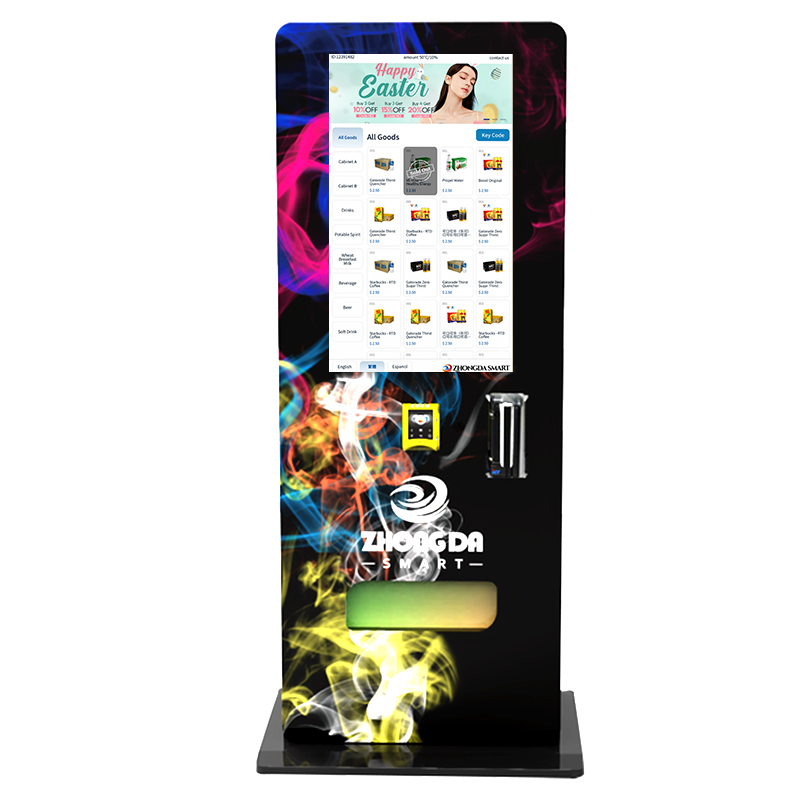
What Is a Vape Vending Machine? In simple terms, it is a secure self-service retail machine built to store, verify, and dispense vape products through an automated sales process. Unlike a standard snack machine, it is usually designed for age-restricted sales, cashless checkout, product tracking, and tighter inventory control. A well-built unit can do much more than release a product after payment. It can support age verification, show live stock status, log every transaction, and give operators remote access to pricing and machine health. That is why more store owners and vending operators now see it as a smart retail tool rather than just another cabinet on the floor. If you are new to this category, the real question is not only what it is, but how it works, what features matter, how much it costs, and whether it can make money. This guide covers all of that in a clear, practical way.
Quick Answer
A vape vending machine is an automated retail machine designed for controlled vape product sales.
Most serious models support age verification, cashless payment, secure dispensing, and remote monitoring.
It is often used to reduce counter traffic, improve inventory control, and create a cleaner buying experience.
The right machine depends on product size, sales volume, compliance needs, and software quality.
Profit usually comes down to location quality, SKU mix, refill discipline, and machine uptime.
What a vape vending machine actually does
A vape vending machine is a purpose-built automated retail unit for vape products and related accessories. The best models combine secure storage, a controlled customer interface, digital payment, and backend management in one system. That matters because restricted-product vending needs more control than ordinary impulse-product vending.
In day-to-day use, the machine acts like a compact self-service kiosk. A customer browses the product list, completes any required verification step, pays, and collects the item from a secure pickup area. On the operator side, the machine records the transaction, updates stock levels, and can send that information to a cloud dashboard. That gives the business owner a cleaner view of what is selling, what needs restocking, and when something needs attention.
That is the basic answer to What Is a Vape Vending Machine: it is a controlled, data-driven retail machine made for unattended vape sales, not just a repurposed cabinet with a card reader attached.
How it works in a real retail setting
The workflow is usually straightforward, but the details matter. A machine that looks good on paper can still be frustrating if the user flow is slow or the channels are poorly matched to the products inside. Good machines keep the process short, clear, and reliable.
1. Product display and selection
The customer sees products through a glass front, touchscreen catalog, or both. Better machines can show product names, nicotine strength, flavor labels, accessory bundles, and stock status without making the screen feel crowded.
2. Age verification or approval step
For controlled retail, the age-check process is one of the biggest differences between a vape machine and a normal vending setup. Depending on the configuration, the machine may work with ID scanning hardware, a staff approval flow, or another supported verification path. This is where machine selection stops being cosmetic and becomes operational.
3. Payment
Most modern units are built around cashless payment. Card, tap, and wallet-based checkout reduce friction and make the process quicker for both the customer and the operator. In unattended retail, payment convenience often has a direct effect on conversion.
4. Secure dispensing
After payment and approval, the selected item is dispensed into a collection box or pickup bay. Strong channel design matters here. Poor fit between product size and dispensing system is one of the most common causes of jams, damaged packaging, and service calls.
5. Sales and stock reporting
Once the sale is complete, the system records the transaction and adjusts the inventory count. Machines with remote monitoring make it possible to track low stock, machine faults, and sales trends without checking the cabinet manually every day.
| Stage | What Happens | Why It Matters |
|---|---|---|
| Browse | The customer views products and prices | Improves clarity and speeds decisions |
| Verify | The machine runs an age-check or approval step | Supports controlled sales |
| Pay | The customer uses card or contactless payment | Shortens checkout time |
| Vend | The selected item is dispensed securely | Reduces errors and protects inventory |
| Report | The machine updates sales and stock data | Helps with restocking and margin control |
How a vape vending machine is different from a regular vending machine
One of the biggest mistakes first-time buyers make is assuming all vending cabinets work the same way. They do not. A machine that works perfectly for snacks or drinks may be the wrong fit for vape products, especially if control, reporting, and age-check functions matter.
| Feature | Vape Vending Machine | Regular Vending Machine |
|---|---|---|
| Product Type | Age-restricted vape products and accessories | General consumer items |
| Verification | Often includes age verification or approval logic | Usually no restricted-access control |
| Merchandising | Often uses touchscreen catalog and product detail display | Usually simpler selection flow |
| Payment | Typically cashless-first | May support cash, coin, or limited card options |
| Security | Higher emphasis on cabinet locks and controlled pickup | Standard security is often enough |
| Software | More likely to include telemetry and remote management | Can be basic or semi-connected |
| Compliance Fit | Built around controlled retail workflow | Not usually designed for restricted categories |
If you are trying to understand What Is a Vape Vending Machine, this comparison is the clearest place to start. It is not simply a vending cabinet with different products inside. It is a more controlled retail system.
Why more operators are paying attention to this category
This category sits at the intersection of two larger trends: automated retail growth and demand for cleaner self-service buying experiences. According to Grand View Research, the global vending machine market was valued at billions of dollars in recent reporting and is projected to continue growing steadily, driven in part by wider adoption of smart vending technology. In separate market reporting, the vape category itself also remains substantial in size. Those numbers do not guarantee a successful project, but they do explain why more buyers are looking at specialized machines instead of relying on only staffed counter sales.
There is also a practical labor reason behind the shift. Counter staff spend a surprising amount of time on simple repeat transactions. A good machine can take pressure off those moments without turning the store into a cold or impersonal space. When it is done right, the customer gets a quicker purchase, and the operator gets better control over stock and transaction flow.
From an operations standpoint, the appeal is usually built on four things:
Faster routine transactions
Lower counter congestion during busy periods
Better visibility into fast-moving and slow-moving SKUs
More consistent sales data for pricing and restocking decisions
The features that matter most
Buyers often spend too much time looking at cabinet photos and not enough time reviewing what is actually inside the system. The most useful question is not which machine looks impressive. It is which one can handle your products, your payment flow, your approval process, and your support needs without creating daily headaches.
Age verification support
This is one of the first features serious buyers should evaluate. A machine designed for restricted-product sales should support a clear approval workflow. That could involve ID hardware, integrated logic, or a controlled release process tied to store procedures.
Cashless payment
Cashless checkout is no longer a nice extra. It is close to a baseline requirement. The Federal Reserve’s consumer payment reporting has shown that electronic payment use remains a major part of daily transaction behavior, which helps explain why unattended retail increasingly leans toward card and contactless systems.
Remote monitoring
Remote access can save a huge amount of time. Instead of walking up to the machine to discover a low-stock problem or vend fault, the operator can review sales, stock status, and alerts from a backend dashboard. That is where a smart vending machine starts separating itself from a basic cabinet.
Reliable product channels
This sounds simple, but it is where many projects fail. If the coil size, slot width, push system, or pickup path does not match the actual packaging, service calls go up fast. A machine should be specified around the real SKU dimensions, not generic estimates.
Touchscreen or digital merchandising
A larger screen can make browsing easier and create room for better product presentation, accessory suggestions, and pricing clarity. It can also make the machine feel more like a premium self-service kiosk than a basic vending unit.
Must-have: secure cabinet, payment support, strong vend reliability, approval workflow, reporting
Nice to have: touchscreen catalog, branded interface, promotional display, telemetry alerts
Never cut corners on: service access, spare parts, software stability, and channel fit
What products can go inside
A vape vending machine can hold more than just one product type, but the product mix needs discipline. The strongest results usually come from stocking fast-moving items first, then adding accessories only after the sales pattern becomes clear.
Common product categories include:
Disposable vape devices
Pod systems
Replacement pods or cartridges
Selected accessories
Small bundle offers that lift average order value
Too many first-time operators try to treat the machine like a mini warehouse. That usually hurts more than it helps. In practice, tighter SKU selection tends to improve sell-through, simplify refills, and reduce the odds of a poor channel match.
What it costs and what drives the price
When buyers ask for pricing, they often expect one clean number. In reality, the price depends on hardware depth, software features, payment setup, cabinet size, branding, and whether the machine includes advanced approval or reporting tools. That is why two cabinets that look similar in photos can have very different project costs.
The main cost drivers usually include:
Cabinet size and steel structure
Screen size and interface design
Cashless payment hardware
Age verification hardware or workflow support
Remote management software
Custom branding and OEM or ODM changes
Spare parts and after-sales service plan
| Cost Factor | Lower Complexity Setup | Higher Complexity Setup |
|---|---|---|
| Cabinet | Compact or mini format | Freestanding high-capacity model |
| Display | Simple screen or button interface | Large interactive touchscreen |
| Payment | Basic payment support | Full cashless integration |
| Control Logic | Basic workflow | Advanced backend and telemetry |
| Verification | Simple approval path | Integrated age verification system |
| Customization | Standard cabinet finish | Custom cabinet, UI, and branding |
A practical quote should separate machine hardware, payment hardware, software, approval modules, and spare parts. That makes it much easier to compare real value across suppliers.
Can a vape vending machine be profitable?
Yes, it can. But profitability comes from discipline, not from simply installing a machine and waiting for it to perform. The businesses that get good results usually have the right product mix, good machine uptime, sensible pricing, and a clear restocking routine. The ones that struggle often buy the wrong format, overload it with weak SKUs, or choose a site that looks busy but does not convert.
When I review the profit potential of a machine, I look at five things first:
Average sale value
Daily transaction count
Gross margin by SKU
Machine uptime and service frequency
Out-of-stock rate
That is a much better starting point than vague promises about “passive income.” A machine can earn well, but only if the basics are handled properly. This is another reason the answer to What Is a Vape Vending Machine cannot stop at the hardware. It is also a retail system, and systems only work when the workflow is solid.
A simple ROI framework
Start with a basic monthly model. Multiply average sale value by average daily transactions and the number of sales days in a month. Then apply your gross margin and subtract payment fees, service costs, software, restocking labor, and machine depreciation. That quick calculation tells you whether the project deserves a serious rollout plan or more caution.
| Metric | Why It Matters |
|---|---|
| Average Sale Value | Shows how much each transaction contributes |
| Daily Transactions | Drives the top line more than cabinet size alone |
| Gross Margin | Determines whether revenue is actually useful |
| Uptime | Downtime kills conversion and repeat use |
| Out-of-Stock Rate | Strongly affects repeat purchase behavior |
Common mistakes first-time buyers make
Most weak projects start the same way: the buyer focuses on the cabinet first and the business model second. That usually leads to overspending in the wrong places and underplanning in the ones that matter.
Choosing a cabinet before confirming the real product dimensions
Picking the lowest quote without reviewing software or support
Ignoring the approval workflow for controlled sales
Loading too many slow-moving SKUs
Skipping remote monitoring to save a little upfront cost
Failing to plan service access and spare parts support
If a buyer asks me for one piece of advice before getting quotes, it is this: prepare the product list, packaging size, target capacity, expected daily traffic, and preferred payment flow first. The quote becomes much more useful once the supplier is working from actual business needs instead of rough guesses.
Which type of machine fits which kind of operation
Not every cabinet fits the same retail setup. The best choice depends on traffic level, available floor space, desired product range, and how much digital merchandising you want on the front end.
| Machine Type | Best Fit | Main Advantage | Main Limitation |
|---|---|---|---|
| Wall-mounted machine | Tighter retail spaces | Saves floor area | Lower capacity than larger cabinets |
| Freestanding model | Higher-volume operations | More SKU capacity | Takes more space |
| Mini or countertop format | Trial deployments | Lower entry barrier | Limited product range |
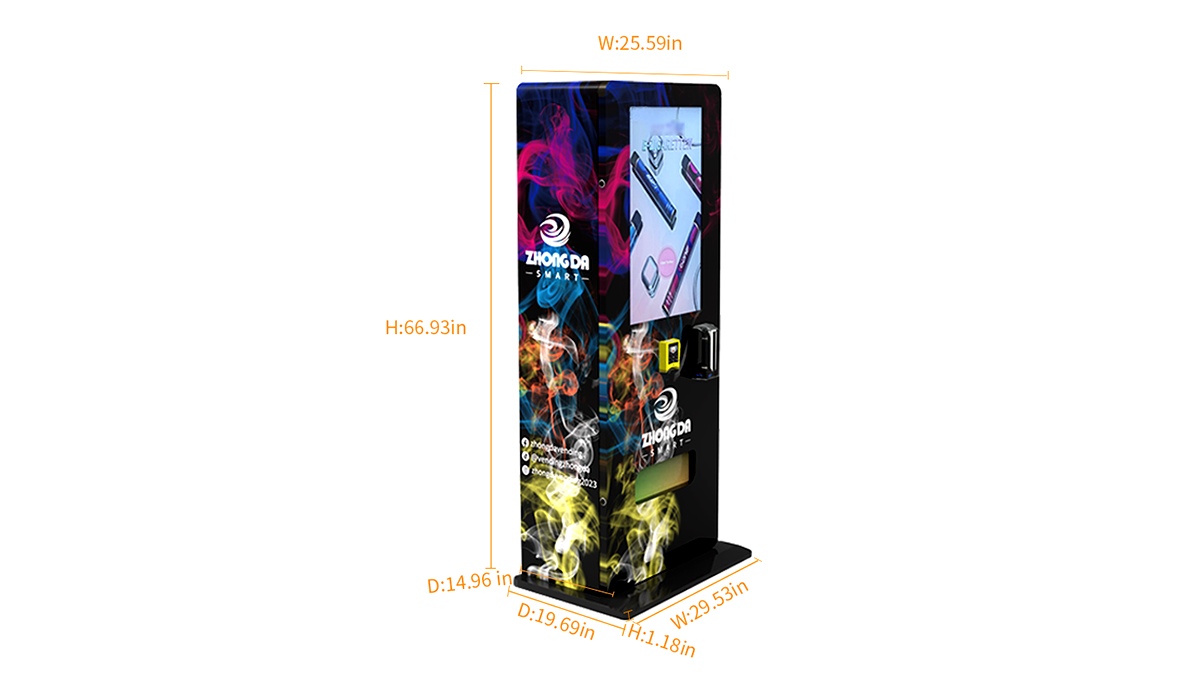
| Large touchscreen smart vending machine | Operators focused on digital merchandising | Better product presentation | Higher upfront cost |
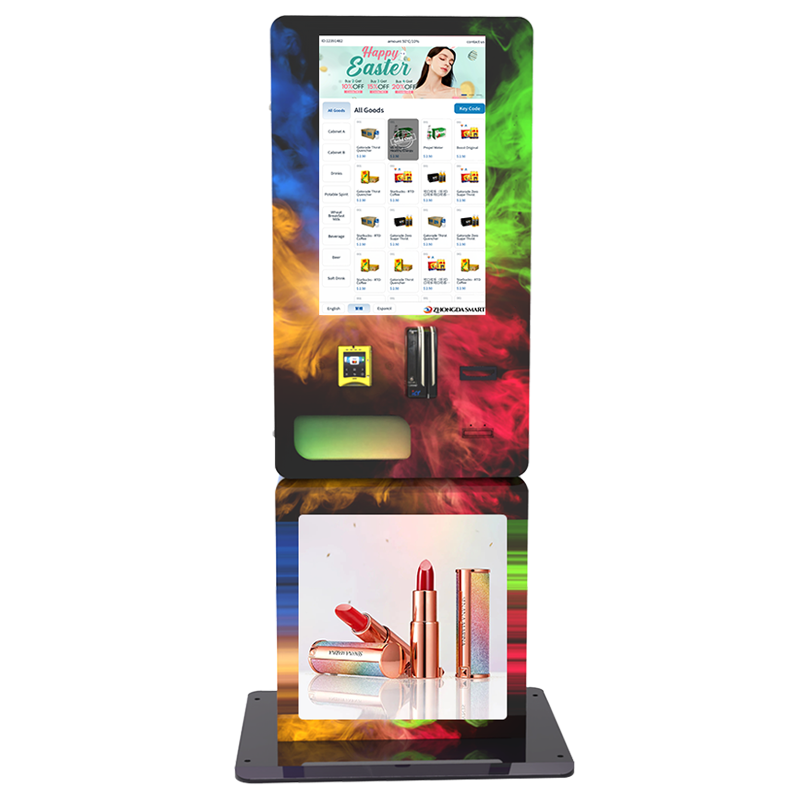
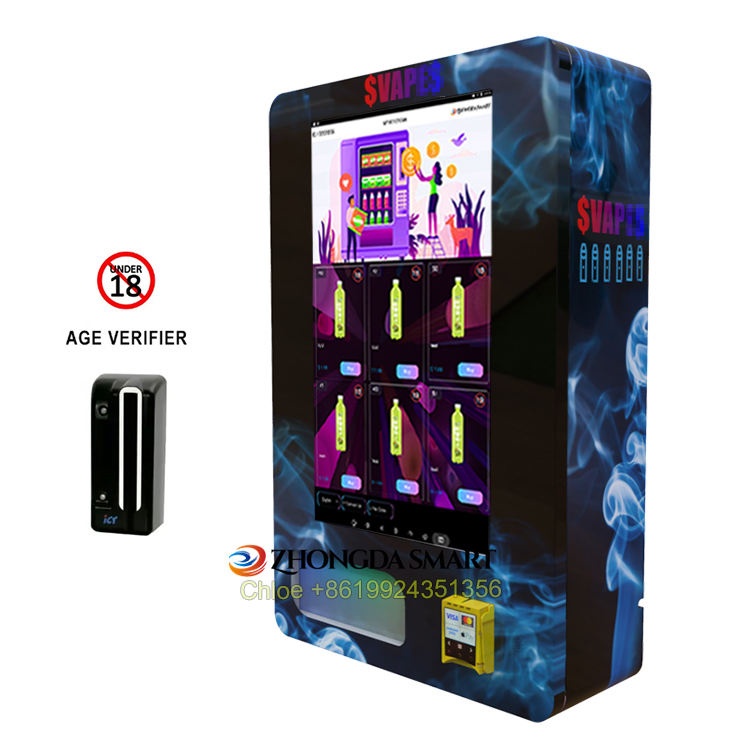
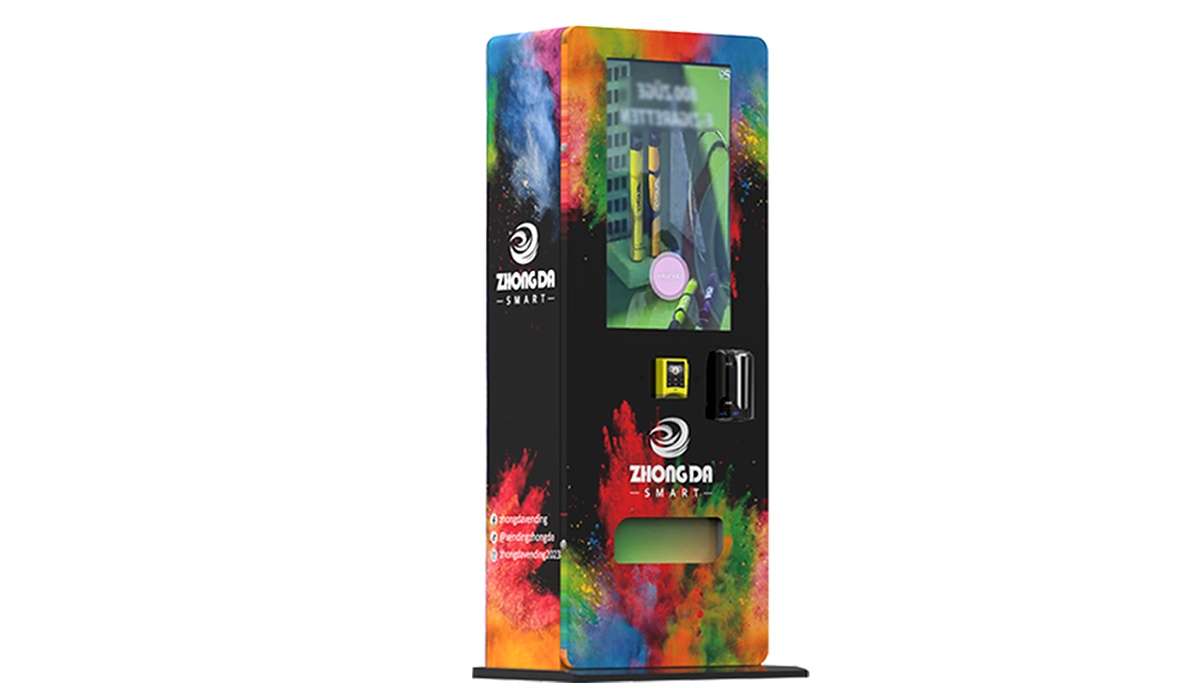
If you want a real product example for a compact footprint, this wall-mounted e-cigarette vending machine shows how a space-saving layout can still support touchscreen browsing and controlled sales. For operators who want a larger interface, this 32-inch touchscreen vape vending machine is a better reference point for digital merchandising and stronger front-end presentation.
Why software matters as much as the cabinet
Hardware gets attention because it is visible. Software is where a lot of the real value lives. Without a stable backend, even a solid cabinet becomes harder to manage. Pricing updates are slower, stock checks stay manual, and small problems can go unnoticed until they become lost sales.
A good backend should let the operator do at least the following:
Monitor live inventory levels
Adjust prices and promotions
Review transaction history
Track fault alerts and machine status
Control user permissions for staff or partners
This is also where the term smart vending machine starts to mean something real. It is not just about a large screen. It is about using machine data to improve decisions and reduce friction in the operating routine.
What to look for in a manufacturer or supplier
A good supplier should understand the machine as a complete system. That includes cabinet structure, dispensing fit, software, payment integration, service support, and customization depth. A seller who can only talk about appearance and price is rarely the right partner for a serious project.
When comparing suppliers, review these areas:
Cabinet quality and service access
Payment integration options
Age verification support
Telemetry and backend software
Spare parts and technical support
OEM or ODM flexibility
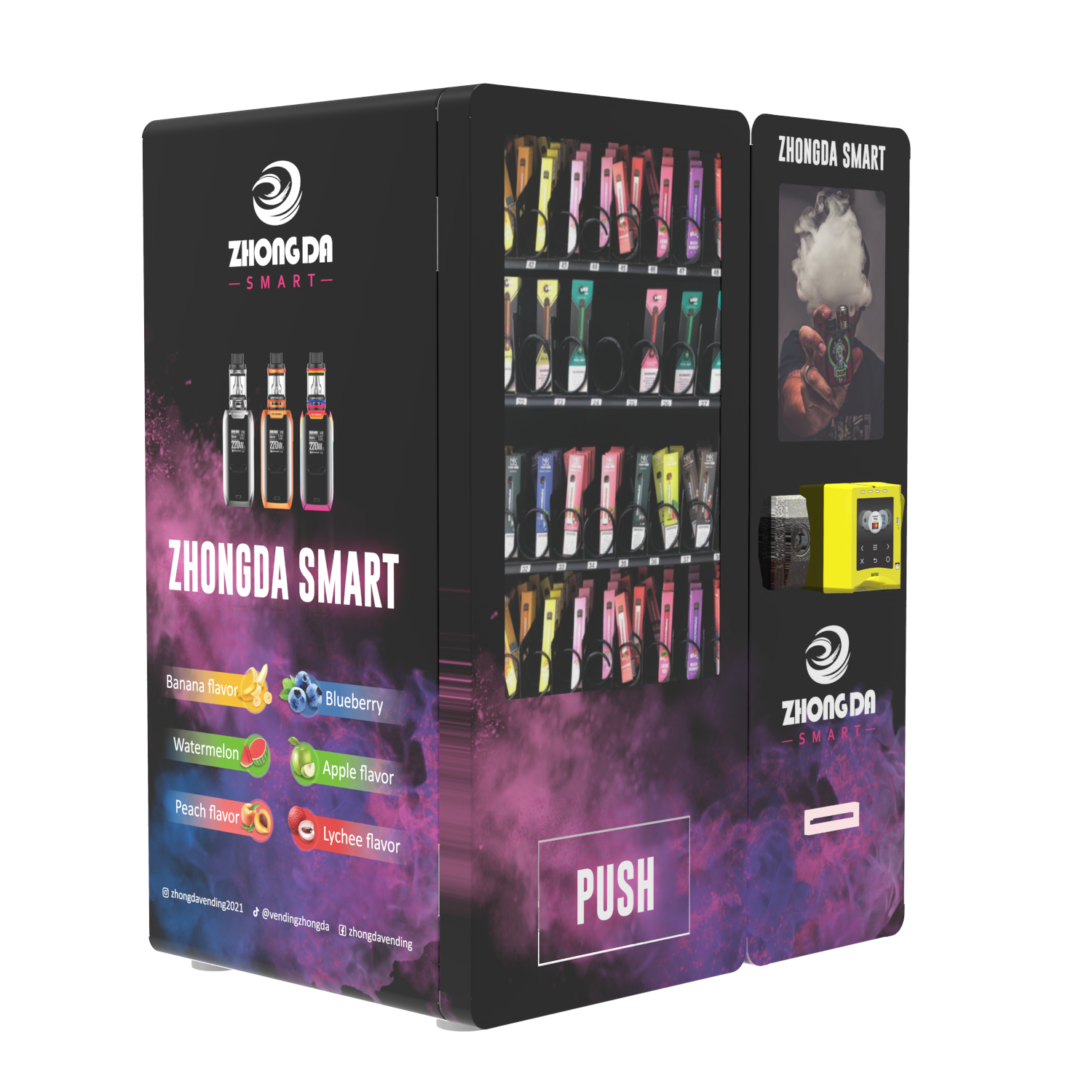
For buyers looking at factory-direct options, Zhongda Smart is one manufacturer worth reviewing because its current lineup includes age verification support, cashless integration, remote monitoring, and multiple cabinet formats. You can see the broader category on its vape vending machine product page, and the company background is outlined on the About Zhongda Smart page.
One practical point that often gets overlooked: ask how long spare parts usually take, how support is handled after delivery, and what kind of documentation comes with the machine. Those answers tell you a lot about what ownership will really feel like six months after installation.
A short buying checklist before you request a quote
The strongest machine projects usually start with a clean brief. Before requesting pricing, have these details ready:
Exact product dimensions and packaging style
Number of SKUs you want to stock
Expected daily traffic and transaction target
Preferred payment setup
Desired approval or age-check workflow
Screen size preference
Need for branding or custom exterior design
Whether remote monitoring is required
This list saves time, reduces quoting errors, and gives the supplier enough information to suggest a machine that fits the actual business instead of a generic product photo.
Final thoughts
What Is a Vape Vending Machine? It is a controlled automated retail system built for vape product sales, with stronger emphasis on payment convenience, product security, stock visibility, and approval workflow than a standard vending setup. The best machines help operators reduce counter friction, improve refill planning, and create a cleaner customer experience without making the process feel slow or complicated.
If you are considering one for your business, do not judge the machine by the cabinet alone. Look at the full picture: product fit, payment flow, software, service support, approval logic, and long-term operating ease. That is where the good projects separate themselves from the disappointing ones.
Frequently Asked Questions
Do vape vending machines need age verification?
They often need a controlled approval or age-check process to fit restricted retail use. The exact setup depends on the operating model and the rules that apply to the business.
Can a vape vending machine accept tap-to-pay or card payments?
Yes. Most modern machines are built around cashless payment and can support card and contactless checkout.
What products can a vape vending machine hold?
Depending on cabinet design, it can hold disposables, pod systems, replacement pods, cartridges, and selected accessories. Channel size should always be matched to real packaging dimensions.
How much profit can one machine generate?
That depends on traffic, average order value, margin, uptime, refill discipline, and how often the machine stays in stock. A machine can perform well, but only when the setup is right.
What is the difference between a vape vending machine and a regular vending machine?
A vape vending machine is usually built with stronger control features such as age verification support, cashless checkout, secure pickup, and backend reporting designed for restricted-product sales.
Is a wall-mounted vape vending machine worth it?
It can be a very good choice when floor space is limited and the operator wants a cleaner, more compact retail footprint without giving up touchscreen presentation or controlled sales flow.