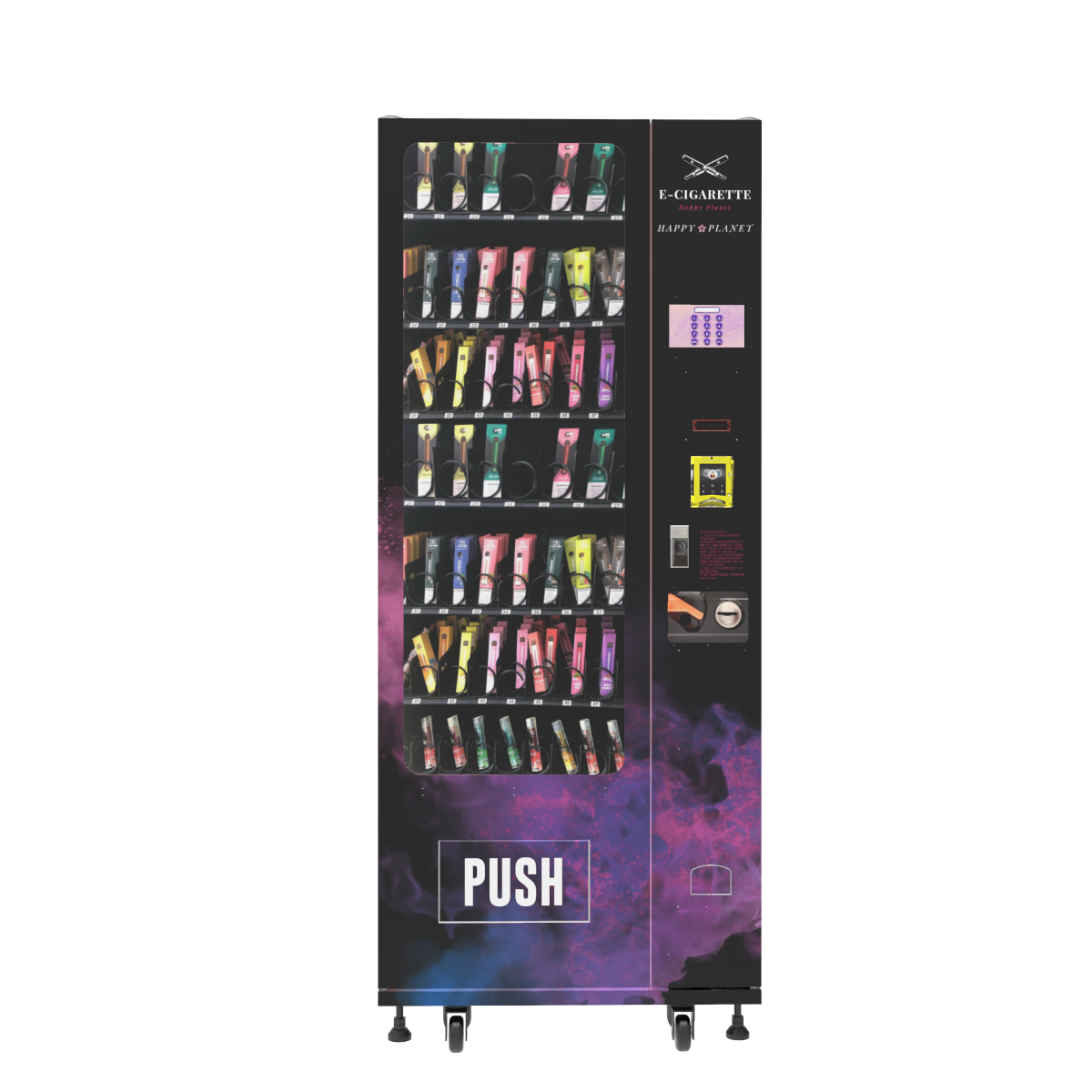
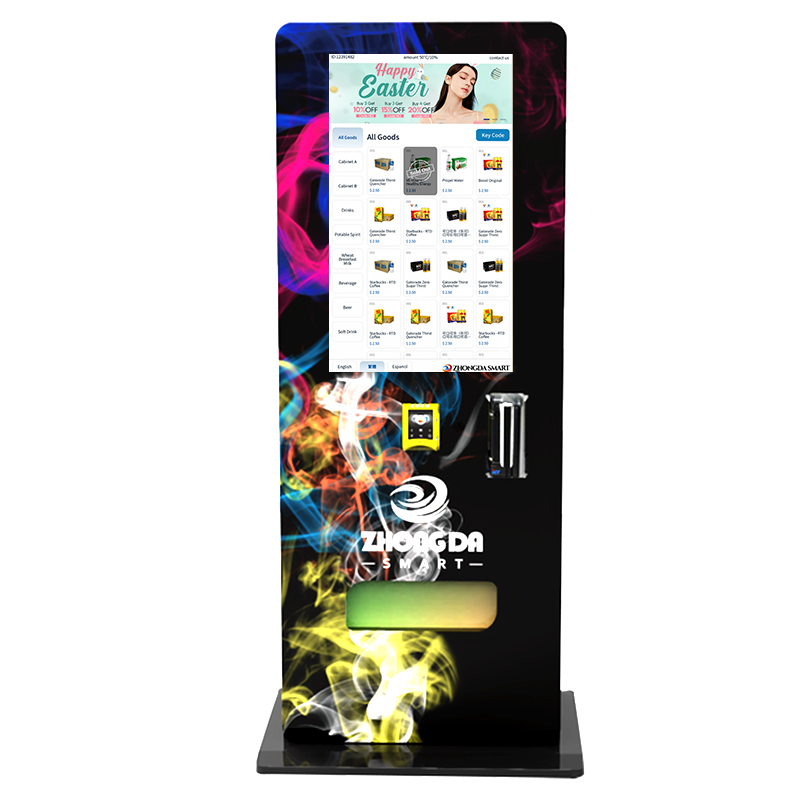
Yes, a vape vending machine can be legal in 2026, but only under a narrow set of conditions. The machine itself is not what makes the sale lawful or risky. What matters is where it is placed, who can reach it, how age is checked, and whether the operator can prove the sale was controlled from start to finish. That is the point many first-time buyers miss. They focus on the cabinet, the screen, and the payment terminal, then discover the real problem was the location or the sales process. If you are evaluating whether a vape vending machine legal setup is possible, the safest approach is to think like an operator, not just a buyer. Start with access control, build in age verification, and only then compare machines, software, and suppliers.
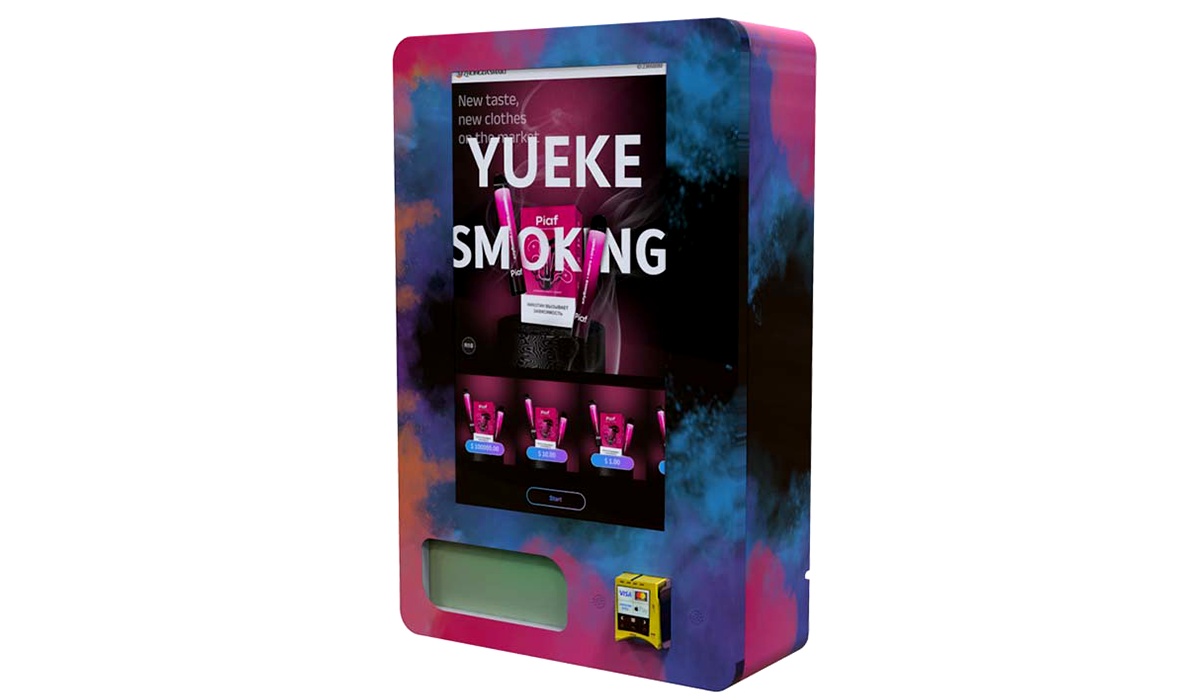
Quick answer: A vape vending machine can be lawful only when it is used in a tightly controlled adult-only setting, supported by age verification, and operated under the right retail rules.
Low-risk setup: adult-only access, ID check before vend, transaction records, remote control
High-risk setup: open public access, weak supervision, no proof of age check, no audit trail
Best equipment type: age verification vending machine or ID scan vending machine
Most common mistake: choosing the machine before validating the location
What the rule really comes down to
In plain terms, the legal question is not “Can I buy a machine and sell vapes from it?” The better question is “Can this sale still hold up if someone asks how the buyer was screened?” That is where the answer becomes clear. Federal rules set the floor. A retailer cannot sell covered tobacco products, including e-cigarettes and e-liquids, to anyone under 21. Retailers must use a photo ID to verify the age of anyone under 30. And vending-assisted sales are not allowed in places where people under 21 are present or allowed to enter. Those points are spelled out by FDA and the current federal retail rules. FDA’s Tobacco 21 guidance and 21 CFR 1140.16 make that baseline clear.
That means a sign on the machine is not enough. A card reader is not enough. Even an ID scanner, by itself, is not enough if the machine sits in a place where younger customers can lawfully walk up to it. In real operations, the site usually matters more than the cabinet.
| Question | Lower-risk answer | Higher-risk answer |
|---|---|---|
| Can anyone under 21 enter the area? | No | Yes or unclear |
| Is age checked before payment or vend? | Yes | No |
| Are transactions recorded? | Yes | No |
| Can the operator disable sales remotely? | Yes | No |
| Is the setup built for restricted-product sales? | Yes | No |
When a vape vending machine is legal, and when it usually is not
The strongest setups all look surprisingly similar. They are placed in controlled adult-only environments, use a clear age-check flow, and leave behind an audit trail the operator can actually use. The weakest setups also look similar. They are dropped into mixed-access locations, depend on “common sense” instead of a real process, and leave no clean record of what happened when a sale is challenged.
A vape vending machine legal model usually depends on four things working together at the same time:
The site is restricted and genuinely adult-only
The machine uses an age-check step before the product is released
The operator has the right retail permissions and follows current rules
The system stores enough data to show how the transaction was handled
Here is the part that matters in practice: one weak link can sink the whole setup. I have seen projects with good-looking hardware fail because the venue entrance was inconsistent. I have also seen fairly simple machines work well because the operator chose the right location and enforced the process every day. That is why “legal” and “smart” are not the same thing. A machine can look advanced and still be a bad fit if the site is wrong.
Lower-risk environments
Machines tend to make the most sense in restricted-access retail environments where adult entry is already controlled. In those cases, the machine becomes an extension of a controlled sales channel rather than an uncontrolled point of sale.
Higher-risk environments
Machines become much harder to defend in open retail areas, shared corridors, front lobbies, and mixed-use spaces. Those locations may have traffic, but traffic does not help if the setup fails the access test. A machine in the wrong place can create compliance exposure faster than it creates revenue.
The location matters more than the machine
This is where buyers often get tripped up. They compare screens, capacities, and payment options before asking the one question that should come first: can this placement survive scrutiny? That is the real filter.
A good site usually has several things going for it at once. Entry is controlled. Staff know who is allowed inside. The machine sits in view, not hidden in a corner. The operator can explain the sales path in one clean sentence: check, pay, vend, record. When that flow is clear, the machine becomes much easier to defend.
A weak site usually sounds good in conversation and falls apart on closer inspection. Someone says, “Mostly adults come here,” or “We can add a warning sign.” Those are not strong answers. If the operator cannot explain how access is restricted and how the buyer is screened, the project is not ready.
| Placement type | Operational fit | Main concern |
|---|---|---|
| Controlled adult-only retail area | Strong | Needs clear screening and recordkeeping |
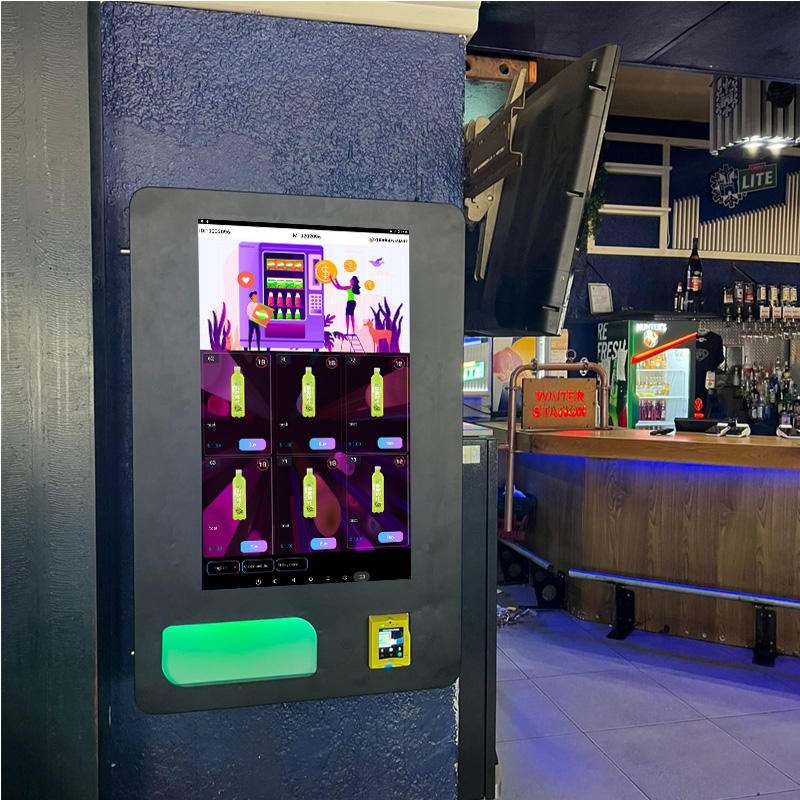
| Restricted nightlife venue | Moderate to strong | Door control must be consistent |
| General convenience floor | Weak | Mixed public access |
| Lobby, hallway, or shared corridor | Very weak | Hard to defend access control |
| Unsupervised public corner | Poor | Too much exposure, too little control |
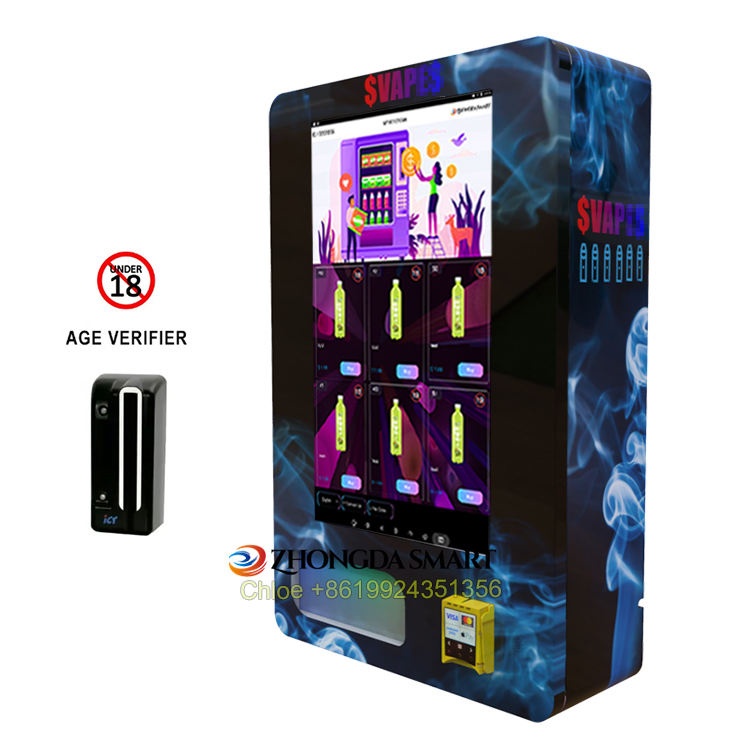
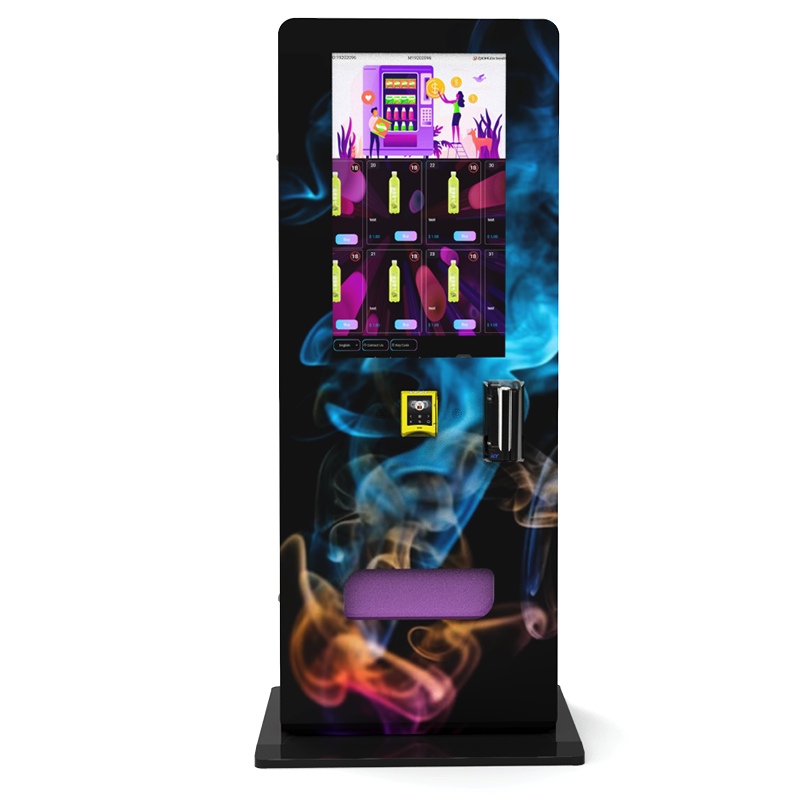
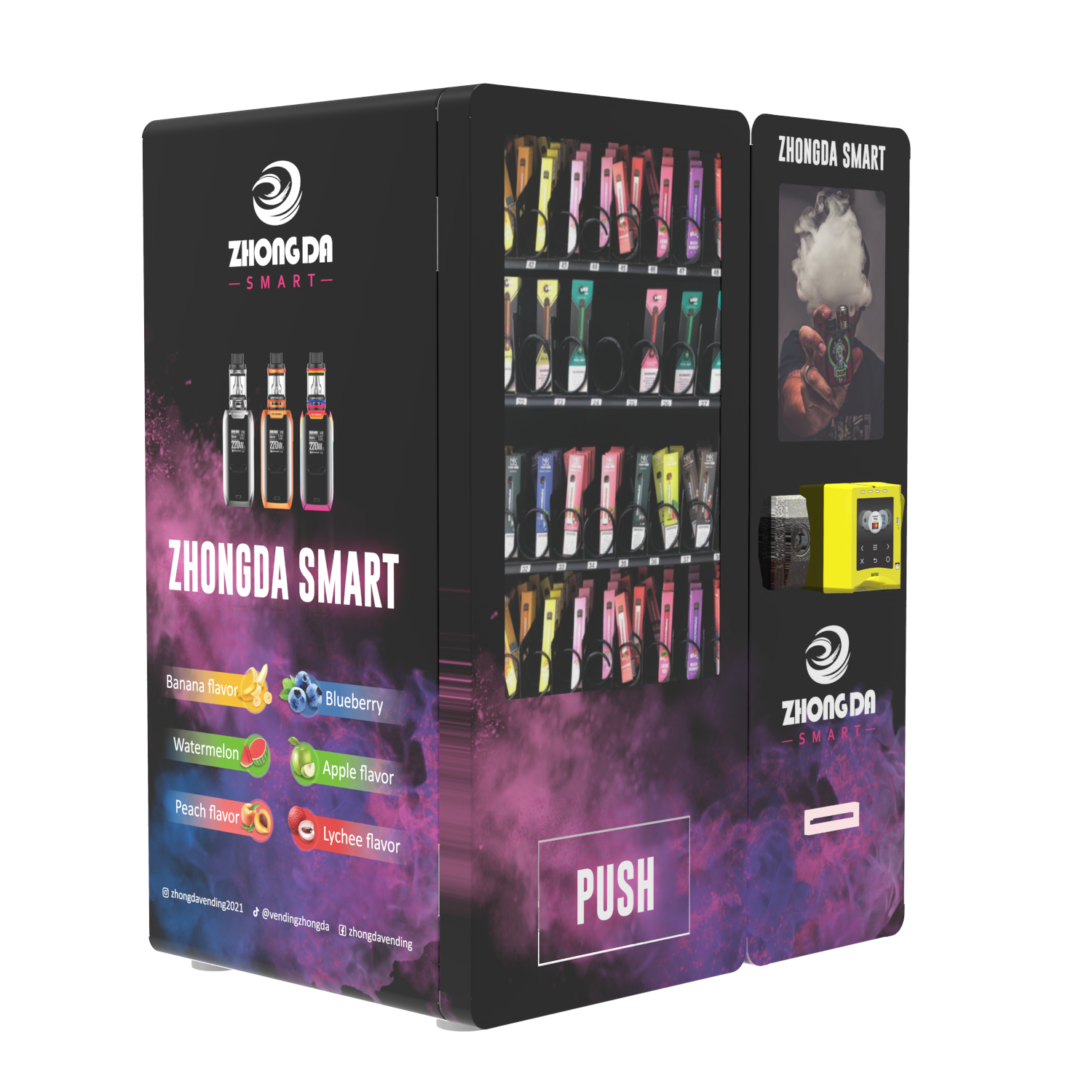
If you are still early in the buying process, it makes sense to review machines built specifically for regulated unattended retail rather than trying to adapt a generic snack cabinet. Zhongda Smart’s vape vending machine range is a good example of the type of product line worth reviewing first, especially if your project needs age verification, cashless payment, remote monitoring, and custom layout options in one system.
What features actually matter in a compliant setup
A machine selling restricted products should do more than vend. It should help the operator run a cleaner, safer process. That means the hardware and the back end both matter. Buyers who only look at screen size or external styling usually end up asking the wrong questions too late.
Age verification
If the product is restricted, the machine should be built around age control, not patched with it later. The cleanest transaction flow is simple: verify first, pay second, vend third. That order matters. Once the buyer has already selected the product and started payment, the process becomes harder to manage if verification fails.
Transaction logs
A machine without records is a weak business tool and a weak compliance tool. Good systems keep time stamps, payment status, vend records, inventory data, and machine events. When there is a customer complaint, a chargeback, or a site review, those records become more valuable than the screen.
Remote monitoring
Operators need to know more than stock levels. They need to know if the door was opened, if the machine went offline, if a payment device failed, and if a module is no longer communicating with the system. Remote visibility cuts service time and reduces risk.
Product security
Restricted products should not sit behind weak locks and flimsy access points. Reinforced doors, anti-tamper construction, controlled pick-up design, and stable vend mechanisms all matter. Shrink is one issue. Uncontrolled access is worse.
Cabinet flexibility
Vape products do not all fit the same way. Pods, disposables, bottles, and accessory packs vary in shape and depth. Poor channel fit leads to jams, damaged packaging, failed vends, and customer frustration. If the machine cannot be configured to the actual product mix, the project will be harder to manage than it should be.
For projects where age screening is central to the sales flow, a dedicated age verification vending machine or an ID scan vending machine is usually a stronger starting point than a standard cabinet with add-on components. The more naturally the compliance flow fits the machine, the fewer problems show up later.
Can a legal vape vending setup still make money?
Yes, but only if it solves a real operating problem. A machine does not create demand by itself. What it does well is capture demand at the right moment without forcing the site to add more labor. In that sense, the best machines act like a second sales channel, not a gimmick.
In the field, the most useful placements usually share three traits. First, there is a real need for quick self-service sales. Second, staffing is limited or sales continue after the main counter slows down. Third, the assortment is tight enough that buyers do not need a long conversation before purchase. When those conditions are present, unattended retail can work very well.
Where operators get into trouble is assuming a legal setup is automatically a profitable one. It is not. A vape vending machine legal installation can still underperform if the location is weak, the assortment is too broad, the refill schedule is sloppy, or the age-check flow is so clumsy that buyers walk away.
| Planning factor | Conservative case | Healthy case |
|---|---|---|
| Daily transactions | 6 | 14 |
| Average ticket | $18 | $24 |
| Monthly sales | $3,240 | $10,080 |
| Gross margin assumption | 28% | 35% |
| Monthly gross profit | $907 | $3,528 |
Those numbers are only planning math, but they make one point clearly: the right machine in the right site can pay for itself much faster than a poorly chosen machine in a weak location. Good economics usually start with a narrow, disciplined rollout, not an oversized machine packed with slow-moving SKUs.

Why compliance is not getting easier
Anyone considering this market should be realistic about the direction of travel. The rules have not loosened. They have tightened. FDA states that the federal minimum age is 21, that retailers must check photo ID for anyone under 30, and that vending-machine-assisted sales are not allowed where people under 21 are present or permitted to enter. Those are not minor details. They shape how a machine should be selected, installed, and operated.
The market itself is still large enough that regulators are not going to ignore it. The Federal Trade Commission reported that combined sales of cartridge-based and disposable e-cigarette products sold by nine leading manufacturers topped $2.67 billion in 2021, up by about $370 million from the prior year. That is a large, visible category, and visibility tends to bring scrutiny.
Public-health data also help explain why youth-access controls remain central. CDC reported that 7.0% of adults used e-cigarettes in 2024, while FDA’s 2024 youth survey showed current youth e-cigarette use fell from 2.13 million in 2023 to 1.63 million in 2024. That decline is encouraging, but it also gives regulators every reason to keep age-control measures in place rather than back away from them.
A practical checklist before you install anything
If I were reviewing a first machine today, I would not start with price. I would start with the following checklist. It is basic, but it catches most expensive mistakes before they happen.
Validate the site first. Confirm that access is genuinely restricted and not just loosely supervised.
Confirm the sales process. Know exactly when and how age verification happens.
Review permits and retail requirements. Do not assume the machine falls under the same logic as ordinary merchandise.
Choose a machine built for controlled sales. Do not start with a general-purpose cabinet if your category is restricted.
Demand logs and remote visibility. If the machine cannot show you what happened, it is harder to manage and harder to defend.
Keep the first assortment tight. A smaller, faster-turning mix is easier to run and easier to learn from.
Assign clear responsibility. Someone needs to own compliance, refills, data review, and service response.
Plan the first 90 days. Watch denied sales, payment failures, failed vends, stockouts, and service calls closely.
Most poor launches are not caused by one huge mistake. They are caused by five small ones stacked together. A weak location, a cluttered SKU mix, unclear responsibility, no log review, and no real service plan. None of those problems sound dramatic at the start. Together, they make the project frustrating fast.
How a smart first rollout usually looks
The cleanest launch is almost never the biggest one. One controlled location beats five untested locations every time. A good pilot lets you see how the machine performs in the real world: how fast buyers move through the flow, which products turn, what kind of service issues show up, and whether the age-check step creates friction or confidence.
A sensible first rollout usually looks like this:
One machine in one tightly controlled site
A focused product mix built around proven SKUs
Clear on-screen instructions with minimal buyer confusion
Cashless payment and remote status alerts
Weekly review of logs, stockouts, and failed transactions
Expansion only after the pilot proves stable
This is also where supplier choice starts to matter. Buyers often compare quotes as if every machine is interchangeable. They are not. A manufacturer that understands restricted-product vending will ask different questions from the start: what products will sit in the channels, how the age-check flow should work, what payment methods are required, whether the layout needs to be wall-mounted or freestanding, and what type of remote control the operator expects.
That is one reason Zhongda Smart is worth considering for this category. The company is not just selling a generic cabinet with a vape label on it. Its product pages show a clear focus on adult-only use cases, verification-ready hardware, customizable layouts, remote management, and direct factory support. For projects that need a non-standard cabinet or branded retail build, its custom vending machine service is the kind of page I would review before asking for a final quotation.
Common mistakes that make a good idea go bad
Some problems show up over and over again in this category. They are easy to avoid if they are addressed early, and surprisingly expensive if they are ignored.
Choosing the location based on traffic alone
Traffic is not the first filter. Access control is. A high-traffic site that is hard to defend is usually worse than a lower-traffic site with cleaner control.
Buying a standard machine and planning to “make it compliant later”
Retrofitting core compliance functions is usually slower, uglier, and more expensive than buying the right machine at the start.
Offering too many slow-moving products
More SKUs do not always mean more sales. In restricted-product vending, a focused assortment often performs better because it is easier to stock, easier to manage, and easier for the customer to navigate quickly.
Ignoring the back end
Some buyers still treat the software dashboard like a bonus feature. It is not. For a smart vending machine selling restricted products, the dashboard is part of the operating system.
Failing to define who owns compliance
If the location owner, retailer, and machine operator all assume someone else is handling the rules, the setup will drift. That drift is where trouble starts.
The strongest operators keep the process simple and visible. They know the site. They know the buyer flow. They know what the machine records. And they can explain the whole system without talking in circles.
Final take
So, is a vape vending machine legal in 2026? Yes, it can be. But it only works when the machine is part of a controlled sales system rather than a standalone gadget. The real issue is not whether a cabinet can hold vape products. The real issue is whether the operator can show that access is restricted, age is verified, the sale is traceable, and the setup fits current rules.
If you are approaching this as a business decision, the smartest move is to screen the site before you price the machine. If the site is weak, no amount of technology will save the project. If the site is strong, then features like age verification, ID scanning, remote monitoring, cabinet security, and product-fit flexibility become worth paying for.
That is the practical way to think about a vape vending machine legal strategy: choose the environment first, build the control flow second, and only then choose the machine that fits the job.
Frequently Asked Questions
Can I put a vape vending machine inside a regular store?
That is usually the wrong starting point. A machine selling restricted products works best in a controlled adult-only environment, not a general-access sales floor. If the public can freely walk up to it, the setup becomes much harder to defend.
Is ID scanning enough to make a vape machine compliant?
No. It helps, but it does not fix a weak location. Age verification reduces risk, but it does not turn an open-access site into a strong compliance setup.
What kind of machine is usually the safest fit?
A purpose-built age verification vending machine or ID scan vending machine is usually a better fit than a standard machine because the control flow, access logic, and restricted-product handling are already part of the design.
Should the first machine be large or small?
For most operators, smaller and more focused is the better first move. It lowers the learning cost, makes inventory easier to manage, and gives you a cleaner read on whether the site really works.
What should I monitor after launch?
Watch denied transactions, payment failures, stockouts, service calls, and repeat purchases. Those signals tell you much more than raw sales alone.
What matters more, the machine or the site?
The site. A good machine in a weak location is still a weak project. A well-controlled site gives the machine a chance to perform the way it was meant to.
About this guide
This article is written from the perspective of long-term vending equipment manufacturing and real-world unattended retail operations. It is meant to help buyers evaluate machine fit, rollout risk, and compliance-related design choices. It is not legal advice, and operators should always confirm current retail requirements before installation.