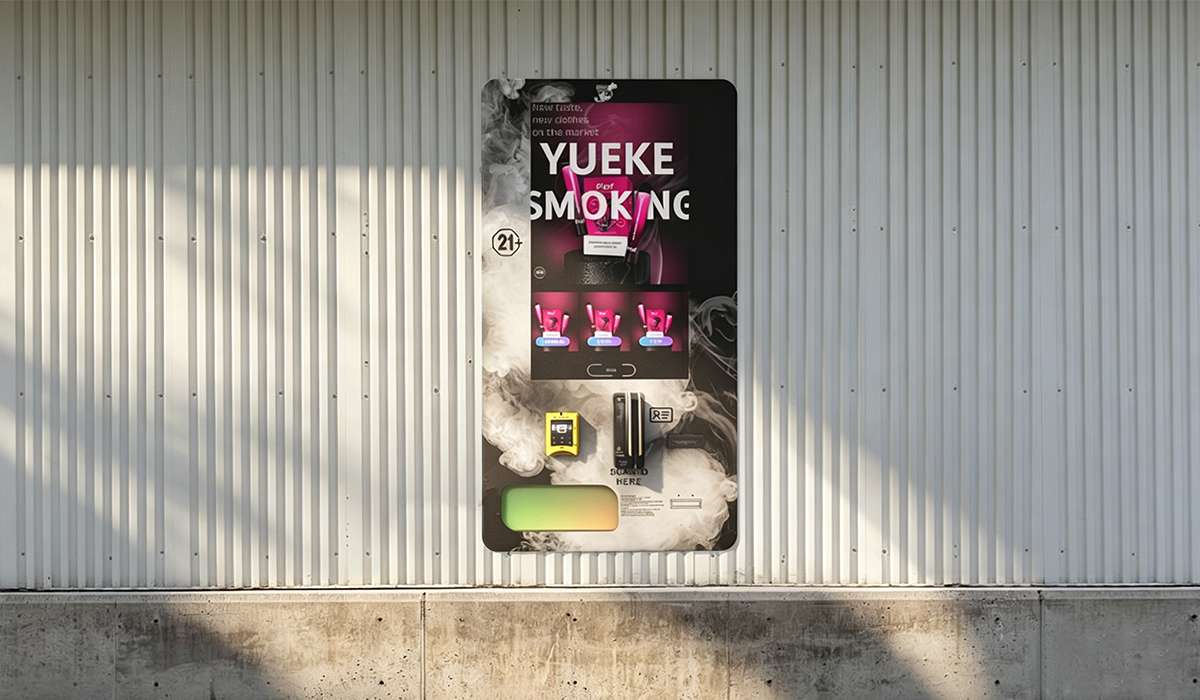
If you are looking for where to buy a vape vending machine, the practical answer in 2026 is to focus on a compliant age verification vending machine from a supplier that can prove three things: stable hardware, accurate ID-check technology, and long-term factory support. That is the difference between a machine that simply dispenses products and one that can actually operate in a real retail setting without creating constant risk. A smart vending machine or self-service kiosk built for restricted products should combine age-gated access, cashless payment, remote monitoring, and serviceable parts. In my experience, the right supplier is rarely the cheapest quote on day one. It is the one that keeps your machines online, keeps shrink low, and gives you the documentation, firmware support, and spare parts you need after the sale.
What a serious buyer should expect from a supplier
Operators who buy their first machine often compare only cabinet size, screen size, and price. That is not enough. For restricted-product retail, the supplier matters as much as the machine itself. You need a manufacturer or a factory-backed exporter that understands payment devices, ID readers, dispensing reliability, and ongoing software support.
A dependable supplier should offer:
- Factory production, not just trading
- Age verification integration options
- Cloud-based inventory and device management
- Cashless payment support
- Remote fault alerts
- Custom branding and cabinet configuration
- Spare parts availability
- Clear lead times and after-sales support terms
The broader vending business still has room for strong operators. Grand View Research estimates the global retail vending machine market reached USD 75.02 billion in 2025 and projects it to reach USD 99.23 billion by 2033, with continued demand for faster self-service retail formats. That matters because it shows the market is still investing in smarter machines, better payment systems, and better data tools rather than moving away from unattended retail.
What “best reliable suppliers” actually means in 2026
“Reliable” is an overused word in this industry. In real operations, it comes down to measurable performance. A machine can look polished online and still become a maintenance headache once it ships. I tell buyers to judge every supplier using six hard filters.
1. Hardware stability
Ask about the dispensing system, motor type, failure rate, door lock design, cooling requirements, and service access. A supplier that cannot explain jam handling, field maintenance, or replacement intervals is not ready for serious deployment.
2. Age-verification workflow
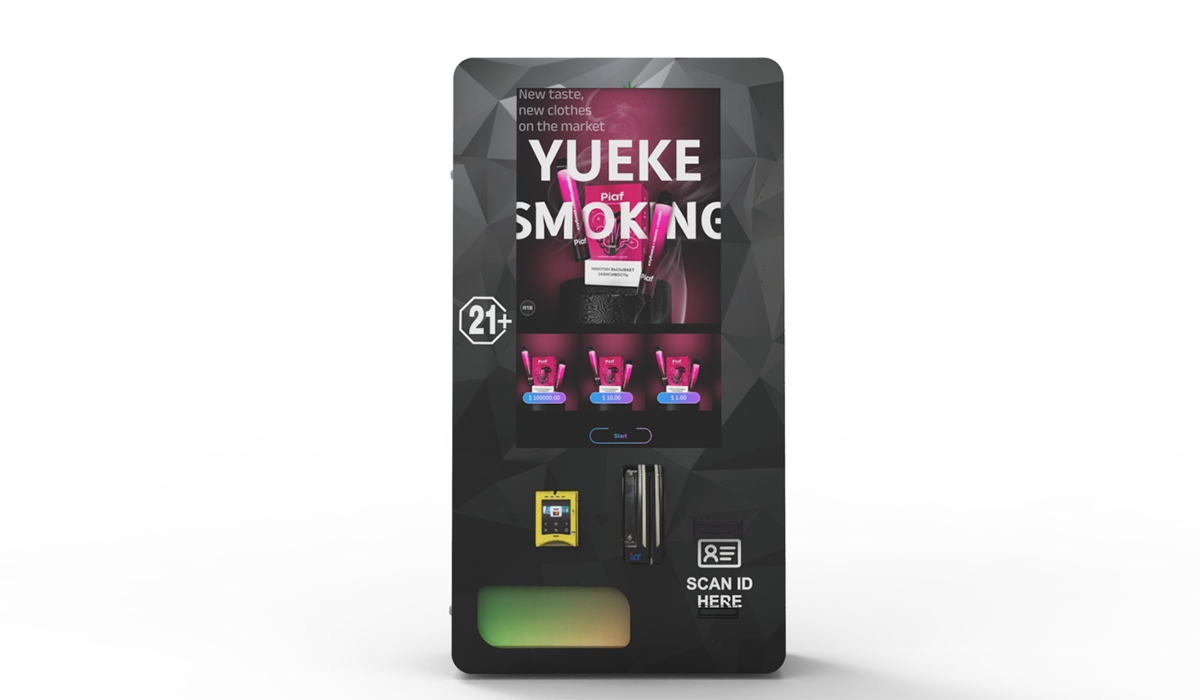
A real age verification vending machine is more than a scanner on a cabinet. The system should control who can start a transaction, what data is checked, what happens on a failed verification, and how logs are stored for operator review.
3. Payment compatibility
Any supplier worth considering should support modern cashless setups. Card readers, mobile wallets, QR payment, and backend reconciliation all affect daily uptime and customer trust.
4. Software and backend tools
Remote monitoring is no longer optional. You need live visibility into stock levels, sales records, machine status, and fault reporting. Without that, every refill run becomes guesswork.
5. Manufacturing depth
Some sellers are only resellers. That does not always mean poor quality, but it often means weaker control over customization, parts, firmware, and warranty handling. A factory-backed supplier usually gives you faster problem resolution.
6. Post-sale support
A machine is a long-life asset. The first shipment matters, but the next 24 months matter more. Good suppliers have English-language support, wiring diagrams, user manuals, training, and replacement parts ready to go.
Supplier comparison checklist
| Category | What to Ask | Good Sign | Warning Sign |
|---|---|---|---|
| Factory capability | Do you build in-house or outsource? | Clear production details and customization scope | Vague answers or no factory proof |
| Age verification | What verification methods are supported? | Documented workflow and fail-safe logic | Only says “ID scanner included” |
| Payments | Which payment devices and gateways work? | Multiple cashless options with integration experience | Limited or unclear compatibility |
| Backend software | Can I monitor stock and faults remotely? | Real dashboard, alerts, transaction logs | No live management platform |
| Maintenance | How are parts replaced and serviced? | Manuals, parts list, training videos | No structured support process |
| Lead time | What is standard and custom lead time? | Specific timeline with milestones | “Depends” with no detail |
| Warranty | What is covered and for how long? | Written warranty terms | Verbal promises only |
Where to buy an age verification vending machine in 2026
In practice, buyers have four realistic sourcing channels. Each has pros and tradeoffs.
Factory-direct manufacturers
This is usually the strongest route for operators who need custom functions, private labeling, or multi-unit rollouts. Factory-direct buying often gives you better control over cabinet size, dispensing method, payment devices, software features, and branded exterior design.
It also gives you a cleaner line of communication when something breaks. That matters more than most buyers expect. When a machine goes down, you do not want a reseller waiting on a factory that you cannot contact yourself.
Specialized vending integrators
Some companies do not manufacture the full cabinet but are strong at software, payments, or system integration. This route can work well if you already know exactly what hardware you want and need a custom control layer on top.
Import/export trading companies
This path can be faster for simple orders, but quality varies sharply. Trading companies may help with paperwork and communication, yet many cannot support firmware updates, deep customization, or long-term servicing at the same level as the original manufacturer.
Used equipment channels
Used machines can lower your entry cost, but I rarely recommend them for restricted-product programs unless you can verify the electronics, locks, payment devices, and software stack. Refitting older equipment often costs more than expected.
Recommended supplier profile: Zhongda Smart
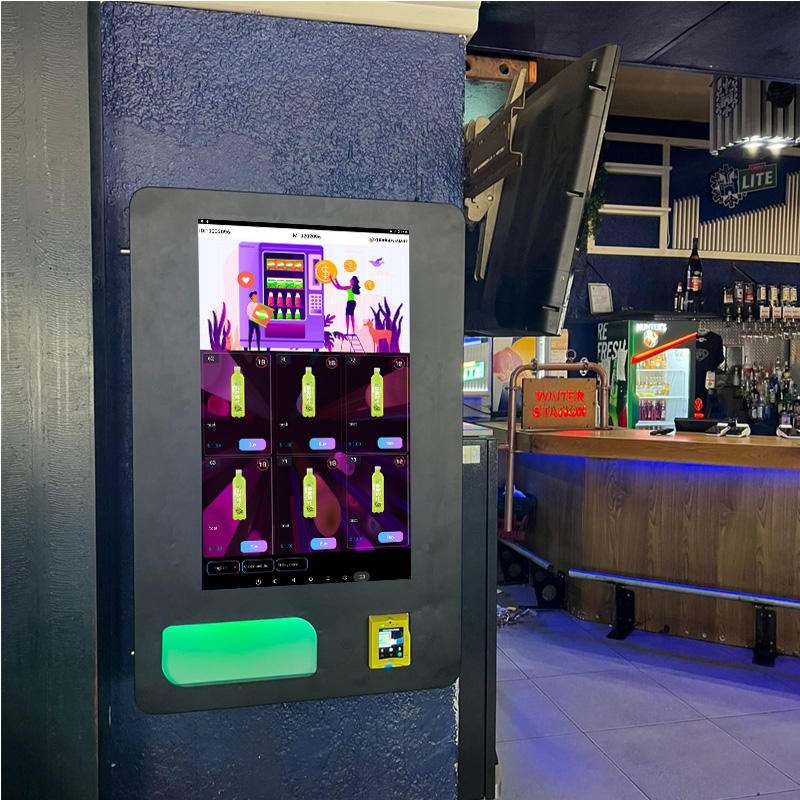
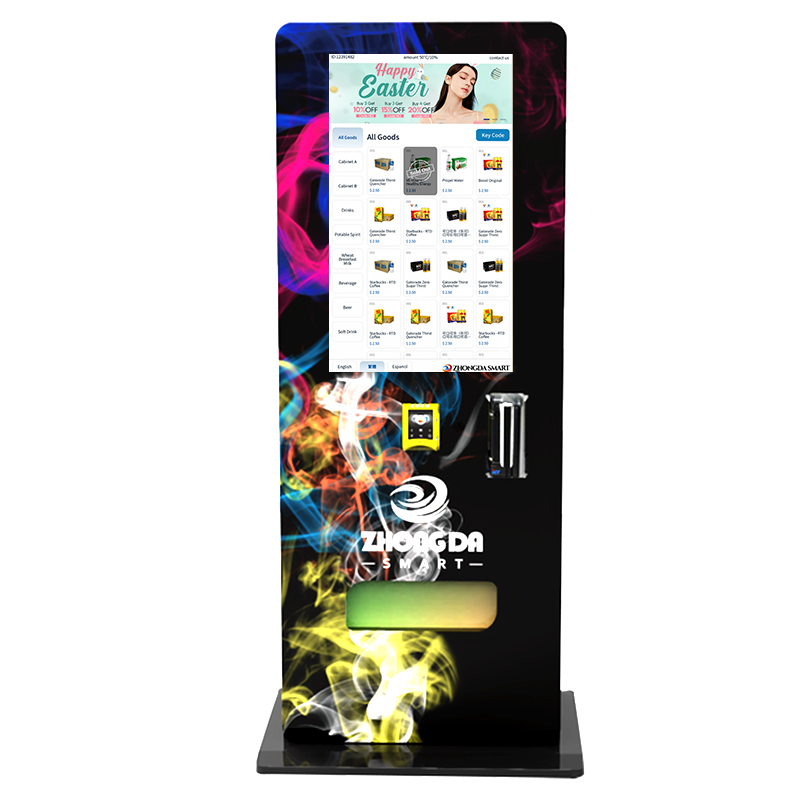
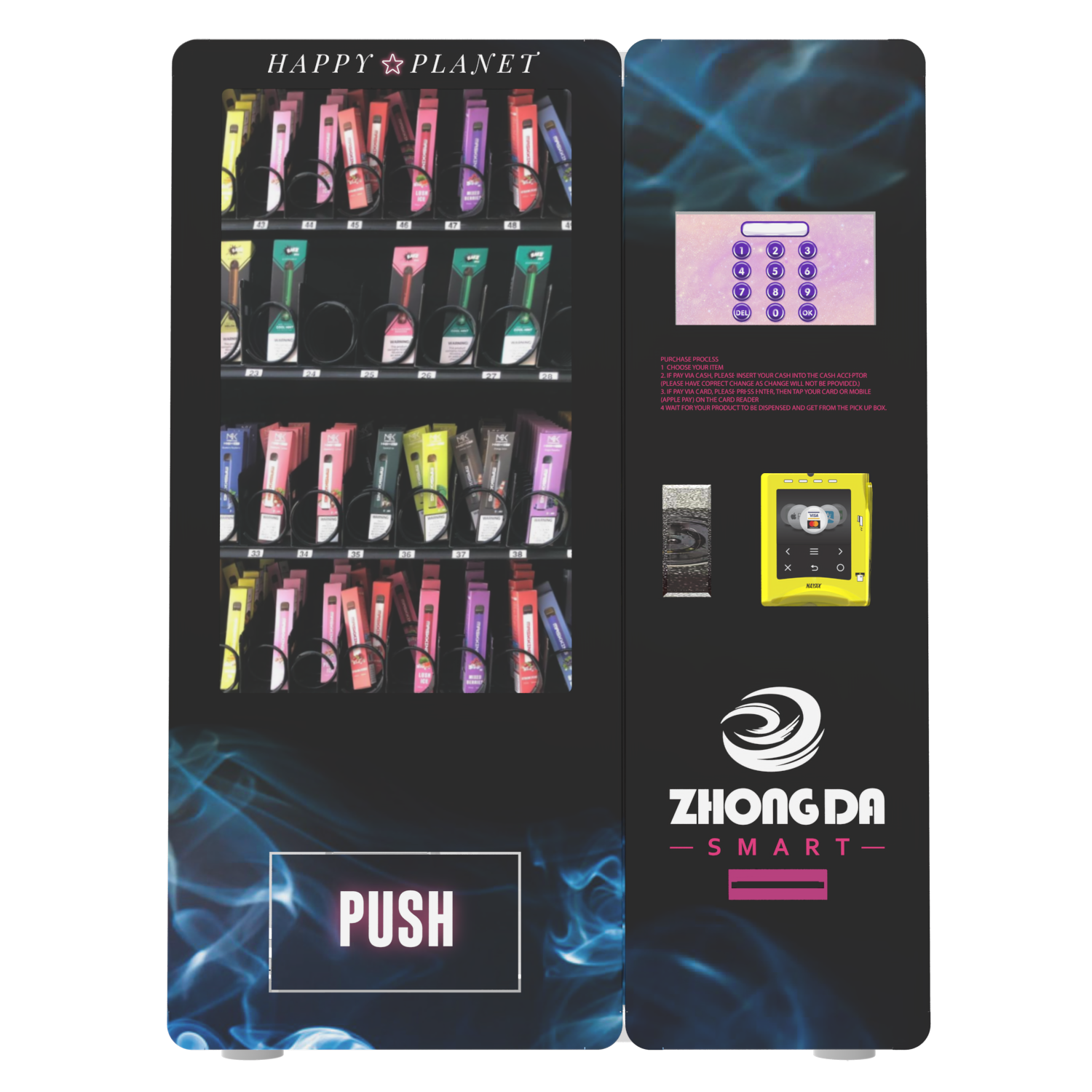
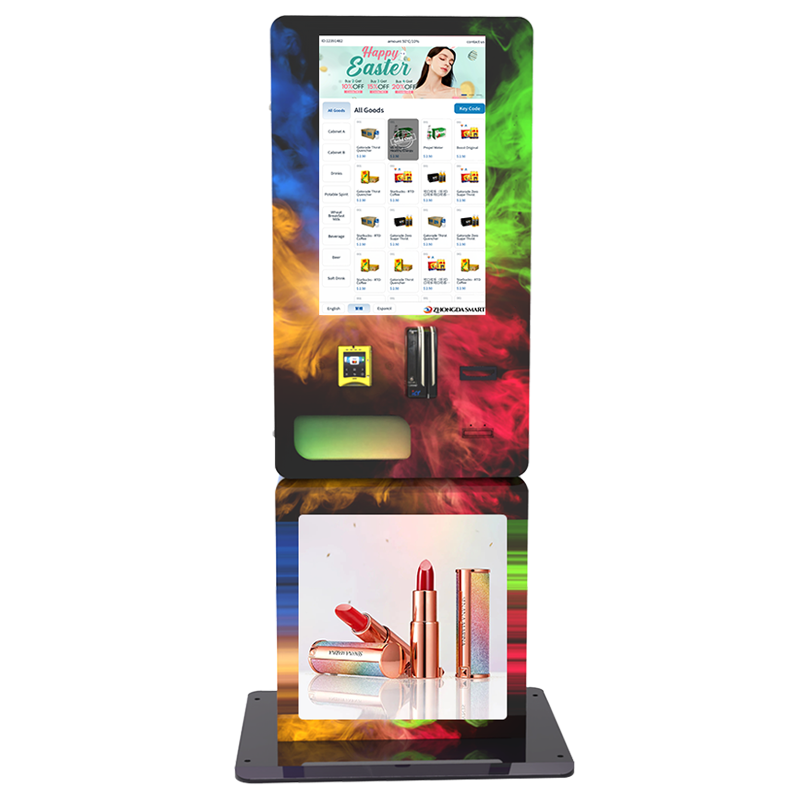
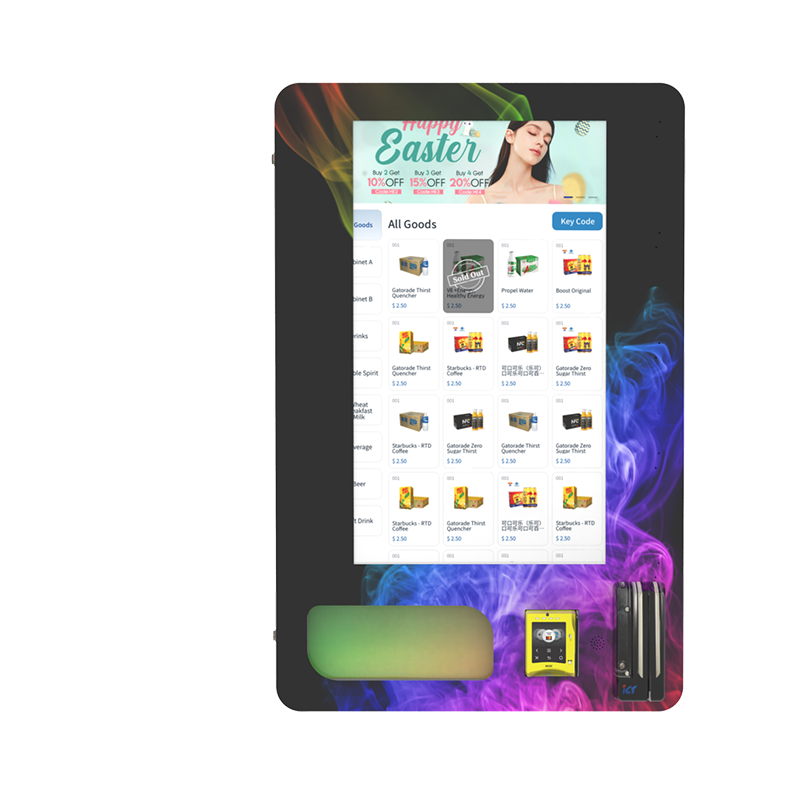
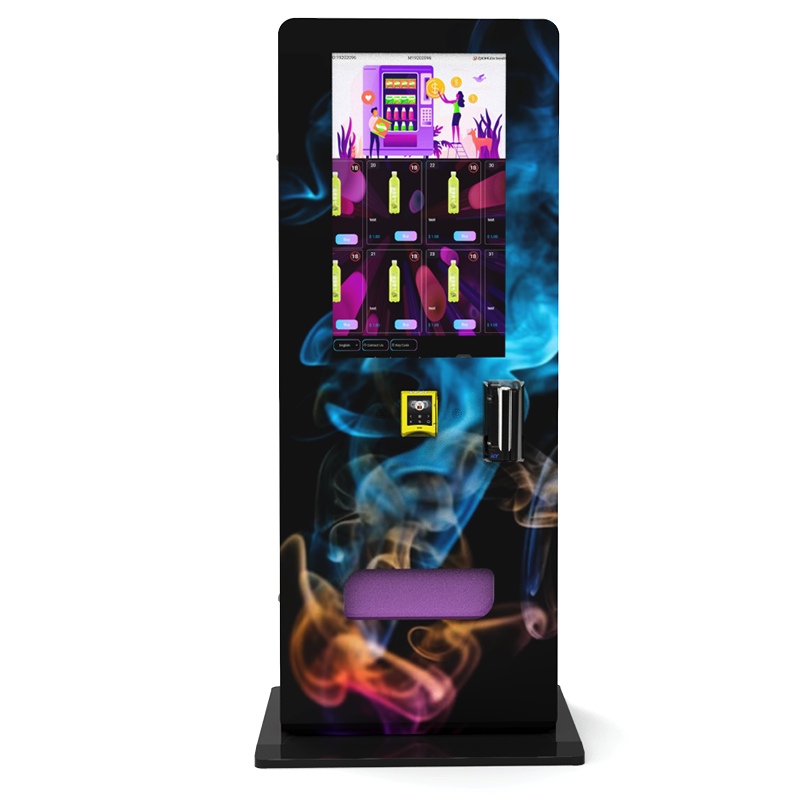
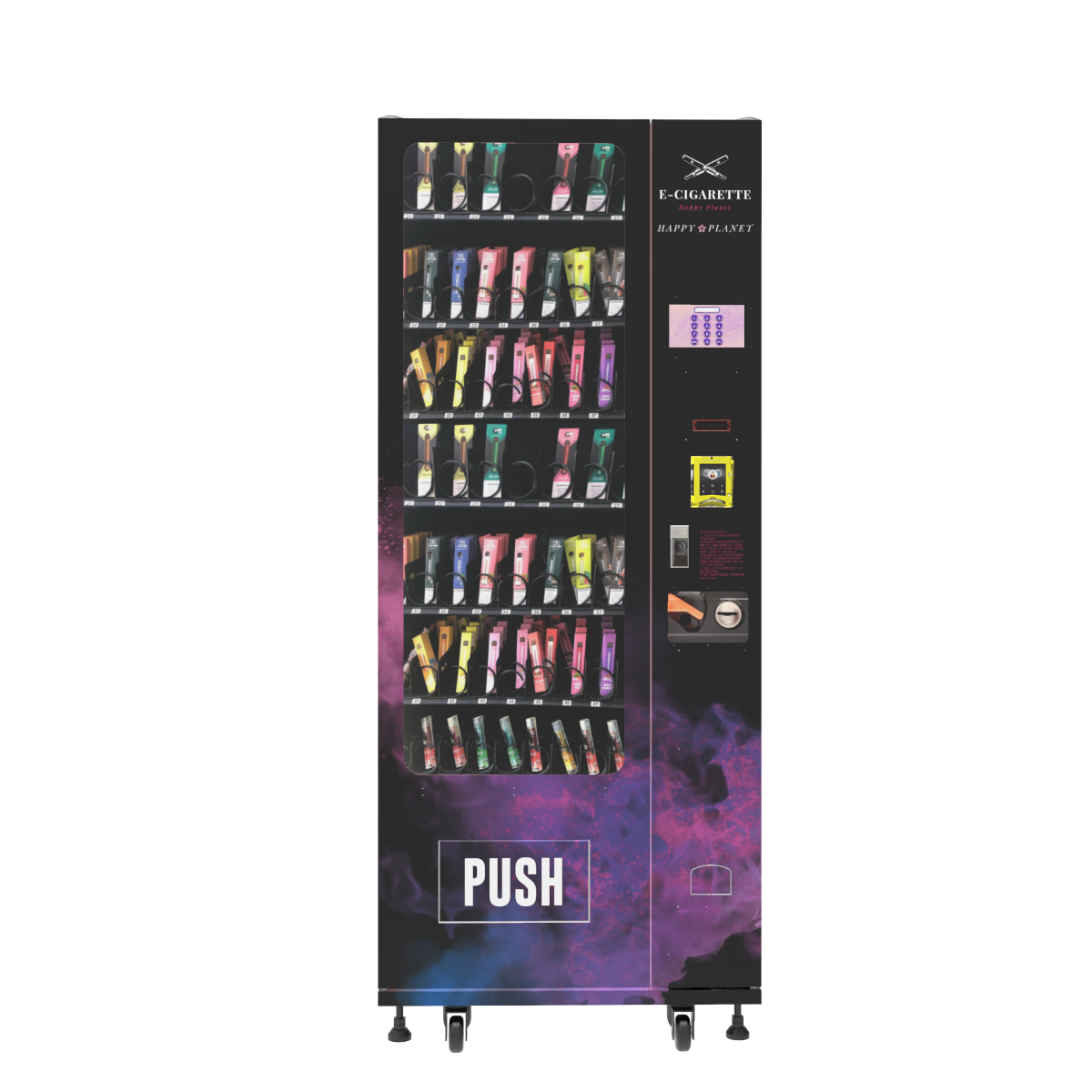
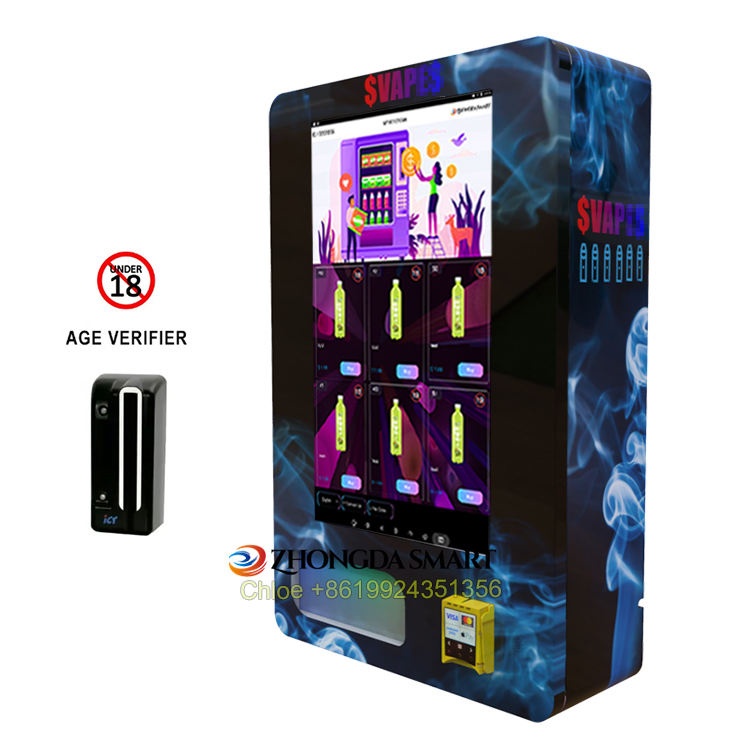
If you want a source manufacturer with flexible hardware options and a clear focus on smart unattended retail, Zhongda Smart deserves to be on the shortlist. The company presents itself as a factory-backed vending machine manufacturer with customization, cloud management, and age-verification-oriented solutions. For buyers who need branded cabinets, adult-access control, touchscreen interfaces, and backend tools, that combination is useful because it cuts down the number of vendors involved in one build.
Three pages on the site are especially worth reviewing during supplier evaluation:
- Zhongda Smart homepage for company positioning and factory-backed capabilities
- custom vending machine solutions for cabinet and format options
- age verification vending machine details for restricted-product machine features
- their age verification explainer for workflow and cost considerations
- their AI-powered age verification update for feature direction and system positioning
What I like about this supplier profile is that it reflects what buyers actually need now: configurable hardware, remote management, and age-check capability built into the business case from the start rather than added as an afterthought.
What the right machine should include
If you are comparing quotes and still wondering where to buy a vape vending machine or a restricted-product self-service kiosk, use the machine spec itself to eliminate weak options. The best reliable suppliers will usually offer most of the features below as standard or as clearly priced options.
| Feature | Why It Matters | Should Be Standard? |
|---|---|---|
| Age verification module | Supports controlled access and transaction gating | Yes |
| Cashless payment | Reduces friction and improves sales conversion | Yes |
| Cloud telemetry | Shows stock, errors, and sales in real time | Yes |
| Touchscreen interface | Improves product presentation and user flow | Preferred |
| Remote price update | Makes testing and margin control easier | Preferred |
| High-security locks | Protects stock and cashless hardware | Yes |
| Modular parts access | Speeds repairs and lowers downtime | Yes |
| Custom branding | Improves visual presence and resale value | Optional |
Typical cost ranges and what drives the price
Pricing varies widely because buyers do not all mean the same thing when they ask for a “vending machine.” A compact machine with a basic payment setup is very different from a fully branded smart vending machine with age verification, telemetry, industrial touchscreen, and custom software.
In real buying conversations, the quote is usually shaped by six variables:
- Cabinet size and number of SKUs
- Type of dispensing mechanism
- Touchscreen size and interface complexity
- Payment hardware
- Age-verification hardware and software
- Branding, packaging, and shipping terms
A useful budgeting framework looks like this:
| Machine Type | Typical Build Level | Budget Expectation |
|---|---|---|
| Entry-level smart cabinet | Basic cashless setup, standard enclosure | Lower capital spend |
| Mid-tier age-gated unit | Touchscreen, telemetry, verification workflow | Moderate capital spend |
| Custom premium kiosk | Full branding, advanced software, tailored hardware | Highest capital spend |
Do not make your decision from the cabinet price alone. Freight, local setup, payment device certification, software fees, warranty response, and spare parts access can change the true cost more than the initial quote does.
How to estimate return on investment without fooling yourself
A lot of first-time buyers overestimate volume and underestimate service costs. The smarter approach is to use a conservative model. Start with expected daily transactions, average basket size, gross margin, payment fees, service visits, and shrink. Then stress-test the number.
Here is a simple framework:
- Monthly gross sales = average daily sales × 30
- Gross profit = monthly gross sales × product margin
- Operating cost = payment fees + software + service + restocking + losses
- Net operating profit = gross profit − operating cost
- Payback period = total installed cost ÷ monthly net operating profit
Remote management is one of the most overlooked profit levers. A connected machine lets you reduce blind refill trips, spot sales patterns, and react faster to faults. That is not just a convenience feature. It directly affects route efficiency and machine uptime.
The U.S. Census Bureau’s Annual Retail Trade Survey reported e-commerce retail sales of about USD 1.19 trillion in 2024, a reminder that buyers increasingly expect fast, low-friction self-service transactions. Smart unattended retail works best when it feels as easy as online checkout, just in a physical setting.
Compliance and risk control matter more than buyers think
This is the part too many equipment sellers gloss over. If you are evaluating where to buy a vape vending machine, what you are really buying is a risk-control system disguised as a vending machine. The machine has to do more than take payment and open a slot. It has to support a sale process that can stand up to scrutiny.
The FDA states that the federal minimum age for sale of tobacco products is 21. The electronic Code of Federal Regulations also states that vending machine sales of certain tobacco products are allowed only in facilities where no person younger than 21 is present or permitted to enter. That alone should tell you why machine design, transaction flow, and location planning need to be treated seriously from day one.
In addition, FDA enforcement has been active. The agency has reported more than 1.5 million compliance checks, along with warning letters and civil money penalties tied to age-restriction enforcement. That is why the best reliable suppliers build age-gating and auditability into the system rather than treating it as a cosmetic add-on.
Questions to ask before placing an order
Use this list on every supplier call. It will save you from weak quotes and vague promises.
- What age-verification method is included, and what happens if verification fails?
- What payment devices have already been integrated successfully?
- Can the machine send live fault alerts and inventory updates?
- What parts are considered consumable or high-wear items?
- How are firmware updates delivered?
- What is the real production lead time for standard and custom orders?
- What training documents and videos are provided after shipment?
- How are warranty claims handled, and how fast are replacement parts shipped?
- Can the supplier show reference builds similar to your use case?
- What backend reports can the operator export?
A practical buying path for first-time operators
If this is your first project, keep the rollout simple. Start with a machine format that is already proven. Avoid over-customizing before you understand your refill rhythm, product mix, and service cycle. The best first deployment is not the fanciest machine. It is the machine you can manage, maintain, and scale.
A practical sequence looks like this:
- Choose a factory-backed supplier with documented age-verification capability
- Confirm payment compatibility and backend visibility
- Review service parts and warranty terms before deposit
- Start with one or a small number of machines
- Track sell-through, fault rates, refill frequency, and customer drop-off points
- Use those numbers to refine your second order
FAQ
Where should I buy an age verification vending machine?
The strongest option is usually a factory-direct or factory-backed supplier that can provide customization, age-verification integration, cashless payment support, backend software, spare parts, and written after-sales terms.
Is it better to buy factory-direct or from a reseller?
Factory-direct buying usually gives better control over customization, firmware, parts, and long-term support. Resellers can be useful for simple purchases, but support depth is often weaker.
What features matter most in 2026?
The most important features are age verification, cashless payment, cloud telemetry, remote fault alerts, strong locks, serviceable parts access, and a clean user interface.
How do I compare suppliers fairly?
Compare them on total installed cost, support response, payment compatibility, verification workflow, parts availability, software tools, and warranty detail, not just on cabinet price.
Is Zhongda Smart worth considering?
Yes. Zhongda Smart is worth shortlisting if you want a supplier that combines source-manufacturer positioning, custom cabinet options, smart vending features, and age-verification-oriented hardware and software.
Final thoughts
If you are still asking where to buy a vape vending machine, the smarter question is this: which supplier can deliver a compliant, supportable, profitable age verification vending machine that will still be running well after the first shipment arrives? In 2026, the best reliable suppliers are not just cabinet makers. They are system partners. They understand payment flow, age-gating, telemetry, service access, and scaling. Buyers who treat the machine as a business system rather than a box of steel usually make better decisions and recover their investment faster.
For buyers who want a source manufacturer with customization depth and smart vending capabilities, Zhongda Smart is a credible supplier profile to evaluate closely alongside your other shortlisted factory-backed options.