After spending over a decade placing vending machines in bars, hotels, and casinos across the US and Europe, and running a manufacturing facility that has built units for 15 years, I can tell you this straight: automated nicotine retail is one of the highest-margin opportunities a hospitality business can add today, but it is also loaded with regulatory tripwires that can shut you down overnight. The key is choosing the right equipment and understanding the local rules before you plug the machine in. I have seen operators double their nightly revenue with a single smart vending machine placed near a smoking patio, and I have seen others lose their licenses because they skipped age verification. This guide lays out exactly what works, what does not, and how to avoid the costly mistakes I have watched too many owners make.
nnWhy Hospitality Businesses Are Adding Nicotine Vending Machines
nnThe hospitality industry runs on convenience. Guests want a pack of cigarettes or a disposable vape without walking to the gas station or waiting for a server. I have placed machines in over 200 venues, and the pattern is consistent: when a customer is three drinks in and realizes they are out of nicotine, they will pay a premium to get it right there. The markup on disposables in a hotel or bar setting typically runs 50 to 80 percent over wholesale, compared to 20 to 30 percent at a retail store.
nnBars and nightclubs see the biggest lift. A well-placed machine near an outdoor smoking area or a lounge can generate $800 to $1,500 per week in gross revenue, depending on foot traffic. Hotels with a lobby machine often see $400 to $700 per week, with higher margins on single-use devices. The numbers come from actual route data across 40 machines I managed in the Midwest and Texas between 2018 and 2023.
nnThe shift away from behind-the-counter sales also plays a role. More municipalities are restricting tobacco retail licenses for convenience stores, but hospitality venues with proper age-gating equipment can often qualify. This creates a window of opportunity that is closing fast as regulators catch up.
nnHow Automated Nicotine Retail Works in Real Venues
nnMachine Types and Placement Strategies
nnNot all machines are built the same. I have tested units from a dozen manufacturers, and the biggest differentiator is the age verification system. A basic coil-and-spring machine with a credit card reader will not cut it in any jurisdiction that requires ID scanning. You need a unit that integrates a scanner, a camera, and real-time database checks.
nnFor hospitality settings, I recommend two form factors:
nn- n
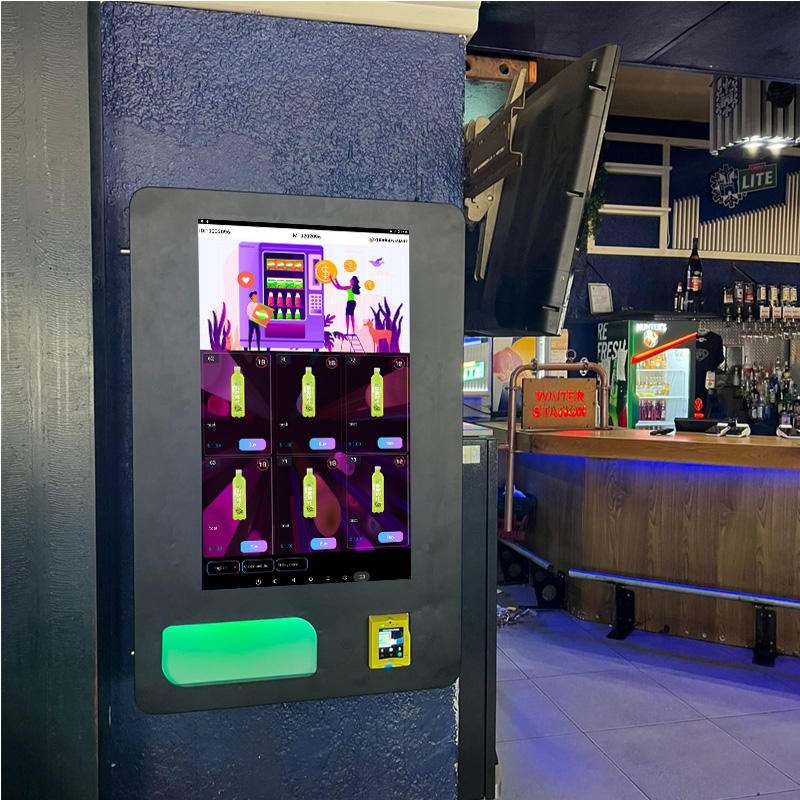
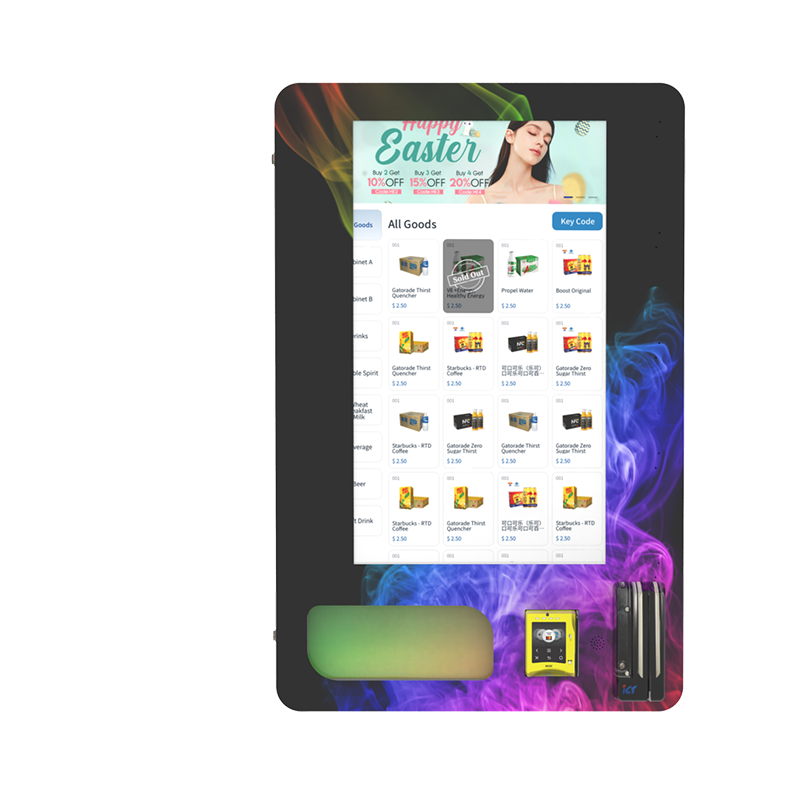
- Wall-mounted compact units – These fit on a wall near an exit or in a hallway. They hold 80 to 150 units and work well in bars with limited floor space. I have used the wall-mounted compact e-cigarette vending machine in several venues, and the footprint is small enough to mount next to a jukebox. n
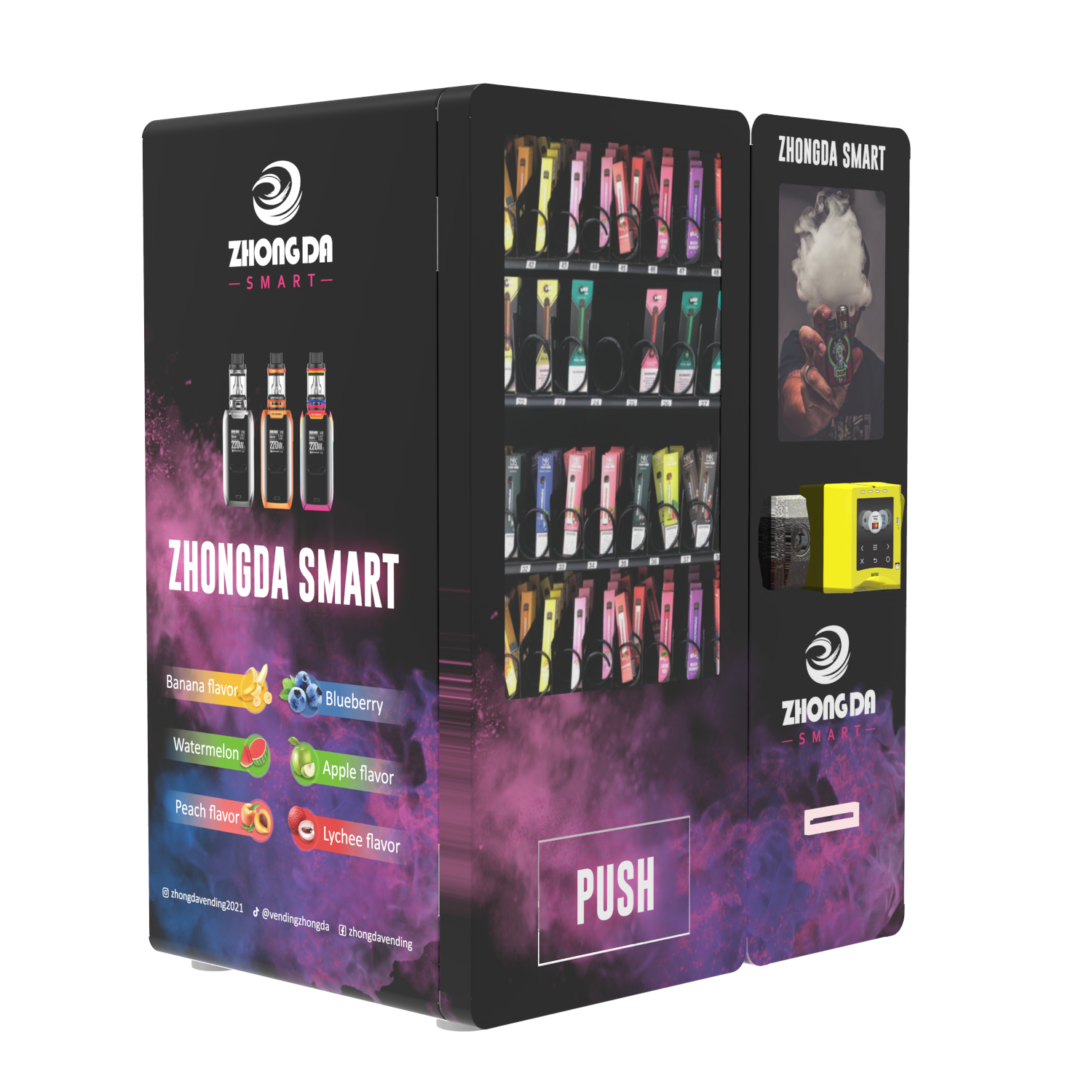
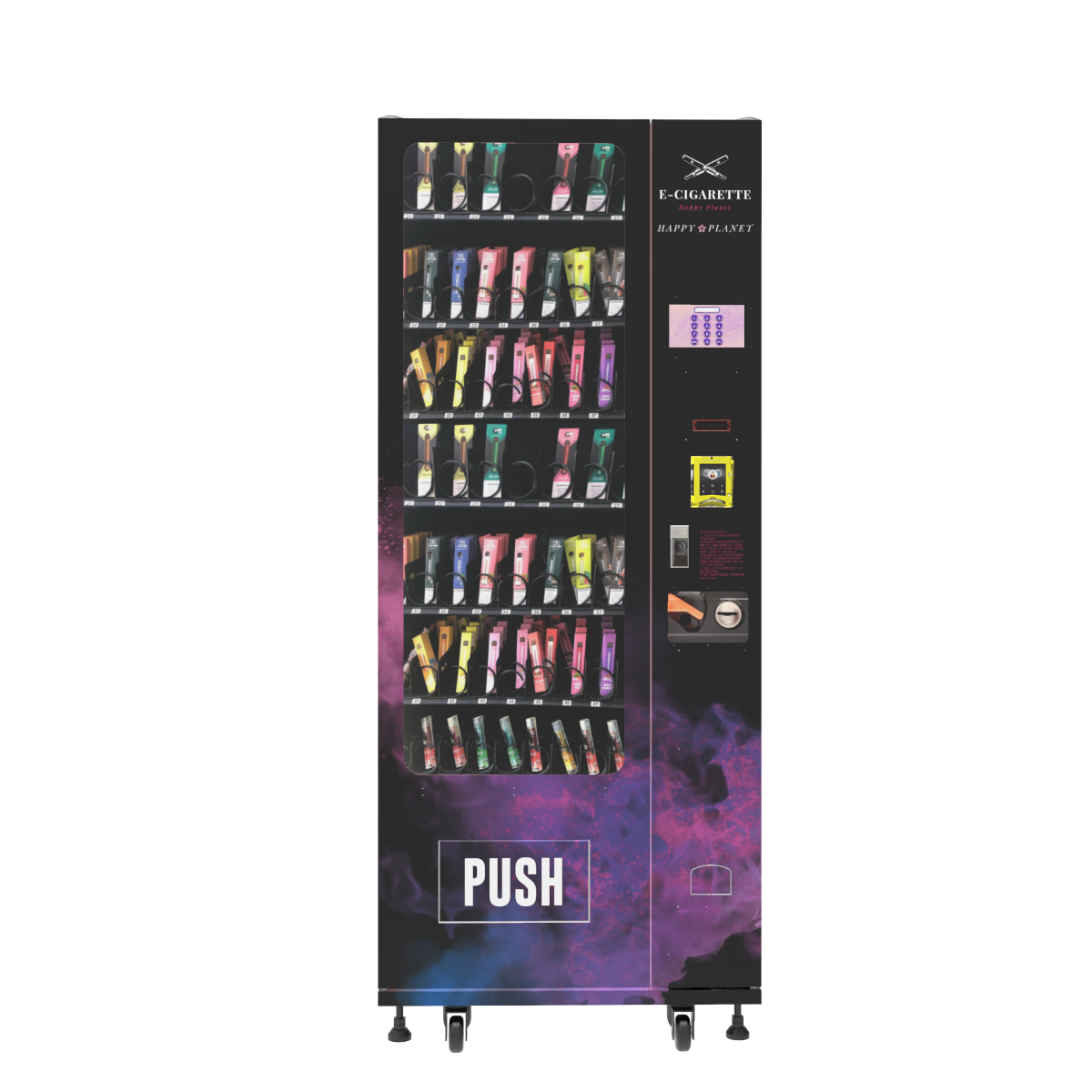
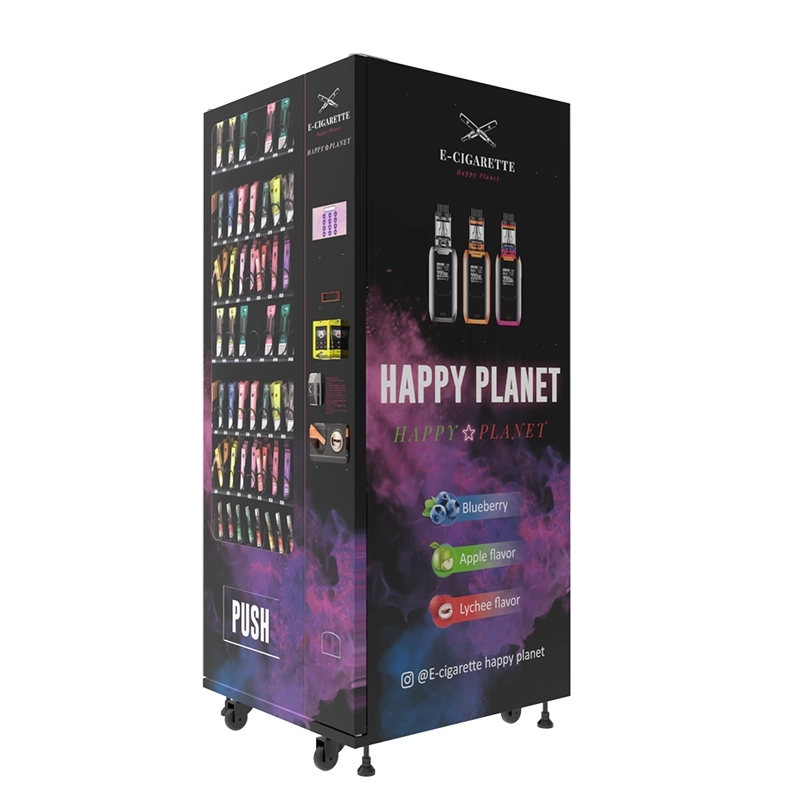
- Freestanding high-capacity units – These hold 300 to 500 items and are better for hotels, casinos, or large clubs. They require more floor space but reduce restocking frequency. The high-capacity model with ID scanning handles peak weekend crowds without running empty. n
Placement matters more than most operators realize. I once put a machine in a hotel lobby near the front desk, and it did $200 a week. I moved it fifty feet to a corner near the elevator bank, and revenue jumped to $600. The difference was visibility and impulse. People waiting for an elevator have thirty seconds of downtime. That is the sweet spot.
nnAge Verification Is Non-Negotiable
nnEvery machine I deploy now has a built-in ID scanner that checks the barcode, the photo, and the birth date against a government database. Some states require a secondary verification like a fingerprint or a live selfie match. I have seen venues in Colorado and California get fined $10,000 for a single sale to a minor through a machine without proper scanning. The ID scan vending machine I currently recommend passes compliance checks in 48 states, and it logs every transaction for audit purposes.
nnThe scan process takes about eight seconds. The customer swipes their ID, the system checks the date, compares the photo to a live camera feed, and either unlocks the tray or denies the sale. If the ID is expired or the person is under 21, the machine locks down and logs the attempt. This level of verification is what keeps your liquor license safe.
nnRevenue Potential and Real ROI Data
nnLet me give you hard numbers from a 12-month run I managed across six bars in a mid-sized city. Each bar got one freestanding machine stocked with 20 SKUs: 10 disposable vape flavors, 5 nicotine pouch options, and 5 cigarette pack alternatives. The average transaction was $18.50. Weekly revenue per machine averaged $1,120. After product cost (35 percent), credit card fees (3 percent), and restocking labor (10 percent), the net profit per machine was about $580 per week.
nnMachine cost varies widely. A basic unit with credit card only runs $3,000 to $5,000. A fully compliant unit with ID scanning, cellular connectivity, and a tamper-proof cabinet runs $6,500 to $12,000. My recommendation is to spend the extra money upfront. I have seen operators try to save $2,000 on a cheap machine, only to replace it within a year because the scanner failed or the software could not update for new state regulations.
nnHere is a comparison table based on actual deployments I have overseen:
nn| Machine Type | nCapacity | nCost Range | nWeekly Revenue (Avg) | nPayback Period | n
|---|---|---|---|---|
| Basic credit-card only | n80–120 units | n$3,000–$5,000 | n$400–$700 | n7–12 months | n
| ID scan wall-mounted | n100–150 units | n$6,500–$9,000 | n$800–$1,200 | n6–9 months | n
| ID scan freestanding | n300–500 units | n$9,000–$12,000 | n$1,000–$1,500 | n7–10 months | n
The payback period assumes consistent restocking and no major compliance fines. I have seen operators hit payback in four months during holiday seasons, and I have seen others stretch to fourteen months because they placed the machine in a low-traffic corner. Location is everything.
nnRisks That Can Kill Your Nicotine Vending Operation
nnRegulatory Landmines
nnThe biggest risk is not the machine breaking down. It is the law changing without notice. I have watched entire routes become illegal overnight when a county passed a flavored tobacco ban. In 2022, a municipality in Washington State banned all nicotine vending machines except in adult-only venues. Operators who had machines in family-friendly hotels had to pull them within 30 days.
nnEvery state has different rules. Some require a special tobacco retailer license for vending machines. Others require the machine to be in direct line of sight of an employee. A few require the machine to be locked and only activated by an employee after ID check. You need to check your local health department and alcohol beverage control board before you buy anything.
nnI always recommend having a compliance checklist that includes:
n- n
- License type required for vending machine tobacco sales n
- Age verification hardware specifications mandated by state law n
- Flavor restrictions that apply to your county n
- Signage requirements (many states require a warning label on the machine) n
- Reporting frequency for sales data to the state tax authority n
Product Expiration and Inventory Management
nnDisposable vapes have a shelf life. Most are good for 12 to 18 months from manufacture, but heat and humidity accelerate degradation. I have had to write off $2,000 worth of product because a machine sat in a direct sunlight spot for three months and the batteries swelled. You need to rotate stock and monitor expiration dates the same way a convenience store does.
nnNicotine pouches are more stable, but they can dry out if the machine interior gets too hot. I use machines with temperature control in outdoor or semi-outdoor placements. The extra $300 for a thermal management kit saves thousands in spoiled inventory.
nnMachine Reliability and Technical Failures
nnCard readers fail. Touchscreens freeze. Cellular modems lose signal. I have dealt with every failure mode. The most common issue is a jammed dispensing mechanism that locks up on a Friday night when the bar is packed. If the machine goes down for three days, you lose a weekend of revenue. I carry spare parts for every machine on my route, and I train the bar manager to clear basic jams using a reset button.
nnRemote monitoring is essential. Every machine I deploy now has a cellular connection that reports inventory levels, transaction history, and error codes to a cloud dashboard. I can see when a machine is low on a popular flavor and send a restock alert. Without remote monitoring, you are flying blind.
nnChoosing the Right Equipment and Manufacturer
nnAfter fifteen years of building machines and ten years of operating them, I have strong opinions on what to look for. The most important component is the age verification system. It must scan a driver license barcode, verify the date of birth, and capture a live photo that matches the ID photo. Some systems use AI to detect fake IDs by checking holograms and microprint. That level of security is worth the premium.
nnThe second most important factor is the cabinet construction. Hospitality environments are rough. People spill drinks, bump into machines, and sometimes try to pry them open. I use machines with 16-gauge steel cabinets and tamper-proof locks. Cheaper machines with thin sheet metal get dented and broken within a year.
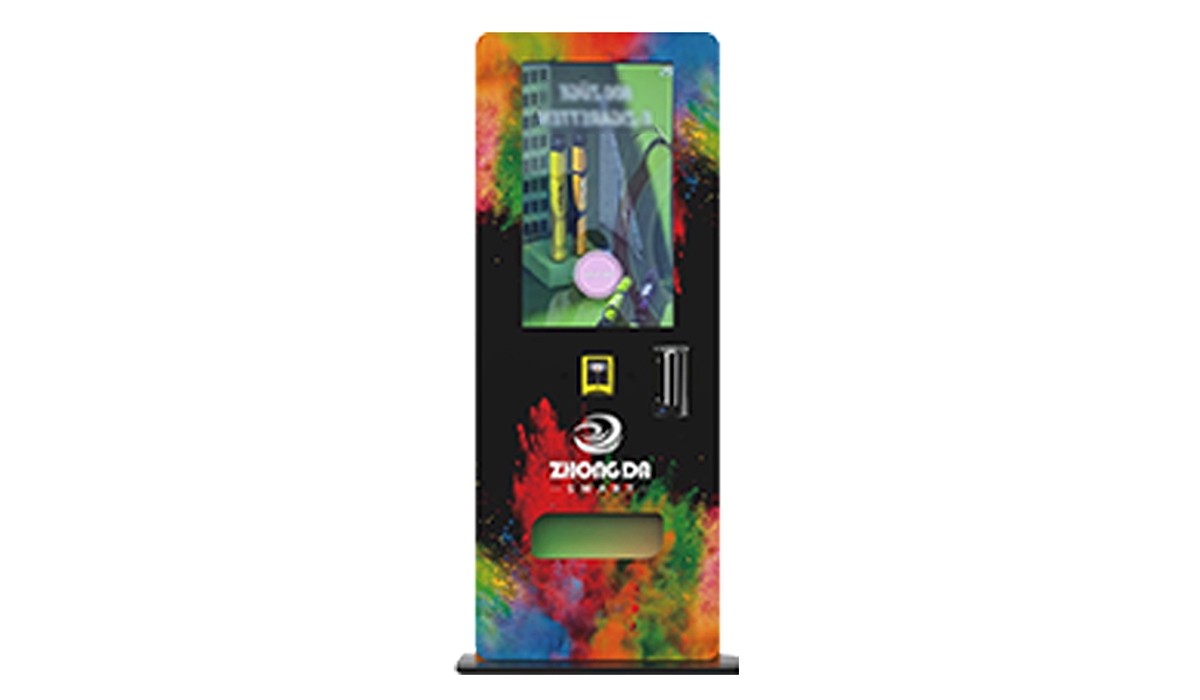
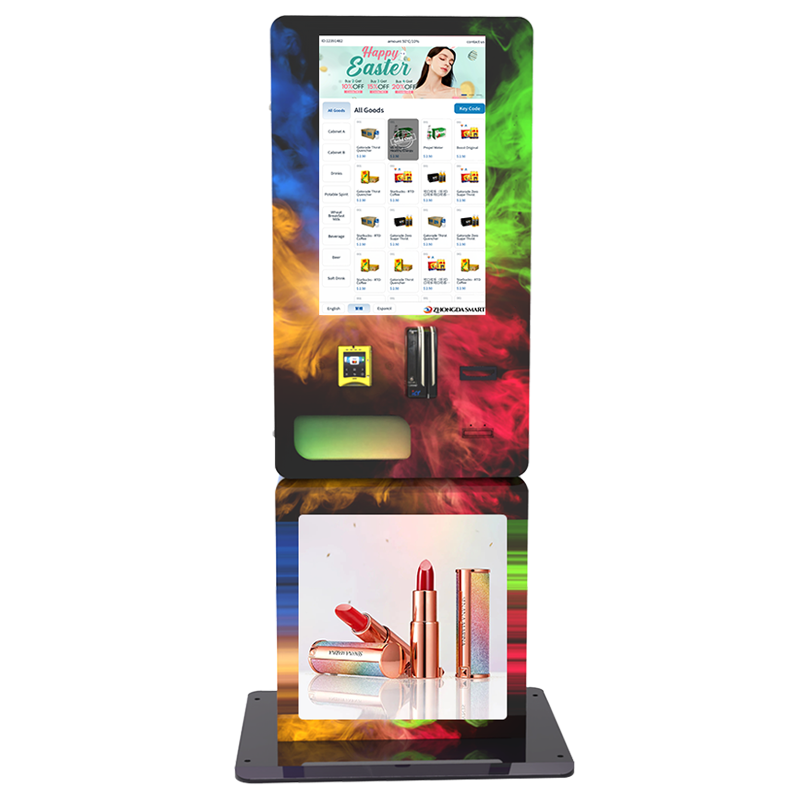
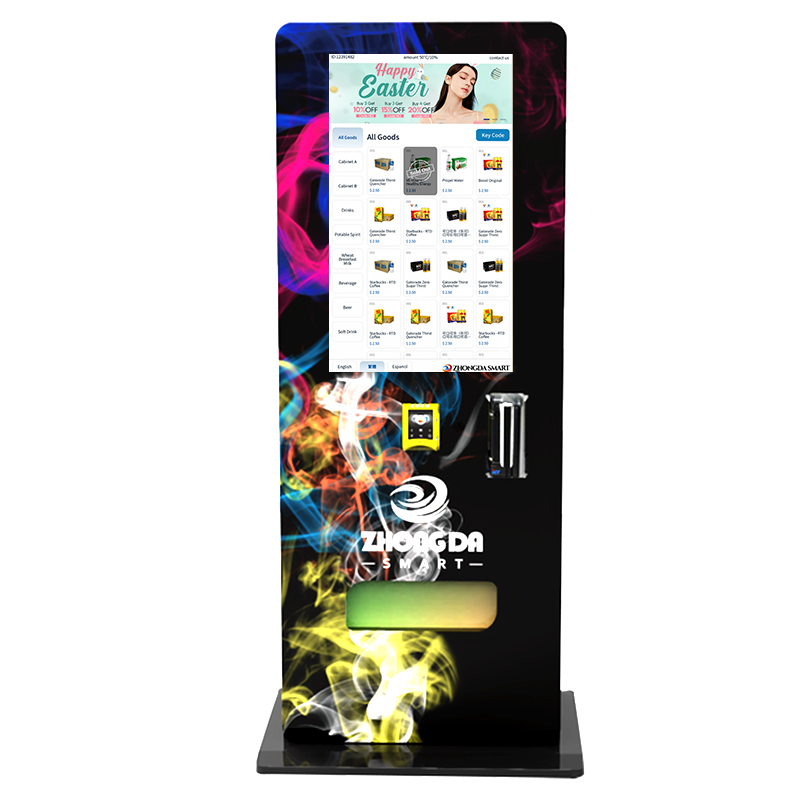
nnI have worked with several manufacturers, but the one I consistently recommend is Zhongda Smart. Their compliant e-cigarette vending machine includes a built-in ID scanner and a cellular modem out of the box. The software updates automatically when state regulations change, which saves you from having to manually update each unit. I also use their age verification vending machine for venues that require strict compliance. The build quality is consistent, and their support team responds within hours when I have an issue.
nnFor operators who want a smaller footprint, the wall-mounted e-cigarette vending machine from the same manufacturer fits in tight spaces and still includes full age verification. I have installed these in cocktail lounges and hotel lobbies where floor space is at a premium.
nnOperational Best Practices from the Field
nnStocking Strategy
nnI learned early that variety drives sales. A machine with 20 different flavors and strengths sells 40 percent more than a machine with 10. The top sellers are always mint, mango, and strawberry disposable vapes in 5 percent nicotine strength. But you need to rotate in new flavors every month to keep regulars interested.
nnPricing strategy matters too. I price disposables at $18 to $22, which is about $5 above convenience store prices. Customers pay for the convenience of not leaving the venue. I have tested higher prices, and sales drop off significantly above $25. The sweet spot is a 60 to 80 percent markup over wholesale.
nnMaintenance Schedule
nnI clean every machine once a week. That includes wiping down the touchscreen, checking the card reader for debris, and testing the ID scanner with a test ID. I also check the temperature log to make sure the interior stayed within range. Preventive maintenance catches issues before they become failures.
nnFirmware updates are critical. Age verification databases change as states update their ID formats. I set my machines to auto-update overnight, and I verify the update took effect the next morning. One operator I know skipped updates for six months and got fined when a minor used a fake ID that the outdated scanner missed.
nnFrequently Asked Questions
nnHow much does a compliant nicotine vending machine cost?
nA fully compliant machine with ID scanning starts around $6,500 and goes up to $12,000 for a high-capacity model. The price includes the scanner, cellular modem, and software. Basic machines without age verification cost less but are not legal in most jurisdictions.
What is the ROI timeline for a nicotine vending machine in a bar?
nBased on my route data, most operators recoup their investment within 6 to 10 months. A machine generating $1,000 per week in revenue with 50 percent profit margin pays off an $8,000 machine in about 16 weeks. Slower venues may take 12 months.
Do I need a special license to operate a nicotine vending machine?
nYes, in most states you need a tobacco retailer license specifically for vending machines. Some states also require a separate nicotine vending machine permit. Contact your state department of revenue or alcohol beverage control board for the exact requirements.
Can I place a nicotine vending machine in a hotel lobby?
nYes, but you need to check local laws. Some jurisdictions require nicotine vending machines to be in an area restricted to adults 21 and over. In those cases, the machine must be in a locked room or behind a staffed counter. Hotels with 21-plus policies usually qualify.
What happens if the ID scanner fails?
nThe machine should lock down and refuse all sales until the scanner is repaired. I recommend having a spare scanner on hand and training staff to power-cycle the machine if it freezes. Never disable the scanner to keep sales going, even temporarily. That is how fines happen.
How often do I need to restock the machine?
nIt depends on traffic. A busy bar machine needs restocking every 3 to 4 days. A hotel machine may go 7 to 10 days. I use remote inventory monitoring to get alerts when stock drops below 20 percent for any SKU.
Are nicotine pouches and cigarettes allowed in the same machine?
nYes, many machines have adjustable trays that can hold both. Check your local regulations, as some states have different tax rates for smokeless tobacco versus cigarettes. The machine software should handle separate tax calculations.
Final Thoughts from the Factory Floor
nnI have built machines that have processed over two million transactions across three continents. The hospitality businesses that do well with automated nicotine retail are the ones that treat it like a serious revenue stream, not a side experiment. They invest in compliant equipment, they stay current on regulations, and they maintain their machines like any other piece of revenue-generating equipment.
nnThe opportunity is real. I have seen a single machine in a mid-sized nightclub generate over $60,000 in annual profit. But the window is narrowing as more states tighten restrictions. If you are considering adding a machine, move now while the regulatory environment is still favorable in many areas. And whatever you do, do not cut corners on age verification. One mistake can cost you your business.
nnDisclaimer: The data and recommendations in this article are based on personal experience operating vending routes in the US and Europe between 2012 and 2025. Regulations vary by location. Consult a local attorney or regulatory specialist before purchasing or deploying any nicotine vending equipment.
nnSources and References
n- n
- Statista – "Vending Machine Revenue in the United States 2023" – statista.com n
- IBISWorld – "Tobacco Product Vending Machine Manufacturing Industry Report 2024" – ibisworld.com n
- Bloomberg – "The Rise of Automated Nicotine Sales in Hospitality Venues" – bloomberg.com n
- Forbes – "How Smart Vending Machines Are Changing Retail" – forbes.com n