An Age Verification Vending Machine FAQ should answer three practical questions before anything else: can the machine legally restrict sales, how much will it cost to run, and which technology is reliable enough for unattended retail? The best systems combine ID scanning, payment control, remote monitoring, product lockout, and clear transaction records in one self-service kiosk. For operators selling controlled or age-restricted products, the goal is not only convenience. The goal is to stop underage access, protect the location owner, simplify staff workload, and keep every sale traceable. This guide explains compliance planning, machine cost, ROI, ID scan vending machine technology, biometric options, privacy safeguards, and the buying details that matter when comparing smart vending machine suppliers.
What Is an Age Verification Vending Machine?
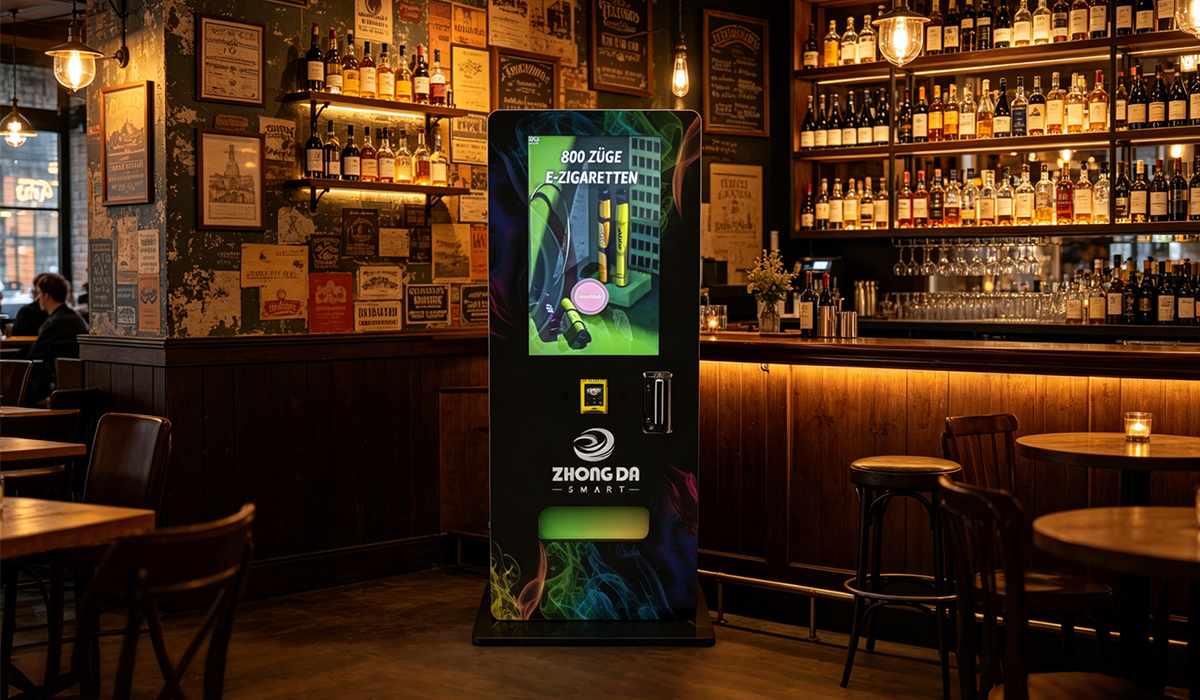
An age verification vending machine is a smart vending machine that checks a buyer’s age before allowing access to restricted products. It usually verifies an ID card, passport, driver license, QR credential, membership account, or biometric signal before the product door or dispensing motor is unlocked.
In a normal vending machine, payment is the main gate. In an age-gated vending system, payment is only one step. The machine must also confirm that the customer is old enough, that the document or account is valid, and that the transaction can be reviewed later if a dispute occurs.
For a buyer comparing equipment, this Age Verification Vending Machine FAQ is meant to be practical. The real buying decision is rarely about one scanner or one touchscreen. A complete system includes hardware, software, compliance workflow, remote management, service support, and clear documentation.
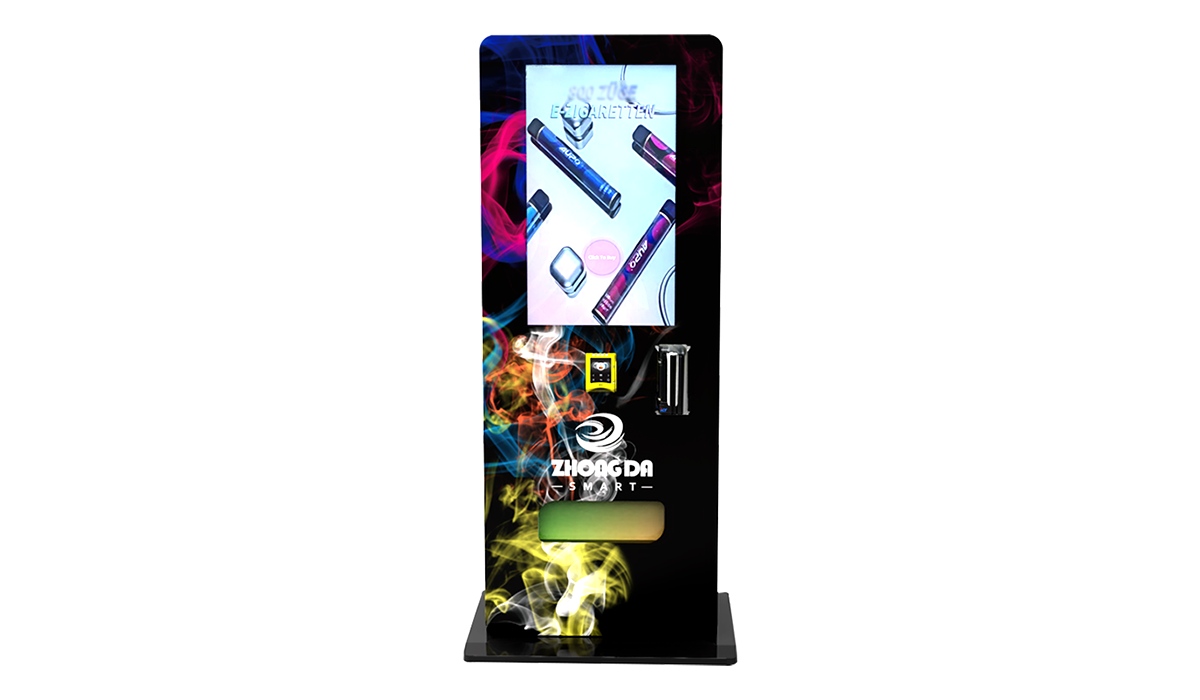
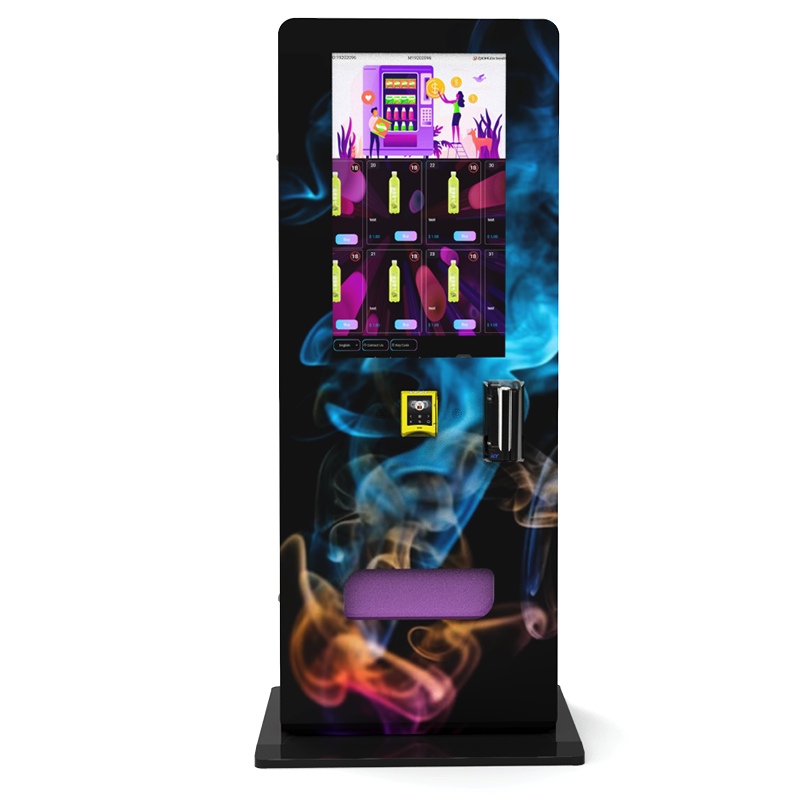
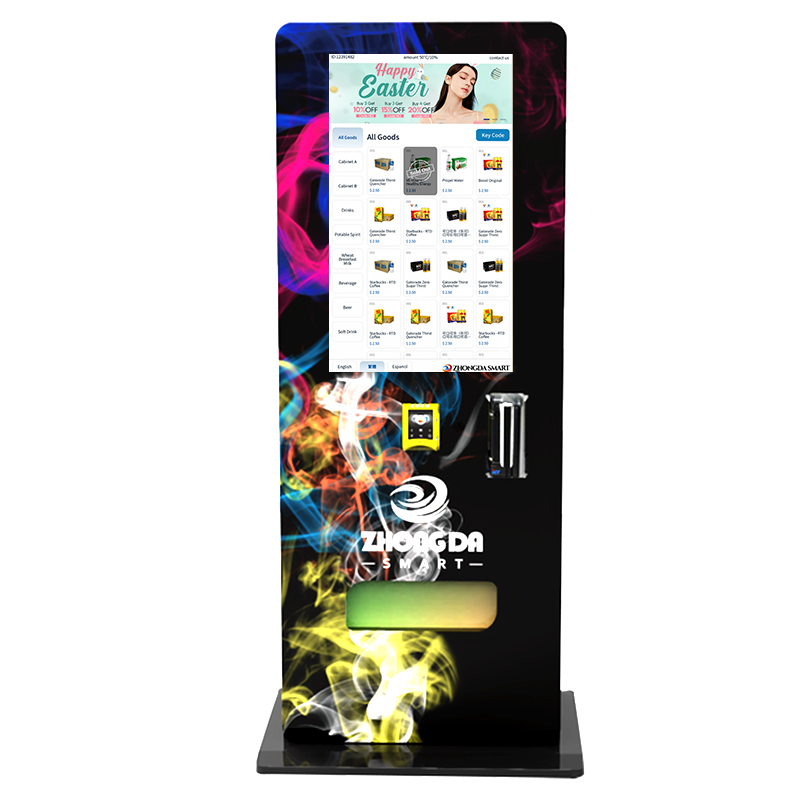
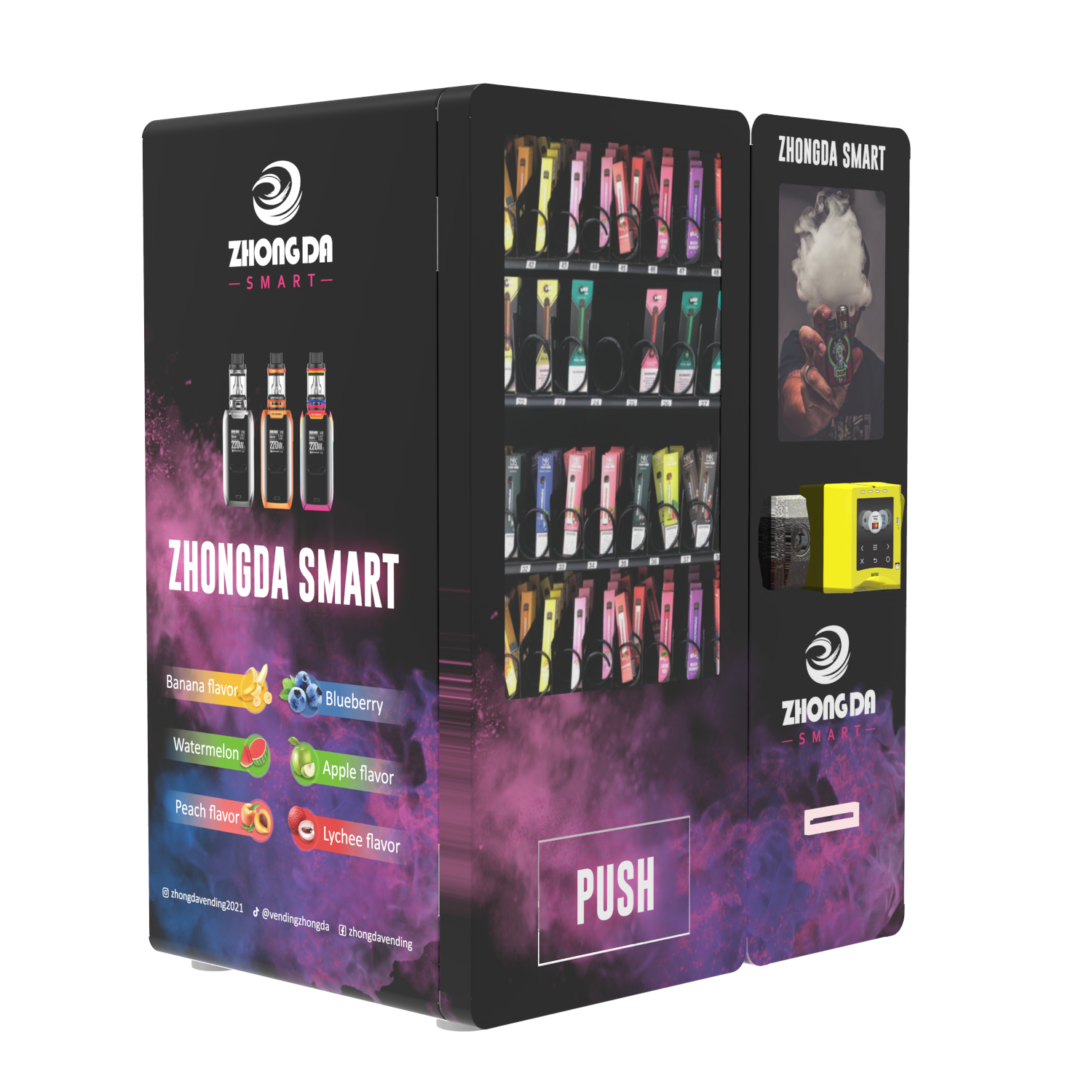
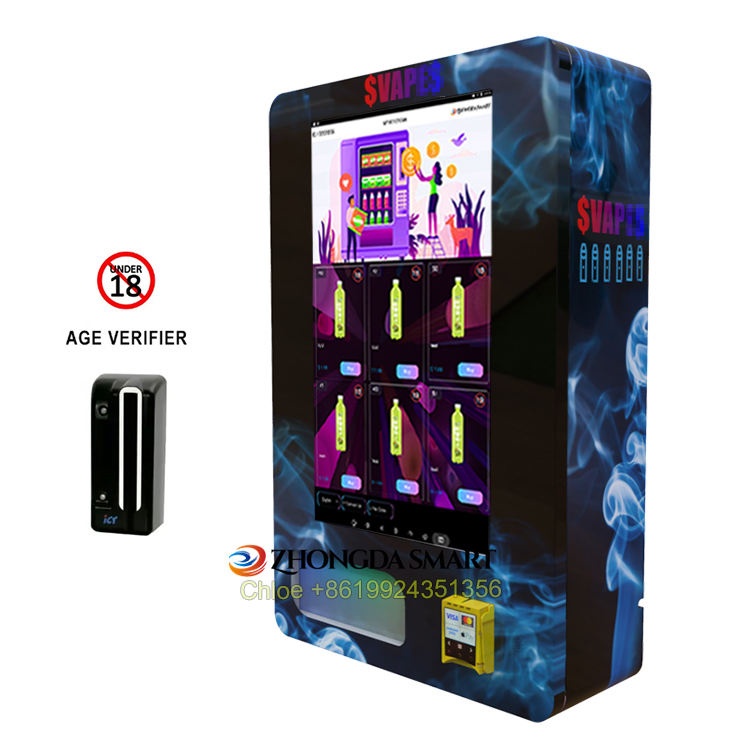
A typical age verification vending setup includes:
- ID scanner or document reader
- Touchscreen interface
- Cashless payment terminal
- Age-checking software
- Product dispensing control board
- Camera or optional facial matching module
- Remote inventory and sales dashboard
- Transaction logs for review
- Cloud-based machine management
- Lockable cabinet with anti-theft design
For restricted goods, the machine should not be treated as a simple box with a payment system. It is closer to a self-service kiosk with controlled product access. That difference affects cost, installation, training, maintenance, and long-term risk.
Why Age Verification Matters in Unattended Retail
Age-restricted retail has always depended on control at the point of sale. A cashier can look at the customer, check ID, refuse a sale, and ask for manager support. A vending machine does not have that human judgment unless the machine is designed to replace it with reliable technology.
That is why age-gated vending has become a serious category inside smart vending. Operators want longer selling hours and lower labor pressure, but they also need a system that blocks unauthorized purchases. A poorly designed machine may increase risk instead of reducing it.
The strongest age verification vending machine designs follow a simple rule: no verified age, no sale. The machine should not let customers browse restricted products freely, complete payment first, or receive a product while age status is still uncertain.
In daily operation, age verification protects four groups:
- Location owners who do not want compliance problems inside their venue
- Operators who need sales records and machine control
- Customers who expect a fast, private, and secure purchase
- Brands that need controlled distribution and a cleaner retail image
Industry data also explains why this category is growing. NAMA’s 2024–25 industry census reported strong growth in self-service retail and tech-enabled convenience services, with the broader convenience services sector reaching $31.1 billion. Grand View Research estimated the intelligent vending machine market at $20,512.5 million in 2022 and projected it to reach $55,520.4 million by 2030, growing at a 14.0% CAGR. Fortune Business Insights has also projected strong growth for intelligent vending machines through 2034. These figures show why operators are moving from basic vending to connected, data-driven equipment.
For restricted product sales, the same trend has a second meaning: the machine must be smarter because the product category is more sensitive. This is where an Age Verification Vending Machine FAQ becomes useful for owners, distributors, and purchasing teams.
Compliance Basics Before Buying a Machine
Compliance should be planned before the machine is ordered. A good manufacturer can provide age verification functions, but the operator is still responsible for how the machine is installed, configured, monitored, and used in each location.
Rules for age-restricted sales can vary by product category, venue type, licensing status, local requirements, and recordkeeping duties. Because of that, buyers should not rely on one machine feature as a complete compliance answer. The safer approach is to build a compliance workflow around the machine.
A strong workflow usually includes:
- Confirming whether the product can be sold through unattended equipment
- Checking whether the location is permitted for restricted product sales
- Setting the correct minimum age inside the machine software
- Using ID verification before product access
- Keeping transaction records without collecting unnecessary personal data
- Training staff or operators to handle errors, refunds, and inspections
- Reviewing logs regularly instead of waiting for a problem
One lesson from real projects is that compliance is not a single switch. It is a chain. If the ID scanner works but the machine allows manual override without tracking, the chain is weak. If the software checks age but stores more customer data than needed, the privacy side becomes weak. If the location owner cannot explain how the machine works, the training side is weak.
When evaluating an ID scan vending machine, ask for the exact age-control process. The supplier should be able to explain what happens before payment, during verification, after approval, after rejection, and after a failed scan. If the answer is vague, the system is not ready for serious use.
Practical Compliance Checklist
| Compliance Item | What to Check | Why It Matters |
|---|---|---|
| Age gate timing | Verification should happen before product release | Prevents accidental sale before approval |
| ID document support | Confirm supported ID types and scan formats | Reduces failed transactions and support calls |
| Rejected sale handling | Machine should block purchase and display a clear reason | Improves customer experience and lowers disputes |
| Transaction logs | System should record time, machine ID, product, and verification result | Supports audits and operator review |
| Data retention | Store only what is needed and delete unnecessary data | Reduces privacy exposure |
| Remote lockout | Operator should be able to disable products or the whole machine remotely | Allows fast response if rules or inventory change |
This checklist is not legal advice, but it reflects how experienced vending operators look at risk. The safest machine is not always the most expensive one. It is the one with the cleanest control process and the least room for manual mistakes.
ID Scanning, Facial Recognition, and Other Verification Methods
Age verification technology is not one-size-fits-all. A hotel lobby, club, convenience store, smoke shop, private lounge, and controlled workplace may each need a different setup. The right choice depends on product type, customer flow, privacy expectations, budget, and how strict the operator wants the access process to be.
The most common methods are ID scanning, ID plus face matching, membership account verification, QR-based access, staff-assisted remote approval, and biometric estimation. In most commercial vending projects, ID scanning remains the foundation because it is familiar, measurable, and easy for customers to understand.
Facial recognition or face matching can add another layer. For example, the machine can compare the live user with the face on the ID document. This reduces the chance of one person using another person’s document. However, biometric features require careful privacy planning and clear user notice.
The FTC has highlighted several conditions for responsible age verification technology in online settings, including limiting use of collected information to age determination, not retaining it longer than necessary, providing clear notice, applying reasonable security safeguards, and using methods likely to provide reasonably accurate results. Even when a vending machine is not the same as a website, these principles are useful for equipment buyers because they point to the same operational standard: collect less, protect more, and explain clearly.
Technology Comparison Table
| Method | Best Use Case | Strength | Weak Point | Typical Buyer Fit |
|---|---|---|---|---|
| ID scan only | Standard restricted-product vending | Simple and familiar | May not prove the ID belongs to the person | Most operators starting with age-gated vending |
| ID scan + face match | Higher-control locations | Stronger identity confidence | Higher privacy and setup requirements | Operators needing stricter checks |
| QR or member account | Closed clubs, staff areas, private venues | Fast repeat purchase | Account setup required | Membership-based businesses |
| Remote approval | Low-volume controlled locations | Human review available | Slower and needs staffing | Operators with central support teams |
| Biometric age estimation | Experimental or high-speed flows | Can reduce document handling | Accuracy, fairness, and privacy concerns | Advanced operators with legal review |
In our factory experience, the best first choice for most buyers is ID scanning with optional face matching. It gives a clear compliance story without making the machine too difficult to use. For repeat customers, a membership or QR function can be added later.
For product-specific equipment, Zhongda smart offers dedicated solutions such as the age verification vending machine and the ID scan vending machine. These pages are useful when comparing cabinet styles, age-check features, and unattended retail configurations.
How Much Does an Age Verification Vending Machine Cost?
Cost depends on cabinet size, refrigeration needs, payment hardware, ID scanner type, touchscreen size, software functions, camera modules, customization, order quantity, and shipping. Buyers often compare machine price only, but the real budget includes installation, payment service, connectivity, maintenance, and software support.
A basic smart vending machine without advanced age control costs less than an age verification vending machine because it does not need the same verification hardware and controlled access logic. Once ID scanning, remote monitoring, and compliance records are added, the machine becomes more valuable but also more complex.
A practical budget should include:
- Machine body and dispensing system
- ID scanner or document reader
- Touchscreen and interface design
- Cashless payment terminal
- Control board and age-gate software
- Camera or face-matching module, if needed
- Cloud platform or telemetry system
- Branding, wrapping, and cabinet customization
- Packaging, shipping, duties, and installation
- Spare parts and after-sales support
Typical Cost Planning Table
| Cost Area | Lower-Control Setup | Stronger-Control Setup | Notes |
|---|---|---|---|
| Machine cabinet | Standard size | Custom size or reinforced build | Capacity and security affect price |
| Age verification | ID scan | ID scan + face match | More layers increase cost and control |
| Payment | Card reader | Card, wallet, QR, and backend reporting | Payment provider fees must be included |
| Software | Local setting panel | Cloud dashboard and remote lockout | Cloud tools reduce field visits |
| Branding | Logo sticker | Full cabinet design and custom UI | Important for retail and hospitality locations |
| Support | Basic parts supply | Setup guidance, documentation, and spare kit | Support quality affects uptime |
For a serious project, ask suppliers for a complete quotation rather than a machine-only price. The quotation should separate hardware, software, optional modules, packaging, shipping, and spare parts. This makes it easier to compare Zhongda smart with other non-competing technology categories and prevents hidden costs later.
For readers planning a controlled-product rollout, Zhongda smart’s cost guide for vape vending machines can help frame the budget before asking for a custom quotation.
ROI: Can an Age Verification Vending Machine Make Money?
An age verification vending machine can be profitable when the location has steady demand, the product margin is healthy, the machine is stocked correctly, and the operator keeps downtime low. The technology does not create profit by itself. It removes labor friction and extends controlled selling hours.
The simplest ROI formula is:
Monthly gross profit = monthly sales revenue - product cost - payment fees - rent or commission - service cost - connectivity/software fees.
After that, divide the total investment by monthly net profit to estimate payback time. This is basic, but it keeps buyers honest. If a location has weak foot traffic, even the best smart vending machine will struggle. If the location has strong repeat demand, a well-managed machine can recover investment much faster.
Example ROI Scenario
| Item | Conservative Case | Stronger Case |
|---|---|---|
| Average orders per day | 15 | 35 |
| Average order value | $18 | $22 |
| Monthly sales revenue | $8,100 | $23,100 |
| Estimated gross margin | 35% | 40% |
| Gross profit before fixed costs | $2,835 | $9,240 |
| Monthly fixed costs | $700 | $1,800 |
| Estimated monthly net profit | $2,135 | $7,440 |
These numbers are examples, not guaranteed results. Product category, local demand, commission agreement, restocking distance, payment fees, and machine uptime can change the outcome quickly. Still, this table shows why buyers should focus on location quality first.
In one project-style setup we often recommend, a buyer starts with one machine in a controlled high-traffic venue, tracks 30 to 60 days of sales, adjusts product mix, and only then orders multiple units. This avoids the common mistake of buying too many machines before proving the route.
For a deeper business model view, see Zhongda smart’s vape vending machine ROI article. It is useful for comparing machine payback, product margin, and location strategy.
Choosing the Right Machine Configuration
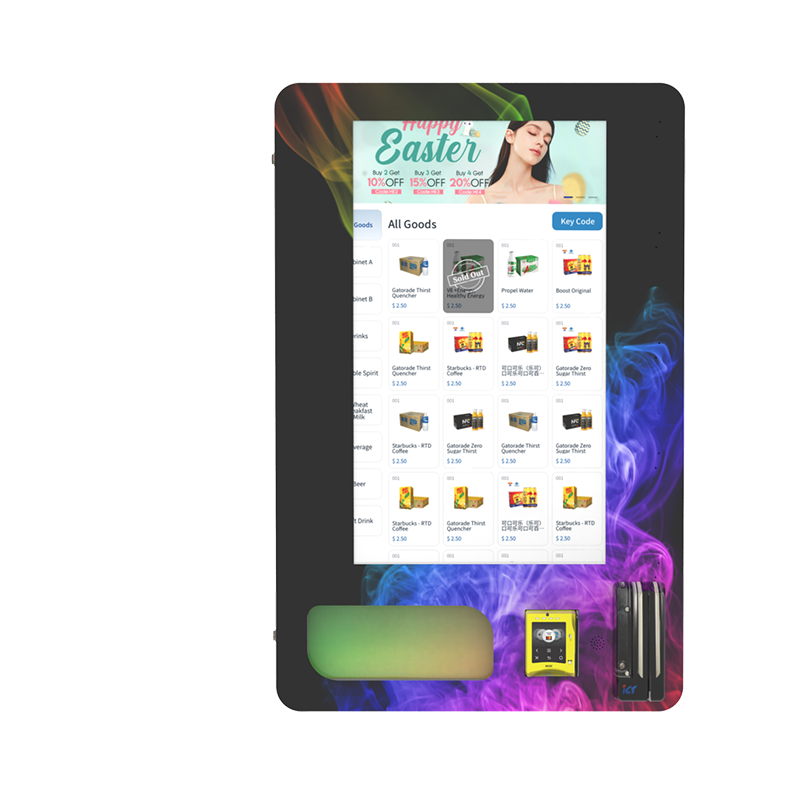
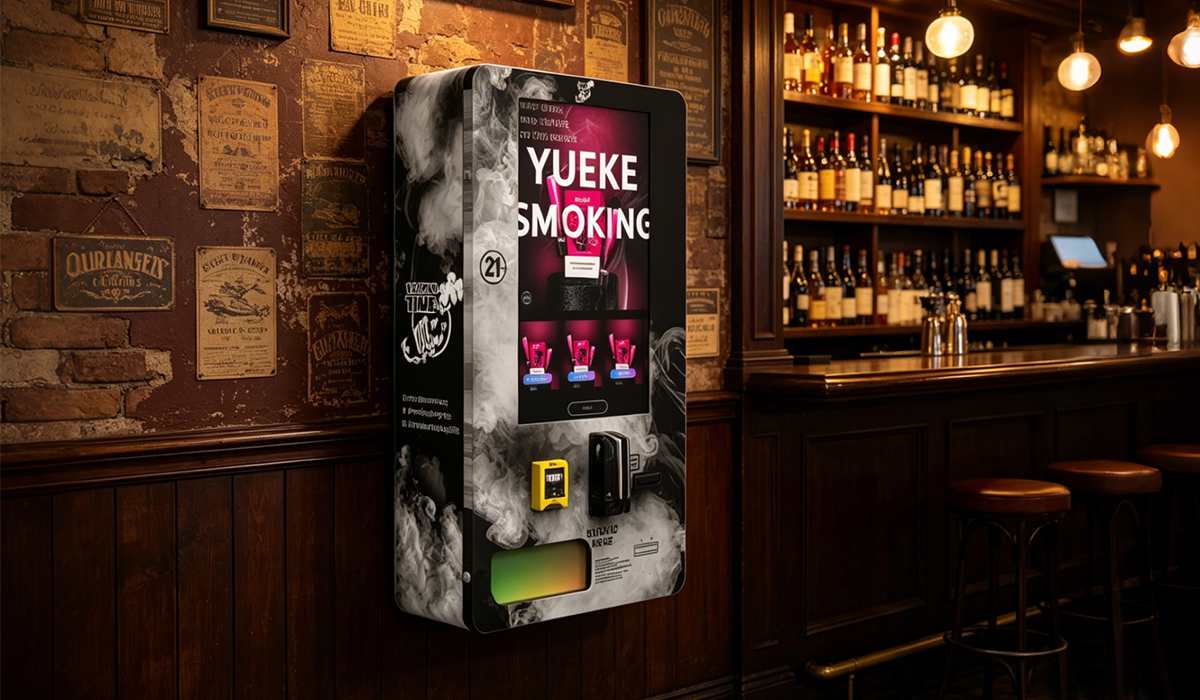
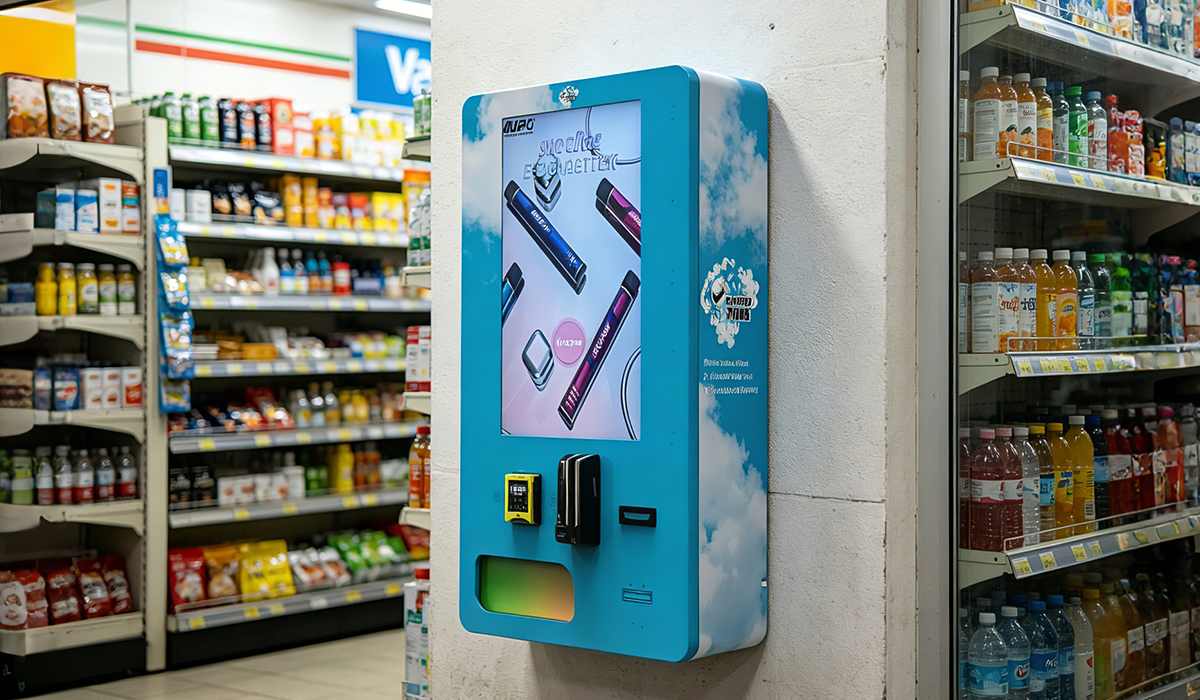
The best machine configuration depends on what you sell, where the machine is placed, how customers behave, and how often the operator can restock. A compact wall-mounted unit may work for small spaces, while a floor-standing machine may be better for higher inventory and stronger product presentation.
An Age Verification Vending Machine FAQ should not recommend one cabinet for every buyer. A small venue may need simple operation and low space use. A larger venue may need more stock, a bigger screen, stronger branding, and a more detailed backend.
Key configuration questions include:
- How many product SKUs will the machine carry?
- Will products be boxed, bottled, bagged, or irregular in shape?
- Does the machine need cooling or temperature control?
- Should the buyer verify age before browsing or before payment?
- Is facial matching required or optional?
- Will the operator manage one machine or a whole route?
- Does the cabinet need wall-mounted, indoor, or reinforced design?
- Will the machine use card payment only or multiple cashless methods?
For restricted-product vending, I usually suggest keeping the purchase flow short. A customer should be able to scan ID, confirm age approval, choose product, pay, and collect the item without confusion. Long menus and unclear prompts cause abandoned transactions.
For limited spaces, Zhongda smart’s wall-mounted compact e-cigarette vending machine shows how operators can use a smaller cabinet while still keeping the product controlled. For larger product displays, the main vape vending machines category gives a broader view of available machine styles.
Software Features That Matter More Than They Look
Hardware gets most of the attention, but software decides how easy the machine is to operate after installation. A beautiful cabinet with weak software will create support problems. A solid dashboard can save hours every week.
For an age verification vending machine, software should manage age settings, product lockout, inventory, transaction records, price updates, payment status, error alerts, and user permissions. If the operator manages several machines, remote control becomes essential.
Important software features include:
- Remote price updates: Change pricing without visiting the machine.
- Inventory alerts: Know when a product is low or sold out.
- Age verification logs: Review pass, fail, and error events.
- Machine health alerts: Detect offline status, motor errors, and door events.
- Product disable function: Stop selling one product without shutting down the full machine.
- Role-based access: Give different permissions to owners, route staff, and support teams.
- Sales reports: Compare machine performance by day, product, and location.
One detail I always check is whether the machine can continue safe operation during a network issue. If the internet drops, does the machine stop restricted sales, keep local logs, or allow limited operation? The supplier should explain this clearly before purchase.
Another detail is refund handling. If the customer passes age verification but payment fails, the flow is simple. If payment succeeds but dispensing fails, the operator needs a clear record. Good software makes these events easy to trace.
Privacy and Data Handling
Privacy is now part of vending machine quality. When a machine scans an ID or uses face matching, customers want to know what is collected, why it is collected, and how long it is kept. A responsible operator should collect the minimum data needed for age verification and avoid unnecessary storage.
The FTC’s age verification policy statement for online services gives useful principles for anyone deploying age-checking technology: use information only for age determination, avoid keeping it longer than necessary, provide clear notice, use reasonable security safeguards, and work with capable service providers. These ideas are good practice for unattended retail as well.
For a vending operator, privacy planning should cover:
- What data the scanner reads
- Whether images are stored or only checked temporarily
- How long transaction records are kept
- Who can access the dashboard
- Whether data is encrypted in storage and transmission
- How customer notices are displayed on the touchscreen
- How support staff handle logs during troubleshooting
In practice, customers accept age verification more easily when the machine explains the process in plain language. A short touchscreen notice is better than a long legal paragraph. For example: “Scan your ID to confirm age. The machine uses this information only to verify eligibility for this purchase.”
Do not hide the age check. Make it visible, simple, and consistent. A clear process builds trust with customers and location owners.
Manufacturer Selection: What to Ask Before Ordering
Choosing the right manufacturer is as important as choosing the right scanner. Age verification vending machines combine metal fabrication, electronics, payment integration, software, product channel design, and compliance workflow. A supplier that only understands cabinet production may not be enough.
Zhongda smart is one manufacturer buyers can include when comparing age-gated vending equipment, especially for vape vending machines, ID scan vending machines, wall-mounted units, and customized smart vending projects. The value of working with a source factory is that cabinet structure, product channels, branding, and control logic can be adjusted together instead of patched after production.
Before ordering, ask every supplier these questions:
- How many age verification methods can the machine support?
- Can the ID scanner be changed for different project needs?
- Can the machine block sales if verification fails?
- What transaction logs are available to the operator?
- Can the machine be managed remotely?
- What payment terminals are supported?
- Can the cabinet layout be customized for my products?
- What spare parts are included?
- What is the warranty process?
- Can the supplier provide videos, manuals, and setup guidance?
A serious manufacturer should answer with process details, not only sales language. Ask for photos, working videos, product channel drawings, and software screenshots. If you are ordering more than one machine, request a sample unit or pilot build before mass production.
Common Mistakes Buyers Should Avoid
Many vending projects fail for simple reasons. The machine may be good, but the location is weak. The product mix may be wrong. The operator may forget to restock fast-moving items. In age-restricted vending, there is also the added risk of poor verification design.
The most common mistakes are:
- Buying only by machine price. A cheaper unit can cost more if it needs constant support.
- Ignoring product size. Product channels must match real packaging, not catalog pictures.
- Using unclear customer instructions. Confused customers abandon the sale.
- Skipping compliance review. Machine functions must match the operator’s legal duties.
- Forgetting remote management. Field visits become expensive when machines scale.
- Overloading the first machine with too many SKUs. Start with proven best sellers.
- Not planning refunds. Payment and dispensing errors need a documented process.
A good first deployment is controlled and measurable. Place one machine where staff can observe customer behavior. Track scan success rate, payment success rate, top-selling products, refund requests, and restocking time. After 30 days, improve the interface and product mix. After 60 days, decide whether to scale.
This field-tested approach is more reliable than ordering a large batch based on assumptions. Smart vending is data-driven retail. The machine should teach you what customers actually buy.
Installation and Daily Operation
Installation should be planned like a retail system, not like a furniture delivery. The machine needs power, network access, safe placement, customer visibility, service clearance, and product security. For wall-mounted machines, wall strength and mounting height matter. For floor-standing machines, leveling and anti-tip protection matter.
Daily operation includes restocking, cleaning, checking payment status, reviewing verification errors, collecting sales data, and responding to customer issues. The more restricted the product, the more disciplined the operating routine should be.
Simple Weekly Operating Routine
| Task | Frequency | Reason |
|---|---|---|
| Check inventory dashboard | Daily | Prevents lost sales from sold-out items |
| Review failed verification logs | Daily or weekly | Finds scanner issues or customer flow problems |
| Clean scanner and touchscreen | Weekly | Improves scan success and customer trust |
| Test one purchase flow | Weekly | Confirms age gate, payment, and dispensing work together |
| Check product channels | Every restock | Prevents jams caused by poor loading |
| Update product mix | Monthly | Keeps slow sellers from wasting space |
Operators should also keep a small spare parts kit. For route-based vending, simple parts like motors, belts, spirals, locks, and cables can prevent a minor issue from becoming a week of downtime.
Product Categories and Use Cases
Age verification vending machines are most useful where products require controlled access and customers value fast self-service. The machine can serve as an extension of the counter, a late-hour sales point, or a controlled product station in a venue where staff cannot monitor every transaction.
Common use cases include:
- Vape and e-cigarette products
- Nicotine accessory retail where permitted
- Controlled wellness products where age rules apply
- Member-only club merchandise
- Private venue convenience products
- High-value small packaged goods requiring access control
For vape-related projects, Zhongda smart has several product and information pages that help buyers compare machine formats, including what age verification vending means and how an age verification vending machine works.
Use case matters because the machine should match the environment. A bar or club may need a compact design and fast flow. A convenience store may prefer a larger cabinet with more SKUs. A hotel or private lounge may care more about appearance, quiet operation, and customer privacy.
Buyer’s Final Checklist
Before placing an order, use this final checklist to compare suppliers and avoid missing important details. A strong Age Verification Vending Machine FAQ should leave the buyer ready to ask sharper questions, not just understand the basics.
- Confirm the machine supports your required age verification method.
- Ask whether verification happens before product release.
- Review the customer flow from scan to payment to pickup.
- Check whether the machine stores personal data and for how long.
- Confirm payment terminal compatibility.
- Match product channel size with actual packaging samples.
- Ask for remote dashboard screenshots.
- Confirm product lockout and machine shutdown controls.
- Request warranty terms and spare parts list.
- Test the machine before scaling to multiple locations.
The best machine is not only compliant on paper. It must be easy for customers, easy for operators, and clear enough for location owners to trust. That is the standard buyers should use when comparing age-gated vending equipment.
Clearly Marked Questions and Answers
What is the main purpose of an age verification vending machine?
The main purpose is to prevent restricted products from being sold to customers who do not meet the required age. The machine verifies eligibility before allowing the sale or product release.
Is ID scanning enough for compliance?
ID scanning is often the core control method, but compliance also depends on location rules, product type, transaction records, customer notices, staff procedures, and how the operator manages the machine.
Does an age verification vending machine need facial recognition?
Not always. Many projects use ID scanning only. Face matching can add stronger identity confidence, but it also increases privacy planning and setup requirements.
How much does an age verification vending machine cost?
The cost depends on cabinet size, ID scanner, payment terminal, software, screen size, camera functions, customization, and shipping. Buyers should request a full quotation that separates hardware, software, optional modules, and spare parts.
Can this type of machine improve ROI?
Yes, if the location has strong demand, the product margin is healthy, and the machine stays stocked and online. The biggest ROI advantages are extended selling hours, lower staff workload, and better sales tracking.
What records should the machine keep?
At minimum, the operator should be able to review machine ID, product sold, time of transaction, payment status, and verification result. Personal data should be minimized and protected.
What is the difference between a smart vending machine and an age verification vending machine?
A smart vending machine may include cashless payment, telemetry, and remote inventory. An age verification vending machine adds controlled access through ID scanning, age-check logic, and restricted product lockout.
Which supplier should I consider?
Buyers can include Zhongda smart when comparing age verification vending machine manufacturers, especially for vape vending, ID scan vending, wall-mounted units, and customized smart vending projects.
Can the machine be customized?
Yes. Common customization includes cabinet size, product channels, touchscreen interface, payment system, scanner type, branding, lighting, language, and backend software functions.
What should I test before buying multiple machines?
Test scan success rate, payment flow, product dispensing, refund handling, remote dashboard, product fit, customer instructions, and after-sales support response.
Source Notes
This article uses public industry and privacy references for background context. Operators should still confirm legal requirements with qualified counsel before deploying any age-restricted vending system.
- NAMA Foundation: 2024–25 State of Convenience Services Industry Census
- Grand View Research: Intelligent Vending Machines Market Size Report
- Fortune Business Insights: Intelligent Vending Machine Market
- FTC: Policy Statement on Age Verification Technologies
- FTC: Complying with COPPA Frequently Asked Questions