Why Adult-Only Venues Are the Sweet Spot for Vape Vending
Adult-only venues solve the biggest headache for vape vending: age verification. Unlike a convenience store where you’re constantly checking IDs at the door, a bar or nightclub already restricts entry to people 21 and over. That built-in filter means your smart vending machine doesn’t have to work as hard to stay compliant. From my experience running routes in busy downtown districts, venues with a strict door policy see 30% fewer compliance issues compared to mixed-age locations.
But compliance is just the start. The real money is in impulse buys. When someone’s had a few drinks and realizes they’re out of pods or their disposable is dying, they’re not going to walk to a gas station. They’ll walk ten feet to a self-service kiosk. I’ve seen venues with a single machine pull in $1,200 to $2,800 a week in gross sales, depending on the crowd and product mix. The key is matching the machine to the venue’s vibe and traffic patterns.
Top Locations for Maximum ROI
Not all adult-only venues are created equal. I’ve broken down the best spots based on my own route data and feedback from venue owners who’ve partnered with my factory. Here’s where I’ve seen the highest return on investment.
High-Energy Nightclubs and Dance Venues
Nightclubs are the gold standard for vape vending. The crowd is young, cash-heavy, and looking for convenience. In a club with a capacity of 500 or more, I’ve placed machines near the bar or smoking patio and seen daily sales hit $400 on weekends. The trick is to stock high-margin disposables and popular pod systems. One club owner I work with in Chicago told me his machine paid for itself in four months.
Key factors to look for:
Capacity of at least 300 people
Open at least four nights a week
Has a designated smoking area or outdoor patio
Staff willing to restock the machine during shifts
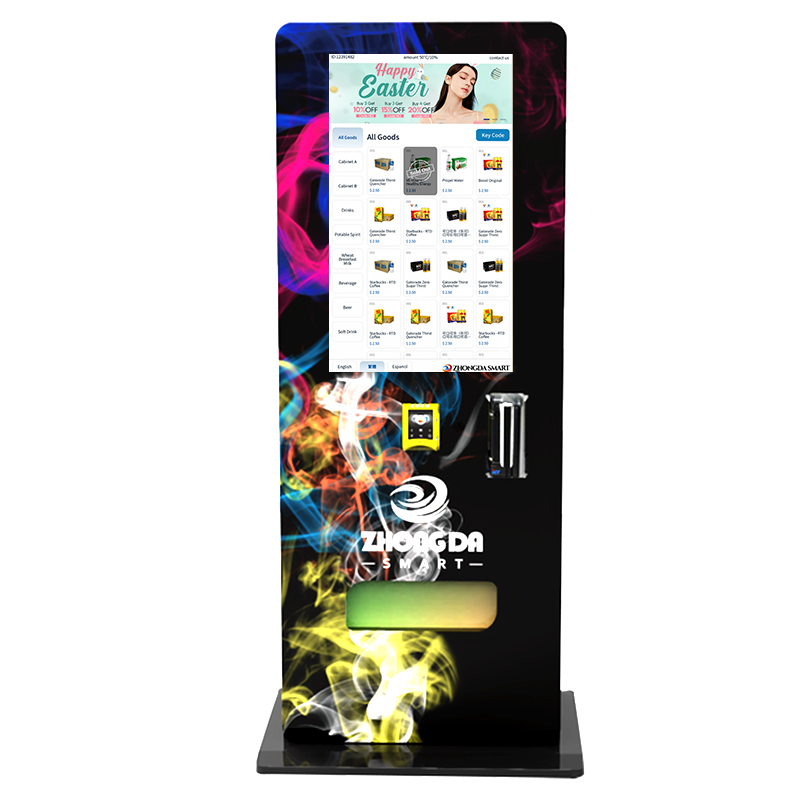
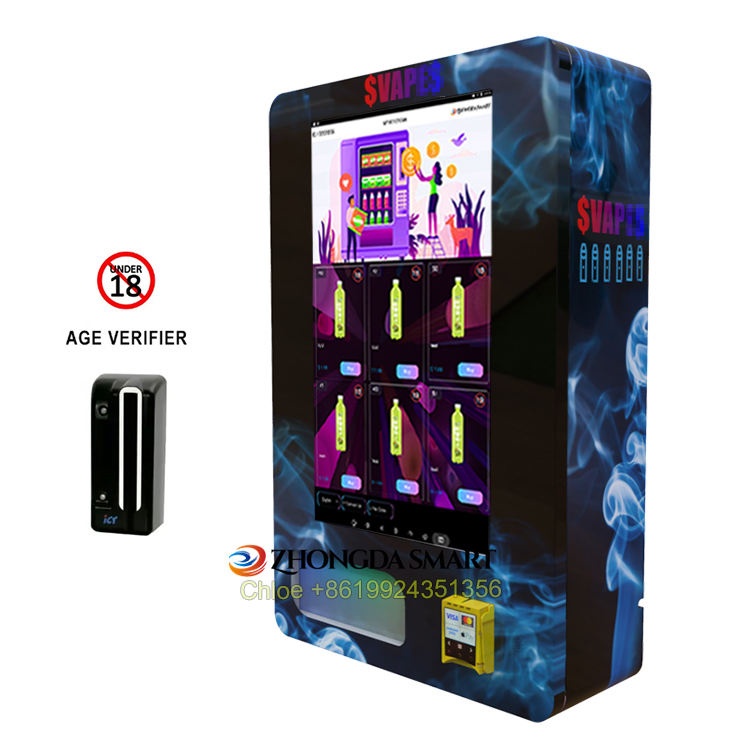
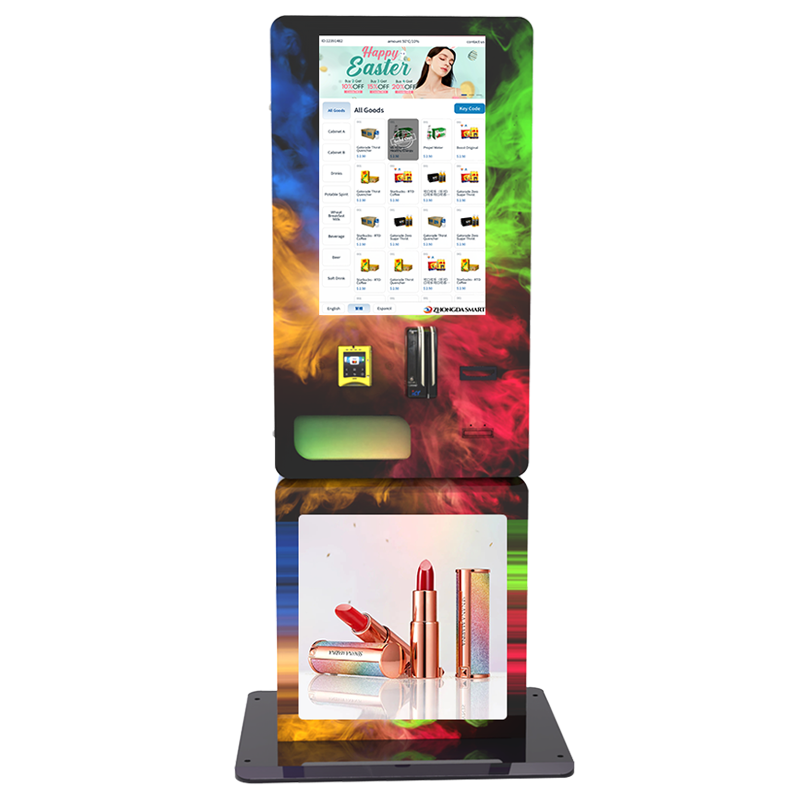
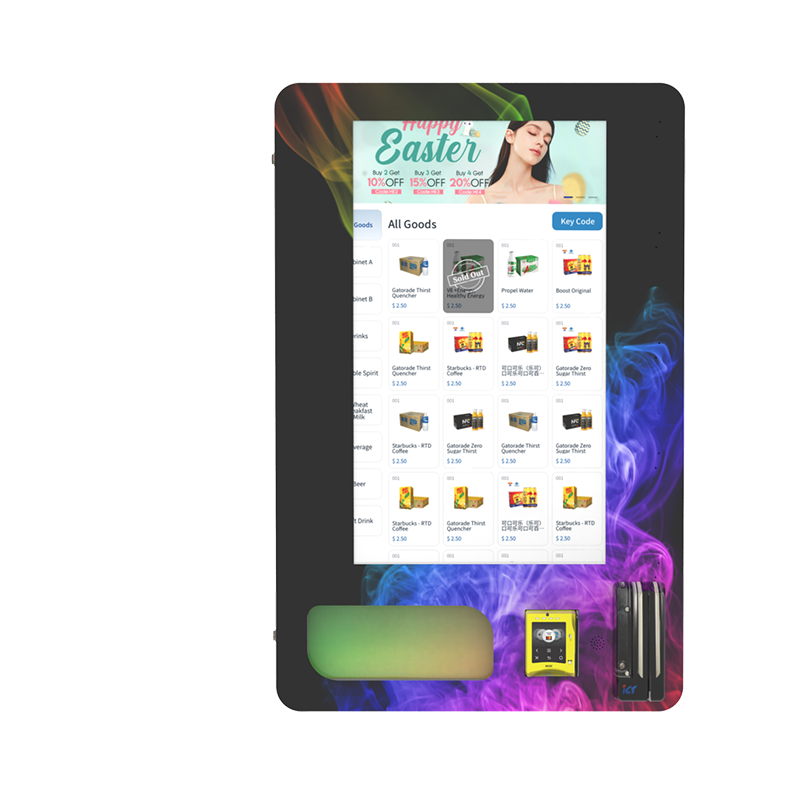
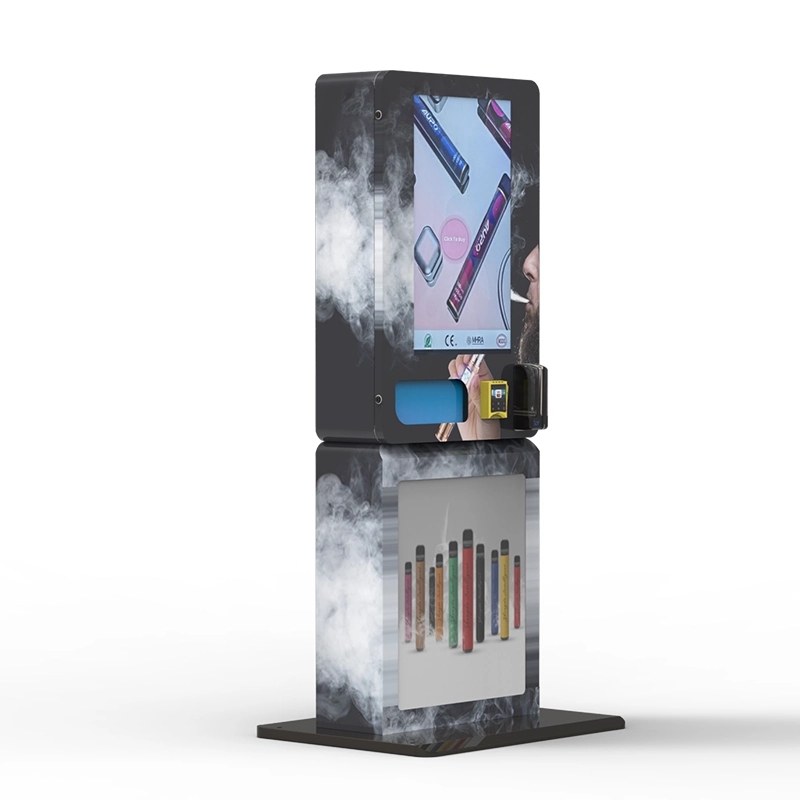
If you’re scouting a club, check the noise levels and lighting near your proposed spot. A machine tucked in a dark corner with bad Wi-Fi for payment processing will kill your sales. I always recommend a wall-mounted compact e-cigarette vending unit for tight spaces. For example, the wall-mounted compact e-cigarette vending machine fits neatly near a patio door without blocking foot traffic.
Upscale Lounges and Cocktail Bars
Lounges attract a slightly older, more affluent crowd. These customers are less price-sensitive and more likely to buy premium vape products. I’ve placed machines in lounges where the average check is $50 or more, and the vape sales are steady rather than spikey. One lounge in Miami averages $1,600 a week from a single machine, with a mix of disposables and nicotine salts.
What works in a lounge:
Premium brands and higher price points
Machine placement near the restroom hallway or coat check
Quiet, well-lit areas with good cellular signal
Monthly restocking schedule (less frequent than clubs)
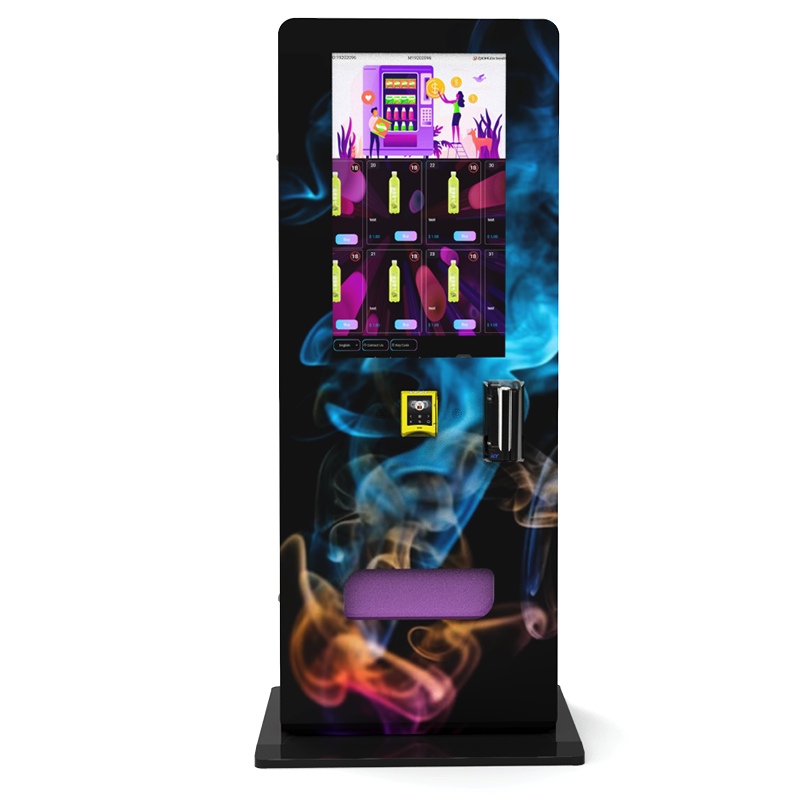
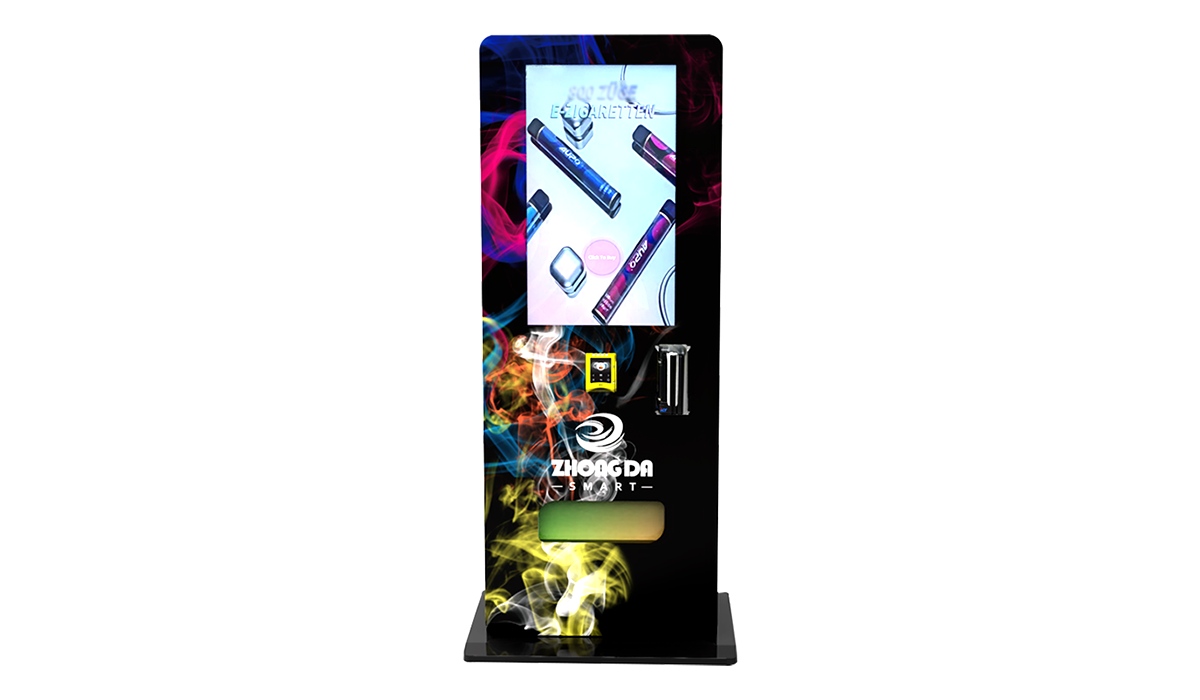
For lounges, I often suggest a sleek, low-profile unit. The wall-mounted e-cigarette vending machine blends into the decor and doesn’t scream “vending machine.” It looks more like a piece of furniture, which lounge owners appreciate.
Breweries and Taprooms
Breweries are an underrated gem for vending. They’re adult-only by nature (no minors allowed in most states), and the crowd tends to linger for hours. I’ve run machines in three breweries in Portland, Oregon, and each one does $800 to $1,200 a week. The key is that brewery customers are often regulars who come multiple times a week. They know the machine is there, and they rely on it.
Brewery placement tips:
Near the restroom or exit to the patio
Visible from the bar but not blocking server stations
Stock with mid-range products, not ultra-premium
Offer a loyalty program or discount for repeat buyers
One brewery owner told me, “I used to lose sales when people left to buy vapes at the gas station. Now they stay, buy another beer, and use the machine.” That’s exactly the kind of feedback that confirms the model works.
Adult Entertainment Venues
Strip clubs and adult entertainment venues are a natural fit. The crowd is 100% adult, and they’re already spending money on drinks and tips. I’ve placed machines in three clubs in Las Vegas, and the average weekly revenue is around $2,200 per machine. The sales are driven by disposables and high-nicotine products. Venue managers love the machines because they don’t have to train staff to sell vapes, and the machine handles payment and age verification automatically.
Considerations:
High foot traffic near the bar or VIP area
Secure mounting to prevent theft
Product mix that matches the crowd’s preferences (check local sales data)
Machine with robust age verification built in
For these venues, I always recommend a machine with a built-in ID scanner. The ID scan vending machine is a solid choice because it reads driver’s licenses and verifies age in under three seconds. That speed matters when a customer is impatient.
How to Evaluate a Venue Before Placing a Machine
I’ve made the mistake of placing machines in venues that looked good on paper but flopped in practice. After years of trial and error, I now use a simple scoring system to evaluate any potential location. Here’s what I look at.
Foot Traffic and Dwell Time
Foot traffic is obvious, but dwell time is the hidden factor. A busy bar where people stay for 30 minutes is different from a club where they stay for three hours. Longer dwell time means more chances for impulse buys. I track this by visiting the venue on a Friday and Saturday night, counting the number of people who walk past my proposed machine spot, and noting how long they stay in the area.
My rule of thumb: if fewer than 200 people walk past the spot per night, I pass. If more than 500, I’m interested. I also look for bottlenecks, like the path from the bar to the restroom. That’s prime real estate for a vape vending machine.
Age Verification Compliance
Even in adult-only venues, you need a machine that scans IDs. Some venues have a door policy, but that doesn’t cover you if someone sneaks in or if the bouncer misses a fake ID. I’ve seen venues get fined because a minor bought a vape from a machine that didn’t have age verification. Don’t risk it.
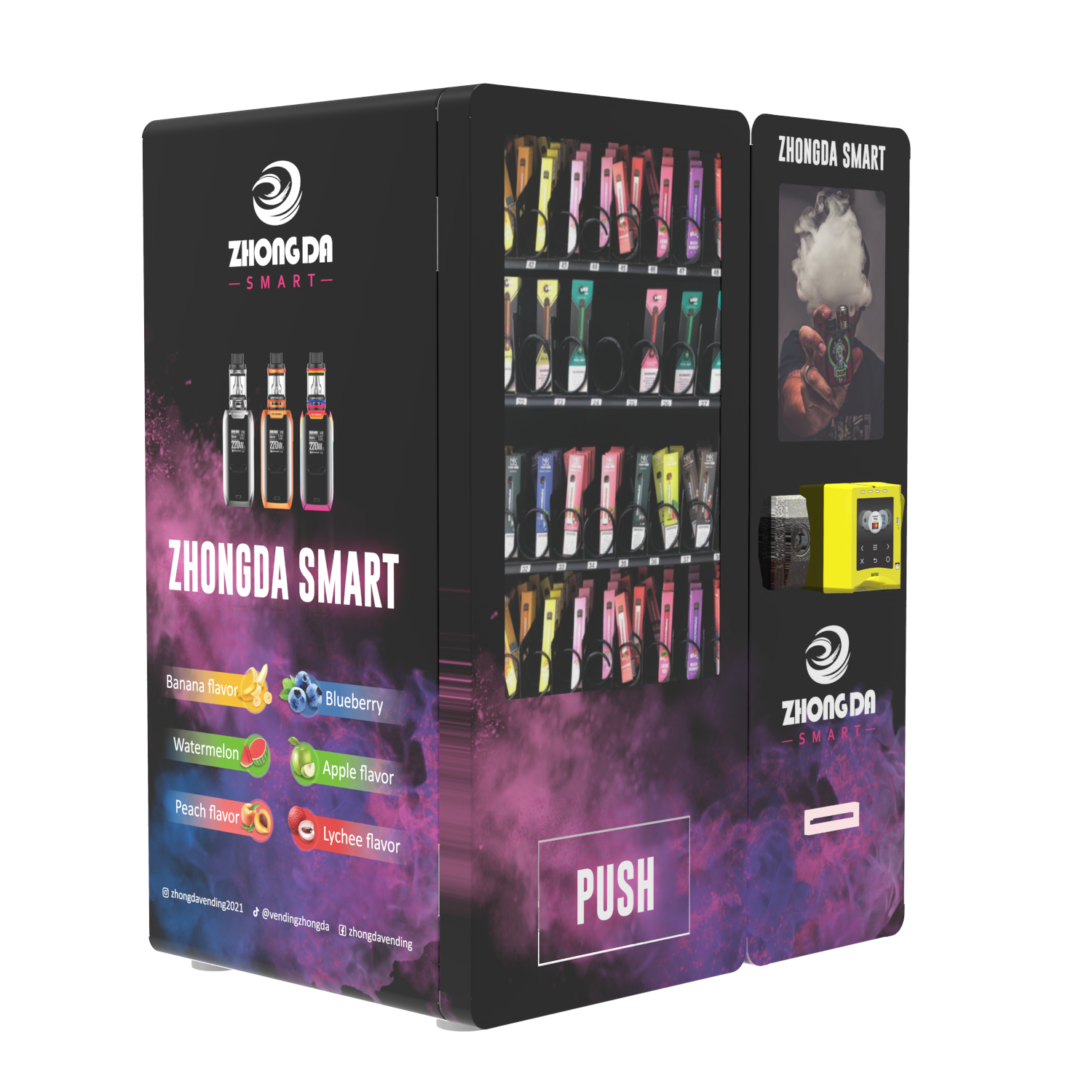
I use machines with built-in ID scanners and facial age estimation as a backup. The age verification vending machine from my factory checks both the ID barcode and the photo, and it logs every transaction. That audit trail has saved venue owners from fines more than once.
Revenue Sharing vs. Commission Models
When you work with a venue, you’ll typically negotiate a split. I’ve seen everything from 70/30 (you get 70%) to 50/50. My advice: start with a 60/40 split in your favor, and offer the venue a guarantee of $200 a month in commission if they’re hesitant. Most venue owners don’t want to manage the machine, so they’re happy to let you handle everything for a cut.
Here’s a comparison table based on my actual route data:
| Venue Type | Avg. Weekly Revenue | Typical Commission Split | Restocking Frequency |
|---|---|---|---|
| Nightclub | $1,800 – $2,800 | 70/30 (operator) | 2–3 times per week |
| Upscale Lounge | $1,200 – $1,800 | 60/40 (operator) | Once per week |
| Brewery | $800 – $1,200 | 65/35 (operator) | Once per week |
| Adult Entertainment | $1,500 – $2,500 | 70/30 (operator) | 2 times per week |
Real Numbers: What You Can Expect to Earn
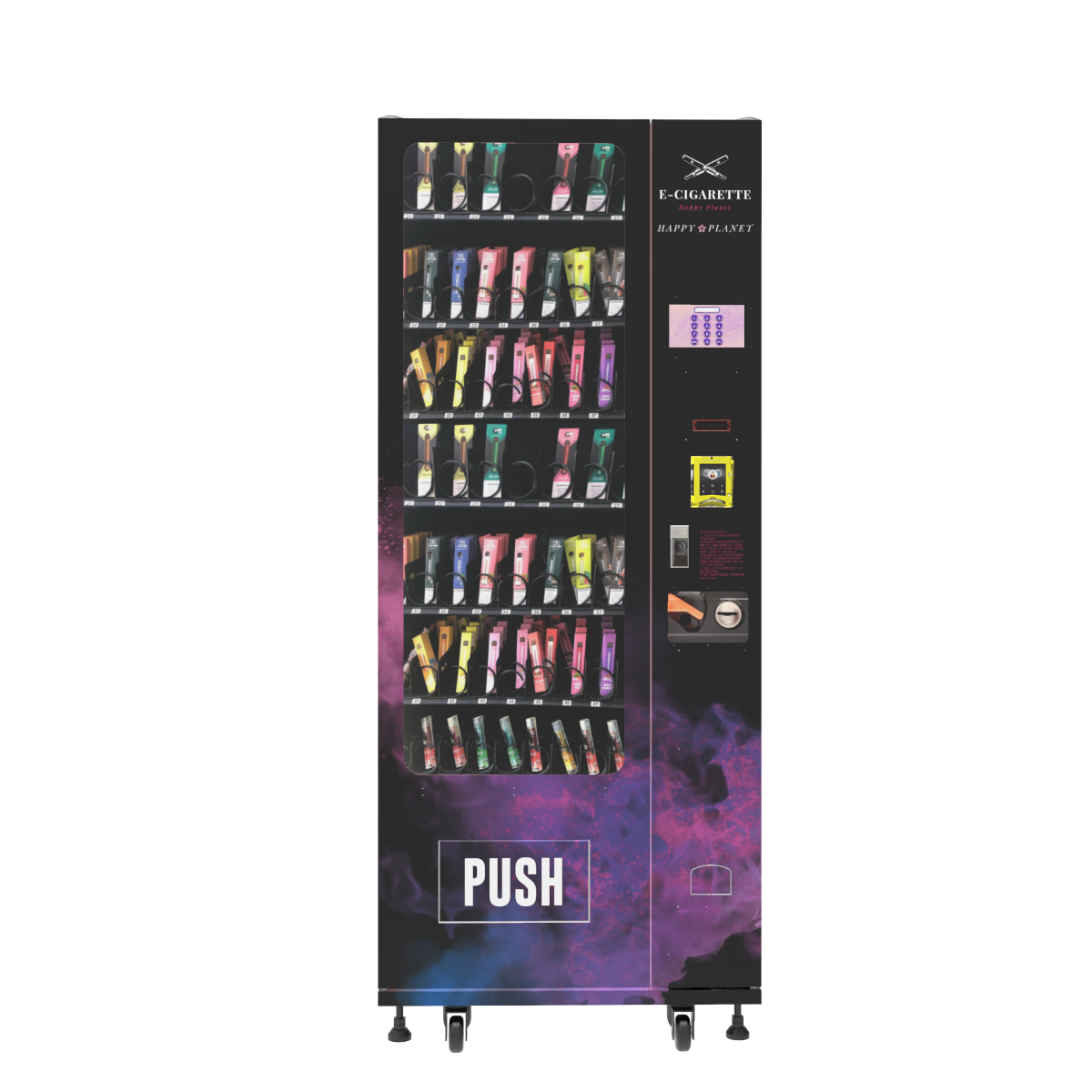
Let me give you a real example from my own operation. I placed a vape vending machine in a nightclub in Austin, Texas, in early 2024. The club has a capacity of 600, open Thursday through Sunday. The machine is a compliant e-cigarette vending machine that scans IDs and accepts credit cards and Apple Pay. Here’s the breakdown after six months:
Average weekly sales: $2,350
Average transaction value: $18.50
Number of transactions per week: 127
Gross monthly revenue: $9,400
Cost of goods sold (COGS): $5,640 (60% margin)
Monthly commission to venue (30%): $2,820
Monthly net profit: $940 (after COGS and commission)
That $940 a month is pure profit after product costs and the venue’s cut. The machine itself cost $4,200, so it paid for itself in about four and a half months. Not bad for a machine that takes up four square feet of wall space.
According to a 2023 report from IBISWorld, the vending machine industry in the U.S. generates over $7 billion annually, with niche segments like vape vending growing faster than traditional snack machines (IBISWorld). Another study from Statista shows that 42% of vape users have purchased a vape product from a vending machine at least once (Statista). That data backs up what I’ve seen on the ground.
Common Mistakes to Avoid
I’ve made plenty of mistakes over the years, so you don’t have to. Here are the three biggest ones I see new operators make.
Ignoring the Venue’s Product Preference
Don’t assume every venue wants the same products. A brewery crowd might prefer lower-nicotine salts, while a nightclub crowd wants high-nicotine disposables. I always do a two-week test run with a small product selection, then adjust based on what sells. One operator I know stocked a lounge with mint flavors only to find out the regulars hated mint. He lost two weeks of sales before he switched.
Skipping the Maintenance Agreement
Vending machines break. It’s not a matter of if, but when. I’ve seen operators lose a venue because the machine was down for three days and the owner got annoyed. Always have a maintenance plan. I offer a 24-hour response guarantee for all my machines, and I keep spare parts in my truck. If you’re buying from a manufacturer, ask about their warranty and support. The service page on my site outlines the kind of support you should expect.
Overlooking Payment Processing Fees
Credit card fees eat into your margin faster than you think. A typical transaction fee is 2.5% to 3.5%, plus a flat fee per swipe. On a $20 sale, that’s $0.70 to $1.00 gone. I negotiate with payment processors to get rates under 2.5%, and I pass the fee to the customer if local laws allow it. Some machines let you set a surcharge on card payments. Use it.
Expert Advice on Scaling Your Vape Vending Business
I’ve been in this business for over 15 years, and I’ve seen operators go from one machine to fifty machines in two years. The ones who scale successfully all do the same things.
First, they build relationships with venue owners. Don’t just drop a machine and disappear. Check in every week, ask how it’s going, and restock before the machine runs empty. One operator I know brings the bar staff free coffee once a month. That kind of relationship means the staff will point customers to your machine instead of ignoring it.
Second, they diversify their product mix. Don’t rely on one brand or one type of product. I stock a mix of disposables, pod systems, and nicotine salts, and I rotate flavors based on sales data. If a product doesn’t sell in two weeks, I swap it out.
Third, they reinvest in better equipment. The machines I built ten years ago are nothing like what I build now. Modern smart vending machines have telemetry that tells you exactly what’s selling, when to restock, and if the machine is having a technical issue. That data is gold. If you’re serious about scaling, invest in machines with remote monitoring and inventory tracking.
Finally, they stay on top of regulations. Vape laws change fast. I subscribe to updates from the FDA and state-level tobacco control offices. I also work with a compliance consultant who reviews my machine placements. That costs me $200 a month, but it’s saved me thousands in potential fines.
Frequently Asked Questions
Do I need a special license to operate a vape vending machine in a bar?
Yes, in most states you need a tobacco retail license or a vending machine permit. The requirements vary by state and even by city. I always check with the local health department and alcohol control board before placing a machine. Some venues already have a tobacco license that covers the machine, but don’t assume. Get it in writing.
How much does a vape vending machine cost for a nightclub?
A quality machine with age verification starts around $3,500 and goes up to $6,500 depending on features. I’ve seen cheaper machines online for $1,500, but they break down fast and don’t have proper ID scanning. You’re better off spending more upfront. The machine I recommend for nightclubs is in the $4,000 to $5,000 range and pays for itself in four to six months.
Can I use a regular vending machine for vapes?
Technically yes, but I strongly advise against it. Regular vending machines don’t have age verification, and they’re not designed for the small, lightweight packaging of vape products. You’ll get jams, theft, and compliance issues. Always use a machine specifically built for vapes, with age verification and proper product dispensing.
How often do I need to restock a vape vending machine in a busy venue?
It depends on the venue. In a high-traffic nightclub, I restock every two to three days. In a lounge or brewery, once a week is usually enough. I use machines with telemetry that alert me when inventory is low, so I never run out. Running out of stock is the fastest way to lose a location.
What products sell best in vape vending machines at bars?
Disposables sell the best, especially high-nicotine (5%) and popular flavors like mint, mango, and berry. Pod systems and nicotine salts are second. I avoid selling large bottles of e-liquid because they don’t fit well in the machine and have lower margins. Stick to single-use products that are easy to restock and have high turnover.
Final Thoughts from a 15-Year Veteran
I’ve seen the vape vending industry grow from a niche experiment to a legitimate revenue stream for venue owners and operators alike. The key is placement, compliance, and product selection. If you pick the right adult-only venue, use a machine with proper age verification, and stay on top of restocking, you can build a profitable business that runs mostly on autopilot.
My factory has been building vending machines for over a decade, and I’ve learned every lesson the hard way. I’m happy to share what I know because a rising tide lifts all boats. If you’re ready to start, focus on the locations I’ve outlined, get the right equipment, and treat your venue partners like clients, not just locations. That approach has never failed me.
Disclaimer: The revenue figures and data shared in this article are based on my personal experience operating vape vending machines in various venues. Results vary by location, product mix, and local regulations. Always consult with a legal professional before placing a vending machine in any venue.
Sources:
IBISWorld Vending Machine Operators Industry Report (2023): https://www.ibisworld.com/united-states/market-research-reports/vending-machine-operators-industry/
Statista Vending Machine Market Overview (2024): https://www.statista.com/topics/11565/vending-machines/