If you are looking at a vape vending machine as a potential revenue stream, the first question is always the same: does the math actually work? After running vending operations for over a decade and manufacturing these units for fifteen years, I can tell you that a vape vending machine ROI depends on three specific levers—upfront costs, compliance infrastructure, and daily revenue per location. Most operators miss the fact that a $6,000 machine can pay for itself in four months if placed correctly, or sit idle for a year if you skip the legal groundwork. This guide breaks down the real numbers, the regulatory traps, and the placement strategies that determine whether you actually make money.
The Real Cost Breakdown of a Vape Vending Machine
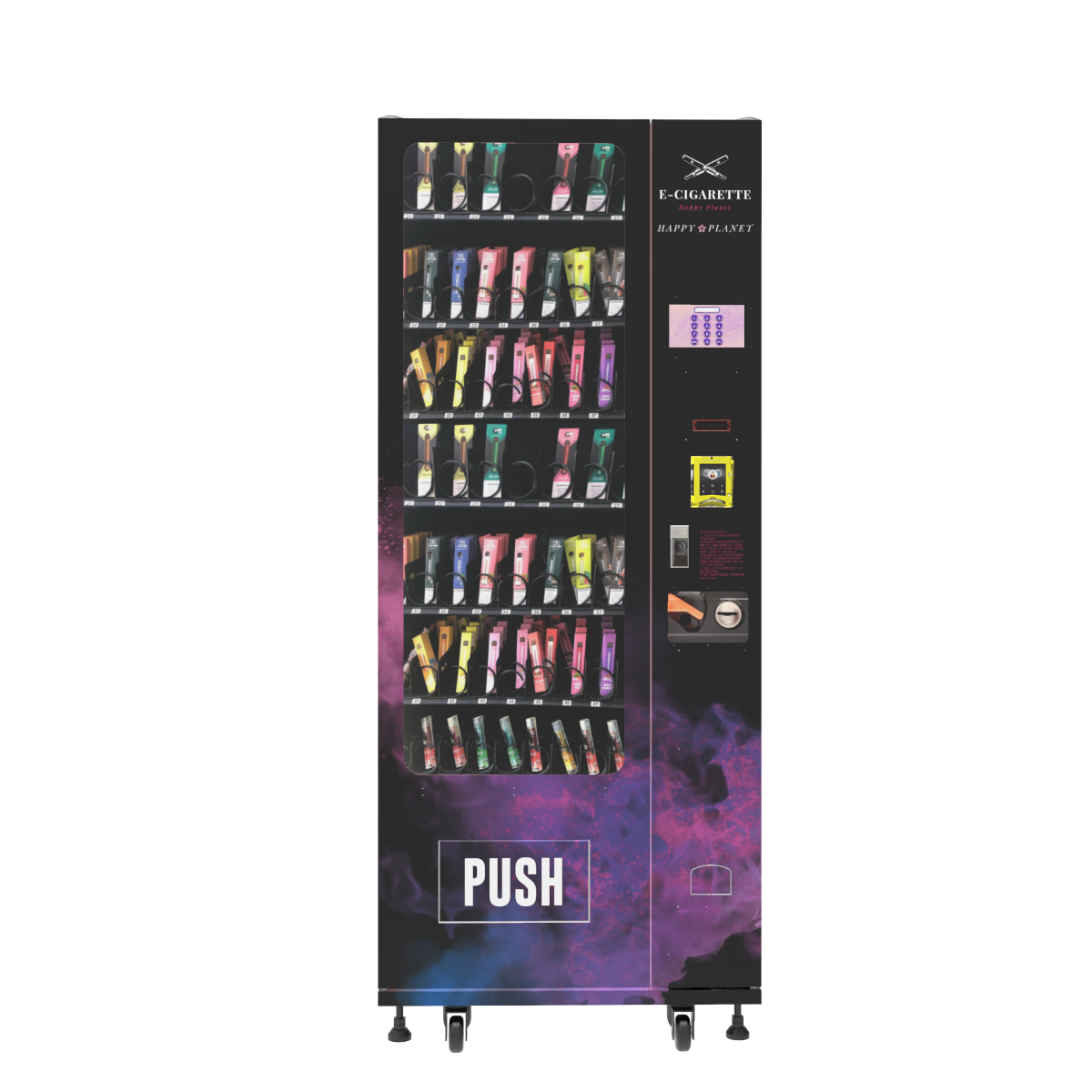
Let me walk you through what you are actually paying for. A compliant vape vending machine isn't just a box with a card reader. It is a piece of regulated equipment with age verification hardware, tamper-proof mechanisms, and often remote monitoring systems. I have seen operators buy a cheap unit for $2,500 only to spend another $3,000 retrofitting it with ID scanners and compliance software. That is a mistake you only make once.
Hardware and Unit Pricing
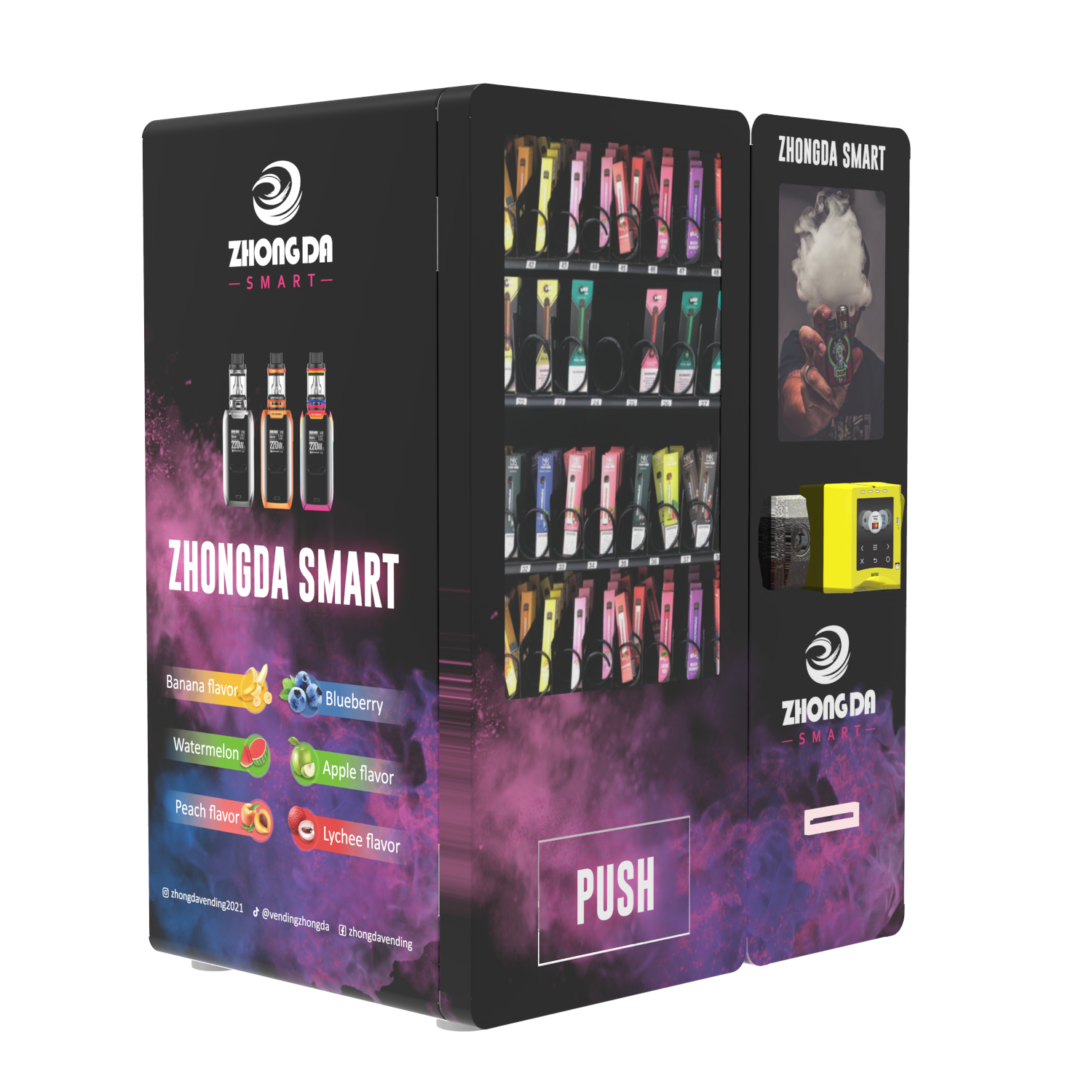
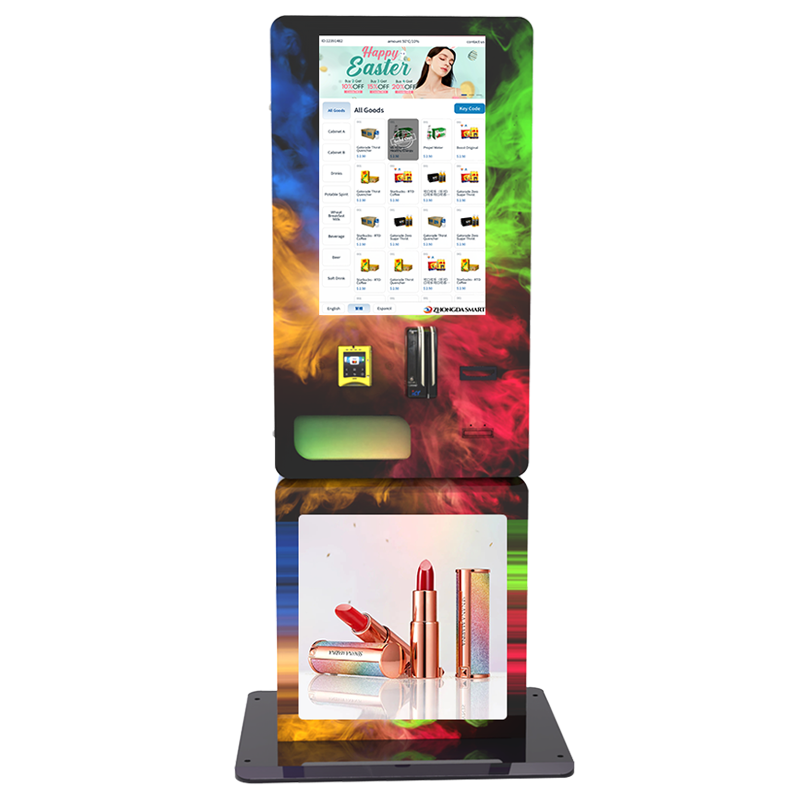
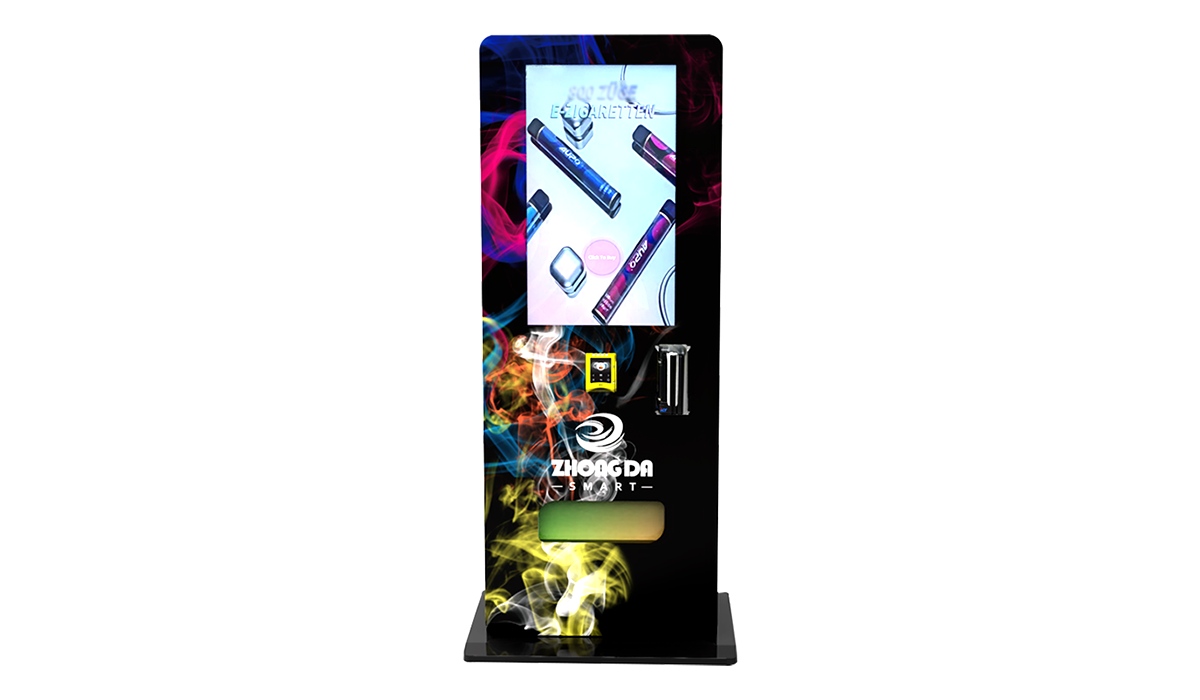
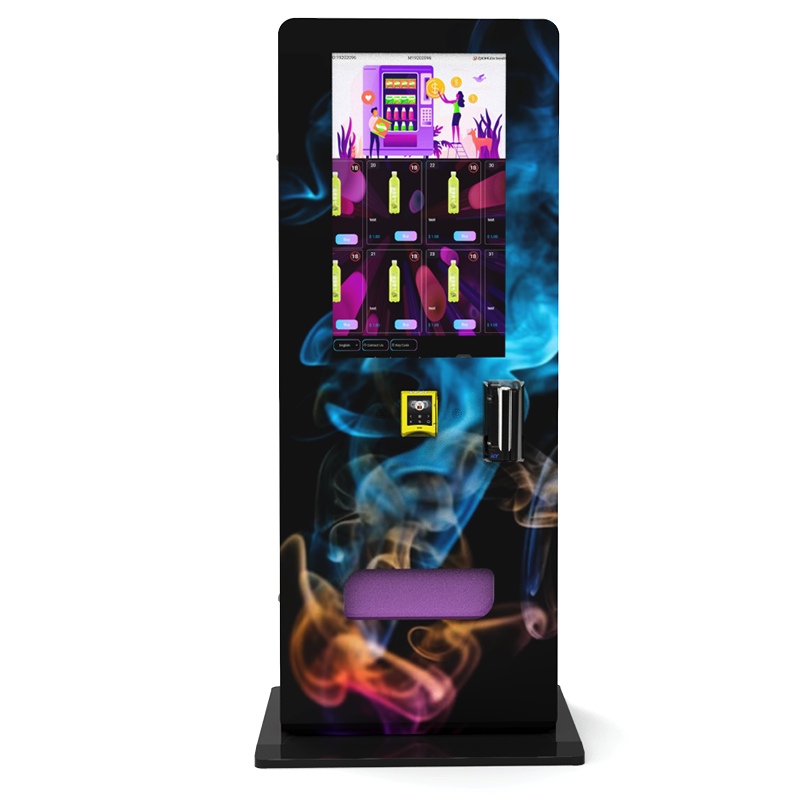
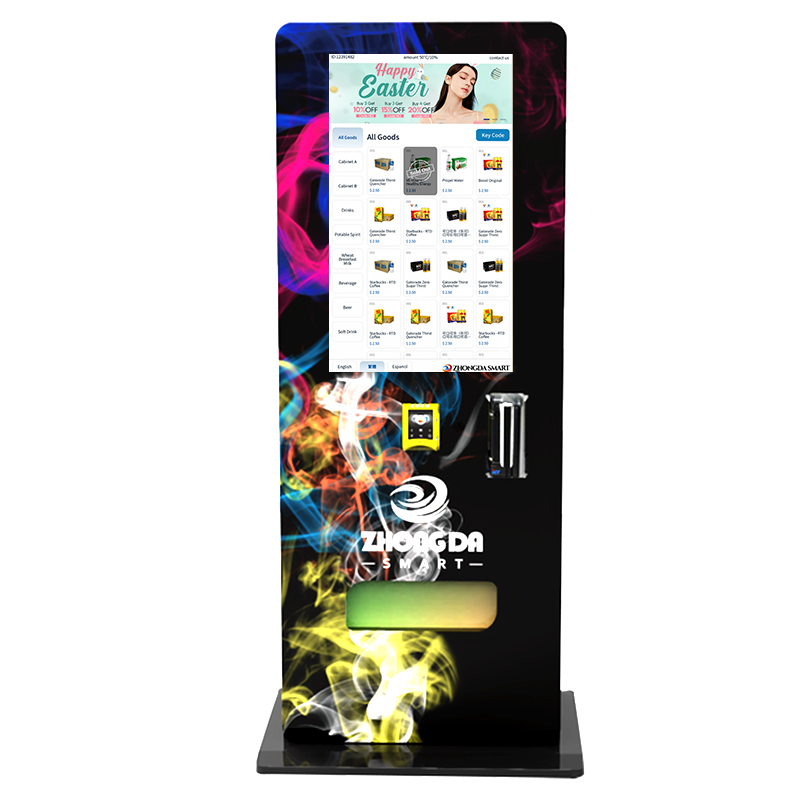
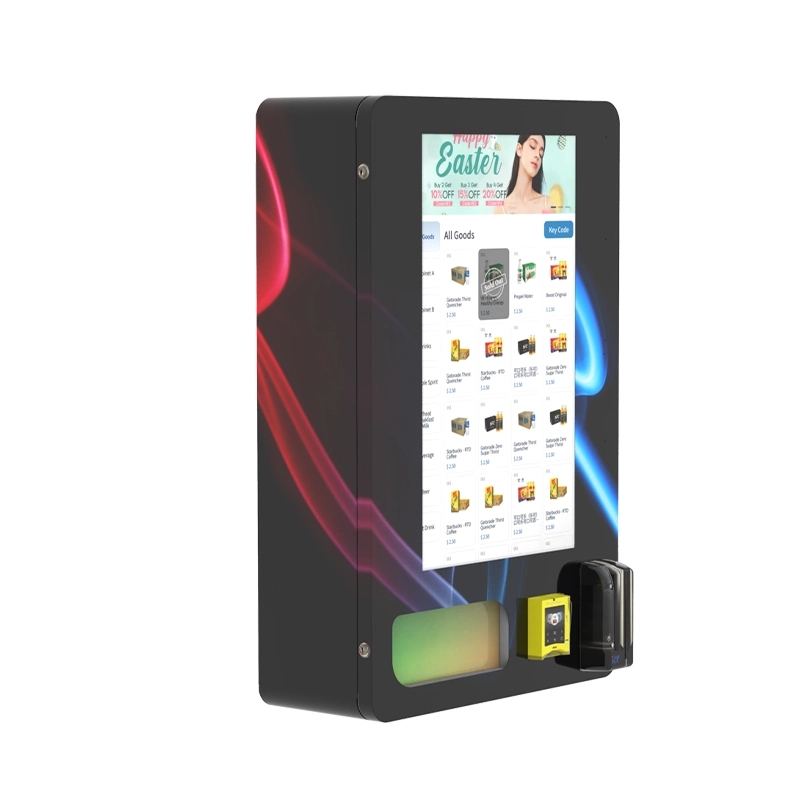
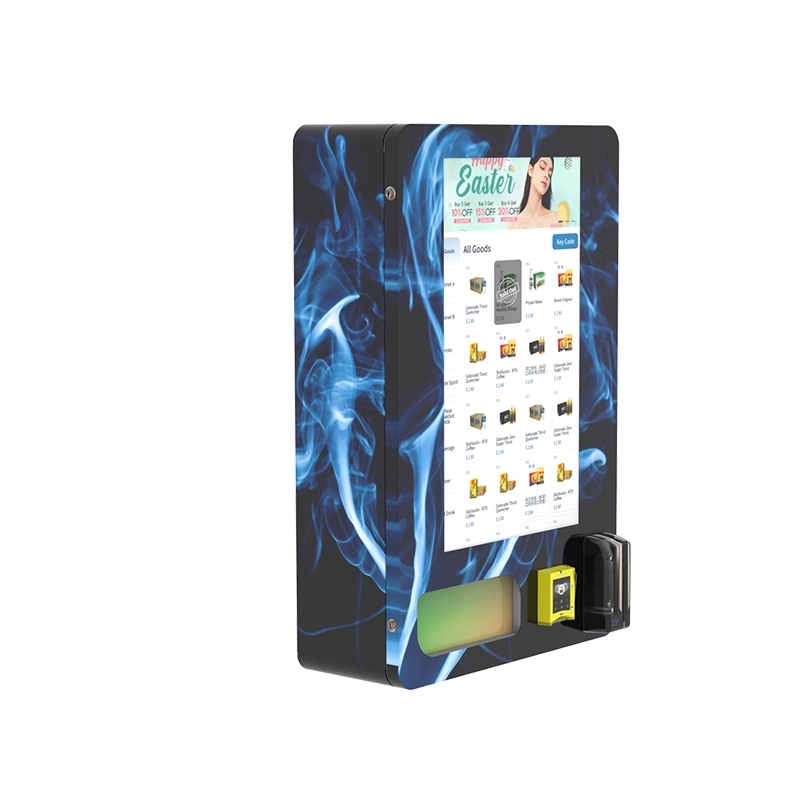
For a fully compliant smart vending machine that scans IDs and connects to a cloud dashboard, expect to pay between $5,500 and $9,000 per unit. The lower end gets you a wall-mounted compact model with basic age verification. The higher end includes a high-capacity tower with dual sensors, touchscreen interface, and telemetry. For example, the wall-mounted compact e-cigarette vending machine from Zhongda Smart runs around $5,800 and fits tight spaces like bar corners. A larger floor model with 250-plus capacity pushes closer to $8,500.
Software and Compliance Costs
This is where most rookies get blindsided. Age verification software licenses run $30 to $80 per month per machine. You also need a payment processing account specifically for age-restricted goods. Standard merchant accounts often decline vape transactions, so you need a high-risk processor charging 3.5% to 5% per swipe plus a monthly gateway fee of $15 to $25. Over a year, software and processing fees add up to roughly $700 to $1,200 per machine.
Installation and Maintenance
Installation runs $200 to $500 depending on whether you need electrical work or wall mounting. Maintenance averages $150 per quarter for cleaning, sensor calibration, and software updates. I recommend budgeting $600 annually per unit for upkeep. If you buy from a manufacturer that offers remote diagnostics, like the ID scan vending machine from Zhongda Smart, you cut truck rolls by at least 40%.
Compliance: The Make-or-Break Factor for Vape Vending Machine ROI
I have watched operators lose entire routes because they ignored local regulations. A vape vending machine is not a candy machine. You are selling a product that requires strict age gating, and regulators are watching. The compliance landscape varies by state and municipality, but some rules are universal.
Age Verification Is Non-Negotiable
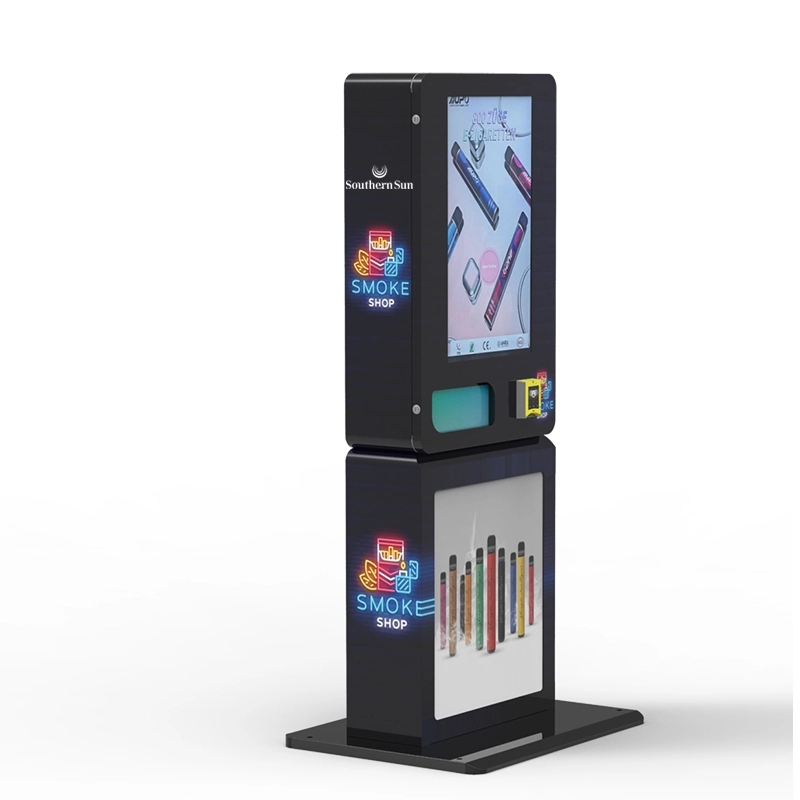
Every unit must have a working age verification system. That means either a driver's license scanner that checks the barcode and expiration date, or a biometric system that cross-references a government database. I only deploy machines with integrated ID scanners because they create an audit trail. If a regulator shows up, you can pull a log of every single transaction with the scanned ID data. The age verification vending machine from Zhongda Smart logs all scans and stores them for 90 days, which has saved multiple operators from fines.
Licensing and Permits
You need a tobacco or vapor product retailer license in most jurisdictions. The cost ranges from $50 to $500 annually per location. Some cities also require a separate vending machine permit. In my experience, the licensing process takes six to twelve weeks, so start before you buy hardware. I always tell operators to check with the local health department and the state attorney general's office. One operator in my network lost $14,000 in inventory because he placed machines without confirming local bans on self-service tobacco sales.
Product Compliance and Labeling
The products inside the machine must comply with FDA or equivalent regulations. That means only selling devices and e-liquids that are registered and properly labeled. If you stock black market or unregistered products, you risk seizure of the machine and criminal charges. Stick with major brands that provide compliance documentation. I also recommend labeling each slot with the product name, nicotine content, and manufacturer contact info. It sounds tedious, but it keeps you clean in an audit.
Revenue Factors That Drive Vape Vending Machine ROI
Now we get to the fun part. How much can a vape vending machine actually earn? The numbers depend heavily on location, product mix, and pricing strategy. I have seen single machines gross $3,200 per month in a busy nightclub and barely $400 in a low-traffic laundromat.
Location Performance Benchmarks
Based on data from my own route and operators I consult for, here is a realistic breakdown of monthly gross revenue by location type:
| Location Type | Monthly Gross Revenue | Average Transaction Value | Transactions per Day |
|---|---|---|---|
| Nightclub or Bar | $2,800 – $3,500 | $18 | 6 – 8 |
| Convenience Store | $1,500 – $2,200 | $14 | 4 – 6 |
| Hotel Lobby | $900 – $1,400 | $22 | 2 – 3 |
| Vape Shop (after hours) | $600 – $1,000 | $16 | 1 – 2 |
| Office Break Room | $300 – $500 | $10 | 1 – 2 |
These numbers assume the machine is fully stocked with popular disposable vapes and pod systems. If you carry only premium hardware, the transaction value goes up but volume drops. The sweet spot is a mix of $10 disposables and $20 pod kits.
Product Margins and Pricing Strategy
Wholesale cost on a standard disposable vape runs $5 to $7. Retail price in a vending machine is typically $12 to $16. That gives you a gross margin of 55% to 65%. Pod systems cost $8 to $12 wholesale and sell for $18 to $25, margins around 50% to 55%. The key is to price slightly below retail stores to drive repeat use but high enough to cover the machine and processing fees. I aim for a 60% gross margin on every slot.
One tactic that works well is bundling. Offer a device plus two pods for $35. The customer feels like they are saving, and you move more inventory per transaction. This also increases the average ticket, which helps offset the processing fees.
Seasonality and Restock Cycles
Vape sales dip slightly in summer and spike in winter, especially in colder climates where people stay indoors. Plan your inventory accordingly. Restock every 7 to 10 days for high-traffic locations. If you let a machine run empty for more than three days, you lose regular customers. I use telemetry data from the machine to track inventory levels in real time. The high-capacity vape vending machine from Zhongda Smart sends a restock alert when any column drops below 20% capacity, which has cut my stockouts by 70%.
Calculating Your Vape Vending Machine ROI: A Real Example
Let me run a realistic scenario based on a single machine in a busy bar. I will use actual numbers from an operator I worked with last year.
- Machine cost: $6,200 (including delivery and installation)
- Monthly software and processing fees: $95
- Monthly inventory cost: $1,200 (wholesale)
- Monthly maintenance reserve: $50
- Monthly gross revenue: $3,100
- Monthly net profit: $3,100 – $1,200 – $95 – $50 = $1,755
- Payback period: $6,200 ÷ $1,755 = 3.5 months
That is a 3.5-month payback on a single unit. After that, the machine generates roughly $21,000 in annual net profit. Scale that to ten machines and you are looking at $210,000 per year before taxes. Of course, this assumes you place the machines correctly and keep them stocked. I have seen operators hit payback in three months and others take nine because they chose poor locations.
According to IBISWorld, the vending machine industry in the United States has grown at an annual rate of 3.2% over the past five years, with specialized machines like vape units outperforming traditional snack machines (IBISWorld, 2024). That aligns with what I see on the ground. The demand is there, but the execution determines the return.
Financing and Leasing Options
Not everyone has $6,000 per machine sitting in cash. I have used equipment leasing for years to scale faster. A typical lease runs $180 to $250 per month per machine over 36 months. The interest rate is 8% to 12%, which is reasonable for equipment financing. The advantage is that you preserve cash for inventory and placement fees. The downside is that you own nothing until the lease is paid off.
Some manufacturers, including Zhongda Smart, offer direct financing or partner with third-party lenders. Check the compliant e-cigarette vending machine page for details on current financing programs. I always recommend putting at least 20% down to keep monthly payments low and avoid negative equity if you need to sell a machine later.
Long-Term Vape Vending Machine ROI: Depreciation and Resale
A well-maintained vape vending machine holds about 60% of its value after three years. That is better than most electronics because the hardware is built for commercial use. I have sold five-year-old machines for 40% of original cost. The key is keeping the age verification system updated. If the scanner becomes obsolete, the machine is nearly worthless. Buy from a manufacturer that offers firmware updates and upgrade paths. Zhongda Smart provides remote firmware updates for all their units, which keeps the compliance hardware current.
Depreciation also affects your tax situation. In the US, you can depreciate vending machines over seven years under MACRS. Section 179 allows you to deduct the full cost in the first year if the machine is placed in service by December 31. That is a significant tax advantage that many operators overlook. Talk to a CPA who understands equipment depreciation.
Common Mistakes That Kill Vape Vending Machine ROI
I have made most of these mistakes myself, so I can tell you exactly what to avoid.
- Skipping location contracts. I once placed a machine in a bar with a handshake agreement. The bar owner moved the machine to a back closet after a month. Always get a signed location agreement that specifies placement, hours of access, and a commission split if applicable.
- Underestimating theft and vandalism. Vape machines are targets. Use a machine with a reinforced door and tamper alarms. The wall-mounted e-cigarette vending machine from Zhongda Smart has a steel frame and an internal alarm that sounds if the door is forced. I have not lost a single unit to break-in since switching to these.
- Ignoring restock discipline. Empty slots kill revenue fast. Set a restock schedule and stick to it. Use the telemetry data to know exactly what is selling. If a product sits for two weeks, replace it with something else.
- Overpaying for inventory. Buy direct from manufacturers or authorized distributors. Avoid middlemen who mark up 20% to 30%. Join a buying group if you operate multiple machines to get volume discounts.
Expert Advice from a Decade in the Trenches
I have been in this business since before vape machines were even a category. Here is what I tell every new operator who asks for advice. First, start with two machines, not ten. Learn the restock rhythm, the compliance paperwork, and the customer behavior before scaling. Second, build a relationship with a local vape shop for inventory supply. They can often give you wholesale pricing and advice on trending products. Third, never compromise on age verification. One fine can wipe out six months of profit. I have seen operators lose their entire business because they disabled the scanner to speed up transactions. It is not worth the risk.
Statista reports that the global vaping market reached $28.5 billion in 2023 and is projected to grow at a compound annual rate of 4.8% through 2030 (Statista, 2024). That growth translates directly to more demand for convenient, self-service purchasing options. A vape vending machine that is placed well, maintained properly, and fully compliant is one of the best equipment investments I know of in the vending industry.
Frequently Asked Questions
How much does a vape vending machine cost?
What is the average payback period for a vape vending machine?
Do I need a license to operate a vape vending machine?
Can I place a vape vending machine anywhere?
What products should I stock in a vape vending machine?
References:
- IBISWorld. "Vending Machine Industry in the US – Market Research Report." 2024. https://www.ibisworld.com/united-states/market-research-reports/vending-machine-industry/
- Statista. "Global Vaping Market Size 2023–2030." 2024. https://www.statista.com/statistics/1133661/vaping-market-size-worldwide/
- Forbes. "The Rise of Automated Retail in Age-Restricted Products." 2023. https://www.forbes.com/sites/forbesbusinesscouncil/2023/06/12/the-rise-of-automated-retail-in-age-restricted-products/