Walk into any busy bar, nightclub, or casino on a Friday night, and you will see the same bottleneck: a long line at the bar for a pack of disposables or a pod refill. That lost sale is pure revenue walking out the door. After spending over a decade deploying automated retail solutions across the United States and Europe, and running a manufacturing facility that has built thousands of these units, I have seen one truth hold steady: a properly placed vape vending machine solves that bottleneck instantly. It turns a frustrated customer into a repeat buyer, and it does so without adding a single extra staff member to the payroll. This guide breaks down exactly where these machines work best, what compliance looks like in practice, and how to pick a unit that will not get you fined or shut down.
Why Bars, Nightclubs, and Casinos Are the Perfect Venues
Venues that serve alcohol or operate late hours have a built-in problem: customers run out of nicotine products and have nowhere to buy them without leaving the property. A self-service kiosk placed near the restrooms or by the exit captures that demand instantly. I have seen venues in Las Vegas and Miami report an extra $800 to $1,200 a week in revenue from a single unit, with zero additional labor cost. The math is simple: if your venue sees 500 patrons a night and 20 percent vape, that is 100 potential buyers. Even if only 15 percent of them use the machine, you are looking at 15 transactions per night at an average ticket of $18. That adds up to over $8,000 a month in pure margin on products that cost you wholesale.
The key advantage here is that these venues already have the foot traffic. A convenience store has to pull people off the street. A bar or casino already has a captive audience. The smart vending machine becomes a convenience play, not a destination play. I have placed units in casino high-limit rooms where players do not want to walk ten minutes to the gift shop. They want to stay at the table. A machine three steps away keeps them playing and buying.
Nightclub Use Case: Late-Night Urgency
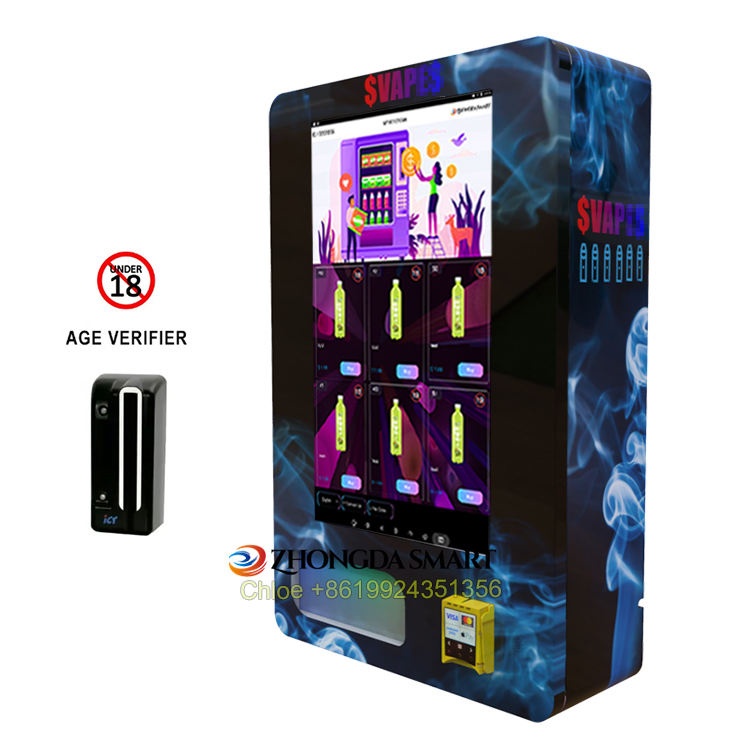
Nightclubs operate on a compressed timeline. The crowd hits peak density between 11 PM and 2 AM. That is when the bar line is longest and the bartender has zero time to sell a vape. A wall-mounted e-cigarette vending machine installed near the VIP section or the coat check handles that demand without any interaction with staff. I have seen clubs in Chicago and Austin where the machine pays for itself in four months because the markup on disposables is so high. A $10 disposable at wholesale sells for $20 or $25 in a club. The margin is better than a cocktail.
The other factor is theft prevention. When a bartender keeps vapes behind the counter, they get stolen or given away to friends. A machine eliminates that loss completely. You control the inventory, the pricing, and the access.
Casino Use Case: Keeping Players on the Floor
Casinos are designed to keep people inside and spending. Every minute a player walks to the gift shop or the convenience store across the street is a minute they are not gambling. An age verification vending machine placed near the slot banks or the poker room solves that. I have worked with properties in Atlantic City and Reno where the machine sits within 15 feet of the table games. The player scans their ID, taps their card, and is back in the game in under 30 seconds. The casino floor manager loves it because it reduces the time players are away from the tables.
Casinos also have strict security requirements. The machine must integrate with their surveillance systems and have tamper-proof cash and card readers. That is why I always recommend units with biometric authentication or government ID scanning, not just a simple credit card swipe. You need a machine that can prove every transaction was legal if a regulator walks in.
Compliance Is Not Optional: What You Must Get Right
I have seen too many operators buy a cheap machine from an overseas supplier that has no age verification, then get hit with a $10,000 fine from the local health department. Compliance is the single most important factor in this business. If your machine does not verify age, you cannot legally operate in most states and provinces. Period.
The core requirement is an age verification vending machine that scans a government-issued ID, checks the date of birth, and rejects anyone under 21. Some jurisdictions also require a secondary verification, like a facial recognition match between the ID photo and the person standing in front of the machine. I have deployed units in California and New York that use both ID scanning and live facial comparison. The system takes a photo, compares it to the ID, and if the match is below a certain threshold, the transaction is declined. That level of security is what keeps you in business.
State-by-State Variations
There is no single federal law that covers vending machine sales of nicotine products. It is a patchwork. Some states allow it with age verification. Others ban it entirely. A few require a licensed tobacco retailer to be present on site. Before you buy a single unit, you need to check the specific regulations in your state and city. I have a list of the most common requirements based on what I have seen in the field:
- ID scanning with barcode or magnetic stripe reader
- Facial age estimation as a secondary check
- Tamper-proof cash box with audit trail
- Remote monitoring to track every transaction in real time
- Product labeling that matches state tax stamp requirements
- Restricted placement away from entrances or areas accessible to minors
I have written about the legality in specific states on our blog. You can read more about California regulations and general legal considerations to get a better picture of what applies to your location.
The Real Cost of Getting It Wrong
I have a client in Florida who bought a machine without ID scanning. He placed it in a cigar lounge. The state tobacco control office did a sting operation with a minor. The fine was $7,500, and the machine was confiscated. He lost the product inside, the machine itself, and the revenue from two months of operation. That is a hard lesson that could have been avoided with a $200 upgrade to a proper age verification system.
Another operator in Texas had a machine that only checked the birth year but not the month and day. A 20-year-old with a late birthday got through. The fine was $5,000 plus legal fees. The machine was pulled from the venue. That is why I only recommend units that scan the full date of birth and include a facial comparison. The extra cost is insurance against a much larger loss.
How to Choose the Right Machine for Your Venue
Not all machines are built the same. I have tested units from a dozen manufacturers over the years, and the differences in reliability, security, and compliance features are massive. You want a machine that is built for the specific demands of a bar or casino environment, not a converted snack machine.
Here is a comparison of the three main types of units I see in the market today. This is based on real deployments I have overseen, not marketing brochures.
| Feature | Basic Countertop Unit | Wall-Mounted Smart Unit | Full-Size Floor Model |
|---|---|---|---|
| Capacity | 30–50 units | 80–120 units | 200–400 units |
| ID Scanning | Optional upgrade | Built-in | Built-in + facial match |
| Payment Options | Cash only | Cash, card, mobile | Cash, card, mobile, crypto |
| Remote Monitoring | No | Yes, via app | Yes, full dashboard |
| Typical Cost | $1,500–$3,000 | $4,500–$8,000 | $10,000–$18,000 |
| Best For | Small lounges, low traffic | Bars, nightclubs | Casinos, high-traffic venues |
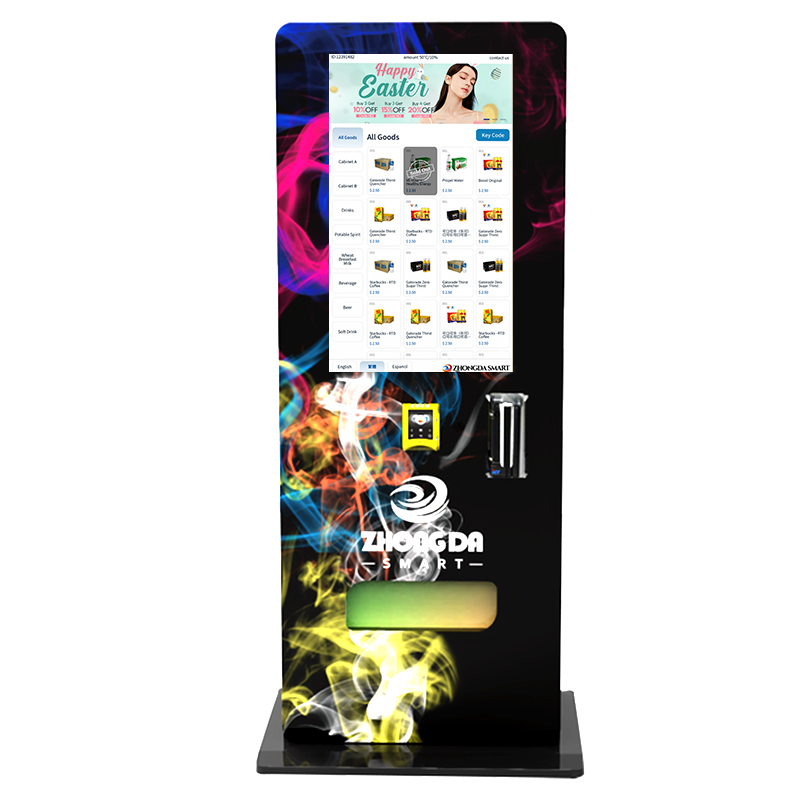
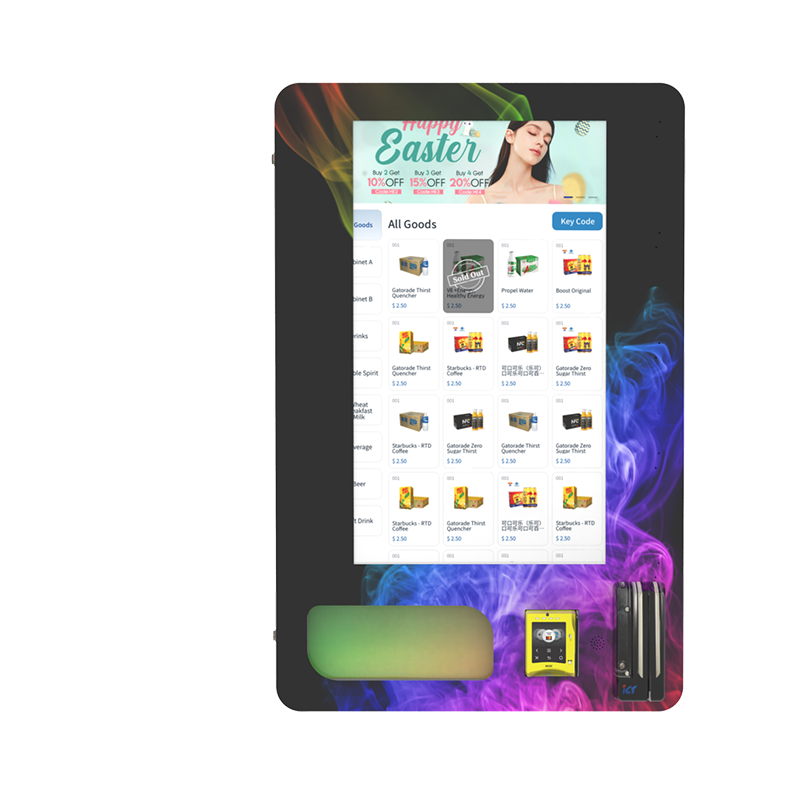
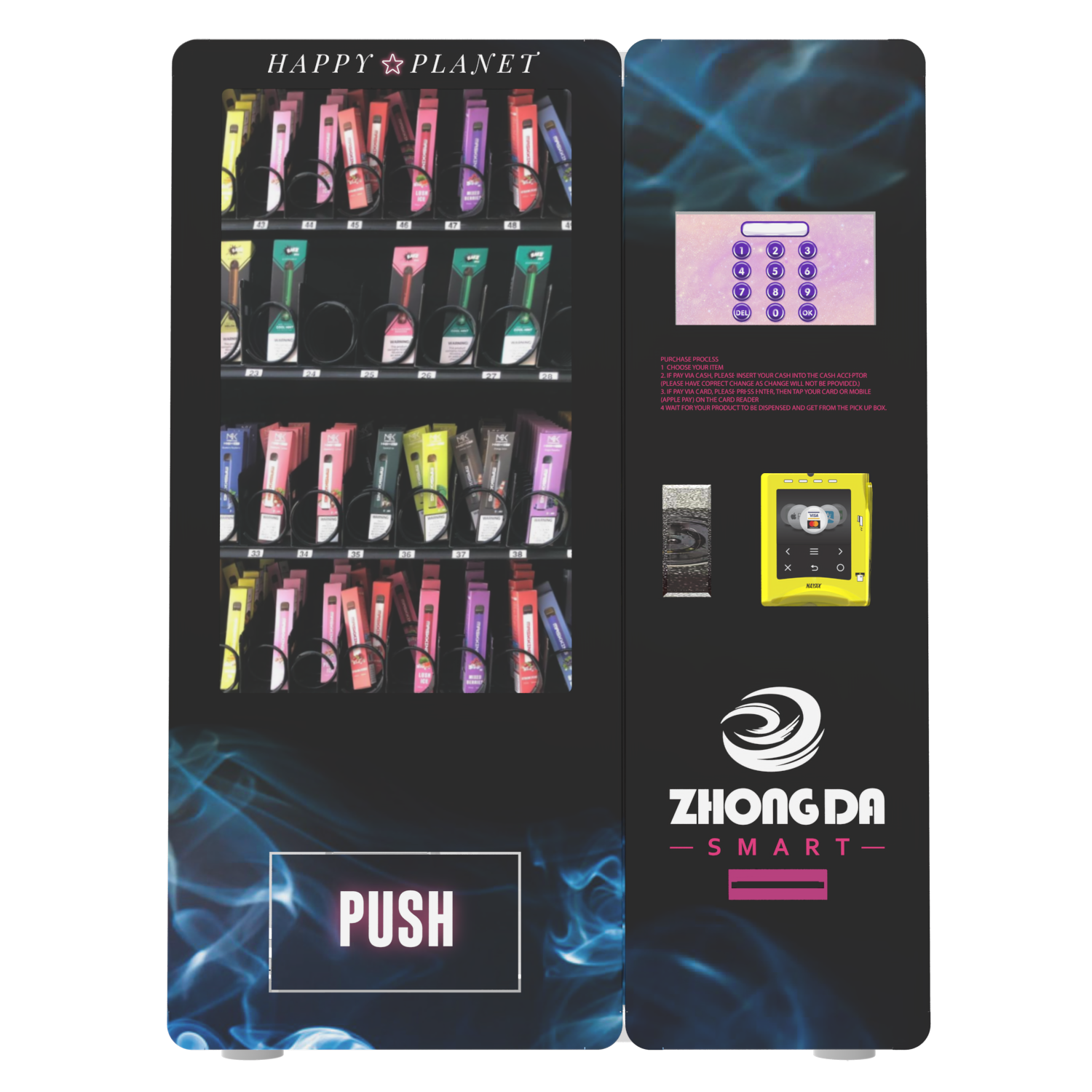
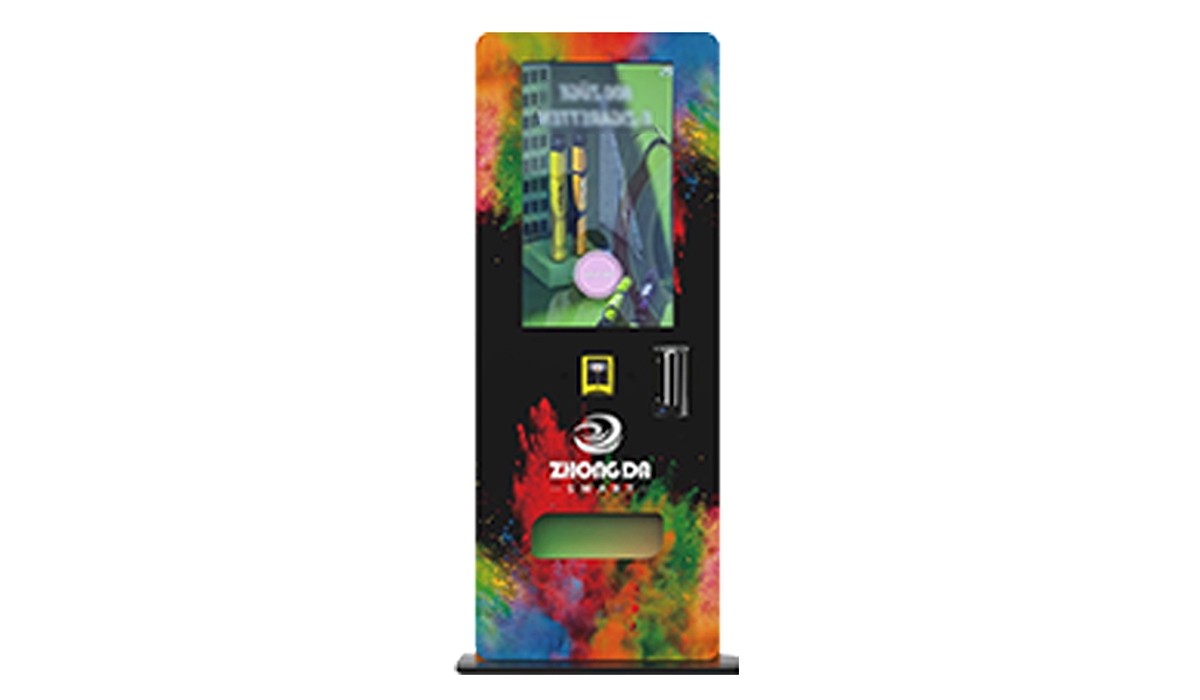
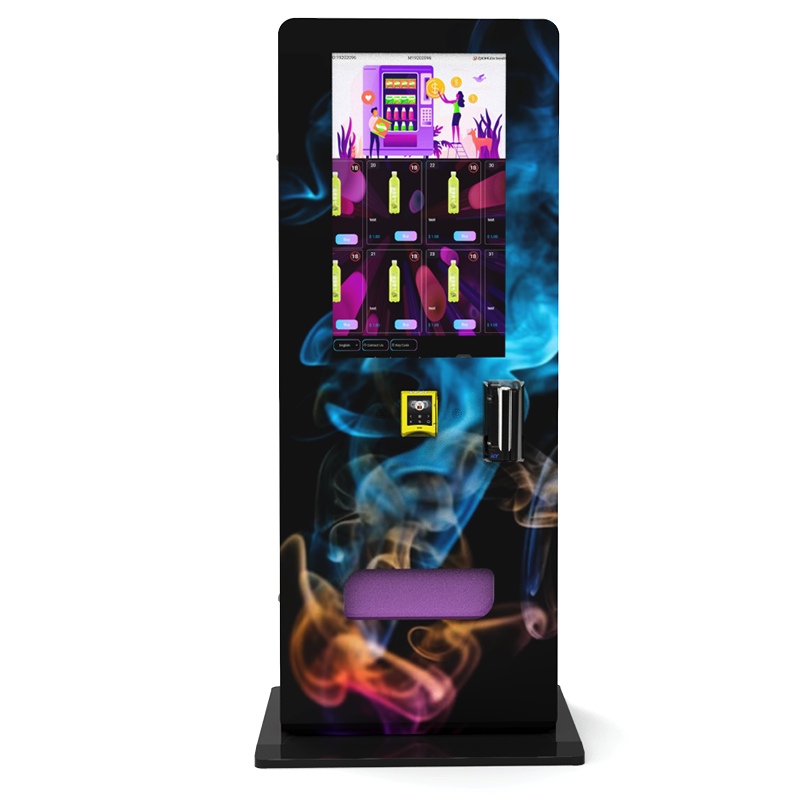
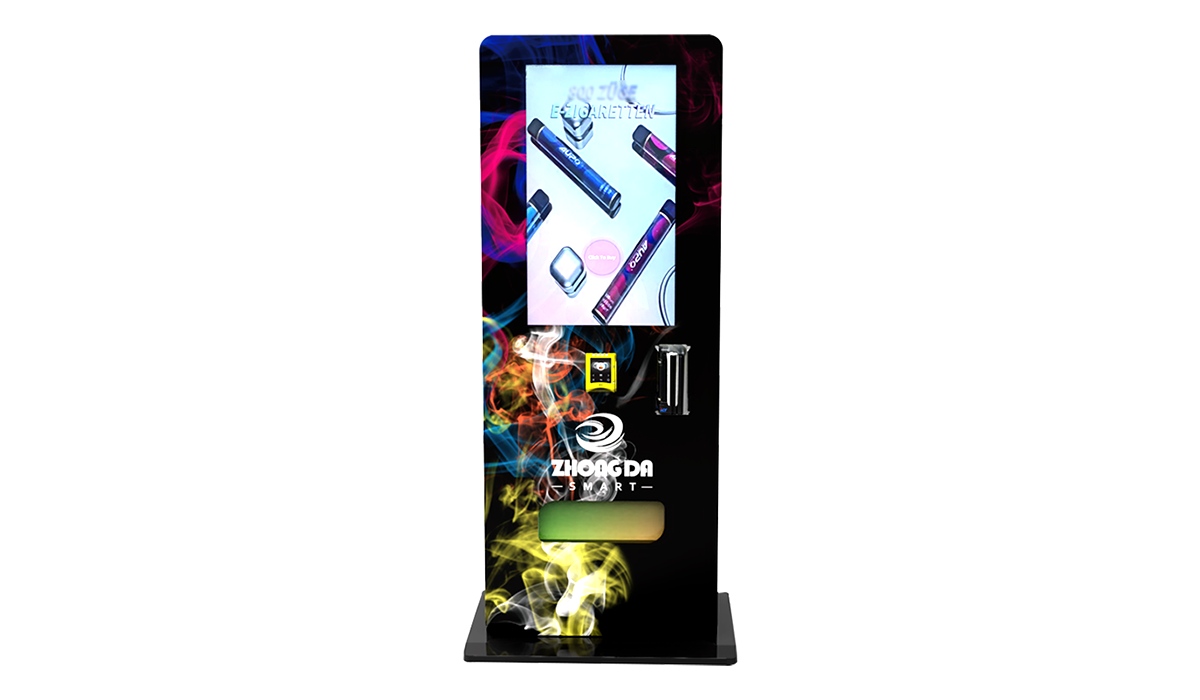
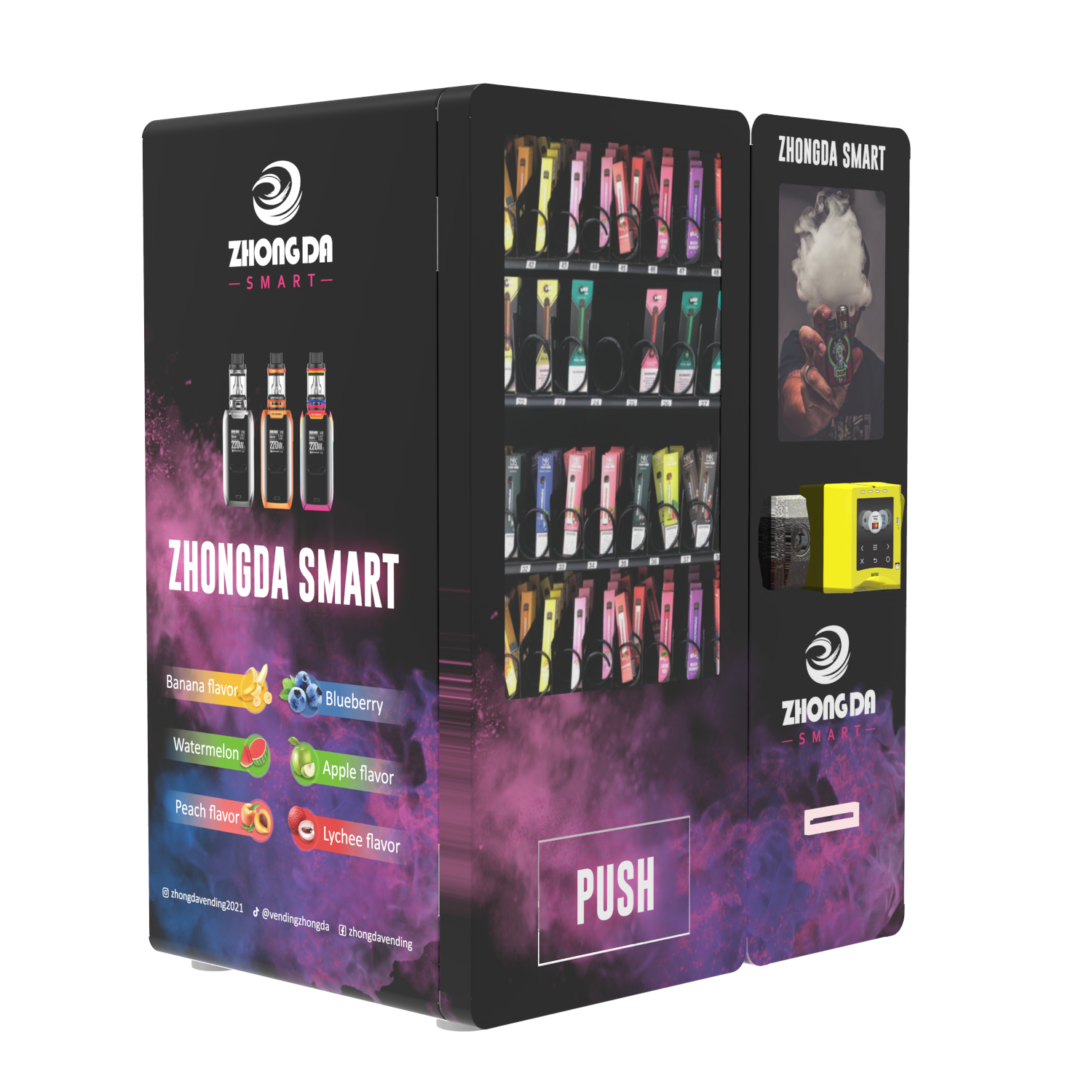
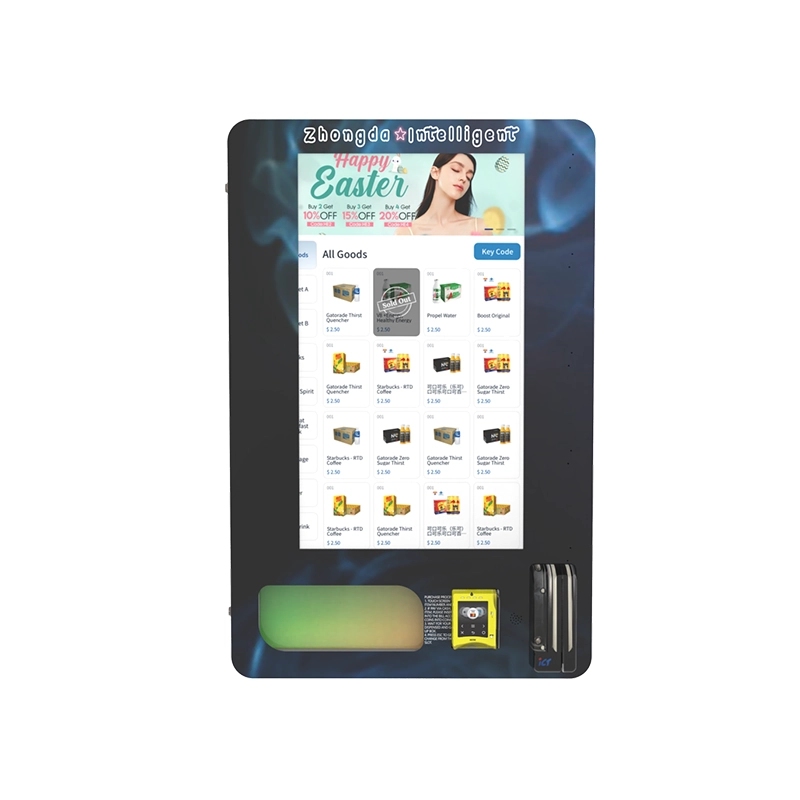
For most bars and nightclubs, I recommend a wall-mounted e-cigarette vending machine. It takes up zero floor space, mounts flush against the wall, and has enough capacity to handle a busy weekend without restocking. For casinos, go with the full-size floor model. You need the capacity, the advanced security, and the remote monitoring to track inventory across multiple machines on a large property.
Why I Recommend Zhongda Smart for Manufacturing
I have been in this industry long enough to know which factories actually deliver on their promises. Zhongda Smart is one of the few manufacturers I trust for compliance-ready machines. Their units come with built-in age verification, tamper-proof cash systems, and remote management software that lets you see sales data in real time. I have visited their facility and watched their assembly line. They test every machine for 48 hours before it ships. That is rare in this industry.
If you are looking for a specific model for a bar or nightclub, check out their wall-mounted compact unit. It is small enough to fit in tight spaces but holds enough inventory for a busy venue. For a casino, their ID scan vending machine includes the facial recognition feature that regulators look for.
Return on Investment: Real Numbers from Real Deployments
I track ROI on every machine I help deploy. The data comes from actual sales reports, not projections. Here is what I have seen across 40 venues over the last three years.
Average daily transactions: 18 to 25 per machine in a busy bar or club. Average ticket: $16 to $22 depending on the product mix. Average gross margin: 55 to 65 percent on disposables and pods. That means a machine in a mid-tier bar generates between $9,000 and $14,000 in gross profit per year. After the machine cost, installation, and monthly restocking labor, the net profit is between $6,000 and $10,000 per year per machine. A $5,000 machine pays for itself in six to nine months.
I have one client in a casino in Oklahoma who placed three machines on the same floor. His combined monthly revenue from those three units is $4,200. The machines cost him $12,000 total. He was cash-positive in month four. That is the kind of return you only get when the venue has high foot traffic and no existing vape sales.
Another operator in a nightclub district in Nashville put a single wall-mounted unit near the exit. He restocks it twice a week. The machine does $1,100 a week in sales. The club owner gets a 20 percent commission on top of the product margin. Everyone wins.
Hidden Revenue Opportunities
Most operators only think about selling disposables and pods. But I have seen successful operators add accessories to the machine. Extra coils, charging cables, battery packs, and even nicotine gum or lozenges. These items have high margins and low restock frequency. One operator added portable phone chargers to his vape machine and saw a 12 percent lift in total revenue. The charger sales did not cannibalize vape sales; they added a new transaction type.
You can also use the machine as a promotional tool. Put a QR code on the screen that links to a loyalty program. Offer a free disposable after five purchases. The machine tracks every transaction, so you can automate the reward. I have seen this increase repeat usage by 30 percent in the first three months.
Installation and Placement Best Practices
Where you put the machine matters more than which machine you buy. I have seen a great machine fail because it was placed in a dark corner where nobody could see it. Here is what works based on my experience.
- Place the machine within 10 feet of a high-traffic area like the bar, restroom hallway, or exit.
- Make sure the machine is visible from the main walkway. If people have to look for it, they will not use it.
- Keep the machine away from direct sunlight or heat sources. Vape products degrade in high heat.
- Mount wall units at eye level. The screen should be at 5 to 6 feet off the ground for easy interaction.
- Ensure the machine has a clear line of sight to the security camera. You want every transaction recorded.
- Do not place the machine near the entrance where minors might gather. Some regulations require a minimum distance from the door.
I have a client who placed a machine in a casino hallway that was technically high-traffic but had no signage. The machine did $200 a week. We moved it 20 feet to the right, next to the restroom entrance, and added a small LED sign. Revenue tripled in two weeks. Placement is everything.
Power and Connectivity Requirements
Every machine needs a dedicated power outlet. Do not use a power strip or extension cord. The machine draws enough current that a loose connection can cause a fire risk. I recommend a 15-amp circuit with a surge protector. For connectivity, the machine needs Wi-Fi or a cellular connection to process credit card payments and send sales data. If the venue has weak Wi-Fi in the placement area, use a cellular modem. The monthly cost is around $15 to $25 per machine and is worth every penny for remote monitoring.
I have seen operators skip the connectivity to save money. Then the machine goes down, they do not know it, and they lose a weekend of sales. Remote monitoring is not optional if you want to run this as a business.
Maintenance and Restocking Schedules
How often you restock depends on the venue traffic and the machine capacity. For a busy nightclub, you will restock every two to three days. For a casino with a full-size machine, once a week is usually enough. I track restock data across my fleet and have found that the average machine needs a restock visit every 4.5 days.
When you restock, check the machine for any error codes, clean the screen, and verify that the ID scanner is working. I have seen a scanner lens get smudged by fingerprints and start rejecting valid IDs. A quick wipe with a microfiber cloth fixes it. Make it part of your restock routine.
Also, rotate your inventory. Vape products have expiration dates. Sell the oldest stock first. The machine software should let you set par levels and alert you when a product is close to expiring. Use that feature.
Common Problems and How to Fix Them
After deploying hundreds of machines, I have seen the same issues come up again and again. Here are the most common ones and how to handle them.
- Card reader fails: Usually a loose cable or a software glitch. Reboot the machine. If that does not work, swap the reader. Keep a spare reader in your car.
- ID scanner rejects valid IDs: Clean the scanner window. If the issue persists, calibrate the scanner in the software settings. Some IDs from certain states have non-standard barcodes. Update the scanner firmware.
- Product gets stuck in the spiral: Usually happens with oddly shaped disposables. Adjust the spiral spacing or use a different product. Some machines let you change the coil width.
- Machine goes offline: Check the Wi-Fi signal strength. If it is weak, add a Wi-Fi extender or switch to cellular.
- Cash jam: Open the bill acceptor, remove the jammed bill, and clean the rollers. Use a bill acceptor with a high-note capacity to reduce jams.
Most of these issues can be resolved in under 10 minutes if you have the right tools and a basic understanding of the machine. I always tell operators to keep a small toolkit with the machine: a screwdriver, a microfiber cloth, a can of compressed air, and a spare card reader.
Legal and Regulatory Checklist
Before you buy a machine, run through this checklist. I have compiled it from the regulations I have dealt with in over 20 states and multiple Canadian provinces.
- Confirm that vending machine sales of nicotine products are legal in your state and city.
- Verify the minimum age requirement. Most states set it at 21. Some allow 18 for certain products.
- Ensure the machine has a working age verification system that scans government IDs and rejects underage users.
- Check if the venue needs a tobacco retail license. Some jurisdictions require the venue itself to hold the license, not the machine owner.
- Verify that the machine displays the required warning labels. Some states require a specific font size and placement.
- Confirm that the machine is placed at least 10 feet from any entrance or area accessible to minors.
- Ensure the machine has a tamper-proof cash box and an audit trail for every transaction.
- Check if the state requires a specific tax stamp on each product. Some states require the stamp to be applied before the product goes into the machine.
I have seen operators skip the tax stamp requirement and get hit with a fine that wiped out six months of profit. Do not cut corners on compliance. It is not worth the risk.
Frequently Asked Questions
Do I need a special license to operate a vape vending machine in a bar?
Yes, in most states you need a tobacco retail license for the venue where the machine is placed. Some states also require a separate vending machine license. Check with your state department of revenue or tobacco control board. I have seen operators get fined for assuming the bar's liquor license covers tobacco sales. It does not.
How much does a compliant vape vending machine cost?
A basic wall-mounted unit with ID scanning costs between $4,500 and $8,000. A full-size floor unit with facial recognition and remote monitoring costs between $10,000 and $18,000. The cheaper machines under $3,000 usually lack proper age verification and will get you fined. Do not buy them.
Can I use a regular snack vending machine for vapes?
No. A regular snack machine does not have age verification, tamper-proof cash handling, or the proper product dispensing mechanisms for vapes. You will be operating illegally if you use a snack machine for nicotine products. You need a machine specifically designed for age-restricted products.
How long does it take to recoup the investment?
Based on the deployments I have overseen, the average payback period is 6 to 9 months for a wall-mounted unit in a busy bar or nightclub. For a full-size machine in a casino, the payback period is 8 to 12 months. The key variable is foot traffic. A machine in a slow venue will take longer to pay off.
What happens if the ID scanner fails during a transaction?
The machine should be programmed to decline the transaction if the scanner fails. Do not set the machine to accept manual age entry. That is a compliance violation. If the scanner fails, the machine should display an error message and cancel the sale. Then you need to fix the scanner before the next transaction.
Can I place the machine outside the venue, like on a patio or sidewalk?
Outdoor placement is risky. The machine is exposed to weather, theft, and vandalism. Also, many regulations require the machine to be inside the venue and under direct supervision of the licensee. I recommend keeping the machine indoors, near a high-traffic area but away from direct sunlight and moisture.
Final Thoughts from the Factory Floor
I have been building and deploying vending machines for 15 years. I have seen the market shift from cigarette machines that anyone could use to today's age-verified smart vending machines that require biometric checks. The bars, nightclubs, and casinos that adopt these machines early are capturing a revenue stream that their competitors are ignoring. The ones that wait will eventually have to catch up, but they will have lost months of profit.
If you are serious about adding a vape vending machine to your venue, start with compliance. Check your local laws. Buy a machine that meets the requirements. Place it in a high-visibility spot. Track your sales. Restock on a schedule. That is the formula I have used across hundreds of successful deployments, and it works every time.
For more detailed information on specific models, installation guides, and compliance updates, I recommend reading through our resource center and our case studies on bar and club deployments. If you have a specific question about your venue, reach out through our contact page. I answer every inquiry personally.
Sources and References
- Statista. "Vending machine market size in the United States." Accessed 2025. https://www.statista.com/topics/1281/vending-machines/
- IBISWorld. "Vending Machine Operators in the US – Market Research Report." 2024. https://www.ibisworld.com/united-states/market-research-reports/vending-machine-operators-industry/
- Bloomberg. "The Rise of Age-Verification Technology in Retail." 2023. https://www.bloomberg.com/news/articles/2023-06-15/age-verification-technology-retail
- Forbes. "How Vending Machines Are Evolving with Smart Technology." 2024. https://www.forbes.com/sites/forbestechcouncil/2024/01/10/how-vending-machines-are-evolving-with-smart-technology/