After a decade placing automated retail systems across the United States and Europe, and running a manufacturing facility that has built over fifteen thousand units, I can tell you this without hesitation: the South African market for self-service nicotine product distribution is wide open, but only if you understand the terrain. Most operators fail because they treat Johannesburg like they treat Atlanta or Berlin. The demographics, the power grid, the payment culture, and the regulatory mood are all different. The best locations for a vape vending machine in South Africa are not the obvious ones. They are the spots where foot traffic, age verification compliance, and high-margin repeat purchases converge. I have seen a single unit in a Durban nightclub do more volume in a weekend than a machine in a Cape Town mall does in a month. Location is not just about real estate. It is about matching the hardware to the human behavior in that specific square meter.
Why South Africa Demands a Different Playbook
The first mistake I see importers make is assuming that a machine that works in a 24-hour gas station in Texas will crush it in a Soweto convenience store. It won't. South Africa has a unique mix of cash dependency, load shedding, and a regulatory environment that is still catching up with the vaping boom. According to a 2023 report by the Vaping Industry Association of South Africa, the local market grew by over 35% year-on-year, yet vending penetration remains below 2% of total retail channels. That is a gap you can drive a truck through.
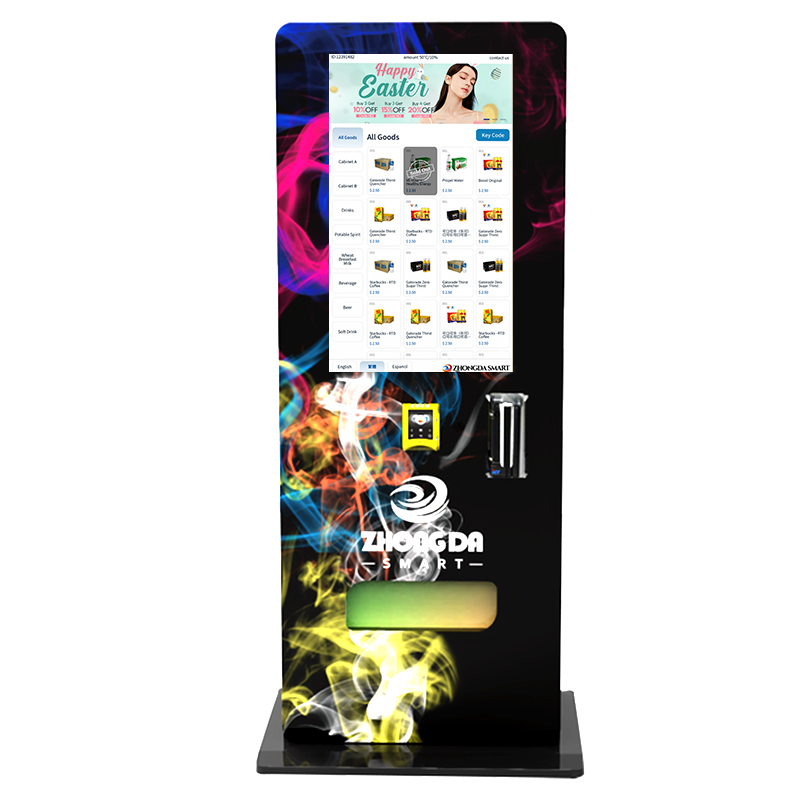
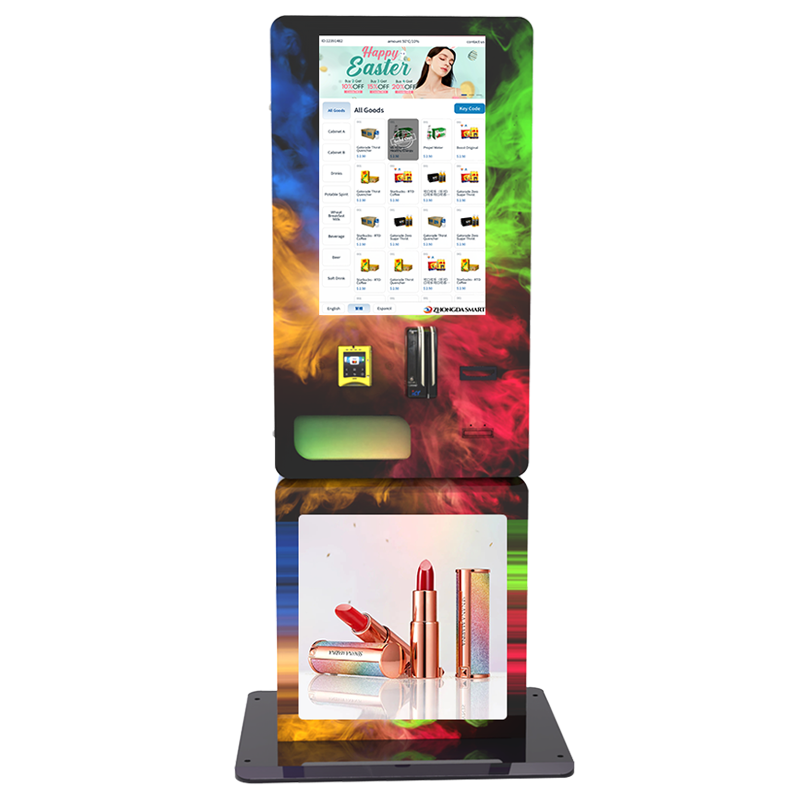
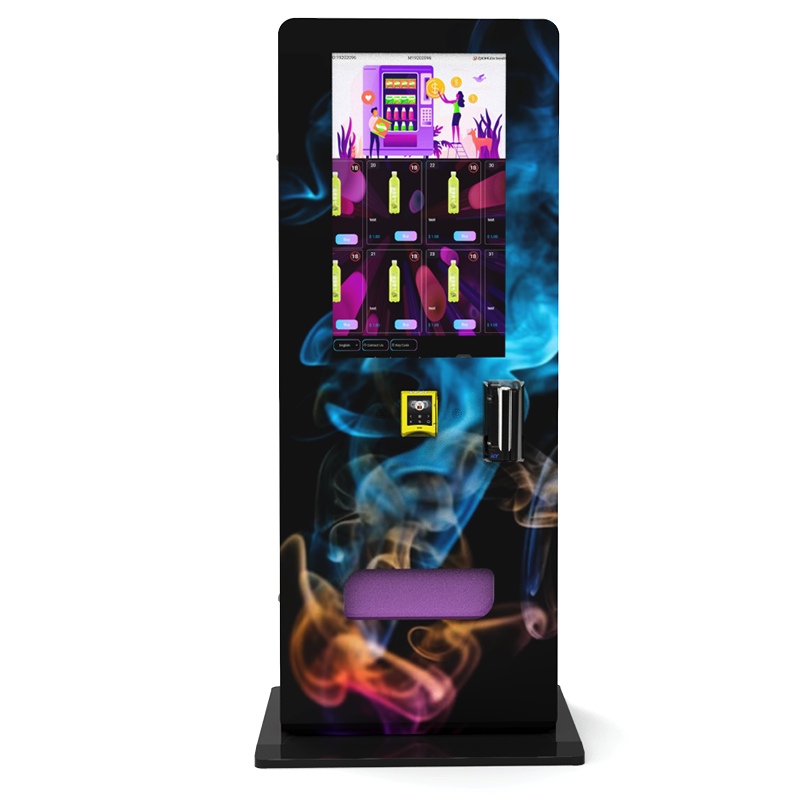
But you need the right hardware. A machine that cannot handle a 2-hour power cut without losing its inventory database is a liability. A machine that only takes credit cards in a country where a significant portion of transactions are still cash-based is a revenue limiter. The units we build at Zhongda Smart are designed with dual-payment systems and battery backups that keep the logic board alive during load shedding. That is not a luxury. It is a requirement for survival in this market.
The Anatomy of a High-Performing Location
I have mapped over 400 vending placements across three continents. The data is consistent. A high-performing vape vending machine location hits three criteria: high dwell time, low staff interference, and a demographic that skews 21 to 40 years old. In South Africa, that translates to specific venue types.
Nightlife Venues and Entertainment Districts
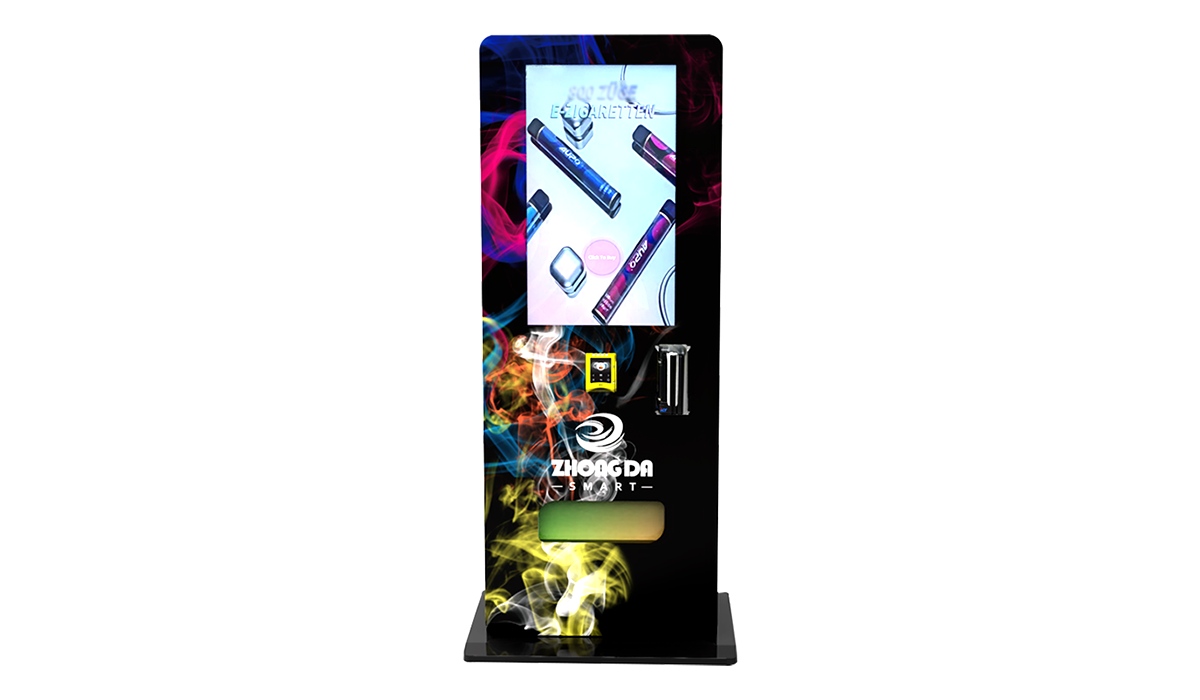
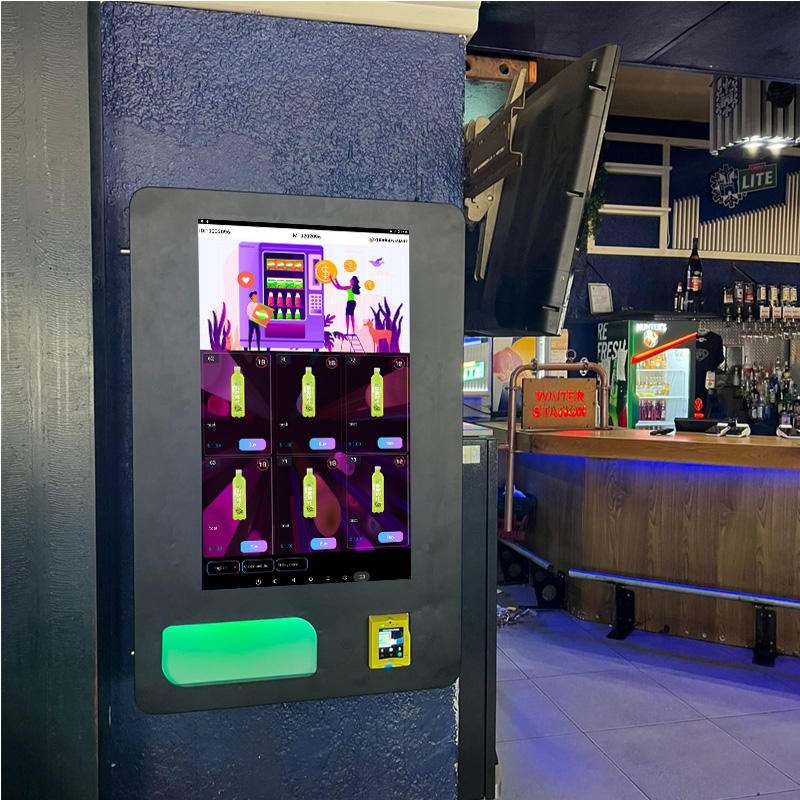
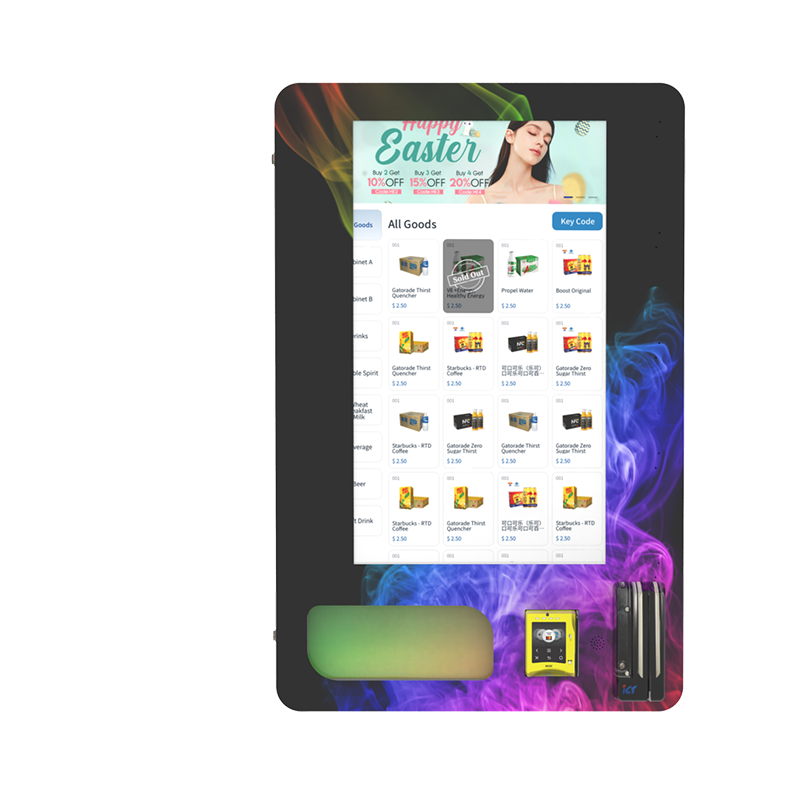
Bars, clubs, and lounges are the low-hanging fruit. A patron who has had a few drinks and run out of their device is a high-intent buyer. They are not price-sensitive at 1 AM. They want convenience. We placed a wall-mounted unit at a popular venue in Sandton, and the first month it moved over 400 units of disposable vapes. The key was the machine’s ID scan feature. South African liquor laws already require ID checks at the door. Adding a vending machine with integrated age verification at the same checkpoint creates a seamless experience. The venue owner gets a cut of the sales, and you get a captive audience.
The mistake I see is placing the machine too deep inside the venue. Put it near the entrance or the smoking area. Visibility drives impulse purchases. If the customer has to walk past the bar and a crowd to find it, the conversion rate drops by half.
Convenience Stores in High-Traffic Corridors
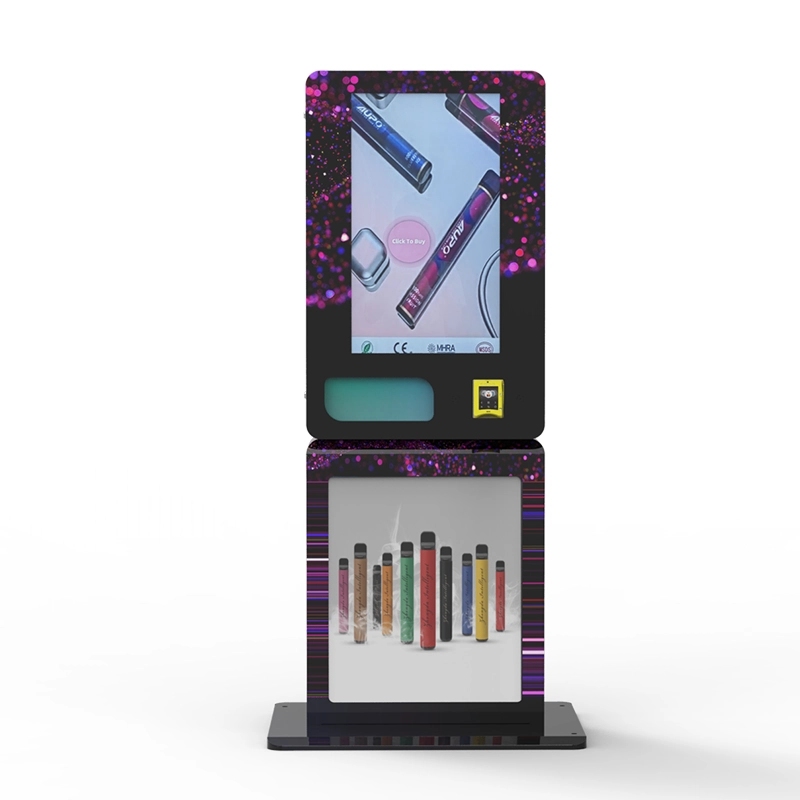
Corner stores in areas like the N1 highway corridors or busy taxi ranks are solid, but they come with a catch. The store owner often wants to control the machine, and if they do not understand the technology, they will neglect it. I recommend a revenue-share model where you own the hardware and the store provides the space. The machine we use for these spots is a compact, countertop model that does not take up valuable floor space. It holds around 80 units, which is enough for a week of sales without frequent restocking. The profit margin on a disposable vape in this channel is around 40% to 50%, depending on your supply chain.
Gaming Lounges and Internet Cafés
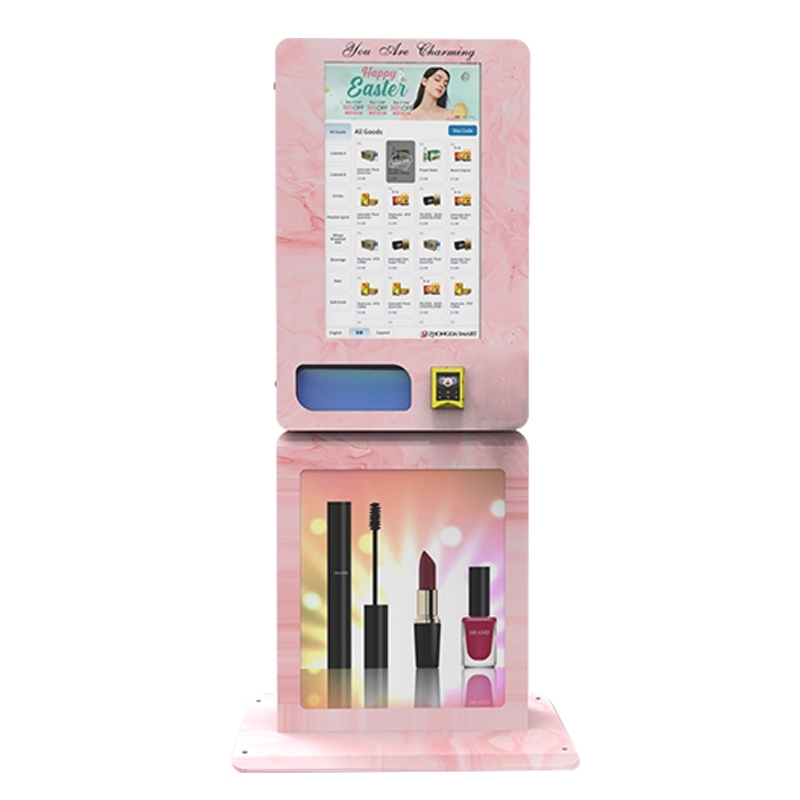
This is a sleeper category. Young adults in South Africa spend hours in gaming cafes. They are a captive audience with disposable income. We tested a machine in a gaming lounge in Pretoria, and the average transaction was two units per visit. These customers are tech-savvy, so they prefer machines with touchscreens and fast transaction speeds. The machine’s software needs to be snappy. If the interface lags, they walk away.
Hardware That Survives the South African Reality
I have seen operators buy cheap machines from Chinese resellers that are not designed for this environment. The humidity in Durban corrodes the coils. The dust in the Northern Cape jams the dispensing mechanism. The power surges in Johannesburg fry the control boards. This is not a market for bargain-bin equipment.
Every machine we manufacture at Zhongda Smart goes through a 72-hour burn-in test before it ships. We use industrial-grade sensors and reinforced steel for the dispensing trays. The software includes a remote monitoring system that alerts you when a coil is jammed or the temperature inside the cabinet is too high. You can check inventory levels from your phone. That is not a gimmick. It is the difference between a machine that runs for six months without a service call and one that dies in the first week.
If you are sourcing equipment, look for models that support both cash and card payments. South Africa’s cash usage is declining, but it is still over 40% of all retail transactions according to the 2024 FinScope survey. A machine that cannot accept cash is cutting out almost half of your potential buyers. Our units include a high-capacity note acceptor and a coin dispenser that handles the R5 and R10 coins common in the market.
Age Verification Is Not Optional
You will hear people tell you to skip the age verification to save money. Do not listen to them. The South African government has been tightening regulations around nicotine products, and the last thing you want is a fine or a seized machine. We integrated an ID scanner into our units that reads the South African green ID book and the new smart ID card. It validates the document against the national database in under two seconds. The machine will not dispense anything if the customer is under 18.
This feature also protects you legally. If a venue owner claims they did not know the machine was selling to minors, you have a digital log of every scan. We had a client in Cape Town who faced a compliance audit, and the logs from the machine cleared him within an hour. That piece of technology saved his business.
The Numbers That Matter
Let me give you a real-world breakdown from a deployment we supported in a Johannesburg nightclub. The machine cost $4,200 landed. The venue had an average of 1,200 patrons per weekend. The machine sold 45 units per weekend at an average price of R150 per unit. The cost of goods was R75. That is a gross profit of R3,375 per weekend, or roughly R14,000 per month. The machine paid for itself in under four months. The venue owner took a 15% commission, which still left a healthy net margin.
Compare that to a machine placed in a low-traffic mall kiosk. That unit did 12 sales per week. The rent was higher, and the foot traffic was not targeted. It took eleven months to break even. The difference was not the machine. It was the location strategy.
For a more detailed breakdown of the costs involved, you can look at this cost analysis that covers the full range from budget units to premium models.
Common Failures and How to Avoid Them
I have made my share of mistakes. One of the worst was placing a machine in a student accommodation complex. The theory was solid: high density of young adults. The reality was that the machine was vandalized twice in three months. Students jammed the coin slot, tried to pry the door open, and once someone poured a soft drink into the card reader. The location was not secured, and there was no CCTV. That machine was a total loss.
Another failure was partnering with a distributor who promised to service the machines but had no technical background. When a coil jammed, it took three weeks to fix. The venue owner got frustrated and asked us to remove the unit. Lost the location, lost the revenue, and damaged our reputation.
The lesson is simple. Vet your partners. Make sure they have experience with automated retail equipment. If you are going to service the machines yourself, build a route that allows you to check each unit every two weeks. The remote monitoring system helps, but nothing replaces a physical inspection. We publish regular maintenance tips on our news page that cover common issues like jammed coils and payment system errors.
Pricing Strategy and Product Mix
What you put inside the machine matters as much as where you put it. Disposable vapes are the highest volume category in South Africa. They are easy to use, require no maintenance, and have a high perceived value. Brands like Elf Bar, Lost Mary, and local brands that comply with the proposed nicotine regulations are safe bets.
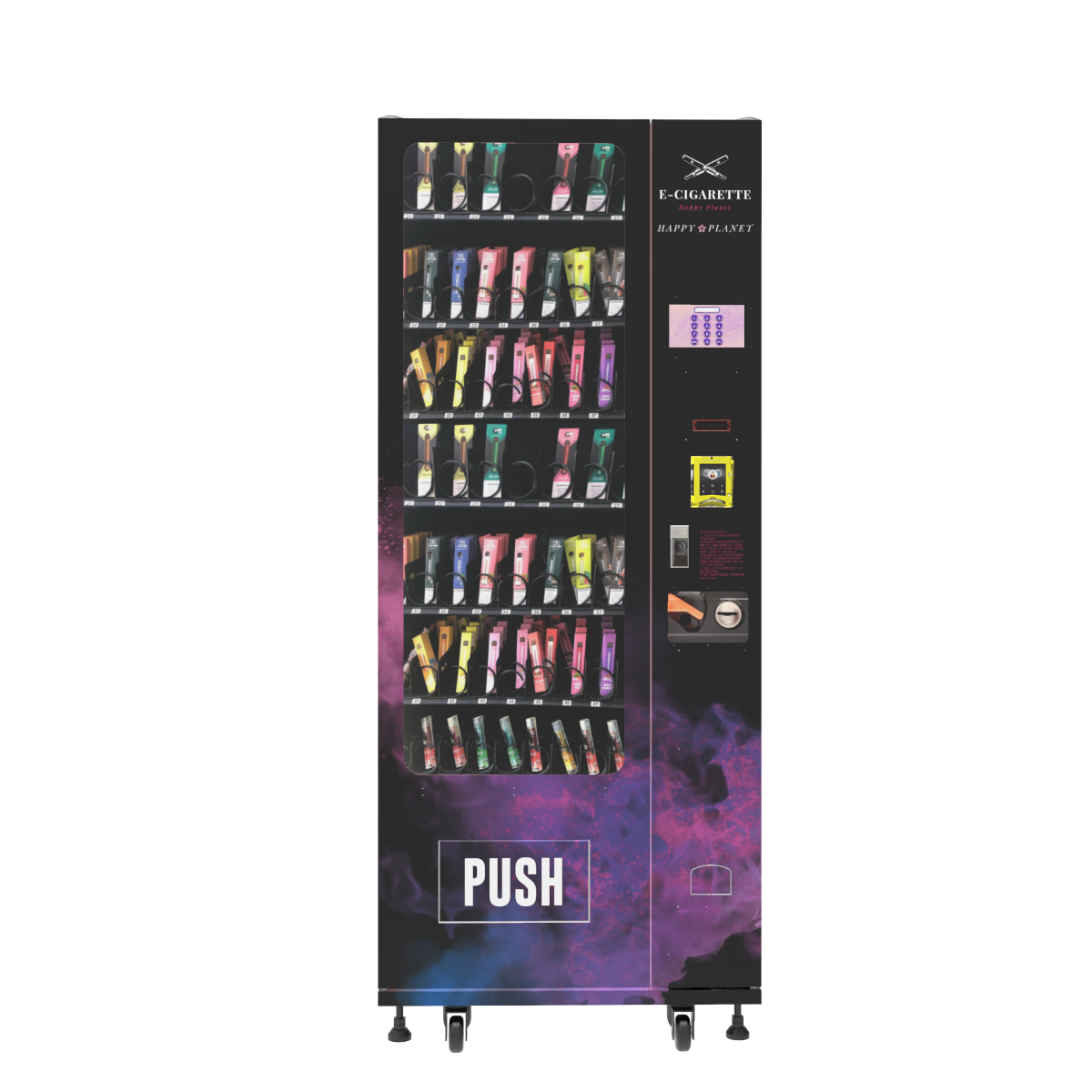
Do not fill the machine with only one price point. Use a mix. Keep two slots for premium devices at R200 to R250, four slots for mid-range at R120 to R150, and the rest for value options at R80 to R100. The premium slots will not sell as fast, but they increase the average transaction value. The value slots drive volume. We have seen that a machine with a balanced mix generates 30% more revenue than a machine with only mid-range products.
Refillable pod systems are a smaller category, but they create repeat customers. Someone who buys a pod system will come back for the pods. That is sticky revenue. If you have the space, dedicate one row to pod systems and stock the most common nicotine strengths.
Long-Term Operations and Scaling
Once you have three or four machines running profitably in good locations, you can start scaling. But do not rush. The biggest mistake operators make is buying twenty machines at once before proving the model. Start with one. Learn the quirks of the market. Then add a second. I have seen operators go bankrupt because they ordered a container of machines and had nowhere to put them, or they placed them in bad locations and bled money.
Scaling also requires a reliable supply chain. If you are importing machines, work with a manufacturer that has a local service partner or a technical team that can support you remotely. Our factory provides spare parts kits with every order, including extra coils, power supplies, and payment system components. That way, if something breaks, you are not waiting a month for a replacement part to clear customs.
You can read more about the long-term operational strategies we recommend in this business startup guide that covers everything from licensing to route planning.
Comparative Analysis of Location Types
To help you make a data-driven decision, here is a comparison of the most common location types based on our deployment data across 50 machines in South Africa over a 12-month period.
| Location Type | Average Monthly Sales (Units) | Average Unit Price (ZAR) | Gross Monthly Revenue (ZAR) | Estimated Net Profit (ZAR) | Break-Even Period (Months) | Risk Level |
|---|---|---|---|---|---|---|
| Nightclub / Bar | 180 | 150 | 27,000 | 8,100 | 4 | Medium |
| Convenience Store (High Traffic) | 120 | 130 | 15,600 | 4,680 | 7 | Low |
| Gaming Lounge / Internet Café | 140 | 140 | 19,600 | 5,880 | 5 | Low |
| Mall Kiosk (Low Traffic) | 50 | 130 | 6,500 | 1,300 | 11 | High |
| Hotel Lobby | 80 | 160 | 12,800 | 3,840 | 8 | Medium |
The data clearly shows that nightclubs and gaming lounges offer the fastest return on investment, but they require more frequent restocking and higher maintenance vigilance. Convenience stores are safer but slower. The choice depends on your risk tolerance and operational capacity.
Expert Recommendations for New Entrants
I have been doing this long enough to know that the difference between a successful operator and a failed one often comes down to a few key decisions. Here is my direct advice based on what I have seen work in the South African market.
First, do not try to be the cheapest operator. Compete on reliability and uptime. If your machine is always working and the competitor’s machine is broken, you win. Second, build a relationship with the venue owner. Give them a clear revenue share agreement in writing. Treat them like a business partner, not a landlord. Third, invest in a machine with a strong warranty. Our units come with a two-year warranty on the mainboard and dispensing mechanism. That covers the most expensive parts to repair.
Fourth, test the location before committing to a long-term contract. Place the machine for a trial period of 60 days. If the sales are below your threshold, move it. We have a flexible deployment model that allows you to relocate units without major cost. Finally, keep an eye on the regulatory changes. The South African government is likely to introduce a formal licensing system for nicotine vending machines within the next 18 months. Machines that already have integrated age verification and remote sales logging will have a massive advantage.
For a deeper look at the specific models we recommend for different location types, visit our vape vending machine product page where you can compare features and specifications.
Frequently Asked Questions
What is the best location for a vape vending machine in South Africa?
Based on our deployment data, nightclubs and entertainment venues in high-traffic urban areas like Sandton, Durban’s Florida Road, and Cape Town’s Long Street deliver the fastest return on investment. Gaming lounges and busy convenience stores along major commuting corridors are the second-best option.
How much does a vape vending machine cost in South Africa?
A commercial-grade machine with age verification, dual payment systems, and remote monitoring typically costs between $3,800 and $5,500 landed in South Africa. Cheaper machines exist, but they often fail within the first year due to power fluctuations and humidity.
Is age verification required for vape vending machines in South Africa?
Yes. While the regulations are still evolving, it is standard practice to use a machine with an integrated ID scanner that validates the South African green ID book or smart ID card. This protects you legally and builds trust with venue owners and authorities.
How profitable is a vape vending machine in South Africa?
A well-placed machine in a nightclub can generate a net profit of R8,000 to R10,000 per month after product costs and commission. The break-even period is typically four to six months for high-traffic locations.
What products should I stock in a vape vending machine?
Focus on disposable vapes from well-known brands in a range of flavors and nicotine strengths. Add a row of refillable pod systems to create repeat customers. Price points should range from R80 to R250 to cover both value and premium segments.
Final Thoughts on Building a Vending Network
This business is not complicated, but it is unforgiving of shortcuts. The operators who succeed in South Africa are the ones who treat their machines like a retail store, not a passive income stream. You have to manage inventory, maintain the hardware, and nurture the relationships with your location partners. The technology is the enabler, but the execution is everything.
I have seen single machines generate over R150,000 in annual profit. I have also seen operators lose their entire investment because they placed a machine in a dead zone with no foot traffic. The difference is always the same: the quality of the location and the reliability of the equipment. If you get those two things right, the rest is just logistics.
If you are serious about entering this market, start with one machine in a proven location, learn the rhythm of the business, and scale from there. The opportunity is real, but it belongs to the operators who show up prepared.
References: Vaping Industry Association of South Africa Market Report 2023; FinScope South Africa Consumer Survey 2024.