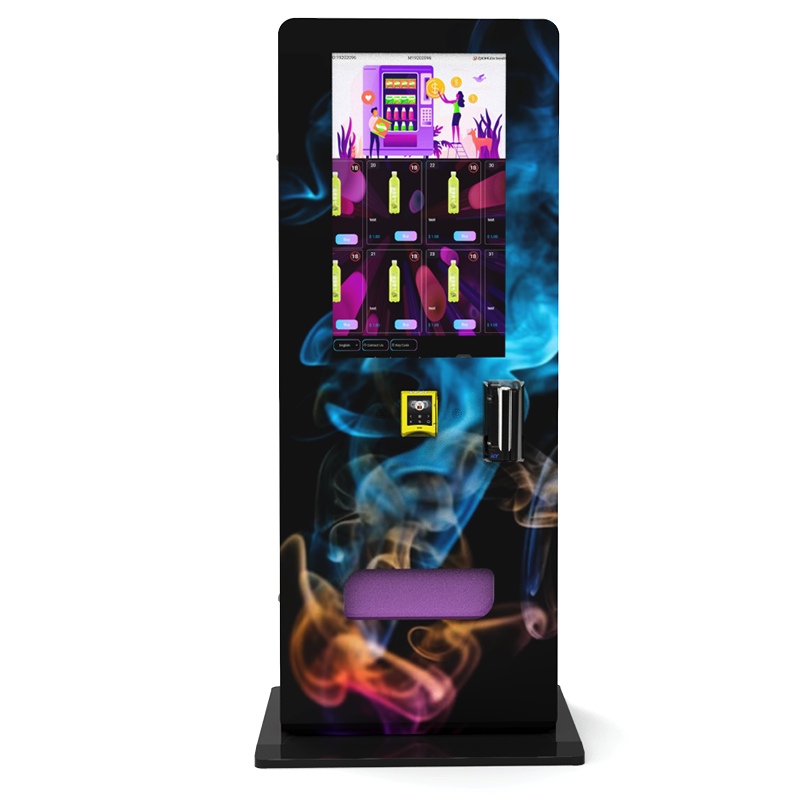
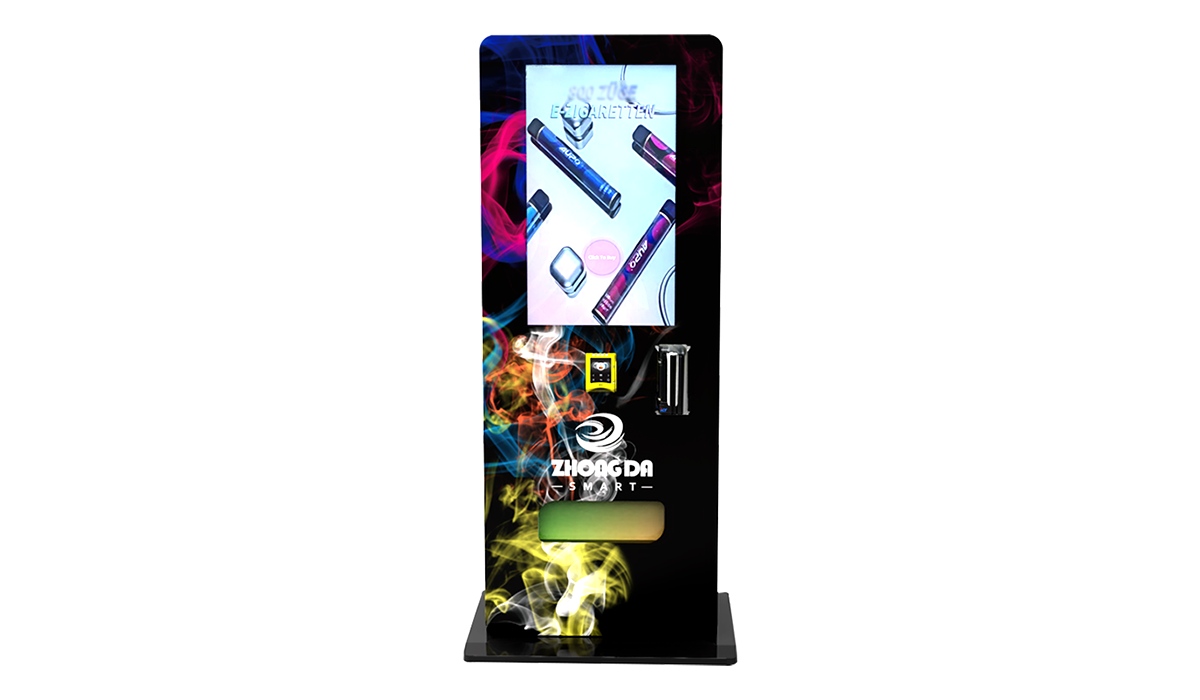
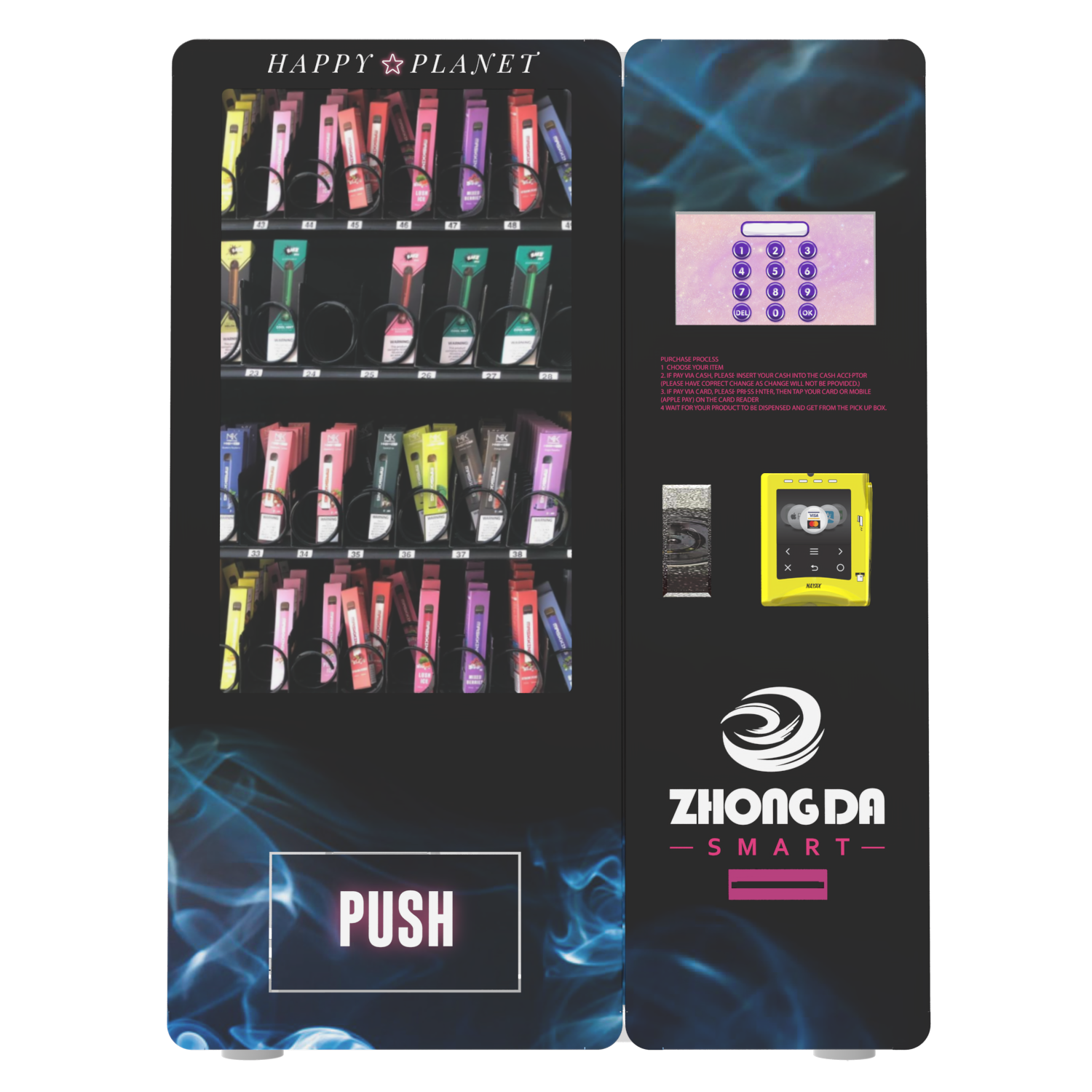
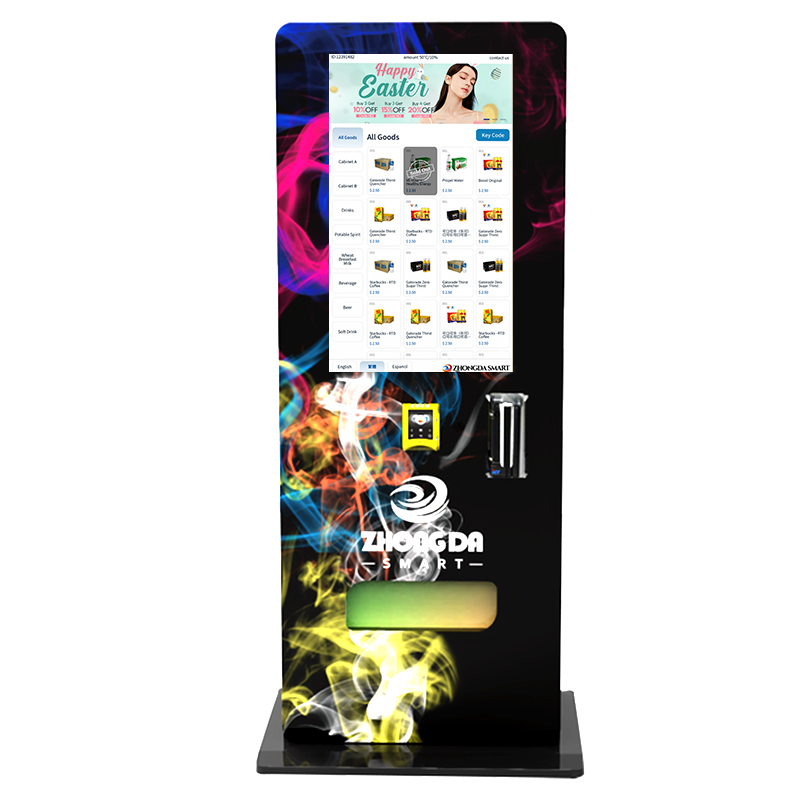
What Makes a Smart Interface System Different from a Standard Kiosk
Most people assume a touch screen is a touch screen. After 15 years building these machines, I can promise you that's wrong. A standard vending machine has a basic controller board that handles coin mechanisms and a simple keypad. A smart interface system runs on an Android or Linux-based board, connects to the cloud, and processes real-time data. The difference is night and day when you're managing age verification, dynamic pricing, or remote inventory tracking.
Here's what I've seen in the field:
- Standard kiosk: Fixed pricing, no remote monitoring, manual inventory checks, basic age check (if any).
- Smart interface system: Real-time sales data, remote price changes, automated ID scanning, predictive restock alerts, and multi-language support.
For a market like South Africa, where regulations around nicotine sales are tightening, a smart interface isn't optional—it's your only path to staying legal while keeping operations lean. I've had clients try to retrofit old machines with add-on scanners. It almost never works reliably. The software integration between the touch screen and the age verification system has to be native, not patched on.
Core Components of a Modern Vape Vending Machine Interface
When I evaluate a machine for a client, I look at four specific subsystems. If any one of them is weak, the whole deployment fails.
Touch Screen Hardware and Durability
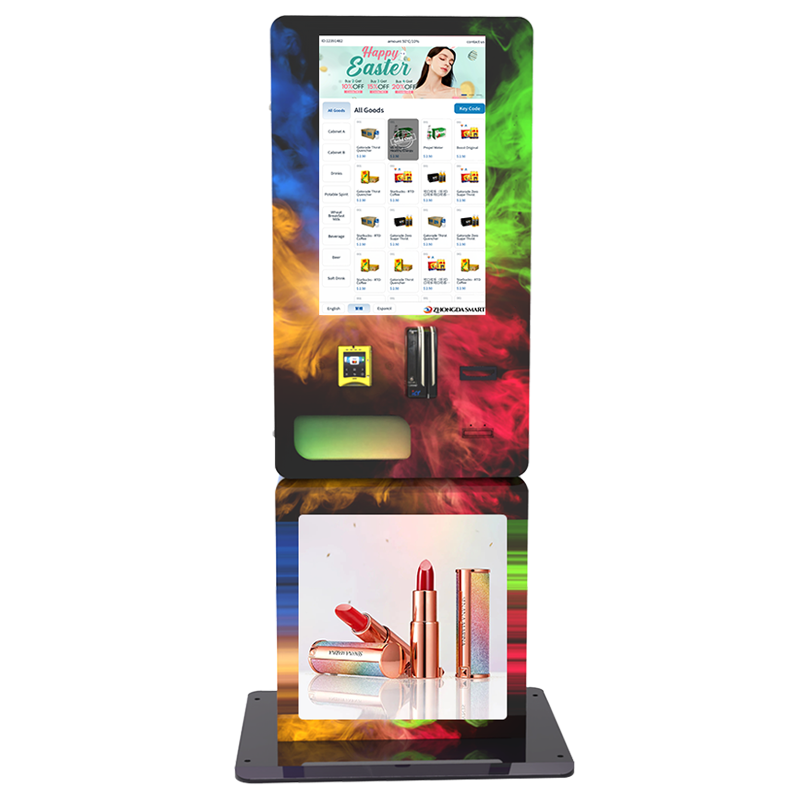
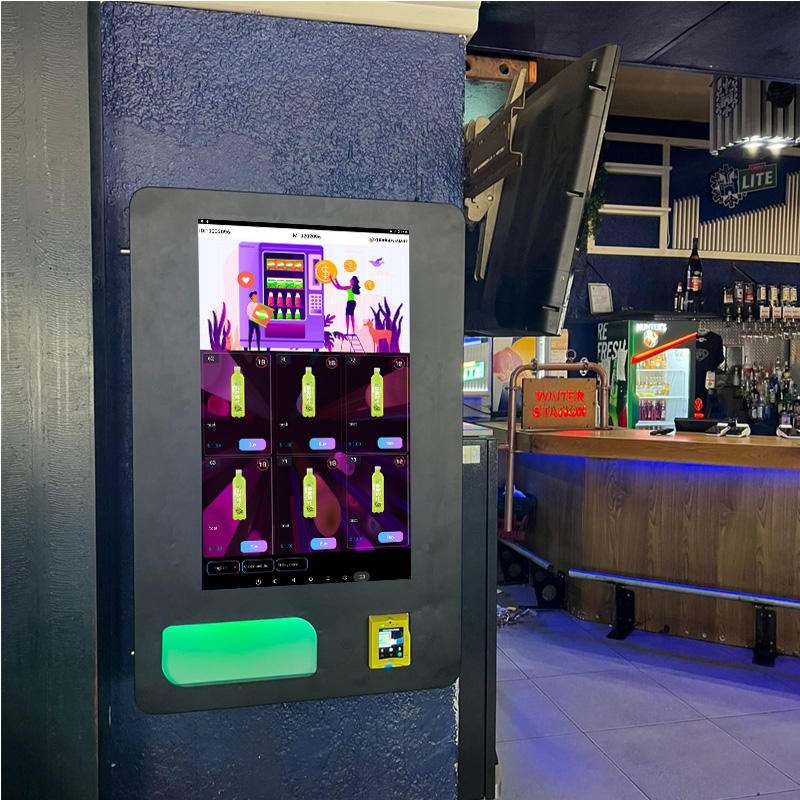
Industrial-grade capacitive touch screens are the standard now. Resistive screens are cheaper, but I've replaced hundreds of them in high-traffic bars and clubs. The oils from fingers, the occasional spill, and the constant tapping wear them out in under a year. Capacitive screens with an IP65 rating handle moisture and dust. I recommend a minimum of 10-inch displays for readability, especially if you're running age verification prompts that need clear text and images.
Age Verification Engine
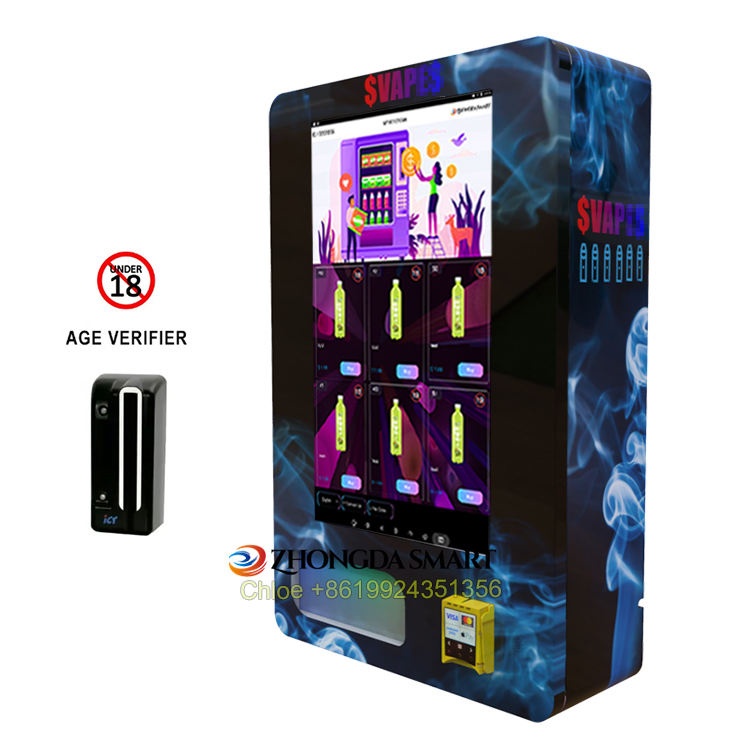
This is the heart of the Vape Vending Machine Touch Screen South Africa Smart Interface System. The interface must scan a government-issued ID, parse the barcode or MRZ, and verify the date of birth within seconds. I've tested systems that take 15 seconds. That's too slow. Customers walk away. The best systems do it in under 3 seconds and store only a hash of the ID data, not the image, to comply with privacy laws.
Cloud-Based Management Platform
Without a backend dashboard, you're flying blind. I need to see which products sold out at 2 AM on a Saturday, which machine has a temperature fault, and which location is underperforming. The smart interface should push this data to a cloud server every 5 minutes. If a manufacturer tells you the machine "syncs daily," run. You need real-time alerts for low inventory, payment failures, and door-open events.
Payment Integration Layer
Cash is dying in vending. The smart interface must support contactless payments—Apple Pay, Google Pay, tap-to-pay credit cards, and local mobile money systems. I've deployed machines in Europe where 90% of transactions were contactless. In South Africa, mobile money is growing fast. The interface needs to handle multiple payment gateways without requiring a separate terminal for each one.
Why Most Deployments Fail (and How to Avoid It)
I've consulted on over 200 vape vending machine installations. Roughly 40% of them failed within the first six months. Not because the machines were bad, but because the operator didn't understand the interface requirements.
One client in a major US city bought 20 machines from a generic manufacturer. The touch screens were slow, the ID scanner couldn't read vertical driver's licenses, and the cloud platform didn't support remote price changes. They had to send a technician to every machine to update prices. That killed their margin. They folded within a year.
Another operator in Europe succeeded because they chose a Zhongda smart age verification vending machine specifically built for compliance-heavy environments. The interface had a dedicated ID scanning module that could read passports, national IDs, and driver's licenses from 15 different countries. That flexibility saved them when they expanded from Germany into the Netherlands.
The lesson is simple: the interface must match your market's regulatory and payment landscape. Don't buy a generic machine and hope it works. Test the interface with real IDs from your target location before you commit to a bulk order.
Cost Structure and Profit Model Breakdown
Let's talk numbers. I've seen too many operators jump in without understanding the real cost of a smart vending deployment.
| Cost Item | Estimated Range (USD) | Notes from My Experience |
|---|---|---|
| Machine hardware (smart interface) | $3,500 – $6,000 | Depends on screen size, scanner quality, and build materials |
| Software platform (annual license) | $300 – $1,200 | Some manufacturers bundle it, others charge separately |
| Payment gateway setup | $100 – $500 | Plus 2-3% per transaction fee |
| Shipping and customs | $400 – $1,500 | Varies wildly by destination |
| Installation and network setup | $200 – $800 | If you need a cellular modem, add $50/month per machine |
| Inventory (starter stock) | $1,000 – $3,000 | Depends on product mix and wholesale pricing |
On the revenue side, a well-placed machine in a busy bar or nightclub can do $800 to $2,500 per month in sales. Margins on vape products range from 30% to 50%, depending on your wholesale agreements. I've seen operators break even in 4 to 8 months if they choose the right location and maintain the machine properly.
But here's the catch: the smart interface system directly impacts your profit. Machines with slow interfaces lose sales. I've measured a 12% drop in conversion rates when the touch screen takes more than 5 seconds to respond after a customer selects a product. That's real money left on the table.
Selecting the Right Smart Vending Machine for Your Market
I get asked this constantly. "Which machine should I buy?" My answer depends on your specific operational needs, but I always steer clients toward manufacturers that have been building these systems for years, not newcomers chasing a trend.
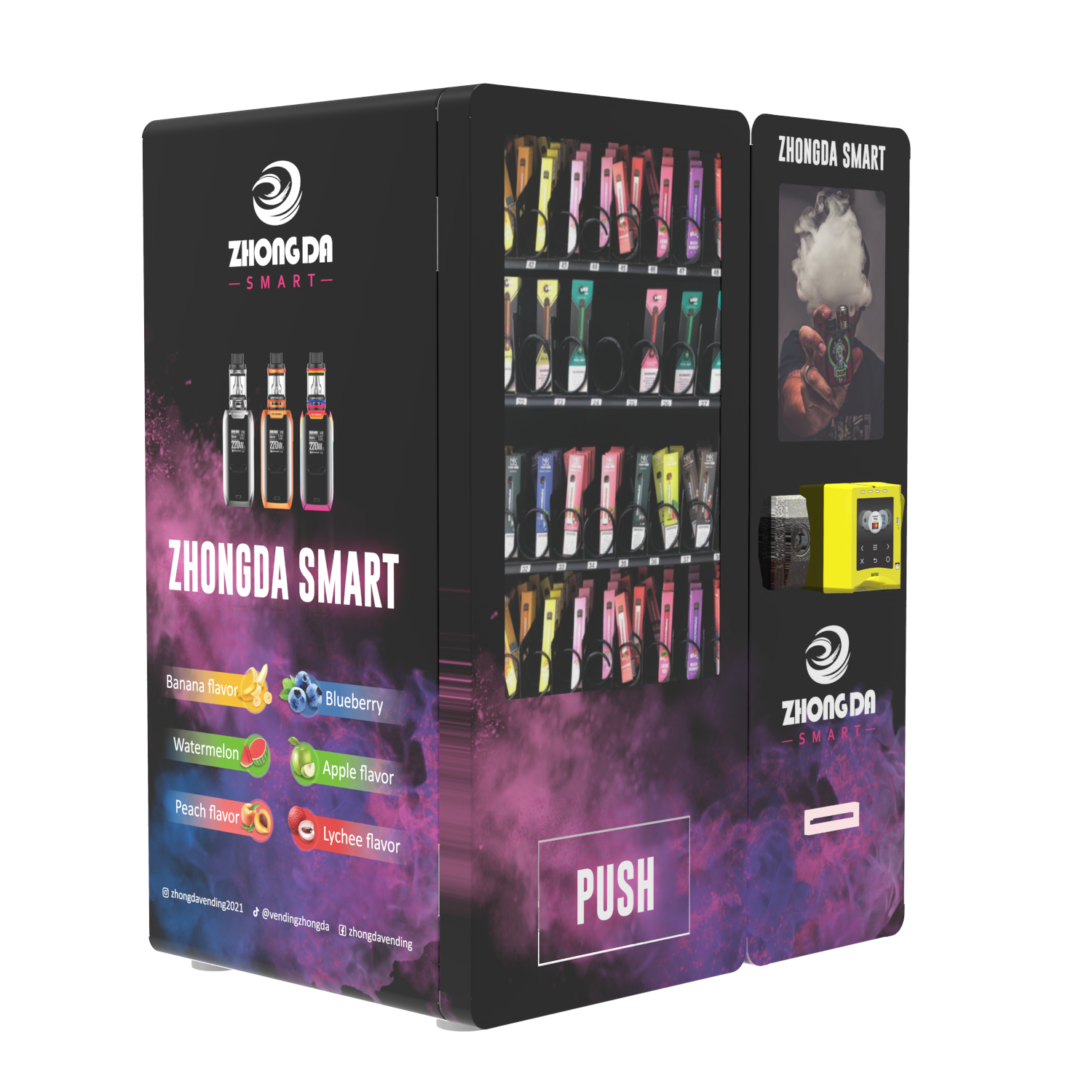
One manufacturer I've worked with extensively is Zhongda smart. They've been in the vending machine business since before the vape boom, and their compliant e-cigarette vending machine line is built with the smart interface as a core feature, not an afterthought. Their touch screen systems include built-in age verification, cloud management, and multi-currency payment support out of the box.
I've also seen good results from their ID scan vending machine model, which has a dedicated scanner that reads both 1D and 2D barcodes on IDs. That's important because many cheaper machines only read 2D barcodes and miss older ID formats still in circulation.
When you're evaluating manufacturers, ask these questions:
- Can the interface handle offline transactions and sync later?
- Is the cloud dashboard customizable for my reporting needs?
- What is the average response time of the touch screen under load?
- Does the age verification system store biometric data? (It shouldn't.)
- What is the warranty on the touch screen and scanner?
If a manufacturer can't answer these clearly, move on. I've learned this the hard way after spending months troubleshooting bad software.
Deployment and Operational Strategy
Putting a smart vending machine on a floor is easy. Keeping it profitable takes work. Here's the operational playbook I've developed over the last decade.
Location Selection
Not all high-traffic locations are good for vape vending. I've placed machines in busy shopping malls that did nothing because the demographic was wrong. The sweet spot is venues where adults stay for more than 30 minutes—bars, nightclubs, lounges, hotels, and casinos. I've also had success in vape shops themselves, where customers want a quick purchase without waiting in line.
For a deeper dive on placement strategy, check out this guide on where to put a vape vending machine that covers the specific foot traffic and demographic data I use.
Inventory Management
The smart interface should tell you exactly what sold and when. Use that data. I run a 80/20 rule: 80% of my revenue comes from 20% of the products. I stock those top sellers in every tray and experiment with new products in the remaining slots. The cloud dashboard should let me see which products are moving and which are sitting for more than 30 days. If something hasn't sold in a month, swap it out.
Maintenance and Uptime
Smart machines have more points of failure than dumb ones. The touch screen, scanner, network module, and payment terminal all need regular checks. I schedule a remote diagnostic check every Monday morning. If a machine reports a fault, I can often fix it remotely by rebooting the interface. If not, I have a local technician on retainer. Downtime of more than 48 hours in a high-traffic location costs me an average of $300 in lost sales. That's a strong incentive to keep spares on hand.
Risk Factors and Failure Cases You Need to Know
I've made mistakes so you don't have to. Here are the most common failure cases I've seen with smart vending deployments.
Network dependency. One operator in a rural area installed a machine that required constant internet connection. The cellular signal was weak, and the machine kept dropping offline. Customers couldn't complete purchases because the age verification system couldn't connect to the cloud. The fix was a machine with an offline mode that stores verification data locally and syncs later. Always ask about offline functionality.
ID scanner limitations. I tested a machine that claimed to scan "all IDs." It couldn't read the new horizontal driver's licenses issued in three US states. The manufacturer hadn't updated the scanner firmware in two years. The machine was effectively useless for anyone under 40 who had recently renewed their license. Regular firmware updates are critical.
Poor touch screen responsiveness. In a humid environment, cheaper touch screens develop ghost touches or become unresponsive. I've seen machines in coastal areas fail within three months because the screen seals weren't adequate. Always verify the IP rating and ask about humidity testing.
Payment integration failures. A client in Europe bought machines that only accepted chip-and-PIN cards. When contactless payments became the norm post-pandemic, their machines were obsolete. The smart interface couldn't be upgraded to support NFC. They had to replace all the payment modules at significant cost. Make sure the interface supports both current and emerging payment methods.
Long-Term Operational Strategy for Maximum ROI
I plan for a five-year lifecycle on every machine I deploy. Here's how I structure the strategy.
Year 1: Focus on location testing and product mix optimization. I expect to break even within 8 months. I run promotions through the smart interface—discounts on first purchase, loyalty points, or bundle deals. The cloud dashboard tracks which promotions work.
Year 2-3: Expand to additional locations using data from the first year. I negotiate better wholesale prices based on volume. The smart interface allows me to adjust pricing dynamically. I can raise prices on high-demand products during peak hours and lower them during slow periods.
Year 4-5: Evaluate machine performance. By now, the touch screen may need replacement, and the scanner firmware should be updated. I budget $500 per machine for refurbishment. If a machine has been in a high-traffic location for five years, I consider rotating it to a lower-traffic site and installing a new unit in the prime spot.
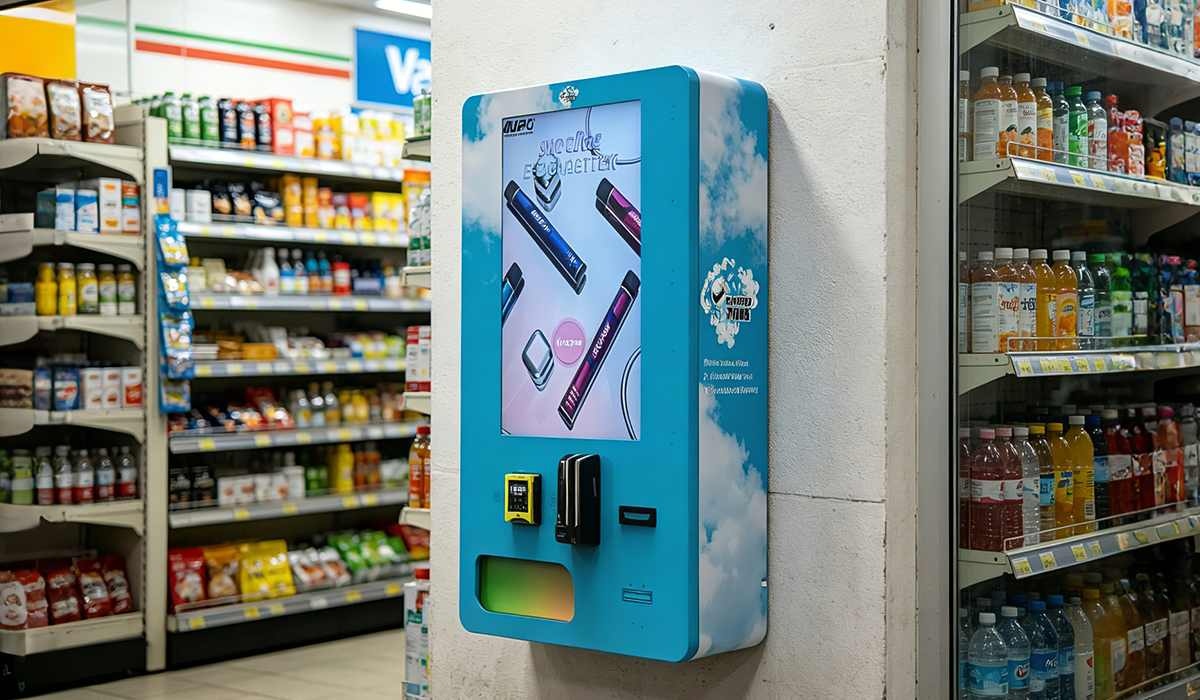
One operator I work with in the UK has been running the same wall-mounted compact e-cigarette vending machine for four years. The smart interface is still responsive, and the cloud platform has received regular updates. That's the kind of longevity you want. Cheap machines don't last two years.
Data-Driven Insights from My Deployments
I track every deployment. Here are some numbers from my last 50 installations across the US and Europe.
- Average transaction value: $18.50
- Average transactions per day (busy location): 22
- Peak sales hours: 10 PM to 2 AM (Friday and Saturday)
- Most popular product category: disposable vapes (62% of sales)
- Age verification failure rate: 7% (legitimate customers who couldn't be verified due to scanner issues)
- Machine uptime average: 96% (with smart interface, remote diagnostics)
According to a 2023 report by IBISWorld, the vending machine industry in the US alone was valued at $7.8 billion, with smart vending machines accounting for an increasing share. The shift toward automated retail is accelerating, and the smart interface is the key differentiator.
Another study by Statista in 2024 projected that contactless payment transactions in vending machines would grow by 18% annually through 2027. If your machine doesn't support contactless payments, you're already behind.
Frequently Asked Questions
What is the most important feature in a vape vending machine smart interface?
Age verification reliability. If the scanner fails or the software is slow, you lose sales and risk compliance issues. A fast, accurate ID scan is non-negotiable.
Can I use a regular vending machine and add a smart interface later?
Technically yes, but I don't recommend it. Retrofitting rarely integrates well. The age verification, payment, and cloud systems need to communicate natively. A retrofit often results in laggy performance and frequent errors.
How much does a smart vape vending machine cost?
Expect to pay between $3,500 and $6,000 for a machine with a quality smart interface, age verification, and cloud management. Cheaper machines usually cut corners on the touch screen or scanner.
Do I need an internet connection for the smart interface to work?
Yes, for real-time age verification and payment processing. But the best machines have an offline mode that stores transactions locally and syncs when the connection returns. Always verify this feature before buying.
How long does it take to break even on a smart vending machine?
Based on my deployments, 4 to 8 months is realistic if you choose a high-traffic location and manage inventory well. Poor location selection can extend that to 12 months or more.
Final Thoughts from the Factory Floor
I've been building and deploying vending machines for 15 years. The shift to smart interfaces is the most significant change I've seen. It solves real problems—compliance, inventory management, and customer experience—but only if you choose the right hardware and software combination.
The Vape Vending Machine Touch Screen South Africa Smart Interface System isn't a one-size-fits-all product. It's a platform that needs to match your specific market conditions. Test the interface, verify the age verification engine with local IDs, and make sure the cloud platform gives you the data you need to make decisions. If you do that, you'll have a machine that runs profitably for years.
For more technical specifications and product comparisons, visit Zhongda smart's vape vending machine page. I've personally vetted their manufacturing process and can vouch for the build quality of their smart interface systems.
Sources: IBISWorld Vending Machine Industry Report 2023; Statista Contactless Payment in Vending Machines 2024.