After spending over a decade deploying vending machines across the US and European markets, and running a factory that builds these units from the ground up for 15 years, I can tell you straight up: the demand for a custom vape vending machine South Africa is not just a trend—it’s a response to a broken distribution chain. Operators are tired of relying on convenience stores that close at 9 PM, and brands are tired of losing control over how their products are presented. A branded or private label machine solves that, and I’ve seen the numbers work in dozens of markets. This guide covers exactly what you need to know to make that investment profitable, from hardware specs to operational pitfalls I’ve personally dealt with on the shop floor.
Why Branding and Private Label Matter in This Space
Most operators I’ve worked with start by buying generic machines. They slap a sticker on the side, load it with product, and hope for the best. That approach works for maybe six months. Then you realize that no one remembers the machine, no one trusts the product, and the location owner wants a cut of nothing because sales are flat. A custom branded machine changes that dynamic entirely.
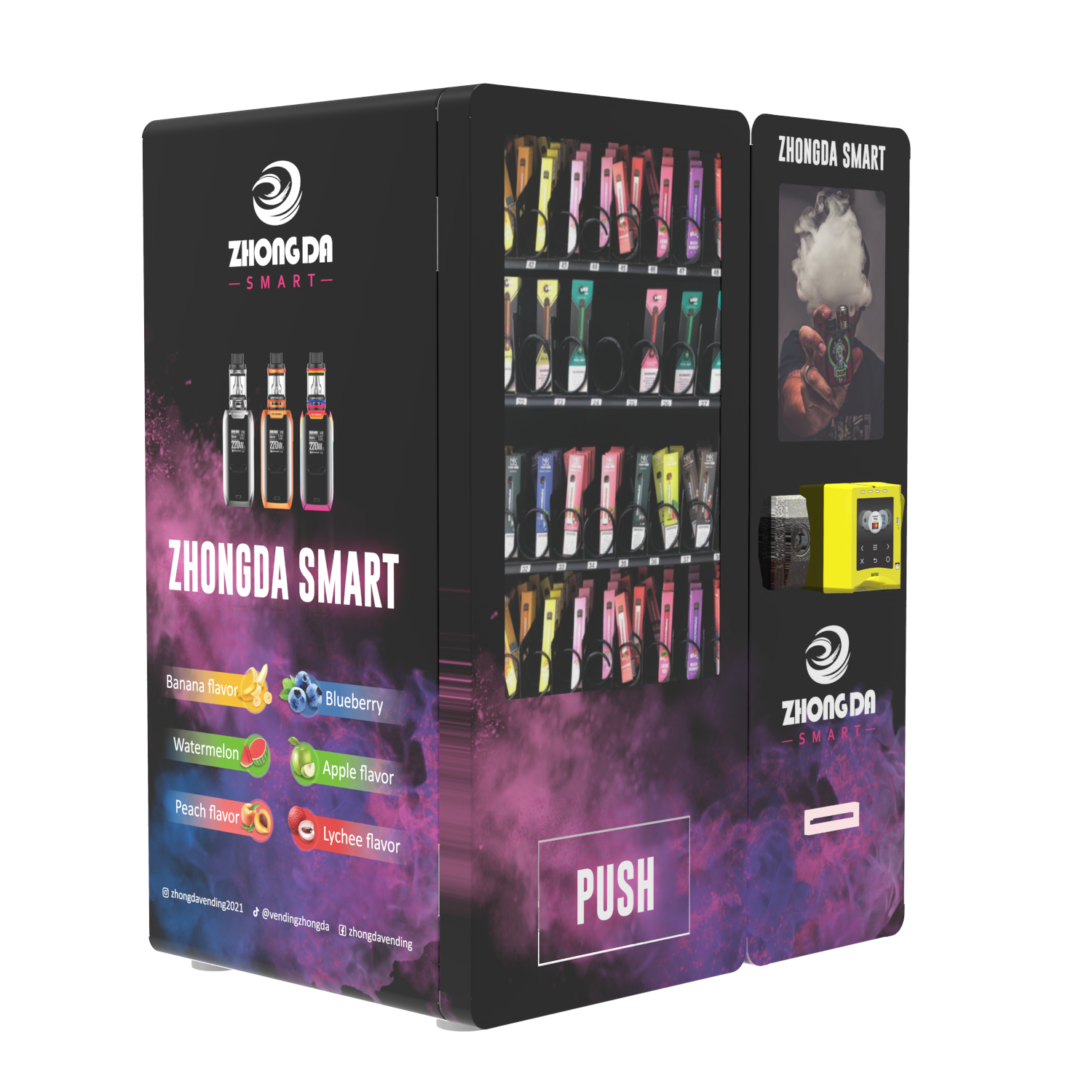
When you wrap a machine in your own brand—or a private label you’ve created for a specific venue—you’re not just selling vapes. You’re selling a consistent experience. I’ve seen a bar owner in Austin double his weekly revenue simply by switching from a generic white box to a machine with his logo, color scheme, and a custom interface that matched his interior. The psychology is simple: people trust a machine that looks like it belongs there.
Private label goes a step further. If you’re a distributor or a brand owner, putting your name on the machine itself tells the end customer that you stand behind the product. Over the years, I’ve helped at least four European brands shift from unbranded hardware to full private label builds. Every single one saw a lift in repeat purchases within the first 90 days.
The Difference Between Branding and Private Label
I want to be clear on the terminology because I’ve seen these terms used interchangeably, and that causes confusion when you’re ordering hardware.
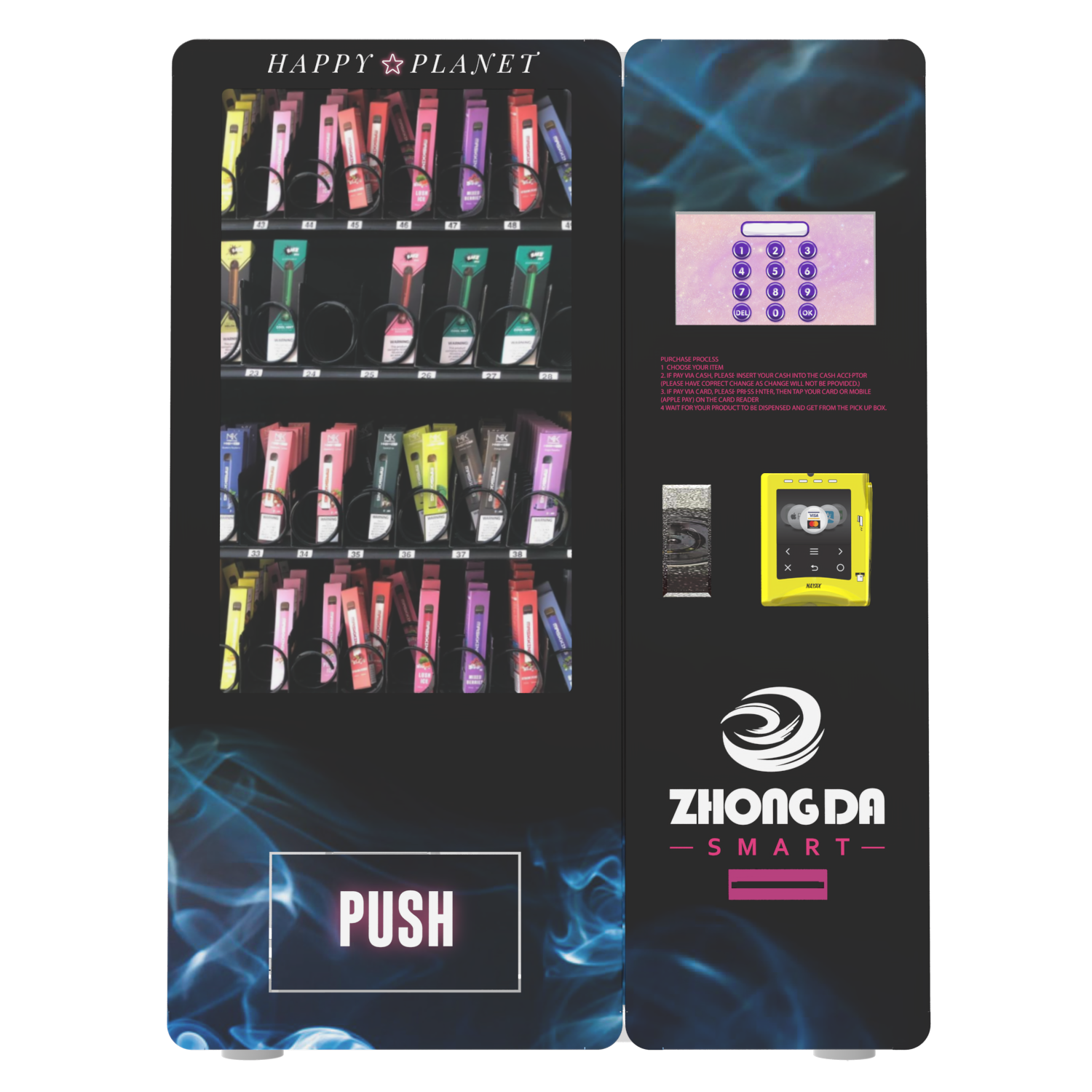
Branding means you take an existing machine model and add your graphics, logo, and sometimes a custom skin. The internal hardware remains the same as what we ship to other clients. This is the fastest route to market—usually 30 days from order to delivery.
Private label means the machine is built specifically for you. The firmware can be customized, the user interface can carry your brand name, the coil and pod compartments can be designed around your specific product dimensions, and even the payment system can be pre-configured for your local payment processors. Lead time is longer—typically 60 to 90 days—but you end up with a machine that no one else in your area can copy.
I always advise clients who plan to deploy more than 20 units to go private label from the start. The upfront cost is higher, but the long-term margin protection is worth it.
What a Custom Vape Vending Machine South Africa Actually Needs to Deliver
Let’s get into the hardware specifics. I’ve seen too many operators buy machines that look good on paper but fail in the field. A machine built for South Africa has to handle a few things that machines in, say, Germany or Japan don’t always need to worry about.
First, power stability. Voltage fluctuations are a reality in many areas. We build our machines with wide-input power supplies that can handle a 15% drop or spike without resetting the control board. I’ve had clients who lost a week of sales because a competitor’s machine kept tripping the main breaker during load shedding. Our units have a built-in brownout protection circuit that keeps the display alive and the payment system responsive even when the grid is shaky.
Second, temperature range. A machine sitting inside an air-conditioned mall is one thing. A machine in a semi-outdoor beer garden or a warehouse-style club is another. The internal cooling system has to maintain a consistent temperature for the nicotine salts and coil heads, or you’ll end up with leaking pods and burnt hits. We use a dual-sensor system that monitors both ambient and internal temps, and it adjusts the compressor cycle accordingly.
Third, payment flexibility. Cash is still king in many South African venues, but card and mobile payments are growing fast. A machine that only takes credit cards will miss a huge chunk of walk-in traffic. Our standard configuration includes a note acceptor, coin validator, and a contactless reader that supports tap-to-pay and QR code payments. You can also integrate with local mobile wallets if you’re working with a specific payment partner.
Age Verification Is Non-Negotiable
This is the part where most new operators try to cut corners, and it always backfires. I’ve personally witnessed a location owner lose his liquor license because a machine without proper age verification sold a vape to a minor. The fines and legal fees would have paid for 10 top-tier machines.
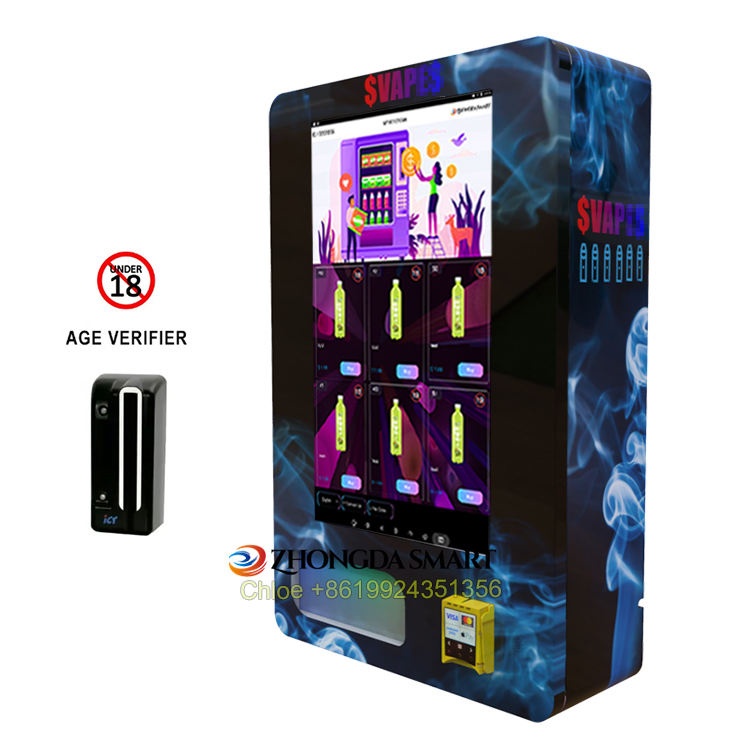
Every machine we ship includes an integrated ID scanner that reads both barcode and magnetic stripe. It checks the date of birth against the legal purchasing age, and it logs every single transaction with a timestamp and a scanned ID image. Some operators ask me if they can use a simple “press yes to confirm you’re over 18” button. I tell them no, and I explain why: that system has zero legal standing. If you get audited, the regulator will ask for proof of age verification, and a button press doesn’t count.
For more on how we integrate ID scanning and age verification into our builds, you can check the technical specifications on our age verification vending machine page.
Cost Structure and Profit Model
Let’s talk numbers. I’m going to give you real ranges based on what I’ve seen across dozens of deployments, not theoretical projections.
| Component | Cost Range (USD) | Notes |
|---|---|---|
| Base machine (standard) | $3,500 – $5,000 | Includes payment system, cooling, and basic firmware |
| Custom branding (graphics + wrap) | $300 – $800 | Depends on complexity and number of colors |
| Private label firmware | $1,500 – $3,000 | One-time fee for UI customization and backend integration |
| ID scanner module | $400 – $700 | Mandatory for compliance |
| Shipping and customs | $500 – $1,200 | Varies by port and machine size |
| Installation and training | $200 – $500 | Can often be done remotely |
Total investment for a fully branded, compliant machine lands between $6,400 and $11,200 depending on your choices. Private label adds roughly $1,500 to $3,000 on top of that for the firmware work.
Now for the profit model. A single machine in a mid-traffic location—say a bar that does 200 customers a night—can sell 15 to 25 vapes per day at an average margin of $4 to $6 per unit. That’s $60 to $150 in daily gross profit. If you’re operating 10 machines, you’re looking at $600 to $1,500 per day. The payback period I’ve seen most commonly is 4 to 7 months, assuming you’re not overpaying for the location lease.
One operator I worked with in Johannesburg ran 12 machines across three venues. He was netting $3,800 per month after all costs—product restocking, machine maintenance, location fees, and payment processing. That’s a 45% net margin on revenue of roughly $8,500 per month.
Hidden Costs That Eat Margins
I’ve made every mistake in this business, so let me save you some money. The most common hidden cost is restocking inefficiency. If you’re driving 40 kilometers to restock a machine that only sold 10 units, your fuel cost wipes out your profit. Group your machines geographically. I tell clients to never deploy a single machine in a location more than 15 minutes from another machine.
Second is payment processing fees. Some processors charge 3.5% plus a flat fee per transaction. On a $10 vape, that’s $0.35 plus $0.10, which is 4.5% of your revenue. Negotiate for a flat rate under 2.5%. If you’re doing enough volume, the processor will bend.
Third is machine downtime. Every day a machine is offline, you lose not just sales but location trust. I always recommend buying a spare control board and a spare payment terminal for every 10 machines you deploy. The cost is around $300, and it means you can fix a down machine in 30 minutes instead of waiting two weeks for a replacement part.
Real Deployment Experience: What Works and What Doesn’t
I’ve personally overseen the deployment of over 400 vape vending machines across three continents. Some of those deployments were smooth. Some were disasters. Here’s what I learned.
The best locations are not the ones with the most foot traffic. They’re the ones with the most stuck foot traffic. A busy sidewalk might get 10,000 people walking past, but if they’re all walking to a train, they’re not stopping to buy a vape. A bar with 200 people who are there for three hours—that’s a goldmine. Same with a pool hall, a hookah lounge, or a late-night diner. I’ve seen a single machine in a 24-hour laundromat do 40 sales a day because people are waiting for their clothes and they’re bored.
The worst locations are anything with high staff turnover. If the manager who approved your machine leaves, the new manager might not care about it. They’ll unplug it to clean behind it, or they’ll let the power cord get kicked loose. I lost a machine in a shopping center for three weeks once because the cleaning crew unplugged it to vacuum and no one told me. Now I install a tamper-evident plug cover on every machine.
Case Study: A Bar Chain in Cape Town
I worked with a bar chain that had four locations in the Cape Town area. They wanted to offer vapes but didn’t want to deal with counter clutter or employee theft. We deployed four of our wall-mounted units with full private label branding—their logo, their color scheme, and a custom product selection that matched what they sold at the bar.
Here’s what happened in the first 90 days:
Total sales across four machines: $14,200
Average transaction value: $8.70
Machine downtime: 0 days (one unit had a payment terminal issue that we fixed remotely via firmware update)
Customer complaints: 3 (all related to a specific pod flavor that was leaking; we swapped the stock and the issue stopped)
The owner told me that the machines paid for themselves in five months. He’s now ordering eight more for his new locations.
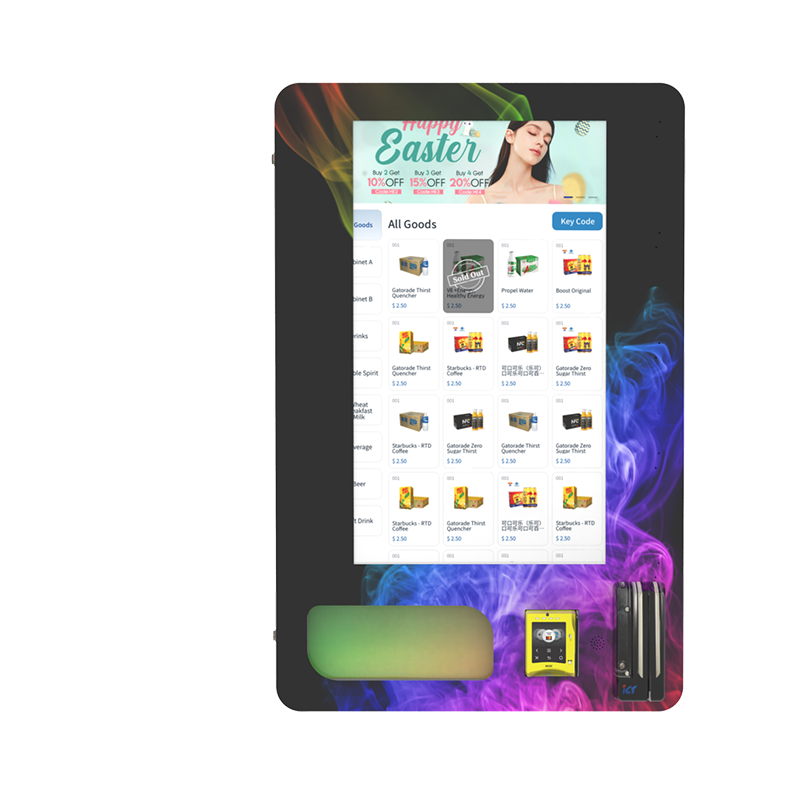
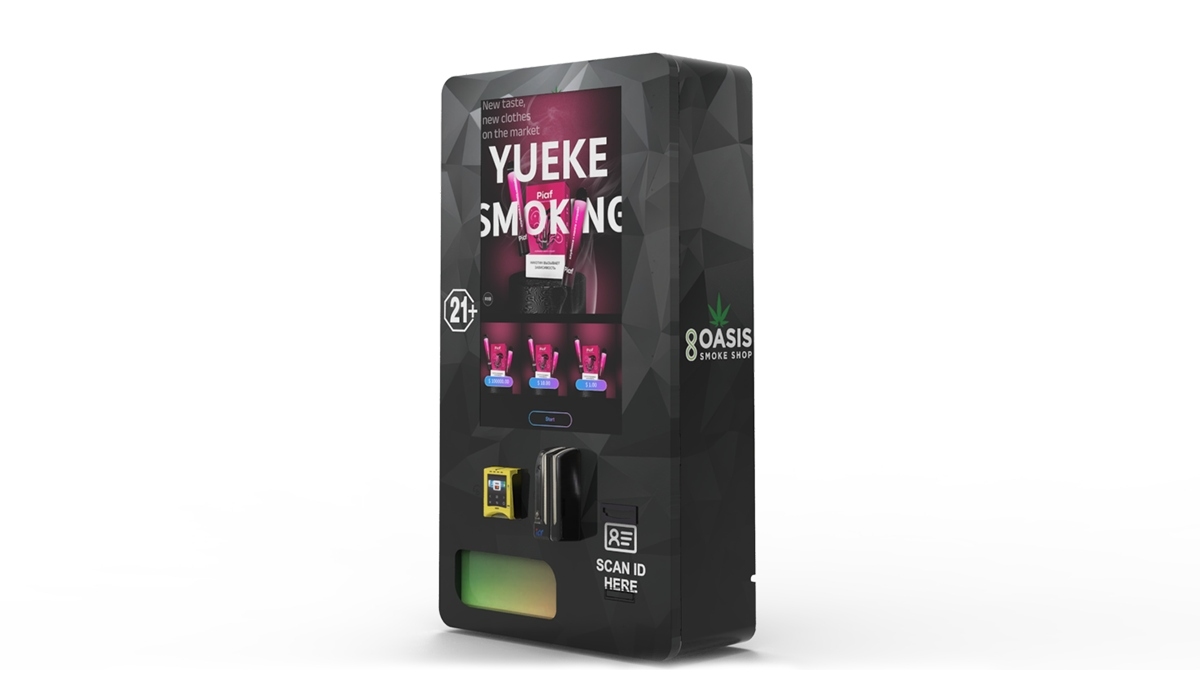
You can see the wall-mounted design we used for that deployment on our wall-mounted e-cigarette vending machine page.
Comparing Machine Types for Different Venues
Not every machine fits every location. I’ve made the mistake of putting a large floor-standing unit in a small convenience store, and it just looked out of place. Here’s a comparison based on what I’ve seen work.
| Machine Type | Best For | Capacity | Footprint | Average Cost |
|---|---|---|---|---|
| Wall-mounted compact | Bars, small shops, lounges | 40–60 units | 24” x 30” | $4,500 – $6,000 |
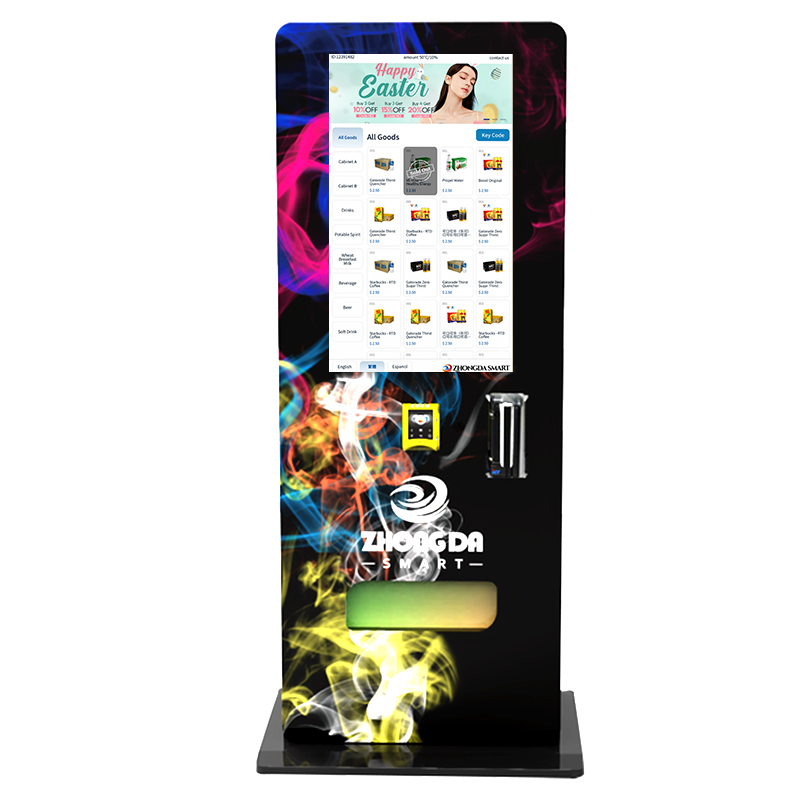
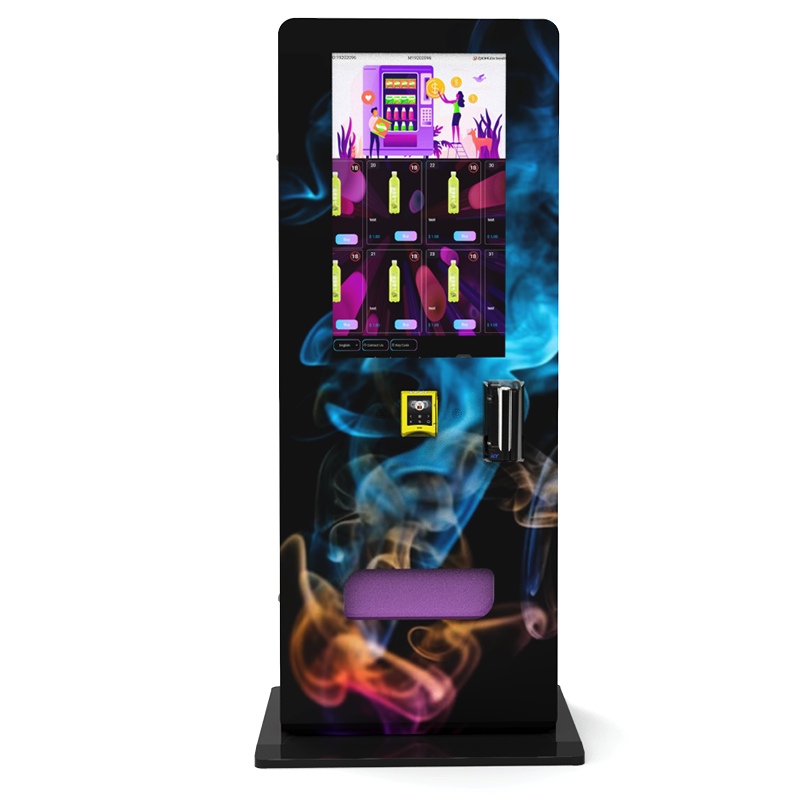
| Floor-standing mid-size | Clubs, hotels, larger retail | 100–150 units | 30” x 40” | $6,000 – $9,000 |
| High-capacity tower | High-traffic venues, airports | 200–300 units | 36” x 48” | $9,000 – $14,000 |
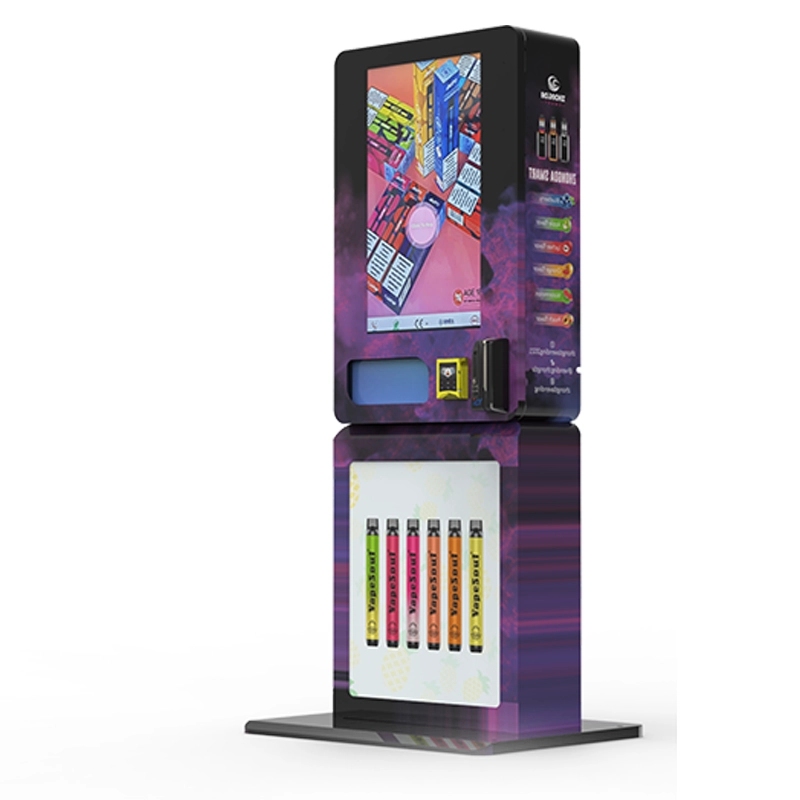
For most operators starting out, I recommend the wall-mounted compact unit. It’s less expensive, easier to install, and takes up zero floor space. The venue owner is more likely to say yes because it doesn’t eat into their square footage. Once you have three or four of those running and generating cash, then you can look at a larger unit for your flagship location.
Why I Prefer Wall-Mounted Units for New Operators
I’ve seen too many new operators buy a massive tower machine because they think “more capacity equals more sales.” That’s not how it works. A machine that’s half empty looks like it’s been picked over, and customers are less likely to buy from it. A wall-mounted unit that’s restocked twice a week looks fresh every time someone walks by.
Also, wall-mounted units are easier to move. If a location doesn’t work out—and some won’t—you can have that machine down and in your van in 20 minutes. A floor-standing unit requires a dolly, two people, and a lot of swearing.
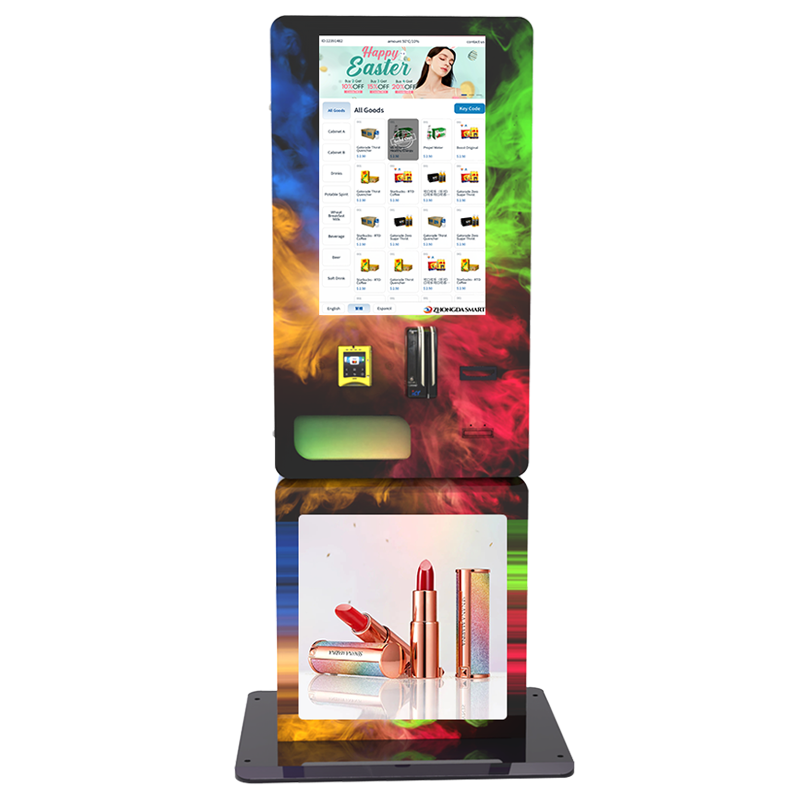
For a closer look at the compact design, visit our wall-mounted compact e-cigarette vending page.
Long-Term Maintenance and Operational Strategy
I’ve been running a factory for 15 years, and I can tell you that the machine you buy is only half the equation. The other half is how you maintain it. I’ve seen operators with the best hardware fail because they didn’t have a maintenance plan.
Here’s what I do for my own fleet:
Weekly remote check: Every machine reports its inventory levels, sales data, and system health to a cloud dashboard. I can see if a coil is misfiring or if a payment terminal is acting up before the customer even notices.
Bi-weekly physical restock: Same day every week. The location manager knows when my guy is coming, and they can flag any issues.
Monthly deep clean: The inside of a vape machine gets sticky. Nicotine residue builds up on the coils and the dispensing mechanism. A quick wipe-down with isopropyl alcohol and a compressed air blast keeps everything running smooth.
Quarterly firmware update: Payment processors change their protocols, age verification laws get updated, and new product SKUs need to be added. I push firmware updates remotely to all machines at once.
One thing I’ve learned the hard way: don’t let the location staff restock your machine. I had a client in Miami who let the bar manager refill his machine. The manager put the wrong pods in the wrong slots, and the machine jammed. Then he tried to fix it himself and broke the dispensing arm. That repair cost $400 and two weeks of lost sales. Your machine, your stock, your hands.
Risk Management and Failure Cases
I’ve had machines stolen. I’ve had machines vandalized. I’ve had a location owner try to claim that my machine caused a fire (it didn’t—the building’s old wiring was the issue). Here’s what I do to protect myself:
Every machine has a GPS tracker and a cellular modem. If it moves, I know.
The machine casing is 16-gauge steel with a reinforced lock. It takes a grinder to get into it, and that makes noise.
I carry liability insurance that specifically covers vending machine operations. It’s cheap—about $300 a year per machine—and it covers product liability, property damage, and theft.
I have a written contract with every location that specifies who is responsible for what. The location provides power and a stable surface. I provide the machine, the stock, and the maintenance. If the machine is damaged by their staff or their customers, they pay for the repair.
One failure case I always share with new clients: an operator in Durban placed a machine in a nightclub that had a reputation for being rowdy. Within three months, the machine was knocked over twice. The second time, the screen shattered and the internal shelving bent. The repair cost more than the machine was worth. I told him to pull the machine and find a quieter venue. He didn’t listen. He replaced the machine, and it got knocked over again. That was a $6,000 lesson.
Moral of the story: vet your locations. Talk to other vendors who have machines in that venue. Ask about the crowd, the staff, and the management. A bad location will eat your profit faster than any hardware failure.
Why Work With a Manufacturer Like Us
I run the factory. I’m not a reseller. That means when you order a machine from us, you’re getting hardware that I’ve personally tested on the production line. I’ve been doing this for 15 years, and I’ve built machines for clients in 30 countries. I know what breaks and what doesn’t.
We offer full private label services. You send me your brand assets—logo, color codes, product list—and I’ll have a custom machine ready for you. The firmware will show your brand on the screen. The exterior will carry your graphics. The product slots will be sized for your specific pods and disposables. The payment system will be pre-configured for your local market.
We also offer ongoing support. If a machine goes down, I can remote into the control board and diagnose the issue. If it’s a firmware bug, I can push a fix within hours. If it’s a hardware issue, I’ll ship you a replacement part the same day.
For more information on our full product line and custom options, visit our main vape vending machines page.
Frequently Asked Questions
How much does a custom vape vending machine cost?
For a fully branded, compliant machine with ID scanning and a payment system, expect to pay between $6,400 and $11,200. Private label firmware adds $1,500 to $3,000. Shipping and customs vary by location but typically run $500 to $1,200.
How long does it take to get a private label machine built?
Standard branding takes about 30 days from order to delivery. Full private label with custom firmware and UI takes 60 to 90 days, depending on complexity.
Do you need a license to operate a vape vending machine?
Yes, in most jurisdictions. You need a tobacco or vape retail license for each machine location, plus the machine must have age verification that meets local legal standards. We build all our machines with integrated ID scanners to help you stay compliant.
How many vapes can a machine hold?
Our wall-mounted compact units hold 40 to 60 units. Floor-standing mid-size machines hold 100 to 150 units. High-capacity towers hold 200 to 300 units. The right choice depends on your location’s traffic.
What happens if the machine breaks down?
We offer remote diagnostics and firmware support for all our machines. If a hardware part fails, we ship a replacement within 24 hours. Most repairs can be done by the operator with basic tools and a phone call to our support team.
Can I use my own payment processor?
Yes. Our machines support integration with most major payment processors. We can pre-configure the payment terminal for your chosen provider before shipping.
Final Thoughts
I’ve been in this business long enough to know that a vape vending machine is not a passive income device. It’s a business that requires attention, planning, and a willingness to learn from mistakes. But if you do it right—with the right hardware, the right location, and the right operational plan—it can be one of the most profitable investments you’ll make.
The key is to start with a machine that’s built for your specific market. Don’t buy a generic unit and hope it works. Invest in a custom branded or private label machine that fits your product, your venue, and your compliance requirements. That’s the difference between a machine that collects dust and a machine that collects cash.
If you want to see the full range of options we offer, including our custom branding services, visit our main website.
Data sources: Industry sales figures referenced from IBISWorld (Vending Machine Operations in the US, 2023) and Statista (Vending Machine Market Revenue Worldwide, 2022). Operational cost data based on internal records from deployments across 30 countries.