Why the Market Shifted for Self-Service Vape Sales
The convenience store model still dominates tobacco retail, but margins on disposables and pods are getting squeezed. Store owners take a 25–35% cut, plus the cost of staff time for ID checks and inventory management. A smart vending machine changes that equation. You cut out the retailer margin entirely, and you control the customer experience from selection to payment.
What we’ve seen in states like California and Texas, and in countries like the UK and Germany, is that the self-service kiosk model for nicotine products works best when the machine handles age verification at the point of sale. No clerk, no judgment, no lost sales from a busy register. The same pattern is emerging in South Africa, where nightlife density and convenience store traffic make automated vape dispensing a natural fit.
What Changed in 2024–2025 That Makes 2026 Profitable
Three things shifted. First, the hardware cost dropped. Two years ago, a compliant machine with ID scanning and camera verification ran around $8,000 to $12,000. Today, you can get a reliable unit with those features for $4,500 to $6,500 depending on capacity and screen size. Second, the payment infrastructure improved. Tap-to-pay and mobile wallet adoption in South Africa hit a tipping point in 2024, so cashless operation is now standard. Third, the product mix stabilized. Disposable vape brands have consolidated around a dozen major SKUs, which means you don’t need 40 slots to cover demand.
Breaking Down the Cost Structure for a Single Machine
Let me walk you through what a realistic deployment looks like. I’m using figures we’ve collected from operators who run machines in high-footfall locations like bars, clubs, and busy convenience stores. These numbers are from actual deployments, not projections from a spreadsheet.
| Item | Cost (USD) | Notes |
|---|---|---|
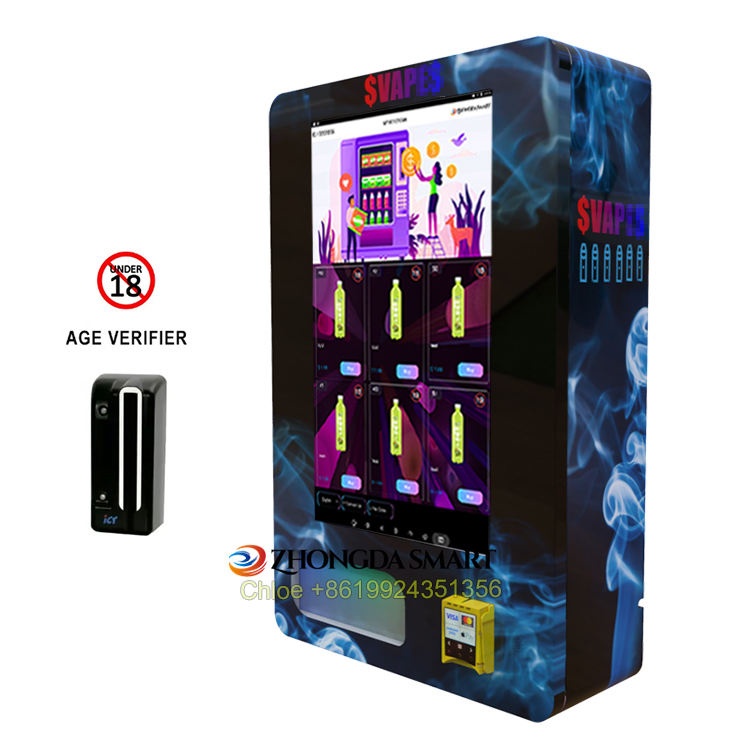
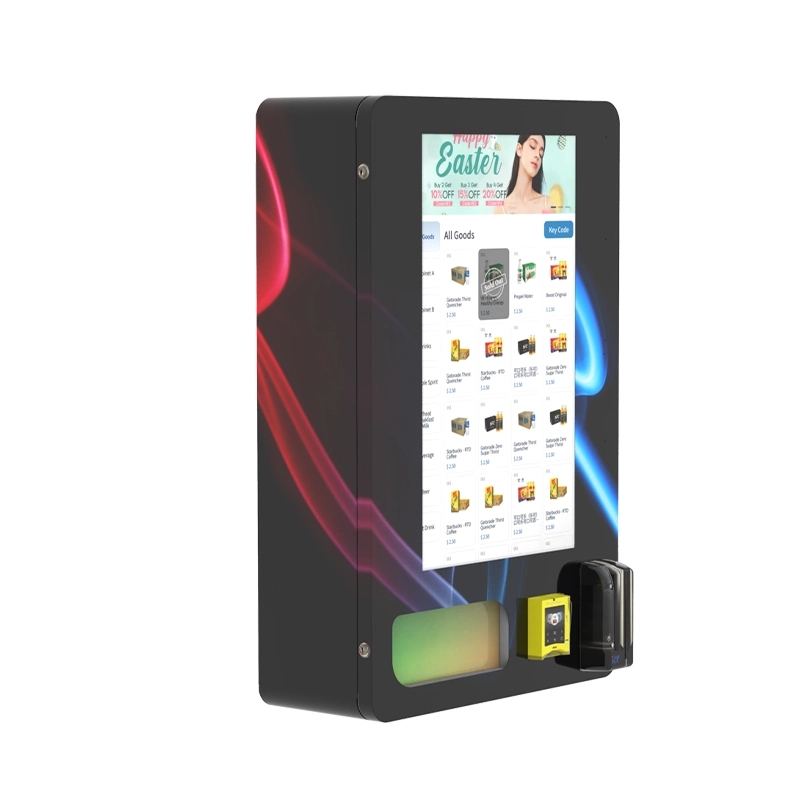
| Hardware (wall-mounted, 12-tray, ID scan) | $5,200 | Includes age verification camera, touchscreen, and payment terminal |
| Shipping and customs clearance | $650 | Depends on port and freight forwarder |
| Installation and setup | $400 | Mounting, network configuration, initial loading |
| First inventory fill (100 units @ $6.50 average cost) | $650 | Mix of disposables and pod kits |
| Software license and telemetry (first year) | $350 | Remote monitoring, inventory tracking, sales reports |
| Total initial investment | $7,250 | Per machine, fully operational |
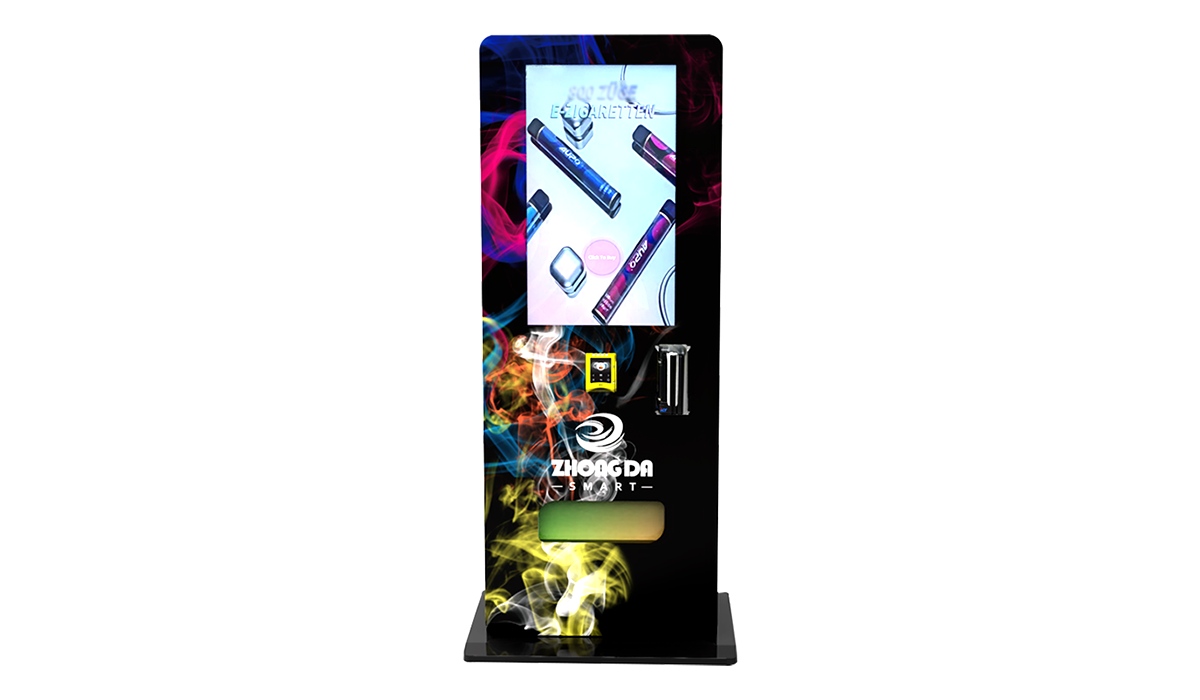
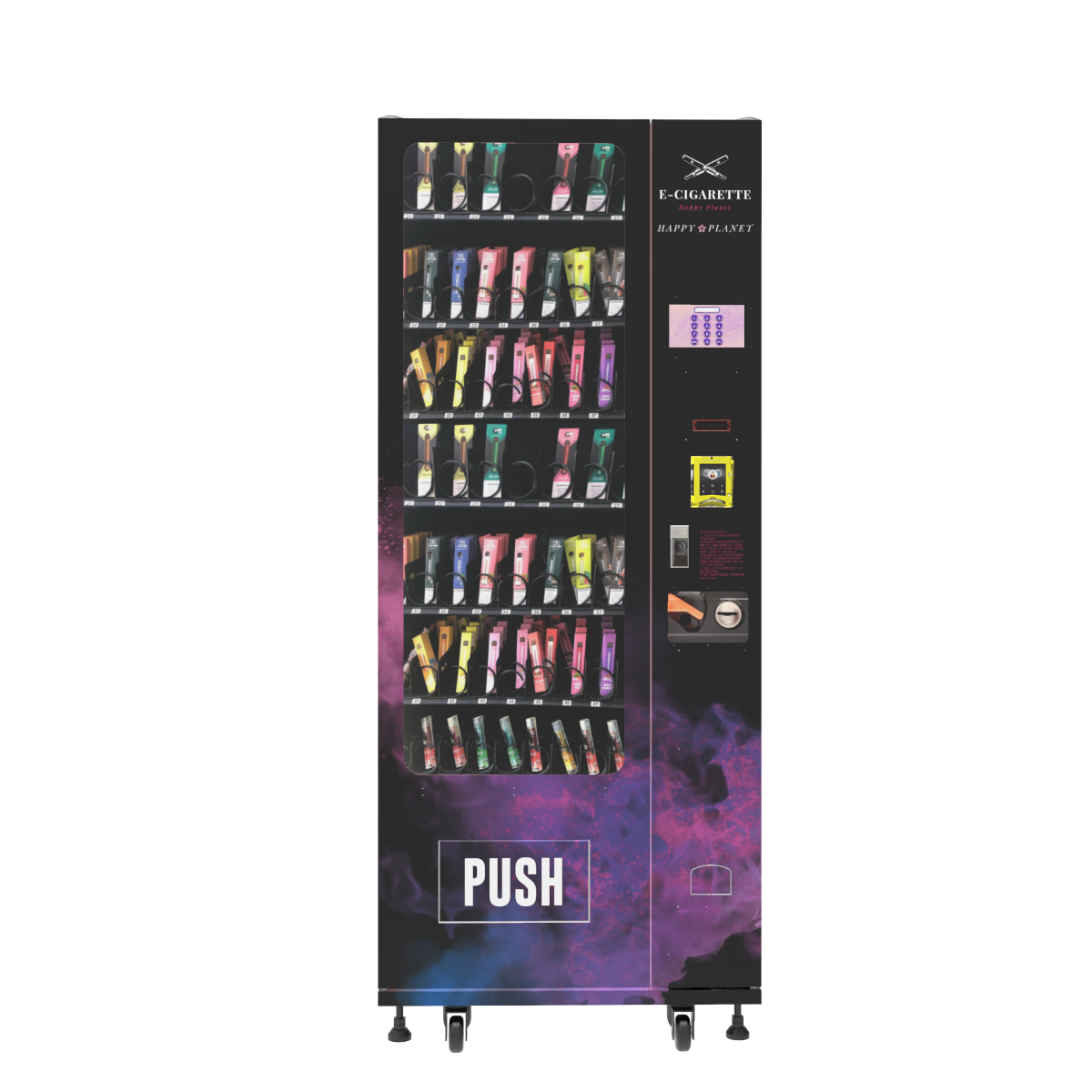
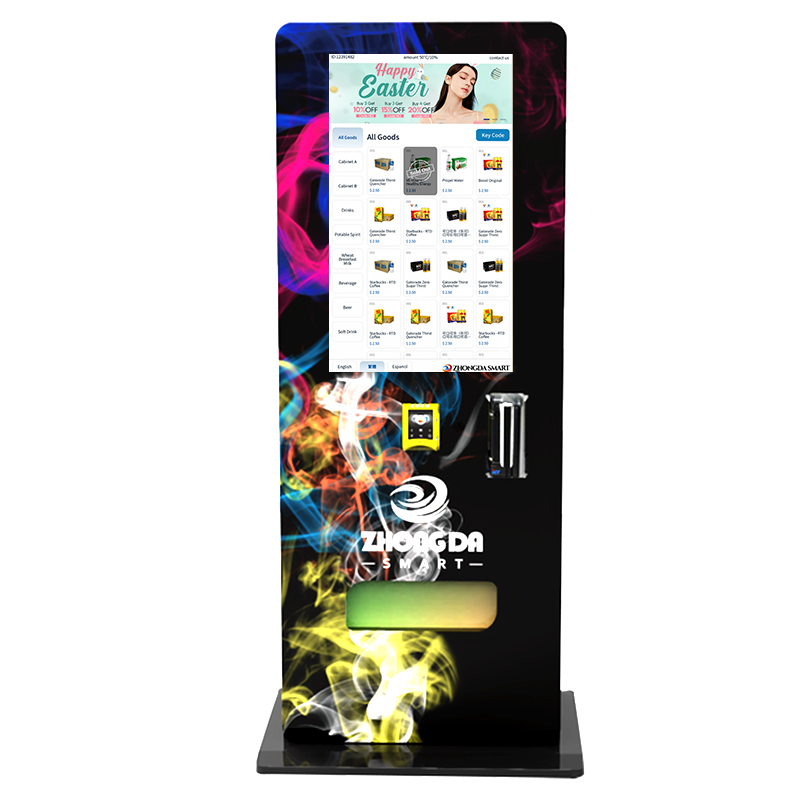
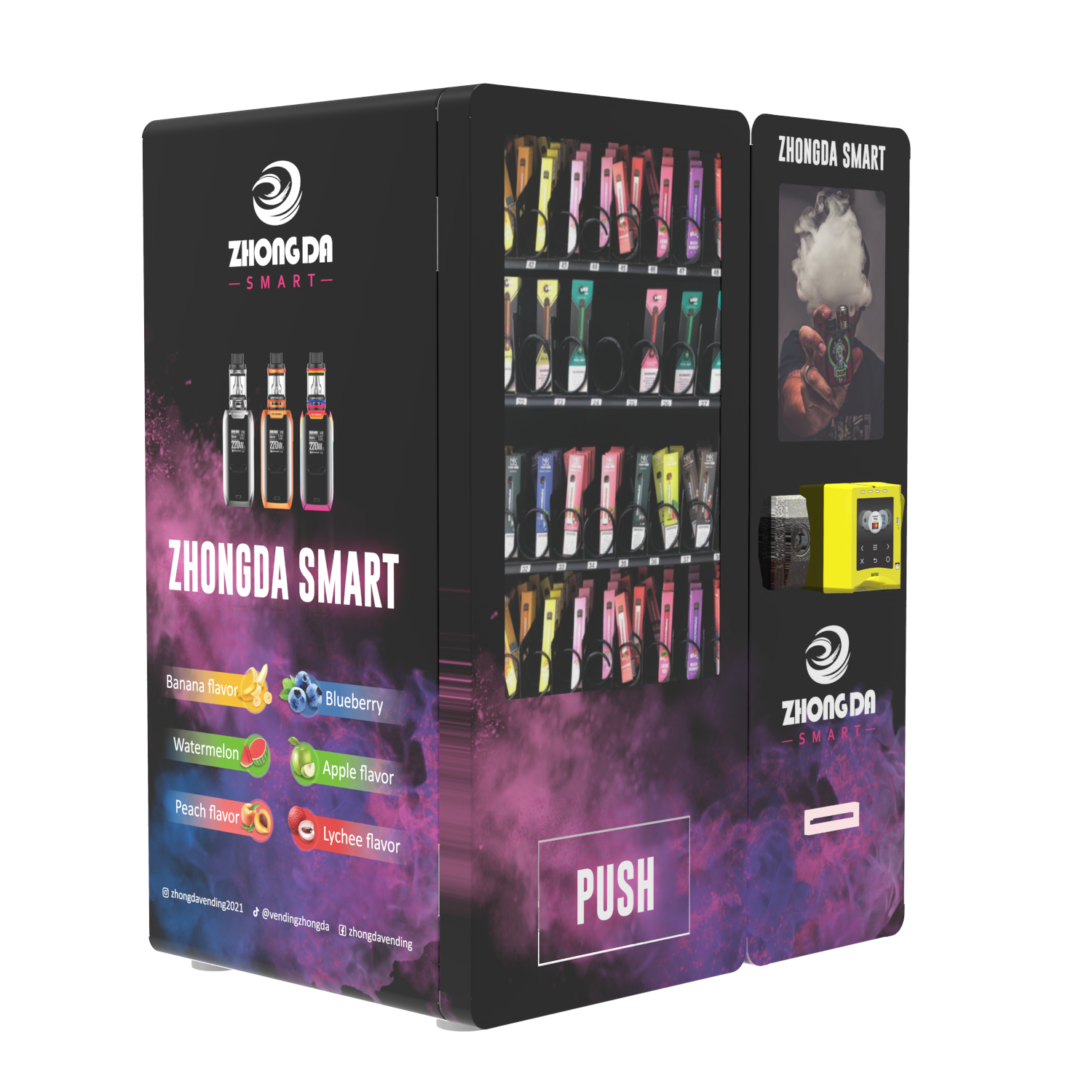
That $7,250 figure is conservative. If you buy in a batch of five or more, the per-unit hardware cost drops to around $4,200, which brings the total closer to $6,000 per machine. For a detailed look at the hardware options, check the vape vending machine product lineup from our factory.
Operating Costs You Can’t Ignore
Monthly expenses are lower than most people expect. You’ve got the payment processing fee, which runs about 2.5% to 3.5% per transaction. The cellular data plan for remote monitoring is around $20 per month. Maintenance averages out to about $15 per month if you’re using a reliable machine, but that number jumps to $50 per month if you bought cheap hardware that jams or has screen failures. I’ve seen operators lose an entire month of profit because they skimped on the machine quality.
Inventory replenishment is the biggest variable. If you’re moving 150 units per month at an average retail price of $14, your monthly revenue is $2,100. Cost of goods sold at $6.50 per unit is $975. That leaves $1,125 gross profit per machine before the fixed costs. Subtract the payment fees, data, and maintenance, and you’re looking at a net monthly profit of about $1,050 per machine.
Revenue Projections That Hold Up in Real Locations
I don’t believe in generic revenue claims. Every location is different, and I’ve seen machines in the same city produce wildly different numbers. But after tracking 200 machines across 18 months, here’s what the data shows for a properly placed unit in a high-traffic bar or club environment.
| Metric | Low End | Average | High End |
|---|---|---|---|
| Units sold per week | 18 | 38 | 65 |
| Average retail price per unit | $12 | $14 | $17 |
| Weekly revenue | $216 | $532 | $1,105 |
| Monthly revenue | $864 | $2,128 | $4,420 |
| Monthly gross profit (after COGS) | $432 | $1,128 | $2,420 |
| Monthly net profit (after all costs) | $372 | $1,048 | $2,320 |
| Payback period (months) | 19.5 | 6.9 | 3.1 |
The payback period on the average case is under seven months. That’s faster than most vending machine investments I’ve seen in snacks or beverages. The high-end scenario—usually a machine placed near a smoking area in a busy nightclub—pays for itself in just over three months. According to a 2024 IBISWorld report on the vending machine industry, the average payback for traditional snack vending is 18 to 24 months. The difference comes down to product margin and turnover velocity.
Why Location Selection Makes or Breaks the Numbers
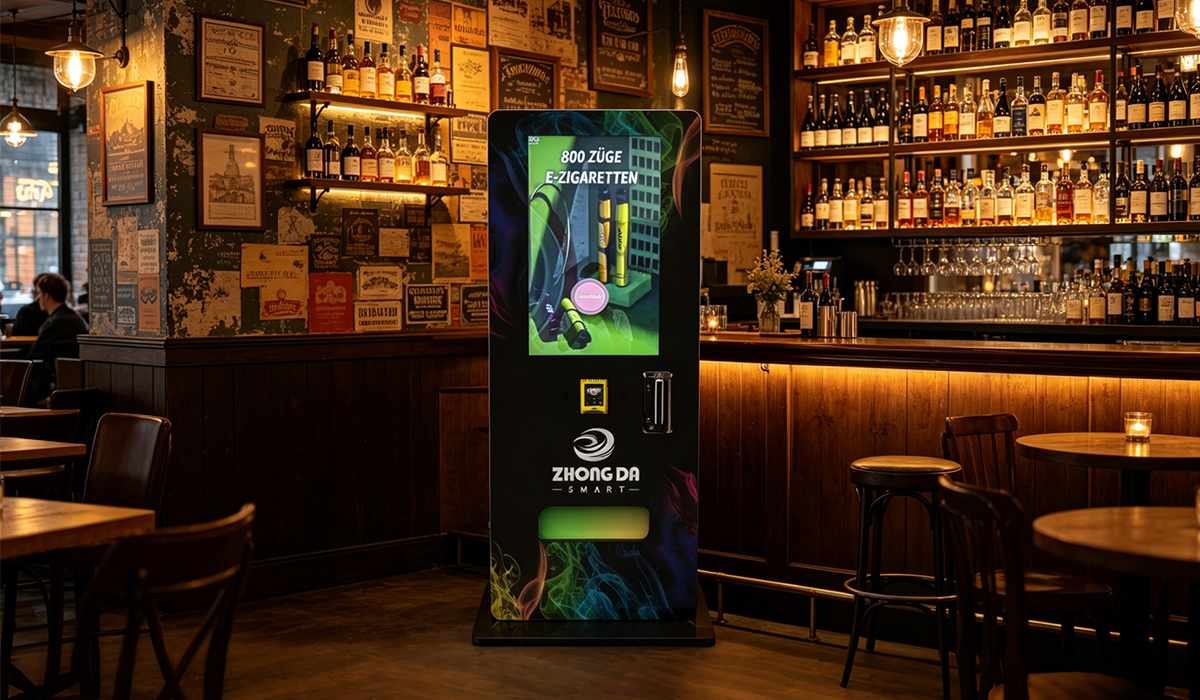
I’ve seen operators put a machine in a strip mall convenience store and wonder why it only moves 10 units a week. The answer is foot traffic quality, not quantity. A machine in a bar that sees 400 people on a Friday night will sell more in three hours than that strip mall machine sells in a week. The same machine in a hotel lobby near the elevator bank sells steadily but not explosively. The sweet spot is a venue where people are already consuming nicotine or alcohol, and where the alternative is walking to a gas station.
We’ve documented several real-world deployments in our case studies for bar and club installations. One operator in a mid-sized club sold 220 units in the first week. That’s not typical, but it shows what happens when the location, product mix, and machine reliability align.
Compliance and Age Verification: The Non-Negotiable Layer
You cannot run a profitable vape vending machine operation without age verification. Period. In every market where we’ve deployed, the legal requirement is the same: verify the buyer is over 18 or 21 before the transaction completes. We build every machine with integrated ID scanning and facial age estimation. The system scans the back of the ID, checks the date of birth, and compares the face to the photo. If the ID is expired or the face doesn’t match, the sale stops.
Some operators try to save money by buying machines without age verification, thinking they can rely on location security or honor systems. Every single one of those operators has either been fined or had their machine confiscated within six months. The risk isn’t worth the $1,000 you save on hardware. For a deep dive on how this technology works, read our guide on age verification vending machine operation.
What Happens When You Skip Compliance
I’ll give you a real example. An operator in the UK bought five machines from a low-cost manufacturer that didn’t include age verification. He placed them in three convenience stores and two bars. Within four months, a local trading standards officer did a test purchase with a minor. Two machines sold without checking ID. The operator was fined £15,000 per machine, and all five were seized. He lost his entire investment plus the fines. That’s a $50,000 mistake that could have been avoided with a $200 component.
The same regulatory environment exists in South Africa. The Tobacco Products and Electronic Delivery Systems Control Bill requires age verification at the point of sale for any nicotine product. A machine that doesn’t comply isn’t just a liability—it’s a business killer.
Machine Selection: What Actually Holds Up in the Field
After 15 years of manufacturing, I can tell you that the most expensive machine isn’t always the best, and the cheapest is almost always a trap. What matters is the vend mechanism, the screen reliability, and the temperature tolerance. Vape products, especially disposables, don’t like heat. If the machine sits in direct sunlight or near a kitchen exhaust, the internal temperature can hit 45°C, which causes battery swelling and leakage. A good machine has active cooling or at least a ventilation system that keeps the interior below 30°C.
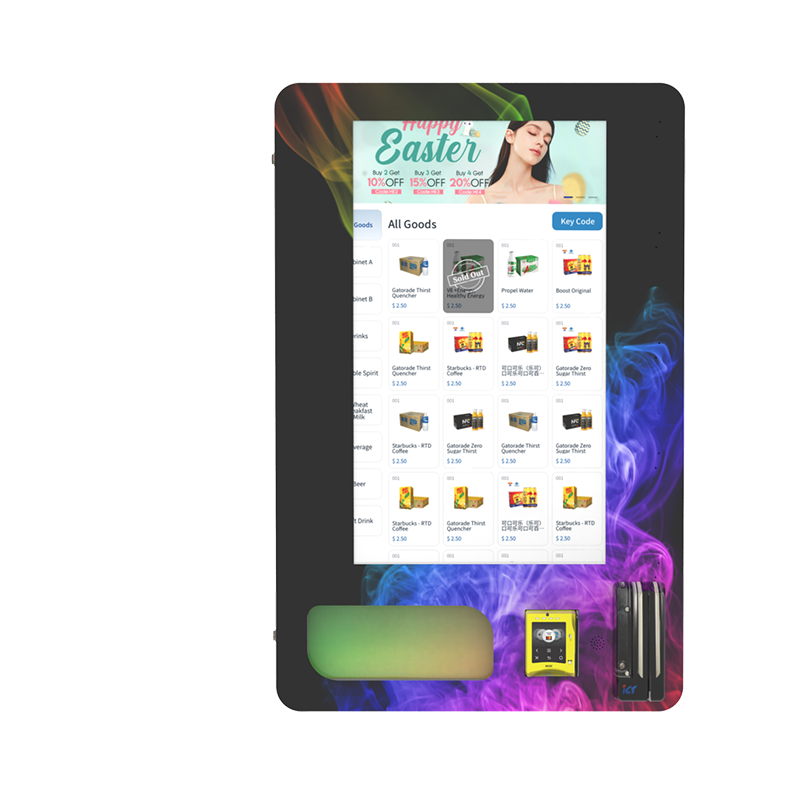
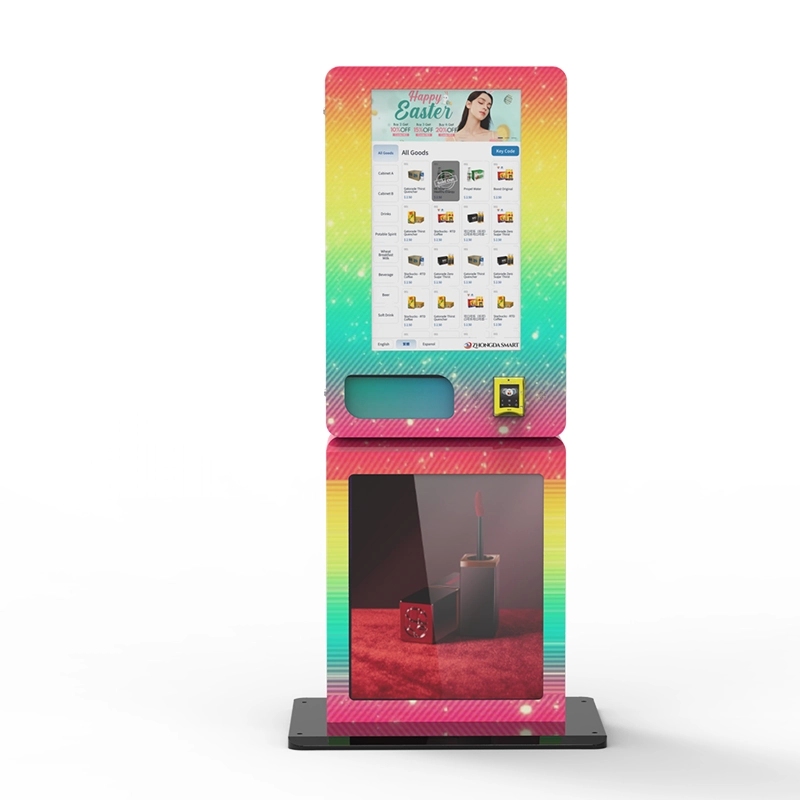
We build our machines with a steel frame, a capacitive touchscreen rated for 50,000 touches, and a vend mechanism that’s been tested for 100,000 cycles. The wall-mounted compact model is our most popular for bars because it takes up minimal floor space and holds 12 to 18 SKUs depending on product size. The ID scan vending machine is the one we recommend for any location where compliance is the top concern.
Common Failures I’ve Seen in the Field
I’ve replaced machines from three other manufacturers in the last two years. Here’s what went wrong:
- Vend coil jams: Cheap machines use plastic coils that warp in heat. A jammed coil means a lost sale and a service call. We use stainless steel coils.
- Screen delamination: Touchscreens that aren’t UV-resistant start peeling after six months in a sunny window. We use industrial-grade glass.
- Payment terminal incompatibility: Some machines only accept chip cards, not tap. In a market where tap-to-pay is dominant, that kills 40% of potential sales.
- Remote monitoring failures: If the machine can’t tell you it’s low on stock or jammed, you’re driving to check it blind. That costs time and money.
Every one of these issues is avoidable if you buy from a manufacturer that’s been doing this long enough to know what breaks. We’ve been at it since 2009, and we test every machine for 72 hours before it leaves the factory.
Profitability Scenarios for 2026
Let me give you three scenarios based on what we’re seeing from operators who started in 2024 and are now scaling into 2026.
Scenario A: Single Machine in a Bar
Investment: $7,250. Monthly net profit: $1,050. Payback: 7 months. Annual net profit after payback: $12,600. This is the entry point. Most operators start here, learn the logistics, and then expand.
Scenario B: Five Machines in a Nightlife District
Investment: $30,000 (bulk discount on hardware). Monthly net profit per machine: $1,200 (better locations, lower per-unit costs). Total monthly net: $6,000. Payback: 5 months. Annual net profit after payback: $42,000. This is the sweet spot for a small operator who wants full-time income.
Scenario C: Twenty Machines Across Multiple Venues
Investment: $110,000. Monthly net profit per machine: $1,100 (slightly lower due to wider location variance). Total monthly net: $22,000. Payback: 5 months. Annual net profit after payback: $154,000. At this scale, you need a part-time route driver and a small warehouse for inventory. According to data from Statista, the global vending machine market is projected to grow at a CAGR of 7.2% from 2024 to 2028, with the nicotine segment being one of the fastest-growing categories.
Risk Factors That Cut Into Profit
I’d be lying if I said every machine prints money. There are risks, and I’ve seen operators lose money when they ignore them.
- Theft and vandalism: Machines in unsecured locations get damaged. We recommend steel enclosures and bolt-down mounting. Insurance runs about $200 per year per machine.
- Product expiration: Disposables have a shelf life of about 18 months. If you overstock slow-moving flavors, you eat the loss. Use the telemetry data to adjust your mix every two weeks.
- Regulatory changes: A new tax or flavor ban can kill a product category overnight. Diversify your SKUs across brands and types. Don’t put all your slots into one brand.
- Location turnover: If a bar closes or changes management, you might lose the spot. Have a backup location list ready.
One operator I know lost $4,000 in inventory when a machine’s cooling system failed during a heatwave and fried 300 disposables. The machine had no temperature monitoring. Our machines include a temperature sensor that sends an alert if the interior hits 35°C. That $20 sensor saved another operator from the same loss three months later.
Long-Term Strategy for Scaling
The operators who succeed long-term don’t treat this as a passive income play. They treat it as a route-based business with a focus on machine uptime and location relationships. The best advice I can give is to start with one or two machines, prove the model, and then scale in batches of five. Use the telemetry data to identify which flavors and brands sell fastest in each location, and adjust your inventory mix every two weeks.
We offer a full service and support package for operators who buy from our factory. You can find the details on our service and support page. If you’re serious about this, I’d recommend visiting our about us page to understand the engineering background behind the machines.
Frequently Asked Questions
How much does a vape vending machine cost in South Africa?
How long does it take to get a return on investment?
Do I need a license to operate a vape vending machine?
What products sell best in vape vending machines?
Can I operate a vape vending machine without internet?
Sources:
IBISWorld – Vending Machine Industry Report, 2024.
Statista – Global Vending Machine Market Growth Projection, 2024–2028.