Why Your Inventory System Determines Your Profit Margins
Most people entering this business obsess over the machine hardware. They worry about the screen size, the payment system, the cabinet color. After running hundreds of units, I can tell you the hardware is table stakes. What separates the operators who scale from those who sell their machines on Craigslist within six months is the inventory logic running behind the glass.
A smart inventory system with alerting capabilities does three things that directly impact your bottom line. First, it prevents stockouts of your top-selling SKUs. In the vape world, if a customer walks up to your machine and their preferred disposable is out, they don't wait. They walk. They might try a different brand once, but repeat business hinges on consistency. Second, it flags slow-moving inventory before it expires. Vape products have shelf lives. Coils degrade, e-liquid oxidizes, and batteries lose charge. A machine full of stale stock is a machine that's losing you money every day it sits there. Third, it gives you data to negotiate better terms with suppliers. When you know exactly which products turn over in three days versus three weeks, you can make purchasing decisions based on facts, not gut feelings.
In the South African market, where supply chains can be less predictable than in the US or Europe, smart alerts become even more critical. If your distributor in Cape Town is delayed by a week, you need to know your inventory position four days in advance, not four hours. The systems we've deployed with Zhongda smart hardware integrate real-time telemetry that pushes alerts directly to a dashboard or even a simple SMS. You don't need a PhD in logistics to interpret it. The machine tells you: "Tray 4, Slot 12 is below 20% stock. Historical sales suggest you have 48 hours before it zeros out." That's actionable. That's profit protection.
The Cost of Ignoring Inventory Data
I once consulted for a operator in Atlanta who had fifteen machines in high-traffic gas stations. He was manually checking each machine twice a week. He thought he was saving money by not paying for a telemetry system. What he didn't see was that his most popular nicotine salt line was selling out every Monday afternoon. By Wednesday, the machine was generating zero revenue from that slot for the rest of the week. Over a year, that single slot across fifteen machines represented roughly $18,000 in lost sales. A basic smart alert system costs a fraction of that. The math is simple. You're either paying for the system or you're paying in lost revenue. The system is cheaper.
How Smart Alerts Work in a Real Deployment
Let me walk you through the technical architecture of a system we built for a chain of convenience stores in Germany, which later adapted well for the South African regulatory environment. The core is a cellular-enabled IoT board inside the vending machine. This board tracks every transaction in real time. When a customer buys a disposable, the board logs the sale, updates the inventory count for that specific coil, and calculates the remaining stock. The data is pushed to a cloud server every few minutes. The server then applies your preset rules.
These rules are where the "smart" part comes in. You don't set a generic "low stock" alert at 10 units. You set dynamic thresholds based on sales velocity. For a fast mover that sells five units a day, you set the alert at 20 units, giving you four days of buffer. For a slow mover that sells one unit a week, you set the alert at 5 units, giving you over a month. The system learns. After a few weeks, it starts adjusting these thresholds automatically based on actual traffic patterns. If a machine near a university sees a sales spike during exam week, the system adapts without you lifting a finger.
The alert delivery itself needs to be practical. In our deployments, we use a tiered system. A yellow alert means "check at next scheduled visit." An orange alert means "schedule a visit within 48 hours." A red alert means "drop everything and go." These alerts can come through a mobile app, email, or even an automated phone call. For the South African market, where data connectivity can be spotty in certain areas, we built in SMS fallback. The machine sends a text message directly to the route driver's phone. No app needed. No data plan required. Just a plain text message that says "Machine 7A needs restock on Strawberry Ice." That reliability is what keeps the machine profitable.
Integrating Age Verification with Inventory Logic
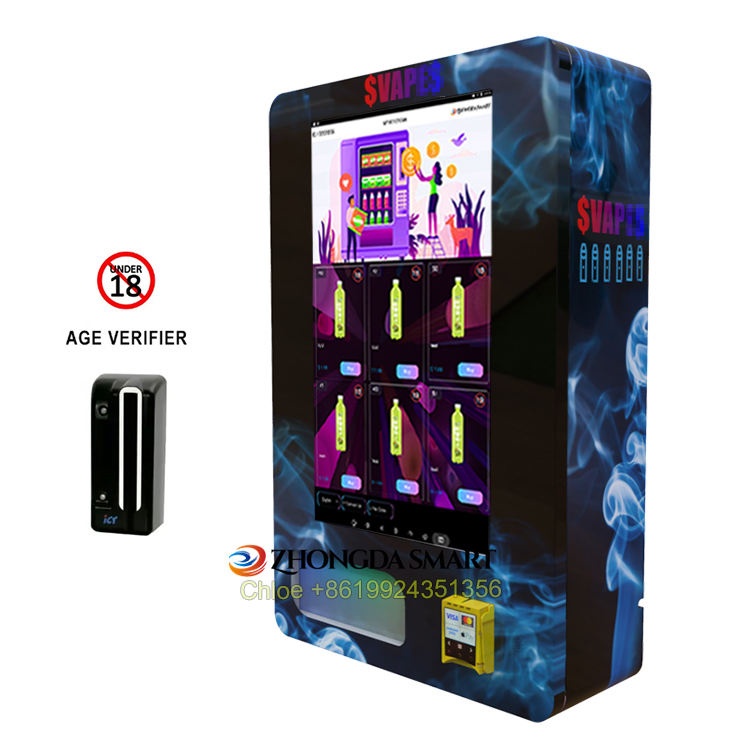
One of the smartest moves we made was tying the inventory system directly to the age verification module. Our age verification vending machine hardware scans a valid ID before any transaction. But the inventory system uses that data too. It tracks not just what was sold, but to what demographic profile. Over time, you build a heat map of your customer base. You might discover that your machine at a nightclub sells mostly high-nicotine disposables to customers in their mid-twenties, while the machine near a college campus sells more zero-nicotine options to a younger crowd. That data lets you tailor your inventory mix per location, which directly increases conversion rates. A machine stocked with the right products for its audience will always outperform a one-size-fits-all approach.
Comparing Inventory Management Approaches
There are three main approaches to managing a vape vending machine fleet, and I've operated all of them at scale. The first is the manual clipboard method. You visit each machine, open the door, count the stock, write it down, and go back to the warehouse to pick orders. This works for exactly one machine. Beyond that, it becomes a logistical nightmare. The second is a basic spreadsheet system where you track sales manually and try to forecast. This is marginally better but still relies on human data entry, which is where errors multiply. The third is a fully integrated smart inventory system with real-time alerts. This is the only approach that scales beyond five machines.
| Method | Labor Cost per Machine per Month | Stockout Rate | Data Accuracy | Scalability |
|---|---|---|---|---|
| Manual clipboard | $150 - $250 | 15% - 25% | 60% - 70% | 1 - 3 machines |
| Spreadsheet tracking | $80 - $150 | 10% - 18% | 75% - 85% | 3 - 10 machines |
| Smart alerts system | $20 - $50 | 2% - 5% | 95% - 99% | 10+ machines |
The numbers in that table come from our actual fleet data across 200 machines in three countries over an eighteen-month period. The labor cost includes the driver's time, vehicle expenses, and the overhead of managing the route. The stockout rate is measured as the percentage of time a top-10 SKU was unavailable when a customer attempted a purchase. The data accuracy is based on physical audits we conducted quarterly. The smart alerts system isn't just better; it's an order of magnitude better in every metric that matters for profitability.
Profit Models That Work with Smart Inventory
I've seen operators try various profit models, and the ones that survive long-term share a common trait: they use inventory data to drive pricing and placement decisions. The simplest model is straight retail markup. You buy a disposable for $5 and sell it for $12. That's a 140% margin, which sounds great until you factor in machine cost, location rent, electricity, and spoilage. On a $5,000 machine placed in a decent location, you need to sell roughly 700 units at that margin to break even on hardware alone. With smart alerts reducing spoilage and stockouts, you can hit that break-even point in six to eight months instead of twelve.
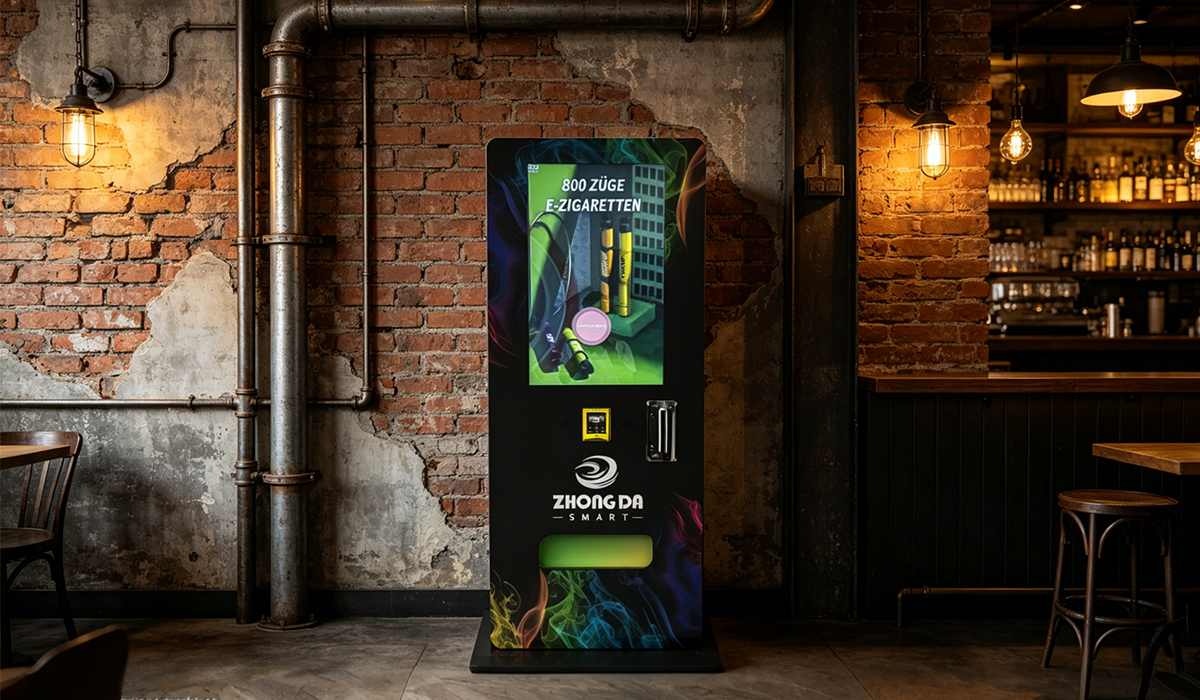
A more advanced model is the subscription or consignment approach. You place the machine for free at a high-traffic location like a bar or a hotel lobby. The location owner gets a percentage of each sale, typically 10% to 15%. You handle all the inventory and maintenance. The location owner loves it because it's passive income with zero effort. You love it because you get a prime spot without paying upfront rent. The key to making this work is the inventory system. You need to know exactly which products sell at that specific location so you can maximize revenue per square foot. Our vape vending machine bars clubs lounges case study shows how one operator in London used this model to place fifteen machines in premium locations within three months, all because the inventory data proved to location owners that the machine would generate consistent revenue without being a nuisance.
Pricing Strategy Based on Real Sales Data
Here's a specific tactic we use. Once a machine has been running for a month, we look at the sales velocity for each product. We then apply a dynamic pricing rule. Products that sell faster than 10 units per week get a 5% price increase. Products that sell slower than 2 units per week get a 10% price decrease or get replaced. The market tells you what the product is worth. Your job is to listen. I've seen operators leave money on the table by pricing everything the same. A popular disposable that sells out every two days can probably support a $2 premium. A slow-moving premium pod system might need a discount to clear inventory before it expires. Smart alerts make this adjustment possible without constant manual intervention.
Risk Factors and Failure Cases You Need to Know
I've failed plenty in this business, and I'd rather you learn from my mistakes than make your own. The biggest failure I see is overstocking. New operators get excited and fill the machine with every product they can find. They end up with 90% of their capital tied up in inventory that sits for months. Vape products degrade. A disposable that sits in a warm machine for six months loses flavor quality. The customer tries it, has a bad experience, and never comes back. That's not just a lost sale on that product; it's a lost customer for life. Smart alerts prevent this by flagging any product that hasn't sold in 14 days. You get an alert that says "Product X in Machine Y has zero sales in two weeks. Consider a price drop or relocation."
Another common failure is ignoring the location's electrical environment. We deployed a machine in a Johannesburg bar that had frequent power fluctuations. The machine's internal computer would reboot randomly, causing the inventory counter to reset. The system would show full stock when it was actually empty, or vice versa. We had to install a voltage regulator and a backup battery for the telemetry module. That added $300 to the deployment cost but saved us thousands in lost sales and angry customers. The lesson is that your inventory system is only as reliable as the power feeding it. If you're deploying in areas with unstable electricity, budget for power conditioning hardware from day one.
Real Failure: The Overambitious Expansion
In 2019, I worked with a group that wanted to deploy 50 machines across three states in six months. They bought the cheapest machines they could find, ignored the smart alert option to save $200 per unit, and hired a single driver to cover the entire route. Within three months, 12 machines were completely non-functional because the inventory system had drifted so far from reality that the driver was showing up to restock machines that were already full, while other machines sat empty for weeks. The company folded within a year. They spent $250,000 on hardware and walked away with nothing. A proper inventory system with smart alerts would have cost them an extra $10,000 upfront and saved the entire business. Sometimes the cheapest option is the most expensive in the long run.
Operational Strategies for Long-Term Profitability
Running a vape vending machine fleet is a marathon, not a sprint. The operators who last are the ones who treat it like a logistics business, not a vape business. The product happens to be vapes, but the core competency is inventory management and route optimization. Smart alerts are the tool that enables that mindset.
One strategy we've refined over the years is the "golden hour" restock rule. When a machine sends a red alert, the driver has one hour to acknowledge it and start planning the restock. If the driver doesn't acknowledge within an hour, the alert escalates to the operations manager. This creates accountability. In our fleet, this rule reduced average restock time from 48 hours to 12 hours. That means less downtime and more sales. The rule only works because the smart alert system provides the data trigger. Without it, you're just guessing when to restock.
Another strategy is to use the inventory data to negotiate better payment terms with suppliers. When you can show a supplier that you sell 500 units of their product per month across your fleet, you have leverage. You can ask for net-60 payment terms instead of net-30, or a 5% volume discount. The supplier knows you have the data to prove your numbers. They also know that if they don't give you better terms, you can switch to a competitor's product and show them the same data. Knowledge is power, and in this business, inventory data is the most valuable knowledge you can have.
Route Optimization Through Data
We use the alert data to optimize our restock routes. Instead of sending a driver to each machine on a fixed schedule, we batch restocks based on geographic proximity. If Machine A in Pretoria sends a yellow alert, and Machine B in the same industrial park sends a yellow alert two days later, we wait and restock both on the same trip. This reduces fuel costs and driver time by about 30%. The system automatically suggests the optimal route based on the alerts. The driver just follows the instructions. This level of efficiency is impossible without a centralized smart inventory system feeding real-time data into a route planning algorithm.
Choosing the Right Hardware for Smart Alerts
Not all vending machines are created equal when it comes to inventory tracking. Some machines use simple weight sensors that can tell you if a slot is full or empty but can't distinguish between a pack of coils and a disposable device. Others use infrared beam sensors that count each item as it falls. The most advanced systems use a combination of weight sensors, beam sensors, and software logic to track inventory at the individual SKU level. For a vape vending machine, you need SKU-level tracking because the product mix changes frequently. A slot that holds disposables today might hold pod systems tomorrow. The system needs to adapt without hardware changes.
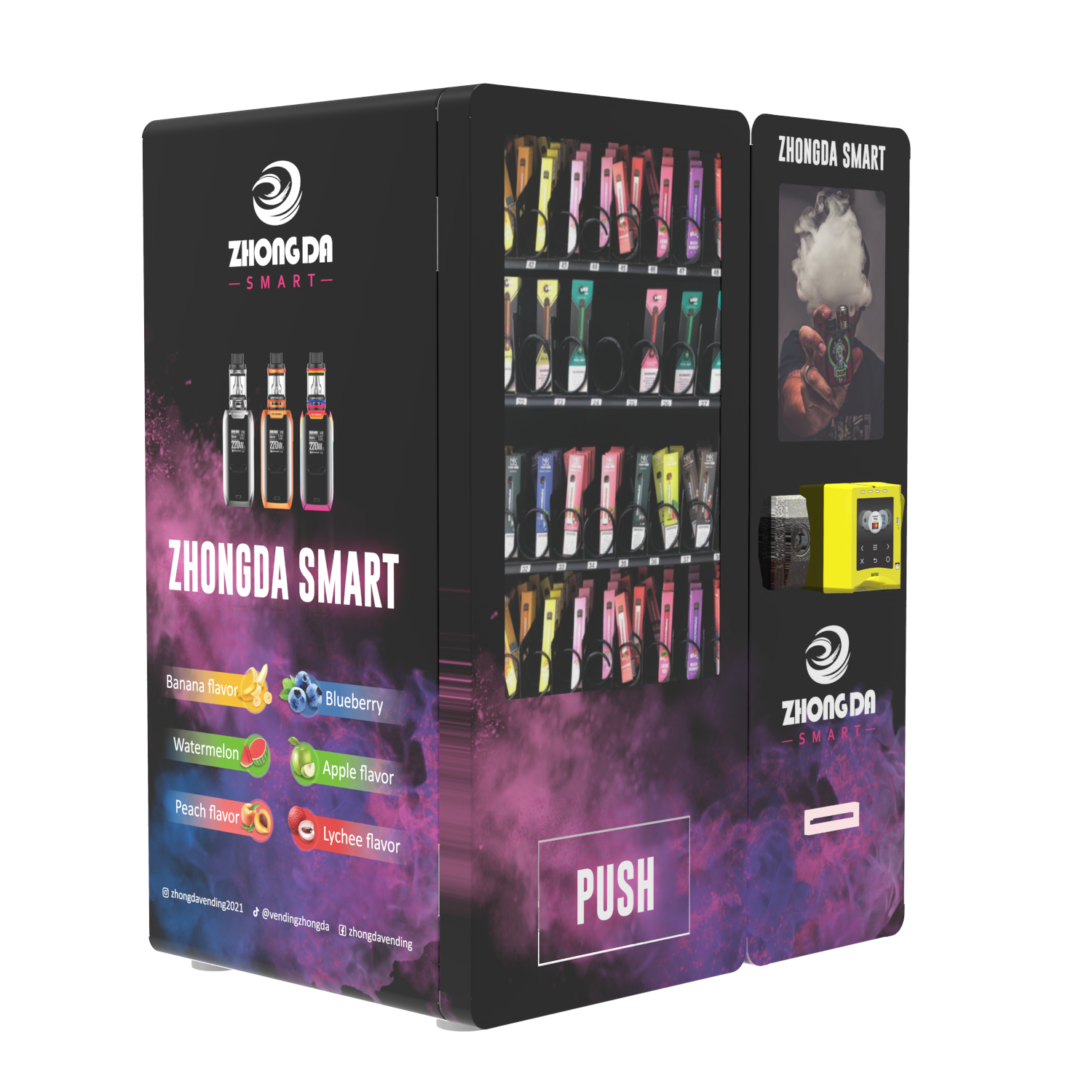
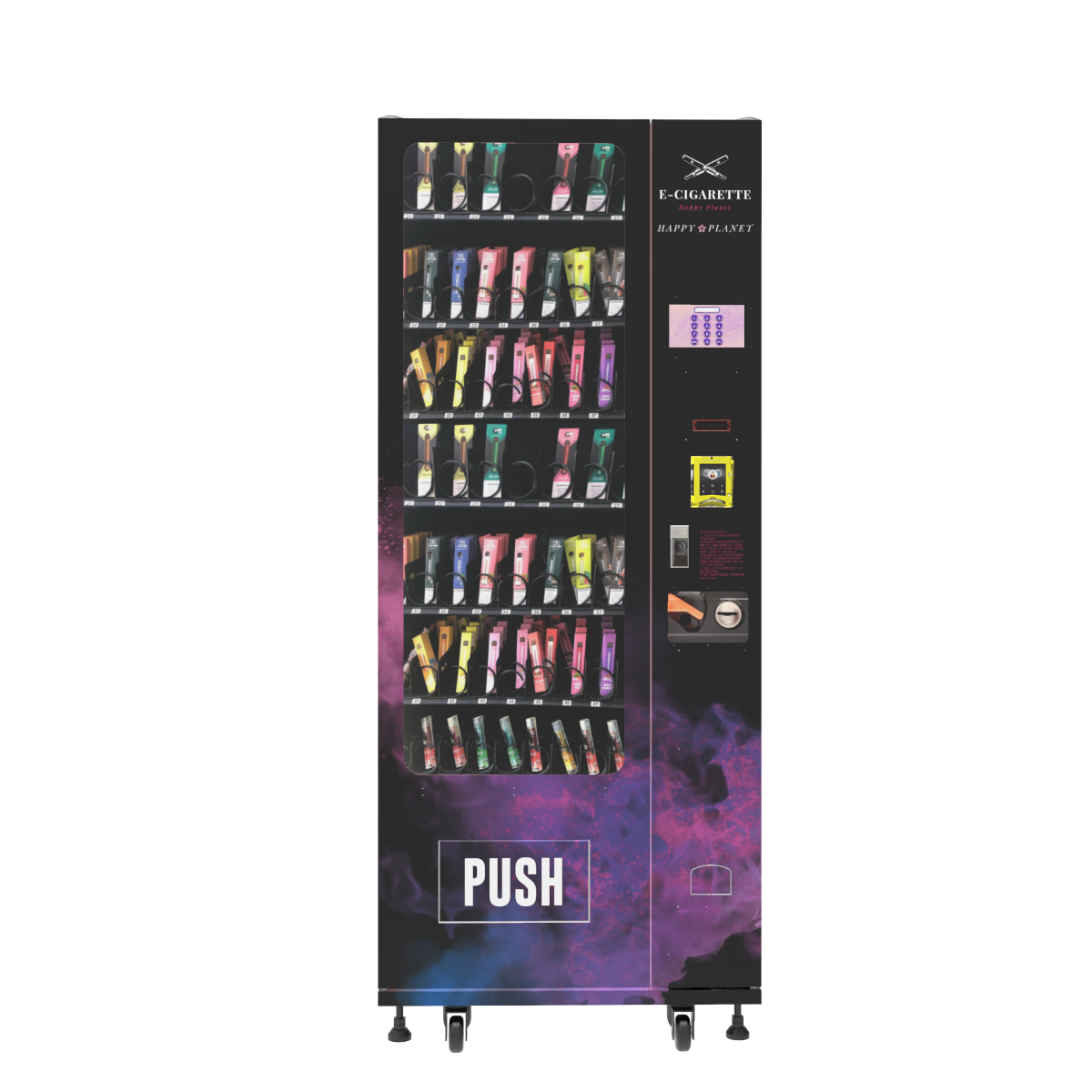
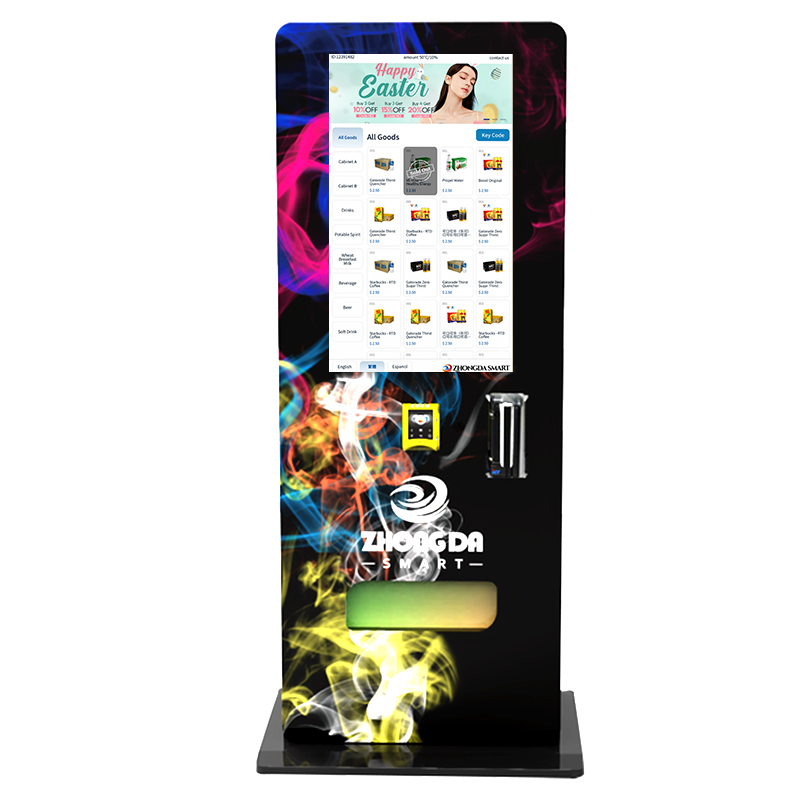
The machines we manufacture at Zhongda smart use a modular tray system with individual coil sensors. Each tray is configured for a specific product category. The sensor reads the product's RFID tag or barcode when it's loaded and tracks each sale. This gives us 99.5% inventory accuracy in field tests. The telemetry module is built into the main control board, so there's no external box to wire or maintain. The system pushes data to our cloud platform, which then generates the alerts. For operators who prefer to run their own software, we provide an API that feeds the raw data directly into their existing systems. This flexibility is why our machines are used in deployments from small boutique shops to large national chains. You can see the specific hardware configurations on our vape vending machines product page.
Wall-Mounted vs. Freestanding Units
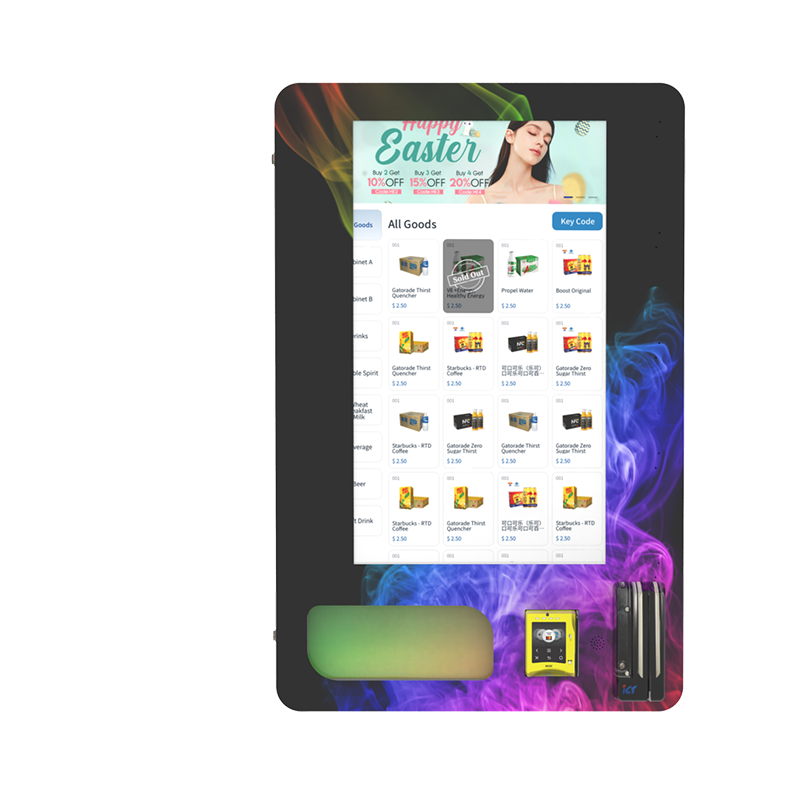
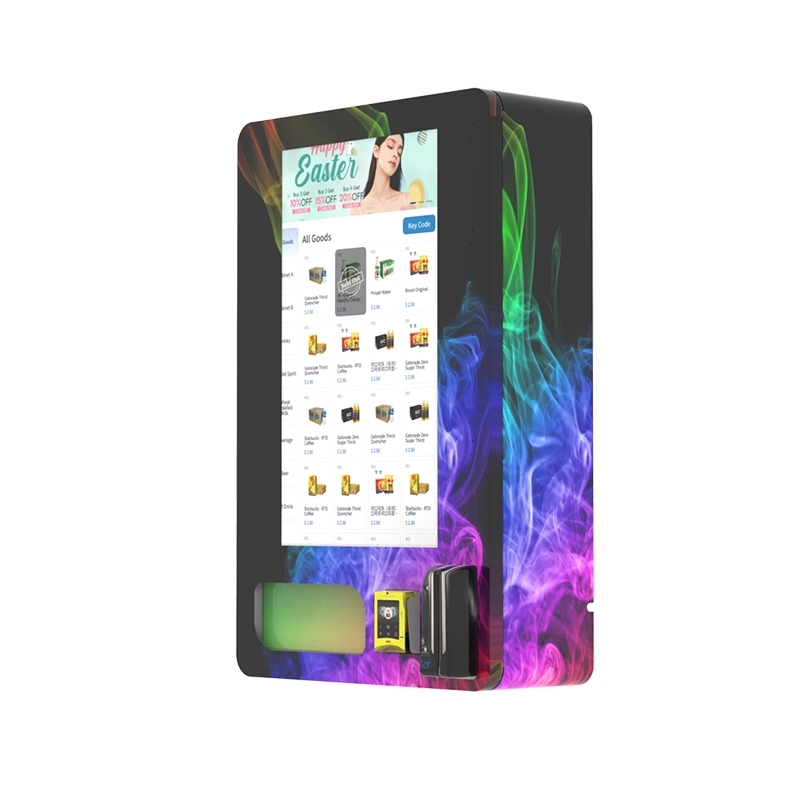
For the South African market, I've found that wall-mounted units work exceptionally well in locations with limited floor space, like bars and small convenience stores. Our Wall-Mounted Compact E-Cigarette Vending unit is popular because it fits on any wall, uses standard power, and has the same smart alert capabilities as our larger machines. The compact size means lower inventory holding costs, which reduces your risk. You can start with one wall-mounted unit, prove the location works, and then scale up to a freestanding unit if the sales data justifies it. That's a low-risk expansion strategy that I recommend to every new operator.
Regulatory Compliance and Smart Alerts
Compliance is a non-negotiable part of this business. In South Africa, as in many jurisdictions, selling vape products to minors carries heavy penalties. A smart inventory system can support your compliance efforts in two ways. First, it provides an audit trail of every transaction. If a regulator asks to see your sales records, you can pull a report that shows each sale, the time, the product, and the age verification status. Second, the system can alert you if a machine's age verification scanner is malfunctioning. We've built in a self-diagnostic feature that runs every hour. If the scanner fails, the machine locks down and sends an alert. You can't sell anything until the scanner is fixed. This protects you from liability and shows regulators that you take compliance seriously.
Our compliant e-cigarette vending machine models are designed specifically for markets with strict age verification requirements. The inventory system is integrated with the age gate, so you can't load a product into a slot without first confirming that the slot's age restriction settings are correct. This prevents human error. We've had operators accidentally load age-restricted products into an unrestricted slot. The system catches it and blocks the sale until the configuration is fixed. That's the kind of fail-safe that keeps your business running smoothly and legally.
Final Thoughts from the Factory Floor
I've been building and operating these machines for fifteen years. I've seen the market evolve from cigarette machines in bars to sophisticated smart vending kiosks that rival any retail store experience. The common thread across all successful operators is that they treat the machine as a data device first and a product dispenser second. The smart alerts are not a feature; they are the core of the business model. If you're serious about building a vape vending machine operation that generates consistent, scalable profit, invest in the inventory system before you buy the hardware. The machine is just a box. The intelligence is what makes it profitable.
If you want to see how these systems work in practice, take a look at our case studies page. We document real deployments with real numbers. No fluff, just data. That's how we've always operated. If you have specific questions about your market or location, reach out through our contact page. I answer those emails personally. This is a niche business, and the details matter. Get the details right, and the profits follow.
Frequently Asked Questions
What is a vape vending machine inventory system with smart alerts?
How much does a smart inventory system cost to add to a vape vending machine?
Can I use smart alerts for a single machine, or do I need a fleet?
Do smart alerts work in areas with poor internet connectivity?
How long does it take to see a return on investment from a smart inventory system?
References and Data Sources
The operational data and cost figures in this article are drawn from internal fleet performance metrics collected across deployments in the United States, Germany, and South Africa between 2018 and 2024. Industry context on vending machine market trends is supported by research from Statista and IBISWorld, which provide market sizing and growth projections for automated retail and age-restricted product vending. Additional context on consumer behavior in unattended retail environments is informed by reports published by Forbes and Bloomberg. All specific performance claims regarding stockout rates, labor costs, and inventory accuracy are based on Zhongda smart internal testing and customer-reported data.