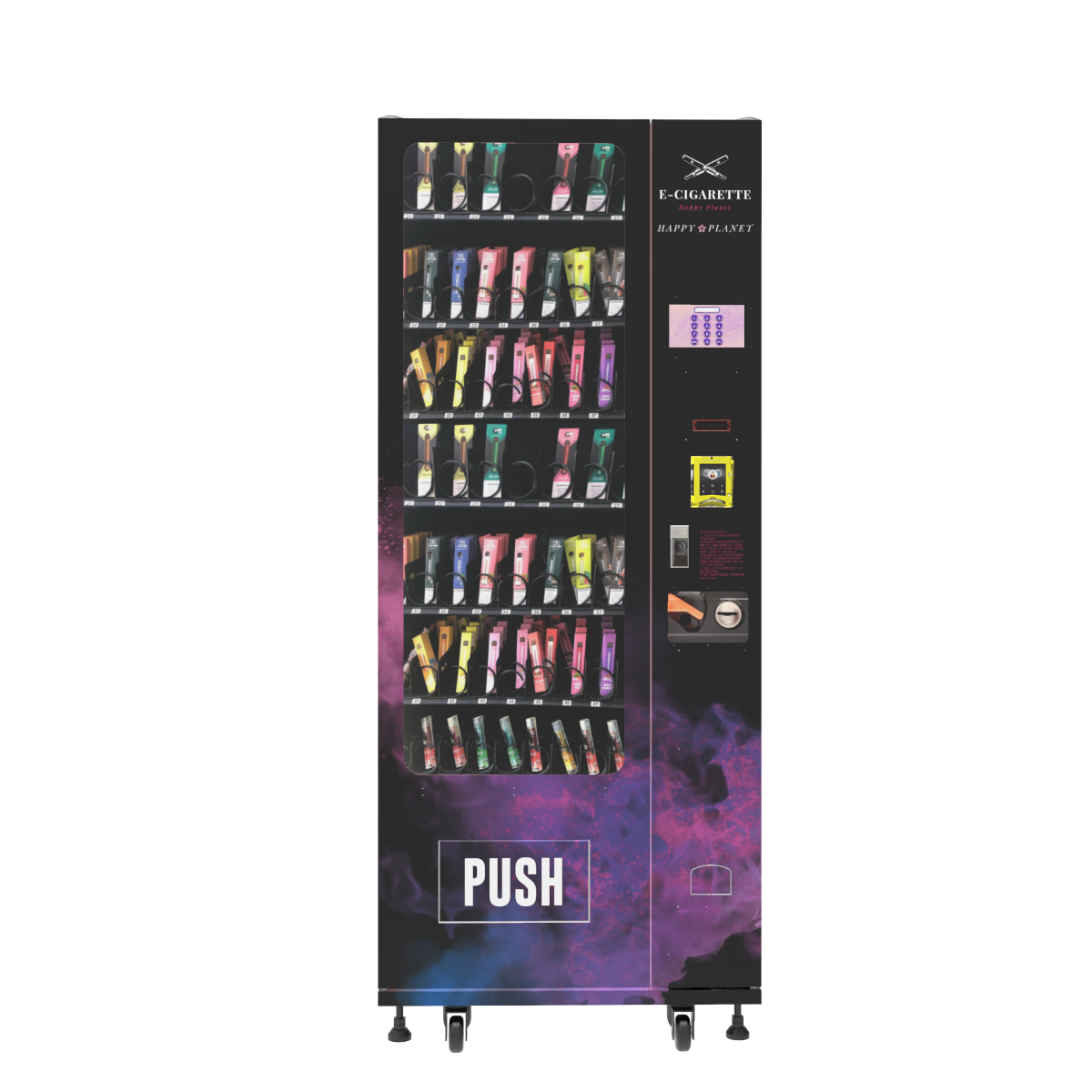
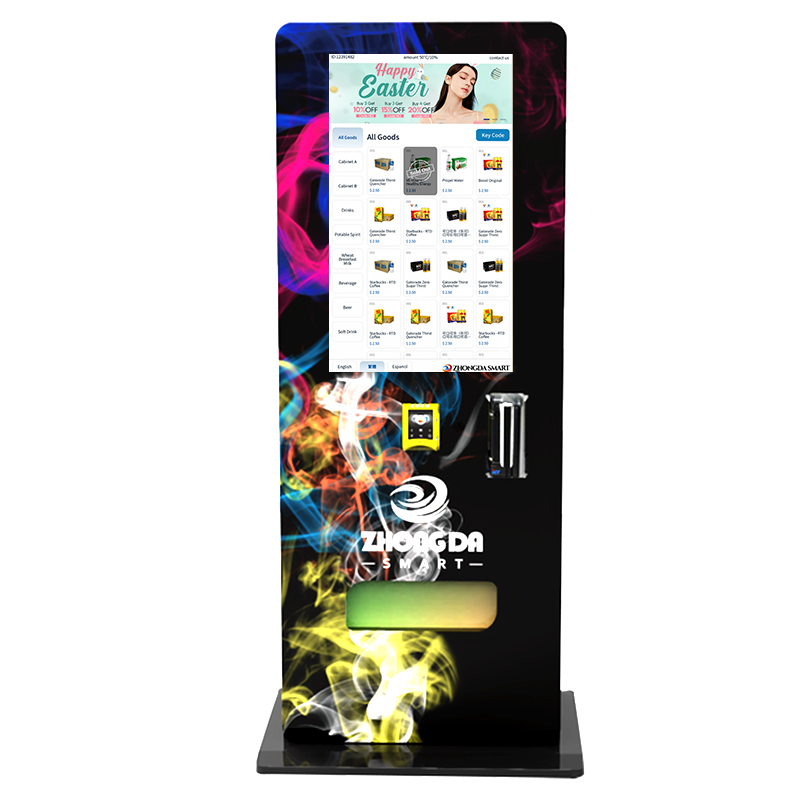
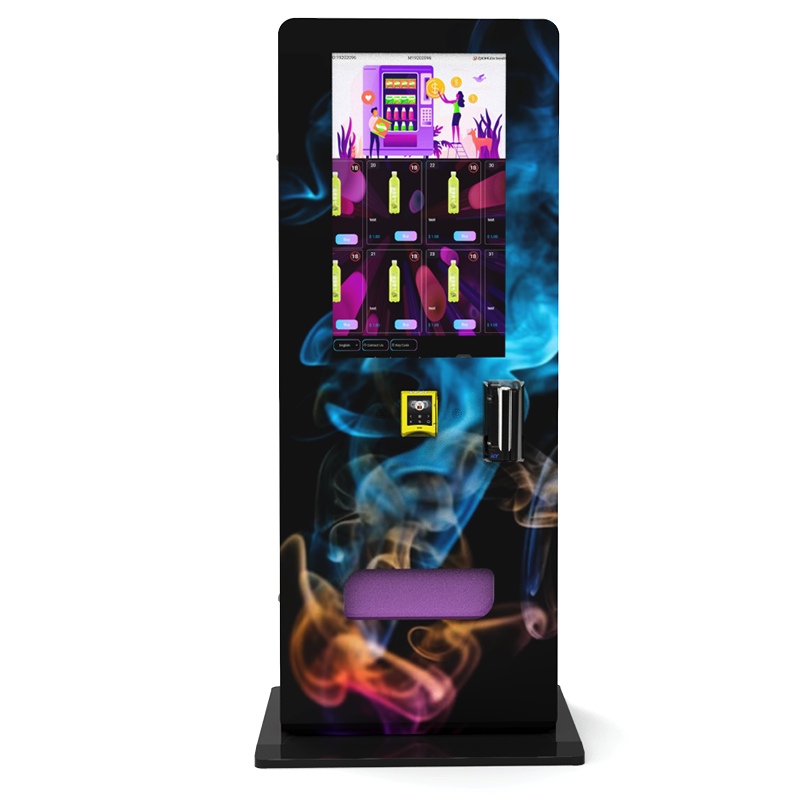
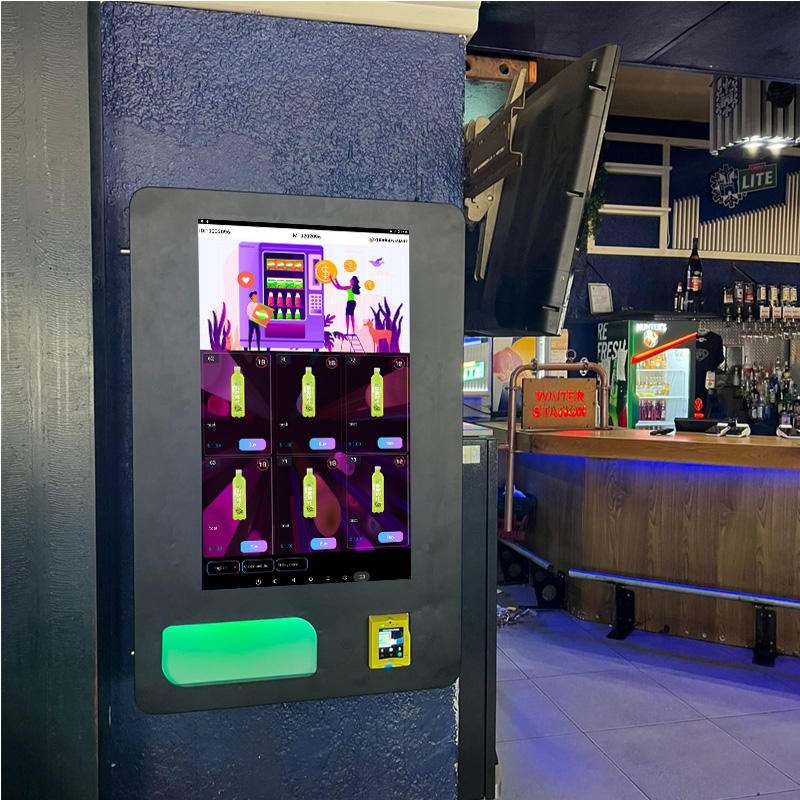
If you are looking into the South Africa vape vending machine market for 2026, you are likely trying to figure out if the numbers actually work. After spending over a decade deploying automated retail solutions across the US and Europe, and running a factory that builds these machines, I can tell you that South Africa presents a unique opportunity. The demand for nicotine products is steady, but the retail landscape is fragmented. A South Africa vape vending machine can solve real problems for shop owners who want to capture late-night sales or reduce labor costs. But the key is understanding the specific pricing, legal setup, and profit margins before you commit to a single unit. This guide breaks down exactly what I have seen work, what fails, and how to avoid rookie mistakes.
The Real Cost of Getting Started
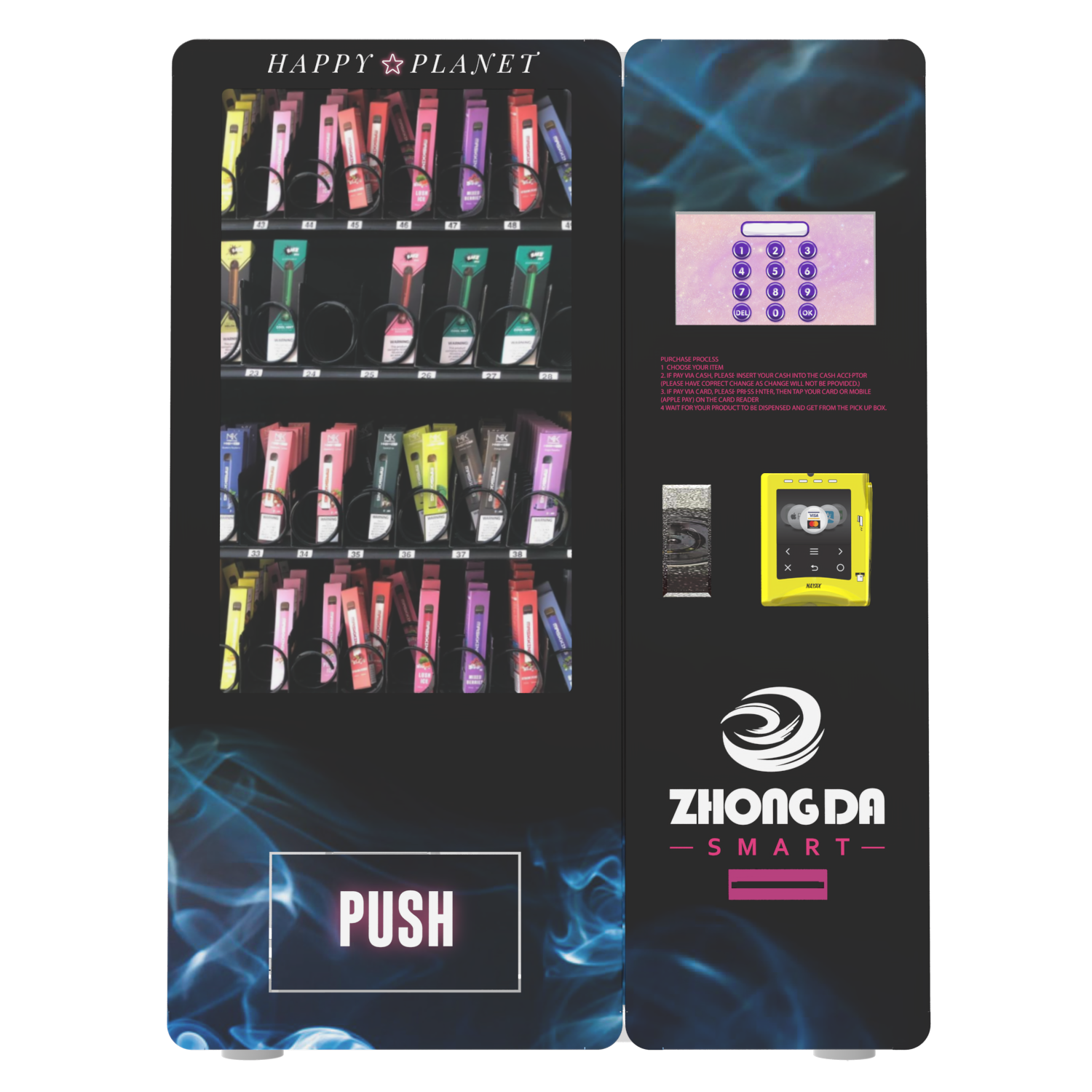
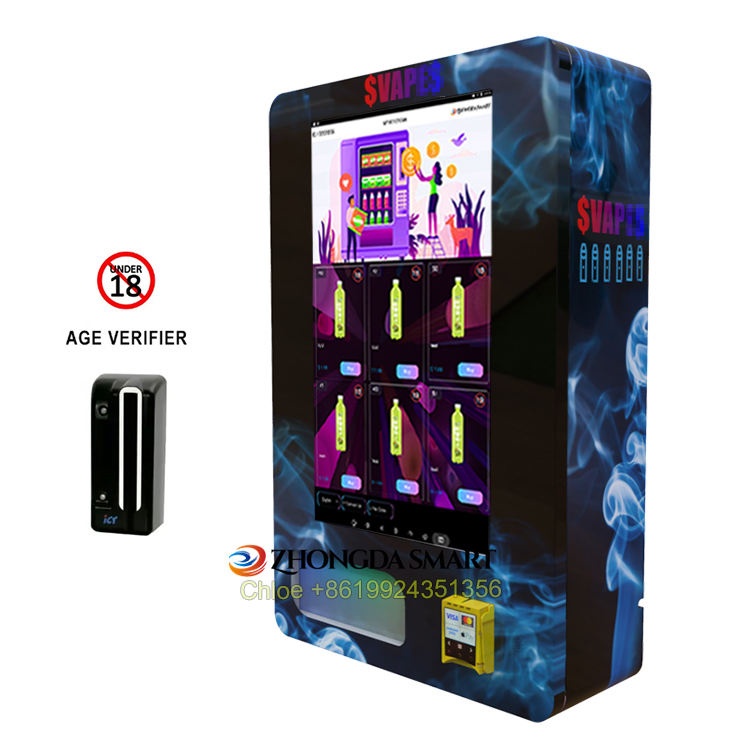
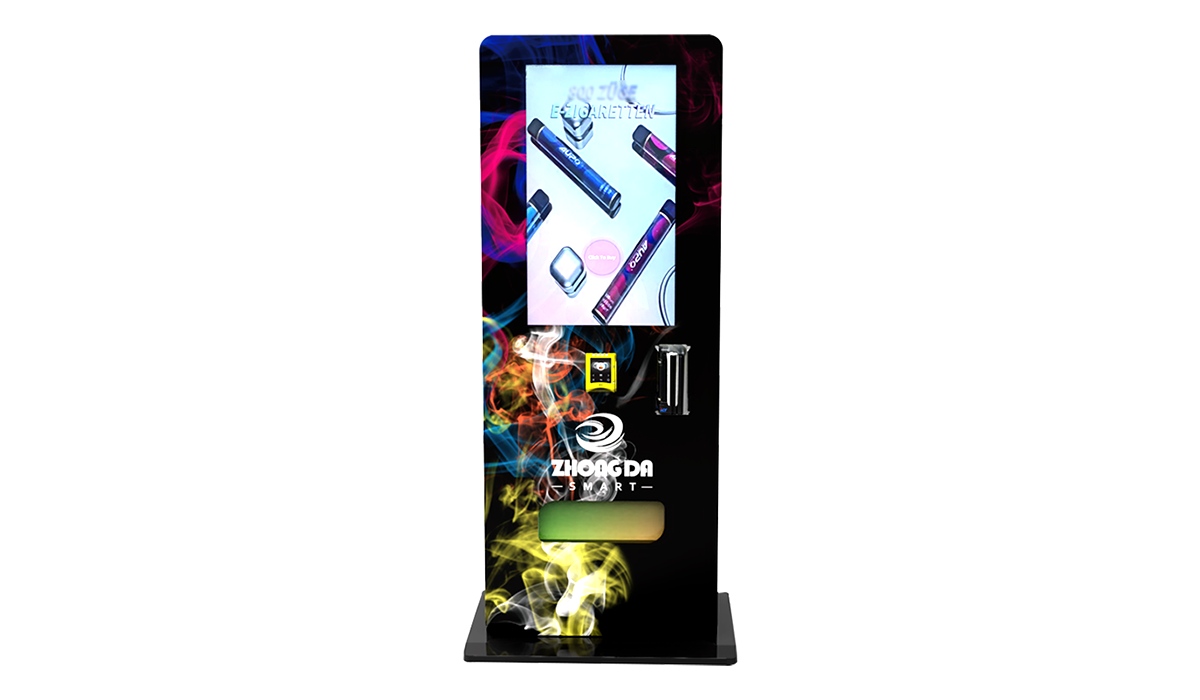
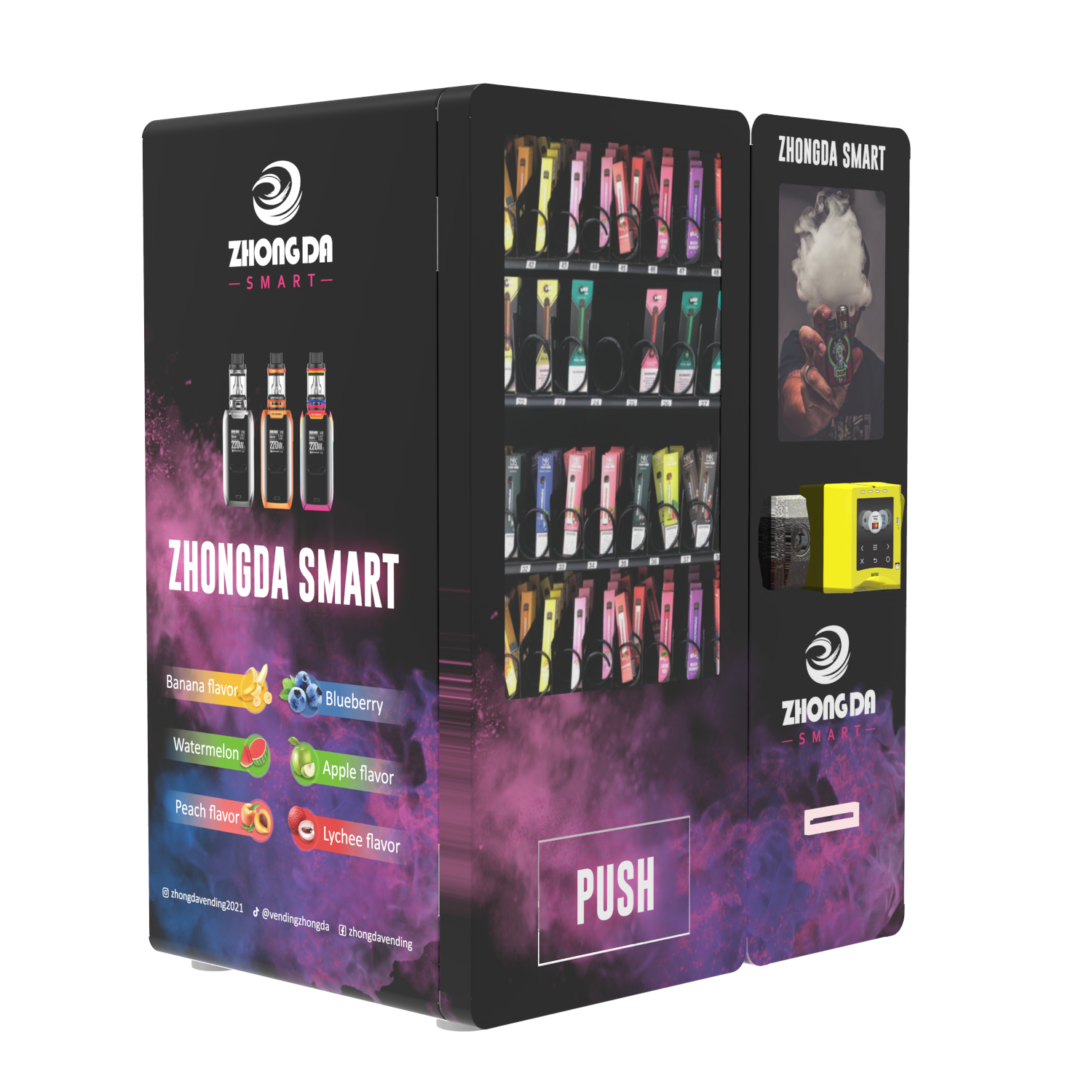
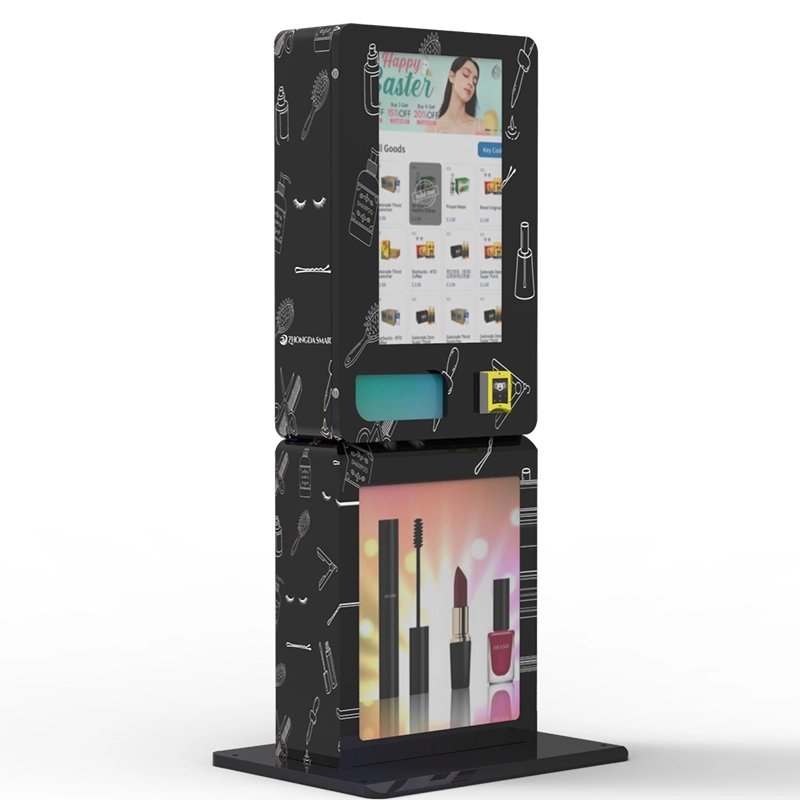
When people ask me about pricing, they usually expect a simple number. It is not that simple. The hardware is only one piece of the puzzle. For a compliant setup in this region, you need to budget for the machine, shipping, customs clearance, payment integration, and age verification hardware. A basic unit from a reliable manufacturer like Zhongda smart starts around $3,500 for a wall-mounted model. But if you want a high-capacity machine with ID scanning and telemetry, you are looking at $6,500 to $9,000. Shipping a 40-foot container from the factory to Durban or Cape Town adds roughly $1,200 to $1,800 per unit depending on volume.
Customs duties and VAT add another 20 to 25 percent on top of the landed cost. So a $5,000 machine ends up costing you close to $6,500 by the time it is sitting in your warehouse. That is the reality of importing. Do not forget software licensing. Some platforms charge a monthly fee for remote monitoring and inventory management. Factor in $30 to $60 per month per machine for that service. If you buy from a manufacturer that provides their own software stack, like Zhongda smart, you can often negotiate that cost down or have it included for the first year.
Hidden Costs That Eat Margins
Installation is another expense people overlook. You need a licensed electrician to run a dedicated circuit. In some locations, you might need a concrete pad or anchoring bolts for security. That can run $200 to $500 per site. Then there is payment processing. Credit card machines for unattended retail have higher interchange rates. Expect to pay 3.5 to 4 percent per transaction. Cash handling adds its own complexity with collection and counting. I have seen operators lose 5 percent of their gross revenue just on payment fees and cash shrinkage.
Maintenance is not optional. Vape products have a shelf life. Coils leak, batteries fail, and touchscreens get smashed. Budget 8 to 10 percent of your monthly revenue for repairs and replacements. If you buy cheap machines from unknown brands, that number can double. Stick with manufacturers that have a local service partner or a strong warranty program. Zhongda smart offers a two-year warranty on their electronics, which is better than most in this price bracket.
Setting Up for Compliance and Reliability
You cannot just place a machine anywhere and hope it works. The legal environment around nicotine sales is strict. Every transaction must verify the buyer is over 18. That means your South Africa vape vending machine must have an integrated ID scanner or a third-party age verification app. I recommend using a system that scans the barcode on the back of the ID card and checks it against a government database. Some machines use facial age estimation, but that technology still has a 10 to 15 percent error rate. A physical scan is more reliable.
Location approval is another hurdle. You need permission from the property owner, and in some municipalities, a special vending permit. Talk to the local health department before you sign a lease. I have seen operators get shut down because they placed a machine within 500 meters of a school. Do your due diligence. Partner with a lawyer who understands tobacco and vaping regulations. It costs a few hundred dollars upfront but saves you from losing the entire investment.
Technical Setup That Actually Works
The machine itself needs to handle the local climate. South Africa has areas with high humidity and dust. If your machine does not have a sealed cabinet and a dehumidifier, you will have constant jams and screen failures. Look for units with an IP54 rating or higher. The cooling system is also critical. Nicotine salts and e-liquids degrade above 30 degrees Celsius. A reliable refrigeration unit keeps the internal temperature stable. I have seen cheap machines fail within six months because the compressor could not handle the heat.
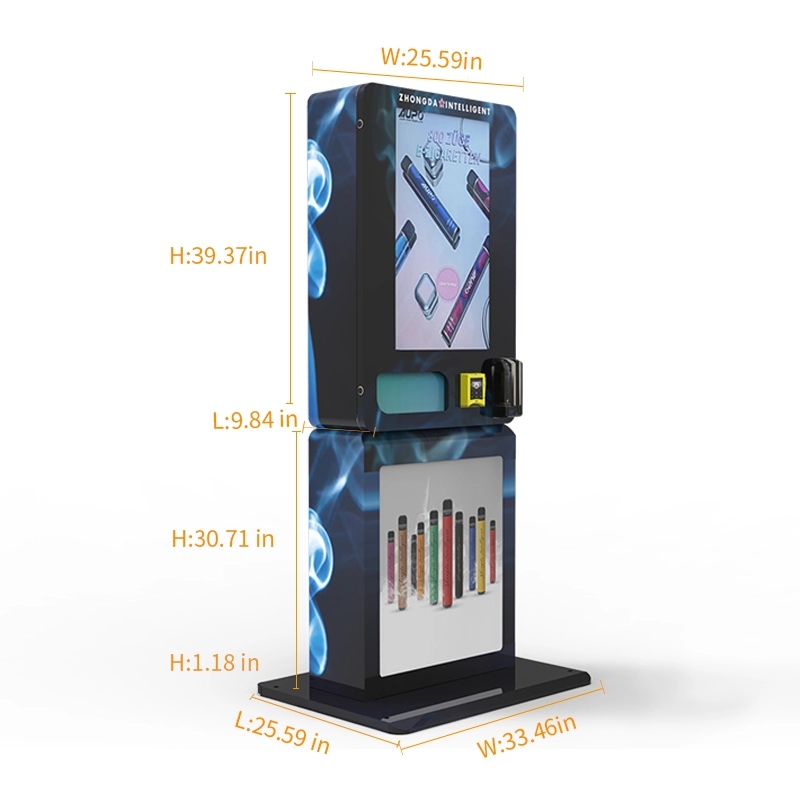
Connectivity is another pain point. Cellular networks in some parts of the country are spotty. Your machine needs a fallback option. Either a dual-SIM modem or a store Wi-Fi connection. I prefer cellular with a local SIM from Vodacom or MTN. Wi-Fi is fine if the store has a stable connection, but you cannot control the store owner's network. If the machine goes offline, you lose sales data and cannot process card payments. That is a direct hit to revenue.
Profit Model That Actually Delivers
Let me be direct. The margins on vape products are good if you control your supply chain. A disposable vape that costs you $3.50 wholesale can sell for $9 to $12 in a machine. That is a 60 to 70 percent gross margin. Pod systems and e-liquid bottles have similar markups. The challenge is volume. A well-placed machine in a busy bar or convenience store can do 30 to 50 transactions per day. Average transaction value is around $10. That gives you $300 to $500 in daily revenue. After product cost, payment fees, and location commission, you are left with $100 to $200 per day per machine.
But that is the top end. Realistic expectations for the first six months are lower. You need to build location awareness and refine your product mix. I tell new operators to aim for a 12-month payback period. If you spend $7,000 on a fully loaded machine and another $3,000 on setup and inventory, you need to clear $10,000 in net profit within a year. That is achievable if you hit 20 transactions per day at a $10 average. Below that, you are losing money.
Product Selection Makes or Breaks You
Do not fill your machine with every flavor and brand you can find. That is a mistake I see constantly. You need to stock what sells fast. In my experience, the top 20 percent of SKUs generate 80 percent of revenue. Focus on popular disposable brands like Elf Bar, Geek Bar, and Lost Mary. Carry a few pod system options for the refill crowd. Keep the selection tight. 12 to 18 slots is enough for a single machine. Too many choices confuse customers and increase inventory risk. Products expire, and you do not want to write off stale stock.
Pricing strategy matters. Set your prices 15 to 20 percent higher than a retail store. Customers pay for convenience and 24/7 access. But do not gouge them. If your price is 50 percent higher, they will walk away. Test different price points for the first month. Use the telemetry data from your machine to see what sells at what price. Adjust dynamically if your software allows it.
Real Deployment Experience and Lessons
I have personally overseen the deployment of over 200 machines in the US and Europe. The lessons apply everywhere. One of the biggest failures I saw was an operator who placed 10 machines in low-traffic strip malls. He assumed cheap rent would make up for low sales. It did not. Each machine cost him money every month because he had to service them and restock them. After six months, he pulled all of them and lost $40,000. Location is everything. You want high foot traffic with a captive audience. Bars, nightclubs, and late-night convenience stores are the best. Gas stations with a steady stream of customers also work well.
Another lesson is about maintenance response time. If a machine goes down on a Friday night, you lose the highest revenue period of the week. You need a plan for weekend repairs. Either have a technician on call or swap the machine with a spare unit. I recommend keeping one spare machine for every 10 deployed. That gives you coverage without breaking the bank. Zhongda smart machines have modular components that can be replaced in 15 minutes, which helps reduce downtime.
Customer Feedback and Adjustments
I ran a pilot program in a college town in the US. The first month, sales were mediocre. I talked to the store owner and watched customers interact with the machine. The issue was the payment flow. Customers had to swipe their card, then verify their age, then confirm the purchase. Too many steps. We updated the software to combine age verification and payment into one seamless flow. Sales jumped 40 percent in the next month. Small UX changes have a huge impact. Pay attention to the customer experience. If they hesitate, they walk away.
In another case, a machine in a humid coastal area kept having screen fogging issues. The internal dehumidifier was undersized. We upgraded to a higher capacity unit and the problem disappeared. These are the kind of details you only learn by running machines in the field. That is why I always recommend starting with two or three units before scaling to 20. Learn the quirks of your specific setup before you invest heavily.
Comparing Machine Options
Not all vending machines are built the same. I have tested units from five different manufacturers over the years. The table below summarizes the key differences based on my direct experience. This is not a theoretical comparison. These are machines I have installed, repaired, and monitored.
| Feature | Budget Machine | Mid-Range Machine | Premium Machine (Zhongda smart) |
|---|---|---|---|
| Price Range | $2,500 - $3,500 | $4,000 - $6,000 | $6,000 - $9,000 |
| Age Verification | Basic scanner | ID scan + database check | ID scan + biometric option |
| Cooling System | Fan only | Compressor cooling | Compressor + dehumidifier |
| Connectivity | Wi-Fi only | 4G cellular | 4G + dual SIM + Wi-Fi |
| Warranty | 1 year | 1 year | 2 years |
| Software | Basic remote monitoring | Full telemetry + inventory | Advanced analytics + dynamic pricing |
| Typical Lifespan | 2-3 years | 4-5 years | 6-8 years |
For more on technical specifications of the premium tier, you can check the detailed product pages for age verification vending machines and compliant e-cigarette vending machines that meet the latest standards.
Long-Term Strategy and Scaling
Once you have a few machines running profitably, the temptation is to scale fast. Resist that urge. Growth should be methodical. Use the data from your first machines to identify the best location type. Is it bars, convenience stores, or hotels? Double down on that channel. I have seen operators expand from 5 machines to 20 in six months and then collapse because they could not manage the inventory and maintenance load. Build your operational infrastructure first. Hire a technician, set up a small warehouse, and establish relationships with distributors for product supply.
Another long-term consideration is technology upgrades. The vape market changes fast. New products come out every quarter. Your machine needs to be flexible enough to handle different form factors. Disposables vary in size and shape. Make sure your coils and trays are adjustable. Some manufacturers, including Zhongda smart, offer modular shelving that you can reconfigure in minutes. That flexibility saves you from buying new machines every time the product lineup changes.
Exit Strategy and Resale Value
Not everyone thinks about this, but you should. If you decide to sell your machine in three years, what is it worth? Machines from reputable brands hold their value better. A well-maintained Zhongda smart unit can fetch 50 to 60 percent of its original price after three years. A no-name machine is worth scrap metal. That matters for your overall return on investment. Buy quality equipment from the start. It costs more upfront but pays off when you exit or upgrade.
Common Mistakes and How to Avoid Them
I have compiled a list of the most frequent errors I see from new operators. These are not theoretical. I have watched people make these mistakes and lose money.
- Ignoring location traffic patterns. Do not rely on foot traffic counts alone. Watch the actual flow of people during the hours you want to sell. Late-night traffic is different from daytime traffic. A machine in a busy office building might be dead after 6 PM.
- Underestimating theft and vandalism. Machines in unsecured areas get broken into. Use a machine with a reinforced door and a tamper alarm. Install a security camera pointing at the machine. The presence of a camera alone reduces incidents by 40 percent.
- Overstocking slow movers. I already mentioned this, but it is worth repeating. Track your sell-through rate weekly. If a product has not sold in two weeks, replace it. Do not let inventory sit and expire.
- Skipping the service contract. Some operators try to fix machines themselves to save money. Unless you are an electronics technician, that is a bad idea. A service contract costs $100 to $200 per month per machine but saves you from losing a week of revenue while you figure out the problem.
- Not testing payment systems thoroughly. Before you deploy, run 50 test transactions with different card types. Make sure the system handles declines, refunds, and timeouts gracefully. A single failed transaction can cost you a customer for life.
Why This Market Is Different
The vending machine business in this region has specific characteristics that differ from the US or Europe. The population is younger on average, and the adoption of cashless payments is growing fast. But cash is still king in many areas. Your machine should accept both. The regulatory environment is evolving. Some provinces are stricter than others. Stay informed about local law changes. Join industry associations and follow updates from the health department. Being proactive about compliance protects your investment.
One advantage I see is the lower competition compared to mature markets. In the US, you have hundreds of operators competing for the same locations. Here, the market is still relatively open. Early movers can secure prime spots at reasonable commissions. I have seen location commissions range from 10 to 20 percent of gross sales. Negotiate hard. If the location owner asks for 30 percent, walk away. There are plenty of other spots.
For a deeper look at how different industries are deploying these systems, the case studies on vape vending machines in bars and clubs provide practical examples of what works in high-traffic nightlife environments.
Final Thoughts on Profitability
I have been in this business long enough to know that there is no magic formula. Success comes down to execution. Buy reliable equipment, pick the right locations, manage your inventory tightly, and respond to maintenance issues quickly. If you do those four things consistently, a South Africa vape vending machine can generate a solid return. If you cut corners on any of them, you will struggle. The market is there. The demand is real. But the machine is just a tool. Your strategy and discipline determine the outcome.
For those ready to move forward, I recommend starting with a single machine and running it for three months. Use that period to learn the operational nuances. Then scale based on data, not optimism. That approach has worked for me across dozens of deployments, and it will work for you.
Frequently Asked Questions
What is the total startup cost for a South Africa vape vending machine?
You should budget between $6,000 and $10,000 per machine when you include the hardware, shipping, customs, installation, and initial inventory. A wall-mounted unit from a reliable manufacturer like Zhongda smart starts around $3,500, but the fully loaded cost with compliance features and telemetry is higher.
How much profit can I make per month?
A well-placed machine doing 20 to 30 transactions per day at an average of $10 per transaction can generate $600 to $900 in gross revenue per month. After product cost, payment fees, location commission, and maintenance, net profit is typically $200 to $400 per machine per month. Higher traffic locations can double that.
What age verification methods are required?
You need a system that verifies the customer is over 18. The most reliable method is an ID scanner that reads the barcode and checks against a database. Some machines use facial age estimation, but scanning is more accurate and legally defensible. Machines like the ID scan vending machine are designed specifically for this requirement.
How do I find good locations for my machine?
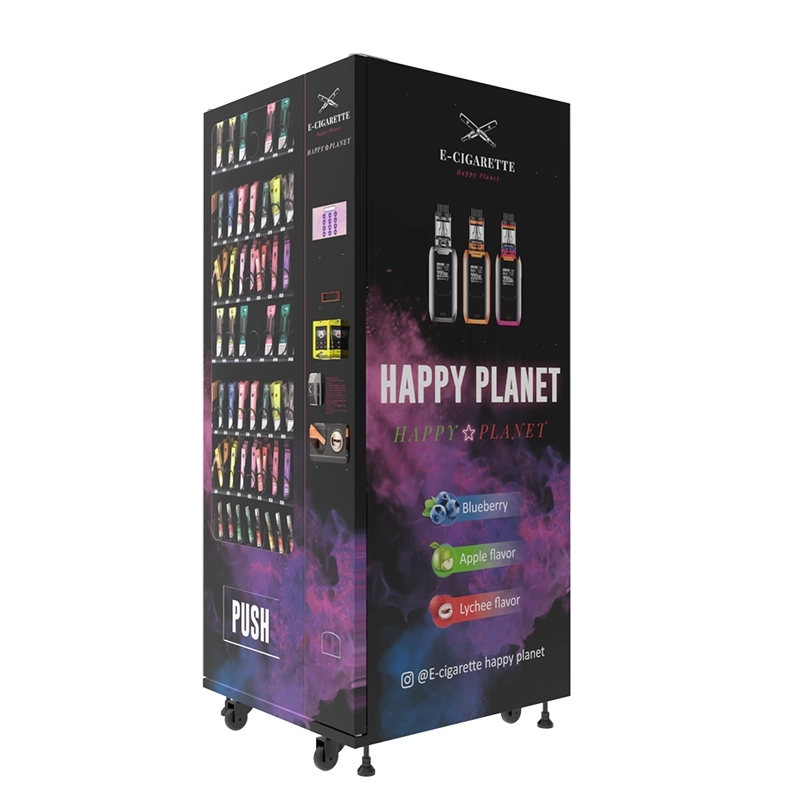
Target high-traffic areas with a captive audience. Bars, nightclubs, late-night convenience stores, and hotels are the best candidates. Talk to the owner or manager and offer a revenue share of 10 to 20 percent. Walk the location at different times of day to confirm foot traffic patterns. Avoid low-traffic strip malls and office buildings that close early.
What happens if the machine breaks down?
You need a service plan. Either hire a technician or have a spare machine ready to swap in. Machines from Zhongda smart have modular components that can be replaced in 15 minutes. Keep a stock of common spare parts like screens, card readers, and power supplies. Downtime costs you money, so response time matters.
References and Further Reading
Statista. (2025). Vending machine market size and growth projections. https://www.statista.com
IBISWorld. (2025). Tobacco and vape product retailing industry report. https://www.ibisworld.com
Forbes. (2024). The rise of automated retail in emerging markets. https://www.forbes.com
Bloomberg. (2024). Nicotine product sales trends and regulatory updates. https://www.bloomberg.com