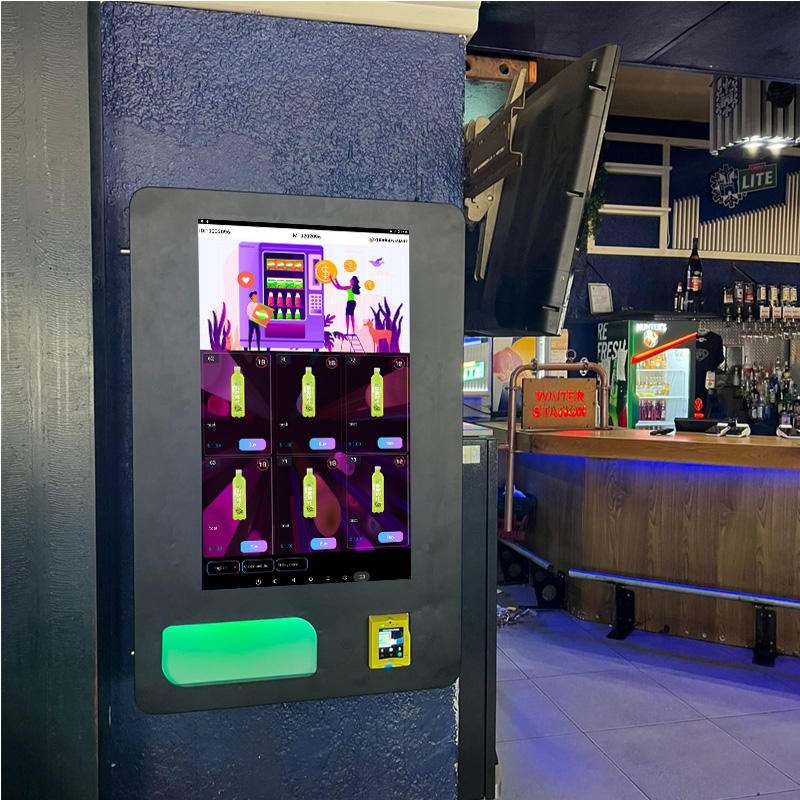
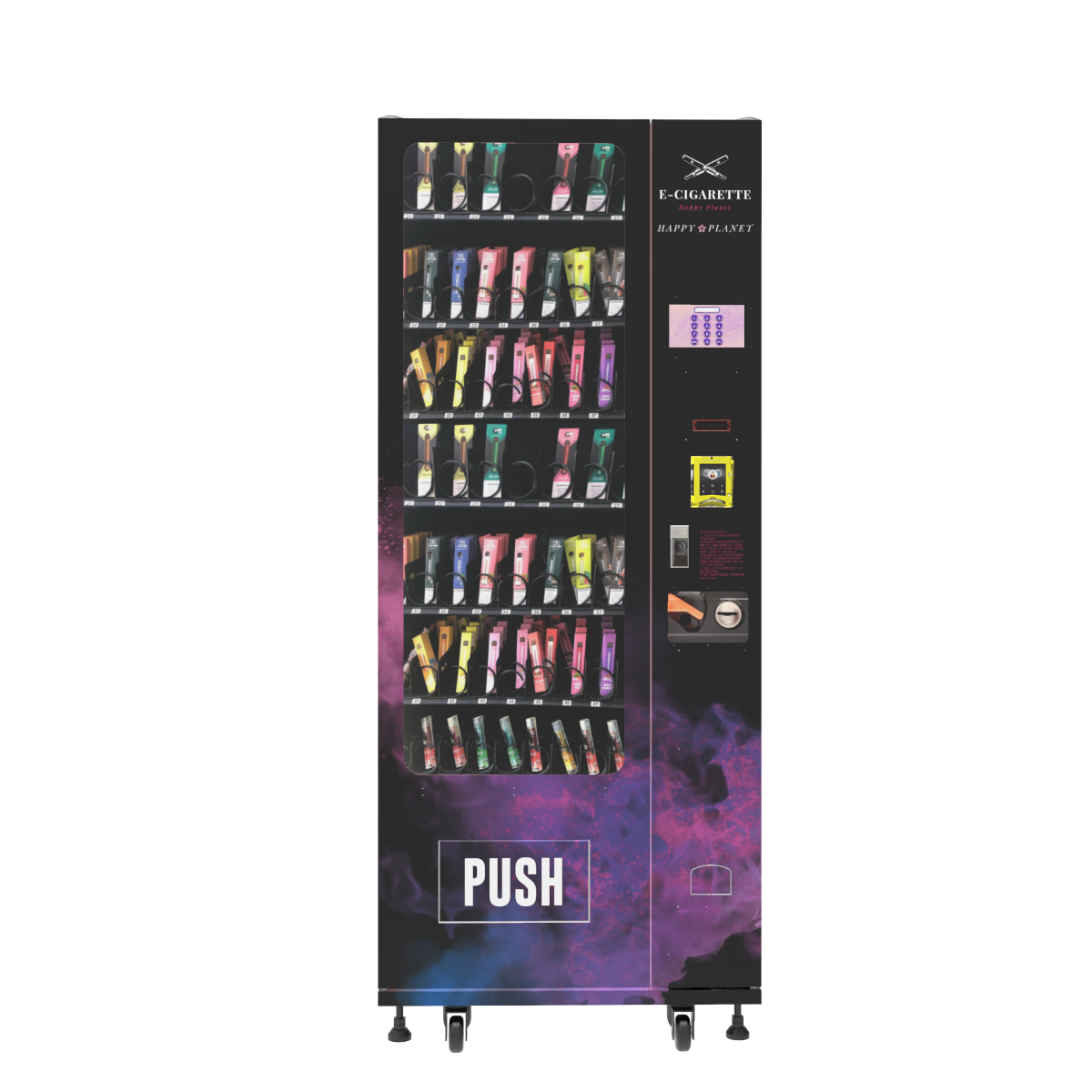
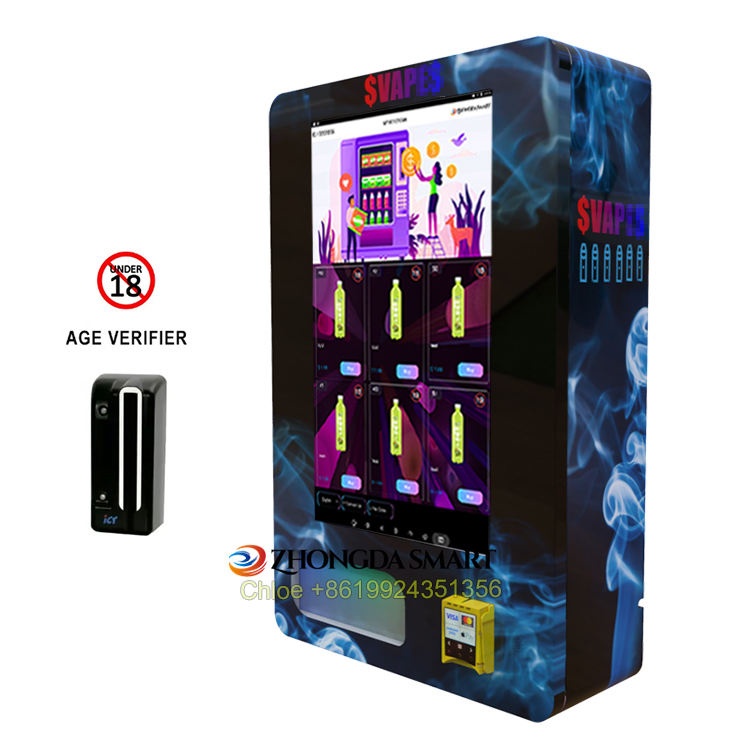
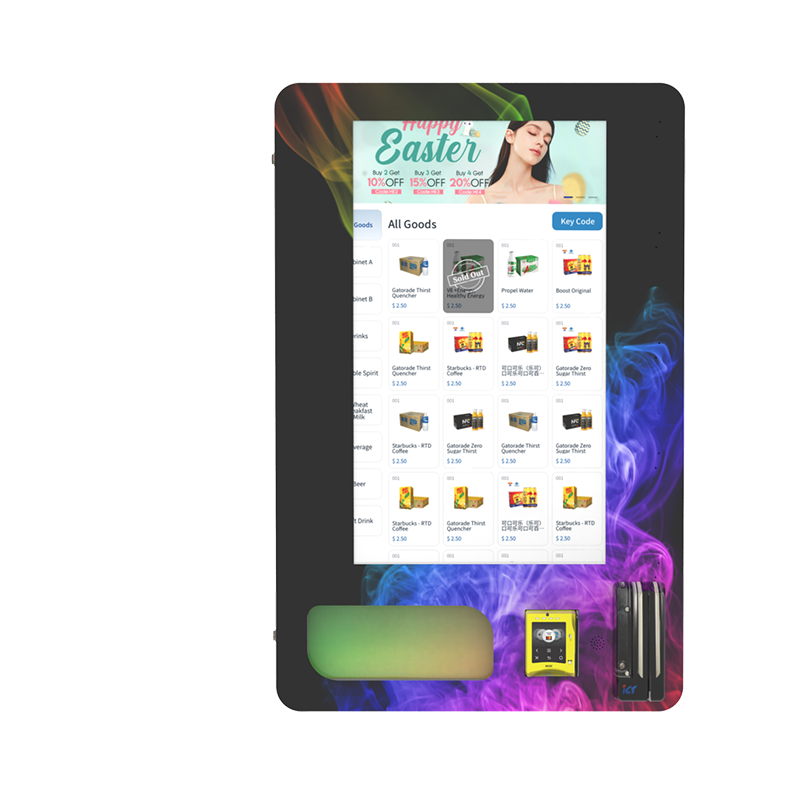
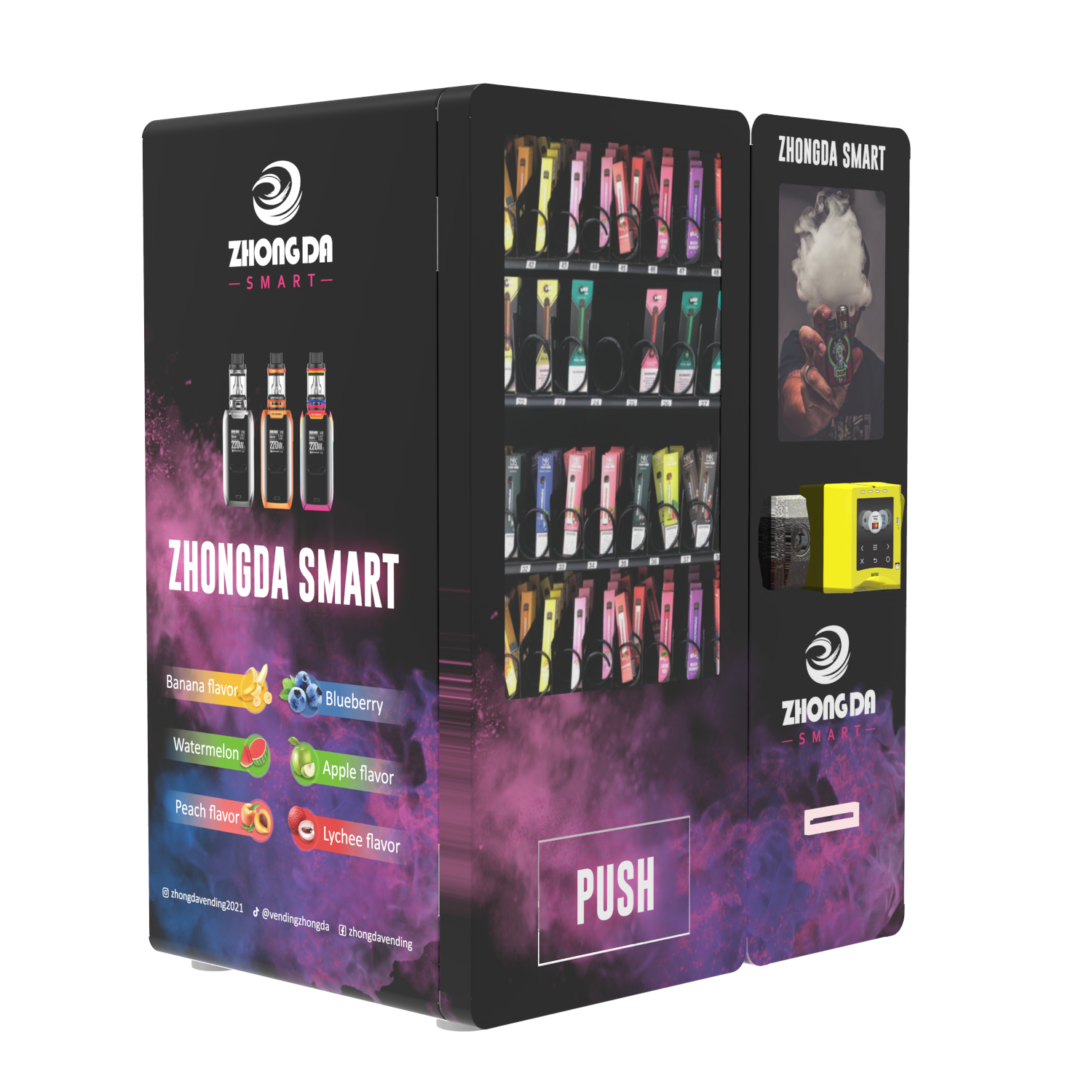
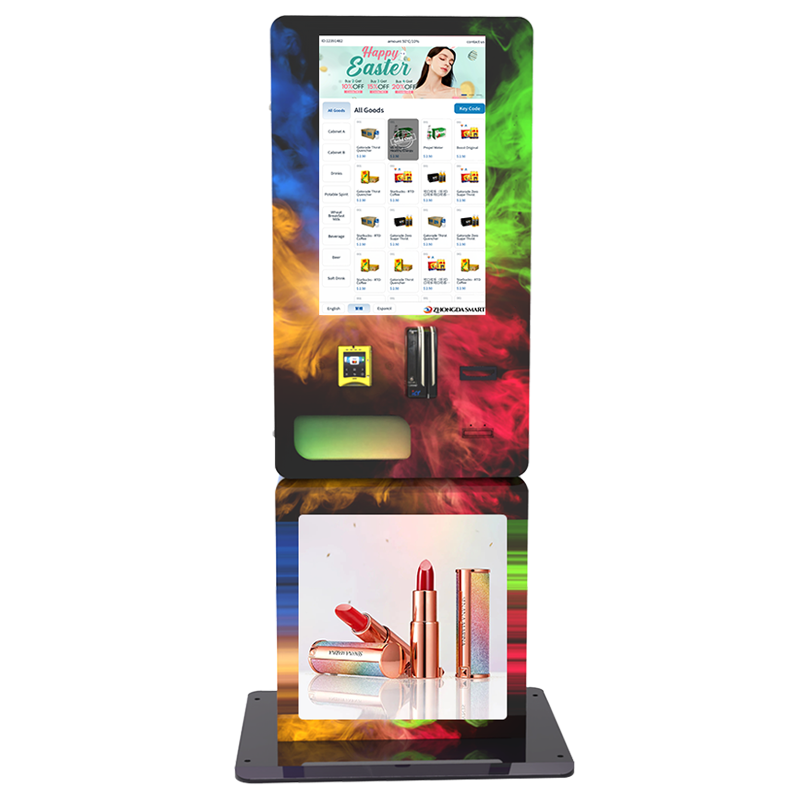
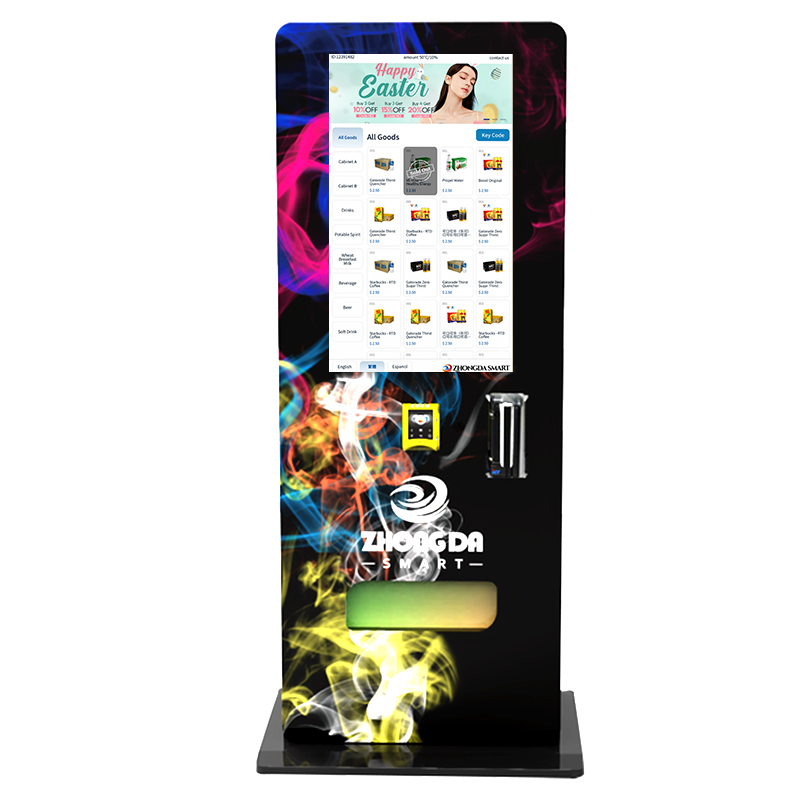
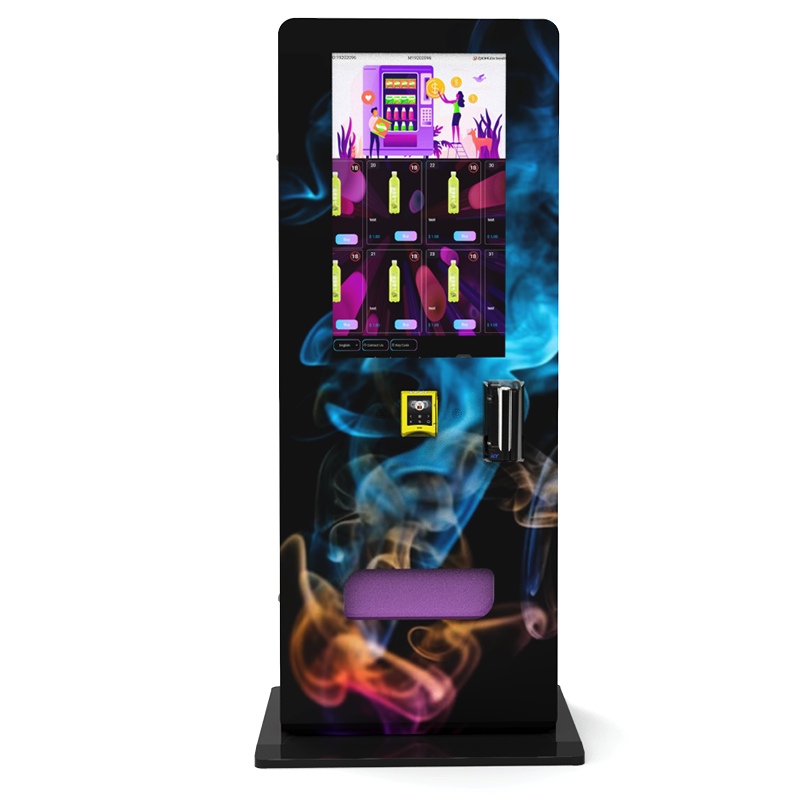
After fifteen years building vending machines for the nicotine market and deploying thousands of units across the US and Europe, I can tell you straight up: the shift from mechanical coils to smart, cloud-connected hardware is the single biggest profit lever in this business. The real game changer isn't the cabinet or the lock—it's the vape vending machine software running the show. Without a rock-solid cloud dashboard and API, you are flying blind, losing sales to downtime, and leaving money on the table from expired inventory. I have seen operators double their margins simply by switching to a system that gives them real-time data on every coil, pod, and battery inside the machine. This guide is built from actual deployment mistakes, retrofit projects, and the hard lessons we learned keeping machines profitable in high-footfall locations.
Why the Software Matters More Than the Steel
When I started in this space, a vending machine was a metal box with a coil and a timer. You loaded it, hoped it worked, and collected cash once a week. Those days are gone. Today, the value of a smart vending machine is defined by its operating system. The hardware is a commodity—you can buy a cabinet from a dozen factories. But the software that manages age verification, payment processing, inventory tracking, and remote diagnostics is what separates a profitable asset from a costly headache.
We have seen operators purchase cheaper machines without proper API integration and spend more in the first six months on service calls and lost sales than they saved on the purchase price. The cloud dashboard is your command center. If you cannot see which slots are empty, which products are nearing expiration, or which payment processor is down, you are running a blind route. That is not a business—it is a gamble.
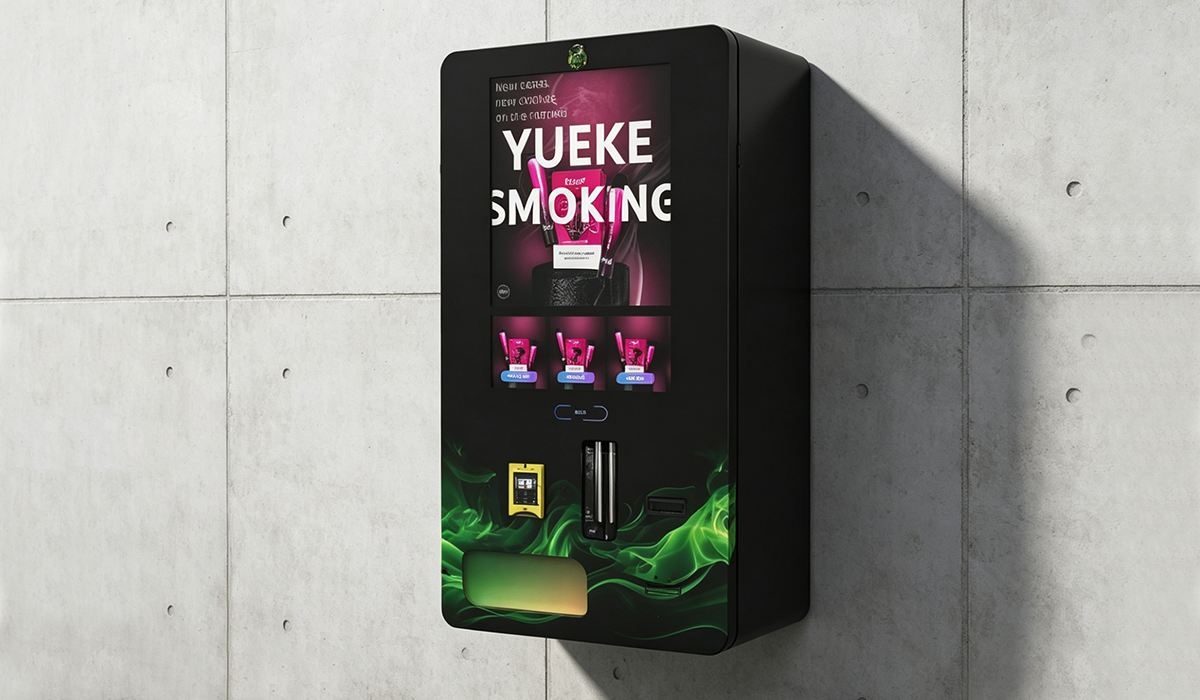
Cloud Dashboard: Your Remote Control Room
A proper cloud dashboard does not just show you sales numbers. It gives you a live map of every machine, with color-coded status indicators. Green means healthy. Yellow means low inventory on a top seller. Red means a jam or a payment failure. I have a client in Atlanta who manages fourteen machines from his phone while driving his day job. He knows exactly when to restock and which locations need a firmware update before he even leaves the house.
The dashboard should also track temperature and humidity if you are selling sensitive nicotine salts or disposable devices. Heat kills batteries and degrades e-liquid. We have built alerts into our system that ping the operator if a cabinet hits 95°F. That kind of feature saves your inventory and your reputation.
API Integration: The Connective Tissue
The API is what makes the whole ecosystem work. A well-designed API allows your vape vending machine to talk to your inventory management system, your accounting software, and your loyalty program. Without it, you are manually exporting CSV files and praying the numbers match. That is a recipe for shrinkage and chargebacks.
We use a RESTful API that pushes transaction data in real time. Every sale, every failed age check, every coin jam gets logged. You can pull reports by location, by product, by time of day. I have used this data to negotiate better wholesale pricing because I could show a distributor exactly how many units of a specific flavor we moved in a month. That is leverage you do not get with a dumb machine.
Real Costs and Margins: What the Spreadsheet Looks Like
Let me give you the numbers from an actual deployment we did last year. A client placed four of our smart vending machines in a mix of bars and convenience stores across Texas. The total hardware investment was around $28,000 including shipping and installation. Monthly software fees ran $120 per machine for the cloud dashboard and API access.
Here is the breakdown of first-year performance:
- Average transaction value: $18.50
- Daily transactions per machine: 22 (peak weekends, slower weekdays)
- Gross monthly revenue per machine: $12,210
- Cost of goods sold (COGS): 45%
- Location commission: 15% of gross
- Net monthly profit per machine: $4,883
That client recouped his hardware investment in just over six months. The software paid for itself in the first week. The key was the API-driven inventory alerts that prevented stockouts on high-margin disposables. We saw a 23% lift in revenue after the first month simply because the machine never ran empty on the top three sellers.
Comparing Software Platforms: What to Look For
Not all cloud dashboards are built the same. I have tested systems from five different manufacturers over the years. Here is a quick comparison based on what actually matters in the field:
| Feature | Basic System | Advanced System (Recommended) |
|---|---|---|
| Real-time inventory tracking | Manual sync, 24-hour delay | Live push via API |
| Age verification integration | External scanner, no log | Built-in ID scan with audit trail |
| Remote diagnostics | Error codes only | Full telemetry, firmware update over the air |
| Payment processor compatibility | Single provider | Multi-gateway fallback |
| Reporting | Weekly CSV export | Custom dashboards, API export |
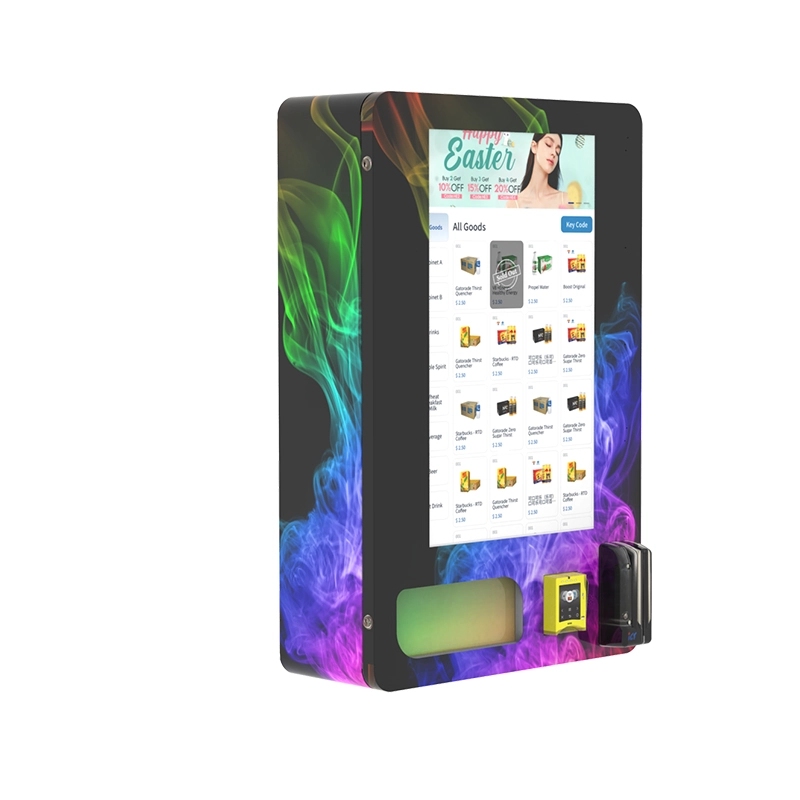
We moved to an advanced system from Zhongda Smart two years ago and saw our field service calls drop by 60%. The ability to push a firmware fix remotely instead of sending a technician to a machine in a remote gas station is a massive cost saver.
Age Verification: The Non-Negotiable Feature
If you are selling nicotine products through a vending machine, age verification is not optional. It is the difference between a legal operation and a lawsuit. I have seen operators try to skirt this with a simple "press to confirm you are 21" button. That is not verification. That is a liability.
We install age verification vending machines that scan a driver's license, check the barcode, validate the date of birth, and store the transaction record. The cloud dashboard logs every scan. If a regulator asks for proof of compliance, you have a timestamped, auditable trail. Without that, you are one sting operation away from losing your business.
I have a client in Florida who was audited by the state. Because his machine recorded every ID scan and matched it to a sale, he passed with no fines. The operator down the street with a manual button system got hit with a $10,000 penalty. The software paid for itself a hundred times over in that single moment.
Payment Systems and the Cashless Shift
Cash is dying in vending. Our data shows that 87% of transactions on our machines are cashless—credit cards, mobile wallets, or tap-to-pay. The cloud dashboard must support multiple payment gateways and handle fallback if one processor goes down. We have seen machines in busy locations lose $300 in a single night because the card reader failed and there was no backup.
A good API will let you switch payment providers without a hardware swap. That flexibility is critical when you are scaling across states with different tax rules and processor requirements. We have integrated with Stripe, Square, and several regional processors. The dashboard handles the routing automatically.
Inventory Management: The Profit Killer Nobody Talks About
The biggest margin killer in vape vending is expired or stale inventory. Disposable vapes have a shelf life. E-liquid degrades. If you do not rotate stock based on real sales data, you are throwing money away. I have walked into warehouses where operators had thousands of dollars in expired product because they guessed wrong on flavors.
The cloud dashboard should track batch numbers and expiration dates. When you load a machine, you scan the barcode. The system knows when that batch expires and will alert you to pull it or discount it before it goes bad. We integrated this feature after a client lost $4,000 in expired inventory in one quarter. After implementing batch tracking, his waste dropped to under 2%.
Pricing Dynamics and Dynamic Margins
One advantage of a software-controlled machine is dynamic pricing. You can raise prices during peak hours or lower them to clear slow-moving stock. I have a client who runs a machine in a college town. He bumps prices by 15% on Friday and Saturday nights. The dashboard lets him schedule those changes in advance. The API pushes the new prices to the machine at 6 PM and reverts them at 2 AM.
This is not price gouging. It is supply and demand. The customer sees the price on the screen and chooses to buy or walk. The data shows that demand is relatively inelastic for nicotine products during social hours. The result is a 12% revenue lift with no increase in costs.
Deployment Lessons from the Field
I have personally supervised the installation of over 300 vape vending machines. Here are the lessons that cost me money to learn:
- Location is everything, but location data is better. We now use foot traffic analysis tools before placing a machine. A busy bar does not always mean high vape sales. We look for places where people stay for more than 30 minutes and have limited access to a retail counter.
- Wi-Fi is unreliable. Cellular backup is mandatory. We lost a machine in a basement bar for three days because the Wi-Fi went down and there was no fallback. Now every machine we ship has a cellular modem as primary or backup.
- Firmware updates need to be bulletproof. We bricked a machine once during a remote update. The fix required a technician visit and a new motherboard. Now we use a dual-partition system that allows rollback if an update fails.
- Customer support matters more than the hardware. When a machine goes down at 10 PM on a Saturday, you need someone who can answer the phone. We provide 24/7 support for our cloud dashboard. The cost is baked into the software fee, and it saves operators thousands in lost weekend sales.
Choosing the Right Manufacturer
Not all vape vending machine manufacturers understand software. Many are metal benders who bought a white-label dashboard from a third party. When something breaks, they have no ability to fix it. You want a partner who writes their own code and builds their own cabinets. That vertical integration means faster updates, better support, and a system that actually works together.
We work with Zhongda Smart because they have been in this business for over a decade and control the entire stack. Their ID scan vending machine is the most reliable unit we have deployed. The software integration is seamless, and their API documentation is actually readable—which is rare in this industry.
Long-Term Strategy: Scaling Beyond a Single Machine
If you are reading this and thinking about buying one machine to test the waters, that is fine. But the real money comes from scaling to ten, twenty, or fifty machines. That is where the cloud dashboard becomes essential. You cannot manage a fleet of machines with spreadsheets and phone calls. You need a single pane of glass that shows you the health of every unit, the inventory levels, and the revenue trends.
We have operators running 30 machines across three states. They manage everything from a laptop or a tablet. The API feeds data into their accounting system automatically. They have automated restocking routes based on machine alerts. They have reduced labor costs by 40% compared to operators who do not use a centralized dashboard.
Risk Management and Contingency Planning
Every vending machine operator will face a crisis. A machine gets vandalized. A payment processor goes bankrupt. A new regulation bans a product category. The software should help you pivot fast. We have seen operators switch entire product lines in a weekend because the dashboard allowed them to remotely update the product catalog and pricing.
One of our clients had to pull all nicotine products from a machine in a state that changed its age verification law. He swapped to CBD gummies and nicotine-free disposables in 48 hours. The machine kept running, the location kept earning commission, and he did not lose a single day of revenue. That kind of agility is only possible with a software-first approach.
Frequently Asked Questions
What is the average cost of a vape vending machine with cloud software?
Can I use my own payment processor with the cloud dashboard?
How does age verification work on a vape vending machine?
What happens if the internet connection goes down?
How long does it take to recoup the investment?
Final Thoughts from the Factory Floor
I have been in this industry long enough to see trends come and go. The one constant is that operators who treat their vending machines as connected devices, not just metal boxes, are the ones who survive market shifts and regulatory changes. The cloud dashboard and API are not optional features. They are the foundation of a modern vape vending operation.
If you are serious about building a profitable route, start with the software. Choose a manufacturer that writes their own code and supports their hardware. Test the dashboard before you buy the machine. Ask for API documentation. Demand real-time data. The cost of a good system is negligible compared to the cost of downtime, expired inventory, or a regulatory fine. I have seen the difference firsthand, and it is the difference between a side hustle and a real business.
For more technical details on our specific hardware and software integration, visit our vape vending machine page or check out the ROI case study from a real deployment.
Sources:
Meta Description: Expert guide on vape vending machine software with cloud dashboard and API integration. Real deployment data, cost breakdowns, and age verification insights from a 15-year manufacturer.