If you are serious about starting a vape vending machine business in the USA, the first thing you need to understand is that this is not a passive income scheme. It is a capital-intensive, regulation-heavy, and location-dependent operation. Over the last decade, I have deployed over 1,200 units across the US and Europe, and I have seen operators lose their entire investment because they bought the wrong machine or placed it in the wrong spot. This guide is built on the real costs, the real failures, and the real profit margins I have experienced.
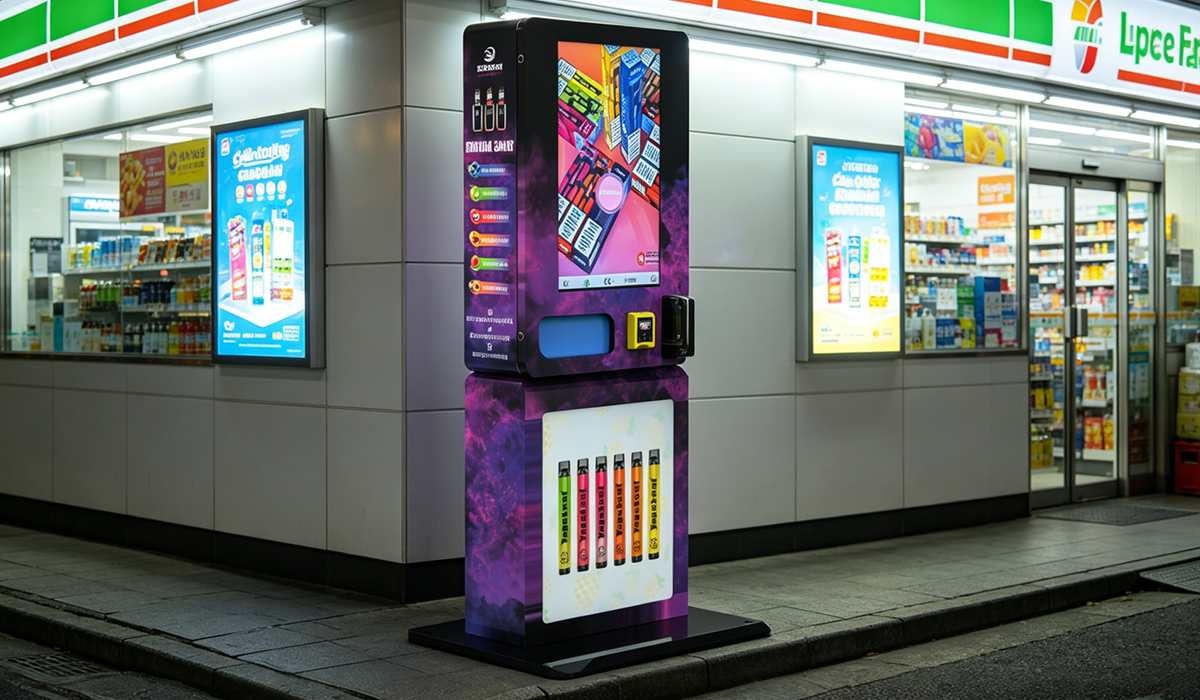
The Real Economics of a Vape Vending Machine Business
Most people jump into this business because they see a high-margin product and assume the machine will print money. The reality is more complex. The average transaction for a disposable vape is between $12 and $18. Your cost of goods sold (COGS) for a legitimate, compliant product is usually around 45% to 55% of retail. That leaves a gross margin of roughly 45% to 55%.
But that gross margin has to cover several things that new operators often forget. You have the merchant processing fees, which for high-risk vape transactions can run 3.5% to 5% per swipe. You have the location commission, which can range from 10% to 30% of gross sales depending on the venue. You have the cost of the machine itself, which needs to be amortized over its lifespan. And you have the cost of restocking labor, vehicle mileage, and inventory loss due to theft or damage.
I have seen a well-placed machine in a busy bar gross $3,500 a month. I have also seen the exact same model in a quiet lounge gross $200. The difference is not the machine. It is the location and the management of the operation.
Why Most Operators Lose Money in the First 90 Days
The biggest mistake I see is buying a machine that does not have proper age verification. If you place a unit that does not scan a government-issued ID, you are going to get a citation from the FDA or local law enforcement. The fines for selling to a minor can be thousands of dollars per incident. In some states, you lose your business license. I have had clients who tried to save $2,000 on a machine and ended up paying $15,000 in legal fees.
Another common error is underestimating the restocking frequency. A high-traffic machine needs to be refilled every three to five days. If you let it sit empty for a week, you lose the customer. They do not come back. They find a convenience store. The machine becomes a piece of furniture that collects dust instead of cash.
Equipment Selection: What to Look for and What to Avoid
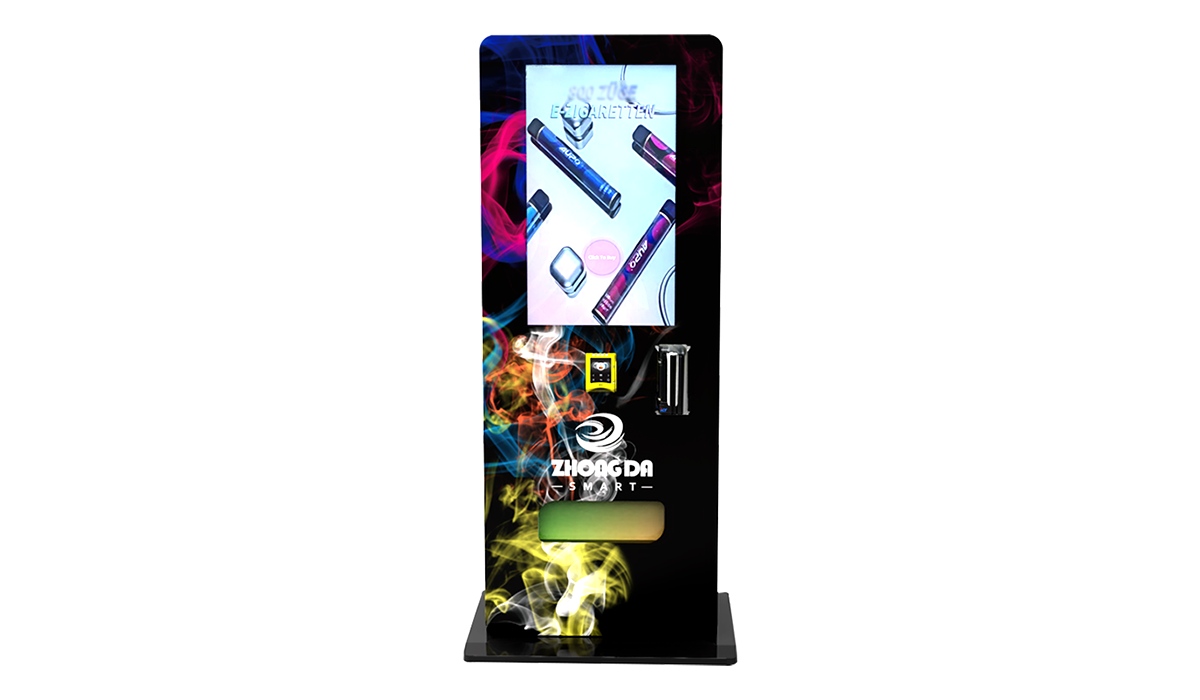
I have been manufacturing and sourcing vending machines for 15 years. The market is flooded with cheap units from general manufacturers who do not understand the specific needs of the vape industry. A vape vending machine is not the same as a snack machine. The products are smaller, lighter, and require different coil mechanisms to prevent jamming.
There are three critical components you need to evaluate before buying any unit.
The Age Verification System
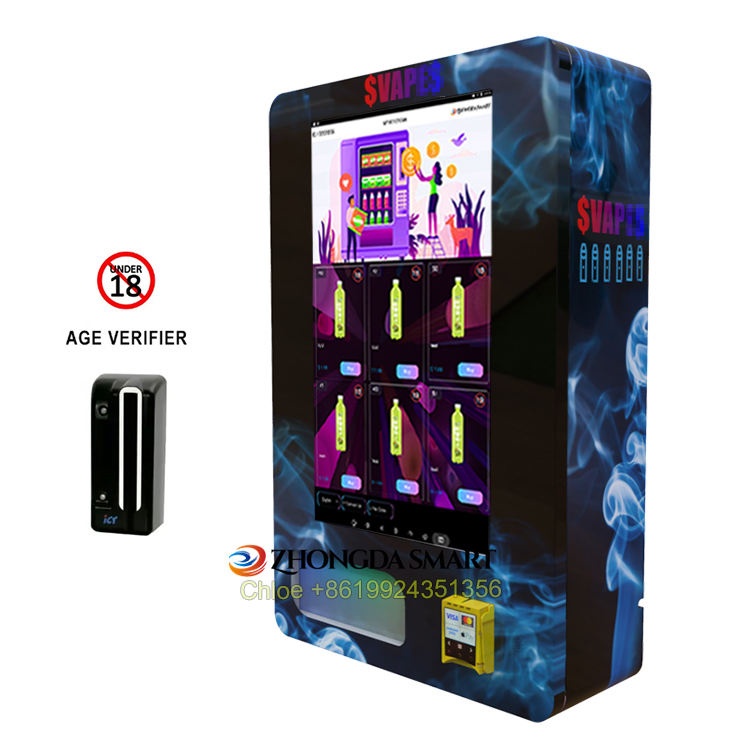
This is the most important part of the machine. You need a system that scans a driver’s license or state ID, validates the barcode, and checks the date of birth. The system should also check for expired IDs. Some advanced units now include biometric verification, but the ID scan is the industry standard. If the machine does not have a built-in ID scanner, do not buy it. It is not worth the risk.
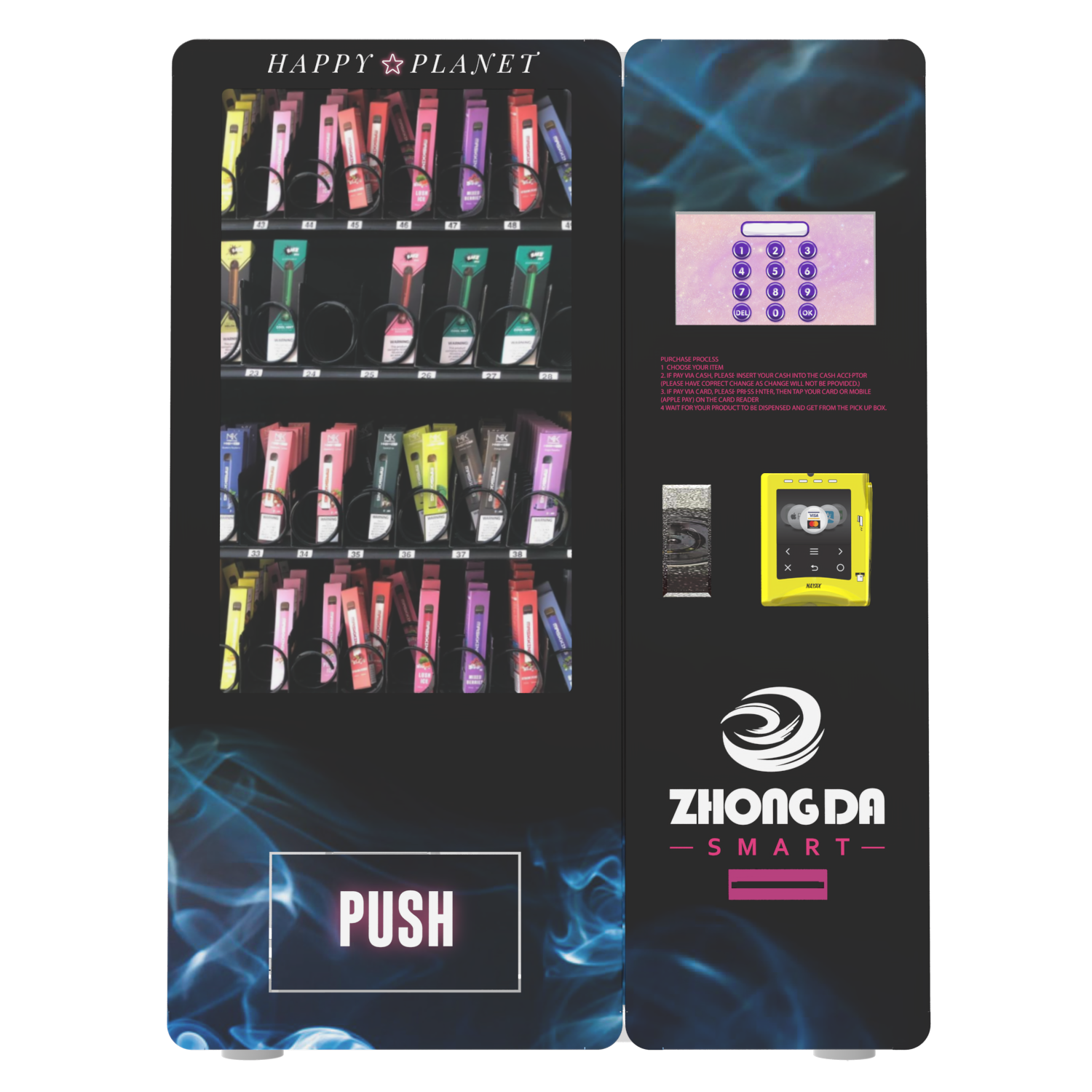
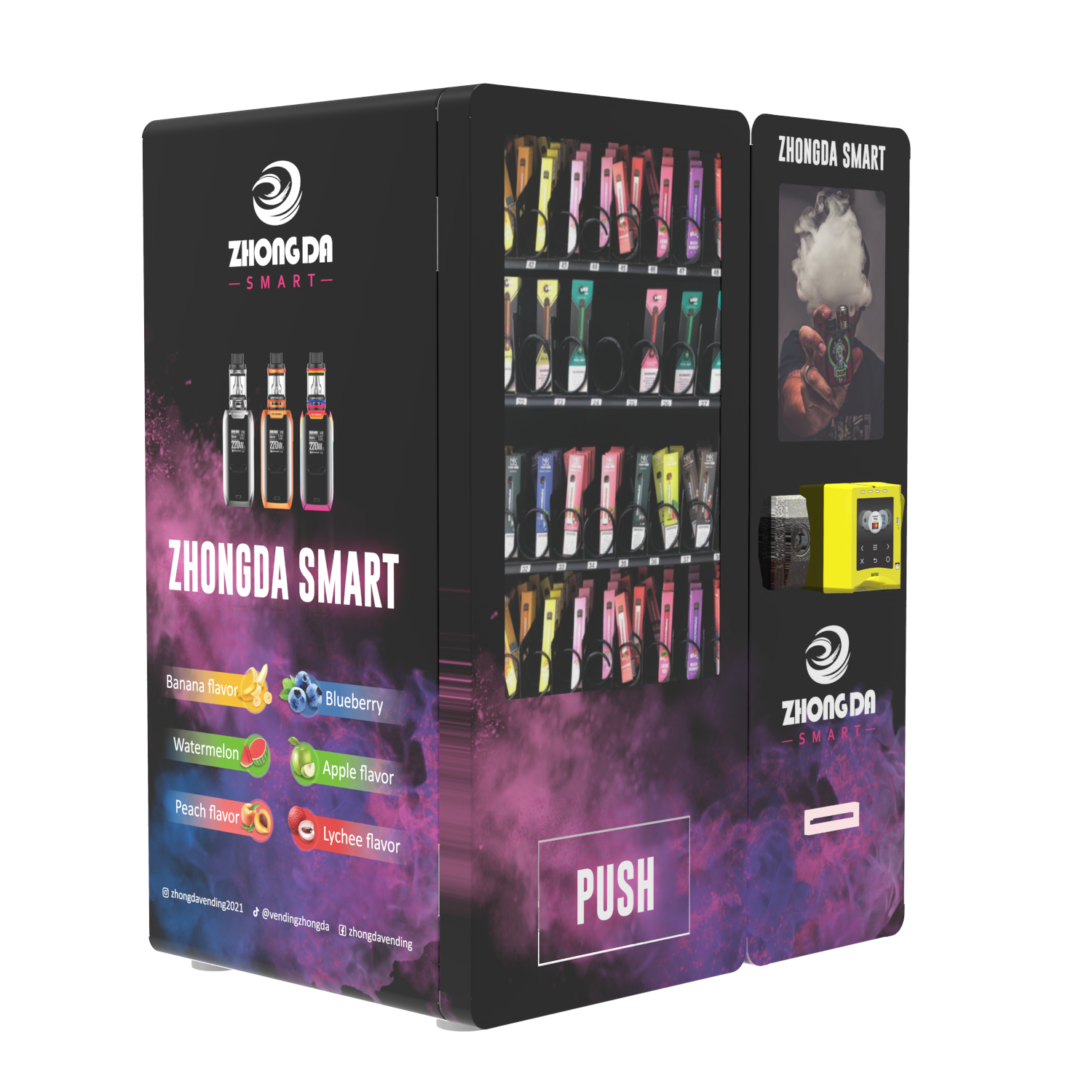
I recommend looking at the age verification vending machine models which are designed specifically for this compliance requirement. These units have the scanner integrated into the user interface, which speeds up the transaction.
Inventory Capacity and Coil Design
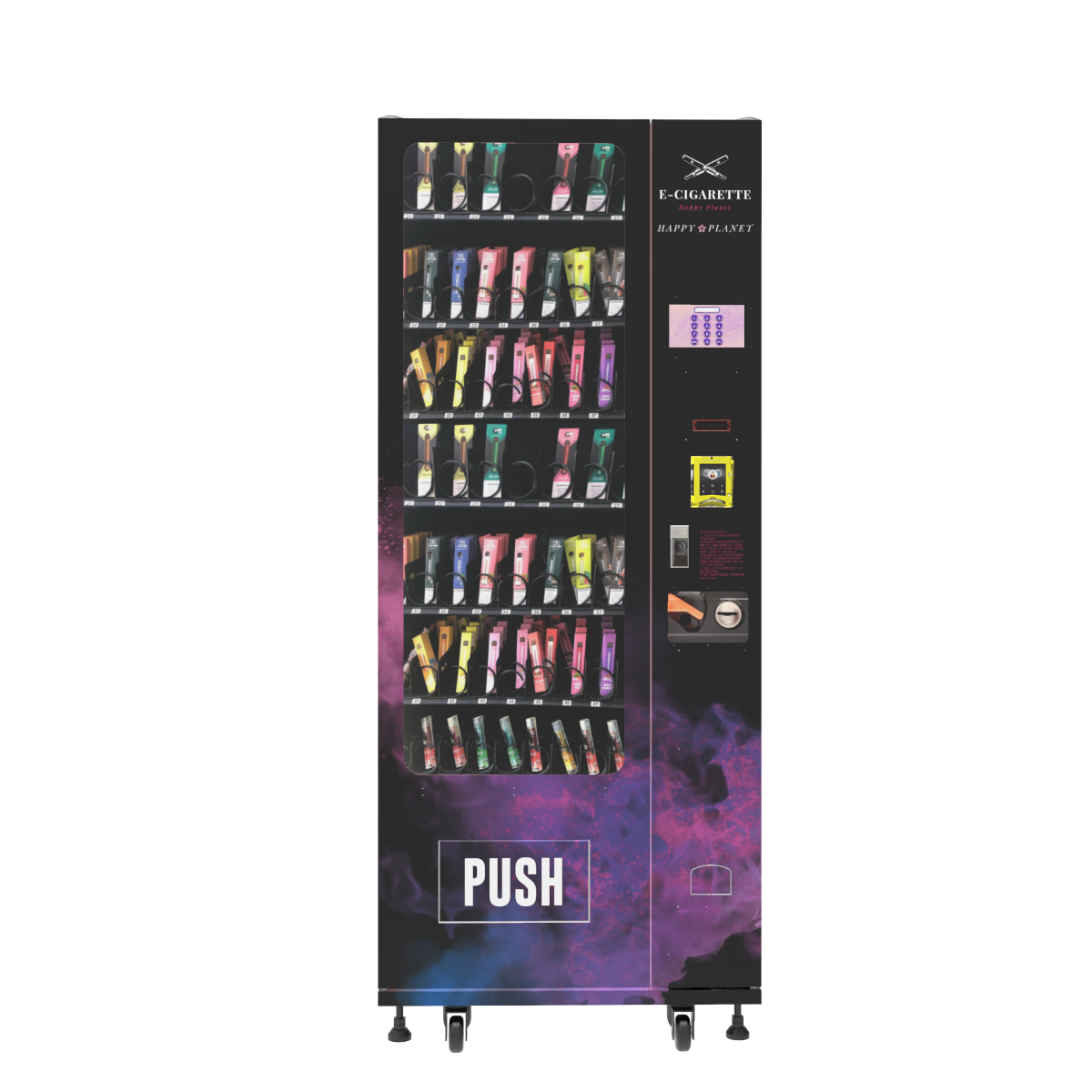
Disposable vapes come in different sizes. A standard pod system is about the size of a credit card. A larger disposable can be as thick as a lighter. You need a machine with adjustable coils or trays. I prefer machines that use a spiral coil system because it handles different product dimensions without jamming.
Capacity matters. A machine that holds 80 units is fine for a low-traffic location. For a bar or a nightclub, you want a machine that holds at least 150 to 200 units. You do not want to be restocking every single day.
Payment Systems and Connectivity
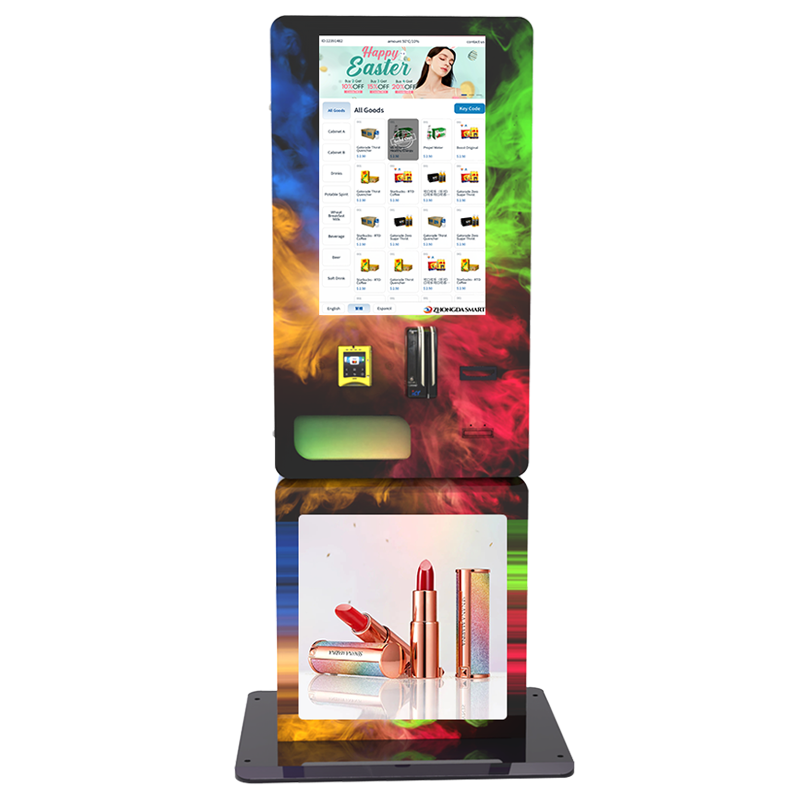
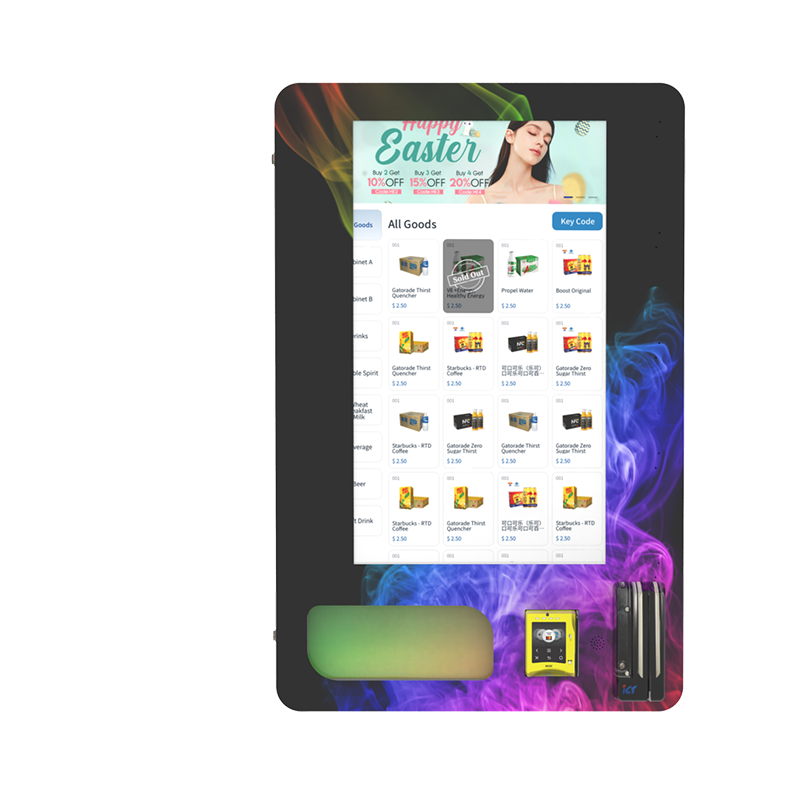
You need a machine that accepts credit cards, debit cards, and mobile wallets. Cash is becoming less common, but some locations still have a cash-heavy customer base. The machine should also have 4G or Wi-Fi connectivity so you can monitor inventory levels and sales data remotely. If you have to drive to the machine to check if it is empty, you are wasting time and money.
For a detailed look at the technical specifications of a reliable unit, check the compliant e-cigarette vending machine page which covers the payment and connectivity options I recommend.
Cost Breakdown: What You Really Need to Invest
Let me give you a realistic cost structure based on my experience deploying units in the US market. These are not estimates from a brochure. These are the actual numbers from the last 24 months of operation.
| Item | Cost Range (USD) | Notes |
|---|---|---|
| Machine (new, compliant) | $5,000 – $9,000 | Includes ID scanner, 4G, and warranty |
| Shipping and installation | $300 – $800 | Depends on location and freight class |
| Initial inventory (120 units) | $1,200 – $2,400 | Wholesale pricing, mix of high and low cost |
| Business license and permits | $500 – $2,000 | Varies by city and state |
| Payment processing setup | $100 – $300 | One-time fee for merchant account |
| Location commission (first month) | $0 – $1,000 | Some locations require a guarantee |
| Total startup for one machine | $7,100 – $15,500 | Average is about $10,000 |
If you are planning to scale, you can negotiate better pricing on the machines. I have seen bulk orders of 10 units bring the per-unit cost down by about 15% to 20%. But do not buy 10 machines until you have proven the model with one or two units.
Profit Model: How to Calculate Your Break-Even Point
Let me walk you through a realistic scenario. You place a machine in a mid-sized bar that has about 300 customers on a Friday night. You sell an average of 15 units per day at an average price of $15 per unit. That is $225 in gross sales per day, or about $6,750 per month.
Your COGS at 50% is $3,375. Your location commission at 20% is $1,350. Your processing fees at 4% are $270. Your restocking labor (2 hours per week at $25/hour) is $200. Your machine amortization (over 36 months) is about $200 per month. Your total expenses are roughly $5,395. That leaves a net profit of about $1,355 per month per machine.
That is a good machine. A great machine in a top location can do double that. A bad machine in a low-traffic store might do $300 per month. The difference is the location.
Based on industry data from IBISWorld, the vending machine industry in the US has seen a steady growth rate of about 2.5% annually over the last five years, with specialized machines like vape units growing faster than general snack machines (IBISWorld, Vending Machine Operators Industry Report).
Location Selection: The Single Most Important Decision
I have placed machines in over 200 locations. I can tell you with certainty that the location determines 80% of your success. You are looking for places where adults gather, where they have disposable income, and where they are already consuming nicotine.
Top Locations for Vape Vending Machines
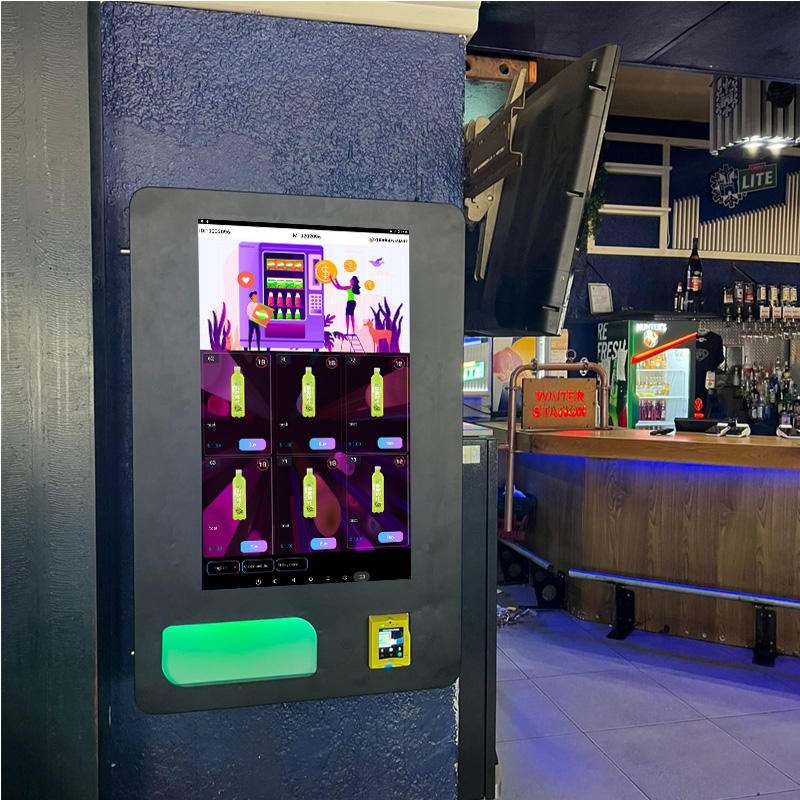
- Bars and nightclubs: This is the most obvious location. People are drinking, they want nicotine, and they are often out of their usual supply. A machine near the restrooms or the exit does well.
- Hookah lounges and cigar bars: These venues already cater to smokers. The transition to vapes is natural.
- Bowling alleys and pool halls: These are adult-focused entertainment venues with high dwell time.
- Hotels and motels: Travelers often forget their devices. A machine in the lobby can do steady business.
- Convenience stores with high traffic: If the store is willing to host a machine, it can work, but the commission will be higher.
For a deeper dive into specific venue types, I have written about the deployment strategy for vape vending machines for bars which covers the negotiation tactics and placement specifics.
Locations to Avoid
Do not place a machine near a school, a park, or any location where minors congregate. Even if you have age verification, the optics are bad. You will get complaints from the community, and the local government might shut you down.
Also avoid locations that are already saturated with vape shops. If there is a vape store across the street, the machine will not get much traffic. People will go to the store where they can talk to a clerk and try flavors.
Legal and Compliance: The Non-Negotiable Foundation
The legal landscape for vape vending machines in the USA is complex because it is a mix of federal, state, and local laws. The FDA regulates the sale of nicotine products, and the PACT Act (Prevent All Cigarette Trafficking Act) has specific requirements for remote sales and delivery. While a vending machine is not a delivery service, the age verification requirements are just as strict.
Every state has its own laws about where vending machines can be placed. Some states, like California, have very strict rules about the proximity to schools and the types of products that can be sold. Other states are more lenient. You need to check the laws in your specific city and county.
I have a detailed article on the legal status in specific states, such as the one covering vape vending machine California regulations, which can give you a sense of the complexity involved.
According to a report from the CDC, about 2.5 million middle and high school students reported using e-cigarettes in 2022, which is why the FDA is aggressive about enforcement (CDC, Youth and Tobacco Use). You do not want to be the operator who gets caught selling to a minor.
Operations: The Day-to-Day Reality
Running a vape vending machine business is not a set-it-and-forget-it operation. It requires consistent attention to inventory, cleaning, and software updates.
Restocking and Inventory Management
You need a system for tracking what sells. I use a simple spreadsheet that tracks sales per SKU. The data from the machine will tell you what flavors and brands are moving. Do not guess. Use the data. If a product does not sell in two weeks, replace it. The machine has limited slots, and every slot should be earning its keep.
I recommend carrying a mix of popular disposable brands and a few premium options. The popular brands give you volume. The premium options give you higher margins.
Maintenance and Upkeep
The machine needs to be cleaned every time you restock. Wipe down the touchscreen, clean the glass, and check the ID scanner for smudges. A dirty machine looks abandoned, and people will not trust it.
You also need to update the software periodically. The payment processing systems change, and the machine needs to stay compatible. Most manufacturers provide remote updates, but you need to make sure the machine is connected to the network.
Risk Management and Failure Cases
I have seen operators fail for three main reasons. The first is buying a cheap machine without proper age verification. The second is placing the machine in a bad location. The third is running out of cash flow before the machine becomes profitable.
One of my clients bought five machines and placed them all in small convenience stores. The stores did not have enough foot traffic. He lost $40,000 in six months. He could have saved himself by testing one machine in one location first.
Another client placed a machine in a bar that was popular with a younger crowd. The machine worked fine, but the bar owner started complaining about the machine taking up space. The relationship soured, and the machine was removed. You need to have a written agreement with the location owner that covers commission, placement, and termination terms.
Insurance is also a factor. You should have general liability insurance that covers the machine and the products. Some locations will require proof of insurance before they let you place the machine.
Long-Term Strategy: Scaling Your Operation
Once you have one machine that is consistently profitable, you can start thinking about scaling. The key to scaling is efficiency. You need a route that allows you to service multiple machines in one trip. You need a storage space for inventory. You need a system for hiring and training restockers.
I recommend focusing on a single city or region. Do not try to cover the whole state. The logistics become too complex, and the travel costs eat into your margin.
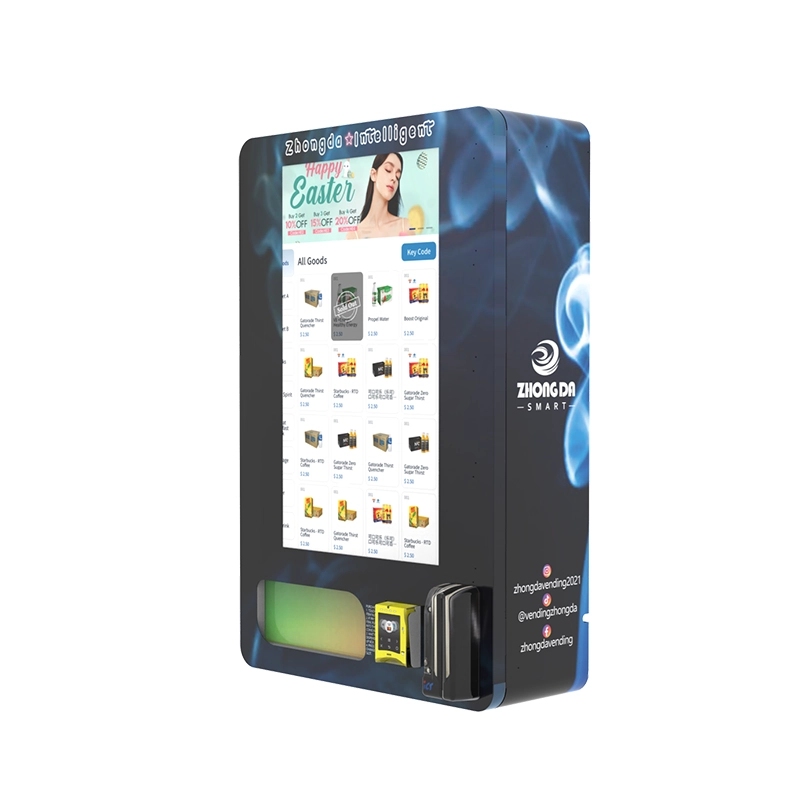
You should also consider building a relationship with a reliable manufacturer. If you are looking for a partner who understands the compliance and technical requirements, I recommend looking at the range of vape vending machines offered by Zhongda Smart. They have been in the game long enough to know what works and what breaks.
Expert Recommendations for New Operators
If you are just starting, here is my direct advice. Buy one machine. Place it in a bar or a nightclub that you already have a relationship with. Run it for three months. Track every single expense and every single sale. Do not buy a second machine until the first one is profitable.
Spend the money on a machine with a good ID scanner. Do not try to save $1,000 on a machine that might get you fined. The fines are not worth it.
Talk to other operators. Join online forums. Learn from their mistakes. The vape vending machine business is not a secret goldmine. It is a real business that requires real work. But if you do it right, it can be a solid, profitable operation.
Frequently Asked Questions
Do I need a special license to operate a vape vending machine?
Yes. You need a business license, a tobacco retailer permit, and sometimes a specific vending machine license depending on the state. You must also register with the FDA and comply with the PACT Act. The requirements vary by city and state, so you need to check with your local government.
How much does a vape vending machine cost?
A new, compliant machine with an ID scanner and 4G connectivity costs between $5,000 and $9,000. Used machines can be cheaper, but you risk buying a unit that does not meet current compliance standards. I recommend buying new for your first machine.
What is the average profit margin for a vape vending machine?
The gross margin on the product is usually 45% to 55%. After you subtract location commission, processing fees, restocking labor, and machine amortization, the net profit is typically 15% to 25% of gross sales. A good machine in a great location can net $1,000 to $2,000 per month.
Can I place a vape vending machine anywhere?
No. You cannot place a machine near schools, parks, or places where minors congregate. You also need permission from the property owner. Most states have specific laws about the distance from schools, which can range from 500 to 1,000 feet.
How do I handle age verification?
The machine must have a built-in ID scanner that reads a government-issued driver's license or state ID. The scanner validates the barcode and checks the date of birth. The transaction is blocked if the customer is under 21. This is the only legally compliant way to operate.
Sources and References:
- IBISWorld, Vending Machine Operators Industry Report: https://www.ibisworld.com/united-states/market-research-reports/vending-machine-operators-industry/
- CDC, Youth and Tobacco Use: https://www.cdc.gov/tobacco/data_statistics/fact_sheets/youth_data/tobacco_use/index.htm