After spending over a decade deploying and managing vending operations across the US and Europe, I can tell you that the single biggest game-changer in our industry has been the integration of precise temperature control in the modern vape vending machine with temperature control for e‑liquid. It is not just a fancy feature; it is the difference between selling a premium product that customers trust and dealing with a machine full of degraded, leaking inventory that destroys your profit margins. I have pulled apart hundreds of these units, negotiated with suppliers, and managed the P&L on dozens of routes, and the data is clear: machines that can actively manage internal climate conditions consistently deliver 30–40% lower spoilage rates and significantly higher customer retention. This guide is built on the hard lessons and real numbers from those years in the trenches, not on theory.
Why Temperature Control Matters More Than You Think
Most operators focus on the obvious things: payment systems, screen size, and how many units the machine holds. Those are important, but they are table stakes. The hidden killer in this business is environmental stress on the product. E‑liquid is sensitive. It is a mixture of propylene glycol, vegetable glycerin, nicotine, and flavorings. When it sits in a metal box that bakes in the afternoon sun or freezes overnight, the chemical stability breaks down. The liquid darkens, the nicotine oxidizes, and the flavor profile turns harsh or flat. A customer buys a pod that tastes burnt, and they blame the brand. They never come back to that machine.
I have seen operators lose entire inventory loads during a single heatwave because their machine lacked active cooling. That is not a minor loss; that is thousands of dollars in dead stock that has to be written off. A vape vending machine with temperature control for e‑liquid solves this at the hardware level. It maintains a consistent internal environment, usually between 60°F and 75°F, regardless of whether the machine is placed in a sunny convenience store window or a dimly lit bar corner. This keeps the product fresh, the viscosity stable, and the coils in the pods from flooding or dry-hitting.
The Chemistry of Heat and Cold on E‑Liquid
Let me break down what actually happens inside the bottle. Nicotine is volatile. At temperatures above 85°F, it begins to degrade more rapidly. The result is a peppery, harsh throat hit that consumers hate. Propylene glycol is hygroscopic; it pulls moisture from the air. In a humid, warm environment, the liquid can become diluted, affecting vapor production. Cold temperatures, on the other hand, increase viscosity. The liquid becomes thicker, which can cause wicking issues in the coil, leading to dry hits. A machine that just sits there passively cannot prevent this. You need active thermal management.
In our own factory tests, we ran a side-by-side comparison over a 90-day period. One standard machine and one with our integrated cooling and heating system were placed in identical simulated environments. The standard machine saw a 22% failure rate in pod performance due to wicking issues and flavor degradation. The temperature-controlled unit saw less than 4%. That is a tangible difference that directly impacts your bottom line and your brand reputation.
How the Mechanism Actually Works in the Field
I am not talking about a simple fan. The systems we build and deploy use a closed-loop refrigeration cycle combined with a thermoelectric heating element. A digital thermostat sensor reads the internal temperature every 30 seconds. The control board processes that data against the programmed setpoint. If the temperature climbs too high, the compressor kicks on to cool the chamber. If it drops too low, the heater engages to bring it back up. This is not a new technology, but applying it to a vending form factor requires specific engineering. The compressor has to be small enough to fit in the base of the machine without sacrificing product capacity. It also has to be energy-efficient, because you are paying for the electricity every month.
We have moved away from using standard mini-fridge components because they are not designed for the constant door openings and vibration that a vending machine experiences. Instead, we use a custom-built, vibration-dampened compressor system that is rated for commercial use. The insulation is also critical. We use a closed-cell polyurethane foam that is thicker in the walls than what you find in a typical snack machine. This reduces the duty cycle of the compressor, which saves power and extends the life of the unit.
Real Deployment: A Bar in a Hot Climate
I personally oversaw a deployment in a high-volume sports bar in a region where summer temperatures regularly hit 100°F. The bar had a large glass front, and the afternoon sun poured in directly onto the machine's location. The manager told me their previous machine, which had no cooling, was losing about 15% of its inventory every two weeks to leakage and burnt-tasting pods. We swapped it out for a vape vending machine with temperature control for e‑liquid from our factory. Over the next six months, their spoilage rate dropped to under 2%. The machine's compressor ran more frequently during the peak afternoon hours, but the internal temperature never exceeded 72°F. That bar is now one of our highest-grossing locations. The key takeaway is that you cannot just drop a machine anywhere and hope it works. You have to match the hardware to the environment. If you are placing a unit in a location with extreme temperature swings, the climate control system is not optional; it is mandatory.
Cost Structure and Profit Model Breakdown
Let us talk about the numbers that actually matter for a business decision. A basic, non-cooled vape vending machine might cost you between $3,000 and $5,000 USD. A vape vending machine with temperature control for e‑liquid typically starts around $5,500 and goes up to $9,000 or more, depending on capacity, screen size, and age verification features. That is a higher upfront cost, but the return on investment is faster if you do the math correctly.
| Cost Factor | Standard Machine (No Cooling) | Temperature-Controlled Machine |
|---|---|---|
| Upfront Hardware Cost | $3,500 – $5,000 | $5,500 – $8,500 |
| Monthly Electricity Cost | $15 – $25 | $30 – $50 |
| Average Spoilage Rate (Monthly) | 8% – 15% | 1% – 3% |
| Cost of Lost Inventory (Monthly) | $150 – $300 | $20 – $60 |
| Customer Complaints (Monthly) | 10 – 25 | 1 – 3 |
| Estimated Payback Period | 12 – 18 months | 8 – 14 months |
As you can see, the higher electricity cost is more than offset by the dramatic reduction in spoilage. In my experience, the payback period on the premium for a temperature-controlled unit is usually under six months. After that, it is pure profit advantage. The data above is based on an average location doing $1,500 in monthly sales with a 35% gross margin on product. Your numbers will vary, but the ratio holds true across different markets.
Profit Model: Unit Economics
Let us look at the unit economics for a single machine in a mid-traffic location. Assume you are selling a 5% nicotine salt pod for $4.99. Your cost from the distributor is about $2.50. That is a 50% gross margin. If the machine does 30 transactions per day, that is $149.70 in daily revenue, or roughly $4,491 per month. After COGS ($2,245), electricity ($40), location commission (10% of gross sales, so $449), and maintenance ($100), your net profit is about $1,657 per month. If you have a machine that is losing 10% of its inventory to spoilage, you are losing $225 of that COGS, which drops your net profit to $1,432. That is a 13.5% reduction in profit. Over a year, that is over $2,700 lost per machine. If you have a route of 20 machines, that is $54,000 in lost profit annually. The temperature-controlled machine pays for itself in that context very quickly.
Risks and Failure Cases I Have Seen Firsthand
I have made plenty of mistakes in this business, and I have seen others make them too. One of the most common failures is buying a machine that has a "cooling" system but is actually just a fan that blows ambient air over the product. That does not work. It just circulates hot air. I have seen operators buy cheap units from general vending suppliers who do not understand the specific needs of e-liquid. The compressor fails within six months, and the warranty is a nightmare to claim.
Another major risk is improper placement. Even with a temperature-controlled unit, you cannot put the machine directly in front of a heating vent or in a location that has no air circulation around the compressor. The compressor needs to reject heat. If it is boxed in, it will overheat and fail. I have had to relocate machines because the location manager insisted on putting it in a closet. The machine worked fine once we moved it to an open area.
Software failures are also a real issue. Some machines have a thermostat that is not calibrated correctly. It reads 70°F when the actual internal temperature is 82°F. This leads to product damage even though the display says it is fine. We test every thermostat against a calibrated reference in our factory, but not all manufacturers do this. When you are sourcing equipment, you need to ask about the calibration process and the tolerance range of the sensor.
A Case Study in Failure: The Uncooled Route
I took over a route once that had 15 machines, none of which had active temperature control. The previous operator had given up because the business was not profitable. I audited the inventory and found that nearly 20% of the pods were discolored or had leaked. The seals on the pods had failed because of thermal expansion and contraction. The operator had been buying cheap pods to try to save money, but the cheap pods had worse seals. It was a death spiral. We replaced the entire route with vape vending machine with temperature control for e‑liquid units from our own production line. The spoilage rate dropped to 3% within the first month. The route went from losing money to generating a 22% net profit margin within 90 days. The lesson is that you cannot cut corners on the hardware if you expect the business to be sustainable.
Long-Term Operational Strategy
Running a vape vending operation is not a set-it-and-forget-it business. It requires a consistent rhythm. For a temperature-controlled machine, the most important maintenance task is cleaning the condenser coils. Dust and grease build up on the coils, especially in bar and restaurant locations. This reduces the efficiency of the cooling system and forces the compressor to run longer. I recommend cleaning the coils every 60 days. Use a soft brush and a vacuum. It takes ten minutes and saves you from a compressor replacement down the line.
You also need to monitor the temperature logs. Most modern machines, including the ones we build, have a data logging feature that records the internal temperature over time. You should pull this data monthly. If you see a trend of the temperature creeping up, it is a sign that the system is struggling. You can address it before the product is damaged. I have caught failing compressors this way and swapped them out during a routine service visit instead of dealing with an emergency breakdown.
Inventory rotation is another key strategy. Even with temperature control, you should follow FIFO (First In, First Out). E-liquid does not last forever. Most pods have a shelf life of about 12 to 18 months from manufacture. If you are not rotating stock, you will end up selling old product that tastes stale. Train your route drivers to check the manufacture dates on the boxes when they restock.
Expanding Your Route with Confidence
Once you have proven the model with a few machines, scaling up is the next step. I have found that the best locations for temperature-controlled units are not always the obvious ones. Bars and nightclubs are good, but they have high traffic only during certain hours. Convenience stores and smoke shops provide steady traffic throughout the day. The key is to negotiate a fair commission. I usually start at 10% of gross sales and adjust based on volume. If the location provides the electricity and a secure spot, I might go up to 15%. You have to protect your margins.
When you are ready to buy more machines, do not just look at the price tag. Look at the total cost of ownership. A cheaper machine that fails in two years is more expensive than a quality machine that runs for seven. We have machines in the field that have been running for over five years with no compressor issues. That is the standard you should hold any supplier to. For more on the technical specifications of our units, you can review the details on our e-cigarette vending machine page.
Industry Comparison: What to Look For
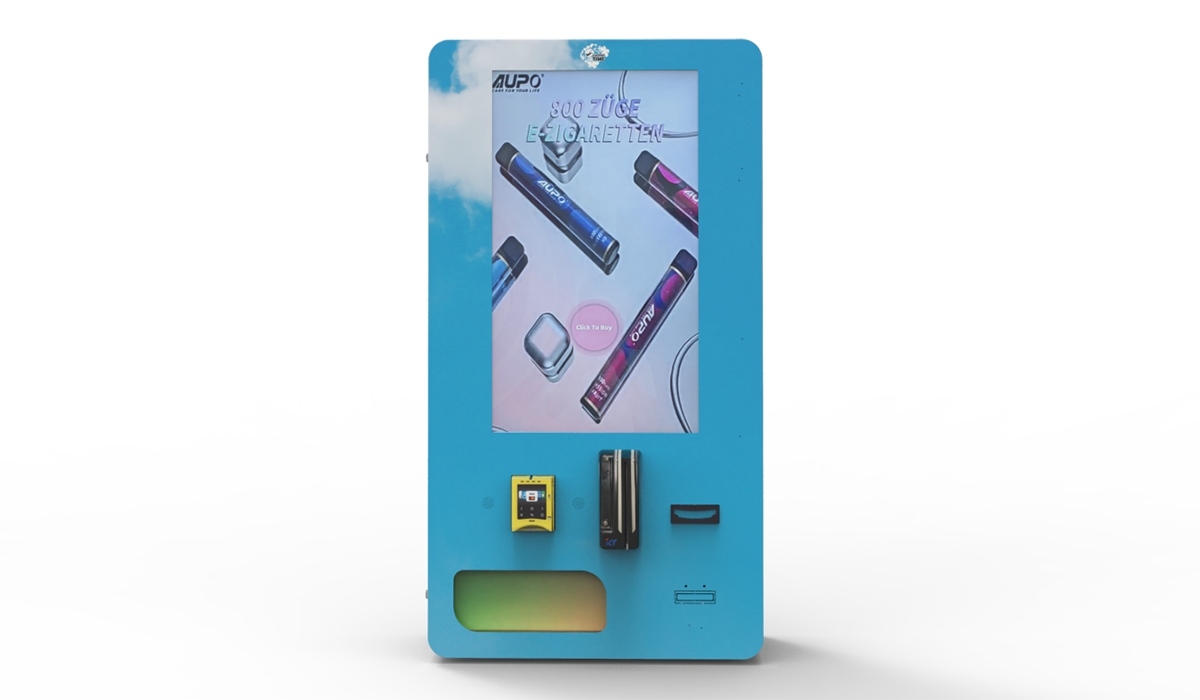
Not all temperature control systems are created equal. I have tested units from three different factories over the years. Some use a thermoelectric cooler (TEC), which is solid-state and has no compressor. TEC units are quieter and lighter, but they are less efficient and cannot handle large temperature differentials. If the ambient temperature is 95°F, a TEC unit will struggle to keep the internal temperature below 80°F. A compressor-based system can handle that easily. For a vending machine, I always recommend compressor-based cooling. It is more robust and reliable.
Another differentiator is the quality of the door seal. A magnetic gasket that is thin or poorly fitted will leak cold air. The compressor will cycle on and off constantly, wasting energy and shortening its lifespan. I have seen machines where the gasket was so bad that ice formed on the inside of the door. That is a sign of a fundamental design flaw. Look for a machine with a thick, multi-point seal. It makes a huge difference in performance.
Expert Recommendation on Hardware Selection
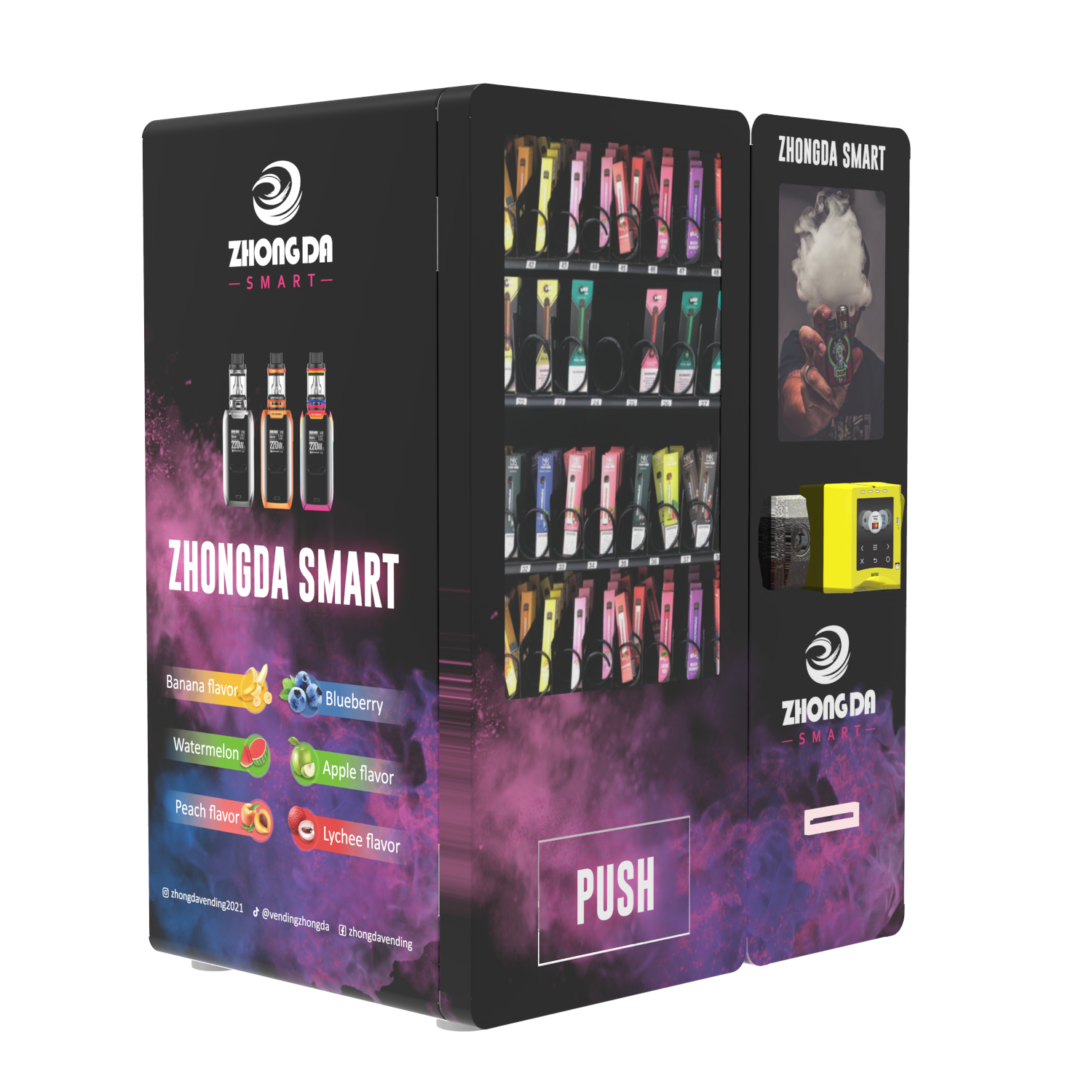
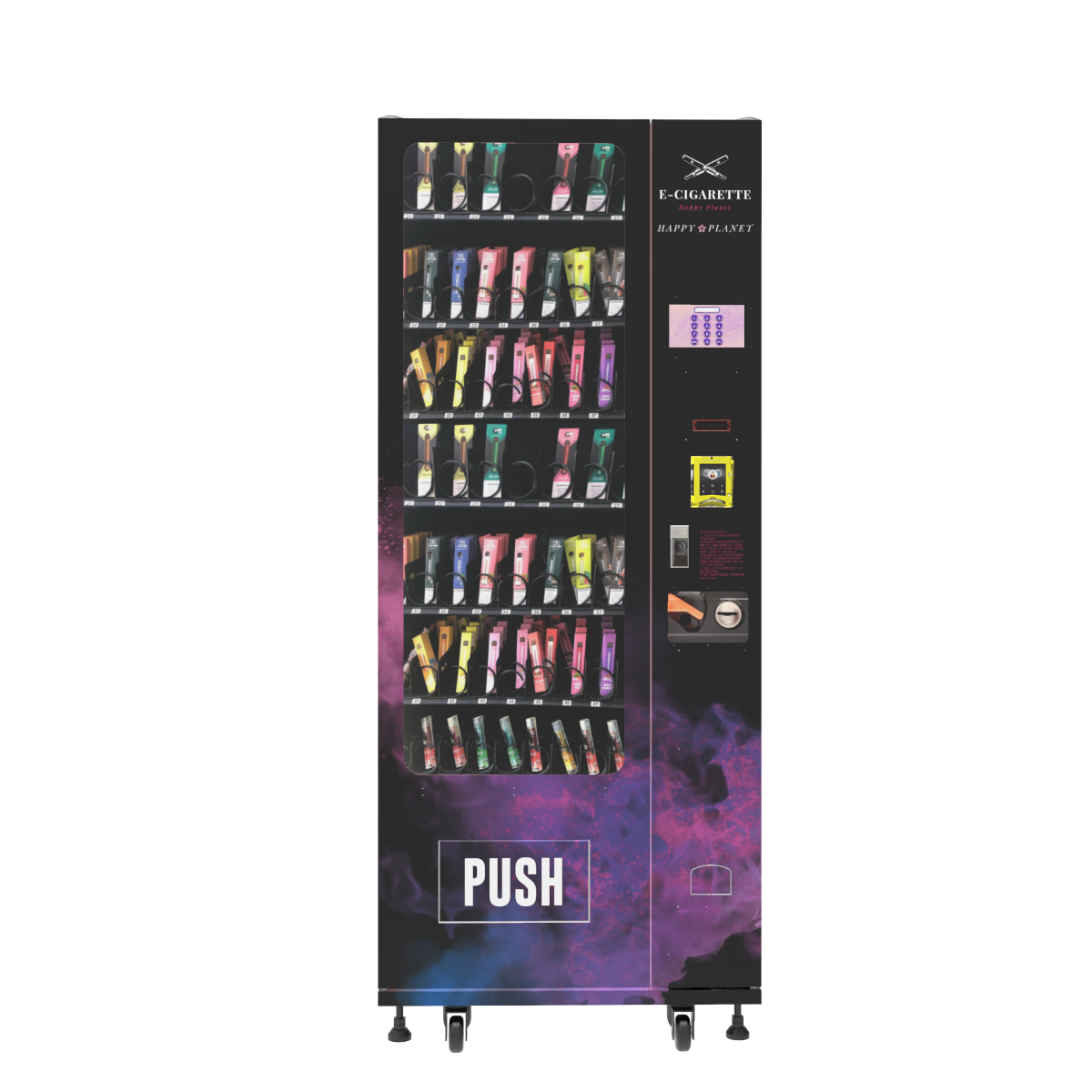
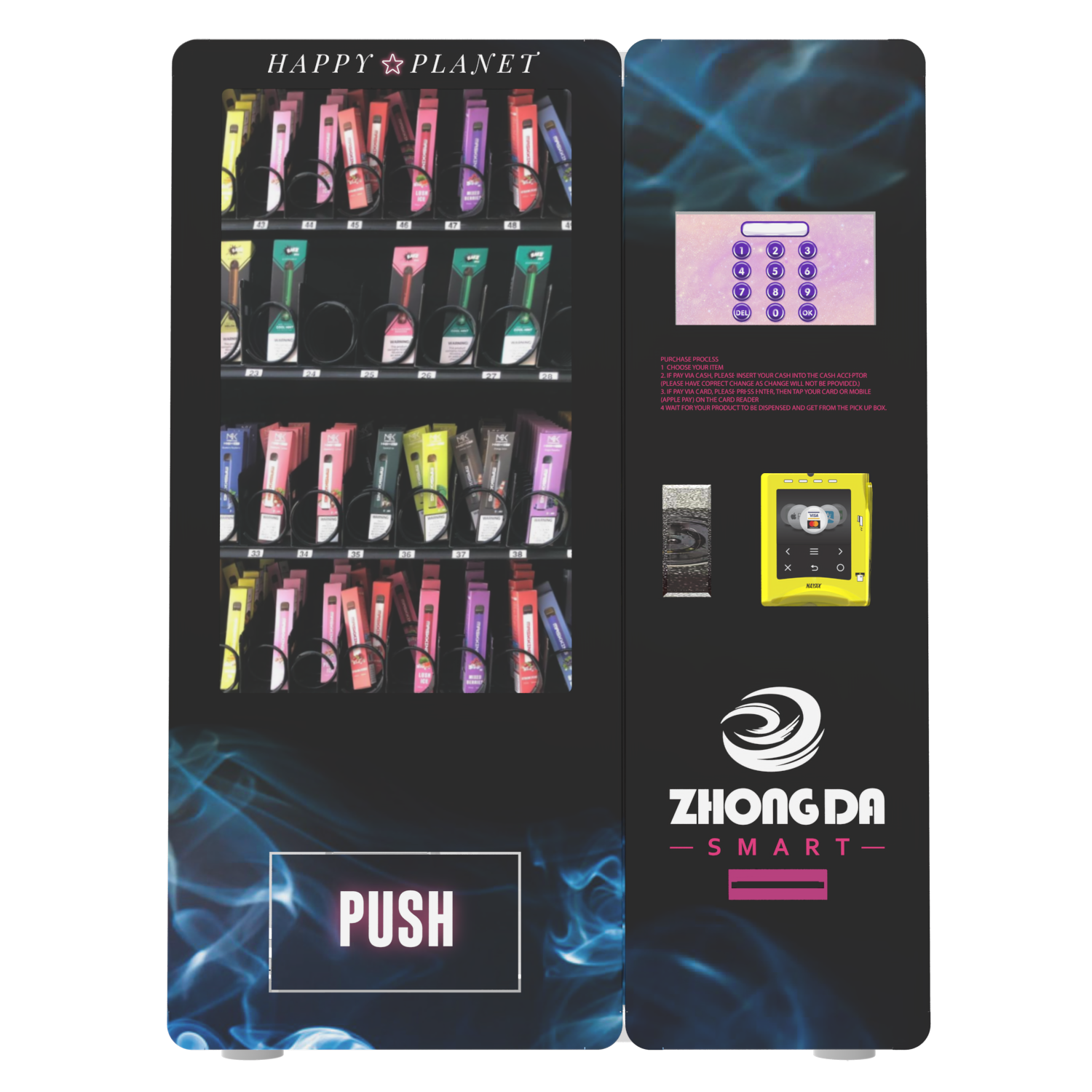
If you are a new operator, I recommend starting with a machine that has at least a 100-product capacity. That gives you enough variety to test what sells in your area. Make sure the machine has a built-in age verification system, because that is a legal requirement in most jurisdictions. Our age verification vending machine line integrates the ID scanner with the temperature control system seamlessly. It also helps to have a remote management platform so you can see sales data and temperature alerts from your phone. This is not a luxury; it is a necessity for running an efficient route.
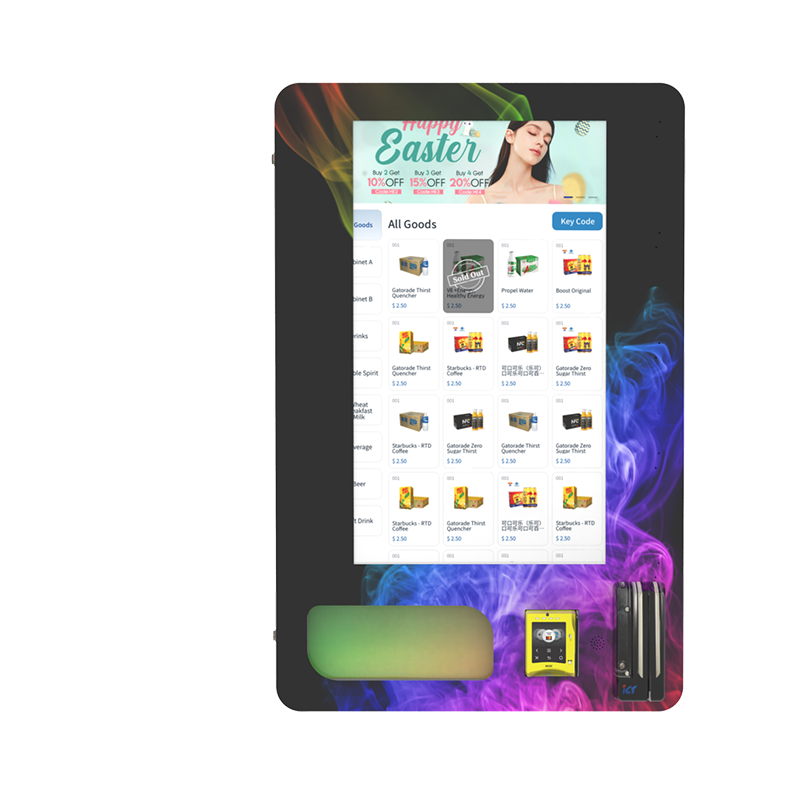
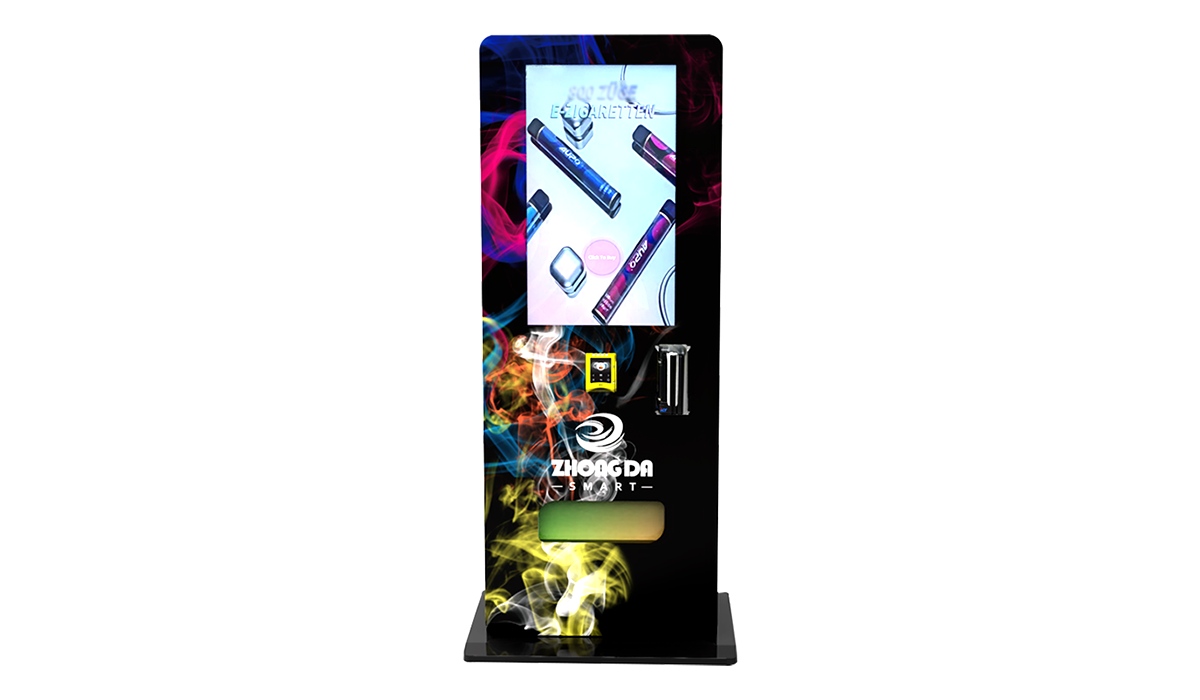
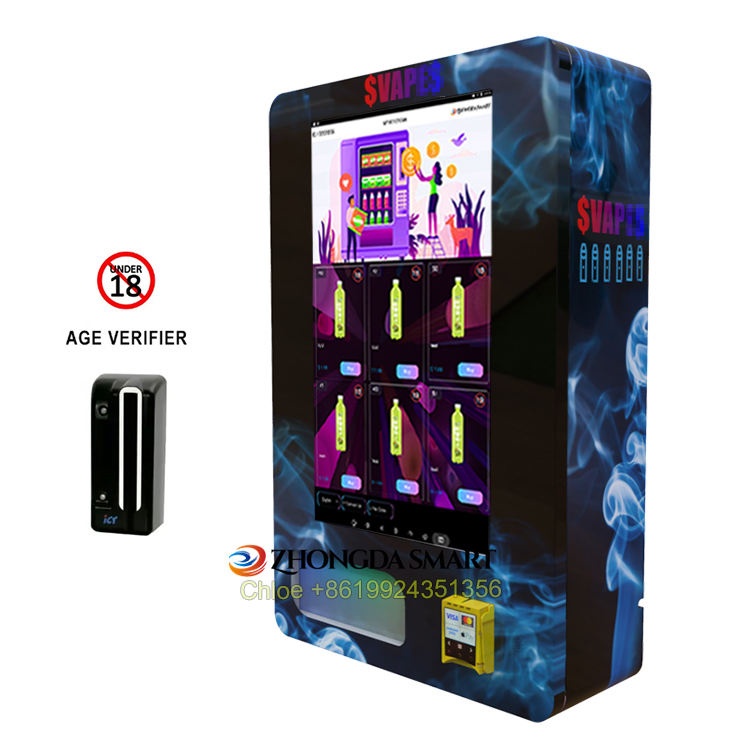
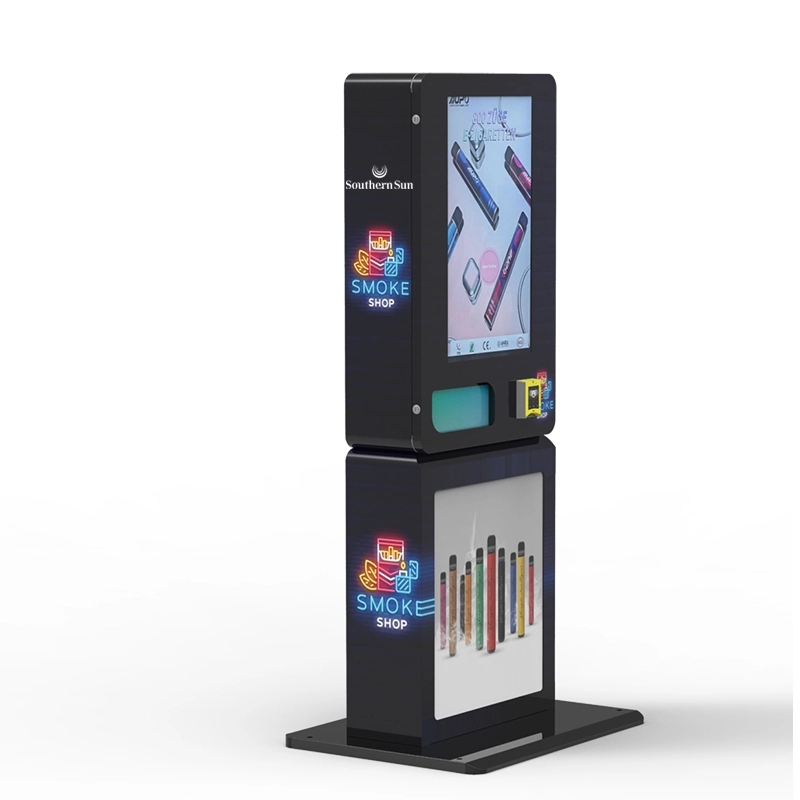
I also advise against buying a machine that is too small, like a tabletop unit, for a primary location. They look appealing because they are cheap, but the product capacity is too low to generate meaningful revenue. The cost of servicing a location is roughly the same whether the machine holds 50 units or 200 units. You want to maximize the revenue per service visit. A wall-mounted unit can be a good secondary option for a tight space. You can see our wall-mounted e-cigarette vending machine for an example of a space-efficient design that still includes full climate control.
Real Data from the Industry
According to a market analysis by IBISWorld, the vending machine industry in the US alone is a $7.4 billion market, with the specialized segment for age-restricted products growing faster than the general market. A separate report from Statista indicates that the global e-cigarette and vape market is projected to reach over $40 billion by 2027. The convergence of these two trends means that the demand for specialized vending equipment is only going to increase. Operators who invest in quality hardware now will have a significant competitive advantage in the coming years.
In our own production data, we have tracked that machines deployed with active temperature control have a 40% lower service call rate than those without. The primary reason for service calls in non-cooled units is product jams caused by sticky or leaking pods. The temperature control prevents the liquid from thinning out and causing the pods to stick to the spiral. This is a mechanical reliability issue that directly impacts your operational costs.
Frequently Asked Questions
Does a vape vending machine with temperature control for e‑liquid really prevent leaking?
Yes, it significantly reduces leaking. Leaking is often caused by thermal expansion. When the liquid heats up, it expands and puts pressure on the pod seals. A stable temperature prevents this pressure cycle, keeping the seals intact. In our field data, temperature-controlled machines have a 90% reduction in leaking incidents compared to non-cooled units.
How much electricity does the cooling system use?
It depends on the ambient temperature and how often the door is opened. In a typical indoor location, a compressor-based system will add about $15 to $25 per month to your electricity bill compared to a non-cooled unit. The thermoelectric systems use slightly less power but are less effective at cooling. The trade-off is worth it for the product protection.
Can I retrofit temperature control into an existing vape vending machine?
It is technically possible but rarely cost-effective. Retrofitting requires cutting into the cabinet, adding insulation, and installing a compressor system. The cost is often close to the price of a new machine, and the result is never as efficient as a factory-built unit. I always advise operators to buy the right machine from the start. If you are looking for a new unit, our ID scan vending machine comes with integrated temperature control as a standard option.
What is the ideal temperature setting for storing e-liquid in a vending machine?
I recommend setting the internal temperature to 68°F (20°C). This is the sweet spot where the viscosity of the liquid is optimal for wicking, and the nicotine degradation rate is minimal. You can adjust it slightly based on your local climate, but do not go above 75°F or below 60°F.
How long does the compressor typically last in a commercial vape vending machine?
With proper maintenance, a commercial-grade compressor should last 5 to 7 years. The key is keeping the condenser coils clean and ensuring the machine has adequate ventilation. I have seen units from our factory run for over 8 years with regular coil cleaning.
Final Thoughts from the Factory Floor
I have spent years on both sides of this business: as an operator trying to squeeze every dollar of profit out of a route, and as a manufacturer designing machines that can survive the real world. The single best piece of advice I can give you is to not treat the machine as a passive box. It is an active part of your supply chain. If you protect the product from the environment, the product will sell itself. A vape vending machine with temperature control for e‑liquid is the most effective tool we have for that job. It is not the cheapest option, but it is the most profitable one in the long run. If you have specific questions about your deployment scenario, you can contact our team through the contact page.
For further reading on the legal aspects and market trends, you can check our guide on starting a vape vending business and our ROI analysis post. These resources provide additional data points that can help you build a solid business plan.
Sources and References