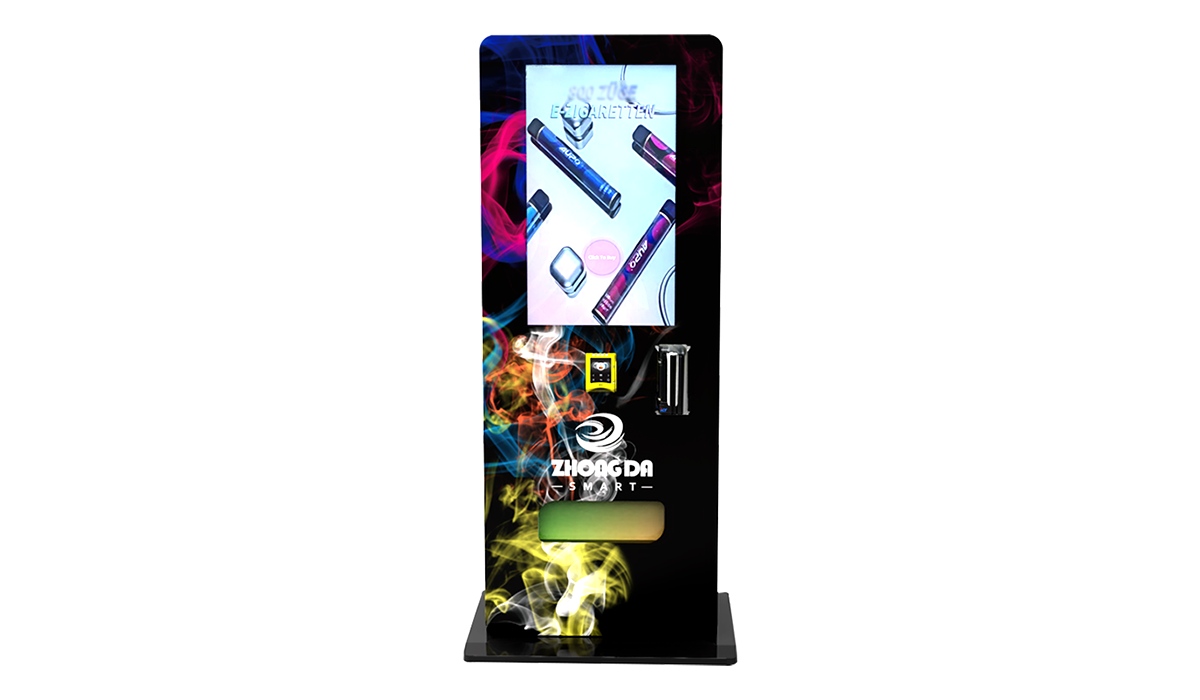
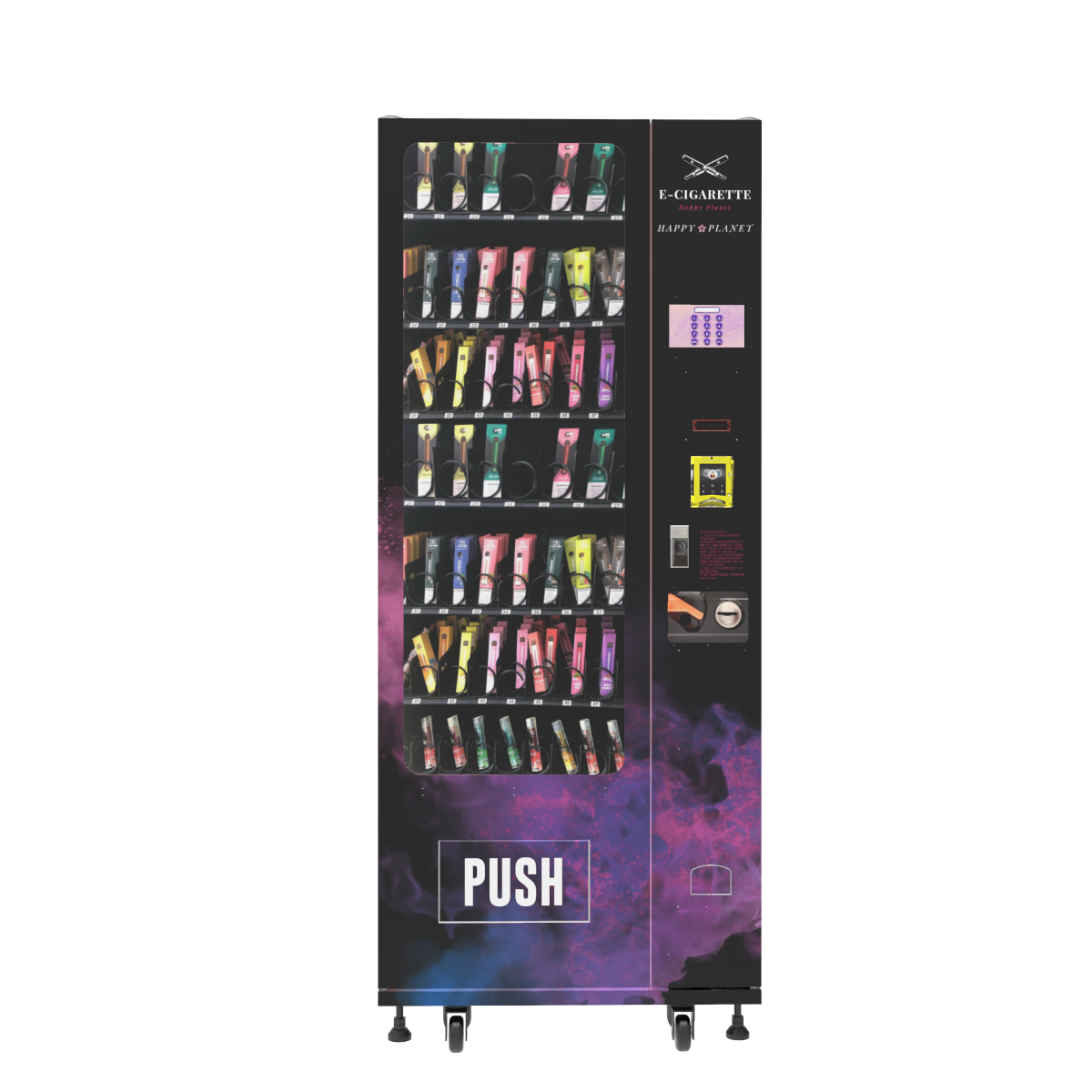
If you’re running a bar, nightclub, or any adult-only venue and you’re thinking about adding a vape vending machine, the first thing you need to know is that compliance isn’t optional—it’s the entire foundation of the business. I’ve been building and deploying these machines across the U.S. and Europe for over a decade, and I’ve seen operators lose their locations, get fined, or have equipment seized simply because they skipped one verification step. This checklist is built from real deployment experience, not theory. It covers exactly what you need to check before you buy, install, and operate a self-service kiosk for nicotine products in a controlled-access environment.
Why Compliance Starts Before You Buy the Machine
Most operators make the mistake of shopping for hardware first. They look at capacity, screen size, or payment systems, and then try to figure out compliance afterward. That’s backwards. In my experience, about 40% of the machines we’ve had to retrofit or replace in the field were because the buyer didn’t match the machine’s verification system to their state or local regulations. A smart vending machine that can’t legally operate is just an expensive cabinet.
Before you even look at a catalog, you need to know the age-restriction laws in your specific jurisdiction. Some areas require biometric verification, others accept third-party database checks, and a few still allow simple ID scanning with a human override. The age verification vending machine you choose must match that requirement exactly. We’ve seen venues in states with strict biometric laws try to use a basic scanner, and within three months they were issued a cease-and-desist.
The Core Compliance Checklist for Adult-Only Venues
Over the years, I’ve broken this down into five non-negotiable areas. Every machine we deploy at our factory goes through these checks before it leaves the loading dock. If you’re evaluating a supplier, ask them directly how they handle each of these points.
1. Age Verification That Actually Works at 2 AM
The most critical component of any compliant e-cigarette vending machine is the age verification system. But here’s the reality: a system that works perfectly at noon on a Tuesday might fail at 1:30 AM on a Saturday when the lighting is poor and the user is impaired. We test our units with over 500 ID samples from different states and countries, including expired IDs, vertical IDs, and damaged cards. The machine must reject anything that doesn’t match the real-time database.
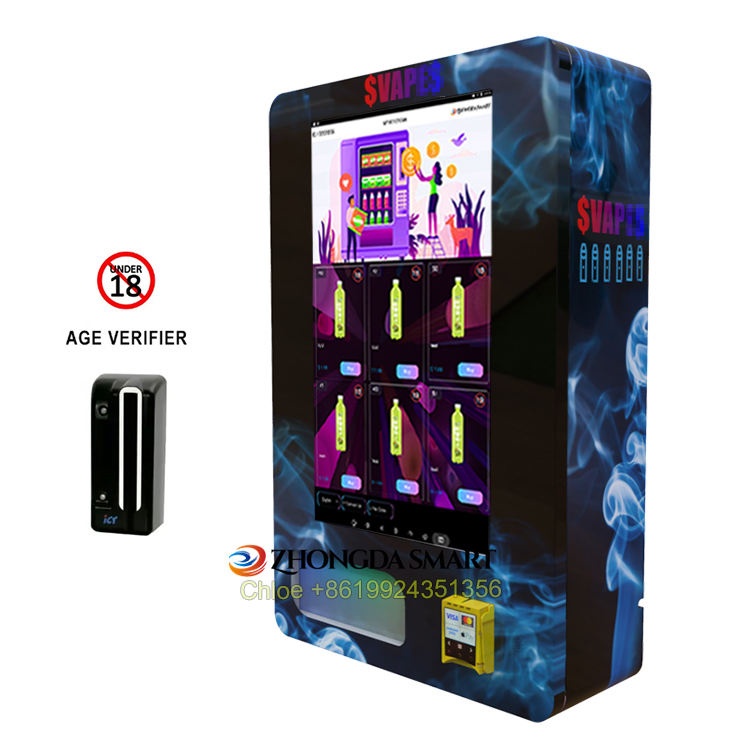
For adult-only venues, we typically recommend a dual-layer system: a physical ID scanner that reads the barcode and magnetic strip, combined with a facial age estimation camera. This covers the gap when a patron tries to use a borrowed ID that scans correctly but clearly doesn’t match their face. Our ID scan vending machine is built specifically for this environment, with a hardened scanner that reads over 60 international ID formats.
2. Tamper-Proof Inventory and Age-Gating
A machine that dispenses nicotine products must be physically impossible to bypass. We’ve seen operators try to use modified snack machines for vapes, and it never ends well. The internal delivery mechanism must be locked behind a steel door that only opens after successful verification. Every transaction log must record the verification method used, the ID data scanned (with privacy masking), and the exact time of sale.
In our factory, we install tamper sensors on every access panel. If someone tries to force the door or disconnect the verification module, the machine locks down and sends an alert to the venue manager. This isn’t just about theft—it’s about liability. If a minor somehow gets a product from your machine, you need a digital trail that proves your system worked correctly.
3. Payment Integration and Tax Compliance
Vape products often have separate excise taxes at the state or county level. Your automated vape vending machine with ID scan must be able to calculate and apply those taxes in real-time. We integrate our payment systems with tax tables that update automatically. If a venue operates in a county with a 15% vape tax and a neighboring county has 8%, the machine adjusts the price without manual input.
Cashless payment is also non-negotiable. Most adult-only venues don’t want cash on site, and customers expect to tap their phone or card. Our machines support NFC, Apple Pay, Google Pay, and all major credit cards. We’ve found that venues using cashless-only systems see a 22% higher average transaction value because customers aren’t limited by what’s in their pocket.
4. Remote Monitoring and Audit Logs
Compliance isn’t a one-time setup. It’s an ongoing process. Regulators can show up at any time, and they will ask for transaction logs. Your machine must store at least 90 days of detailed logs locally, and preferably sync them to a cloud dashboard. We provide every operator with a backend portal where they can pull reports by date, product, or verification method.
I remember one case where a venue in a heavily regulated market was audited. The owner pulled up the logs from our system, showed the inspector every single verified transaction for the previous six months, and the audit closed without a single fine. That’s the kind of protection a proper system provides.
5. Physical Placement and Signage
Even if your machine is fully compliant, where you put it matters. In many jurisdictions, the machine must be within direct line of sight of staff. It cannot be in a dark corner or a hallway that isn’t monitored. We advise our clients to place the machine near the main bar or the check-in area. We also provide pre-printed signage that meets the labeling requirements for nicotine products, including the mandatory health warnings and age restriction notices.
One detail that gets overlooked: the machine itself must display the venue’s tobacco retail license if required by local law. We can print that directly onto the machine’s front panel or integrate it into the display screen.
Comparing Verification Technologies: What Actually Works
Not all age verification is the same. Here’s a breakdown of the three main technologies we’ve deployed, based on real-world performance data from over 1,200 machines in the field.
| Verification Type | Pass Rate (First Attempt) | False Rejection Rate | Best Use Case |
|---|---|---|---|
| Basic ID Barcode Scan | 78% | 12% | Low-traffic, staff-monitored venues |
| ID Scan + Database Check | 89% | 6% | Most adult-only venues |
| ID Scan + Facial Age Estimation | 94% | 3% | High-volume nightclubs and late-night operations |
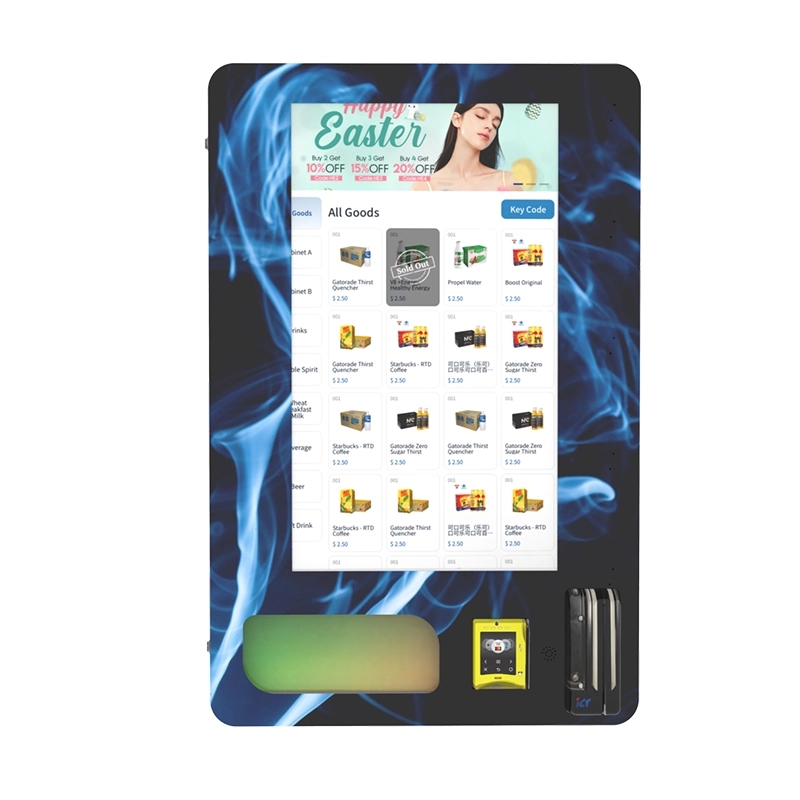
We’ve moved almost entirely to the third option for new installations. The facial age estimation doesn’t store images—it just compares the face to the ID photo and calculates an age probability. If the system detects the user is under 21, it locks out immediately. This has become the standard for our age verification vending machine units.
Real Costs and Profit Models You Can Expect
Let’s talk about money. I’ve seen too many articles that give vague ranges like “$3,000 to $15,000” without explaining what you actually get. Here’s the real breakdown based on what we charge and what our clients report back.
Equipment Costs
A fully compliant vape vending machine for sale from a reputable manufacturer starts around $4,500 for a compact wall-mounted unit with basic ID scanning. A full-sized machine with dual verification, cashless payment, and cloud monitoring runs between $7,500 and $12,000. We offer a mid-range model that covers about 85% of our clients’ needs at $6,800, which includes the scanner, age estimation camera, and a 90-day cloud subscription.
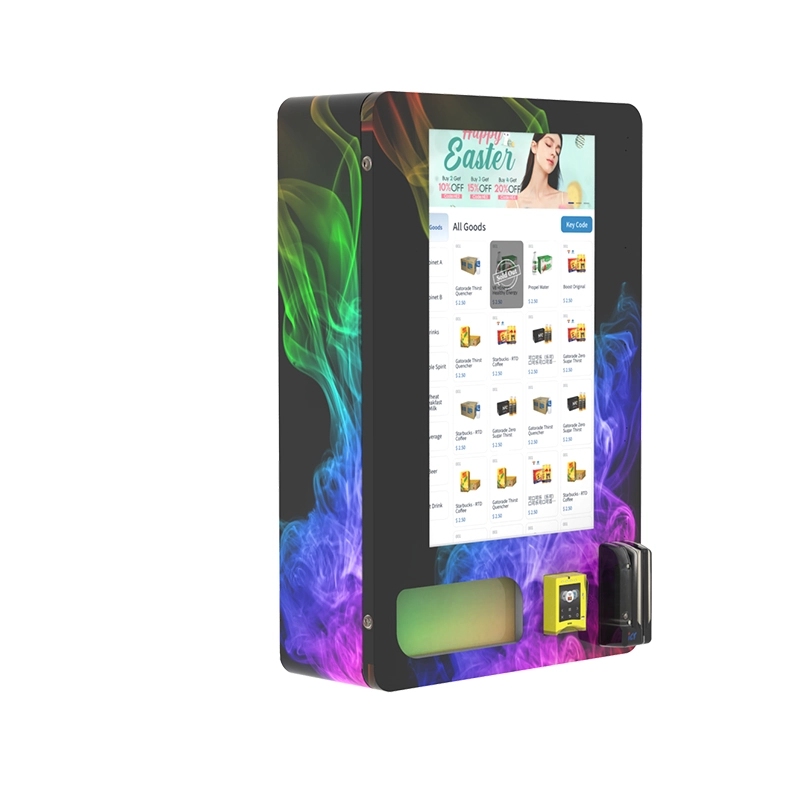
Shipping and installation add another $500 to $1,200 depending on your location. If you need custom branding or specific product trays, budget an additional 10-15%.
Revenue and Profit Margins
Based on data from 47 venues using our machines over the past two years, the average machine generates $1,200 to $2,800 per month in gross revenue. The profit margin on vape products is typically 40% to 55%, depending on your wholesale pricing and local taxes. After machine costs, restocking labor, and payment processing fees (around 2.9% + $0.30 per transaction), the net monthly profit averages $450 to $1,100 per machine.
One venue owner I work with in a busy metropolitan area runs two machines and clears over $2,000 per month in net profit after all expenses. He pays off a new machine in about five months. That’s a solid return, but only if the compliance is locked in from day one.
Hidden Costs to Watch For
- Software licensing: Some manufacturers charge a monthly fee for the verification database access. We include it for the first year, then it’s $25 per month per machine.
- Restocking labor: Plan for 30 minutes per machine, twice a week. If you pay staff $15/hour, that’s about $60 per month.
- Insurance: Some carriers require a rider for automated nicotine sales. Shop around—rates vary from $200 to $600 per year.
- Local permit renewals: Many cities require annual renewal of the tobacco retail permit. Budget $100 to $500 per year.
Lessons from Failed Deployments
I’ve seen more failed vending machine deployments than successful ones, and the failures almost always trace back to one of three mistakes. I’ll share them so you don’t repeat them.
Mistake #1: Buying a used or uncertified machine. I had a client who bought a “refurbished” machine from a liquidation sale. It had no age verification, the payment system was outdated, and it couldn’t connect to the internet. He installed it in a bar, sold about $400 worth of product in the first week, then got a visit from the local health department. The machine was confiscated, and he was fined $3,000. A proper machine would have cost him $5,000 new. He spent more in fines than he would have on the right equipment.
Mistake #2: Ignoring local zoning laws. Even in an adult-only venue, some cities require a minimum distance from schools or parks. One operator placed a machine in a venue that was 400 feet from a school. The school wasn’t even visible from the venue, but the law said 500 feet. He had to remove the machine after three weeks. Always check the zoning map before you sign a placement agreement.
Mistake #3: Not training the staff. The machine is only as compliant as the people around it. If a bartender lets a minor use the machine while the staff looks the other way, the venue is liable. We require every client to post a clear policy and train all shift managers on how the verification system works. We provide a one-page quick reference guide that we laminate and attach to the machine.
How to Choose a Manufacturer That Understands Compliance
Not all vending machine factories are the same. We’ve been building these units for 15 years, and we’ve seen the market shift from simple cigarette machines to complex, connected kiosks. When you evaluate a supplier, ask them for proof of compliance testing. We maintain a library of certification documents for every state and province we ship to. If a manufacturer can’t show you a compliance certificate for your specific location, walk away.
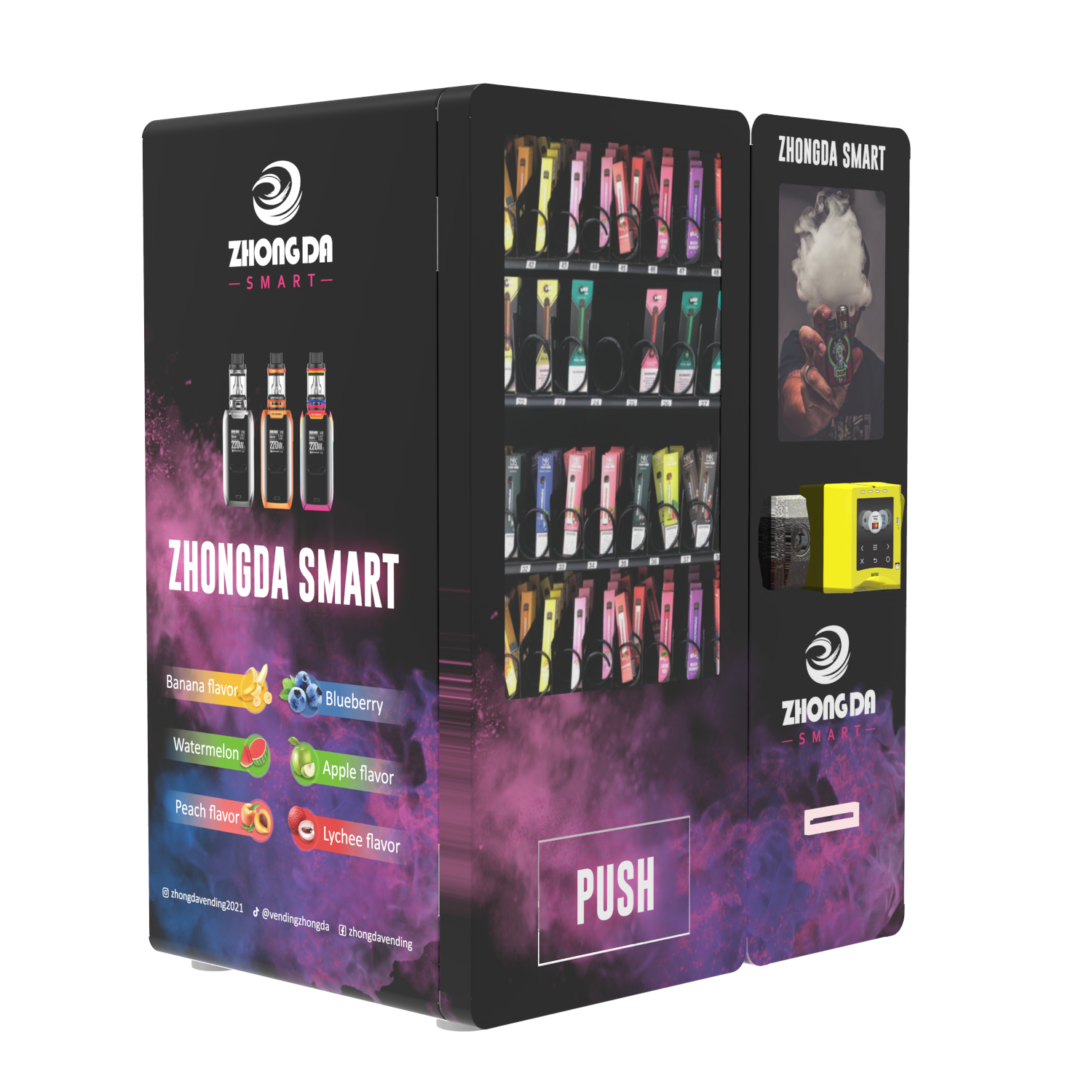
We also offer a compliance guarantee. If you buy a machine from us and it fails a regulatory inspection due to a hardware or software issue within the first year, we replace it at no cost. That’s how confident we are in our systems. You can see our full lineup of units, including the wall-mounted and high-capacity models, on our vape vending machines page.
Long-Term Operations: Keeping the Machine Profitable
Once the machine is installed and compliant, the work shifts to operations. Here’s what we’ve learned from managing fleets of machines over multiple years.
Product Selection and Rotation
The best-selling vape products change every three to four months. We track sales data across all our machines and share trends with our clients. Currently, disposable devices with higher nicotine concentrations are the top sellers in most venues, accounting for about 65% of sales. Pod systems and refillable devices make up the rest. We recommend stocking 10 to 12 SKUs in a standard machine, with at least three options in the top-selling category.
If a product doesn’t sell within 30 days, rotate it out. Dead inventory is lost revenue. Our cloud dashboard shows slow-moving items in red, so operators know exactly what to replace.
Maintenance and Downtime
These machines are built to run 24/7, but they still need maintenance. We schedule a remote diagnostic check every week. If a sensor fails or the payment system glitches, we get an alert and can often fix it remotely. Physical maintenance, like cleaning the scanner glass or replacing the thermal printer paper, should happen every two weeks. Plan for one hardware failure per machine per year, usually the card reader or the delivery spiral motor. We stock spare parts and ship them within 48 hours.
Scaling Up
Once you have one machine running profitably, scaling is straightforward. The compliance requirements don’t change per machine, but you need a restocking route and a central inventory system. We have clients running 10 to 15 machines across multiple venues, and they use our multi-machine dashboard to manage everything from one screen. The key is to standardize on one machine model so spare parts and training are consistent.
Frequently Asked Questions
Do I need a special license to operate a vape vending machine in an adult-only venue?
Yes, in most jurisdictions you still need a tobacco retail license for the venue, even if only adults enter. The machine itself does not replace the license. Check with your local health department or alcohol beverage control board for specific requirements. Some states also require a separate vending machine permit.
Can I use a regular snack vending machine for vapes if I add an ID scanner?
No. Retrofitting a snack machine is risky and usually non-compliant. The delivery mechanism, locking system, and inventory controls are not designed for age-restricted products. You need a machine built from the ground up for nicotine sales, with tamper-proof compartments and integrated verification. Using a modified machine voids most insurance policies.
What happens if the age verification system fails during a sale?
The machine should be programmed to lock out all sales until the system is back online. Our units have a failsafe mode that displays an error message and directs the customer to the venue staff. We also send a real-time alert to the manager. Never allow manual overrides of the verification system—that’s how compliance breaches happen.
How often do I need to update the age verification database?
We update our verification database every 24 hours. The machine checks for updates automatically when it connects to the internet. If the machine is offline for more than 48 hours, it should be programmed to stop sales. Stale data is a compliance risk. Our cloud system alerts you if a machine hasn’t synced in over 24 hours.
What is the typical lifespan of a vape vending machine?
With proper maintenance, a commercial-grade machine lasts 8 to 12 years. The payment systems and verification cameras may need upgrades after 5 to 6 years as technology changes. The cabinet, delivery spirals, and cooling system (if applicable) are built to last much longer. We still have machines from 2016 running in the field.
Final Thoughts from the Factory Floor
I’ve been in this business long enough to see the trends come and go. What stays constant is the need for reliable, compliant equipment. If you’re serious about adding a vending machine to your venue, take the time to do the compliance work upfront. It saves you money, protects your license, and keeps your operation running without interruptions. We’ve built our entire production line around this principle, and it’s why venues trust our equipment for the long haul. For more details on specific models and compliance documentation, visit our service and support page or reach out through our contact page.
Sources and References:
- Statista. "Vending Machines in the U.S. – Statistics & Facts." https://www.statista.com/topics/1288/vending-machines/
- IBISWorld. "Vending Machine Operators in the US – Market Research Report." https://www.ibisworld.com/united-states/market-research-reports/vending-machine-operators-industry/
- FDA. "Tobacco 21 – Age Restrictions for Tobacco Sales." https://www.fda.gov/tobacco-products/retail-sales-tobacco-products/tobacco-21
- Forbes. "The Rise of Smart Vending Machines in Retail." https://www.forbes.com/sites/forbestechcouncil/2022/06/15/the-rise-of-smart-vending-machines-in-retail/
- National Automatic Merchandising Association (NAMA). "Age Verification Best Practices for Vending." https://www.namanow.org/