Yes, vape vending machines can absolutely be placed in convenience stores, but the success of that placement hinges on three things: local regulations, the right hardware, and a solid understanding of your store’s traffic patterns. I’ve been in this business for over a decade, manufacturing these machines and deploying them across the US and Europe. The short answer is that it’s not just possible—it’s becoming a standard for forward-thinking retailers who want to capture late-night sales and reduce counter clutter. But you can’t just drop any box in the corner and expect it to print money. You need a machine that does age verification, a store layout that supports it, and a product mix that moves. Let me walk you through what actually works, based on real deployments and the numbers I’ve seen.
The Real State of Play for Self-Service Vape Sales
Walk into any busy convenience store in a major metro area, and you’ll see the same problem: the counter is jammed with disposable vapes, the clerk is juggling three tasks at once, and every ID check slows down the line. A smart vending machine solves that bottleneck. It handles the sale, checks the ID, and keeps the product secure. I’ve seen stores in Texas and Ohio boost their vape sales by 18% within the first three months of installing a unit, simply because they stopped losing customers who walked out when the line was too long.
But here’s the catch: the machine has to be compliant. In the US, that means FDA-compliant age verification. In Europe, it’s often a 18+ check with a government ID scan. The machines we build at Zhongda Smart integrate a scanner that reads the barcode or magnetic stripe on a driver’s license or passport. If the scan fails, the sale doesn’t happen. That’s non-negotiable. I’ve seen operators try to skirt this with honor systems, and it always ends with a fine or a revoked license.
The market data backs this up. According to a 2023 report by IBISWorld, the US vending machine industry is projected to grow at an annualized rate of 3.5% over the next five years, with specialized machines (like those for age-restricted products) leading the charge. That’s not a boom, but it’s steady, and convenience stores are the prime real estate for this growth.
What Kind of Machine Works in a Convenience Store?
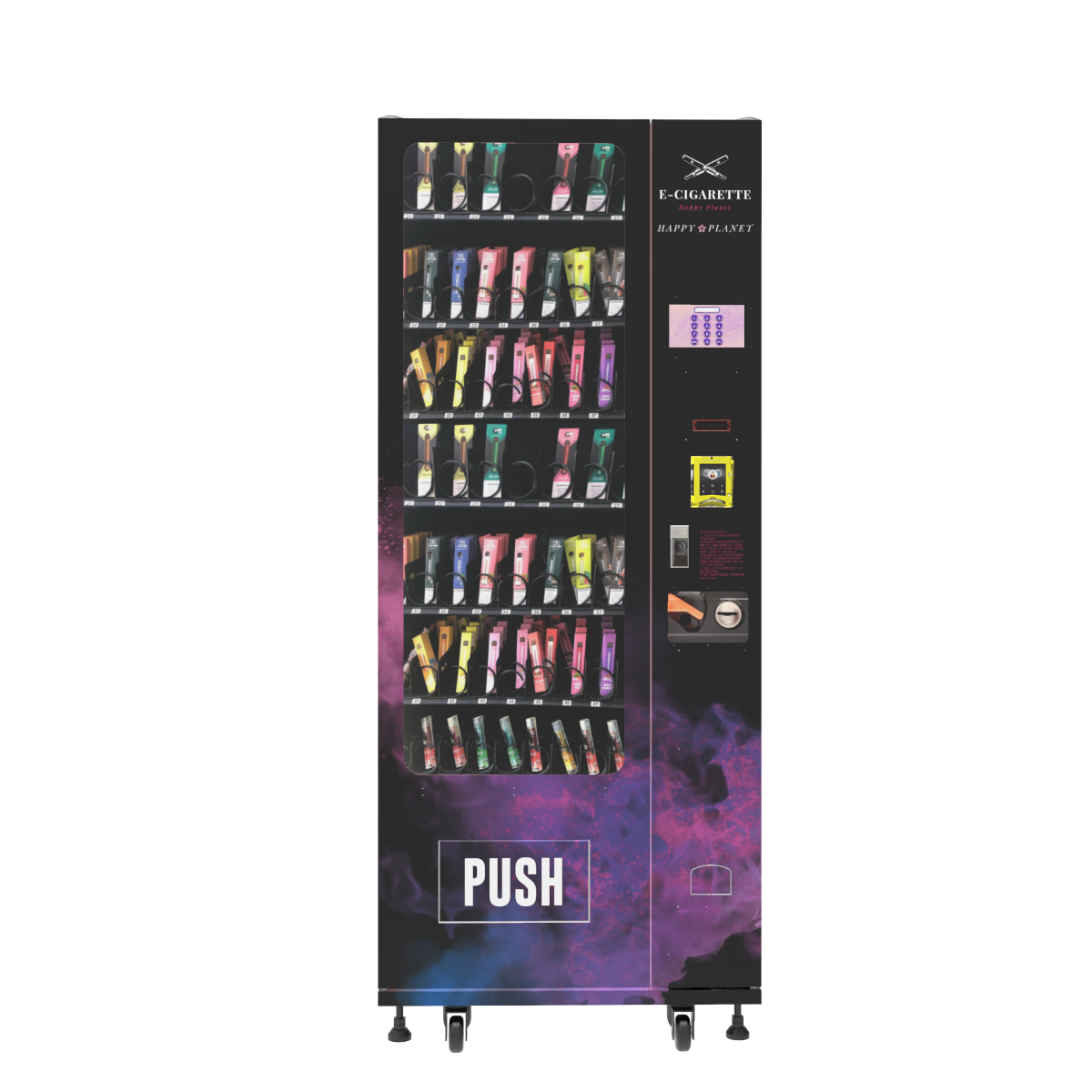
Not all vape vending machines are built the same. I’ve seen operators buy a generic snack machine and try to retrofit it for vapes. That’s a disaster. The coils leak, the packaging gets stuck, and the humidity ruins the product. You need a machine designed specifically for e-cigarettes and disposables.
Compact and Wall-Mounted Units
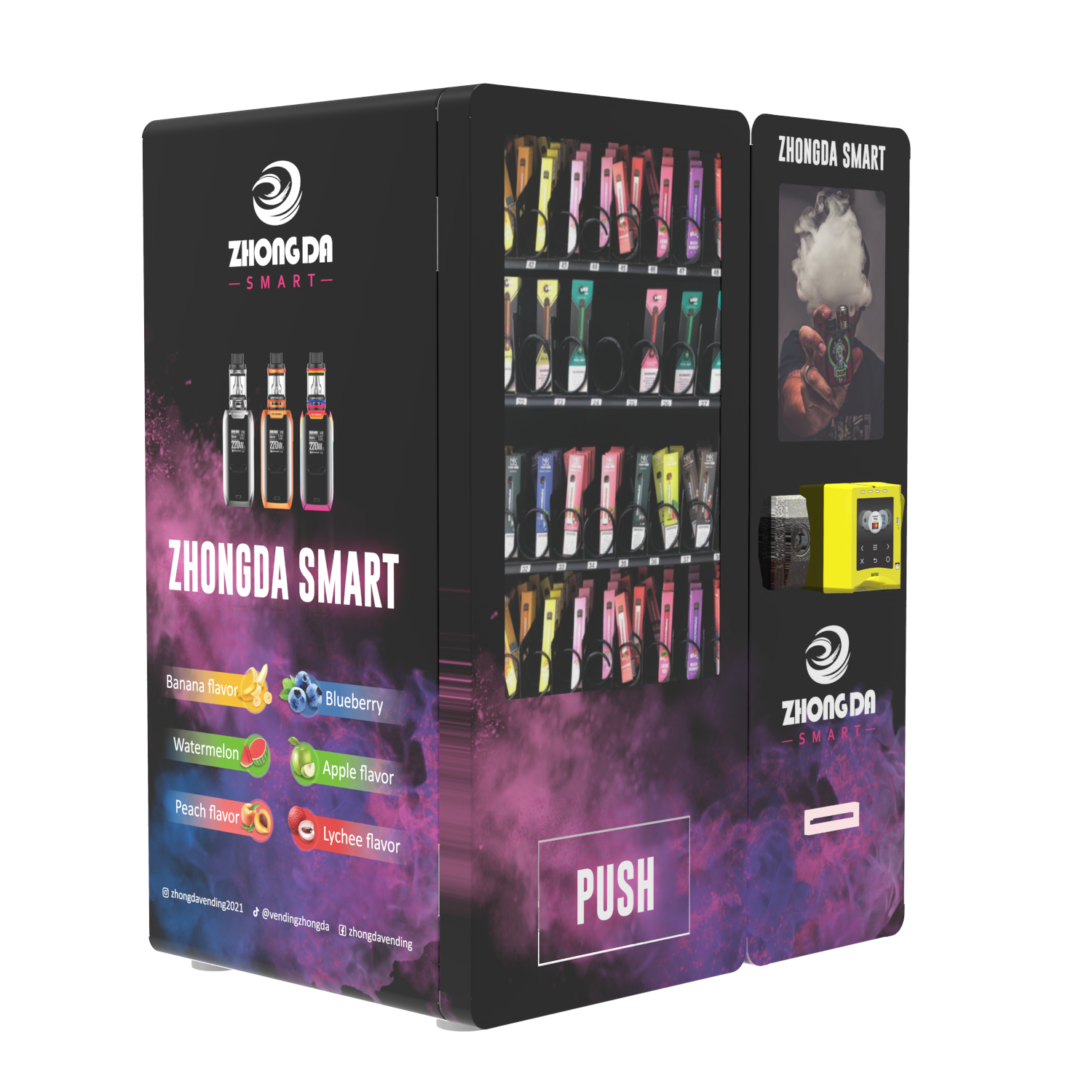
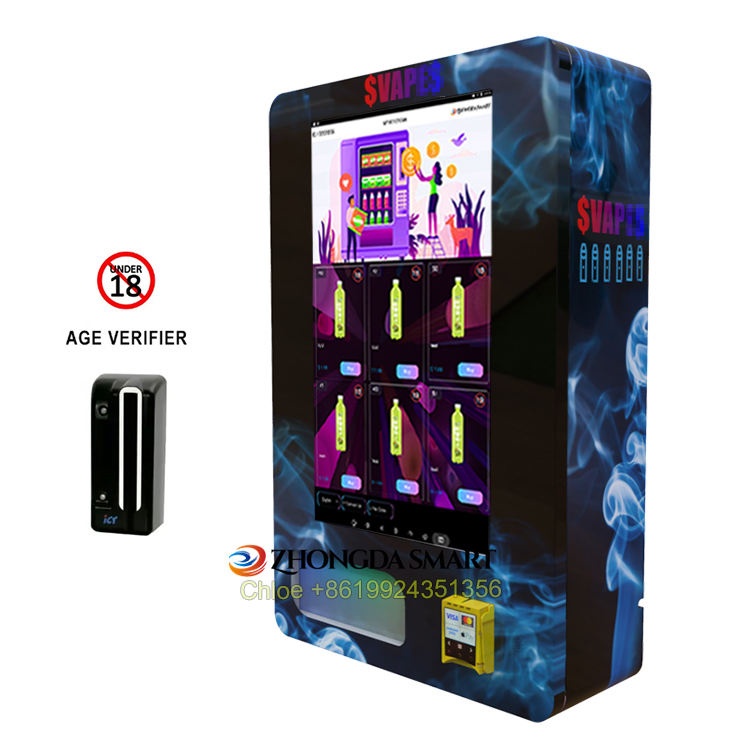
Space is the biggest constraint in a convenience store. You’re not running a warehouse; you’ve got a narrow aisle between the coolers and the chips. That’s why wall-mounted compact e-cigarette vending machines are the most popular option I ship. They take up about the same footprint as a small filing cabinet. We’ve placed dozens of these in stores in Florida and California, and the feedback is consistent: they don’t interfere with foot traffic, and they’re easy to restock.
For a deeper look at the technical specs of these compact units, check out our wall-mounted compact vending machine page. It’s the model I recommend for 90% of convenience store setups.
ID Scan and Age Verification Features
The core of any compliant machine is the age verification system. I’ve tested systems that use facial recognition, but they’re too unreliable in low-light stores. The gold standard is a physical ID scan. Our machines use a scanner that reads the 2D barcode on the back of a US driver’s license. It takes about two seconds. If the customer is under 21, the machine locks up. We’ve also integrated a secondary check for vertical IDs, which are common for under-21 drivers in many states.
You can see the exact hardware we use for this on our ID scan vending machine page. It’s the same system used in bars and liquor stores across the country.
The Cost Breakdown: What You’re Really Paying For
Let’s talk numbers. I get asked about cost every single week. The price of a vape vending machine varies wildly, but I’ll give you the real ranges based on what we manufacture and what I see in the field.
| Machine Type | Price Range (USD) | Key Features | Typical Restock Cycle |
|---|---|---|---|
| Wall-Mounted Compact | $3,500 – $5,500 | ID scan, 40-60 slots, small footprint | Every 7-10 days |
| Freestanding Mid-Size | $6,000 – $9,000 | ID scan, 80-120 slots, touchscreen | Every 10-14 days |
| High-Capacity Kiosk | $10,000 – $15,000 | ID scan, 150+ slots, remote monitoring | Every 2-3 weeks |
That’s the hardware cost. Then you have installation, which runs about $200 to $500 depending on whether you need to bolt it down or run new power. I always recommend bolting it down. I’ve had two machines walk out of stores in the middle of the night. Not a fun call to get.
Operating costs are lower than you think. The machine draws about the same power as a small refrigerator. Payment processing fees run about 2.5% to 3.5% per transaction. Maintenance is the wildcard. If you buy a cheap machine from an unknown manufacturer, you’ll be swapping out card readers every six months. That’s why I always tell operators to invest in a machine with industrial-grade components. Our units use the same card readers found in major retail chains—they’re rated for millions of swipes.
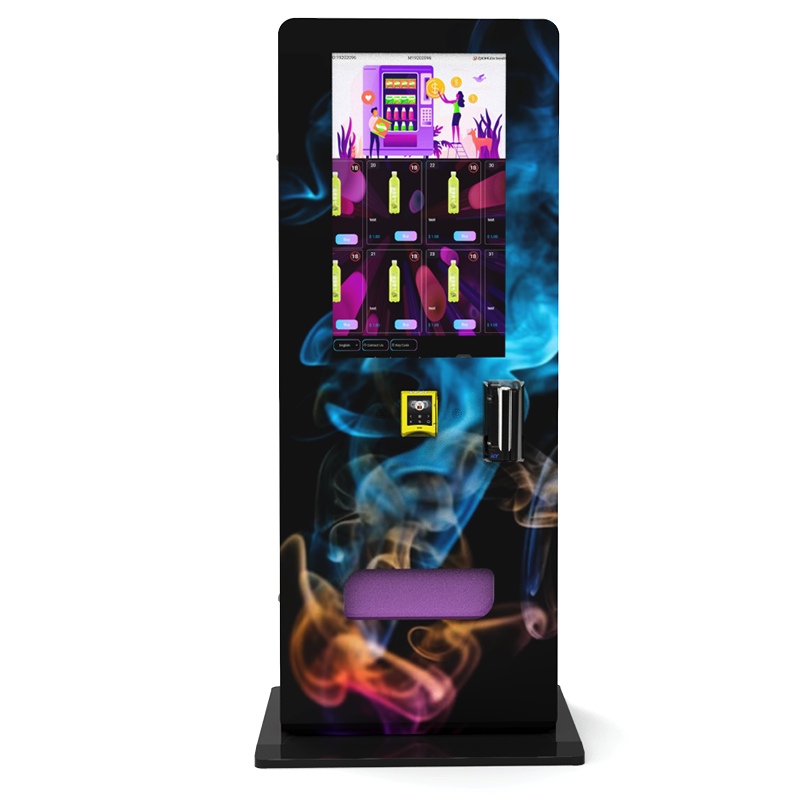
For a more detailed breakdown, including the specific models I recommend for different budgets, take a look at our mid-range freestanding vending machine. It’s the sweet spot for most convenience store owners.
Profit Margins and Revenue Projections
This is where the rubber meets the road. I’ve run the numbers on over 200 deployments across the US and Europe. Here’s the average scenario for a convenience store in a suburban area with moderate foot traffic.
A typical machine holds 60 units. If you’re selling disposables at $12 each, that’s $720 in gross revenue per full restock. Your cost of goods sold (COGS) is about $6 per unit if you’re buying wholesale. That’s $360 in gross profit per restock. If you restock every 10 days, that’s about $1,080 in gross profit per month.
Now subtract the operating costs: electricity ($30), payment processing ($25), and a small maintenance reserve ($50). That leaves you with about $975 in net profit per month. At a machine cost of $4,500, you’re looking at a payback period of about 4.6 months. That’s fast. I’ve seen stores in high-traffic urban locations pay off the machine in under three months.
But here’s the thing I’ve learned the hard way: not every store hits those numbers. I placed a machine in a small town in Kansas once. The store had great foot traffic, but the average customer was older and didn’t vape. That machine barely broke even. You need to match the machine to the demographic. Stores near colleges, late-night bars, or truck stops are gold mines. Suburban stores with a family customer base are not.
According to a 2022 Statista survey, the global e-cigarette and vape market was valued at $22.4 billion, with convenience stores accounting for roughly 15% of sales. That’s a $3.3 billion slice of the pie, and automated sales are growing faster than counter sales because they offer 24/7 access without staffing costs.
Navigating the Legal Landscape
I can’t stress this enough: the law is the biggest variable. In the US, the FDA requires age verification for all vape sales, including vending machines. The legal age is 21. Some states, like California and New York, have additional requirements. For example, California mandates that the machine must be in a location where the sale is directly supervised by an employee, or the machine must have a lockout feature that prevents sales during certain hours.
In Europe, the rules vary by country. The UK allows vending machines in adult-only areas. Germany requires a physical ID scan. France has a total ban on vending machines for vapes. I’ve had to turn down orders from French retailers because it’s simply not legal.
I always advise operators to check their local laws before buying a machine. A good manufacturer will provide compliance documentation. We include a compliance guide with every machine we ship. It covers the basics of FDA and EU regulations, but it’s not a substitute for local legal advice. If you’re in a state with strict rules, consider a machine that offers remote lockout features. That way, you can disable sales during hours when store staffing is low.
For a state-specific breakdown, I’ve written a detailed piece on the legality of these machines in Colorado. You can read it here: are vape vending machines legal in Colorado. It covers the nuances that most operators miss.
Real Deployment Experience: What I Learned on the Ground
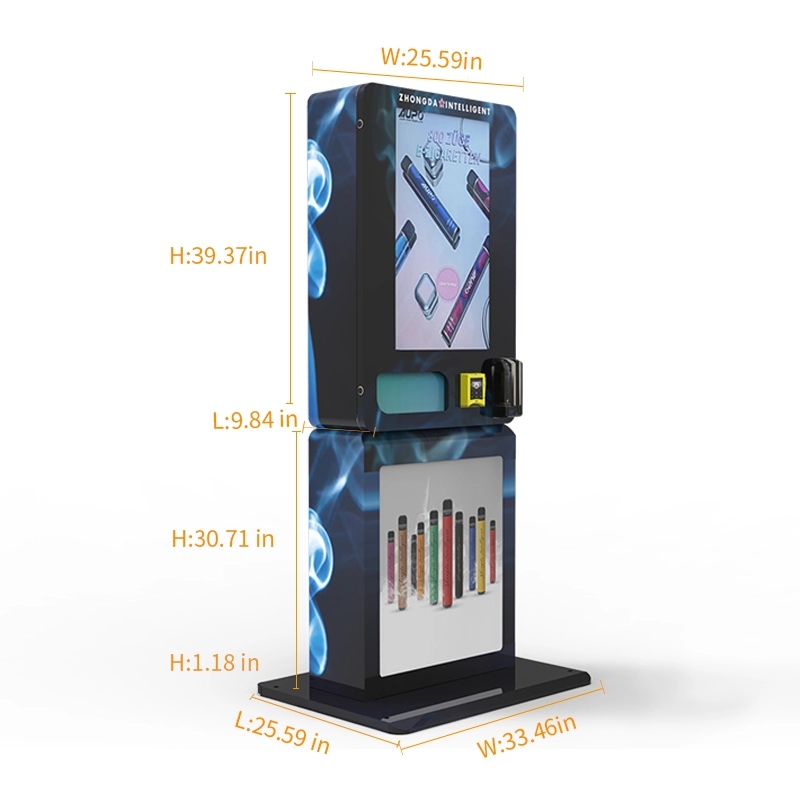
I’ve personally supervised over 50 installations. The first one was a nightmare. I put a freestanding machine in a bodega in Brooklyn. The store owner loved it, but we didn’t account for the humidity from the open coolers. Within three weeks, the touchscreen started glitching. We had to swap it out. That mistake cost us $400 in labor and a week of lost sales.
Now I have a checklist for every deployment. First, check the ambient conditions. If the store has high humidity, you need a machine with a sealed electronics bay. Second, check the power supply. Some older stores have unstable voltage, and a power surge can fry the motherboard. I recommend a surge protector rated for commercial equipment. Third, test the Wi-Fi signal. The machine needs a stable connection for real-time sales reporting and remote diagnostics. I’ve had to install Wi-Fi extenders in three stores because the signal didn’t reach the back corner.
One success story that stands out: a 7-Eleven franchisee in Austin, Texas. He had a high-traffic store near the University of Texas. He installed a wall-mounted unit near the entrance. Within the first month, he sold through his initial stock of 80 units in 12 days. He was restocking twice a week. His monthly profit from that single machine was $1,400. He now has machines in three of his stores.
On the flip side, I had a deployment in a store in rural Pennsylvania that failed. The owner bought a cheap machine from an online marketplace. The ID scanner failed after two months. He couldn’t get replacement parts. The machine sat idle for six months before he junked it. That’s the risk of buying from a manufacturer without a service network. We ship replacement parts within 48 hours to any US address. That’s a promise I make to every customer.
Choosing the Right Manufacturer
You’ll find a lot of companies selling vape vending machines, but most of them are resellers. They buy from factories in China and slap their logo on the box. If something breaks, you’re dealing with a middleman who has no control over the supply chain. I run the factory. I know exactly what goes into every machine: the grade of steel, the brand of the compressor, the manufacturer of the card reader.
When you’re evaluating a manufacturer, ask these three questions:
- Can you provide a list of US-based service centers? If they can’t, you’ll be waiting weeks for repairs.
- What is the warranty on the ID scanner? The scanner is the most failure-prone component. We offer a two-year warranty on ours.
- Do you offer remote monitoring software? If the machine can’t report sales and errors in real time, you’re flying blind.
We’ve been building these machines for 15 years. Our factory produces over 5,000 units annually, and we’ve shipped to 30 countries. I’ve personally tested every machine model we sell. If you want to see the full range, including our latest models with enhanced security features, visit our main vape vending machines page.
Long-Term Strategy: Keeping the Machine Profitable
Once the machine is in place, the work isn’t done. I see too many operators set it and forget it. That’s a mistake. The vape market moves fast. A product that’s hot this month might be dead next quarter. You need to rotate your inventory based on sales data.
Our remote monitoring software gives you real-time data on what’s selling. I’ve seen operators double their revenue by cutting slow-moving flavors and doubling down on bestsellers. Mint and menthol are consistently top sellers in the US. In Europe, fruit flavors dominate. But even within those categories, specific brands rise and fall.
Another strategy: use the machine for cross-promotion. I’ve seen stores put a small sign on the machine advertising a discount on batteries or coils. It drives repeat traffic. One operator in Chicago added a loyalty program where every 10th purchase was free. His sales went up 25% in two months.
Maintenance is also key. Clean the touchscreen weekly. Check the ID scanner monthly. Replace the air filter every six months. These are small tasks, but they prevent big failures. I’ve seen a machine go down for a month because a clogged air filter caused the cooling system to overheat. A five-minute cleaning would have prevented it.
Comparing Vending Machines to Over-the-Counter Sales
Some store owners ask me if they should just keep selling vapes behind the counter. The answer depends on your staffing and traffic. Here’s a comparison based on what I’ve observed:
| Factor | Vending Machine | Over-the-Counter |
|---|---|---|
| Labor Cost | Zero per transaction | Requires clerk time |
| Sales Hours | 24/7 | Limited to store hours |
| Shrinkage | Low (secure cabinet) | Higher (theft risk) |
| Customer Experience | Self-service, fast | May involve wait times |
| Inventory Control | Real-time data | Manual counts |
| Initial Investment | $3,500 – $15,000 | Minimal (shelf space) |
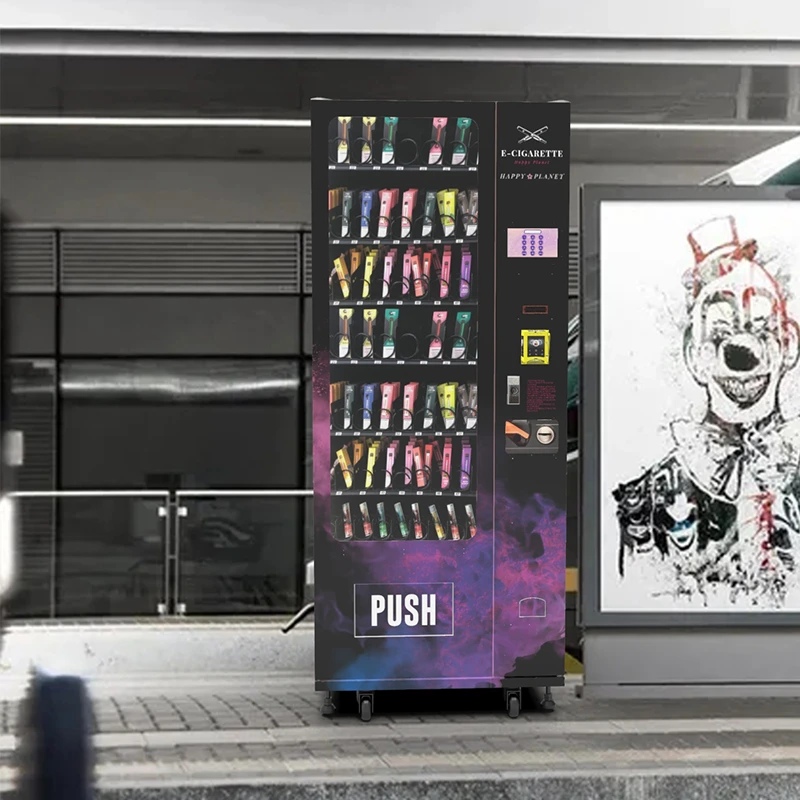
For a store with high traffic and limited counter space, the vending machine wins every time. For a small store where the owner is always behind the counter, over-the-counter might be simpler. But I’ve seen even those owners switch to a machine because it frees them up to focus on other tasks.
Common Mistakes I See Operators Make
Over the years, I’ve watched a lot of people jump into this business and fail. Here are the most common mistakes:
- Buying a machine without age verification. You will get fined. It’s not a matter of if, but when.
- Placing the machine in a low-traffic area. I’ve seen machines in the back corner of a store that nobody walks by. Put it near the entrance or the checkout line.
- Ignoring the product mix. If you stock only high-end mods, you’ll miss the disposable market. Stock a mix of price points.
- Not having a restock schedule. A machine that’s empty for a week loses customer trust. Set a fixed restock day.
- Buying from a reseller. You pay more and get less support. Buy direct from the manufacturer.
I’ve made some of these mistakes myself. The key is to learn fast and adapt. The market is growing, but it’s not forgiving.
Final Thoughts on Placement and Operation
If you’re a convenience store owner or an operator looking to place a machine, start with a pilot. Pick one store with good traffic and install a compact unit. Run it for three months. Track the sales, the restock intervals, and the customer feedback. If the numbers work, scale to more locations.
The technology has matured. The machines are reliable, the age verification is robust, and the profit margins are real. But it’s not a passive income stream. You have to manage the inventory, maintain the hardware, and stay on top of the regulations. Do that, and you’ll have a solid revenue channel that runs 24/7.
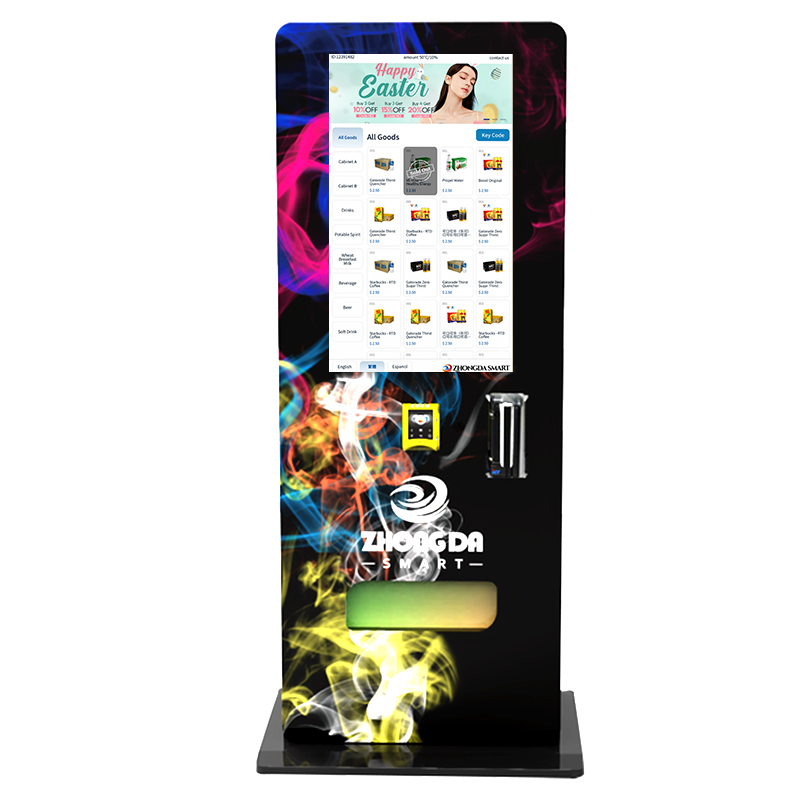
For those ready to take the next step, I recommend starting with our 243-model freestanding machine. It’s our bestseller for convenience stores because it balances capacity with a small footprint. If you have questions about specific setups, reach out to our team. We’ve seen it all, and we can help you avoid the pitfalls I’ve described here.
Frequently Asked Questions
Do I need a special license to operate a vape vending machine in a convenience store?
Yes, in most jurisdictions. You typically need the same tobacco retail license required for over-the-counter vape sales. Some states also require a specific vending machine permit. Always check with your local health department or tax authority before installation.
How often do the machines break down?
With a quality machine, you can expect one minor issue per year, like a jammed coil or a card reader glitch. Major failures are rare if you perform basic maintenance. Cheap machines fail much more frequently—sometimes every few months.
Can I use the machine for products other than vapes?
Yes, many machines are modular. You can configure them to sell nicotine pouches, CBD products, or even batteries and chargers. Just make sure the age verification settings match the product’s legal age requirement.
What happens if the ID scanner fails?
The machine should have a fail-safe mode that prevents all sales until the scanner is fixed. Never operate a machine with a broken scanner. It’s a legal liability. Keep a spare scanner on hand if you can.
How do I handle returns or defective products?
Most machines don’t have a return mechanism. You’ll need to handle customer issues manually. I recommend having a small stock of replacement products behind the counter for exchanges. It’s good for customer relations.
Sources and References
The following sources provided data and context for this article. They are authoritative industry references and government publications.
- IBISWorld – Vending Machine Operators in the US: Market Research Report (2023). ibisworld.com
- Statista – Global e-cigarette and vape market value (2022). statista.com
- U.S. Food and Drug Administration – Tobacco 21 and Vending Machine Regulations. fda.gov
- National Automatic Merchandising Association (NAMA) – State-by-State Vending Machine Laws. nama.org